 Chinese






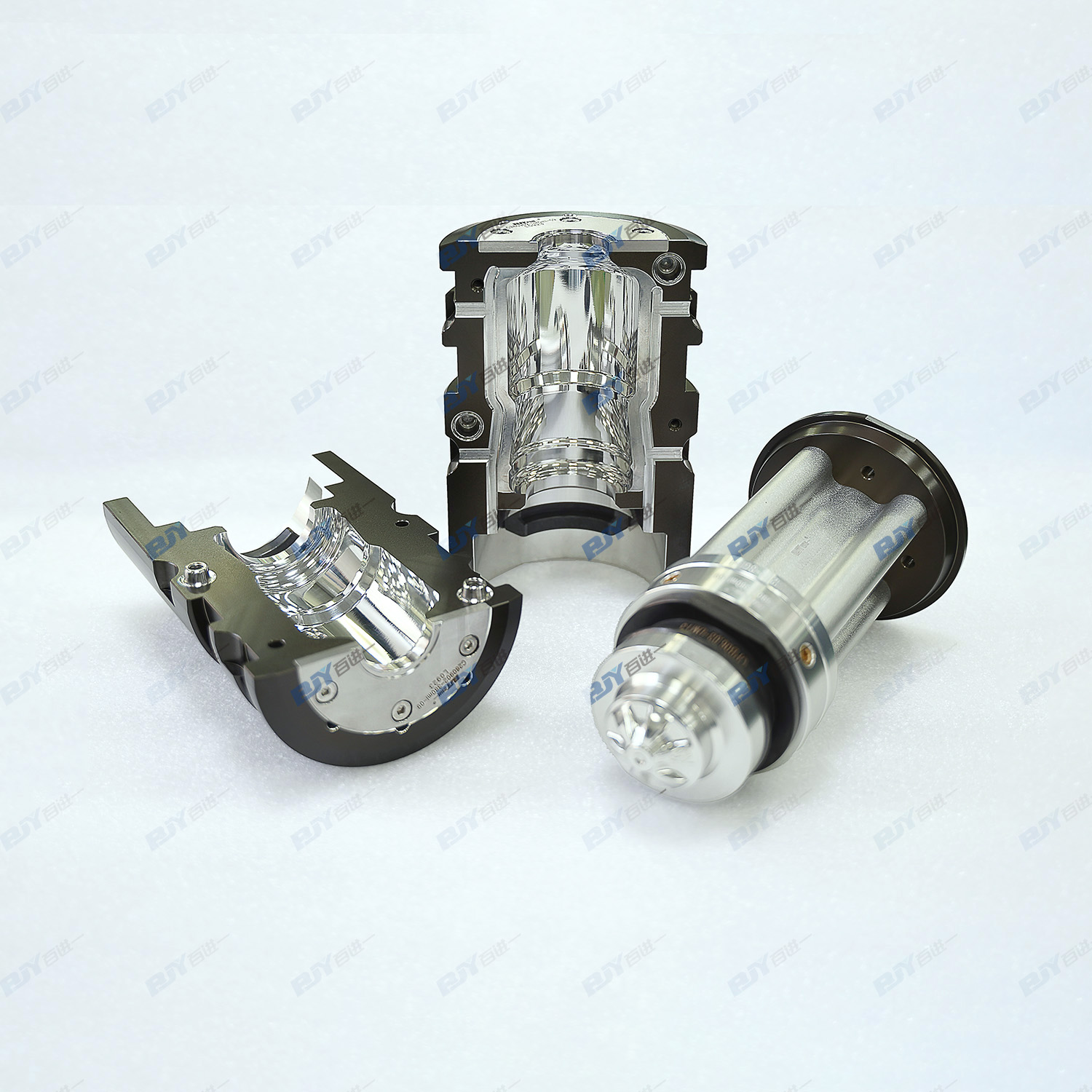
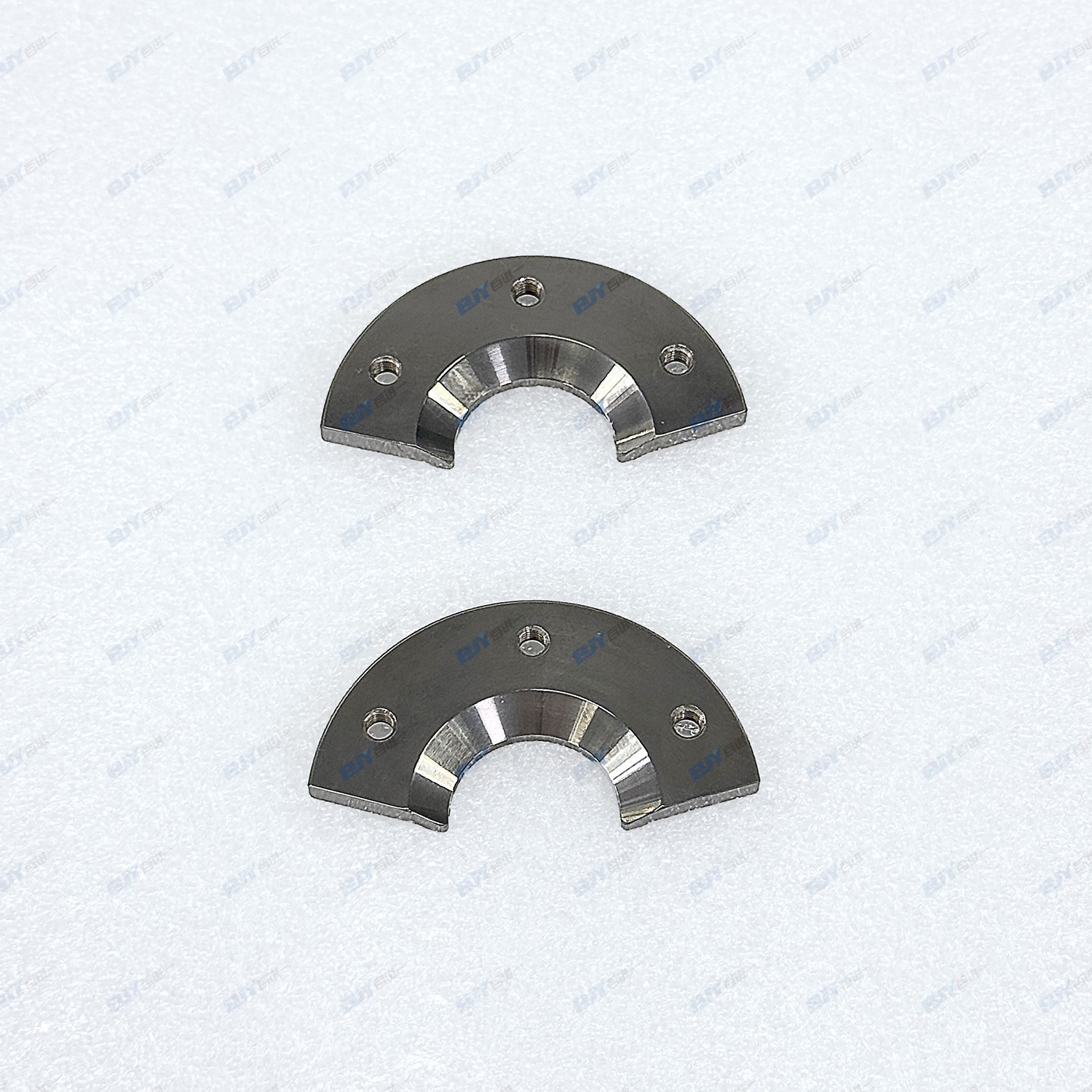
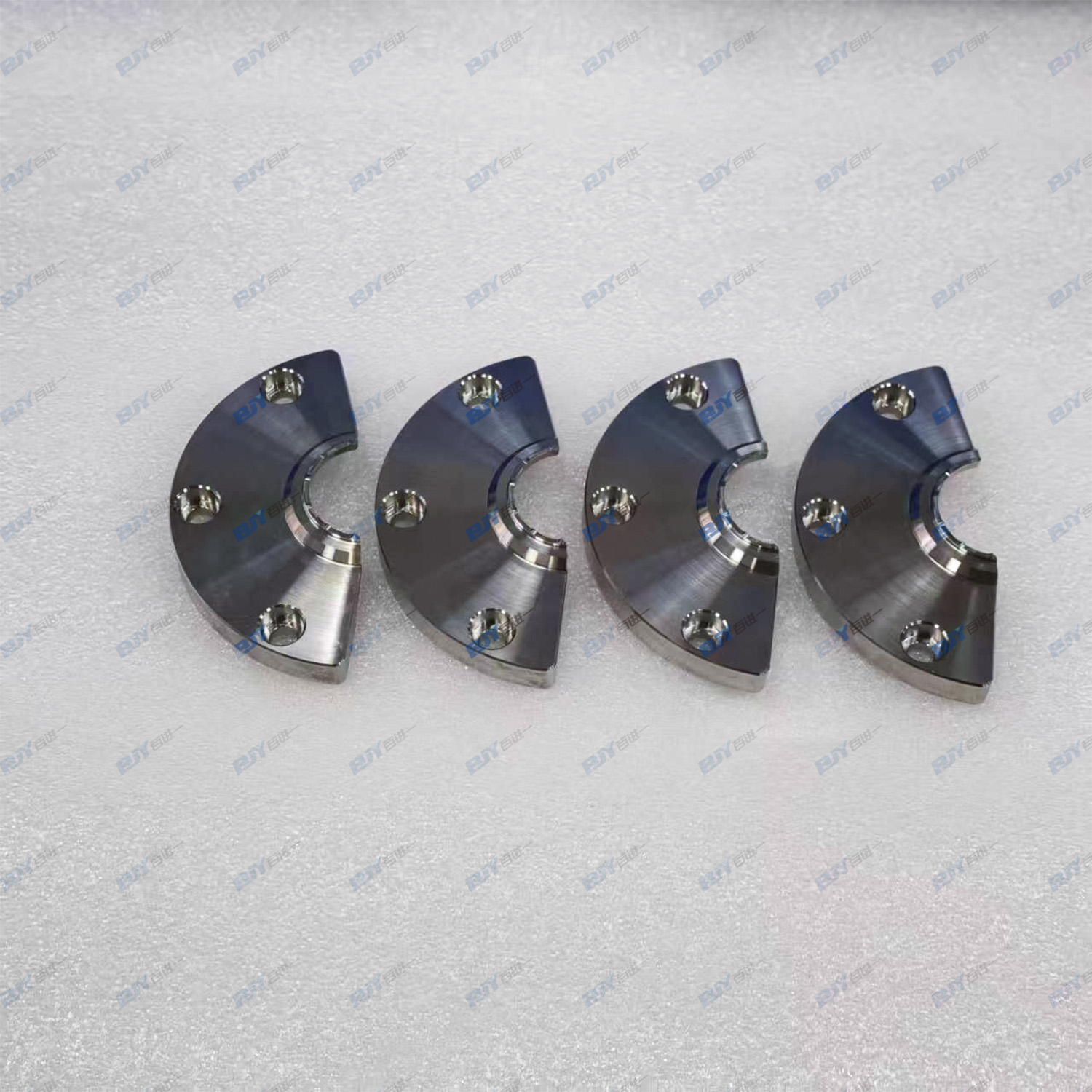
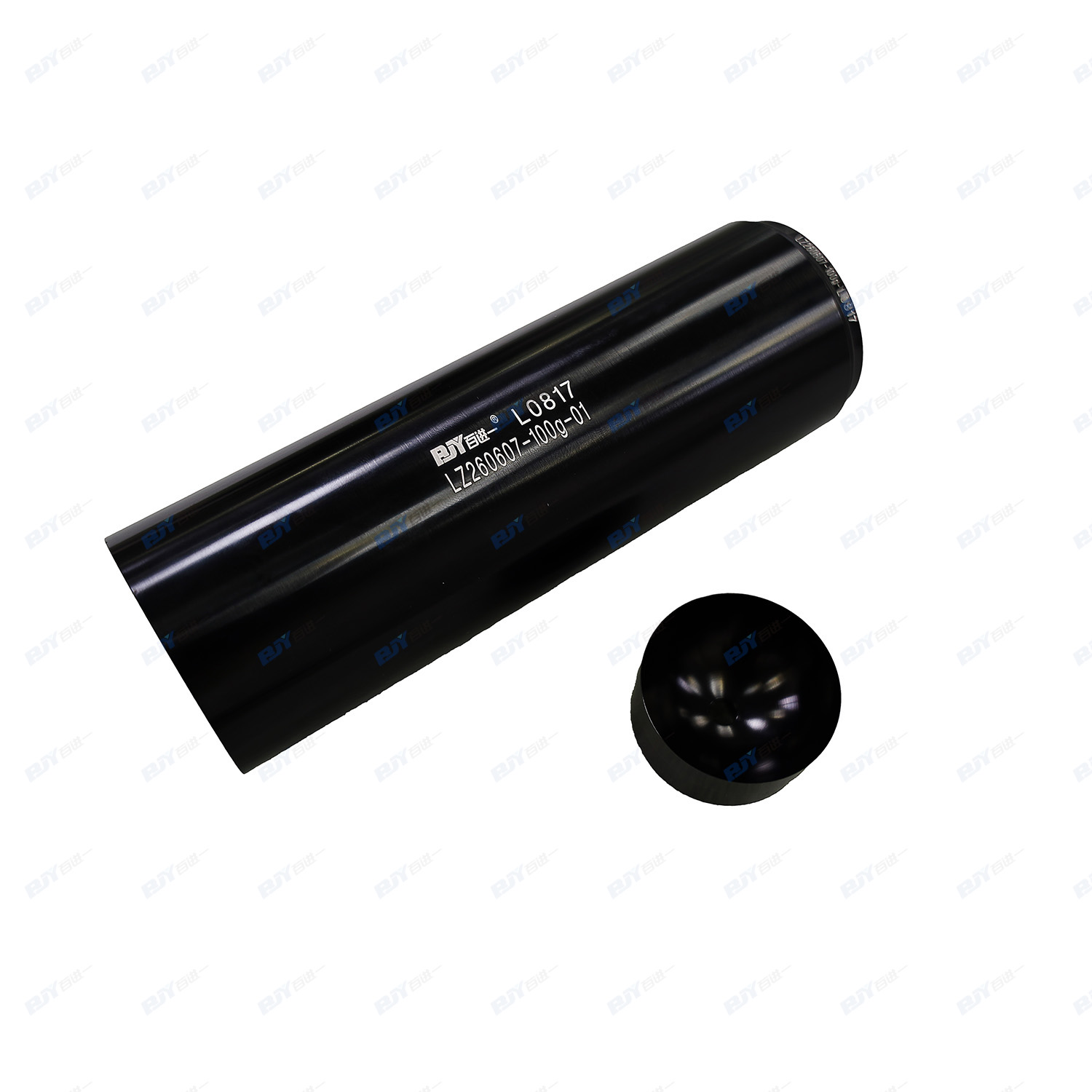
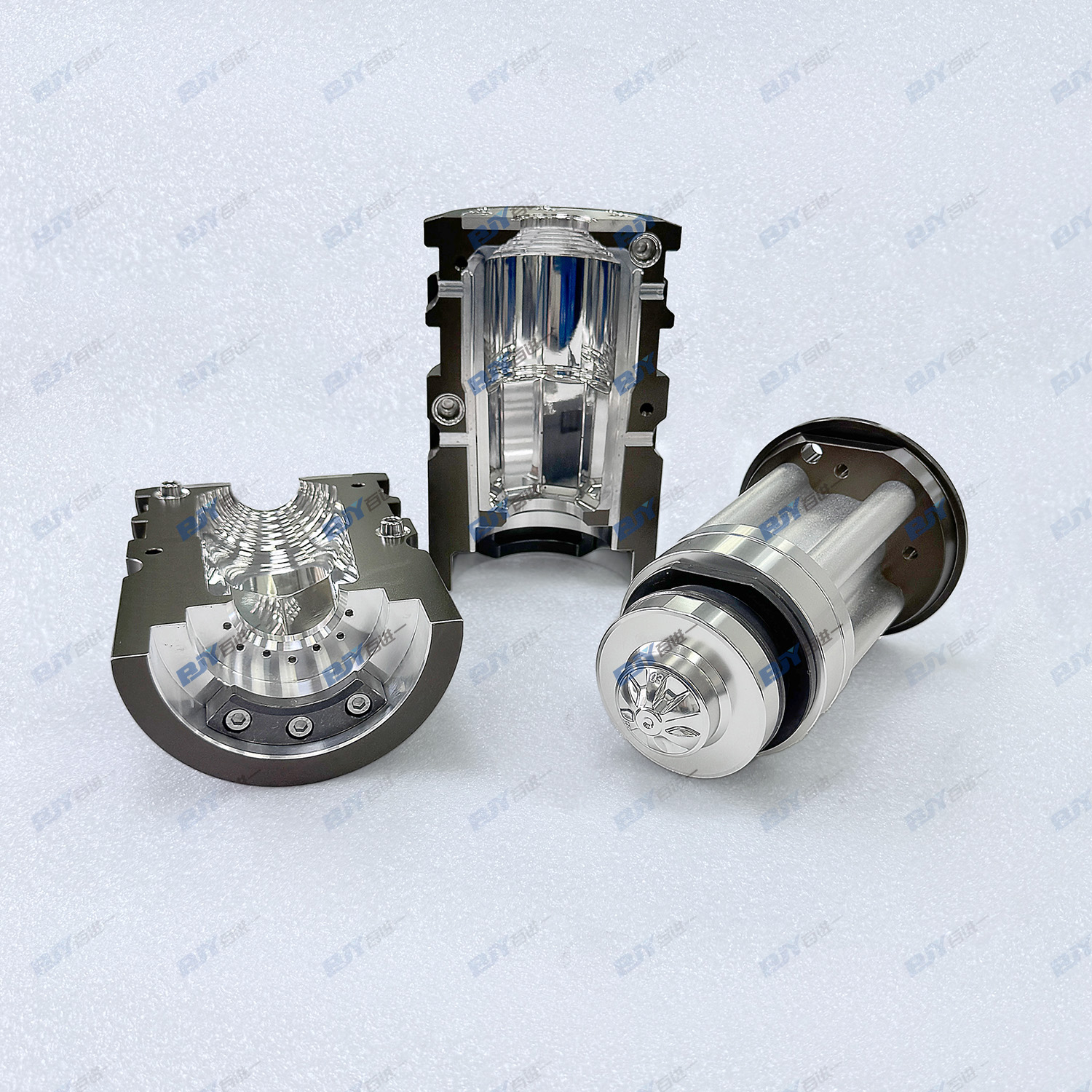
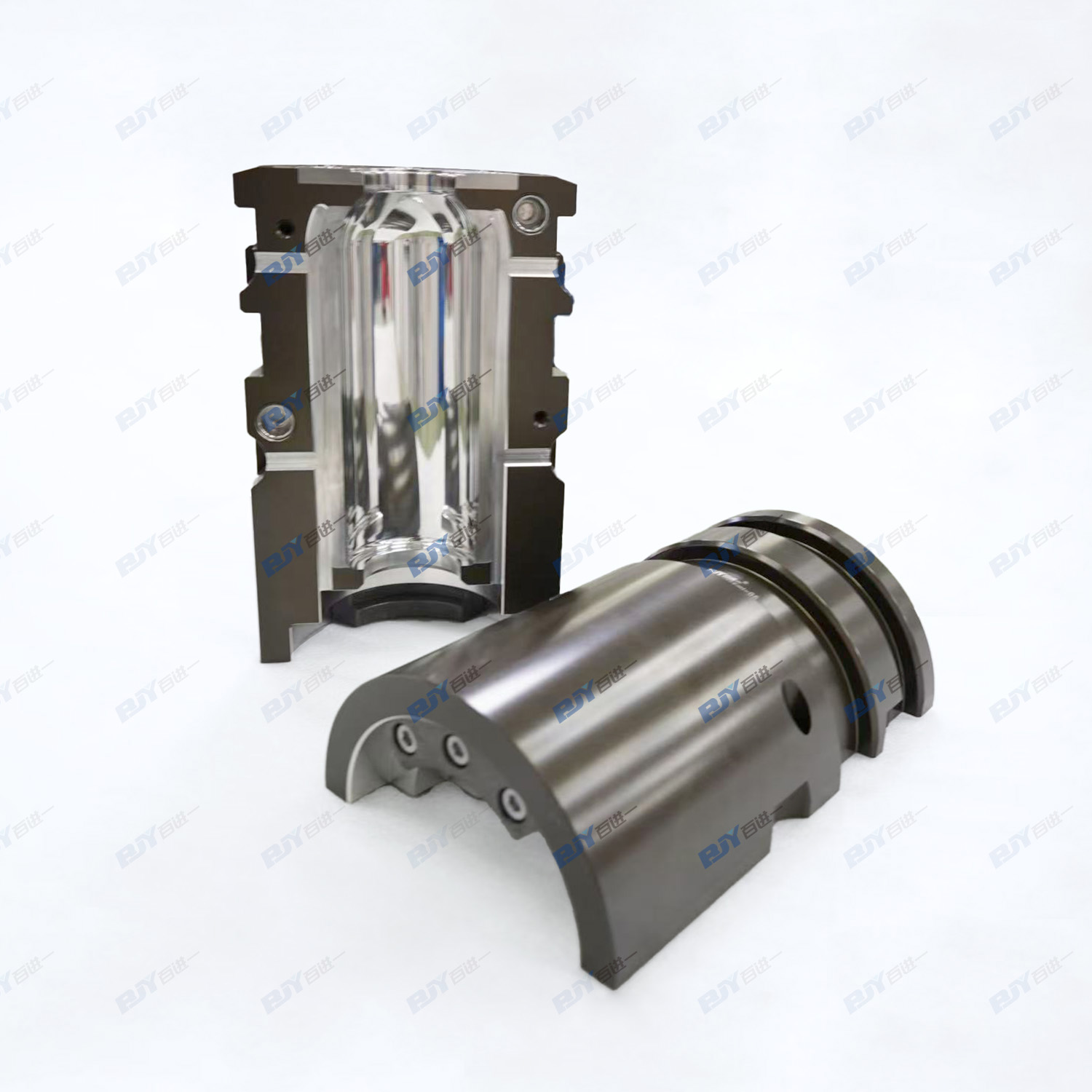
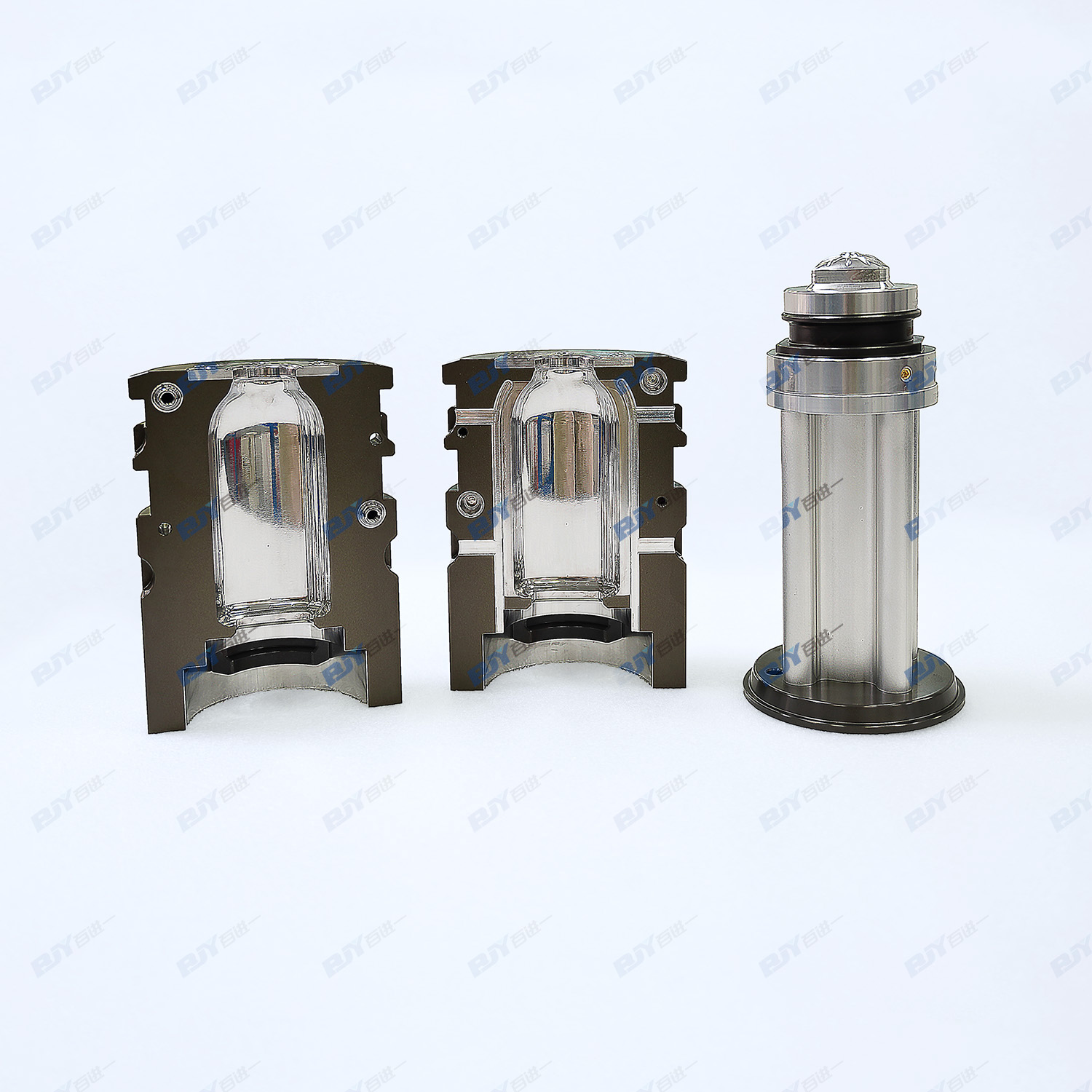
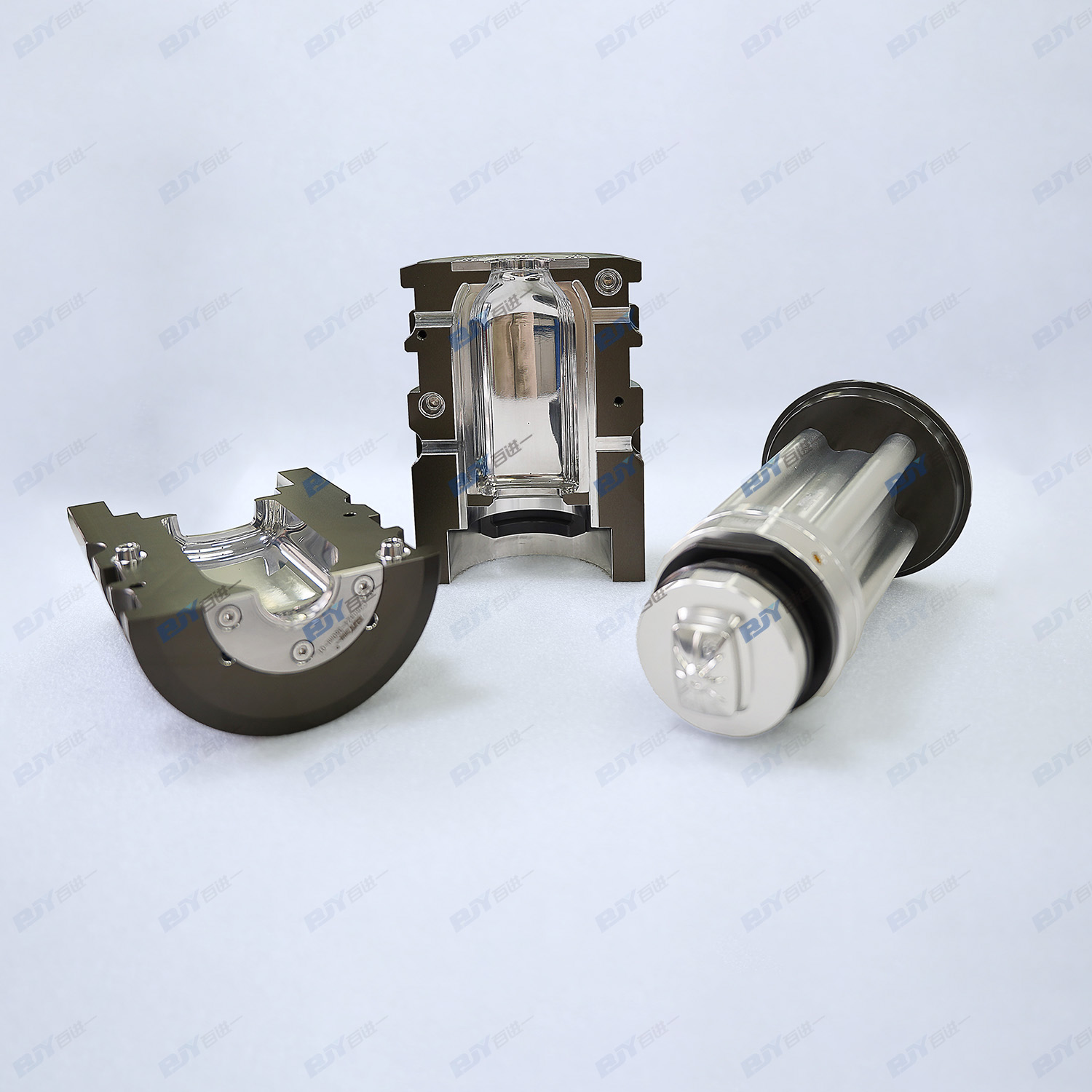
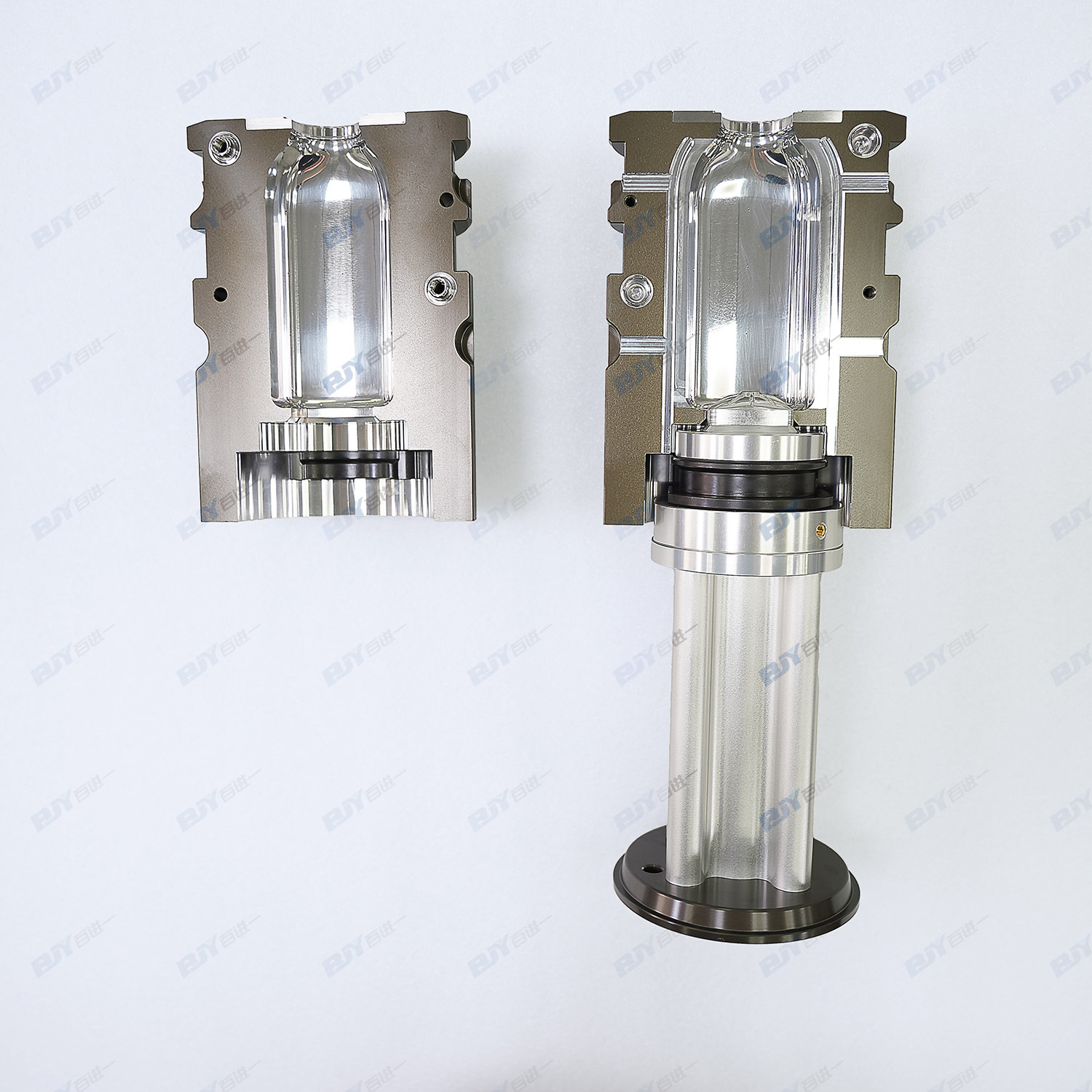
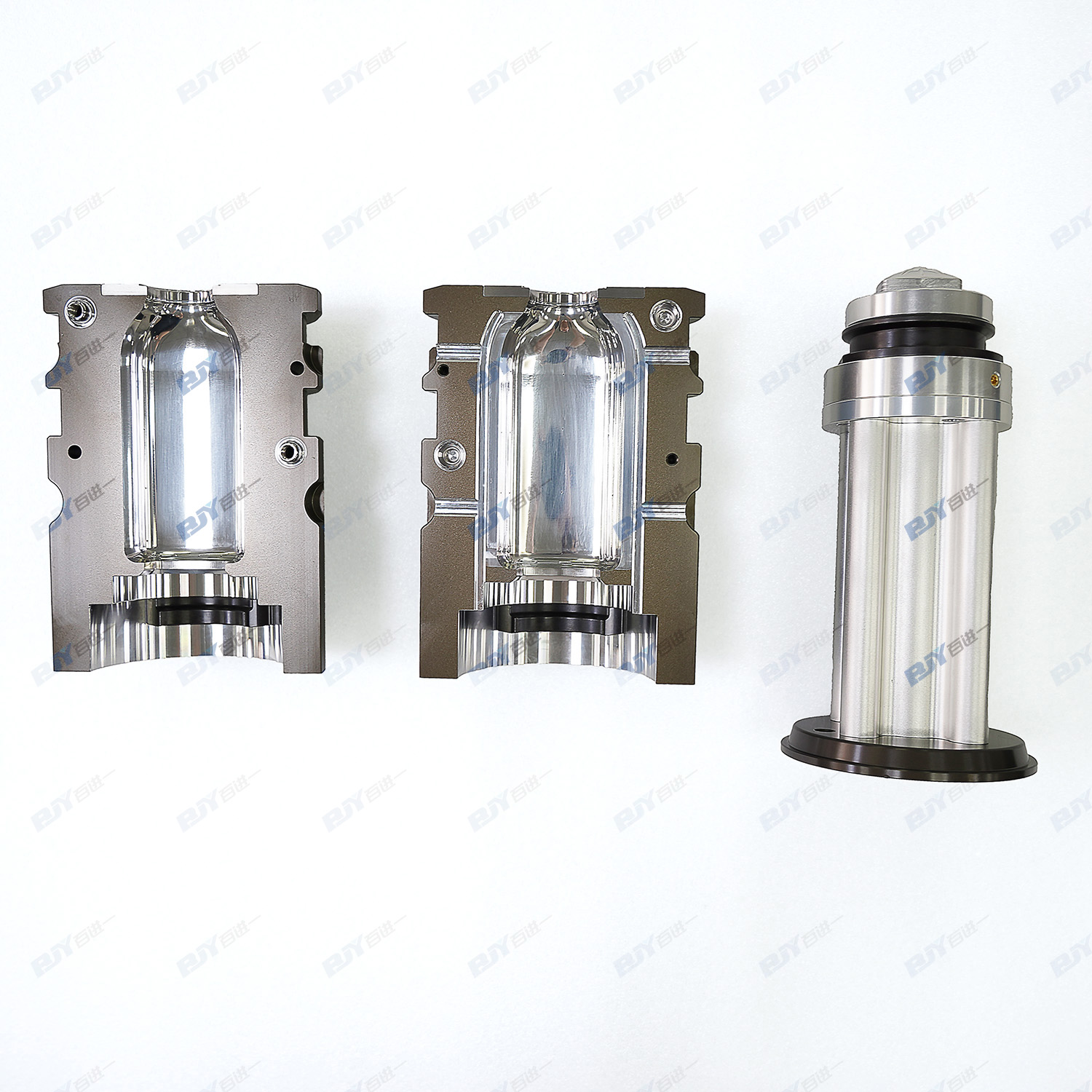
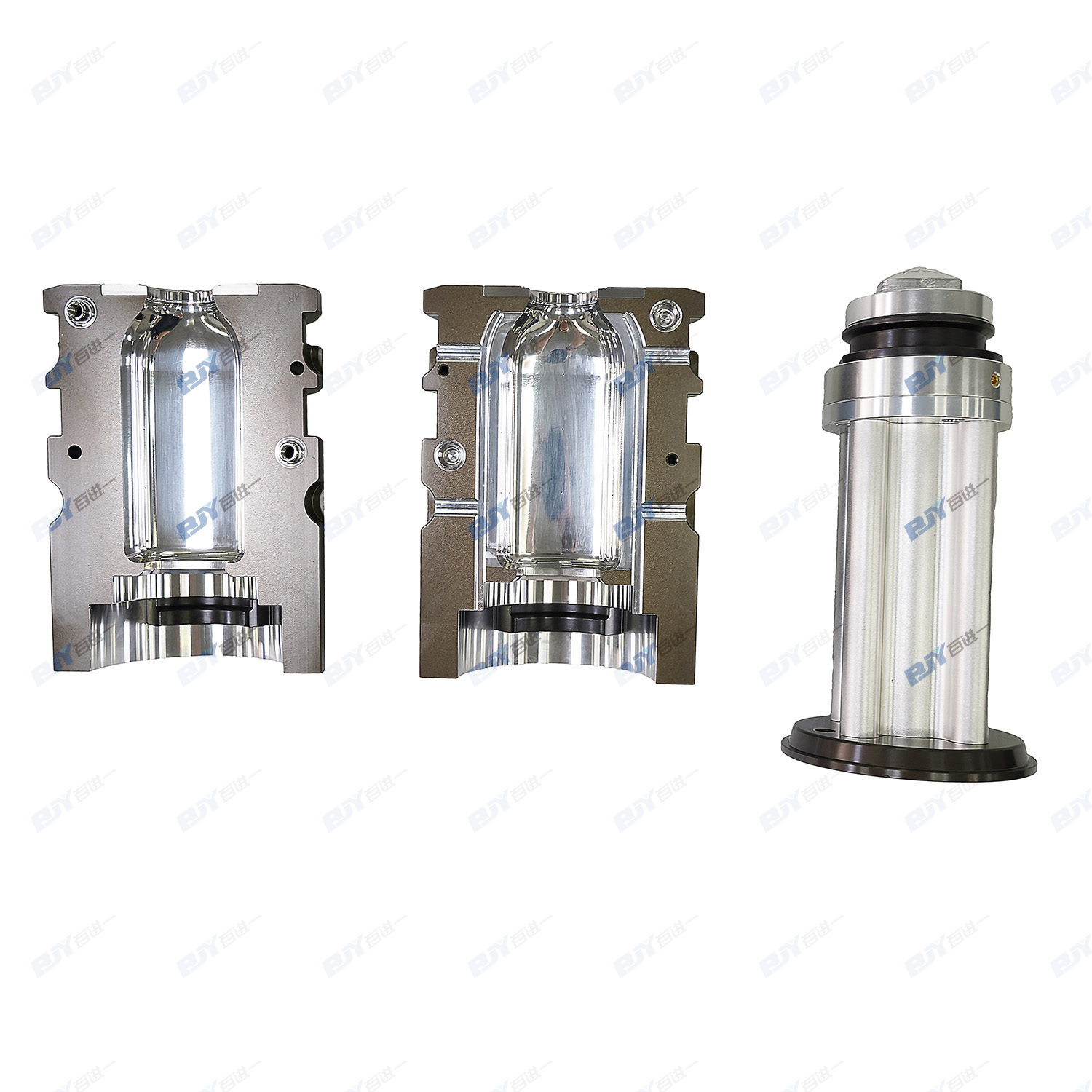
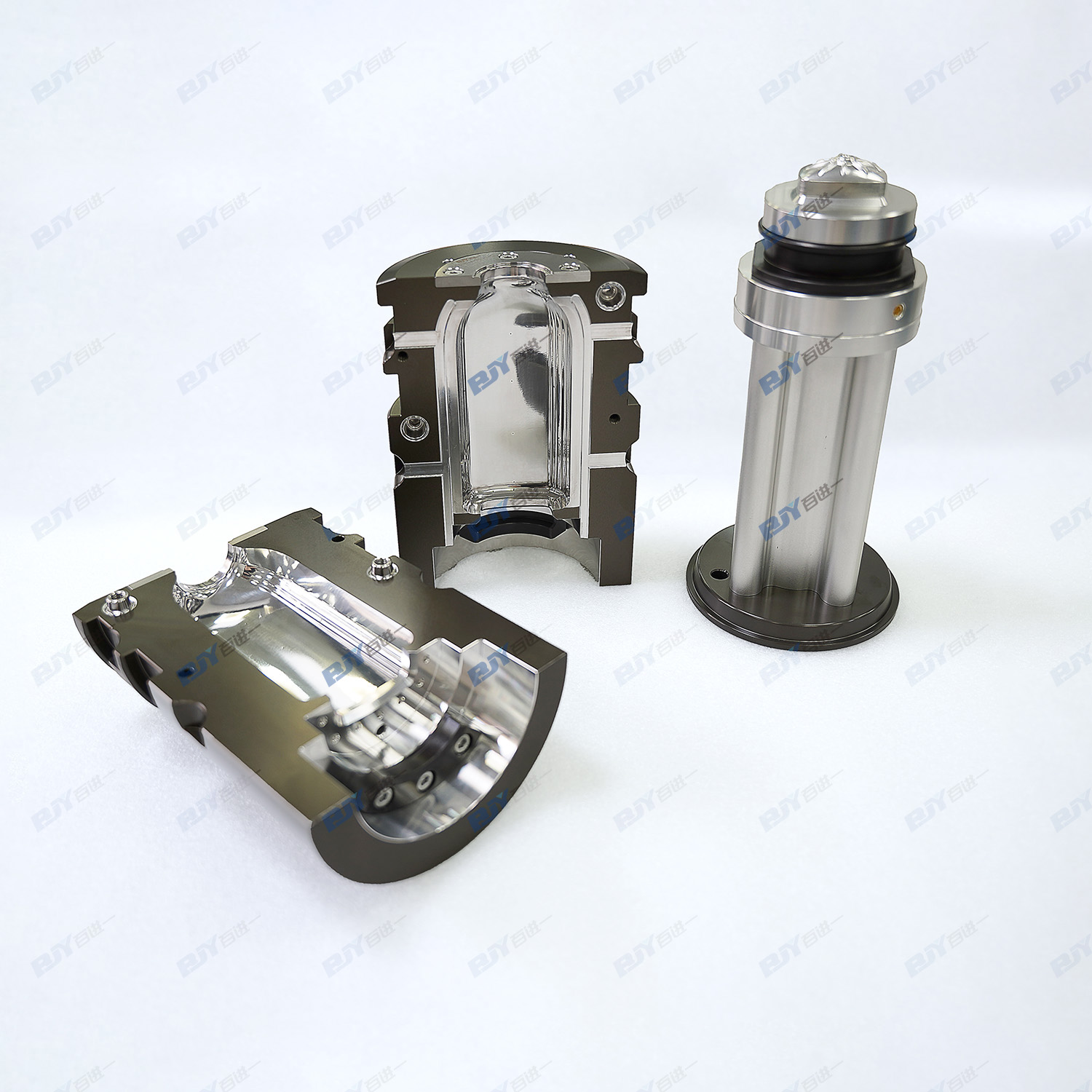
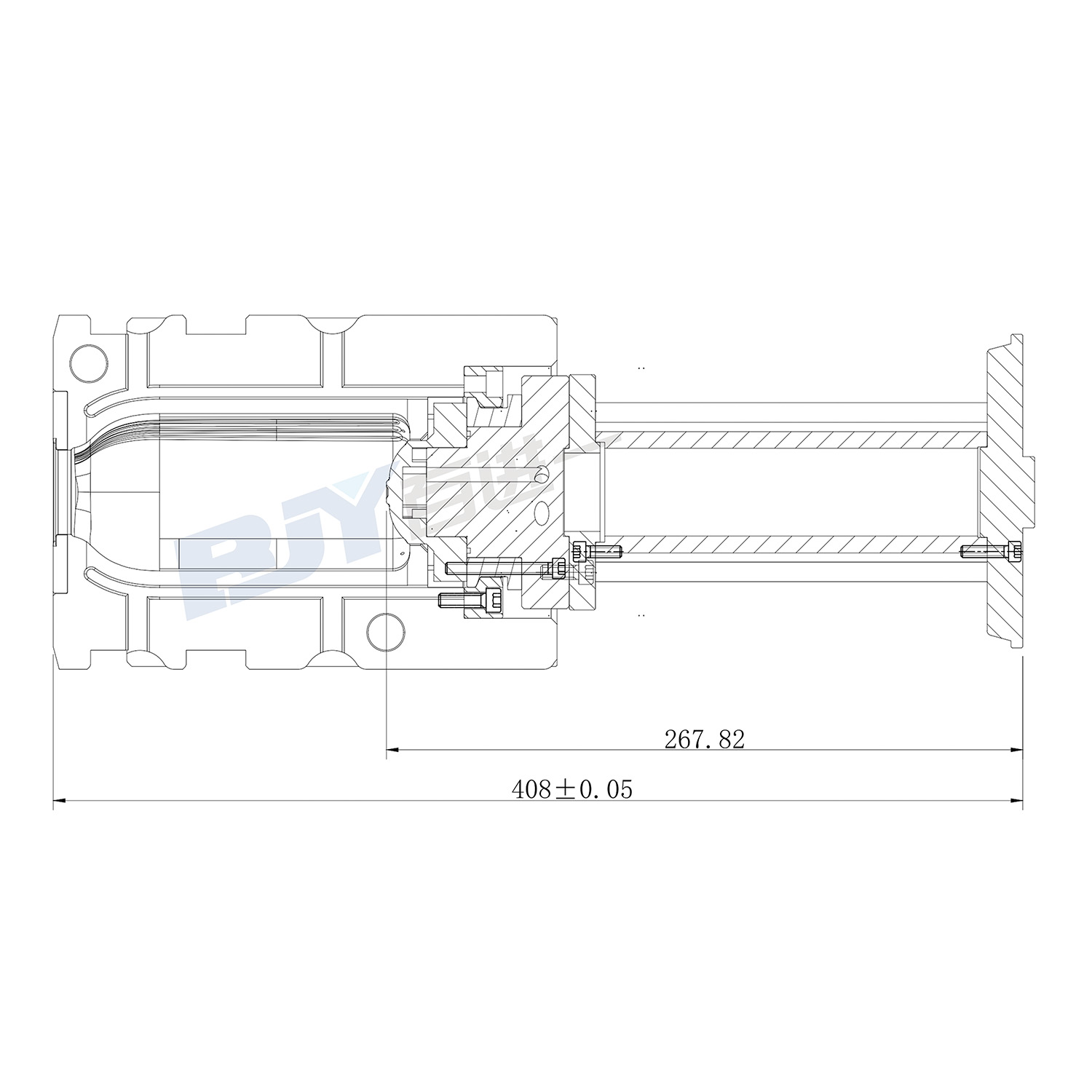
BJY 350ml PET Blowing Mold
If you are seeing scuffed bottles or dull finishes on your 350 ml production line, your mold surface may be the cause.
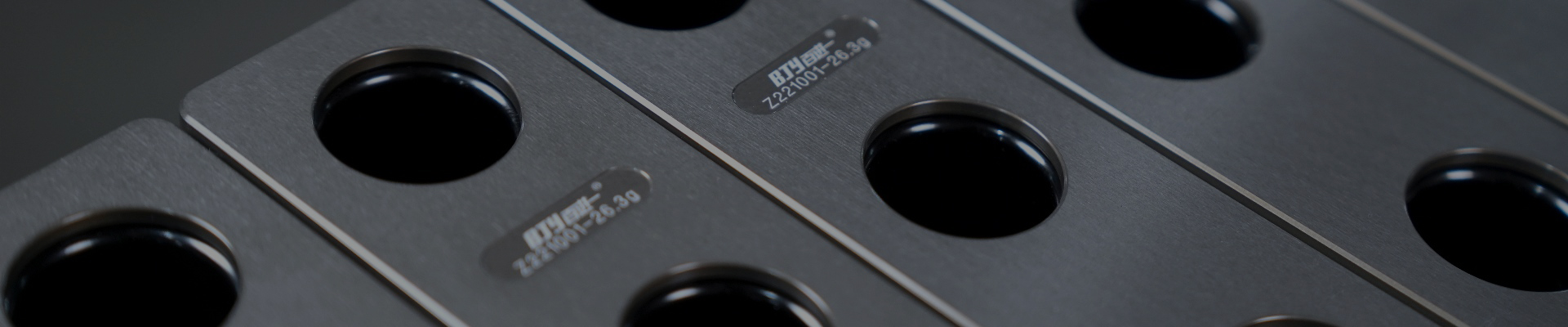
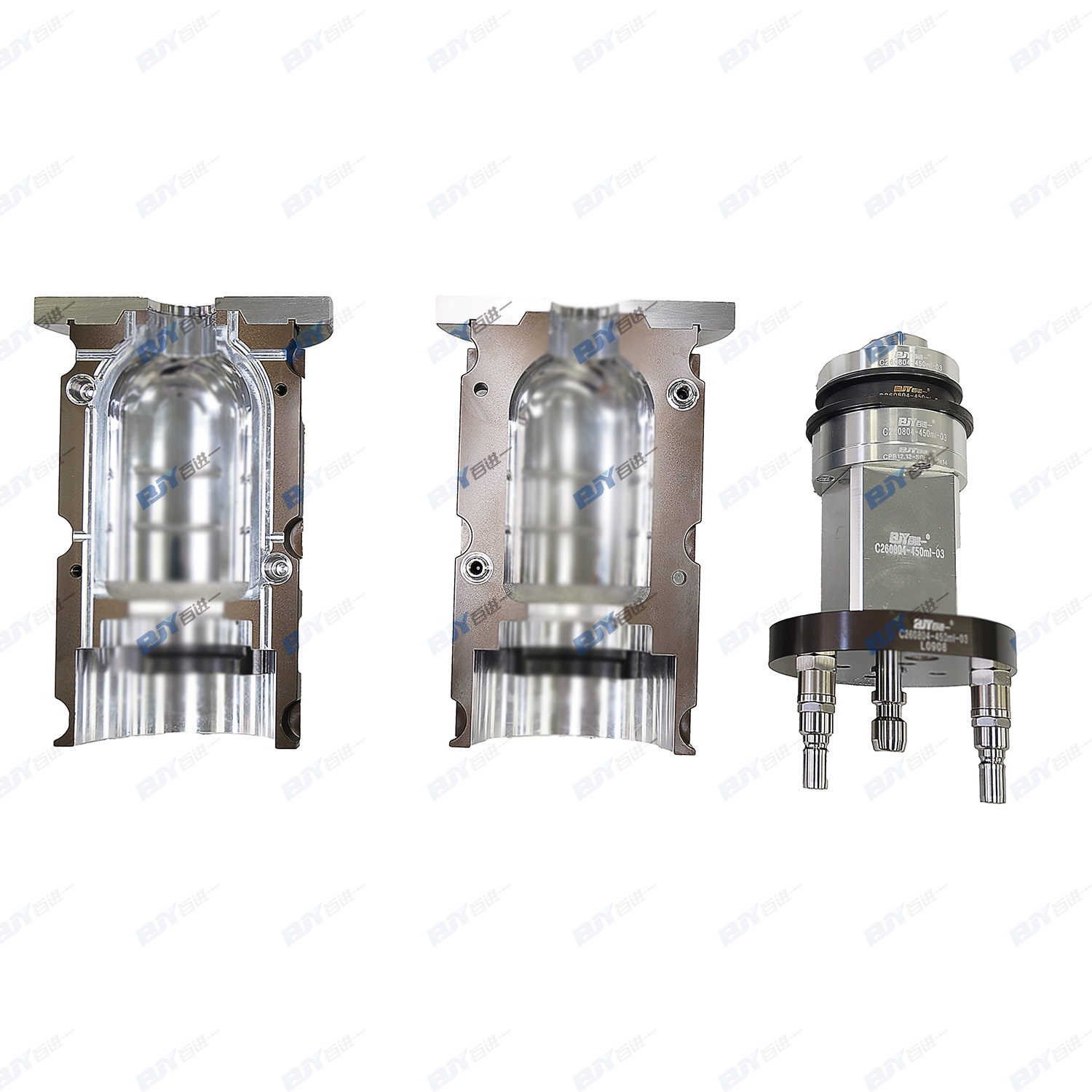
At high blowing pressures the contact between PET and the cavity is demanding. At BJY, we build our 150 × 408 mm mold modules from high‑quality aluminum alloy and treat the cavity with a hard anodizing process. This creates a ceramic‑like aluminum oxide layer significantly harder than untreated aluminum. We are not just protecting the mold; we are helping preserve bottle surface quality over millions of cycles.
Why is this critical for technical teams?
Because surface degradation can lead to downtime and quality loss. Our high‑quality aluminum alloy blocks are designed to resist the wear caused by virgin PET and the contaminants often found in recycled PET (rPET) streams. With proper sealing and surface finishing, the hard‑anodized surface helps reduce sticking and abrasive wear, supporting smoother release of the 350 ml bottle during demolding. This helps minimize neck distortion and scuffing—common concerns for quality control managers.
Working principle
During the blowing peak, the PET replicates the mold’s micro‑texture. Our precision‑machined aluminum alloy helps ensure that even complex logos and sharp bottle shoulders are formed accurately. The hard surface also helps resist pitting, staining, and premature texture loss that can occur in lower‑grade molds after prolonged exposure to condensation and cleaning agents, when recommended cleaning chemicals are used.
Since 2011, BJY has focused on lowering the total cost of ownership (TCO) for our beverage partners.
By using high‑quality aluminum alloy instead of heavier steel where appropriate, we also help reduce the mechanical load on your rotary blower’s bearings and cam rollers. The result is a mold that is easier to handle, faster to cool, and robust enough for demanding production schedules. It is professional‑grade engineering for factories that cannot afford to stop.
description2