 Chinese







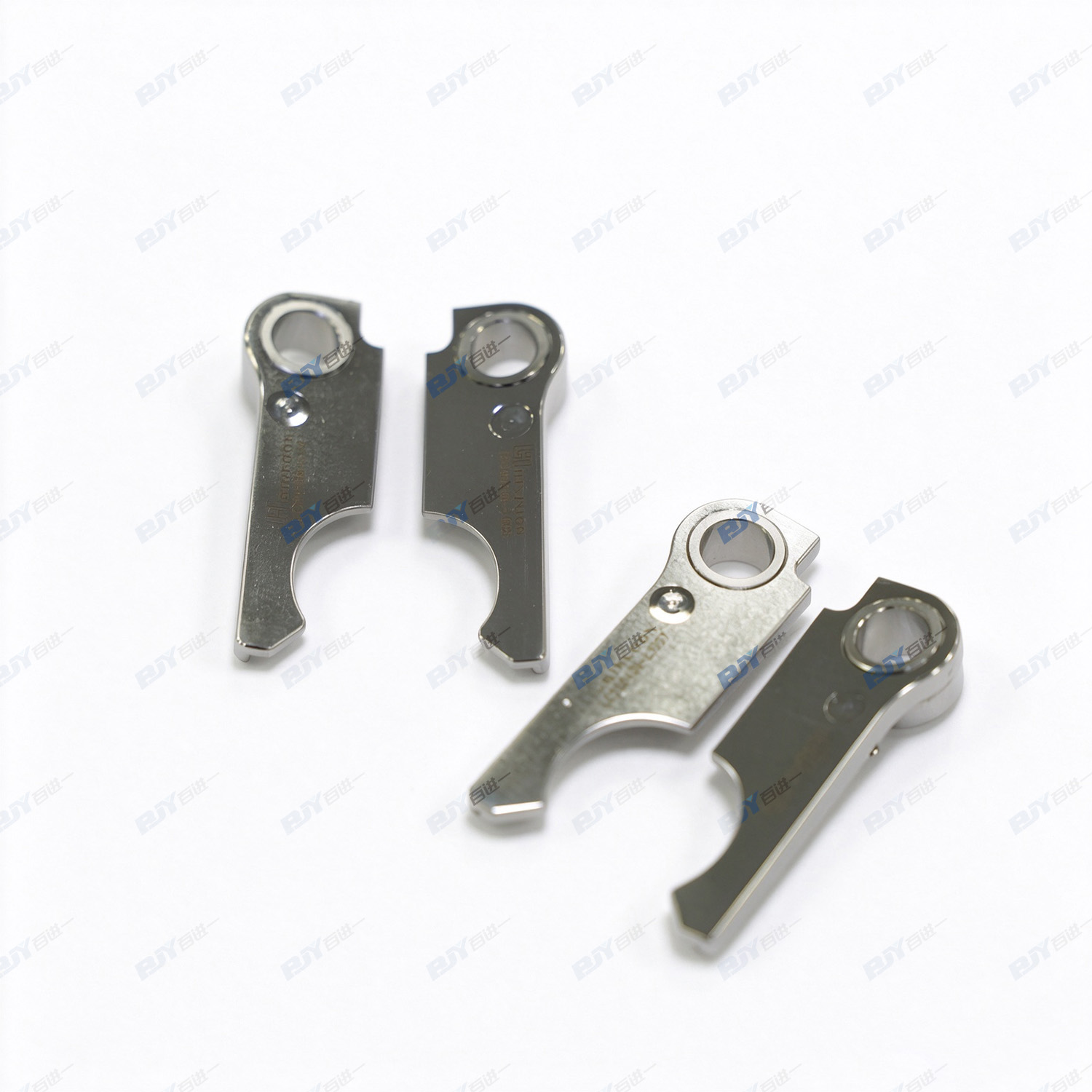
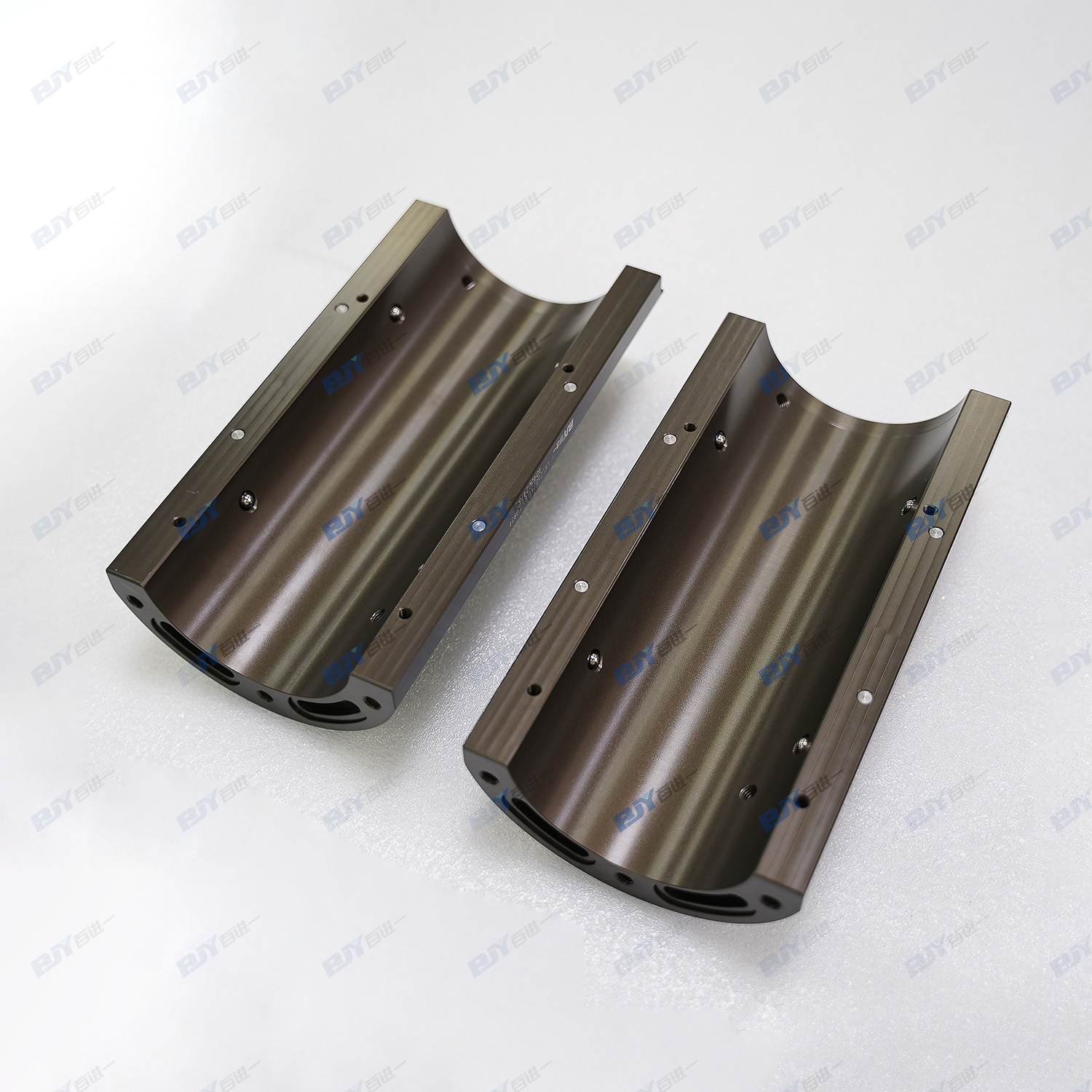
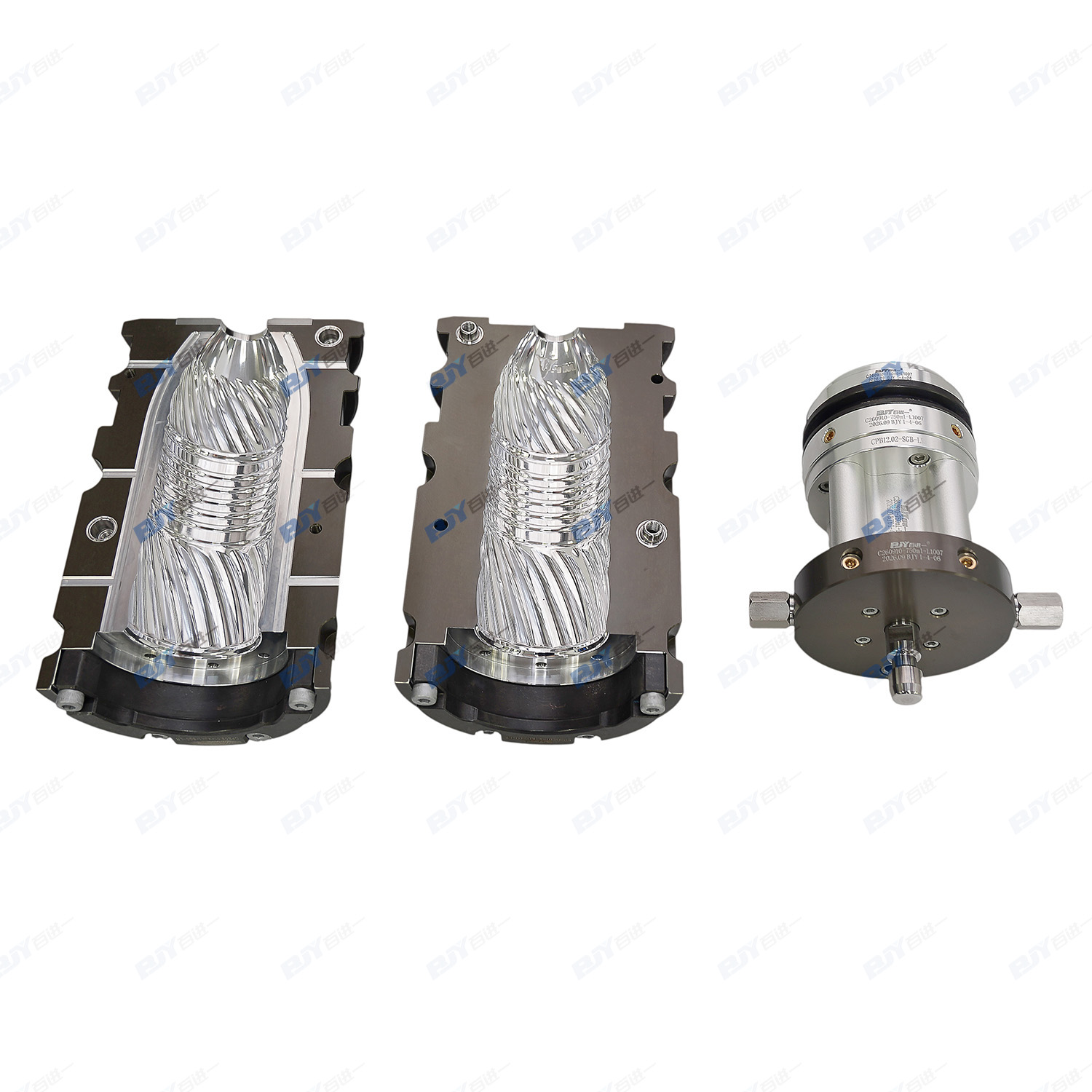
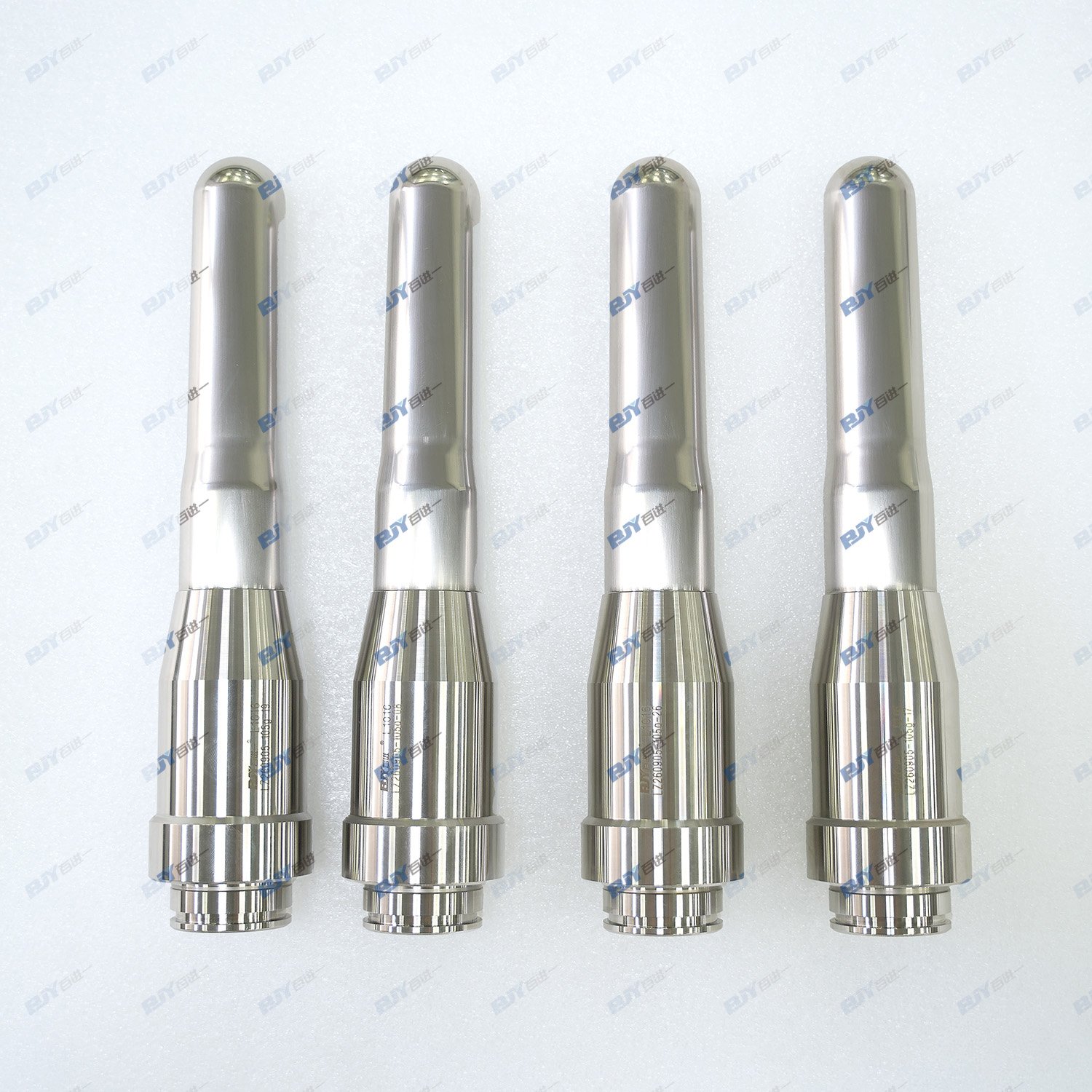
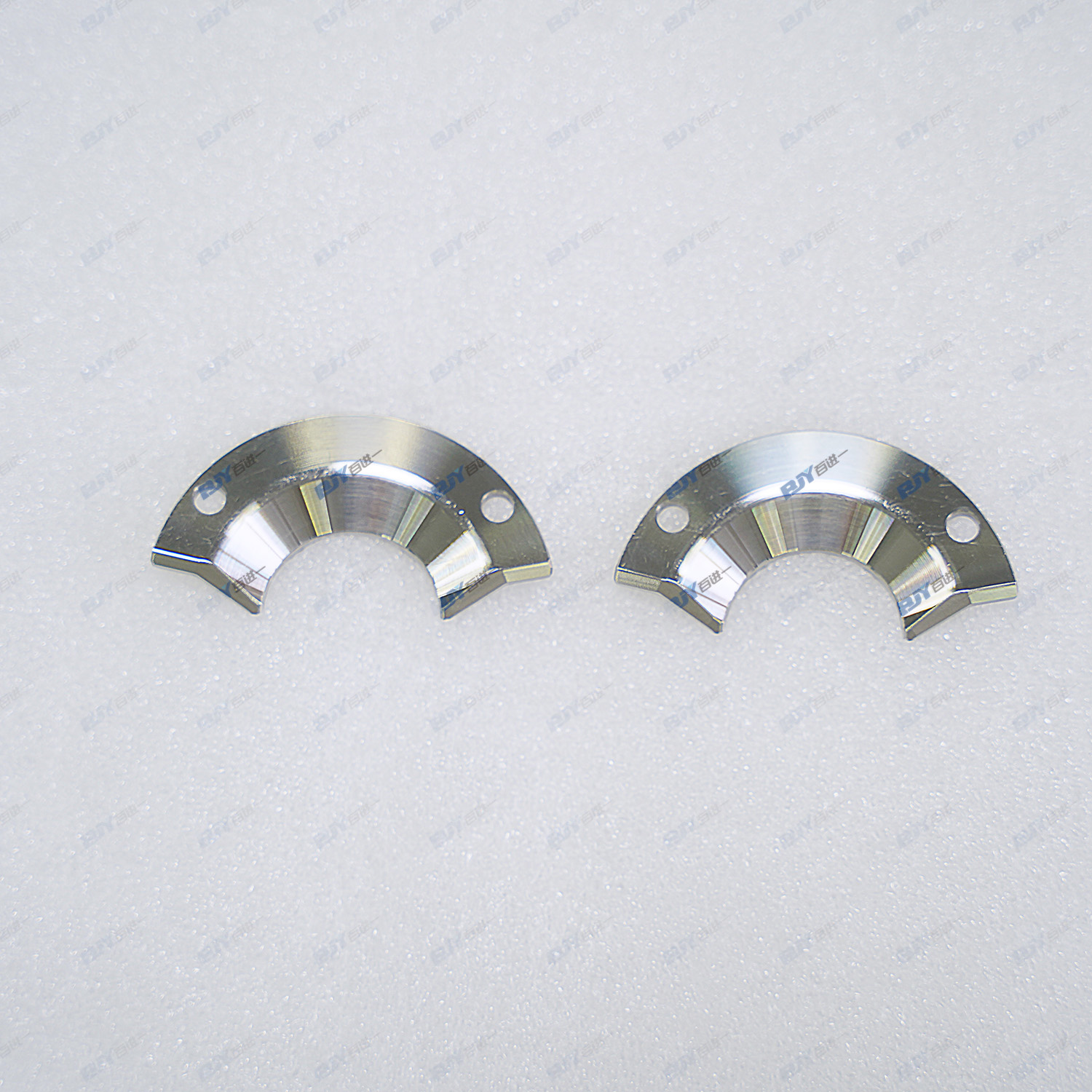
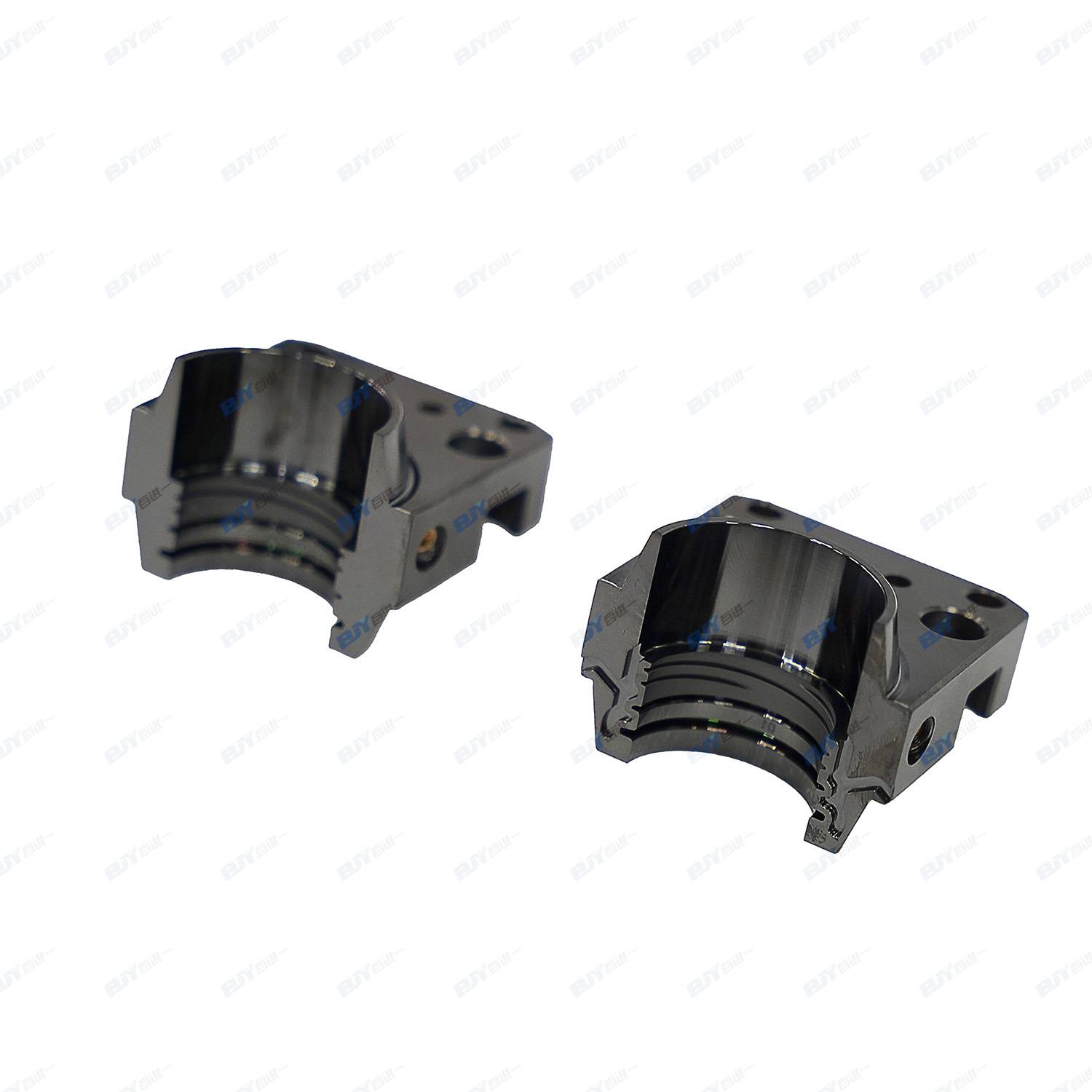
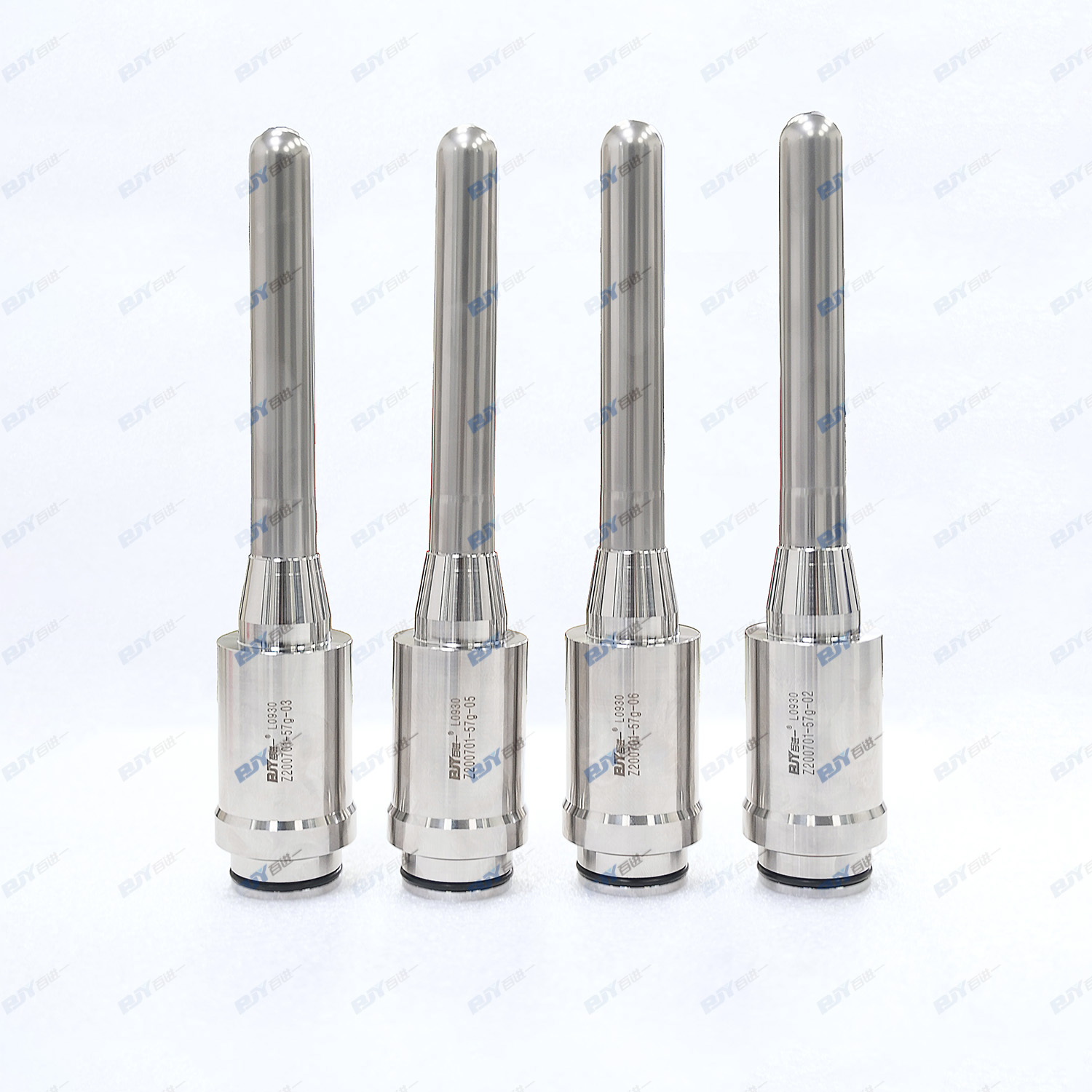
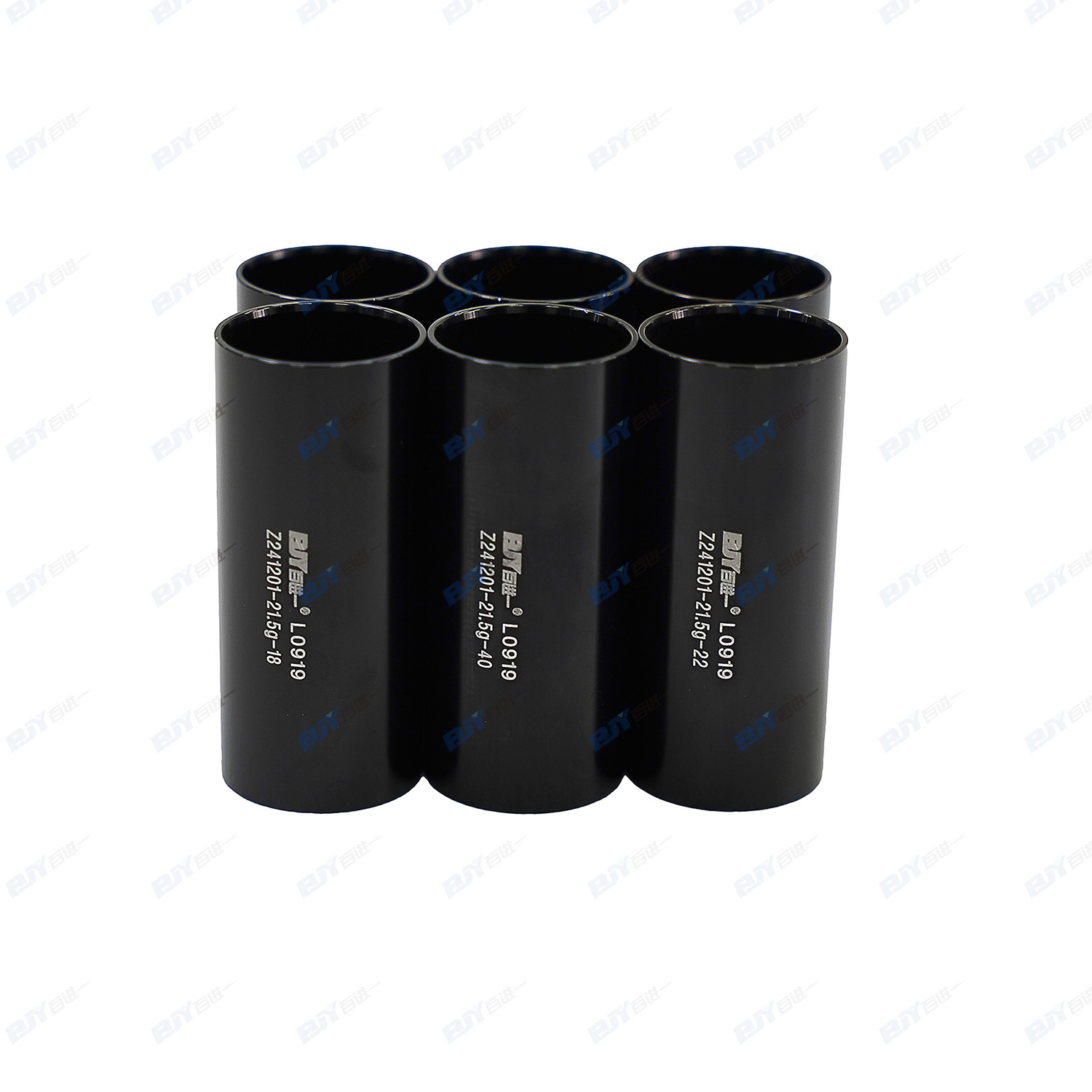
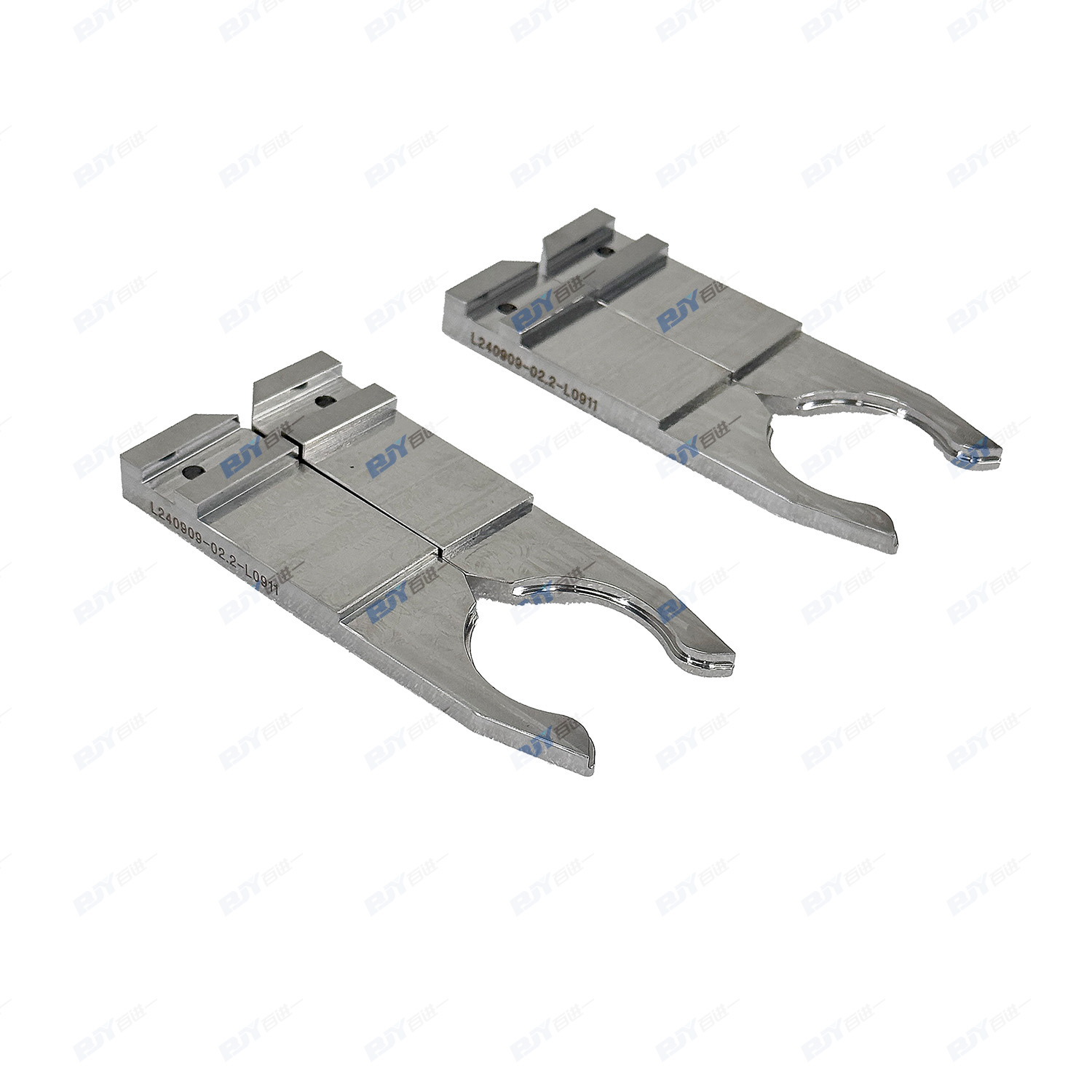
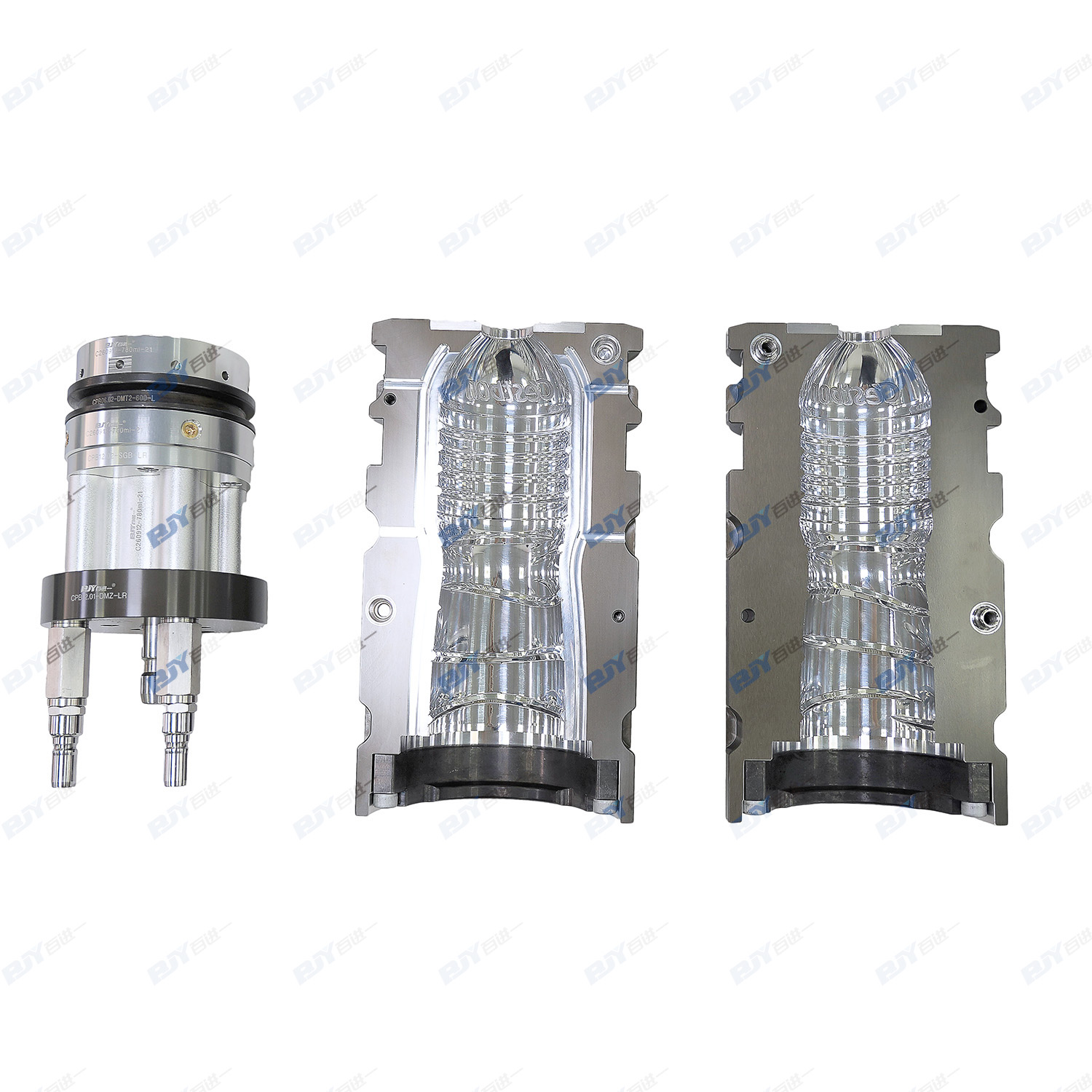
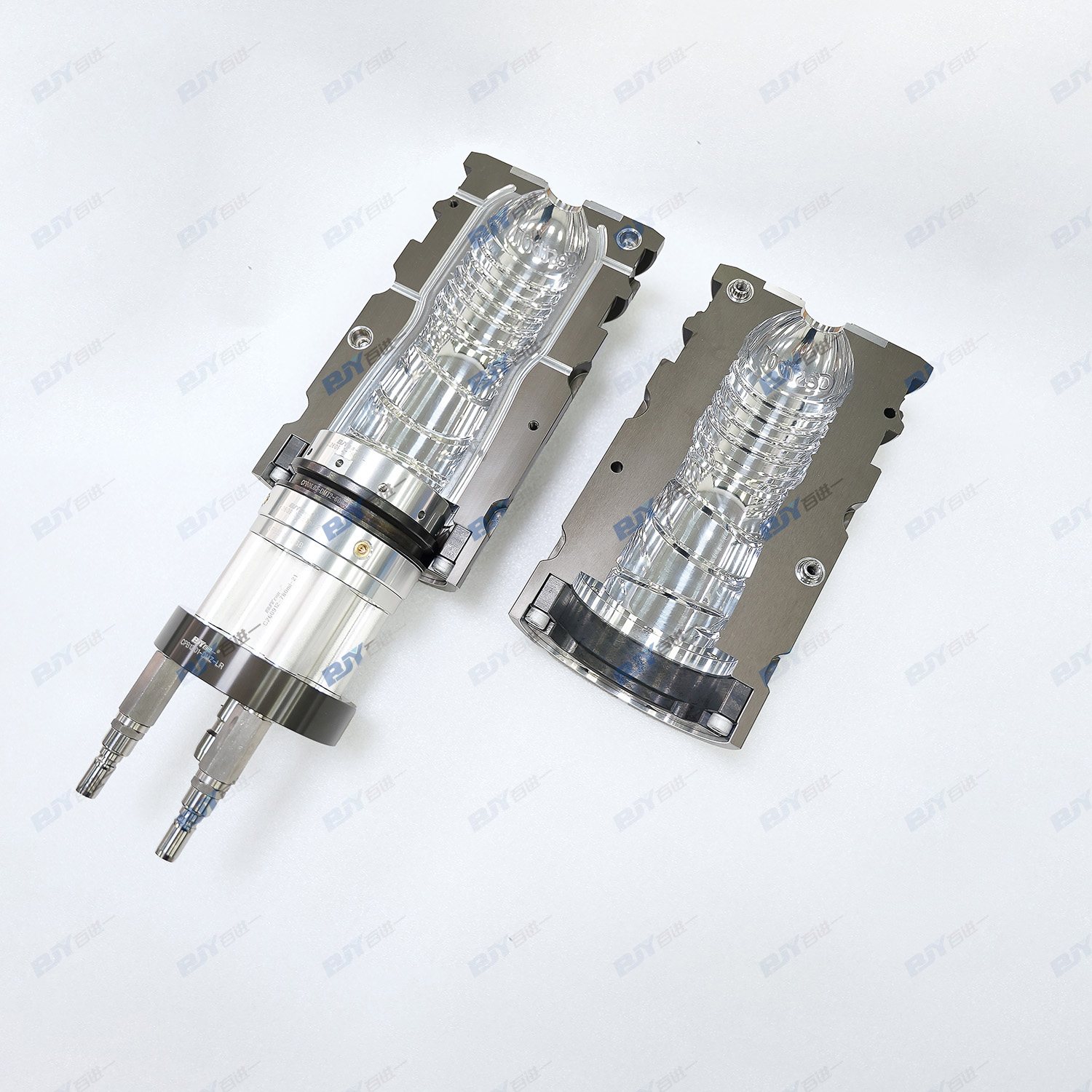
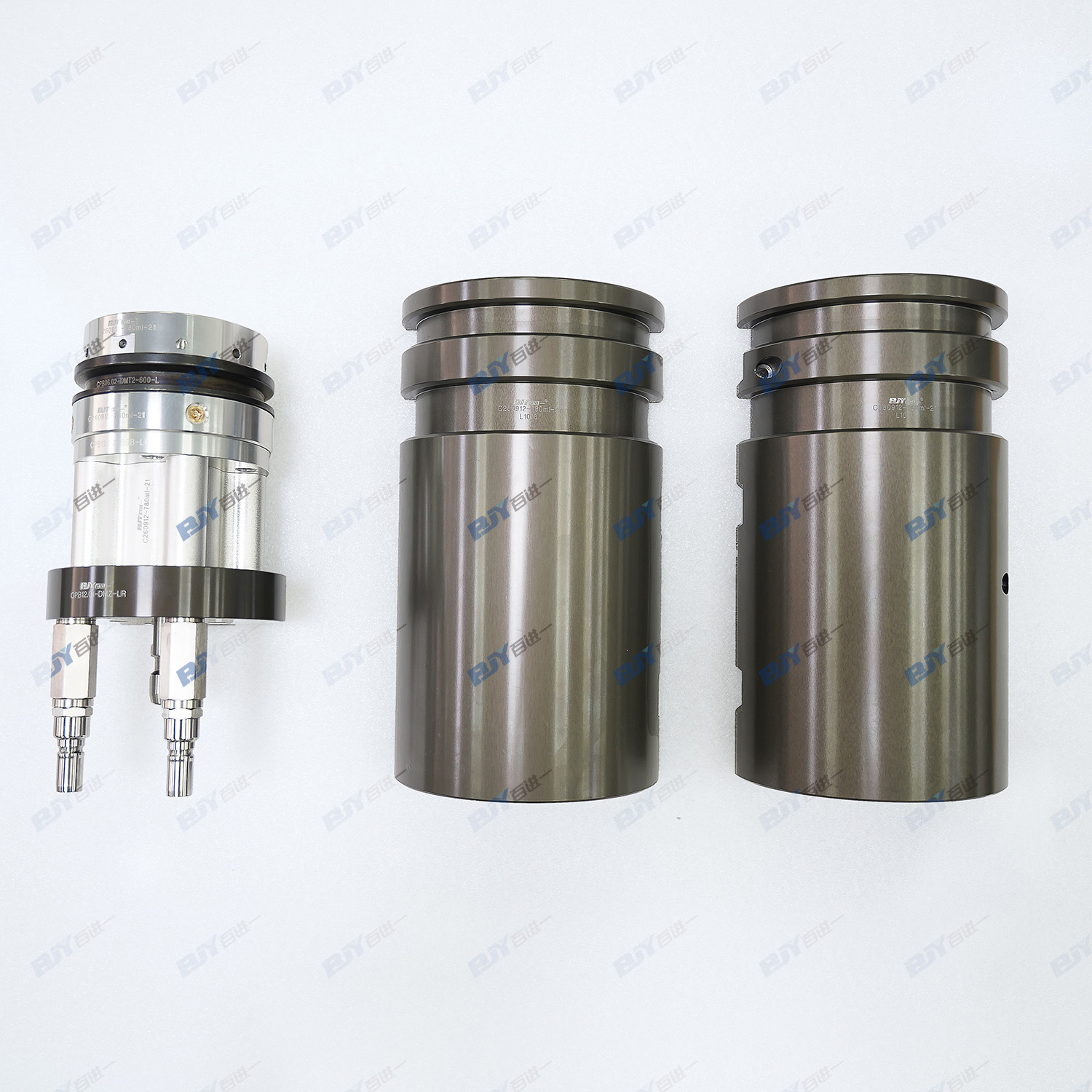
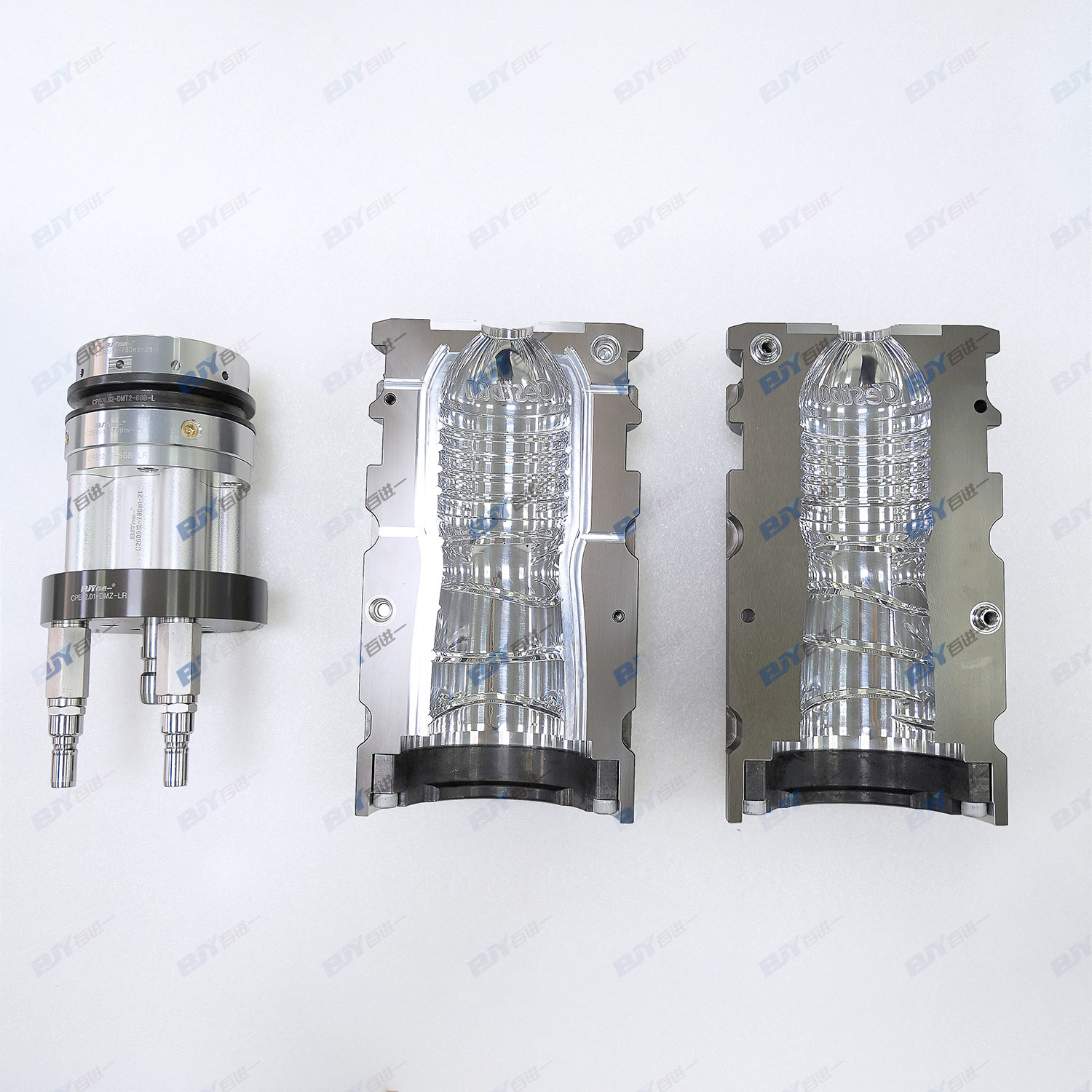
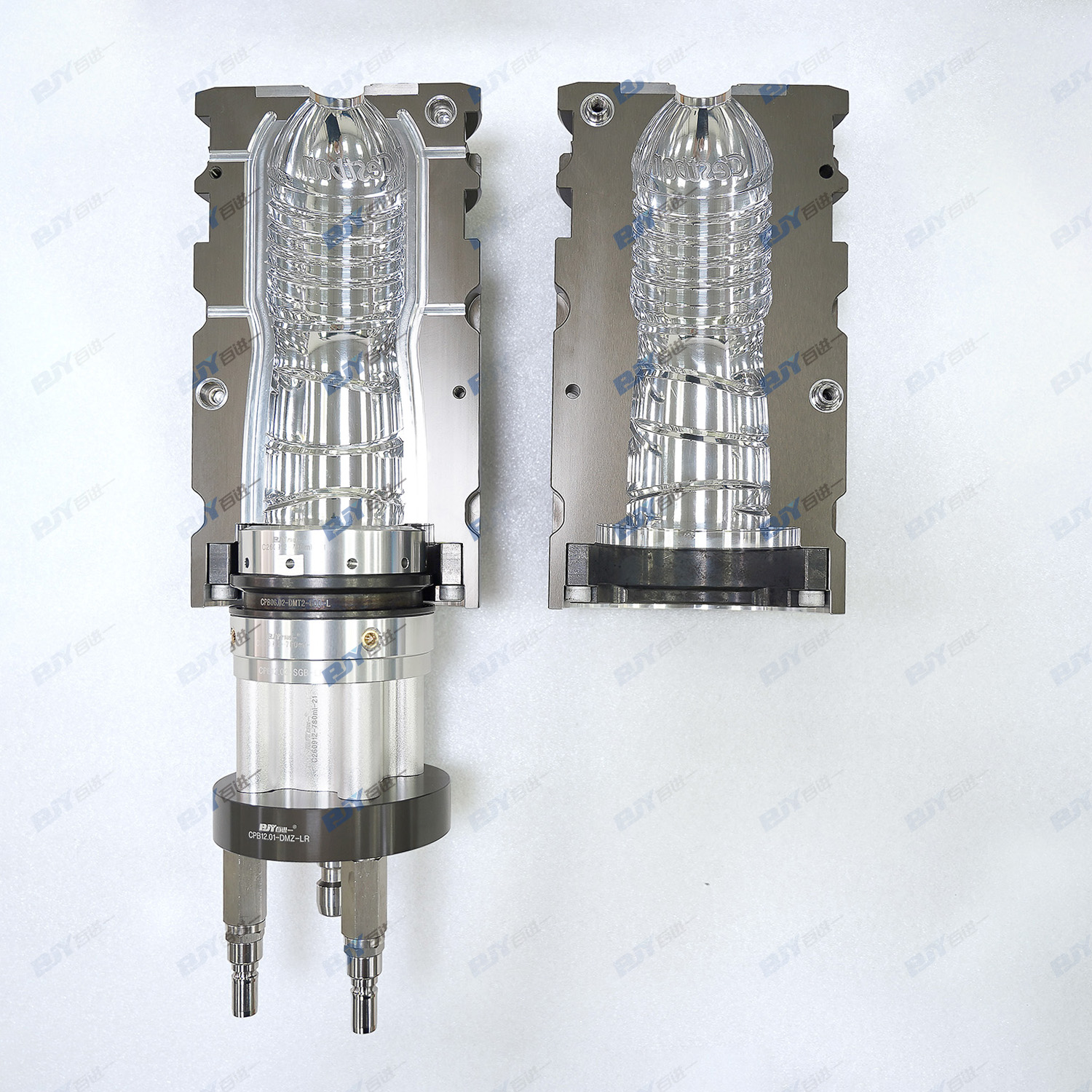
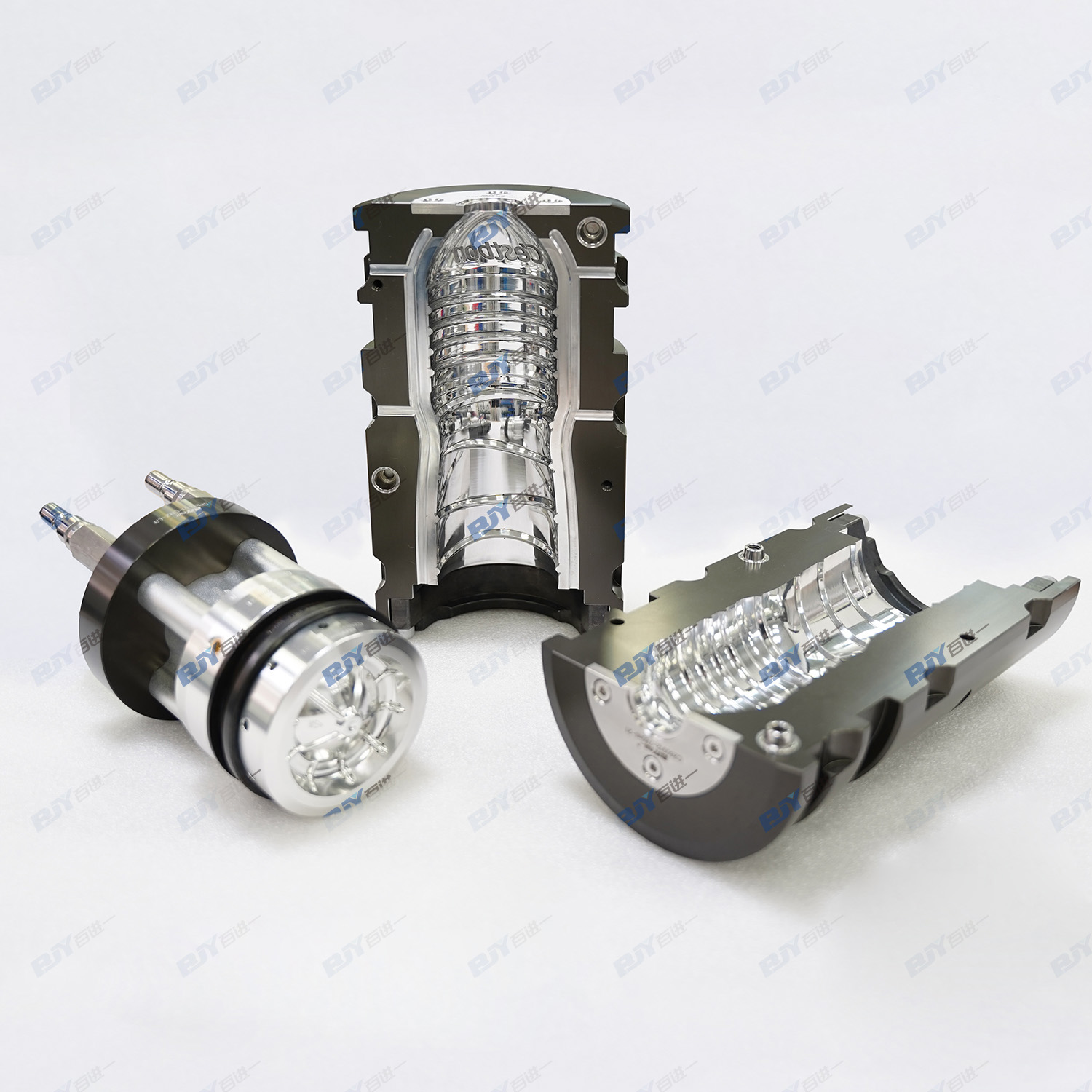
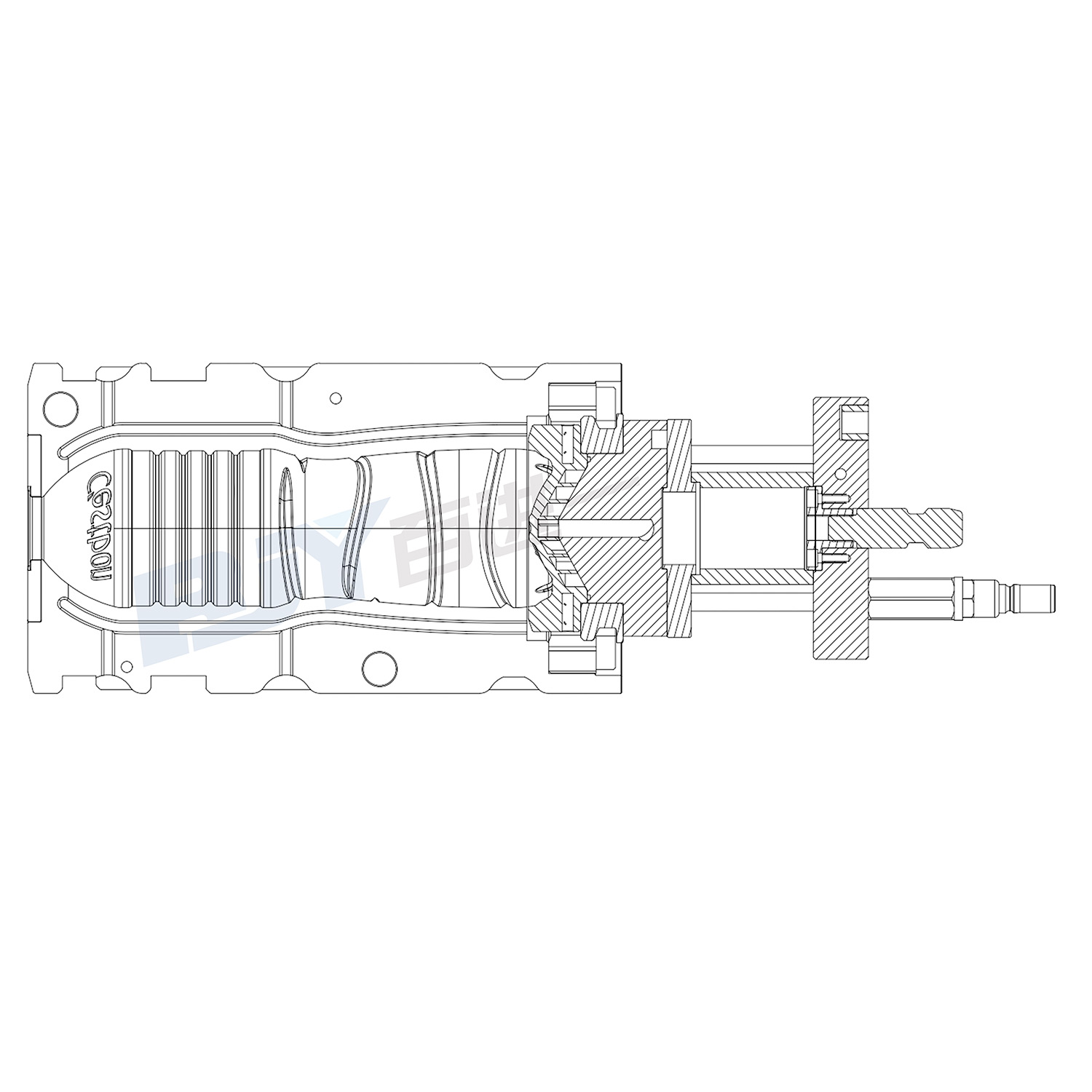
BJY 780 ml PET Blow Mold
The real risk is the cavity you can’t see
What decides whether the mold actually runs well on the line is dimensional consistency across the parting line, the cavity surface finish, and whether the cooling circuits match the bottle design. A mold can hit the alloy spec and still have a poorly matched parting line. You won’t see the flash or seam defects until it’s mounted and running. On the procurement side, BJY look for evidence of cavity integrity—not just a material certificate.
Parting Line and Fit-Up: The First Check
In blow molding, the two mold halves must close accurately to prevent PET from escaping through the parting line and forming flash. The specific cavity fit-up requirements depend on the mold design and application.If the gap exceeds the acceptable range, flash can develop along the bottle seam and create problems for downstream processes such as capping and labeling. BJY machines the cavity to the specified fit-up requirements and provides a dimensional inspection report to document the measured results. This gives buyers a clear record of the finished mold’s fit-up accuracy, rather than relying on nominal design dimensions alone.
Cooling-circuit documentation belongs in the purchase file
Before the mold is released for production, ask for the cooling-circuit routing and the expected mold-temperature response. In a blow mold, that’s not some proprietary secret; it’s how you judge whether the cavity will hold bottle geometry at the line’s cycle time. The documentation for this mold includes the circuit layout and the cavity surface-finish record, so the technical reviewer can check the design against the bottle spec instead of just trusting the supplier’s word.
Supplier capability is part of the mold spec
A blow mold is only as reliable as the supplier’s ability to reproduce it. Ask about in-house machining capability, the surface-treatment process, and the supplier’s track record on previous PET blow molds for beverage applications.
description2