 Chinese






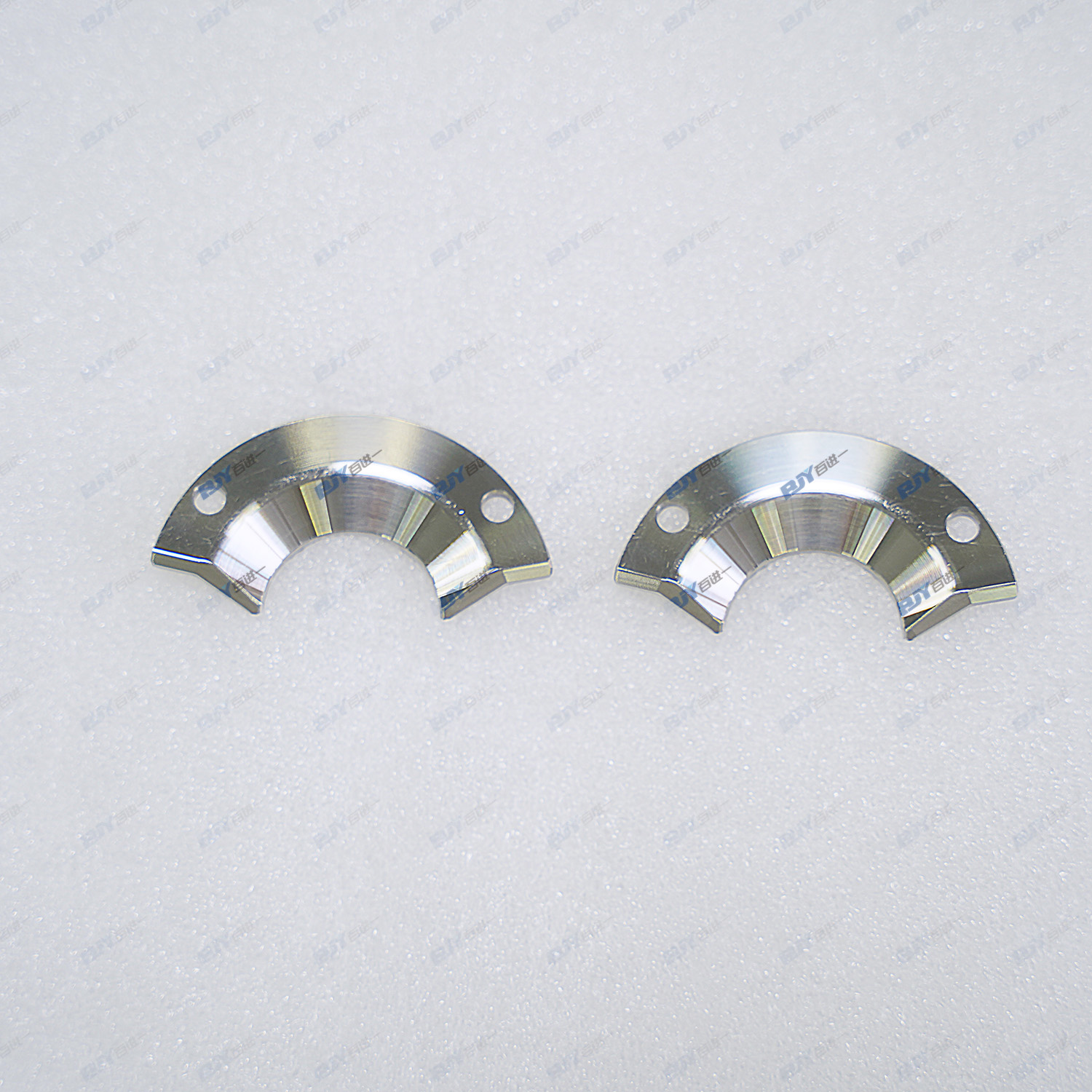
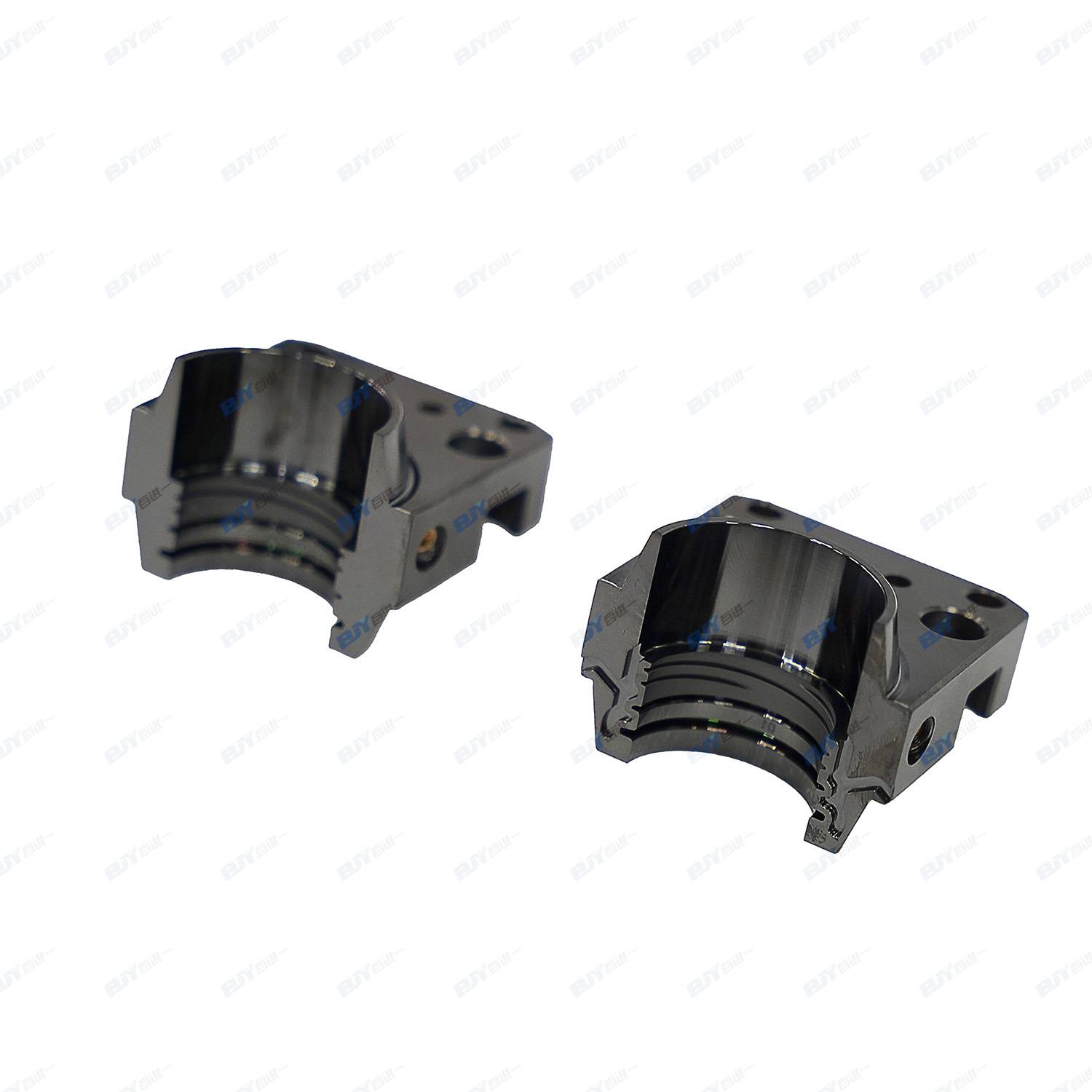
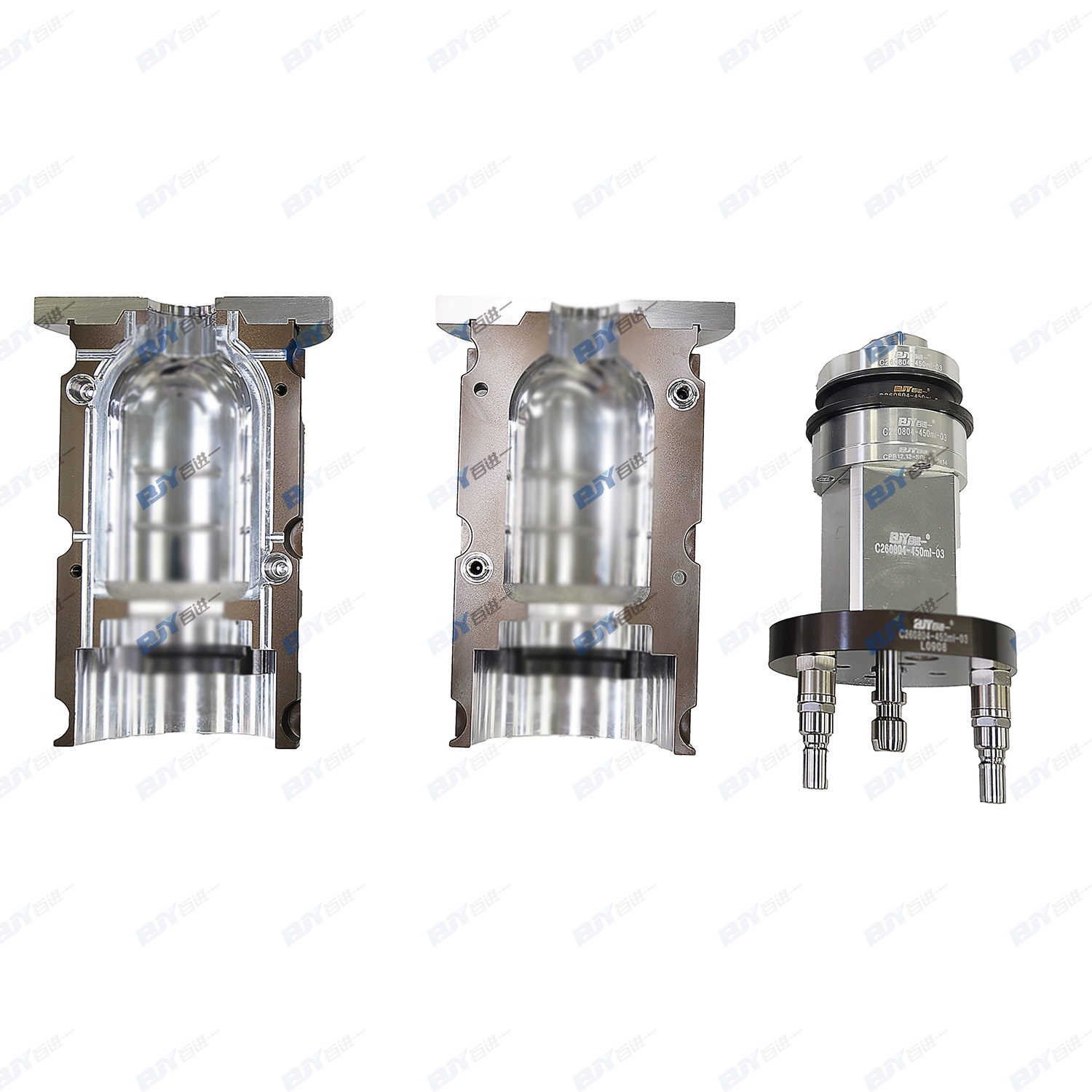
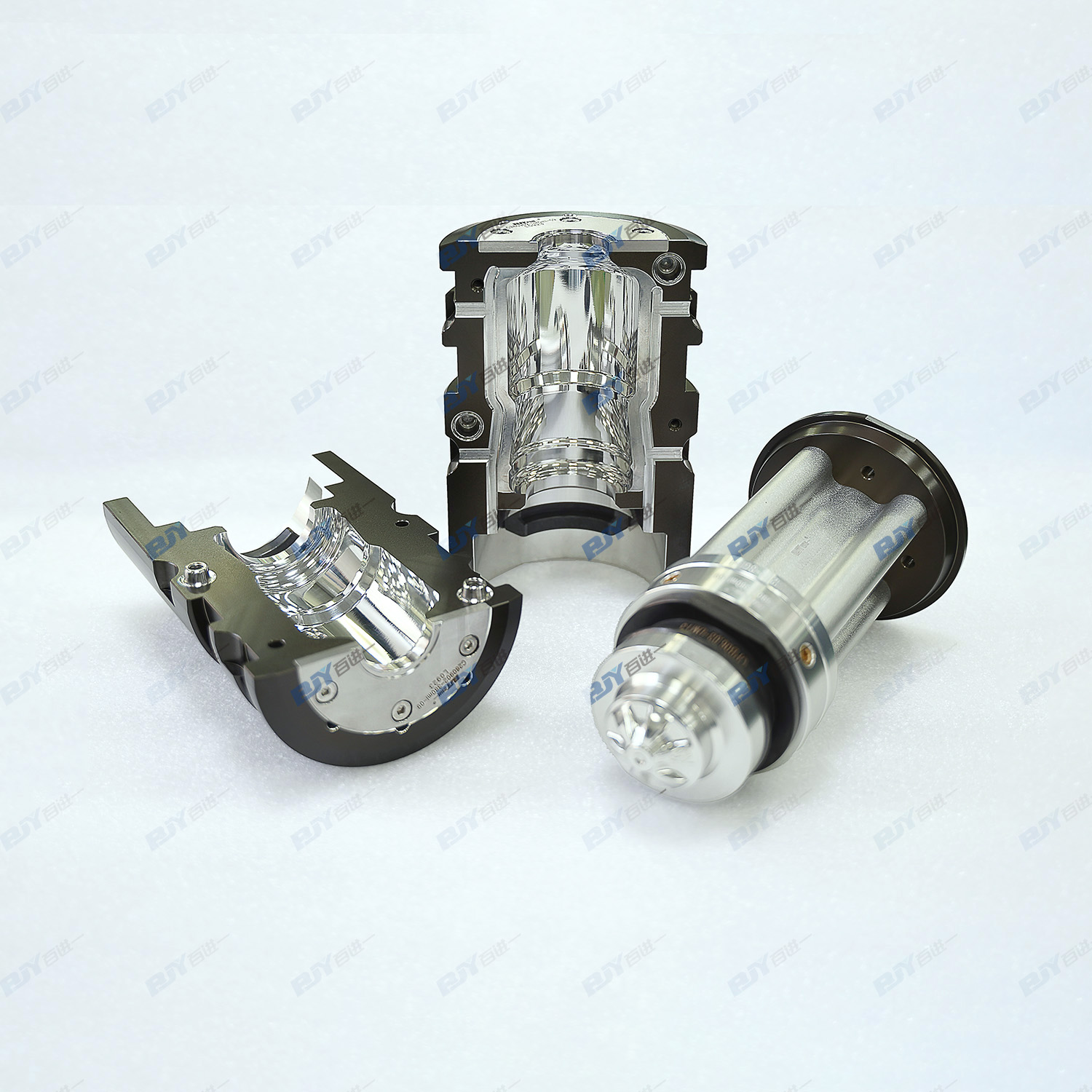
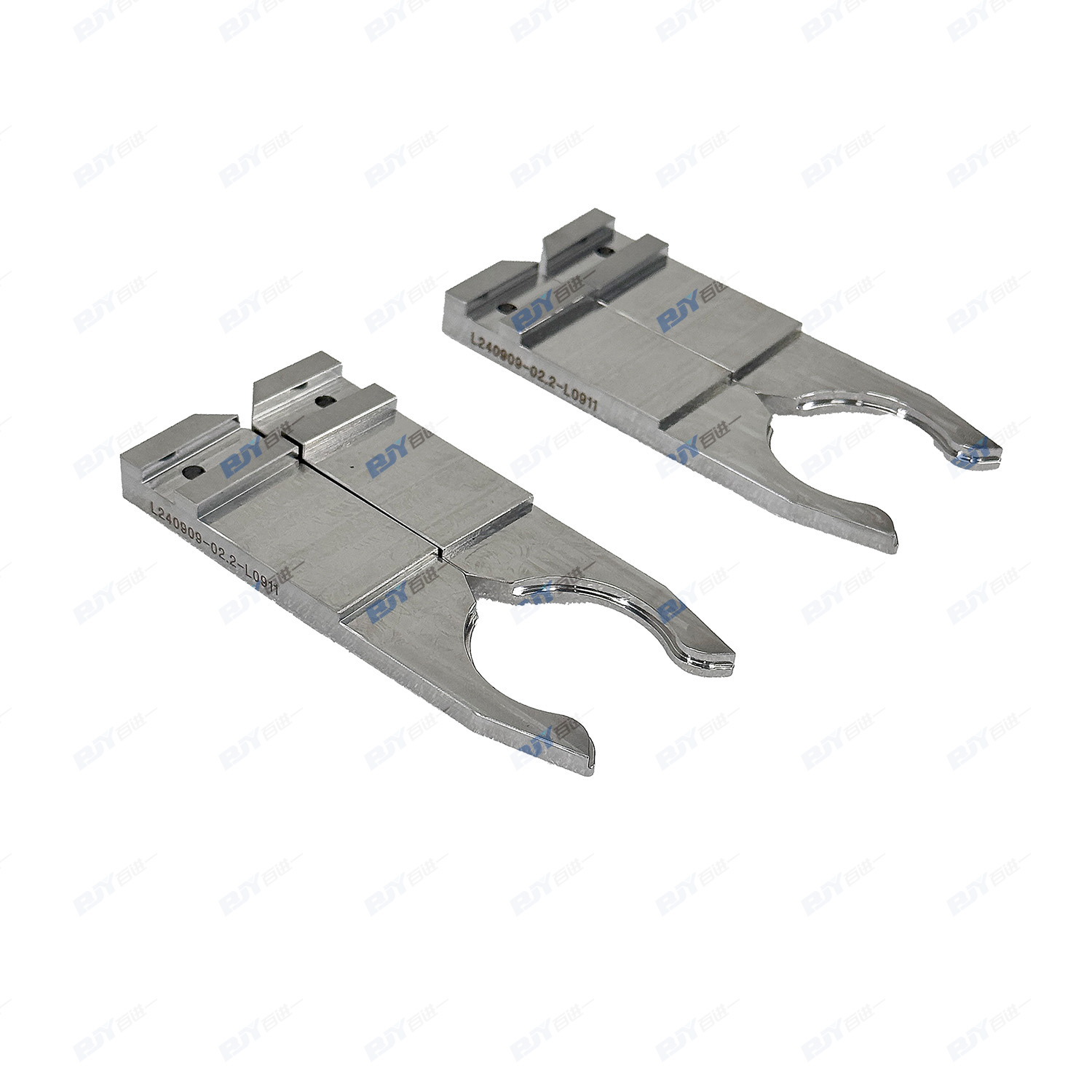
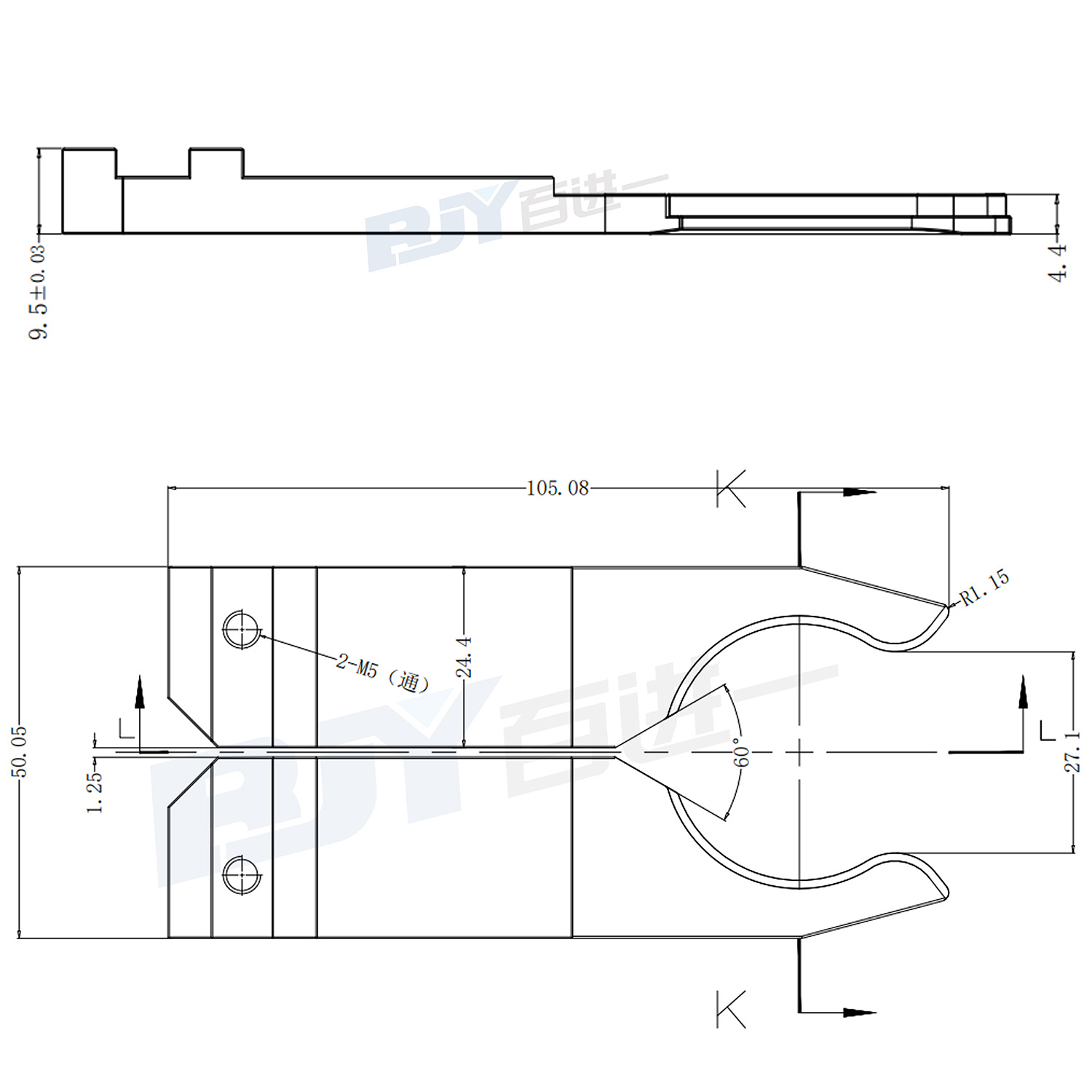
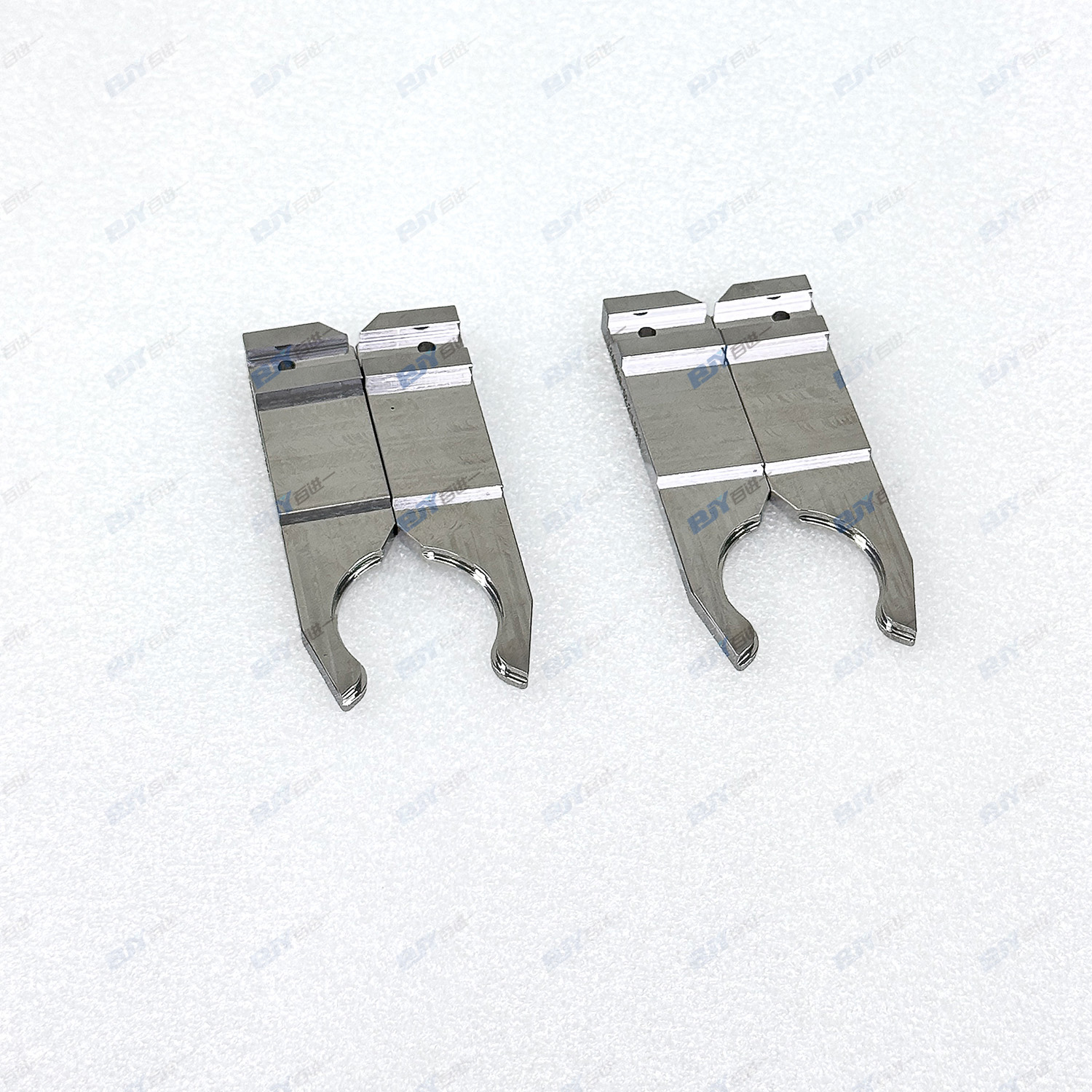
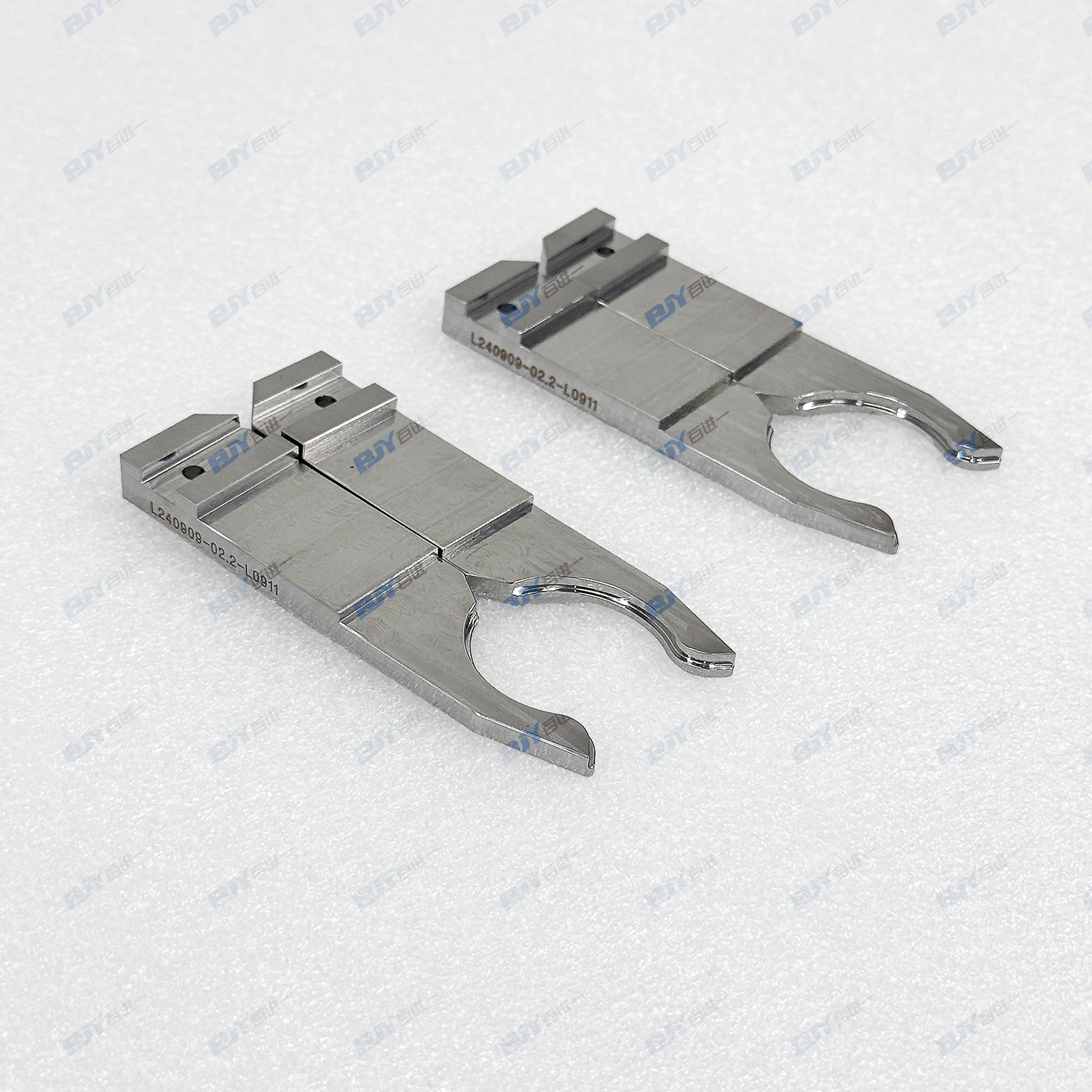
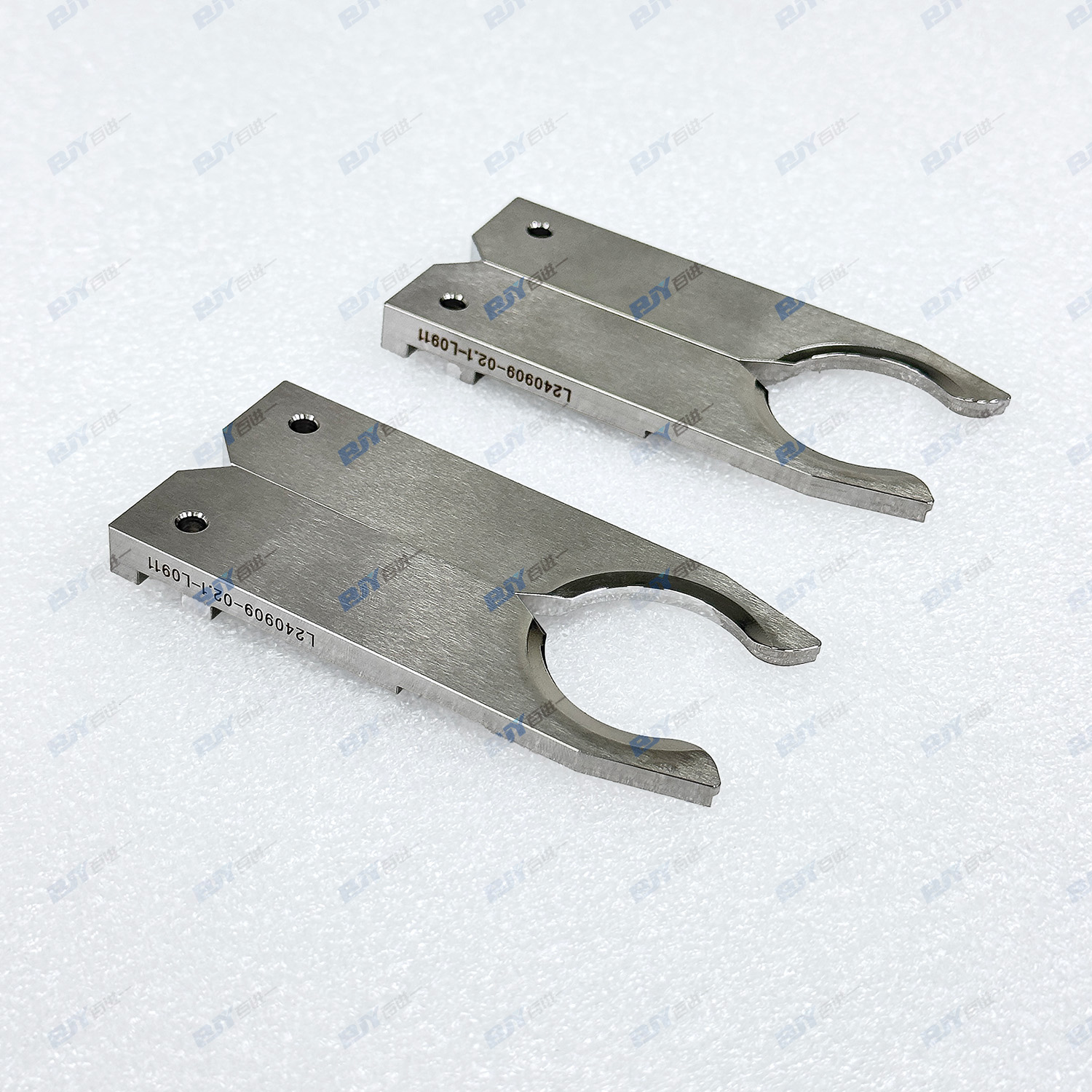
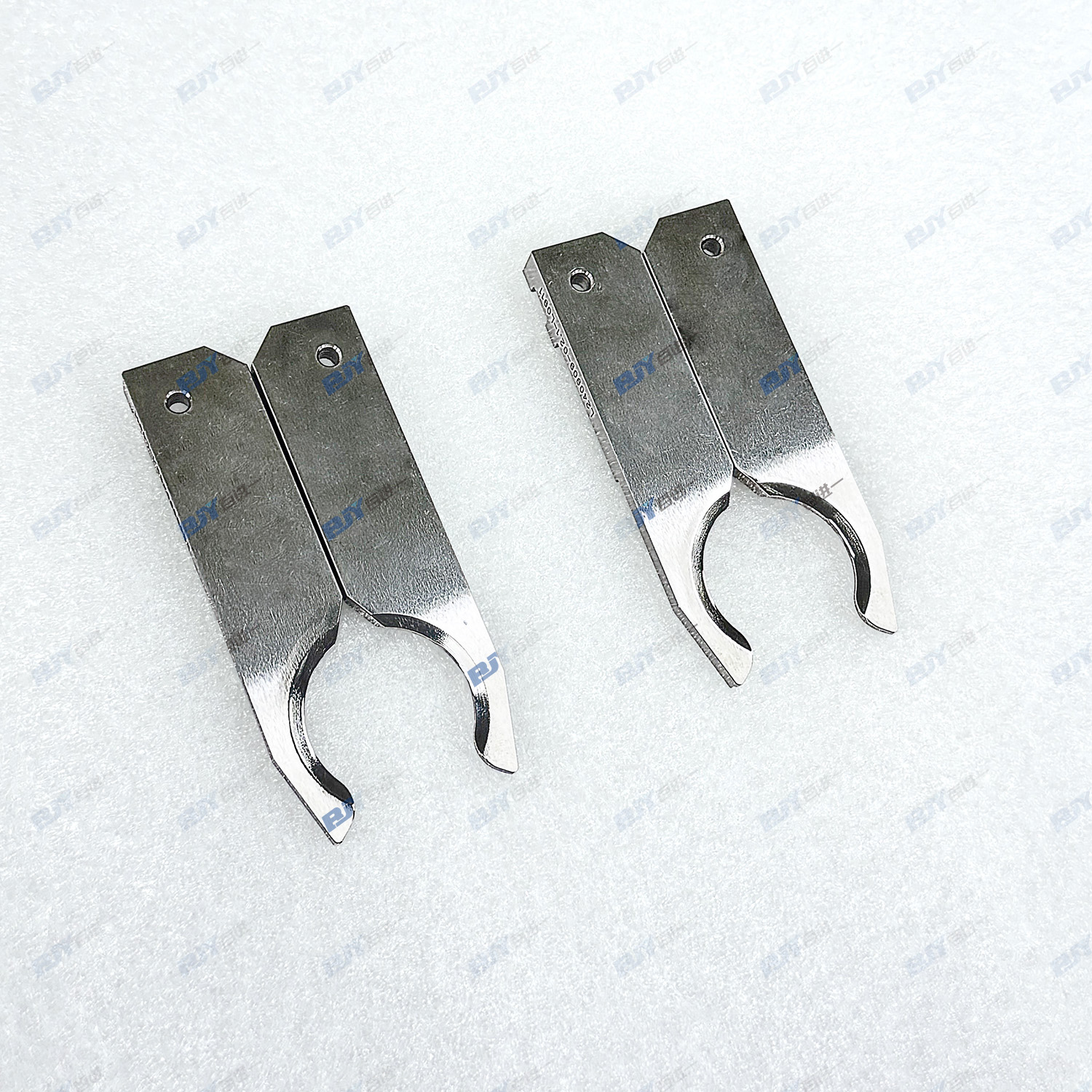
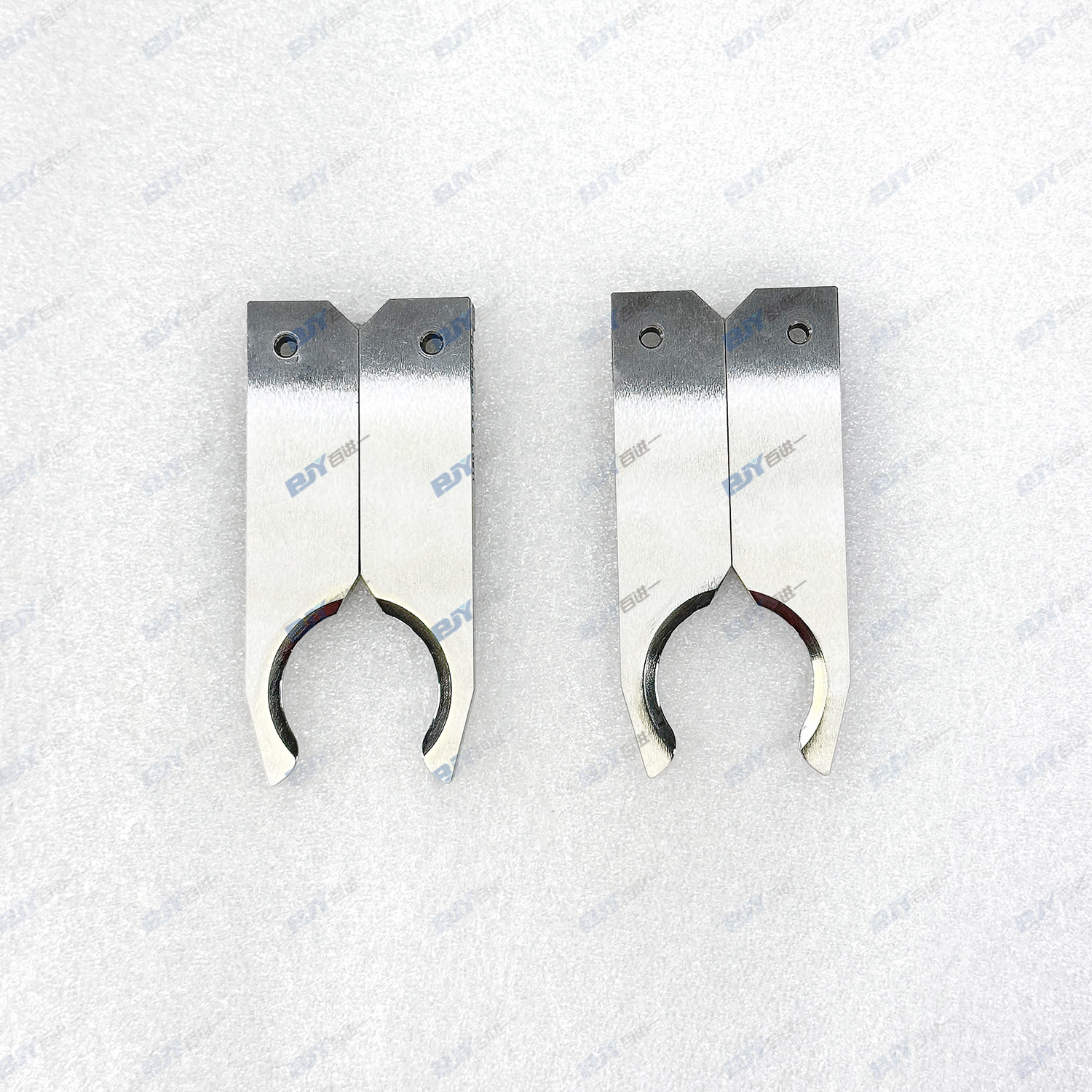
BJY Bottle Gripper
BJY Bottle Gripper
Hand a gripper clip to an experienced buyer and the first thing he does is run a thumb along the jaw face. It is a natural check, and it measures the wrong property. Smoothness says something about the finish of a surface; it says nothing about whether that surface sits correctly against the preform, which is the property the machine actually depends on.
That property is squareness, and it is defined against a base: the seat that lands on the preform's support ring. If the jaw face is not square to that seat, the ring touches on one edge, the preform tilts slightly, and the load travels through a fraction of the intended area. On the preform this is almost invisible. Further down the line it becomes a mark, an angled release or a stop that is investigated at the wrong machine. Geometrically, the error is small; in consequence, it is not.
Our setup therefore begins by identifying that base and cutting every working feature from it. The jaw face is machined relative to the seat. The opening, the mounting features and the overall thickness are taken from the same base rather than from several convenient surfaces. Using one reference is old toolmaking practice: every additional base adds a way for small errors to accumulate, and accumulated error is what turns a set of identical-looking clips into a set that behaves differently.
Because the setup is written down with the job, the second and fourth orders are machined from the same base as the first. A clip produced two years later is then a replacement, not a new design.
For a buyer, this suggests a useful question, and it is not about price or delivery. Ask what the part is referenced from. A supplier who can describe the base, and says it is recorded with the job, is describing a workshop. Anyone who answers with adjectives is describing a catalogue.
FoShan Baijinyi Precise Technology machines PET molds, preform mold components, precision spare parts and custom equipment in Foshan, and has done so since 2011.
description2