Leave Your Message
*Name Cannot be empty!
* Enter product details such as size, color,materials etc. and other specific requirements to receive an accurate quote. Cannot be empty
0%

Honestly, when global buyers are choosing the 10 Best Blow Moulding Products, nice-looking samples? Sure, they help. But they're not enough. What really matters is proof, consistency, and value you can actually measure.

According to Smithers' report, The Future of Blow Moulding to 2028, packaging, automotive components, and industrial containers are among the biggest demand areas. And PlasticsEurope's Plastics—The Fast Facts 2024 puts global plastics production at around 414 million tonnes in 2023. So yeah, those numbers give you a sense of just how huge the industry is. But here's the thing: volume by itself doesn't really prove product quality. In the end, it's still things like resin selection, wall-thickness control, cycle time, leak testing, and recycling performance that make or break commercial success.

So Dominick V. Rosato—pretty well-known in blow moulding circles—put it like this in the Blow Molding Handbook: “Blow molding is a process for producing hollow plastic parts.” On the surface, that sounds almost too simple, right? It isn’t. One narrow neck, an uneven shoulder, or a weak base, and suddenly that promising container is just expensive scrap.

So, this guide takes a practical, buyer-focused look at Blow Moulding Products—basically, the stuff that really matters when you're choosing. It covers packaging safety, dimensional stability, production efficiency, surface finish, material compatibility, supplier experience, and after-sales support. To give you a sense of how different the market can be, we've also included products from names like Kautex Maschinenbau, Bekum, and Sidel—each one shows a slightly different take on equipment capability and what buyers are looking for.

Look, the ranking isn't perfect. No single product is going to fit every factory, climate, or budget. So before you order, buyers should still ask for production samples, check the specs, and talk to verified references. A machine that works great in Germany might need some tweaking in Vietnam, Brazil, or Saudi Arabia. And the small stuff really matters: even a 0.2-millimeter difference in thickness can change stacking strength, sealing, and how much you lose in transport. Bottom line? Good selection starts with evidence, not marketing talk.
10 Best Blow Moulding Products for Global Buyers

What Blow Moulding Is and Why It Matters to Global Buyers

What Blow Moulding Is and Why It Matters to Global Buyers

Blow moulding forms hollow plastic products by expanding heated material inside a mould. Common methods include extrusion, injection, and stretch blow moulding. Each method suits different shapes, volumes, and performance needs. Buyers can source bottles, jerrycans, drums, tanks, ducts, automotive reservoirs, cosmetic containers, medical vessels, and technical packaging. The right process affects wall thickness, leak resistance, cycle time, and unit cost.

Scale matters. PlasticsEurope reported global plastic production at about 414 million tonnes in 2023. Packaging remains a major demand driver, while OECD research found that only 9% of plastic waste was recycled in 2019. These figures make material efficiency more than a purchasing detail. Lightweight designs can reduce resin use and freight weight. Recycled content may support circular targets, but it can also affect colour, strength, and processing stability.

Global buyers should inspect mould steel, parison control, cooling performance, energy use, and quality records. Request samples with measured wall thickness, drop testing, and closure checks. ISO 9001 certification can support process consistency, but it cannot replace factory audits. A supplier may promise high output. The mould may still produce uneven corners. That is the uncomfortable part. Short trials, clear tolerances, and documented testing often reveal more than a polished catalogue.

Essential Criteria for Evaluating Blow Moulding Products

When evaluating blow moulding products, global buyers should inspect performance before appearance. Start with wall-thickness consistency, container weight, neck dimensions, and leak resistance. A bottle that looks smooth may still fail during pallet stacking. Ask for production samples, not only catalogue images. Measure drop impact after temperature conditioning. Test closure torque and seal integrity with the intended cap.

Material selection also needs evidence. The OECD Global Plastics Outlook reports that global plastic waste reached 353 million tonnes in 2019, while only 9% was recycled. This makes recycled-content claims worth verifying. Request resin certificates, batch traceability, and documented food-contact compliance where relevant. For ODM Blow Moulding Products, confirm whether tooling changes affect material distribution or cycle time. Small design changes can create weak corners. They often do.

Supplier quality systems matter as much as machine output. PlasticsEurope reported global plastics production of 400.3 million tonnes in 2022, showing the scale of competition and material demand. Compare process capability data, inspection frequency, reject rates, and corrective-action records. Check performance against applicable ISO or ASTM methods. No scorecard is perfect. A low unit price can hide expensive transport damage. I would also question impressive laboratory results without independent testing. That assumption needs testing. Request pilot production, dimensional reports, and samples aged under real warehouse conditions before approving the final product.

High-Density Polyethylene Bottles for Industrial and Household Use

High-Density Polyethylene Bottles for Industrial and Household Use

High-density polyethylene bottles remain practical for detergents, lubricants, cleaners, and household liquids. Their tough walls resist impact, moisture, and many common chemicals. I have seen well-designed bottles survive warehouse handling and repeated use without cracking. However, material selection still matters. A thick bottle is not automatically a better bottle.

Industrial buyers should review capacity, neck size, closure compatibility, and filling temperature. Household bottles often need comfortable grips, stable bases, and controlled dispensing. For international shipments, wall thickness must balance protection and transport cost. Recyclability also deserves attention. Clear specifications help suppliers produce consistent OEM Blow Moulding Products for different markets. Testing should include leak checks, drop tests, stacking trials, and compatibility checks with the final liquid.

Tips: Confirm the resin grade before production. Request samples. Test filled bottles for several days. Check whether the cap seals after repeated opening. Do not rely only on visual inspection. A bottle may look perfect and still leak under pressure. I still find that some projects underestimate label adhesion and storage heat. That mistake can cause peeling, deformation, or customer complaints. Review local packaging rules before shipment, especially for products used around food, children, or household chemicals.

This chart compares representative nominal capacities commonly used for HDPE bottles and containers across ten industrial and household applications. Actual pack sizes vary by market, product formulation, handling requirements, and applicable packaging regulations.

PET Containers for Food, Beverage, and Personal Care Packaging

10 Best Blow Moulding Products for Global Buyers

PET containers remain practical choices for food, beverages, and personal care products. Smithers’ The Future of PET Packaging to 2028 reports continued growth in PET packaging demand, supported by lightweighting and improved recycling systems. These trends matter to global buyers.

The best blow moulding products include:

  • still-water bottles
  • carbonated-drink bottles
  • hot-fill juice containers
  • edible-oil bottles
  • wide-mouth food jars
  • shampoo bottles
  • body-wash bottles
  • lotion containers
  • liquid-soap bottles
  • small travel packs

Each format needs different neck finishes, wall thicknesses, and stress resistance. A beverage bottle may require pressure control, while a lotion bottle needs stable shoulder geometry and smooth dispensing.

Performance starts with the preform. Experienced buyers check resin quality, acetaldehyde control, top-load strength, and drop resistance. They also examine clarity under warehouse lighting. Small flaws become obvious on a retail shelf.

UNEP’s Turning off the Tap report highlights packaging as a major source of plastic waste, so material reduction should not ignore durability. A thinner bottle can lower material use, but it may collapse during transport. That trade-off is easy to underestimate.

No container is perfect. Testing is essential. Buyers should request migration results, closure compatibility data, compression tests, and samples from actual production molds.

Recycled PET can support circular packaging goals, yet color variation and processing stability may require closer quality control. Local filling lines, climate conditions, and recycling infrastructure can change the final choice.

Plastic Drums and Jerry Cans for Chemical and Liquid Storage

For global buyers, plastic drums and jerry cans must do more than hold liquid. They must survive filling, stacking, transport, and storage. China Blow Moulding Products can offer practical options, including tight-head drums, open-head drums, and compact jerry cans. High-density polyethylene is common because it resists moisture and many chemicals. Yet resistance is never universal. The liquid, concentration, temperature, and contact time all matter. Ask for compatibility data before ordering.

In real purchasing work, details often decide performance. A 25-liter jerry can needs a stable base and a handle that stays comfortable with gloves. Drum walls should remain even, without thin corners, sink marks, or weak seams. Closures need clean threads and reliable gaskets. I also check drop tests, leak tests, pallet patterns, and cap torque records. Small records build confidence. Color can help identify contents, but it cannot replace labels or documented procedures.

Buyers should request samples from the actual production line, not only showroom pieces. Fill them with the intended liquid and inspect them after several days. This simple trial may expose swelling, odor transfer, or cap leakage. Certification requirements differ by destination and application, so verify current local rules with qualified specialists. No container is perfect. Even a strong design may fail when overfilled, badly stacked, or exposed to heat. Clear specifications, traceable batches, and honest communication reduce those risks.

Automotive Blow Moulded Parts for Lightweight Vehicle Manufacturing

Automotive blow moulded parts are becoming practical tools for lightweight vehicle manufacturing. Air intake ducts, coolant reservoirs, washer-fluid tanks, and hollow underbody guides can reduce mass without sacrificing useful volume. The U.S. Department of Energy reports that a 10% vehicle weight reduction may improve fuel economy by 6% to 8%. That matters for electric vehicles, where every kilogram affects range, handling, and battery demand.

Tips: Validate wall thickness early. A 2-millimeter variation can create weak corners, sink marks, or unnecessary material use. Check clamp force, cooling time, and weld-line strength with physical samples. Custom Blow Moulding Products should match the vehicle platform, not simply copy an existing shape.

Material selection needs engineering discipline. High-density polyethylene offers chemical resistance for fluid containers, while polyamide can support warmer air-management applications. The International Energy Agency reported that global electric car sales exceeded 17 million in 2024, increasing pressure for scalable, lighter components. However, lighter is not automatically better. Excessive thinning may increase vibration, noise, or failure risk around mounting points. Practical trials often reveal what computer models miss: a sharp edge near a bracket, a hose rubbing after 20,000 cycles, or heat distortion beside the engine. Suppliers should document resin traceability, dimensional inspection, burst testing, and end-of-line checks for global buyers.

How to Compare Suppliers, Prices, Quality, and Export Standards

10 Best Blow Moulding Products for Global Buyers

How to Compare Suppliers, Prices, Quality, and Export Standards

When comparing blow moulding suppliers, begin with product demands rather than the lowest quoted price. Define capacity, neck finish, wall thickness, drop resistance, and expected annual volume. Ask for production samples made from the same resin and mould design. A polished sample can hide weak seams. Inspect flash, uneven walls, closure fit, and weight variation across at least ten pieces. Request process records, equipment details, and inspection methods, not only a certificate.

Price needs context. Compare tooling, sampling, packaging, inland transport, and export documentation separately. Clarify payment terms, lead time, minimum order quantity, and the quotation’s delivery basis. A lower unit price may reflect thinner walls or excluded testing fees. For export orders, verify material declarations, test reports, packing strength, and traceable batch records. Requirements change by product use and destination, so generic compliance claims are not enough. Check whether documents match the actual factory and production material.

Reliable suppliers explain problems early. During audits or video inspections, review resin storage, drying controls, mould maintenance, and final packing. Look for clean floors, labeled lots, calibrated gauges, and a clear rejection area. Ask how defects are corrected and who approves shipment release. I would also run a small trial order before committing to a large annual contract. This costs more upfront. Still, it can expose colour drift, deformation, or late paperwork before containers are booked. No supplier comparison is perfect; forecasts change, and even careful audits can miss a process weakness. That is why written specifications and retained samples matter.

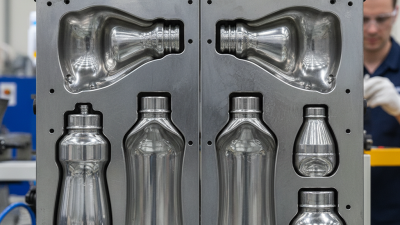
PET Blow Molding Bottom Mold: Design, Performance, Applications, and Selection Guide

A PET blow molding bottom mold is a critical component for controlling bottle-base geometry, stability, and material distribution. During high-speed rotary blow molding, it defines features such as the push-up, feet, support ring, and contact area. Industry equipment reports indicate that modern rotary systems may produce more than 20,000 bottles per hour, making dimensional consistency essential. Even minor changes in venting, cooling, or cavity alignment can influence cycle stability, bottle standing performance, and rejection rates on cold-filling lines.

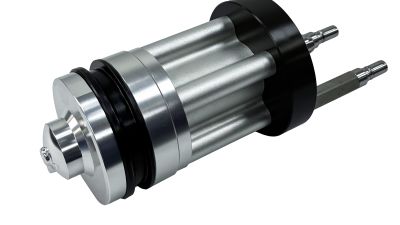
Designed for 459 ml PET bottles, this bottom mold uses high-quality aluminum to provide a practical balance of strength, thermal conductivity, and machining flexibility. Aluminum helps transfer heat efficiently during forming and supports rapid mold adjustments when bottle-base dimensions require improvement. Packaging industry data reports published in recent years also identify lightweighting, higher recycled-PET content, and improved production efficiency as major PET packaging trends. These factors increase the importance of precise base design, because thinner walls and changing material properties can make bottles more sensitive to deformation.

Selection should consider bottle volume, preform design, base profile, machine compatibility, cooling configuration, and expected production speed. When the bottle body remains unchanged but the base requires reinforcement or redesign, replacing only the bottom mold can reduce modification time and tooling costs. Custom manufacturing allows adjustments to the cavity profile, support feet, venting layout, and installation dimensions, helping manufacturers respond efficiently to market feedback and functional requirements.

FAQS

What is blow moulding?

Blow moulding creates hollow plastic products by expanding heated material inside a mould. Common methods include extrusion, injection, and stretch blow moulding. Each method suits different shapes, volumes, and performance requirements. The process affects wall thickness, leakage resistance, production time, and cost.

Which products can global buyers source through blow moulding?

Buyers can source bottles, jerry cans, drums, tanks, ducts, reservoirs, and technical packaging. Automotive parts may include air ducts, coolant reservoirs, and washer-fluid tanks. Cosmetic and medical containers are also possible. The final design must match its actual use.

Why does material efficiency matter?

Lightweight designs can reduce resin consumption and freight weight. Plastic production reached about 414 million tonnes globally in 2023. Only a small share of plastic waste was recycled in 2019. Recycled content may support circular goals, but it can change colour, strength, and processing stability.

What should buyers check before ordering plastic drums or jerry cans?

Check wall uniformity, base stability, seams, threads, gaskets, and closure torque. A 25-litre jerry can should remain comfortable with gloved hands. Request drop tests, leak tests, pallet patterns, and batch records. Small records matter.

How can buyers confirm liquid compatibility?

Test samples with the intended liquid, concentration, temperature, and storage period. Inspect the container after several days for swelling, odour transfer, or cap leakage. Chemical resistance is never universal. Ask for compatibility data before placing a large order.

What quality checks matter during mould production?

Review mould steel, parison control, cooling performance, energy use, and inspection records. Measure wall thickness at corners, handles, and mounting areas. Request samples from the actual production line, not only showroom samples. A polished catalogue proves little.

How can blow moulded automotive parts support lighter vehicles?

Hollow ducts, fluid tanks, and guides can reduce mass while preserving useful volume. A 10% vehicle weight reduction may improve fuel economy by 6% to 8%. Electric vehicles also benefit from lighter components. Lighter is not always better.

What testing is important for automotive blow moulded parts?

Validate wall thickness, cooling time, clamp force, weld-line strength, and dimensional accuracy. Check burst resistance, vibration, heat distortion, and hose rubbing after repeated cycles. A sharp bracket edge may cause trouble later. Physical trials can expose problems that computer models miss.

Conclusion

Blow Moulding Products are essential to global manufacturing because they provide efficient, scalable solutions for packaging, storage, and vehicle production. This article explains how blow moulding works and why it matters to international buyers seeking consistent quality, cost control, and reliable supply. It also outlines key evaluation criteria, including material performance, product durability, dimensional accuracy, production capacity, customization options, and compliance with applicable export and safety standards.

The guide reviews high-density polyethylene bottles for industrial and household applications, PET containers for food, beverage, and personal care packaging, and plastic drums and jerry cans for secure chemical and liquid storage. It also introduces automotive blow moulded components that support lightweight vehicle manufacturing. Finally, readers will learn how to compare suppliers by examining pricing, quality control, technical support, delivery reliability, packaging, documentation, and international trade requirements before making a suitable purchasing decision.


Isabella

Isabella

Isabella is a dedicated marketing professional at Foshan Baijin Precision Technology Co., Ltd., where she plays a pivotal role in promoting the company’s advanced precision products. With a strong background in precision technology, Isabella possesses in-depth knowledge of the company’s offerings,......
Previous Top CSD Bottle Mold Manufacturers for Global Buyers