Leave Your Message
*Name Cannot be empty!
* Enter product details such as size, color,materials etc. and other specific requirements to receive an accurate quote. Cannot be empty
0%

Picking the best China Mold Shell For Kronessupplier isn’t just a price-shopping exercise. Sure, unit cost matters—but it’s only one piece. What you really need is proof that the supplier can hold dimensions, understand materials, and stick around after the sale. Krones equipment runs with tight forming, filling, and packaging tolerances. And a Mold Shell that looks fine on a sample table? It can still cause uneven cooling, visible seams, or cycle times that jump around in real production.

That quality-first mindset isn’t just a hunch, either. Smithers’ report, The Future of Pet Packaging to 2028, points to lightweighting, recyclability, and production efficiency as ongoing priorities for packaging manufacturers. Grand View Research also sees growing demand for high-performance plastic packaging—especially where consistent quality and lower material use matter. PMMI’s findings lean the same way: automation, line integration, and supplier responsiveness keep coming up across packaging operations. Together, these make mold accuracy a production issue, not just a purchasing detail.

Experience still counts. A qualified China supplier should be able to explain steel selection, heat treatment, cavity balance, cooling-channel design, surface finishing, and inspection methods. They should also provide drawings, trial records, measurement reports, and practical compatibility advice for Krones lines. ISO 9001 can give you some process confidence, but it doesn’t replace technical verification. That’s an easy point to gloss over. Report scopes differ, too, and market forecasts aren’t factory guarantees. So before you decide, compare measured cycle performance, rejection rates, maintenance needs, and delivery records. The strongest supplier isn’t always the cheapest one. It’s the one that can repeat quality under real production pressure, communicate clearly, and fix problems without dragging their feet.
Best China Mold Shell For Krones Supplier?

What Is a Mold Shell for Krones Equipment?

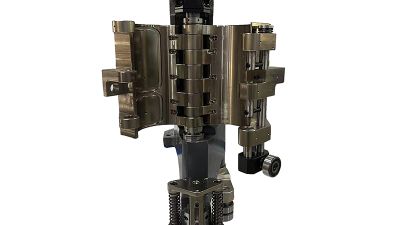
A Krones Mold Shell is the outer structural component used around a mold assembly in compatible bottle-making equipment. It supports cavity plates, cooling channels, guide systems, and clamping surfaces. The shell must hold these parts firmly during repeated molding cycles. Small alignment errors can create uneven wall thickness, flash, or difficult mold opening.

In practical production, technicians inspect the shell near the parting line and mounting holes. They check flatness with precision tools and examine contact surfaces for dents or wear. Stainless steel or treated alloy construction can improve durability, depending on the operating conditions. Internal cooling passages also deserve attention. Blocked channels may leave hot spots around the bottle shoulder or base.

Fit matters more than appearance. A polished surface does not compensate for poor tolerances. An experienced supplier should provide measured dimensions, material information, and inspection records. Trial installation is still valuable, because drawings may not reveal every machine-side condition. I have seen apparently suitable components require minor adjustment after installation. That is not ideal. It shows why sample verification and clear technical communication matter when selecting a Krones Mold Shell for production equipment.

Which Specifications Define a Suitable Mold Shell?

A suitable ODM Krones Mold Shell begins with measurable specifications, not attractive drawings. The shell should match the container geometry, resin behavior, machine interface, and expected production speed. ISO 20457 emphasizes controlled mold dimensions, functional surfaces, and repeatable manufacturing tolerances. In practice, critical cavity dimensions often need tighter control than general steelwork. A 0.02 mm mismatch can appear as uneven wall thickness, flashing, or difficult demolding.

Material selection also matters. Pre-hardened tool steel can simplify machining, while hardened steel usually supports longer service under high cycle loads. Surface hardness, corrosion resistance, and polishing quality should be recorded in the inspection file. Cooling channels need balanced spacing around the cavity. Poor balance creates hot spots near the neck or base. The result is visible deformation. Sometimes the cooling layout looks efficient on paper, yet performs poorly after assembly.

PlasticsEurope reported 400.3 million tonnes of global plastics production in 2022, showing the scale of continuous molding demand. That volume increases pressure on cycle stability and maintenance planning. A suitable shell should therefore include replaceable wear components, clear datum points, and documented spare dimensions. ISO 9001-style traceability is useful here, though it does not replace physical testing. I have seen suppliers overfocus on polished surfaces. That is a mistake. Clamping accuracy, vent depth, cooling response, and trial-run data deserve equal attention. No single specification proves suitability.

Best China Mold Shell For Krones Supplier? - Which Specifications Define a Suitable Mold Shell?

Specification Recommended Range / Requirement Why It Matters Typical Verification Method
Mold Shell Material Pre-hardened mold steel such as P20 / 1.2311 or corrosion-resistant steel such as 1.2316 Provides a balance of machinability, strength, wear resistance, and service life. Material certificate, grade marking, and hardness testing
Steel Hardness Approximately 28–36 HRC for pre-hardened steel; final value to match the approved drawing Adequate hardness helps reduce deformation, denting, and premature wear during repeated production cycles. Rockwell hardness test at multiple locations
Dimensional Accuracy General machining tolerance: ±0.02 mm; critical locating and sealing features: ±0.01 mm where specified Accurate dimensions support proper mold alignment, part consistency, and interchangeability. Coordinate measuring machine, calibrated gauges, and inspection report
Parting-Line Alignment Mismatch generally not greater than 0.02 mm on finished sealing or appearance-critical areas Minimizes flash, uneven wall thickness, and visible parting marks on molded products. Blue-check contact inspection, optical measurement, and trial molding
Surface Finish Ra 0.8–1.6 μm for functional machined surfaces; Ra 0.2–0.8 μm for polished appearance surfaces A suitable finish improves release, appearance, cleanability, and dimensional repeatability. Surface roughness tester and visual inspection under controlled lighting
Cooling Channel Design Uniform channel spacing; typical center-to-surface distance of 12–25 mm, subject to wall thickness and mold geometry Balanced cooling reduces cycle variation, warpage, thermal stress, and localized shrinkage. CAD review, flow testing, pressure testing, and thermal mapping
Cooling Circuit Pressure Leak-free operation at the specified working pressure; hydrostatic test commonly performed at approximately 1.5 times working pressure Prevents coolant leakage, corrosion, production stoppage, and contamination of molded parts. Hydrostatic pressure test and visual leak inspection
Venting Vents positioned at gas-trap locations; typical vent depth approximately 0.01–0.03 mm, adjusted for the molding material Effective venting reduces burn marks, short shots, trapped air, and incomplete filling. Drawing review, vent-depth measurement, and production trial
Alignment and Locating Features Replaceable guide components; locating repeatability typically within 0.01–0.02 mm Reliable alignment protects the mold shell from uneven loading and simplifies maintenance. Gauge inspection, assembly verification, and repeatability testing
Interchangeability All replaceable inserts, plates, fasteners, and locating elements identified with controlled part numbers Supports faster changeover, easier spare-parts management, and reduced downtime. Assembly trial and comparison against approved drawings
Thermal Stability Uniform temperature distribution with no significant hot spots during continuous operation Stable thermal behavior improves cycle consistency and reduces dimensional variation. Thermocouple measurement, infrared inspection, and trial-run data
Corrosion Protection Corrosion-resistant steel or protective treatment for surfaces exposed to water, humidity, or aggressive additives Extends service life and maintains cooling-channel performance over time. Surface inspection, coating-thickness check, and corrosion-resistance documentation
Traceability Documentation Material certificate, hardness record, dimensional report, pressure-test record, and revision-controlled drawings Complete documentation makes quality decisions, maintenance, and future replacement more reliable. Document review and serial-number traceability audit
Selection priority: Confirm the approved drawing, mold envelope, material compatibility, cooling layout, critical tolerances, maintenance requirements, and trial-molding results before final acceptance.

How to Compare Chinese Mold Shell Suppliers

Comparing Chinese mold shell suppliers requires more than checking price and polished photographs. Define the shell material, cavity dimensions, cooling layout, surface finish, and expected production cycle before requesting quotations. Ask for a dimensional inspection report, material certificate, and recent process photographs. A supplier that cannot explain steel hardness or shrinkage allowances may create expensive delays.

The ISO Survey 2022 recorded more than 1.2 million ISO 9001 certificates worldwide, but certification alone does not prove mold quality. Request the certificate number, audit scope, and inspection records for the actual workshop. Compare quotation details line by line: machining hours, trial molding, spare parts, packaging, and corrective support. Require a sample measurement report using calibrated equipment. Small details matter.

Check delivery planning against real logistics performance. The World Bank’s 2023 Logistics Performance Index ranked China 19th, with a score of 3.7 out of 5. Transport can still vary between inland and coastal factories.

I would inspect the factory, if possible. That step is often skipped.

Review at least three suppliers using the same technical drawing and acceptance criteria. A lower quote can hide thinner steel, weaker cooling channels, or unclear revision control. My own caution is simple: a convincing sales engineer is useful, but repeatable inspection evidence is more reliable. Suppliers should also explain how they handle dimensional changes after the first trial. Perfect documentation is rare. Missing records deserve questions.

What Materials and Manufacturing Standards Matter?

When selecting a mold shell supplier for high-speed beverage equipment, material choice matters more than appearance. Aluminum alloy offers low weight and fast heat transfer. It suits many PET forming applications. Stainless steel provides stronger corrosion resistance and longer service life. It is useful around moisture, cleaning chemicals, and frequent production changes. Critical contact surfaces should use certified food-grade materials. Ask for material certificates, hardness data, and traceability records. A polished surface is not enough.

Manufacturing standards also deserve close inspection. The supplier should control dimensional tolerances through CNC machining and documented inspection plans. ISO 9001 quality systems can improve process consistency, but certification alone proves little. Request measurement reports for cavity alignment, wall thickness, and cooling channels. Surface roughness should match the production requirement. Poor cooling design may create uneven containers, even when the shell looks precise. No material is perfect. Aluminum can wear faster, while stainless steel may increase cost and machining time.

Tips: Check one production sample before approving a large order. Confirm the alloy grade independently. Review maintenance access, spare-part availability, and expected cycle life. Ask how rejected parts are handled. A useful supplier will explain limitations clearly, rather than promise flawless performance. In practice, small tolerance errors can become visible after thousands of cycles. That detail is easy to underestimate.

How to Evaluate Supplier Quality and Compatibility

Choosing an OEM Krones Mold Shell requires more than comparing prices. Supplier quality begins with traceable material certificates, stable wall thickness, and repeatable dimensions. In a practical audit, I inspect cavity surfaces, cooling channels, weld marks, and polishing records. Small defects can create uneven containers, excessive scrap, or frequent line adjustments.

Deloitte’s 2024 Global Smart Manufacturing Survey found that 92% of manufacturers view smart manufacturing as a major competitiveness driver. Yet only 14% reported achieving their expected results. This gap matters when evaluating mold suppliers. Ask whether the supplier uses digital inspection reports, coordinate measuring machines, and documented corrective actions. Compatibility also requires checking cavity geometry, neck specifications, cooling connections, installation space, and production speed. A mold may pass dimensional inspection but still perform poorly on an existing line. That is an uncomfortable possibility.

Tips: Request a sample inspection report before ordering. Compare tolerance charts with your machine drawings. Confirm steel grade, heat treatment, surface finish, and spare-part support. Ask for a trial run using your actual material and process settings. Do not accept “compatible” without measurable evidence. A perfect scorecard is unrealistic; overlooked cleaning access or cooling pressure can still cause trouble. Supplier references help, but independent testing remains stronger. Consider ISO 9001 certification as supporting evidence, not proof of mold performance.

What Should Buyers Check Before Placing an Order?

Before ordering a China Krones Mold Shell, buyers should verify dimensions, steel grade, heat treatment, and cavity alignment. A supplier should provide a signed drawing, material certificate, hardness results, and inspection photos. Measure the shell against the original sample, not only a digital file. A mismatch of 0.1 millimeters can create uneven wall thickness, flash, or repeated machine stoppages.

PMMI’s 2024 State of the Industry report places U.S. packaging machinery shipments above 10 billion dollars, showing the cost of downtime across this sector. Buyers should therefore request cycle-test records, surface-finish readings, and a documented inspection plan. ISO 2859-1 sampling methods can support acceptance checks, but they do not replace full dimensional verification for critical mold surfaces. Ask how the supplier controls steel traceability, coating thickness, and replacement-part compatibility.

Experience also matters. Request samples from similar high-speed applications, customer references, and clear corrective-action records. Check packaging for transport damage, especially around thin edges and locating holes. One practical detail is often missed: confirm the shell’s storage protection before installation. Anti-rust paper and sealed wrapping may prevent costly surface defects. I would not rely on a low quotation alone; it may hide weaker steel, limited inspection, or uncertain after-sales support.

Best China Mold Shell Supplier for Krones Applications? What Should Buyers Check Before Placing an Order?

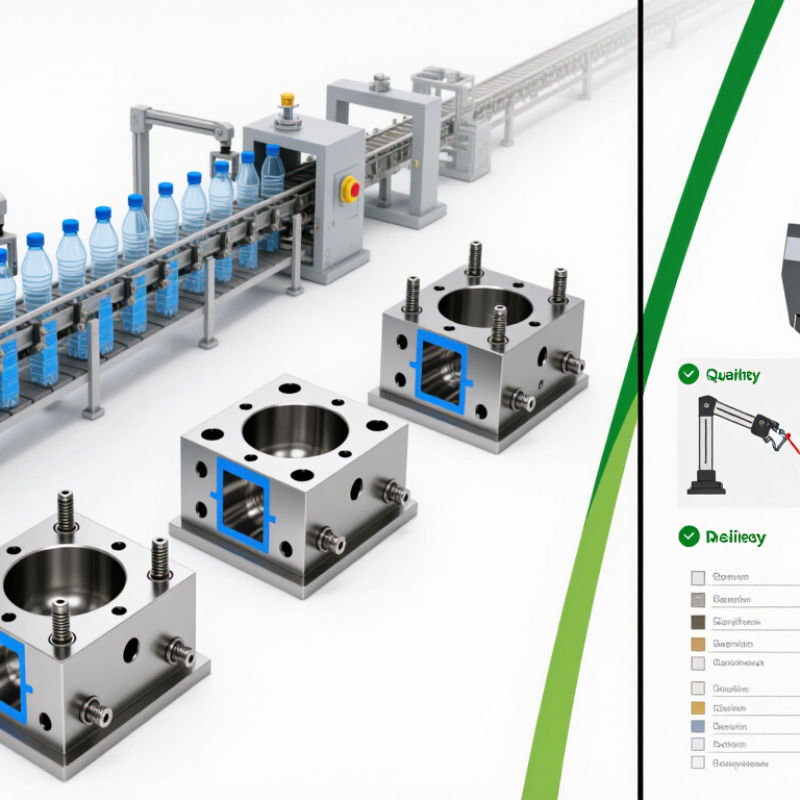
This 100-point pre-order review model prioritizes dimensional accuracy and material traceability, followed by parting-line fit, inspection records, surface quality, and delivery capability. Buyers should confirm each item with drawings, material certificates, measurement reports, approved samples, and written delivery terms before placing an order.

Rotary Blow Molding Market Outlook: Mold Holder and Frame Insights from Grand View Research’s Industry Report

Rotary blow molding is gaining attention as manufacturers seek higher throughput, consistent bottle quality, and improved equipment utilization. Grand View Research’s industry analysis identifies mold holders and machine frames as important design elements within the rotary blow molding system, particularly because they influence cycle stability, changeover time, and container accuracy. Market forecasts in recent industry reports generally indicate low-single-digit annual growth for blow molding equipment through the next decade, supported by demand for lightweight packaging and efficient production lines.

The mold frame should be engineered around the finished bottle’s geometry, dimensions, wall-thickness requirements, and production volume. A frame designed for multiple cavities can increase output, but it also requires balanced loading, precise alignment, and sufficient structural rigidity to prevent vibration during rotation. Mold holders should provide secure clamping, rapid replacement, and dependable heat transfer, while allowing operators to accommodate different bottle formats without extensive downtime. Material selection, corrosion resistance, and fatigue strength are also central to service life, especially in continuous-duty operations.

From an investment perspective, frame design should be evaluated against total operating efficiency rather than initial cost alone. Properly matched mold quantity, cavity spacing, and cooling access can reduce rejected bottles and support stable cycle times. These considerations help manufacturers produce high-quality plastic bottles while maintaining equipment durability, repeatability, and long-term maintenance efficiency.

FAQS

What is a mold shell used for in bottle-making equipment?

A mold shell supports cavity plates, cooling channels, guide systems, and clamping surfaces. It must remain stable during repeated molding cycles. Small alignment errors may cause uneven walls, flash, or difficult opening.

Which areas should technicians inspect on a mold shell?

Inspect the parting line, mounting holes, contact surfaces, and cooling passages. Check flatness with precision tools. Look for dents, wear, blocked channels, and possible hot spots near the bottle shoulder or base.

Does a polished surface prove good mold shell quality?

No. Fit and tolerance matter more than appearance. A shiny shell may still have poor alignment or weak cooling passages. Appearance can mislead.

How should buyers compare mold shell suppliers?

Use the same technical drawing and acceptance criteria for every supplier. Compare material, cavity dimensions, cooling layout, machining, trial molding, packaging, and corrective support. Cheap quotations may hide thinner steel or unclear revisions.

Which documents should a reliable supplier provide?

Request dimensional inspection reports, material certificates, hardness data, and process photographs. Ask for calibrated measurement records. Certification helps, but it does not prove every shell is accurate.

Which materials are commonly considered for mold shells?

Aluminum alloy offers low weight and fast heat transfer. Stainless steel provides stronger corrosion resistance and longer service life. The best choice depends on moisture, cleaning chemicals, production cycles, and maintenance needs.

What manufacturing details affect mold shell performance?

CNC machining should control cavity alignment, wall thickness, cooling channels, and surface roughness. Documented inspection plans reduce repeated errors. Poor cooling design may produce uneven containers, even with accurate-looking machining.

Why is trial installation important before a large order?

Drawings may not show every machine-side condition. A trial can reveal mounting problems or required adjustments. This step may feel inconvenient, but skipping it can create expensive delays.

What should buyers check before approving a large order?

Inspect one production sample and confirm the alloy grade independently. Review maintenance access, spare-part availability, expected cycle life, and rejected-part handling. Perfect documentation is uncommon, so missing records deserve questions.

Conclusion

Choosing the right Mold Shell For Krones requires more than comparing prices. Buyers should first understand the equipment’s structure, mold dimensions, connection points, cooling requirements, production capacity, and compatibility with existing filling or packaging systems. A suitable mold shell must meet precise specifications to ensure stable operation, accurate forming, easy installation, and consistent product quality.

When comparing Chinese suppliers, evaluate their material selection, machining accuracy, surface treatment, manufacturing standards, inspection procedures, and experience with customized components. Reliable suppliers should provide clear technical drawings, material certificates, dimensional reports, sample confirmation, and practical after-sales support. Before placing an order, buyers should verify compatibility, tolerances, delivery schedules, packaging methods, warranty terms, and communication procedures. A careful review of these factors helps reduce installation risks, avoid unnecessary modifications, and establish a dependable long-term supply relationship.


Liam

Liam

Liam is a dedicated marketing professional at Foshan Baijin Precision Technology Co., Ltd., where he leverages his extensive expertise to enhance the company’s online presence. With a deep understanding of the precision technology industry, he excels in crafting informative and engaging blog posts......
Previous How to Choose the Right PET Preform Mould?