Honestly, when you're choosing a compression Cap Mould manufacturer, it's not a decision you want to rush. I mean, the mould you pick has a huge impact on your production down the line – we're talking consistency, cycle times, how much material you'll go through, and even how often you'll have to maintain the thing. And you know what? The little stuff really adds up. Like, the way a thread fits, or how polished the finish is around the tamper band, or even how the cooling is set up – all these small details can make or break your production efficiency. So yeah, it's worth paying attention to those seemingly minor things. So here's the deal: this guide isn't about pushing one supplier as the ultimate answer for every project. Instead, we've rounded up ten manufacturers for you to compare and contrast. That way, you can weigh your options and see what fits your specific needs best.
Look, when you're comparing suppliers for closure moulds, it's tempting to just look at the big picture. But honestly, you need to zero in on the details that really count. Think about things like their actual experience with closure moulds, how much engineering support they offer, the cavity options they provide, their stated tolerances, the steel they use, and how they handle after-sales service. And don't just take their word for it – ask specific questions about how they run mould trials, get samples approved, and deal with Spare Parts and repairs. Seriously, ask for specifics. A good drawing, some sample caps, and a detailed quote – those speak volumes. They tell you way more than any vague promise about quality could ever do. So yeah, dig into the nitty-gritty. Hey, if you get the chance, try asking the supplier to walk you through their inspection process — you know, how they do quality checks. And see if they can share a few project references that are actually relevant to what you're working on. That'll give you a real feel for whether they're the right fit.
Here's the thing: 'best' is relative. It depends on your cap design, the resin you're using, your machine, how fast you need to run, and what you can actually afford. A mould that's perfect for one production line might need a complete overhaul for another – that's a point that gets overlooked way too often. So before you place that order, get everything in writing: the dimensions, expected cycle conditions, who's responsible for maintenance, and the delivery timeline. Trust me, it'll save you headaches later. This overview should help you build a shortlist and, more importantly, ask the right questions when you're shopping around. Look, this isn't a substitute for a proper technical review. You'll want to double-check the final suitability against the buyer's drawings, machine specifications, and run some production trials – that's where the real proof is.
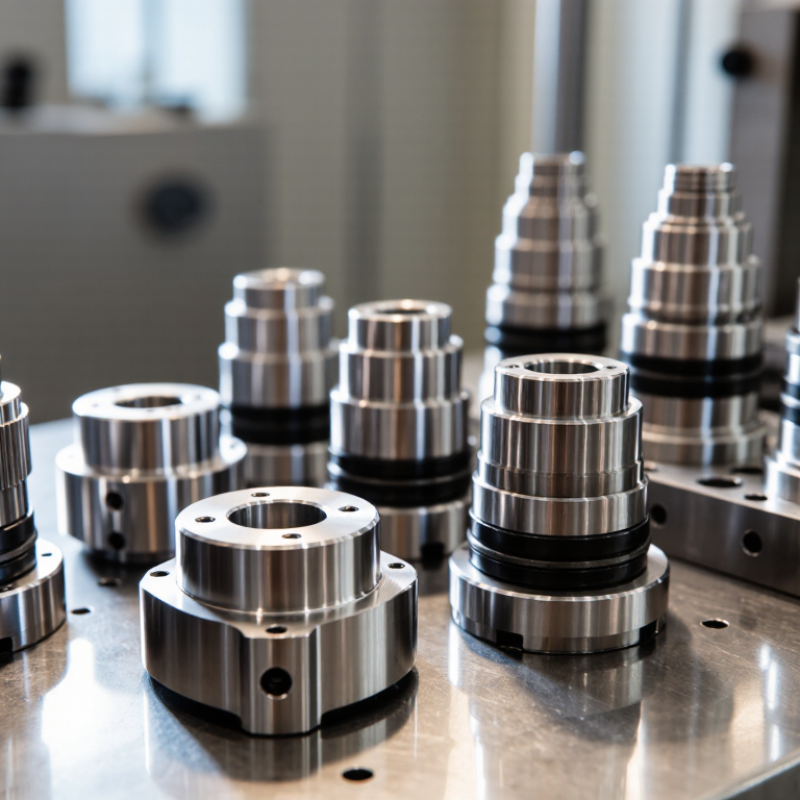
Compression cap moulds shape plastic closures by pressing a measured amount of softened material inside heated cavities. After forming, the caps cool and are released for inspection. The process can produce many caps quickly, with consistent threads, sealing surfaces, and tamper-evident bands. Small details count. A slight mismatch at the sealing surface may cause leakage, even when the cap looks fine.
These moulds serve beverage, food, household, and personal-care packaging, where closures must fit containers and withstand routine handling. Cavity layout, cooling channels, venting, and surface finish all affect output quality and cycle time. Buyers should compare mould life, maintenance access, dimensional consistency, and compatibility with their production equipment. Ask how the maker checks samples, not only how quickly the mould can be built. A smooth sample is useful, but it does not prove stable performance across every cavity or production shift.
Experience on the factory floor also matters. Operators may notice uneven cooling through caps that feel softer in one area, or threads that need extra force to engage. These signs deserve measurement, not guesswork. It is tempting to focus on initial price; I would also examine spare-part availability and cleaning requirements. That can be overlooked. A practical evaluation includes trial runs using the intended resin, cap design, and operating conditions.
Typical density ranges for polypropylene (PP) and polyethylene (PE) grades used in closure applications, shown in g/cm³.
PP is widely used for compression-moulded caps; HDPE and LDPE are also used in closure applications. Actual density varies by resin grade. Material selection depends on closure design, product compatibility, and processing requirements.
Choosing a compression cap mould manufacturer requires more than comparing prices. Check whether its engineers understand resin flow, cavity balance, cooling, and demoulding. These details affect cap weight, sealing surfaces, and cycle consistency. Ask for drawings and inspection records from comparable projects. A capable supplier should explain how it controls flash and dimensional variation, not just promise precision. Ask for evidence.
Review the proposed Cap Mould Compression Mold design against your cap’s thread, liner, and tamper-band requirements. Request a trial plan with measurable acceptance criteria, such as weight range and thread fit. Ask what steel is specified, how cavities are finished, and which spare parts are included. Clear answers matter. So does after-sales support: response times, troubleshooting access, and practical maintenance guidance can reduce downtime. One limitation is easy to miss: a successful sample run may not reflect long-term production conditions.
Tips: Share actual resin data and target cycle time before requesting a quotation. Compare suppliers using the same drawings and acceptance standards. Inspect sample caps under consistent lighting, and test sealing with your own filling setup. Keep notes; small differences can matter.
Profiles of 10 Leading Compression Cap Mould Manufacturers should help buyers compare engineering capability, not just quoted prices. Each profile can examine cavity count, cap size range, thread accuracy, steel selection, cooling design, and documented cycle time. These details affect output consistency on a real production floor. A poorly balanced cooling system, for example, can leave caps warped or slow the line. Small details matter.
Reliability deserves equal attention. Check whether each manufacturer describes inspection methods, trial procedures, spare-part support, and response times. The OECD’s Global Plastics Outlook reports that packaging accounted for about 40% of plastic waste generated worldwide in 2019. That figure makes material efficiency and scrap control relevant questions when assessing mould design. It does not, by itself, prove that one supplier performs better than another. The phrase Compression Cap Mould Lower may attract price-focused searches, but buyers should compare the full cost of ownership, including maintenance and downtime. Published claims are useful; independently verifiable data is better. A profile may still leave gaps, especially when service records or test conditions are not disclosed.
Choosing an OEM Compression Cap Mould manufacturer takes more than comparing quoted prices. Examine machining capability, cavity layout, cooling design, and the maker’s process for checking dimensions. Ask to review trial samples and measurement records, especially for cap weight, fit, and thread consistency. Details matter. A polished presentation cannot replace repeatable production evidence.
Tips: Ask how many moulds the workshop can build at once, and request a realistic delivery schedule. Check whether technicians can support installation, troubleshooting, and spare-part replacement. A quick reply is useful, but clear technical answers matter more. Ask for a sample maintenance plan.
Production capacity should match your expected order volume, not just a supplier’s advertised maximum. Discuss the target cycle time and how it was verified under comparable conditions. Also check how the team handles design changes; unclear revision control can create costly confusion. I would not assume the largest workshop is automatically the best fit. A smaller team may offer closer support, though its schedule could be less flexible. Request named service contacts, response-time expectations, and practical details about remote or on-site assistance before committing.
Matching a compression cap mould manufacturer starts with your actual operating conditions. Specify the cap diameter, thread and liner design, resin grade, target output, and press configuration. Ask how cavity count, cooling layout, and venting affect cycle time and part consistency. Fit matters. Request sample caps and dimensional inspection data, not just a polished specification sheet.
Plastics Europe’s Plastics—the Fast Facts 2024 reports global plastics production of 413.8 million tonnes in 2023. UNEP’s Turning off the Tap (2023) reports that packaging accounts for 36% of plastics produced. These figures make material efficiency worth discussing with mould suppliers. Ask whether the design supports lightweight caps without compromising sealing or tamper-evidence features. Check the supplier’s steel specifications, spare-part availability, maintenance guidance, and experience with your resin and machine. Test it. A fast quoted cycle time is not proof of stable production; cooling imbalance or difficult ejection can raise scrap rates. A pilot run helps expose those issues, though it cannot guarantee performance across every shift.
Before requesting a compression cap mould quote, share a dimensioned drawing and a physical cap sample if available. What are the cap’s outer diameter, height, thread profile, and liner or seal requirements? Small details matter. A slight change in neck finish can affect fit, sealing, and production stability. State the resin type and any recycled-content requirements, too. If these are undecided, say so; an early assumption can make a quote misleading.
Ask how many cavities are proposed and what production rate the design is expected to support. Which press or compression moulding machine will run the tool? Provide its platen dimensions, clamping force, and relevant operating limits. For an ODM Compression Cap Mould, request a clear breakdown of tooling scope, expected lead time, trial runs, sample approval, and maintenance items. Ask what steel grade and cooling approach are specified, and how critical dimensions will be checked. Ask for evidence. A cavity layout and inspection plan are more useful than a broad performance promise. I have seen buyers overlook spare parts and wear surfaces; it is easy to focus on the initial price. Compare the same assumptions across quotations, and flag anything you cannot verify yet.
It presses measured, softened plastic into heated cavities. The caps cool before release and inspection.
They make closures for beverage, food, household, and personal-care packaging. The cap must fit its container.
Cavity layout, cooling channels, venting, and surface finish all matter. A small sealing-surface mismatch may cause leakage.
Share the cap diameter, thread and liner design, resin grade, target output, and press configuration. Fit matters.
No. Request dimensional inspection data and check samples from different cavities where possible. A polished sample proves little.
Use your intended resin, cap design, and operating conditions. A trial can reveal uneven cooling or difficult ejection.
Some caps may feel softer in one area. Threads may also need extra force to engage. Measure, rather than guess.
Look beyond the initial price. Check mould life, spare-part access, maintenance guidance, and cleaning requirements.
Ask whether the design can use less material without weakening sealing or tamper-evident features. I would still verify this in trials.
This guide explains how Compression Cap Moulds support the consistent production of plastic caps for packaging and related applications. It outlines the key factors buyers can use to evaluate manufacturers, including mould design and machining capabilities, material selection, production capacity, quality control, delivery schedules, and technical support. It also introduces ten leading manufacturer profiles, focusing on the capabilities buyers should compare rather than relying on brand recognition alone.
The guide compares manufacturers by technology, capacity, customization options, and after-sales service, then shows how to match those strengths to specific production volumes, cap designs, and operational requirements. Before requesting a quote, buyers should clarify specifications, expected output, compatibility with existing equipment, testing procedures, lead times, maintenance needs, and support terms. These considerations can help businesses make an informed choice and avoid mismatches between a mould and their production goals.