So, it looks like global sourcing for Pet Preforms is getting a bit more complicated lately. Buyers are now comparing everything—price, where the resin comes from, energy consumption, quality, and how resilient the delivery is all at once. Interestingly, PlasticsEurope reported that in 2023, about 413.8 million tonnes of plastics were produced worldwide. That number really shows how huge this industry is, but honestly, it doesn’t necessarily mean you can count on having a steady supply of packaging. It’s a reminder that quantity doesn’t always equal reliability.
When planning your sourcing strategy, it’s best to start with the specifics of your application. Things like bottle neck size, weight, color, stretch ratio, and filling temperature really matter. For example, a 28-millimeter bottle preform for soda needs totally different performance testing compared to a wide-neck preform for Edible Oil. Suppliers should be able to provide clear dimensional reports, acetaldehyde results, intrinsic viscosity data, and batch traceability info. And if you look at what Smithers’ PET packaging research is saying, there’s a clear push for lightweight and recyclable packaging options. Lightweighting definitely helps cut down on material usage and even tightens manufacturing tolerances.
But here’s the thing—trading off these factors isn’t always straightforward. The cheapest supplier isn’t necessarily the best one. It’s a good idea to do a factory audit, checking on things like injection-molding maintenance, drying systems, mold controls, lab equipment, and how they’d handle surprises. Certification standards like ISO 9001 for quality and ISO 14001 for environmental management can help you gauge a supplier’s commitment, but let’s be real—they’re not foolproof. Mistakes happen. That’s why before you commit long-term, you should dig into recent records, ask for production samples, and check references from other buyers.
This guide is here to help you compare top Pet Preforms suppliers not just on their tech chops but also on how transparent they are, their regional logistics, sustainability efforts, and how quickly they respond. Bottom line—it's about making practical, well-informed judgments, not just falling for shiny brochures.
PET Preforms: Definition, Structure, and Core Applications
PET Preforms: Definition, Structure, and Core Applications
A PET preform is a small, injection-molded tube that becomes a bottle after stretch blow molding. It already contains the finished neck, thread, tamper ring, and closure dimensions. The body remains thick and compact. During heating, it stretches vertically and radially inside a mold. This process creates lightweight containers with strong walls and consistent volume.
Its structure needs careful inspection. The neck finish controls closure fit and leakage resistance. The gate area affects material distribution and visible defects. The body stores enough resin for stretching. The base supports pressure and stacking loads. In production, moisture control matters because PET can lose strength during processing. A small drying error may cause haze or brittle sections.
Core applications include bottled water, carbonated drinks, edible oils, household products, and personal-care packaging. According to the OECD Global Plastics Outlook, global plastics production reached 460 million tonnes in 2019, while packaging represented about 40% of plastic use. PlasticsEurope also reports that packaging remains Europe’s largest plastics application, near 40% of demand. These figures explain the strong need for reliable preform sourcing. However, they do not measure PET alone. That is an important limitation. Buyers should compare resin grade, IV value, weight tolerance, neck standard, output capacity, and recycled-content options. A cheaper preform can create higher costs through leaking, unstable blowing, or excessive bottle weight.
2026 Best Pet Preforms for Global Sourcing? - PET Preforms: Definition, Structure, and Core Applications
A practical comparison of PET preform structures, specifications, applications, and sourcing considerations.
Typical commercial ranges. Actual specifications depend on bottle design, filling process, equipment, local regulations, and customer validation. | Preform Category | Typical Neck Finish | Typical Weight | Common Bottle Capacity | Recommended PET Structure | Core Applications | Key Sourcing Considerations |
| Still-Water Preform | 28 mm lightweight finish; 30/25 or similar formats | 8–18 g | 250 mL–2 L | Clear, food-grade PET; standard single-layer design | Bottled water and non-carbonated beverages | Optimize gram weight against top-load strength, transportation abuse, and local bottle-blowing capability. |
| Carbonated Beverage Preform | 28 mm pressure-resistant finish; commonly PCO-type formats | 12–24 g | 250 mL–2.5 L | High-clarity PET with reinforced base and pressure-rated geometry | Carbonated soft drinks, sparkling water, and flavored carbonated drinks | Verify burst pressure, creep resistance, base design, closure compatibility, and carbonation shelf-life requirements. |
| Hot-Fill Beverage Preform | 28 mm or 38 mm hot-fill-compatible finish | 20–35 g | 250 mL–1.5 L | Heat-set PET design with enhanced panel and vacuum resistance | Juices, teas, sports drinks, and acidic beverages filled at elevated temperatures | Confirm filling temperature, hold time, cooling method, bottle shrinkage, and paneling performance. |
| Edible-Oil Preform | 28 mm or 38 mm oil-bottle finish | 18–35 g | 500 mL–2 L | Clear or tinted PET with stiffness-focused wall distribution | Cooking oil, salad oil, and other liquid food oils | Check oxygen and light protection needs, handle strength, label area, and compatibility with filling lines. |
| Wide-Mouth Food Preform | 38 mm, 48 mm, or larger wide-mouth finish | 25–60 g | 250 mL–1.5 L | Rigid single-layer PET with a larger opening and stable shoulder design | Sauces, pickled foods, spreads, snacks, and dry food products | Match thread profile, tamper-evident band, liner or seal system, and filling-head clearance. |
| Personal-Care Preform | 24 mm, 28 mm, 38 mm, or custom finish | 15–45 g | 200 mL–1 L | Clear, opaque, or tinted PET selected for appearance and chemical compatibility | Shampoo, shower products, lotions, and liquid personal-care products | Evaluate stress cracking, fragrance compatibility, color consistency, decoration process, and surface appearance. |
| Pharmaceutical or Healthcare Preform | 18 mm, 24 mm, 28 mm, or application-specific finish | 8–30 g | 30 mL–1 L | Controlled-clarity PET with documented food, drug, or healthcare compliance where required | Syrups, oral liquids, diagnostic liquids, and selected healthcare products | Require traceability, extractables and leachables review, dimensional control, cleanliness, and regulatory documentation. |
| Recycled-Content PET Preform | Uses the finish required by the end-use bottle | Application-dependent; commonly within standard design range | 250 mL–2.5 L | PET containing mechanically or chemically recycled content, subject to approved specifications | Beverage, food, personal-care, and household packaging where permitted | Confirm recycled-content percentage, food-contact authorization, color, IV, contamination controls, and chain-of-custody records. |
PET Preform Structure and Global Sourcing Checklist
- A PET preform is an injection-molded intermediate part that is reheated and stretch-blow-molded into a finished bottle.
- Its main structural zones are the neck finish, support ring, transition or shoulder area, body, and closed gate end.
- Confirm resin intrinsic viscosity, acetaldehyde performance, color value, moisture control, and drying conditions before production approval.
- Validate neck dimensions, thread profile, finish height, support-ring position, weight tolerance, gate quality, and cavity-to-cavity consistency.
- For international sourcing, review packaging protection, pallet configuration, minimum order quantity, lead time, inspection standards, documentation, and applicable food-contact rules.
- The most suitable preform is not always the lightest option; it must meet bottle strength, pressure, thermal, barrier, filling, transport, and recycling requirements.
Note: Neck-finish names, bottle weights, and application ranges may differ by market and packaging system. Final selection should be confirmed through bottle-blowing trials and performance testing.
Key Factors for Evaluating PET Preforms in 2026
Global PET preform sourcing in 2026 requires more than comparing prices.
PlasticsEurope’s Plastics—The Fast Facts 2024 reports global plastics production reached 413.8 million tonnes in 2023. This scale increases pressure on material efficiency, traceability, and recycling performance.
Start with technical consistency. Check intrinsic viscosity, acetaldehyde levels, moisture control, and wall-thickness uniformity. A one-gram weight reduction can lower resin use, but it may weaken top-load strength. Test filled bottles, not only laboratory samples. Neck dimensions must match caps, filling lines, and transport conditions. Small deviations can create leaks, jams, or rejected pallets.
Mold performance deserves equal attention.
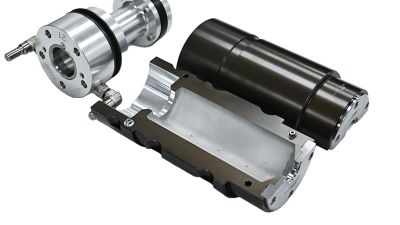
A Pet Preforms Mould should provide balanced cooling, stable cycle times, and accessible maintenance points. Review cavity uniformity, steel certification, spare-part availability, and documented mold trials.
Smithers’ PET packaging outlook identifies lightweighting and recycled content as major market pressures. However, higher recycled content can increase color, contamination, and processing variability. The OECD’s Global Plastics Outlook (2022) found that only 9% of global plastic waste was recycled in 2019. That figure exposes a sourcing reality: recycled claims need evidence, not attractive wording. Request mass-balance records, batch data, migration testing, and independent quality reports. Low prices still matter. They should not hide weak process control. A spreadsheet rarely shows every failure.
Leading PET Preform Types for Different Packaging Needs
2026 Best PET Preforms for Global Sourcing?
Leading PET Preform Types for Different Packaging Needs
PET preform selection should begin with the package, not the lowest quotation. In sourcing projects, I compare bottle volume, filling temperature, neck finish, and transport conditions. A 12-gram preform may suit small still-water bottles. It can fail when the bottle needs stronger sidewalls. Small details matter.
Lightweight preforms reduce resin use and shipping weight. However, they require precise stretch ratios and stable injection molding. For carbonated beverages, pressure-resistant designs usually need thicker bases and carefully engineered walls. Hot-fill packaging demands heat-set bottle designs and suitable PET grades. Standard water preforms may deform near the filling line.
Wide-neck preforms support products needing faster filling or easier cleaning. They are common for juices, sauces, and some household liquids. Narrow-neck versions often reduce material use and improve pouring control. Oil packaging may require higher stiffness because the liquid feels heavier during handling. Cosmetic containers often prioritize appearance, clarity, and consistent neck dimensions.
For global sourcing, I request cavity samples, dimensional reports, resin documentation, and migration test records. The neck finish must match the cap exactly. A small mismatch can cause leakage, torque problems, or damaged threads. Destination-market food-contact requirements also need verification before production. We once assumed a lighter design would perform better. Testing proved otherwise. Packaging targets can change after real drop, pressure, and temperature trials.
Global Sourcing Standards, Certifications, and Compliance
2026 Best PET Preforms for Global Sourcing?
Global plastic production reached 413.8 million tonnes in 2023, according to PlasticsEurope’s Plastics—the Fast Facts 2024 report. Packaging remains a major demand area. The OECD’s Global Plastics Outlook reports that only 9% of plastic waste was recycled globally between 2019 and 2022. This gap makes sourcing compliance more important than low unit pricing. A reliable PET preform supplier should document resin origin, intrinsic viscosity, moisture control, and food-contact suitability. Small process changes can affect bottle strength.
Requirements differ by destination market. In the European Union, suppliers should review Regulations 1935/2004, 2023/2006, and 10/2011. In the United States, PET materials commonly require alignment with FDA 21 CFR 177.1630. Certifications such as ISO 9001, ISO 22000, FSSC 22000, ISO 14001, GRS, or ISCC PLUS may support quality, safety, environmental, or recycled-content claims. They do not replace legal approval. Ask for current certificates, audit scope, migration testing, declarations of compliance, and batch-level traceability.
Recycled PET needs deeper checks. Request decontamination evidence, authorized processing records, and clear mass-balance calculations where applicable. Test acetaldehyde, color, moisture, preform weight, neck dimensions, and drop performance. Supplier samples should represent normal production, not selected showcase batches. No checklist is perfect. A weak assumption is treating one audit as permanent proof. Reassess compliance when resin, tooling, production sites, or destination regulations change.
Supplier Selection, Quality Control, and Production Capacity
2026 Best PET Preforms for Global Sourcing?
Global sourcing will depend less on the lowest quotation. Supplier selection should examine resin traceability, mold maintenance, and process control. The OECD’s Global Plastics Outlook projects plastic waste could reach 1,014 million tonnes by 2060, compared with 353 million tonnes in 2019. This pressure makes recycled-content verification and lightweighting practical purchasing criteria. Request batch records, migration test results, and corrective-action history before approving samples.
Quality must be checked beyond appearance. During an audit, measure preform weight, neck dimensions, wall distribution, haze, and acetaldehyde levels. Test samples from different production hours, not one clean batch. The Ellen MacArthur Foundation’s 2023 Global Commitment report states that participating organizations represent about 20% of global plastic packaging volume. That scale increases expectations for traceability and recyclable design. A spreadsheet can still lie.
Production capacity needs evidence. Ask for monthly output by cavity, machine availability, maintenance records, and peak-season allocation. Confirm whether the supplier can run Custom Pet Preforms without disrupting standard orders. A second approved source can reduce exposure to resin shortages or port delays. Still, dual sourcing may weaken consistency if specifications are vague. I would require a signed golden sample, capability data, and a documented change-notification process. Small details matter.
2026 Best PET Preforms for Global Sourcing
Supplier selection should balance dimensional consistency, appearance, delivery reliability, and production readiness. The chart shows practical benchmark targets commonly used in PET preform sourcing evaluations; they are planning references rather than company-specific results.
Higher percentages indicate stronger sourcing performance targets. Quality values should be verified through approved samples, inspection records, and production audits before contracting.
Cost, Logistics, Sustainability, and Supply Chain Risks
In 2026, selecting PET preforms requires more than comparing unit prices. Sourcing teams should examine resin grade, neck finish, weight, and mold compatibility. A cheaper preform can create higher costs through trimming, leakage, or unstable blowing performance. Request Pet Preforms Quotes with tooling fees, packaging charges, inspection costs, and delivery terms clearly separated. Hidden details matter.
Logistics risks often appear after production approval. A delayed shipment can stop a filling line within hours. Confirm monthly capacity, port options, pallet dimensions, and emergency production plans before signing. Keep a second qualified source for critical sizes. It may cost slightly more. That risk is real. Suppliers should provide batch records, dimensional reports, and suitable food-contact documentation for the target market. Independent audits can verify these claims, but audits are not perfect.
Sustainability needs practical measurements. Ask for recycled-content percentages, energy data, lightweighting results, and evidence supporting environmental statements. Lightweight preforms may reduce transport emissions, yet excessive weight reduction can increase bottle failure rates. Recycling availability also varies by region, so a theoretical solution may perform poorly locally. I have seen procurement teams overvalue recycled content while ignoring long-distance freight. That balance deserves closer review. Forecast accuracy, resin supply volatility, currency exposure, and geopolitical disruptions should appear in the sourcing assessment, not in a crisis report. Mistakes happen. Suppliers should explain them openly and document corrective actions.
How to Choose the Best PET Preform Supplier Globally
How to Choose the Best PET Preform Supplier Globally
Global sourcing starts with measurable supplier evidence, not attractive quotations. PlasticsEurope reported 400.3 million tonnes of global plastics production in 2022. That scale makes consistency essential. A reliable Pet Preforms Product supplier should provide resin traceability, cavity-level inspection records, and stable neck dimensions. Ask for recent capability data, not only sample photos. Check weight tolerance, color variation, moisture control, and closure fit using your actual bottle design.
Smithers’ PET packaging outlook identifies lightweighting and recycled-content integration as major industry priorities through 2028. Therefore, compare suppliers by technical readiness, not price alone. Request trial batches from different production lots. Measure wall thickness after blowing. Small differences can create visible paneling, uneven filling, or higher rejection rates. It happens.
Supply resilience also deserves direct testing. The World Bank’s Logistics Performance Index 2023 shows wide differences in customs efficiency, infrastructure, and shipment reliability across markets. Review backup molds, resin sourcing, production capacity, and export documentation before signing. Ask how the supplier handles power interruptions, resin shortages, and urgent mold repairs. A factory may claim global capability, yet struggle with one delayed container. I would also verify third-party audits, laboratory calibration, and corrective-action records. Cheap pricing can hide weak process control.
500ml PET Blow Mold: Design, Manufacturing Process, Applications, and Quality Considerations
# 500ml PET Blow Mold: Design, Manufacturing Process, Applications, and Quality Considerations
A 500ml PET blow mold converts heated preforms into lightweight, consistent bottles on high-speed rotary equipment. Its Ø125 × 389.5 mm working dimensions are common for this application, but dimensional compatibility is only the starting point. The mold must provide accurate cavity alignment, efficient cooling, balanced air distribution, and smooth venting so that the preform expands evenly into the final shape. According to *Plastics—The Facts 2023*, global plastics production reached 400.3 million tonnes in 2022, highlighting the importance of efficient manufacturing and material control across packaging operations.
During production, the mold is machined to tight tolerances and tested under repeated thermal and mechanical cycles. Cooling-channel design is especially important because uneven heat removal can create wall-thickness variation, deformation, or unstable bottle dimensions. For a 500ml PET line, the mold is commonly used for beverage, edible-oil, household, and personal-care containers. Its performance should be evaluated after extended operation rather than immediately after installation.
Quality control should include cavity measurement, leak testing, visual inspection, weight monitoring, and checks for neck alignment, base stability, transparency, and top-load strength. In real factory conditions, the key objective is maintaining the same bottle shape after hours of continuous running. A well-designed mold supports stable output, reduces rejected bottles, and helps operators maintain reliable production without frequent adjustments.
FAQS
A PET preform is a small, injection-molded tube. It becomes a bottle through stretch blow molding. Its neck, thread, tamper ring, and closure dimensions are already formed.
The preform is heated and placed inside a bottle mold. It stretches vertically and outward. The thick body becomes a lighter container with strong, even walls.
Inspect the neck, thread, gate, body, and base. The neck controls closure fit and leakage resistance. The gate affects material flow and visible marks. The base supports stacking and pressure loads.
Excess moisture can reduce PET strength during processing. It may create haze or brittle sections. A small drying error can damage an entire production batch.
Common uses include water bottles, carbonated drink containers, edible oil packaging, household products, and personal-care packaging. The final bottle shape depends on the mold and blowing process.
Compare resin grade, intrinsic viscosity, preform weight, neck dimensions, tolerance, output capacity, and recycled content. A low unit price may cause leaking or unstable blowing. Cheap can become expensive.
Request current certificates, migration test results, food-contact declarations, audit details, and batch-level traceability. Also check resin origin and moisture-control records. One certificate is not enough.
Ask for decontamination evidence, authorized processing records, and clear recycled-content calculations. Test color, moisture, acetaldehyde, weight, neck size, and drop performance. Samples should come from normal production, not showcase batches.
No. A production site, resin source, tool, or destination rule may change later. Reassess important controls regularly. I would not treat an old audit as permanent proof.
Conclusion
This guide explains how Pet Preforms support modern beverage, food, personal care, pharmaceutical, and household packaging applications. It introduces their structure, neck finishes, resin options, weight variations, and conversion into PET bottles, while outlining the key factors buyers should evaluate in 2026, including dimensional accuracy, material consistency, clarity, strength, barrier performance, and compatibility with filling equipment. It also compares preform types according to packaging size, shape, performance requirements, and end-use conditions.
For global sourcing, the article reviews practical standards, product documentation, certifications, traceability, and responsible manufacturing expectations. It also explains how to assess suppliers through production capacity, process control, testing systems, mold management, delivery reliability, and contingency planning. Cost should be considered alongside resin pricing, tooling, transportation, storage, sustainability goals, recycled-content options, and supply chain risks. By balancing technical quality, compliance, logistics, environmental performance, and long-term service, buyers can select the most suitable PET preform supplier for stable international packaging production.
 Chinese

 Email
 Whatsapp

 WeChat