Leave Your Message
*Name Cannot be empty!
* Enter product details such as size, color,materials etc. and other specific requirements to receive an accurate quote. Cannot be empty
0%

So, you’re wondering if China really has the best integrated solutions for global sourcing? Well, the answer isn’t just about shiny promises or impressive pitches — it’s about solid evidence. Buyers shouldn’t settle for low factory prices alone; they need support throughout the whole process. That means engineering assistance, verified production methods, strict quality checks, good packaging, and reliable delivery schedules. In other words, a genuine, well-rounded partner is what counts.

Martin Christopher, a respected expert in supply chain management, once said, “Supply chains compete, not companies.” Honestly, that’s pretty spot-on. A solid Chinese sourcing partner should be able to connect the dots — from product design, choosing the right factory, inspections, shipping, all the way to after-sales support. That’s what true integrated solutions are all about. For instance, a `Bottle Solutions` project might need everything from material testing and mold tweaks to filling trials, label checks, and export packaging — details that can make or break whether your product hits the market ready to go.

Experience really counts here.

Dependable providers keep a clear track record — they share audit reports, samples, inspection results, and any corrective actions they’ve taken. They’re upfront about their limits, too. No supplier is perfect, and even a slick presentation can sometimes hide weak process controls, vague responsibilities, or inconsistent capacity — which is a risk you definitely wanna pay attention to.

The best way forward? It’s about combining local manufacturing expertise with honest, transparent communication. Buyers should look at not just technical skills, but also how quickly they respond, how well they trace each step, and what the total landed cost is. For sensitive products or regulated markets, independent testing might even be necessary. Remember, integrated solutions should help reduce uncertainty — they’re not just about bundling more services.

China has a vast manufacturing landscape, but let’s be real — the ‘best’ isn’t automatic. It’s something you earn through consistent performance, honest reporting, and real results. The strongest sourcing relationship isn’t necessarily the cheapest one either. It’s the one that keeps getting better, long after the first shipment has gone out.
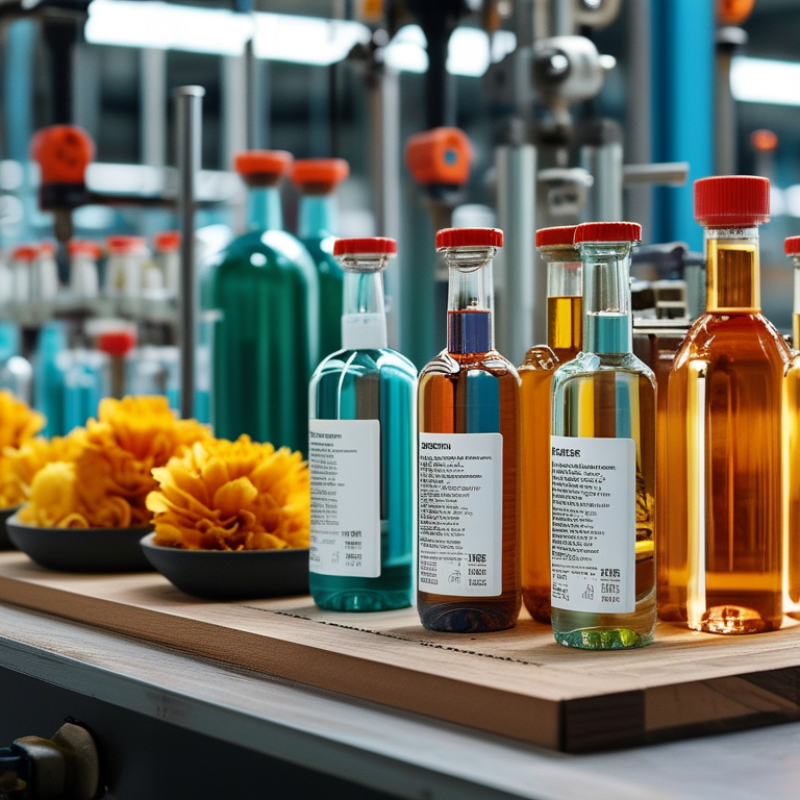
China Best Integrated Solutions for Global Sourcing?

What Integrated Sourcing Solutions in China Include

Integrated sourcing in China means coordinating more than factory orders. It connects supplier discovery, product development, quality control, packaging, and shipping. A practical program begins with clear specifications and realistic production targets. Local teams can visit factories, review equipment, and check working conditions. That access creates useful evidence, not just attractive quotations. Still, relationships need evidence.

The process usually begins with supplier screening and document verification. Suppliers are checked for capacity, relevant experience, and quality procedures. Samples are tested before a purchase order is approved. For Beverage Packaging Solutions, specifications should cover material strength, closure fit, dimensions, printing, and Food-contact requirements. Trial production can reveal defects that samples hide. One overlooked detail matters: humidity may affect labels and carton strength. Records should include inspection photos, test results, and approved samples.

An integrated sourcing partner also coordinates production schedules and freight planning. Clear milestones reduce surprises between the factory, buyer, and logistics provider. During production, inspectors can check measurements, appearance, packaging counts, and loading conditions. Photos help, but physical inspections remain more dependable. Problems are easier to correct before shipment. Yet no system removes every risk. A missed carton mark or late sample can still disrupt delivery. Continuous review is necessary, especially when specifications change.

How China Supports Global Product Sourcing

China supports global product sourcing through a connected manufacturing and service network. Buyers can compare material suppliers, component makers, assembly plants, inspection teams, and freight providers in one market. This structure reduces handoffs and makes technical communication more direct. A sourcing plan may begin with a factory visit, a sample review, and a written specification. Details matter.

Experienced teams check production capacity, quality records, worker safety, export documents, and environmental controls before placing orders. Independent inspections can verify dimensions, color, packaging, and carton counts before shipment. For plastic packaging projects, Preform Solutions may include resin selection, mold evaluation, trial production, and delivery scheduling. Clear drawings and approved samples help prevent costly interpretation errors. Still, a factory profile alone cannot prove consistent performance. Testing should follow the destination market’s requirements.

Reliable sourcing also depends on contracts, payment terms, quality tolerances, and a realistic response plan for defects. Digital production updates can show whether materials arrived, lines are running, or testing has stalled. Port congestion, seasonal demand, and sudden design changes may affect the original schedule. Plans change. We sometimes underestimate small revisions. They can reshape an entire shipment. A practical China sourcing process therefore needs regular communication, documented checks, and room for correction before goods leave the factory.

Key Industries and Supplier Networks in China

China’s supplier networks are strongest where industries gather closely. Electronics suppliers often cluster around the Pearl River Delta, while machinery networks are common in coastal manufacturing centers. Textile and home-goods production also benefits from nearby material, tooling, and finishing workshops. This proximity can shorten sampling cycles and reduce coordination gaps.

An integrated sourcing process links factory selection, technical review, production, inspection, and shipping. Experienced buyers compare certificates, production records, and sample consistency before discussing price. They may visit a workshop and check raw materials, machine capacity, worker safety, and packaging details. A reliable supplier should explain tolerances clearly. Small details matter, such as carton strength, barcode placement, and moisture protection.

World Group Packing Solutions can support packaging-related sourcing when specifications are precise and inspections are independent. Still, supplier networks are not flawless. A polished sample may hide uneven production later. A low quotation may exclude tooling, testing, or export preparation. That is where written standards and staged approvals become essential. I have found that timelines sometimes change because material availability was underestimated. This deserves honest review, not optimistic promises. Clear records, verified capacity, and regular communication make Chinese sourcing more dependable across different industries.

China Best Integrated Solutions for Global Sourcing? - Key Industries and Supplier Networks in China
A practical regional guide to China’s major manufacturing and supplier networks
Supplier Network Representative Provinces and Cities Key Industries Typical Sourcing Categories Integrated Supply-Chain Strengths Best Fit for International Buyers Important Sourcing Checks
Pearl River Delta Guangdong: Shenzhen, Dongguan, Foshan, Guangzhou, Zhongshan, Huizhou Electronics Electrical appliances Furniture Toys Hardware Consumer electronics, printed circuit board assemblies, lighting products, household appliances, plastic parts, metal components, furniture, toys and packaging Dense networks of component suppliers, tooling workshops, assembly plants, testing services, packaging vendors and export logistics providers Fast product iteration, private-label manufacturing, contract assembly and products requiring many coordinated components Electrical safety certification, product testing, intellectual-property protection, factory quality systems, battery transport rules and environmental compliance
Yangtze River Delta Shanghai, Jiangsu, Zhejiang and Anhui: Suzhou, Wuxi, Ningbo, Hangzhou, Jiaxing, Taizhou and Hefei Industrial equipment Automotive components Electronics Chemicals Textiles Precision machinery, automation equipment, electrical products, sensors, automotive parts, textile fabrics, chemicals, medical devices and consumer goods Strong engineering capabilities, advanced industrial parks, specialized component clusters, research institutions and multimodal transport connections Technical products, engineered components, medium-to-high specification goods and projects requiring supplier qualification Technical drawings, material traceability, process capability, calibration records, chemical documentation and conformity with destination-market standards
Zhejiang Consumer-Goods Network Zhejiang: Yiwu, Ningbo, Wenzhou, Shaoxing, Jinhua and Taizhou Small commodities Textiles Footwear Hardware Moulds Household goods, stationery, gifts, accessories, socks, fabrics, bags, footwear, hand tools, valves, pumps and light manufacturing products Broad product variety, flexible order quantities, mature wholesale-to-export channels and access to packaging and freight services Multi-category purchasing, product sampling, seasonal goods, promotional items and small-to-medium initial orders Supplier identity verification, product consistency, testing of children’s goods, packaging labels, intellectual-property screening and minimum-order quantities
Fujian Coastal Network Fujian: Xiamen, Quanzhou, Jinjiang, Fuzhou and Putian Footwear Sports goods Textiles Food processing Stone products Footwear components, bags, garments, sporting goods, fabrics, processed foods, ceramics and construction stone products Specialized production clusters with supporting material, mould, packaging, finishing and export-service suppliers Apparel and footwear programs, textile collections, sports accessories, food products and construction-material sourcing Social compliance, restricted substances, food safety documentation, origin rules, material testing and seasonal production capacity
Bohai Rim Industrial Network Shandong, Hebei, Liaoning, Beijing and Tianjin Heavy equipment Chemicals Steel processing Agricultural machinery Food Industrial machinery, metal products, chemicals, agricultural equipment, marine equipment, food ingredients and construction materials Access to raw materials, engineering labor, large-scale industrial facilities, ports and established bulk-cargo logistics Capital goods, industrial projects, engineered metal products, agricultural equipment and bulk or containerized materials Environmental permits, hazardous-material controls, steel and material certificates, equipment testing, project schedules and port handling requirements
Chengdu–Chongqing Manufacturing Corridor Sichuan and Chongqing: Chengdu, Chongqing, Mianyang and Deyang Electronics Automotive Aerospace components Equipment Food Electronic components, automotive parts, industrial equipment, precision instruments, specialty foods and selected aerospace-related components Strong inland manufacturing base, engineering talent, industrial parks and rail, road and air connections to domestic and international gateways Automotive supply chains, electronics projects, industrial equipment and buyers seeking geographic diversification from coastal clusters Supplier continuity, inland transport cost, export routing, technical certification, process audits and dual-sourcing requirements
Central China Industrial Network Hubei, Hunan, Henan and Jiangxi: Wuhan, Changsha, Zhengzhou, Nanchang and Luoyang Transportation equipment Machinery Optoelectronics Agriculture Metals Automotive components, construction machinery, agricultural machinery, electrical equipment, optical products, metal parts and food processing Central geographic position, access to domestic supplier bases, lower industrial-land costs in many areas and connections to rail and river transport Large-volume industrial purchasing, machinery components, transportation-related products and domestic-to-export supply strategies Lead-time planning, inland freight, production scalability, subcontractor control, quality documentation and export-port selection
Pearl River West and Guangxi Network Western Guangdong and Guangxi: Jiangmen, Zhuhai, Zhanjiang, Nanning and Liuzhou Appliances Metal products Automotive components Food Materials Household appliances, metal components, automotive parts, agricultural and food products, building materials and selected machinery Links to the broader Pearl River manufacturing system, access to coastal ports and developing regional industrial parks Cost-sensitive manufacturing, component production, food and agricultural products, and expansion or diversification of southern China sourcing Supplier maturity, infrastructure, export documentation, product testing, cold-chain needs for food and capacity verification
Textile and Apparel Production Belt Jiangsu, Zhejiang, Fujian, Guangdong, Shandong and Hubei Yarn and fabric Dyeing and finishing Garments Home textiles Technical textiles Knitted and woven fabrics, yarns, finished garments, home textiles, functional fabrics, trims, labels and packaging Full-cycle capabilities from fiber and yarn to weaving, knitting, dyeing, finishing, cutting, sewing and packing Private-label apparel, home-textile collections, fabric development and programs requiring coordinated material sourcing Colorfastness, restricted substances, fiber composition, labor standards, wastewater treatment, testing reports and production-line inspection
Renewable-Energy and Battery Equipment Network Jiangsu, Zhejiang, Guangdong, Anhui, Jiangxi, Hunan and Sichuan Solar equipment Energy storage Battery materials Power electronics Electrical equipment Solar modules and components, inverters, battery cells and packs, energy-storage systems, chargers, power-management equipment and related materials Strong links among material suppliers, cell and module producers, power-electronics manufacturers, system integrators and testing providers Commercial energy projects, distributed power systems, backup power, electric-mobility components and industrial energy management Transport classification, safety testing, thermal management, warranty terms, recycling obligations, grid standards and destination-country certification
Data basis: Regional industry descriptions are synthesized from publicly available information issued by China’s National Bureau of Statistics, General Administration of Customs, Ministry of Industry and Information Technology, provincial statistical bureaus, local government industry plans and established trade-port statistics. The table describes representative supplier networks rather than individual companies or brands; actual supplier capability should be verified through audits, samples, certifications and production records.

The Process of Managing Sourcing Projects

China Best Integrated Solutions for Global Sourcing?
The Process of Managing Sourcing Projects

A reliable sourcing project begins with a clear product brief. It should include drawings, materials, target quantities, packaging, and delivery dates. Vague requirements create expensive misunderstandings later. A project manager then screens potential suppliers through verified documents, production records, and relevant compliance evidence. Factory capability matters more than attractive quotations. Price alone is not a sourcing strategy.

After receiving quotations, compare costs, lead times, payment terms, and production capacity. Keep every decision in a shared project file. Samples should be checked against approved specifications, not personal preferences. Measure dimensions, inspect finishes, and record photographs before mass production. Small details matter. One overlooked tolerance can affect an entire shipment.

During production, use milestone tracking and independent quality inspections. Check raw materials, assembly progress, packaging, and final quantities. Confirm shipping documents carefully, including invoices, packing lists, and agreed delivery terms. Local regulations and import requirements must guide every transaction. A risk register can identify delays, material changes, and communication gaps early. It is not perfect. Suppliers may still miss a deadline, and buyers may revise requirements too late. We have learned that honest updates protect projects better than optimistic promises. When problems appear, document the cause, agree on corrective actions, and set a specific review date. Reliable sourcing depends on disciplined follow-through.

Quality Control, Compliance, and Risk Management

China Best Integrated Solutions for Global Sourcing?

Quality Control, Compliance, and Risk Management

Reliable global sourcing begins with visible controls, not attractive product photos. A qualified team checks supplier capacity, production records, worker safety, and material origins. Factory visits should include restricted areas, not only prepared showrooms. Inspectors can compare purchase specifications with actual production samples. A certificate alone is not proof.

Quality control needs several checkpoints. Pre-production approval can prevent costly misunderstandings about dimensions, colors, and packaging. During production, sampling reveals defects before the entire order is finished. Final inspections should verify quantity, function, labeling, and carton strength. Photos, test results, and signed records create a usable evidence trail. Small details matter.

Compliance also requires continuous review. Product rules, customs requirements, and environmental expectations may differ by destination. A risk register can track supplier changes, delayed materials, weak documentation, and transport interruptions. Backup suppliers reduce pressure, but they are not automatically safe. They need screening too. No control plan is perfect. Inspectors can miss hidden defects, and reports may contain unclear assumptions. Independent testing and random follow-up checks add useful friction. Clear escalation rules help teams act before a minor issue becomes an expensive dispute.

Technology, Logistics, and Cost Considerations

Global sourcing from China now depends on more than factory price. Technology, logistics, and cost must work together. The World Bank’s 2023 Logistics Performance Index shows that customs, infrastructure, shipment tracking, and delivery reliability strongly affect supply-chain performance. A low unit price can disappear after one missed sailing or repeated inspection.

Technology improves control at several points. Digital purchase orders can connect specifications, production milestones, inspection photos, and shipment data. For Filling Solutions, this visibility helps teams check container fill levels, packaging damage, and delivery changes before goods leave the port. UNCTAD reports that maritime transport carries over 80% of global merchandise trade by volume. Port congestion therefore deserves early attention, not last-minute firefighting.

Cost analysis should include tooling, sampling, quality checks, inland transport, duties, insurance, and inventory financing. McKinsey’s 2020 global survey found that 73% of supply-chain leaders experienced supplier or customer problems during the pandemic. Many also reported production and distribution disruptions. Those figures support dual sourcing, safety stock, and verified backup capacity. But resilience is not free. Small suppliers may struggle with complex software or frequent audits. The data can look impressive, yet the factory floor may still reveal gaps. A practical sourcing plan needs measurable service levels, independent inspections, and honest review after every shipment.

China Best Integrated Solutions for Global Sourcing?

Technology, logistics, and cost considerations based on public macroeconomic and logistics indicators.

China’s sourcing proposition combines strong manufacturing scale, rising technology investment, and broad logistics connectivity. The benchmark scores are normalized to 100 for comparison: technology reflects national R&D intensity, logistics reflects the World Bank Logistics Performance Index, and cost reflects manufacturing scale and production-cost competitiveness. The index is a strategic planning aid rather than a company ranking.

Reference indicators: China R&D expenditure was approximately 2.64% of GDP in 2023; China’s 2023 Logistics Performance Index score was approximately 3.7 out of 5. Sources: National Bureau of Statistics of China and World Bank.

Bottle Design Development: Innovative Solutions Guided by Smithers’ Global Packaging Trends 2024 Report

Bottle Design Development: Innovative Solutions Guided by Smithers’ Global Packaging Trends 2024 Report

Bottle design is evolving from a functional requirement into a strategic communication tool. Smithers’ *Global Packaging Trends 2024* report identifies sustainability, personalization, convenience, and premium visual appeal as major forces shaping packaging development. These trends highlight the growing importance of distinctive formats, responsible material choices, and designs that create an immediate emotional connection with consumers.

Our customized bottle design services respond to these market priorities with solutions tailored to your objectives. Whether the bottle is created for brand promotion, personalized gifts, or event marketing, our professional team develops original shapes, colors, surface finishes, and label concepts that reflect your identity. Designs can also be adapted for recyclable materials, lightweight structures, and practical usability, supporting the packaging industry’s movement toward more resource-efficient solutions.

Smithers’ research also emphasizes the influence of digital engagement and short-run customization on modern packaging. Customized bottles provide a flexible way to deliver memorable experiences across campaigns, celebrations, retail displays, and corporate events. From an elegant minimalist appearance to a bold, highly expressive design, every detail can be developed to strengthen recognition and encourage sharing. With thoughtful bottle design, packaging becomes a powerful medium for communicating your style and extending your message beyond the product itself.

FAQS

: What does integrated sourcing in China include?

: It connects supplier discovery, product development, quality checks, packaging, and shipping coordination. A local team can manage these steps together.

How are suppliers screened?

Teams review capacity, relevant experience, quality procedures, export documents, and production records. Factory visits can reveal equipment conditions and working practices. A profile alone proves little.

Why are samples and trial production important?

Samples confirm design details before purchase approval. Trial production may expose defects hidden by early samples. Small errors can become expensive.

What specifications matter for Beverage Packaging?

Specifications should cover material strength, closure fit, dimensions, printing, and food-contact requirements. Approved drawings and samples reduce misunderstandings. Details matter here.

How can quality inspections reduce shipment problems?

Inspectors can check measurements, appearance, packaging counts, carton marks, and loading conditions. Physical inspections usually provide stronger evidence than photographs alone. Photos still help.

How does China support global product sourcing?

Buyers can coordinate material suppliers, component makers, assembly plants, inspectors, and freight providers within one market. This structure can reduce handoffs and simplify technical communication.

What documents and records should buyers keep?

Useful records include inspection photos, test results, approved samples, contracts, tolerances, and production updates. These records support decisions when problems appear. Memory is not enough.

What risks can still affect delivery?

Port congestion, seasonal demand, late samples, design changes, and missing carton marks can delay shipments. No system removes every risk. We sometimes underestimate small revisions. They can reshape an entire shipment.

Conclusion

China offers Integrated Solutions for global sourcing by combining supplier identification, product development, procurement coordination, quality inspection, compliance support, and international logistics within one structured process. This approach helps overseas buyers connect with capable manufacturers across industries such as consumer goods, electronics, machinery, textiles, and industrial components. China’s broad supplier networks and specialized production regions can support both customized projects and scalable orders, while sourcing teams manage communication, sampling, price negotiation, production schedules, and documentation.

A successful sourcing project requires clear specifications, reliable supplier evaluation, and continuous quality control from pre-production to final shipment. Risk management should include compliance checks, factory assessments, product testing, secure payment arrangements, and contingency planning. Technology improves transparency through digital communication, data tracking, inventory visibility, and shipment monitoring. When product requirements, order volumes, quality standards, logistics routes, and total costs are carefully coordinated, businesses can improve efficiency, reduce avoidable risks, and build more dependable long-term sourcing operations in China.
Isabella

Isabella

Isabella is a dedicated marketing professional at Foshan Baijin Precision Technology Co., Ltd., where she plays a pivotal role in promoting the company’s advanced Precision Products. With a strong background in precision technology, Isabella possesses in-depth knowledge of the company’s offerings,......
Previous Top Pet Moulding Products for Global Buyers in China