Chinese

-
 Email
-
 Whatsapp

-
 WeChat

Picking the right Bottle Molds isn’t just about getting the job done—you know, it can really make or break your packaging line’s efficiency. If you choose poorly, you might find yourself stuck in a cycle of rework and losses. It’s a decision that impacts so many factors—cycle times, bottle weight, clarity, how well it cools, and even ongoing maintenance costs.
Lately, reports back this up. Companies like Smithers are pointing out that lightweighting and recycled PET are major trends shaking up the PET packaging scene. Meanwhile, Grand View Research is seeing steady growth in Beverage Packaging—mostly driven by people wanting convenience, hygiene, and a boom in ready-to-drink products. All of these things put more pressure on choosing the rightpet bottle molds. Here’s the thing: a mold that works great with virgin PET might not perform as well with recycled resin, so you gotta be mindful.
And hey, details really do matter here.
Before you drop cash, make sure to compare things like neck-finish standards, how many cavities you’re getting, the design of cooling channels, the steel grade, and your expected yearly output. Don’t just go by pretty pictures or shiny demos—ask to see trial data. Requests like preform thickness distribution, cycle times, and even bottles after drop tests can save you headaches later. Because, honestly, a cheaper mold might seem like a deal, but it can turn into a money pit with flashes, uneven walls, or constant polishing needed.
John Galt from Husky Injection Molding Systems, a real expert in packaging, always says, “Consistency is the foundation of profitable molding.” And he’s right. It’s not just some fancy phrase. Stable temperature controls and well-designed cavities help you keep things uniform across thousands of bottles.
That being said, there’s no perfect formula when it comes to making your choice. Forecasts can change; customer tastes evolve. A mold made for today’s bottles might not suit future lightweighting projects. So, it’s vital to look into the supplier’s engineering support, spare part availability, testing processes, and overall costs of ownership.
At the end of the day, the best bottle molds aren’t necessarily the cheapest options out there. They’re assets—tools that align with your resin type, bottle design, equipment, and growth plans. Sometimes, doing a thorough trial early on can reveal weaknesses before they become big issues. And honestly, that kind of foresight is priceless.
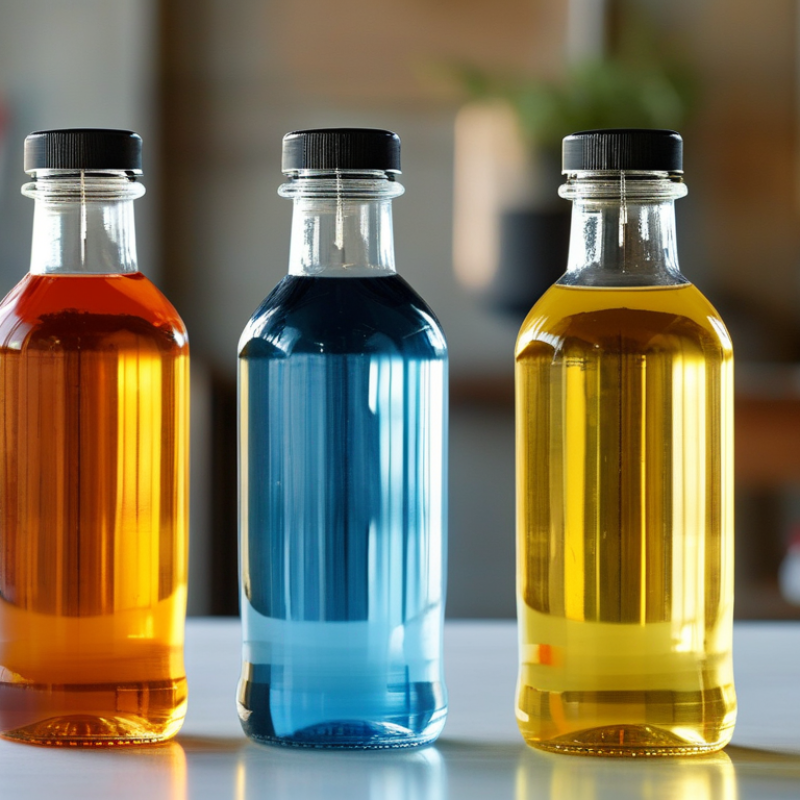
Choosing Bottle Molds begins with understanding how each mold type supports a specific production method. Injection blow molds suit small, precise containers with consistent neck finishes. Extrusion blow molds work well for larger bottles, handles, and uneven shapes. Stretch blow molds are widely used for lightweight PET packaging because they improve strength and clarity through controlled stretching.
Material also influences mold selection. HDPE often requires different cooling and wall-thickness control than PET. Glass bottle molds demand heat-resistant designs, accurate parting lines, and careful surface finishing. Check the container’s volume, opening size, grip shape, and expected cycle time. A mold that looks efficient on paper may perform poorly if cooling channels are uneven. Small temperature differences can create visible thickness changes.
Tips: Request sample parts before approving full production. Measure the neck, base, and wall thickness. Test several cycles, not only one. Discuss maintenance access with the mold maker. A replaceable insert may reduce future repair costs. Keep production records for pressure, temperature, cycle time, and defects.
Experienced teams should also review the mold’s service life and compatibility with existing equipment. Standard dimensions can simplify production, but unusual designs may need custom solutions. The first trial may reveal flaws that drawings cannot show. That is normal, but ignoring those results becomes expensive. Choose Bottle Molds based on tested performance, material behavior, and realistic production conditions—not appearance alone.
| Bottle Mold Type | Typical Material | Common Bottle Applications | Typical Capacity Range | Production Strength | Main Limitation | Best Fit for Business Needs |
|---|---|---|---|---|---|---|
| Extrusion Blow Mold | HDPE, LDPE, PP, PVC | Shampoo bottles, detergent containers, household chemical bottles, lubricant containers | Approximately 50 mL to 30 L, depending on equipment and mold design | Suitable for hollow products with handles, irregular shapes, and integrated features | Wall-thickness distribution can be less uniform; visible pinch-off lines may require trimming | Flexible packaging shapes, industrial containers, and medium-to-large bottles |
| Injection Blow Mold | PE, PP, PET, and selected engineering plastics | Small pharmaceutical bottles, cosmetic containers, sample bottles, and precision packaging | Approximately 5 mL to 1 L | Produces accurate neck finishes and good dimensional consistency without a separate trimming operation | Less suitable for very large containers or bottles requiring strong biaxial orientation | High-precision small bottles where appearance, neck accuracy, and repeatability matter |
| Injection Stretch Blow Mold | PET, PEN, and selected stretchable polymers | Water bottles, carbonated beverage bottles, edible-oil bottles, and hot-fill containers | Approximately 100 mL to 3 L | Biaxial stretching improves strength, clarity, and material efficiency; suitable for high-volume production | Requires higher equipment investment and carefully controlled preform, heating, and stretching conditions | High-volume PET packaging with transparent appearance and consistent mechanical performance |
| One-Step Injection Stretch Blow Mold | PET and other stretchable thermoplastics | Cosmetic bottles, specialty beverage bottles, medical containers, and short-to-medium production runs | Approximately 20 mL to 2 L | Combines preform injection and bottle blowing in one production system, reducing preform handling | Generally offers lower output than dedicated two-step systems for very large-volume production | Businesses needing flexible production, fast product changes, or specialty bottle shapes |
| Two-Piece Glass Bottle Mold | Soda-lime glass, borosilicate glass, or other glass formulations | Food jars, beverage bottles, cosmetic packaging, and pharmaceutical glass containers | Approximately 20 mL to several litres | Provides strong barrier properties, premium appearance, and high resistance to gas and moisture transmission | Glass is heavier and more fragile than plastic; mold and forming equipment require high-temperature operation | Premium packaging, long shelf-life products, and applications requiring strong barrier protection |
| Preform Mold | Mainly PET; also selected barrier or recycled PET structures | Preforms for water, beverage, edible-oil, and household-product bottles | Preform weights commonly range from about 10 g to more than 100 g | Supports standardized neck finishes and high-cavitation production before stretch blow molding | It does not produce the final bottle by itself; preform design must match the blowing process | Manufacturers operating a two-step PET bottle production line or supplying preforms |
| Stack Mold | PET, PP, HDPE, and other thermoplastics, depending on the molding process | High-volume containers with repeated cavity layouts and standardized designs | Determined by the selected bottle design and machine configuration | Uses multiple mold levels to increase output without proportionally increasing machine floor space | Higher mold complexity, more demanding alignment, and greater maintenance requirements | Large-volume production where floor space and cycle productivity are critical |
| Unscrewing or Collapsible-Core Mold | PP, HDPE, PET, and other compatible thermoplastics | Threaded bottles, dispensing containers, specialty closures, and containers with undercuts | Commonly used for small-to-medium containers; exact range depends on design and machine | Allows release of threaded or undercut geometries that cannot be ejected with a simple straight-pull core | More moving components increase mold cost, cycle complexity, and maintenance needs | Complex necks, threaded features, undercuts, and premium dispensing packages |
: Measure mold height, width, opening stroke, and clamping space directly. Catalog data may be incomplete. A small mismatch can cause flashing or release problems.
Different forming methods need different clearances, heating ranges, and air-pressure capacities. Check parison space for extrusion systems. Check preform size, neck finish, and cooling ports for stretch systems.
Compare water-port positions with your plant hoses. Confirm flow rate, temperature limits, and connection sizes. Small differences can disturb cycle stability.
Yes. Run a short trial with the intended resin. Inspect warping, thin shoulder areas, uneven walls, and slow cooling. Real production rarely follows the drawing exactly.
Look for flashing, weak seams, unstable necks, or collapsing bottles. Poor alignment may create these defects. A clean-looking mold is not always a consistent mold.
Review mold material, cooling design, cycle pressure, and cleaning habits. Track cycle counts and repair dates. Supplier estimates can be too optimistic. Mine were, once.
Inspect vents, guide pins, cooling channels, and cavity surfaces. Remove residue before it hardens. Measure the cavity before approving repairs. Guesswork can waste time.
No. Minor marks may not affect bottle performance. A qualified technician should check dimensions and sample bottles. Replace parts when consistency or function declines.
Keep critical inserts and common spare parts available. Confirm replacement procedures and realistic delivery times. Test repaired molds before full production. Small delays can grow.
Choosing the right Bottle Molds is essential for achieving consistent quality, efficient production, and long-term business value. Start by identifying the mold type that suits your bottle shape, size, material, and manufacturing process. Consider how the design affects cooling, forming accuracy, surface finish, and production speed. Mold materials should also match operating temperatures, pressure levels, cycle frequency, and the required durability. In addition, confirm that the molds are fully compatible with your bottle-making equipment, including machine dimensions, interfaces, clamping systems, and production settings.
A careful evaluation should include mold quality, expected lifespan, maintenance requirements, repair options, and replacement frequency. Compare the initial purchase price with production capacity, downtime risks, operating costs, and potential return on investment. A reliable supplier should provide accurate technical specifications, installation guidance, troubleshooting assistance, replacement components, and responsive after-sales support. By reviewing these factors together rather than focusing only on price, businesses can select Bottle Molds that improve product consistency, reduce waste, support stable output, and remain practical as production demands grow.