Getting your hands on advanced tools today isn’t just about being wowed by flashy demos anymore. It’s really about digging into the evidence—making sure the tech actually delivers what it promises. This guide looks at ten innovative technologies that are shaking up how companies work, compete, and serve their customers. We’re focusing on real practical value, potential risks you can measure, and whether your team is ready to adopt them.
Now, I know the term 'cutting-edge technology' sounds super exciting—like, something out of a sci-fi movie. But honestly, it can also hide a bunch of tricky questions. Will it play nicely with your current software? Will your employees actually use it after training? And what about data security—can the vendor really protect sensitive info and support you when you need it? Good questions all around. The truth is, a product that shines in a lab setting might not perform so great once you roll it out in a busy warehouse, hospital, or manufacturing line. So, it’s crucial to compare your answers to what similar companies like Microsoft, Siemens, NVIDIA, or Amazon Web Services have experienced. Basically, don’t buy into hype—look into proven results.
Pay close attention to the details. For example, a robot that saves your warehouse workers some steps might also need tougher floors or extra maintenance know-how. Or an AI system that quickly handles invoices might still mess up on damaged receipts. Little failures like these can add up—impacting your budget, your customers’ trust, and your daily operations. It’s all about understanding these small, sometimes overlooked, details.
This whole approach is built on real-world experience combined with solid evidence. That means looking at independent tests, how companies have actually deployed the tech, security measures, scalability, and overall costs of ownership. When vendors make claims, it’s smart to verify them—whether that’s through demos, talking to other customers, or running small pilot projects first. And having clear standards and transparent reports go a long way in building trust.
Of course, not everything is cut and dry—some rankings or choices will always spark debate. Technology evolves faster than our habits change, and that’s a bit uncomfortable. The thing is, the newest product isn’t always the best pick. Instead, focus on solutions that solve your specific problems, align with responsible business practices, and keep delivering value long after the initial excitement wears off.
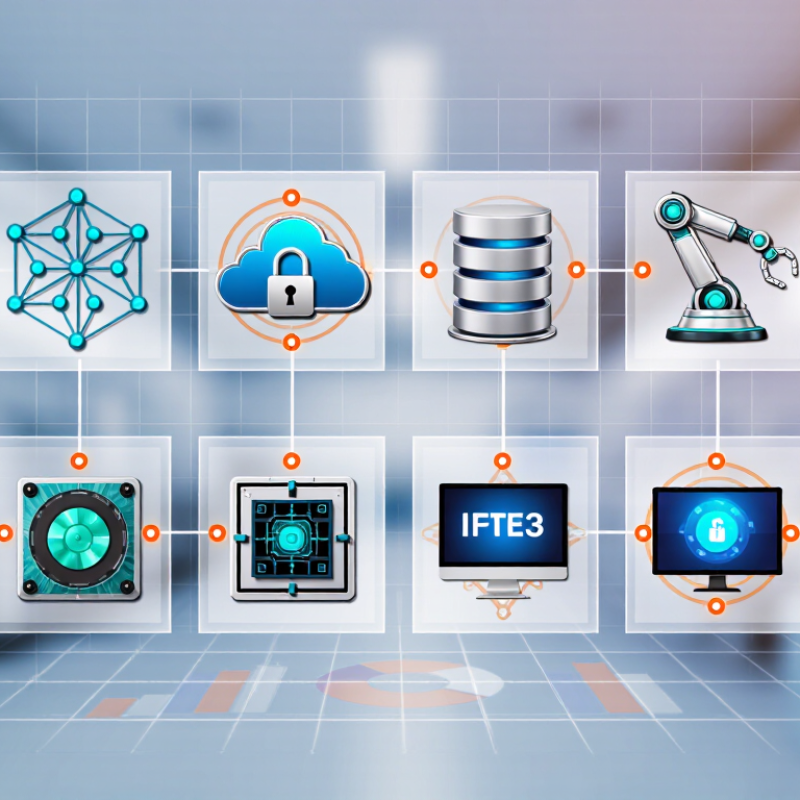
A cutting-edge technology solves a current problem with measurable, repeatable results. It is not simply new, expensive, or visually impressive. Buyers should examine performance, safety, usability, and long-term value. A promising system may reduce processing time, detect faults earlier, or use fewer resources. These benefits must appear in real operating conditions, not only in demonstrations.
Experienced buyers test technology with a limited pilot before making a large commitment. They check installation time, staff training, data accuracy, and compatibility with existing systems. Independent testing strengthens confidence. Clear documentation matters too. It should explain limitations, maintenance needs, security controls, and expected operating costs. Vague claims deserve careful questions.
The strongest solutions can adapt without becoming difficult to control. Regular updates should not disrupt daily operations or create hidden expenses. Suppliers should provide evidence from comparable environments, not only polished case studies. I have seen impressive prototypes fail after minor workflow changes. That remains an uncomfortable lesson. Novelty can attract attention, but reliability earns approval. Buyers should also consider repair access, technical support, and responsible data handling before judging a technology as truly cutting-edge.
Artificial intelligence is changing how buyers evaluate business technology. Generative AI can analyze sales records, supplier costs, and customer feedback within minutes. A finance team might use it to test three pricing scenarios before a meeting. A service manager could identify repeated complaints from thousands of support notes. These tools turn scattered information into practical options. The output still needs judgment.
In real procurement reviews, accuracy matters more than impressive demonstrations. Buyers should ask where the training data comes from, how often it changes, and who can access it. A useful system shows its sources and explains uncertainty. Small errors compound. A confident but incorrect forecast can distort budgets, staffing, and inventory decisions. Human review remains essential, especially when decisions affect employees or customers.
Generative AI also requires clear operating rules. Teams need approval steps, audit records, permission controls, and regular performance checks. Testing should use realistic cases, including incomplete records and unusual requests. Some pilots will fail. That is valuable evidence, not wasted effort. The best purchase may be a smaller system that fits existing workflows, protects sensitive information, and improves one measurable task. Ambition helps, but careful questioning builds trust.
Quantum computing is moving from laboratory demonstrations toward carefully controlled business pilots. It uses quantum states to explore certain problems differently from conventional machines. Buyers should not expect instant gains. Current systems can be sensitive to noise, temperature, and limited processing capacity. No forecast is perfect.
A practical procurement review should examine the problem, not the excitement. Quantum methods may help with complex scheduling, materials analysis, or financial risk modelling. Advanced data processing systems can support these workloads through distributed computing, specialised processors, real-time pipelines, and automated data validation. During a pilot, measure processing time, error rates, energy use, and the cost of preparing data. A faster calculation means little if the input data is incomplete.
Security and governance need equal attention. Sensitive records should remain protected during storage, transfer, and analysis. Buyers should request independent testing, clear audit logs, recovery procedures, and transparent performance limits. Interoperability matters too; systems should connect with existing databases without forcing a complete replacement. Small trials work better than ambitious purchases. Start narrow. Some market claims still feel inflated, and technical teams should challenge them with repeatable tests. A reliable evaluation includes business users, security specialists, and data engineers, not only sales presentations. The most useful system may be less futuristic, but easier to verify, maintain, and improve.
Robotics, automation, and autonomous machines are moving from pilot projects into daily operations. Buyers now assess more than speed. They examine safety, integration, maintenance, data quality, and workforce readiness. According to the International Federation of Robotics’ World Robotics 2024 report, 541,302 industrial robots were installed globally in 2023. The operational fleet exceeded 4.28 million units. These figures show strong adoption, but they do not guarantee a successful deployment.
Autonomous mobile robots can move materials across warehouses without fixed routes. Robotic arms can repeat precise tasks beside trained workers. Machine vision can identify defects under changing light. Digital twins can test workflows before physical installation. The World Economic Forum’s Future of Jobs Report 2025 found that 58% of employers expect robotics and autonomous systems to transform their businesses by 2030. Still, buyers should question impressive demonstrations. A machine may perform well in a clean showroom, then struggle with dust, mixed packaging, or sudden process changes. That uncomfortable gap deserves attention.
Tips:Start with one measurable bottleneck. Record travel time, error rates, downtime, and training hours. Request performance data from conditions similar to your facility. Check human override controls and cybersecurity practices. Plan Spare Parts and technician training early. Do not automate a broken process. That mistake remains common. Revisit the business case after ninety days, because early results can mislead.
Internet of Things, Edge Computing, and Connected Devices are reshaping how buyers evaluate technology. An IoT system can connect temperature sensors, cameras, meters, and machines across one site. Data then moves through networks, gateways, and software. The real value is not connection alone. Buyers need useful alerts, stable performance, and clear ownership of collected data. A cold-storage sensor, for example, should report a temperature change quickly, even during weak connectivity. Small delays can spoil inventory.
Edge computing processes information near the device instead of sending everything to a distant server. This can reduce latency, bandwidth use, and exposure of sensitive operational data. However, edge hardware adds maintenance work. Devices need secure updates, physical protection, and backup power. Connected devices also create fragmented risks when suppliers use different protocols. A technically impressive pilot may fail in daily operations. That deserves honest review.
Tips: Start with one measurable use case. Define acceptable delay, uptime, and data retention before purchase. Check whether devices support encrypted communication and authenticated updates. Test performance in crowded networks, poor weather, and power interruptions. Ask who can access diagnostic logs. Keep replacement parts available. Avoid buying sensors that cannot integrate with existing systems. Document every device location, owner, and software version. Review the plan with operations staff, not only technical teams. Mistakes often appear after installation.
Extended reality, digital twins, and immersive experiences are changing how buyers evaluate technology. Extended reality can place a technician beside a virtual machine, even when the physical machine is elsewhere. Digital twins model equipment, buildings, or production lines using live operational data. Together, these tools can improve training, maintenance, design reviews, and customer demonstrations.
A useful buying decision starts with a specific problem. For example, a digital twin should show energy use, temperature changes, and maintenance risks in a readable dashboard. An immersive training scene should include realistic tools, lighting, and safe movement limits. Ask vendors how data is collected, updated, protected, and shared. Open data formats matter because isolated systems become expensive obstacles. No simulation is perfect. A visually impressive model may still provide weak operational value. Buyers should test accuracy with real users before expanding deployment.
Tips: Begin with a small pilot. Measure time saved, error reduction, and user confidence. Include technicians, accessibility specialists, and cybersecurity staff early. Check headset comfort during a full work shift. Review privacy controls and data retention rules. Keep a manual process available when connectivity fails. An imperfect pilot is useful when its limitations are documented.
Extended reality, digital twins, and immersive experiences are developing alongside AI, connected systems, and next-generation computing.
The chart compares the estimated share of enterprises actively piloting or deploying each technology in 2024. Values are synthesized from publicly reported enterprise technology adoption surveys and industry research; definitions and sample sizes vary by source, so the figures should be used as directional market indicators rather than a single-market benchmark.
Buying cutting-edge technology is rarely a simple price comparison. In procurement reviews, I examine the full cost over three years. This includes licensing, integration, training, maintenance, and exit expenses. Ask for a clear pricing model. Hidden usage fees can distort the business case. Compare expected savings with measurable operational improvements. Do not rely on impressive demonstrations alone. Pilot the system with one realistic workflow and a limited budget. Small tests reveal expensive surprises.
Security deserves evidence, not confident promises. Request details about data storage, access controls, encryption, audit logs, and incident response. Check whether independent assessments support the supplier’s claims. Review contract terms for breach notifications and data ownership. Scalability also needs practical testing. Measure performance during peak demand, not only during a quiet trial. Ask how costs change when users, transactions, or connected systems increase. Growth is rarely free. A platform may scale technically while becoming financially difficult to manage.
Value depends on people and process, not technology alone. Map the solution to a specific business problem and define success before deployment. Useful measures might include processing time, error rates, service availability, or employee workload. Interview the people who will use the system daily. Their concerns often differ from executive expectations. Document assumptions and revisit them after the pilot. One uncomfortable question matters: what happens if the technology underperforms? A technically advanced product may still create weak value when adoption is poor. Leave room for human review, because early forecasts are often too optimistic.
It can analyze sales records, supplier costs, and customer feedback quickly. A finance team may compare three pricing scenarios before a meeting. The output needs judgment.
Ask where its training data comes from and how often it changes. Check who can access the information. A useful system should show sources and explain uncertainty.
Small errors can distort budgets, staffing, and inventory plans. A confident forecast may still be wrong. Human review matters when decisions affect workers or customers.
Teams need approval steps, audit records, permission controls, and performance checks. Testing should include incomplete records and unusual requests. Some pilots fail. That is useful evidence.
Start with one measurable task, such as reducing repeated support complaints. Choose a system that fits existing workflows. A smaller purchase may work better.
Sensors can monitor temperatures, machines, meters, and other site conditions. The value comes from useful alerts and stable performance. Connection alone is not enough.
Define acceptable delay, uptime, and data retention before purchasing. Test crowded networks, poor weather, and power interruptions. Small delays matter.
Devices should support encrypted communication and authenticated software updates. They also need physical protection, backup power, and replacement parts. Maintenance is easy to underestimate.
Document every device location, owner, and software version. Ask who can access diagnostic logs and collected data. Different suppliers may create fragmented risks.
Operations staff should review it alongside technical teams. They understand daily disruptions and practical limits. We may still overlook problems after installation.
Cutting-Edgetechnology is reshaping how organizations operate, compete, and create value. Today’s most advanced solutions combine artificial intelligence and generative AI to support faster, smarter business decisions; quantum computing and advanced data processing to address complex challenges; and robotics, automation, and autonomous machines to improve efficiency, precision, and safety. These technologies are increasingly connected through the Internet of Things, edge computing, and intelligent devices that collect and analyze information closer to where it is generated.
Immersive tools such as extended reality and digital twins are also changing training, design, collaboration, and customer experiences. However, adopting these innovations requires more than evaluating technical performance. Buyers should carefully compare total costs, data protection, cybersecurity, integration requirements, scalability, reliability, and long-term business value. The most suitable technology is not necessarily the newest option, but the one that solves a clear organizational need, supports responsible growth, and can adapt as market conditions and operational priorities evolve.