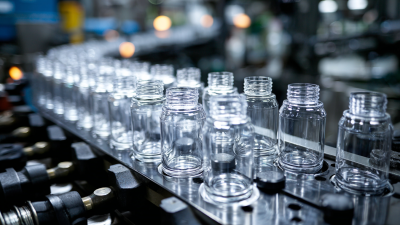
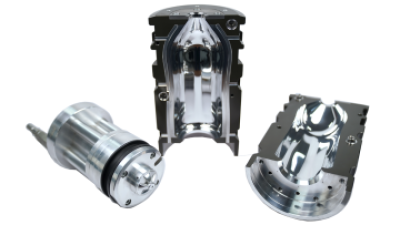
In the fast-changing world of packaging, keeping your Blow Moulders optimized has really become a must for manufacturers who want to stay competitive, boosting both efficiency and product quality. I recently came across a report from Smithers Pira that predicts the global plastic packaging market will hit around $500 billion by 2025. And guess what? Blow Molding is a big part of that story because it allows companies to make lightweight yet durable containers. Foshan Baijinyi Precision Technology Co., Ltd. (BJY) is pretty much specializing in creating top-notch PET liquid packaging molds—think blowing molds, injection molds, and compression capping molds—that meet high standards. When companies zero in on key performance metrics that matter most for Blow Moulders, they’re not only cutting costs but also making their operations more sustainable. This checklist is all about sharing some essential insights into those important performance numbers—things that can really help boost productivity and profits, especially in such a competitive market.
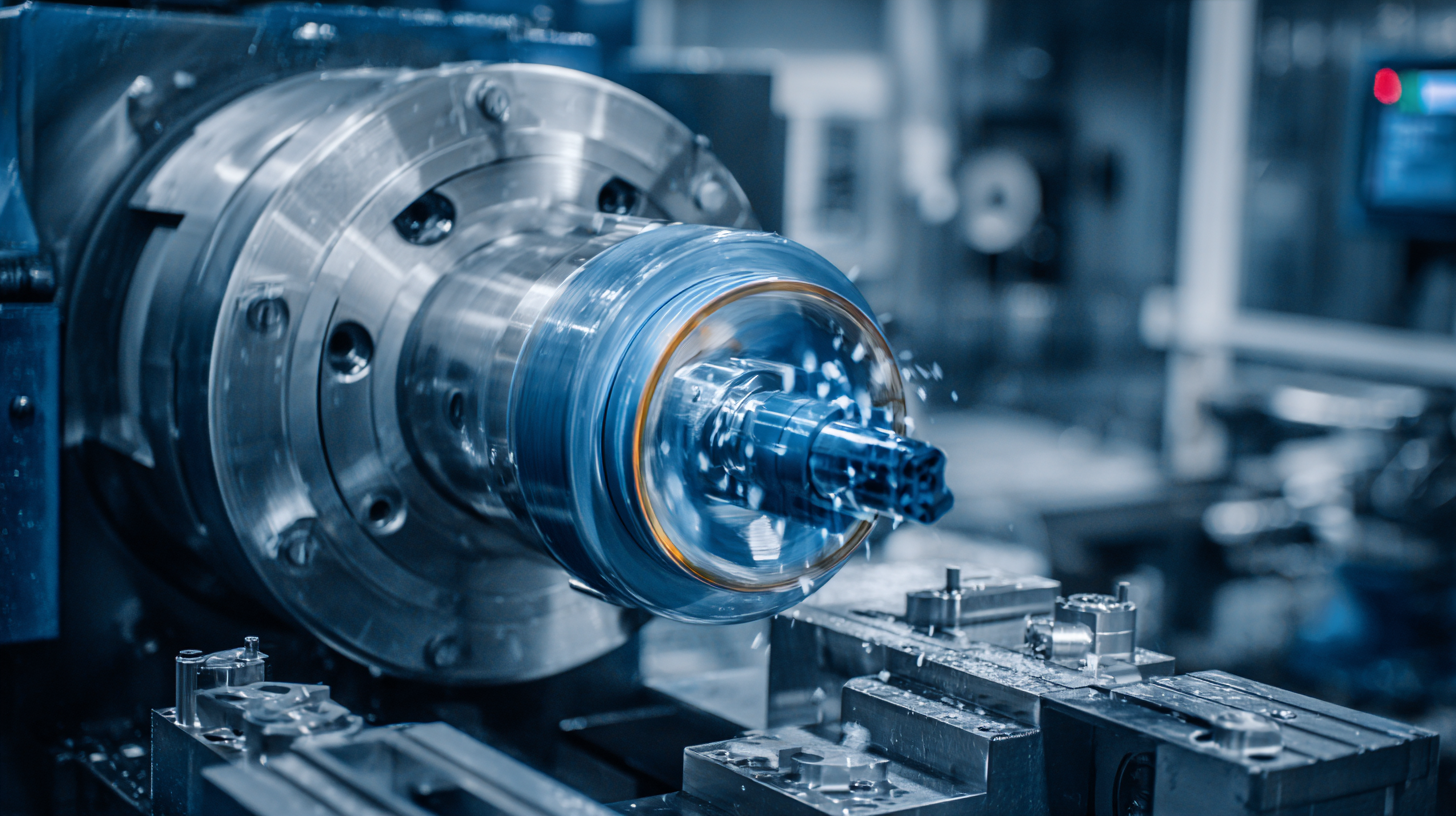
Key Performance Metrics to Track for Blow Moulding Efficiency
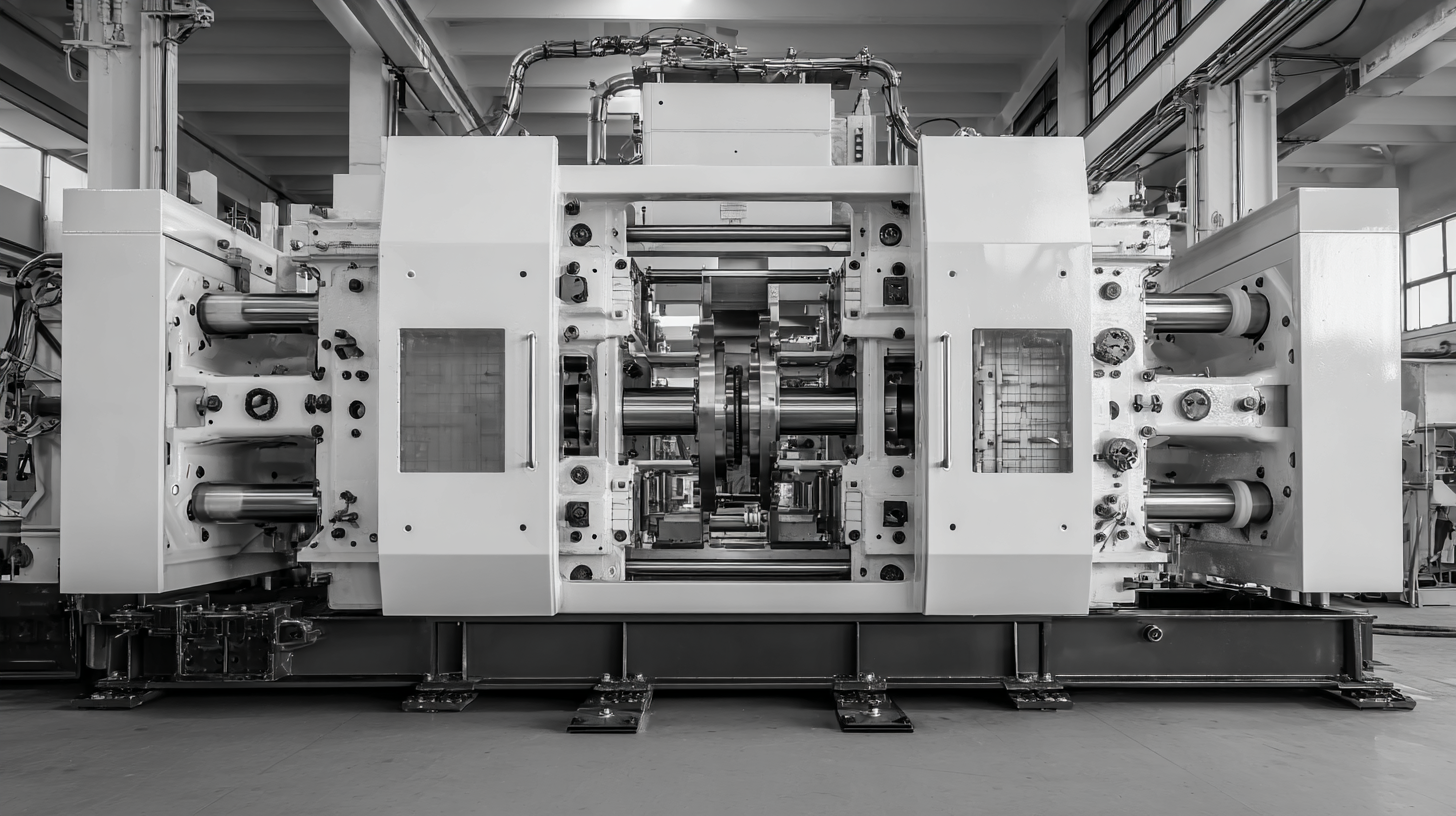 In the world of blow molding, keeping an eye on the key performance metrics is super important if you want your operations to run smoothly and your product quality to stay high. Things like cycle time, scrap rate, and machine downtime? Those are your best friends—they give you a lot of insight into what’s really happening on the shop floor. Watching cycle times closely helps you spot bottlenecks and get your workflow flowing better, which can really cut down your overall production costs.
Here’s a little tip: don’t forget to regularly check and perform maintenance on your blow molding equipment. Keeping machines in good shape not only helps avoid unexpected breakdowns but also makes sure your final products stay top-notch. Also, pay attention to how much material you’re using. By keeping track of scrap rates, you can find ways to cut down on waste and bump up your profits. Using some smart analytics tools can really make a difference here—they help you understand these numbers better so you can make smarter decisions and keep improving.
And one more thing—invest in proper training for your operators. When folks on the shop floor know what to look out for and how to handle issues, your whole process just runs more smoothly. Encouraging open communication and feedback from the team can even spark new ideas to boost efficiency. All of this together can really help improve your operations and, at the end of the day, give your bottom line a nice boost.
Understanding the Role of Cycle Time in Production Rates
When it comes to Blow Moulding, cycle time is a pretty big deal. Basically, it’s the total time it takes to go from start to finish in one production cycle. That means everything from heating up the material to cooling down the finished product. Knowing and improving this cycle time can really make a difference in how fast you’re able to produce. When the cycle time gets shorter, you can crank out more finished pieces without sacrificing quality — which is a win in anyone’s book. If you take a close look at each part of the process, it’s often possible to spot the little bottlenecks slowing things down and find ways to fix them.
Plus, there’s a cool connection between cycle time and how well your machine performs. If you keep a careful eye on the cycle time and see how it lines up with things like temperature settings or pressure, you can make tweaks that boost efficiency. This isn't just about rushing through—by using data wisely, you can get more done while also saving energy and cutting down on waste. In the end, focusing on cycle time isn’t just about speeding things up; it’s about making the whole process more sustainable and efficient, which is pretty awesome.
Impact of Material Utilization on Cost and Waste Reduction
Getting the most out of your materials is super important if you're trying to cut costs and reduce waste—especially when it comes to making those PET liquid bottles. At Foshan Baijinyi Precision Technology Co., Ltd. (BJY), we totally get that managing the blowing molds well can make a real difference, not just for the budget but also for being eco-friendly. By keeping an eye on key metrics related to material use, manufacturers can spot where things aren’t quite right and tweak their processes to be more efficient—saving resources and boosting productivity at the same time.
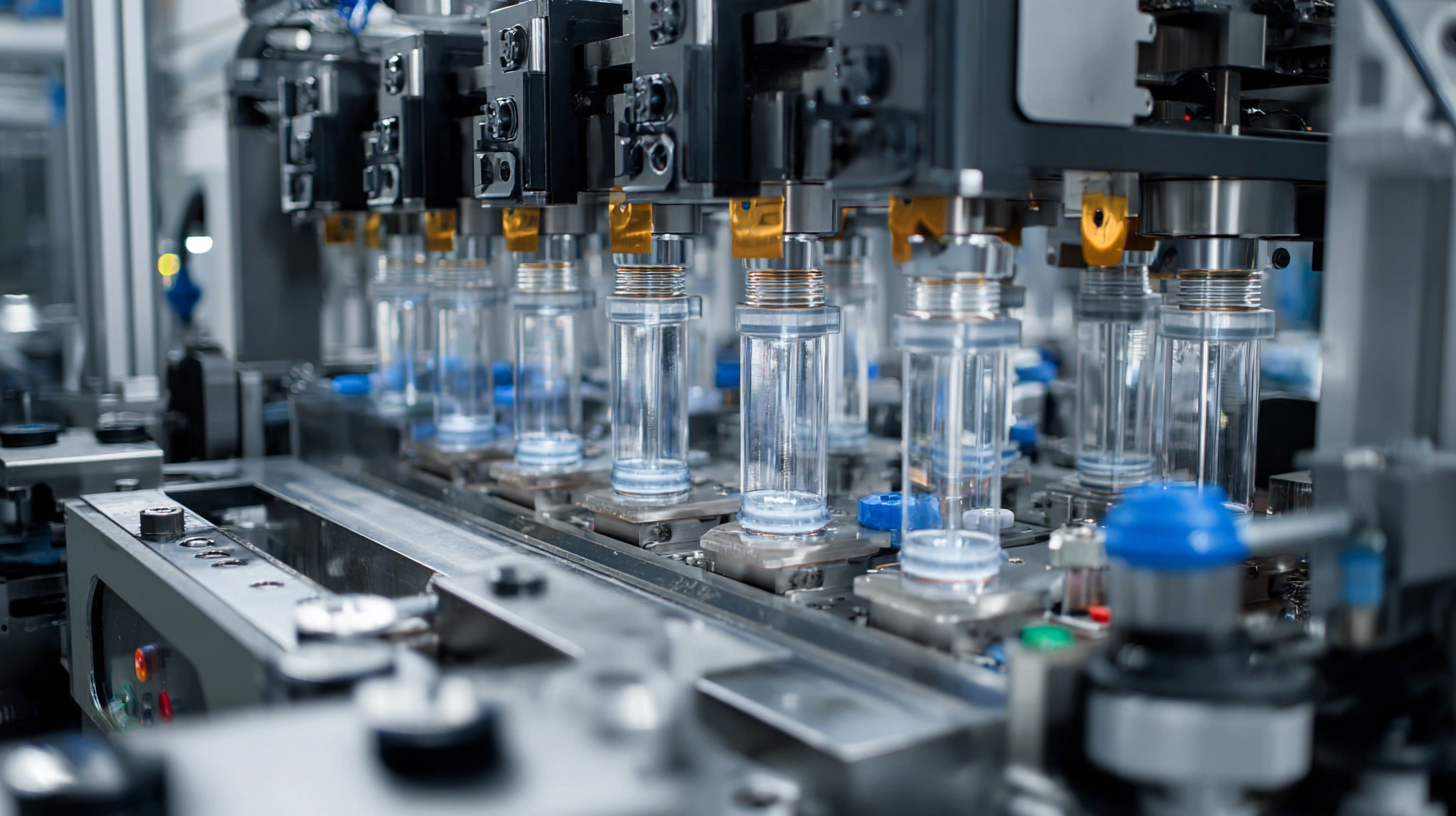
The design of the mold itself, along with how precisely everything is manufactured, really matters in getting the most out of your materials. Our advanced PET bottle molds are designed to be super accurate, helping shape and size bottles perfectly, which means less waste and less raw material used. Plus, regular maintenance and making small adjustments during production can seriously boost mold performance—making sure your products meet quality standards while also hitting those cost-saving and waste-reduction goals. Paying attention to these details helps companies stay competitive and show they're serious about sustainability in the packaging game.
Monitoring Machine Downtime: Causes and Solutions
Keeping an eye on machine downtime in blow moulders really matters if you want to boost your overall production. I recently read a report from *SME* that said unplanned outages can eat up as much as 20% of your production time—that's a lot of lost revenue. Figuring out what’s causing these stops is super important; common culprits are things like equipment glitches, delays in getting materials, or just not enough maintenance on the machines. If manufacturers set up a clear, systematic way to track these issues, they can then come up with smarter solutions to keep things running smoothly.
One game-changer is implementing real-time monitoring and predictive maintenance. According to a recent study from *IndustryWeek*, companies that jump on predictive tech can cut downtime by up to half. Using data analytics and IoT tools, manufacturers can get real insights into how their machines are doing—so they can fix problems early, before things grind to a halt. Plus, fostering a culture of continuous improvement and giving operators proper training on care and maintenance can really make a difference. All of this stuff helps make blow moulding a lot more efficient and improves the overall performance of the operation.
Quality Control Metrics: Defect Rates and Their Implications
When it comes to PET liquid packaging, quality control is really the name of the game for manufacturers. Those defect rates? They're a pretty big deal, not just because they show how good your products are, but they also affect how smoothly everything runs behind the scenes. Industry experts often say that keeping molding defect rates below 1% is the sweet spot—meaning up to 99% of your products should hit the mark. When defect rates creep up, it can cause a lot of headaches like more waste, extra rework, and happy customers who might start losing trust. All of that eventually hits the bottom line, no doubt.
At Foshan Baijinyi Precision Technology Co., Ltd., we totally get how crucial tight quality control is when designing and making our blowing molds. That’s why we double down on thorough testing and real-time checks—that way, we can catch issues early and keep defect rates low. Studies show that companies actively tracking quality metrics can cut defects by up to 30%, and that’s pretty awesome. As we keep fine-tuning our blow molding process and applying these insights, it’s not just about better product quality. It’s also about showing our commitment to delivering top-notch PET packaging solutions that you can trust.
Energy Consumption Analysis for Cost-Effective Blow Moulding
Energy use is a huge deal when it comes to blow moulding — it really affects both how much it costs to produce and how friendly it is to the environment. Keeping an eye on how much energy is being used helps manufacturers spot where things could be more efficient and find ways to improve. By tracking stuff like how many kilowatt-hours are needed per item, companies can see how they stack up against industry standards. That kind of info is super handy for making smart choices, whether it’s upgrading machines, tweaking the process, or adjusting work schedules to save energy.
Cutting down on energy waste by adopting smarter practices can save a lot of money in the long run. Switching to newer blow moulding tech—that’s more automated and uses better materials—can seriously cut down energy use. Also, don’t forget about regular machine maintenance. Keeping your equipment in tip-top shape not only keeps things running smoothly but also prevents energy from going to waste because of breakdowns or old, tired gear. At the end of the day, focusing on energy consumption isn’t just about saving cash; it’s about running a more efficient operation and doing our bit for the planet, especially since more and more customers are looking for companies that care about sustainability.
Energy Consumption Analysis for Blow Moulding
This chart represents the monthly energy consumption of blow moulding machines across different manufacturing plants, indicating areas for potential cost savings and optimization.
Exploring the Versatility of the 800ml Aluminum Blow Mold: A Comprehensive Guide to Its Applications and Benefits
When it comes to blow molding, versatility and efficiency are key. The 800ml aluminum blow mold stands out as an exceptional choice for manufacturers looking to optimize their production processes. Specifically designed for high-speed rotary machines that meet Sidel standards, this mold seamlessly integrates into existing setups, eliminating the need for complex adjustments. Its precision engineering ensures consistent output, allowing you to focus on scaling production without the constant worry of malfunctions or irregularities.
Manufactured using aircraft-grade aluminum and fitted with hardened S136 steel inserts, the 800ml blow mold exemplifies durability and reliability. The advanced CNC technology employed in its creation guarantees tighter tolerances and reduced reject rates, translating into higher quality bottles produced in each shift. Whether you're producing water, juice, or functional drinks, this mold is built to endure 24/7 operations, making it a dependable asset for any beverage production facility. By choosing the 800ml aluminum blow mold, you're investing in not just a tool, but a solution that enhances productivity and maintains high standards in bottle quality.
FAQS
: Monitoring machine downtime is crucial as unplanned downtime can account for up to 20% of production time, resulting in significant revenue losses.
Common causes include equipment malfunctions, material supply interruptions, and inadequate machine maintenance.
Manufacturers can reduce downtime by implementing real-time monitoring systems, predictive maintenance strategies, and utilizing data analytics and IoT technologies.
Predictive maintenance can reduce downtime by up to 50% by allowing manufacturers to proactively address potential failures.
The optimal defect rate for molding processes should be below 1%, ensuring that up to 99% of products meet established quality standards.
High defect rates can lead to increased scrap, excessive rework, and diminished customer satisfaction, ultimately impacting the bottom line.
Actively tracking quality control metrics can reduce defects by up to 30%, improving product quality and operational efficiency.
The company implements rigorous testing and real-time monitoring to significantly lower defect rates and enhance product reliability.
Creating a culture of continuous improvement and encouraging operator training on machine care leads to more efficient operations and better overall performance.
Data analytics and IoT technologies provide insights into machine health, allowing for proactive maintenance and reducing the likelihood of production halts.
Conclusion
When it comes to getting the most out of your blow moulding operations, keeping an eye on key performance indicators is a total game-changer. I mean, tracking things like cycle time really helps boost your production rates, and paying attention to how you use your materials can cut down costs and waste big time. Don’t forget, watching machine downtime is super important too—it's the best way to spot and fix issues before they turn into bigger problems. Plus, keeping tabs on quality control numbers, like defect rates, gives you a clear idea of how good your products are and how smoothly everything’s running overall. Oh, and analyzing energy consumption? That can really save you money and make sure you’re staying competitive in the market.
Here at Foshan Baijinyi Precision Technology Co., Ltd., we’re all about designing and manufacturing top-notch PET liquid packaging molds, including blow moulders, that meet these kinds of performance standards. We’re dedicated to helping our clients hit that sweet spot of efficient production and high-quality products for their packaging needs.
 Chinese
 Email
Email Whatsapp
 WeChat