Leave Your Message
*Name Cannot be empty!
* Enter product details such as size, color,materials etc. and other specific requirements to receive an accurate quote. Cannot be empty
0%

These days, standing out in a crowded market isn’t just about having a slick feature set—it’s about smart, innovative designs that really click with people. Industry outlooks peg the global plastic molds market at around USD 38.3 billion by 2026, driven by advances in manufacturing tech and a growing demand for customized solutions. At the forefront of this shift is Foshan Baijinyi Precision Technology Co., Ltd. (BJY), devoted to crafting high-quality PET liquid packaging molds—things like blowing molds, PET Injection Molds, and compression-capping molds.
The Future of Innovative Designs: Elevating Your Products with Best Plastic Molds

By tapping into the latest breakthroughs in plastic molding, BJY not only enhances product functionality but also promotes more sustainable packaging practices. As businesses strive to meet ever-changing consumer needs, understanding how to effectively apply innovative designs using plastic molds is essential for staying competitive in a rapidly evolving marketplace.

The Impact of Advanced Plastic Molding Techniques on Product Design Innovation

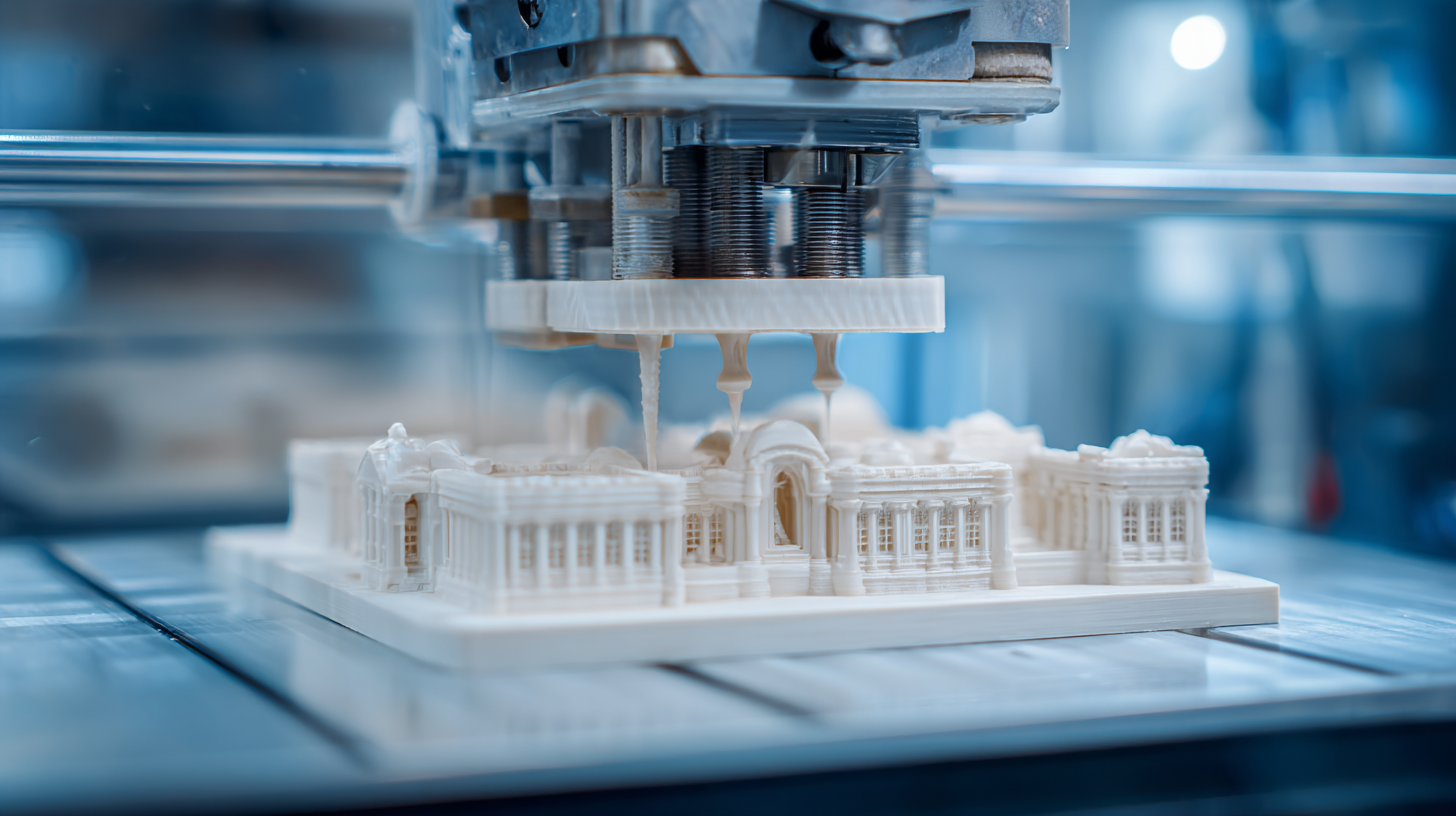
Today’s competitive market is reshaping how we think about plastic molding. Innovative techniques are driving product design forward, and it’s not just about looks— advanced processes like 3D printing, injection molding, and CNC machining let designers mix creativity with real-world performance. These methods boost aesthetics, sure, but they also harden durability and reliability, and that ripple effect lifts the whole product development cycle.

Tip: When you’re exploring new plastic molding approaches, consider adding rapid prototyping to your workflow. It speeds up design feedback, letting you test ideas quickly and refine them faster than traditional methods.

Plus, bringing in advanced materials for your molds can open up fresh creative routes. Modern plastics offer a wide range of properties, from flexibility to heat resistance, enabling innovative applications across many industries.

Tip: Stay on top of emerging materials and molding technologies. Attending industry seminars or webinars can spark ideas that might fuel your next big design breakthrough.

Market Trends in Plastic Molding: Insights and Projections for 2025

The plastic molding scene is primed for solid growth, driven by evolving market needs and a wave of design innovations. Take the global plastic packaging market, for instance - it's expected to rise from $4,312.8 billion in 2023 to $7,360 billion by 2032. That's a big jump and it clearly signals strong demand for high-quality molds. This trend not only shows how crucial advanced plastic-molding techniques have become, but it also points to exciting opportunities for companies to upgrade their product lines with smarter, more inventive designs.

Here at Foshan Baijinyi Precision Technology Co., Ltd., we're all about meeting these demands. We design and manufacture cutting-edge PET liquid packaging molds, with capabilities that cover blowing molds and injection molds across a range of applications. As market trends lean toward efficiency and sustainability, our focus on precision and innovation puts us in a great position to help shape the future of plastic molding - and to help our customers thrive in today's dynamic marketplace.

Key Industry Metrics: Growth Rate and Revenue Forecasts in Plastic Molding Sector

The plastic molding industry is poised for solid growth. By 2027, the global market is expected to top around $450 billion, expanding at a CAGR of about 5.2% from 2020. A big part of this momentum comes from growing demand across key sectors like automotive, consumer goods, and healthcare. At the same time, a push toward more innovative designs and customizable products is nudging manufacturers to adopt advanced molding techniques that boost efficiency without compromising quality. There’s also a clear shift toward sustainability that’s reshaping the market. Companies are prioritizing eco-friendly materials, and biodegradable and recyclable plastics are opening up new opportunities. Projections suggest that by 2025, nearly 25% of the plastic used in products will come from sustainable sources. All of this highlights the industry’s commitment to innovation and environmental responsibility—and it’s becoming a real differentiator for companies in a competitive landscape.

The Future of Innovative Designs: Elevating Your Products with Best Plastic Molds

Year Growth Rate (%) Revenue (Million USD) Market Size (Million USD)
2023 5.2 3200 62000
2024 5.5 3370 65000
2025 6.0 3550 69000
2026 6.3 3740 73000
2027 6.6 3935 78000

Case Studies: Successful Implementations of Innovative Plastic Molds in Various Industries

Smart, innovative plastic molds are reshaping a lot of industries, lifting efficiency and product quality to new levels. One standout case study shows how customized PET injection molds can lift production by more than 30% while cutting waste. A Grand View Research report puts the global plastic injection molding market at about 500 billion dollars by 2025, underscoring the growing demand for advanced molding tech that makes things faster and more sustainable. Foshan Baijinyi Precision Technology Co., Ltd. has been riding this wave, focusing on PET liquid packaging molds. Notably, their blowing molds and compression capping molds are gaining traction in the food and beverage sector, where regulators require top notch precision and safety. By using cutting edge design and manufacturing methods, BJY helps companies produce lightweight, high strength packaging that aligns with consumer preferences for convenience and eco friendliness. Industry data show that adopting these advanced molds can cut cycle times significantly, leading to faster time to market and a healthier bottom line.

The Future of Innovative Designs: Elevating Your Products with Best Plastic Molds

Sustainability in Plastic Molding: Future Strategies for Eco-Friendly Designs

Sustainability in plastic molding is more important than ever, with both consumers and industry players asking for greener solutions. A recent Ellen MacArthur Foundation study suggests that moving plastics into a circular economy could cut global plastic waste by about 80% by 2040. That’s a big deal and a clear sign that manufacturers can’t ignore sustainable practices in their production lines. Embracing biodegradable materials and smarter designs isn’t just good for the planet—it can also boost brand loyalty among eco-conscious customers.

The Future of Innovative Designs: Elevating Your Products with Best Plastic Molds

When you’re designing eco-friendly plastic molds, the top priority should be sustainable materials. Look at recycled plastics—they can dramatically shrink your carbon footprint. And don’t overlook bioplastics made from renewable sources; they offer another compelling option. It’s also worth pursuing energy-efficient manufacturing, since industry reports indicate that energy consumption in plastic production accounts for 80% of the total lifecycle environmental impact.

Tips:

  • Research local suppliers for recycled materials to lower transportation emissions and support the circular economy.
  • Implement a design-thinking approach to create modular products that can easily be repaired or upgraded, extending their life cycle and reducing waste.
  • Always analyze the full lifecycle of your products, focusing on both production efficiency and end-of-life disposal, to ensure your designs stay sustainable at every stage.

The Role of Technology in Revolutionizing Plastic Mold Production Efficiency

Plastic mold production is undergoing a real transformation these days, largely thanks to advances in technology. With CAD and CAM in the mix, designers can sketch and shape intricate molds with a level of precision that used to feel almost unattainable. This tech not only speeds up the design phase but also helps keep final parts consistent and high quality. In short, manufacturers can now pull off complex shapes and designs that used to be considered impossible. Automation and robotics are giving the process a serious efficiency boost, too. Automated systems handle repetitive tasks, cutting labor costs while pushing output faster. And 3D printing has emerged as a real game-changer for rapid prototyping and faster iterations during the design phase. All of this means shorter production cycles and a better ability to respond to market demands. As these innovations keep evolving, companies that lean into them will not only elevate their product design capabilities but also gain a real edge in the ever-changing market landscape.

FAQS

: What is the projected growth of the global plastic packaging market by 2032?

: The global plastic packaging market is projected to expand from $4,312.8 billion in 2023 to approximately $7,360 billion by 2032.

How is sustainability influencing the plastic molding industry?

Sustainability is becoming crucial, with a focus on eco-friendly solutions and practices, such as adopting biodegradable materials and implementing energy-efficient manufacturing processes.

What are some strategies for designing eco-friendly plastic molds?

Strategies include using recycled plastics, exploring bioplastics made from renewable sources, and adopting a lifecycle analysis approach to ensure sustainability throughout production.

How can manufacturers enhance their brand loyalty among eco-conscious consumers?

By embracing sustainable practices and eco-friendly materials, manufacturers can align their products with environmental goals, which in turn enhances brand loyalty.

What technological advancements are changing plastic mold production?

Advancements such as computer-aided design (CAD), computer-aided manufacturing (CAM), automation, robotics, and 3D printing are revolutionizing the efficiency and precision of plastic mold production.

What benefits does automation bring to the plastic mold production process?

Automation boosts efficiency by handling repetitive tasks, reducing labor costs, and increasing output speed, all leading to shorter production cycles.

Why is it important to prioritize sustainable materials in plastic molding?

Prioritizing sustainable materials helps lower carbon footprints, meets consumer demands for eco-friendly products, and contributes to the reduction of global plastic waste.

How can a design thinking approach contribute to sustainability in plastic molding?

A design thinking approach can lead to the creation of modular products that are easily repairable or upgradeable, thus extending their lifecycle and minimizing waste.

What role does 3D printing play in the plastic molding industry?

3D printing allows for rapid prototyping and quicker iterations during the design phase, facilitating greater adaptability to market demands and accelerating the development process.

What is the importance of analyzing the full lifecycle of products in plastic molding?

Analyzing the full lifecycle focuses on production efficiency and end-of-life disposal, ensuring that designs are sustainable at every stage.

Liam

Liam

Liam is a dedicated marketing professional at Foshan Baijin Precision Technology Co., Ltd., where he leverages his extensive expertise to enhance the company’s online presence. With a deep understanding of the precision technology industry, he excels in crafting informative and engaging blog posts......
Previous Future Innovations in Blow Moulders and Their Advantages for Global Buyers