Chinese
-
 Email
Email -
 Whatsapp
-
 WeChat
These days, the beverage industry is changing super fast, and let’s be honest — there’s never been a bigger need for packaging solutions that are both efficient and eco-friendly. If you’ve seen reports from Smithers Pira, you’ll know that the global market for Pet Packaging is expected to hit around $120 billion by 2025. That’s a pretty clear sign that innovation, especially when it comes to making PET Bottle Molds, really matters.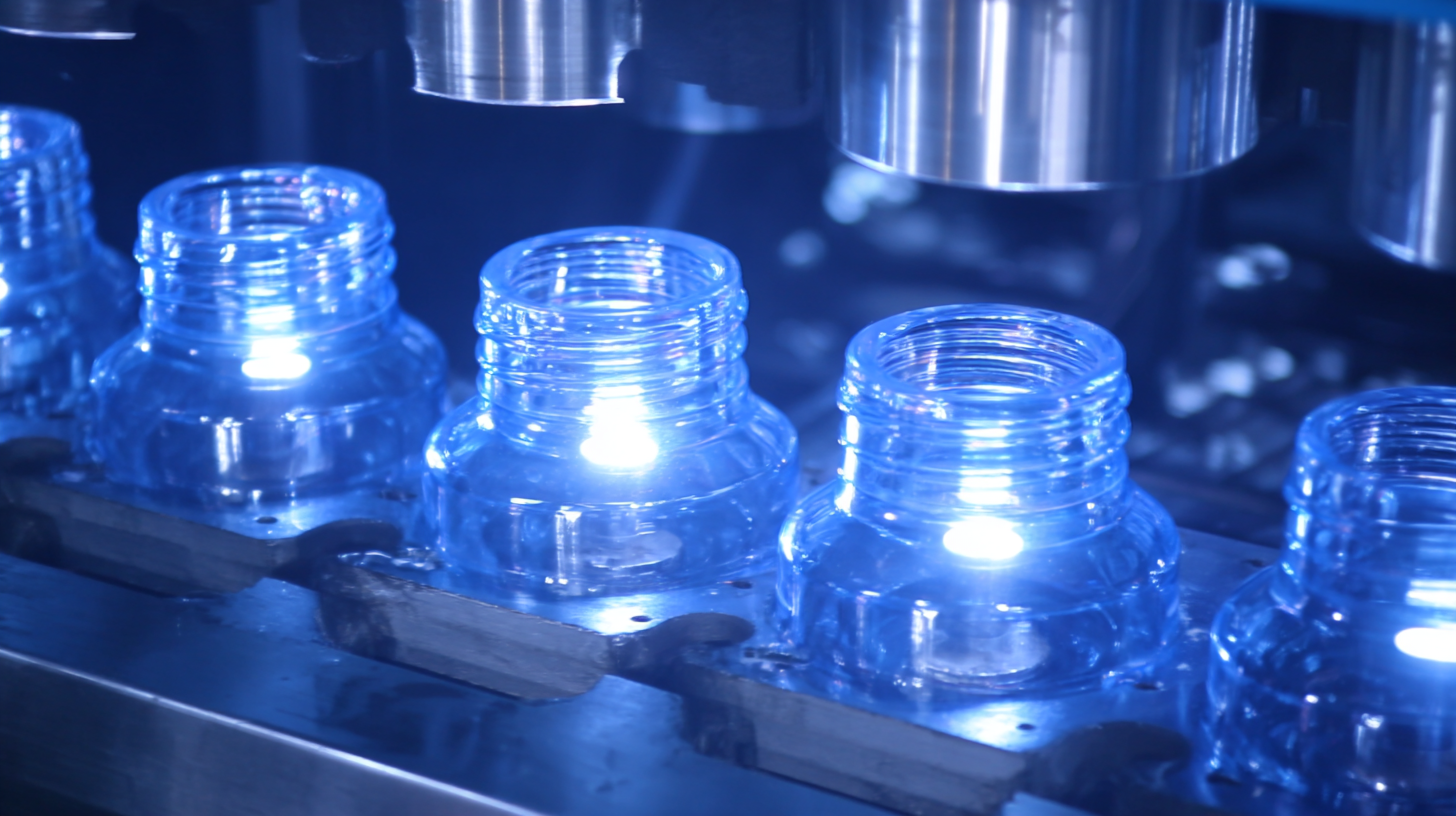 Companies like Foshan Baijinyi Precision Technology Co., Ltd. (BJY) are leading the charge here, focusing on designing and manufacturing top-notch PET molds — everything from blowing molds to injection molds. As brands try to boost their operational efficiency while staying green, adopting the latest tech in mold production isn’t just optional anymore — it’s essential. In this blog, I’ve put together a handy checklist of innovative solutions to help optimize the making of Pet Bottle Molds. That way, manufacturers can keep up with what everyone’s demanding — quality, sustainability, and all — without hurting the planet too much.
So, you know how PET bottle molds used to be made? Well, lately, with all these new tech advancements, the whole process has really changed. If you compare the old-school methods to what's available now, it’s pretty clear that traditional mold-making tends to take longer and can be way more expensive. I read recently from the Plastics Industry Association that the global market for PET bottles is expected to hit around $75 billion by 2025. That kind of demand means manufacturers really need faster, more cost-effective mold designs to keep up.
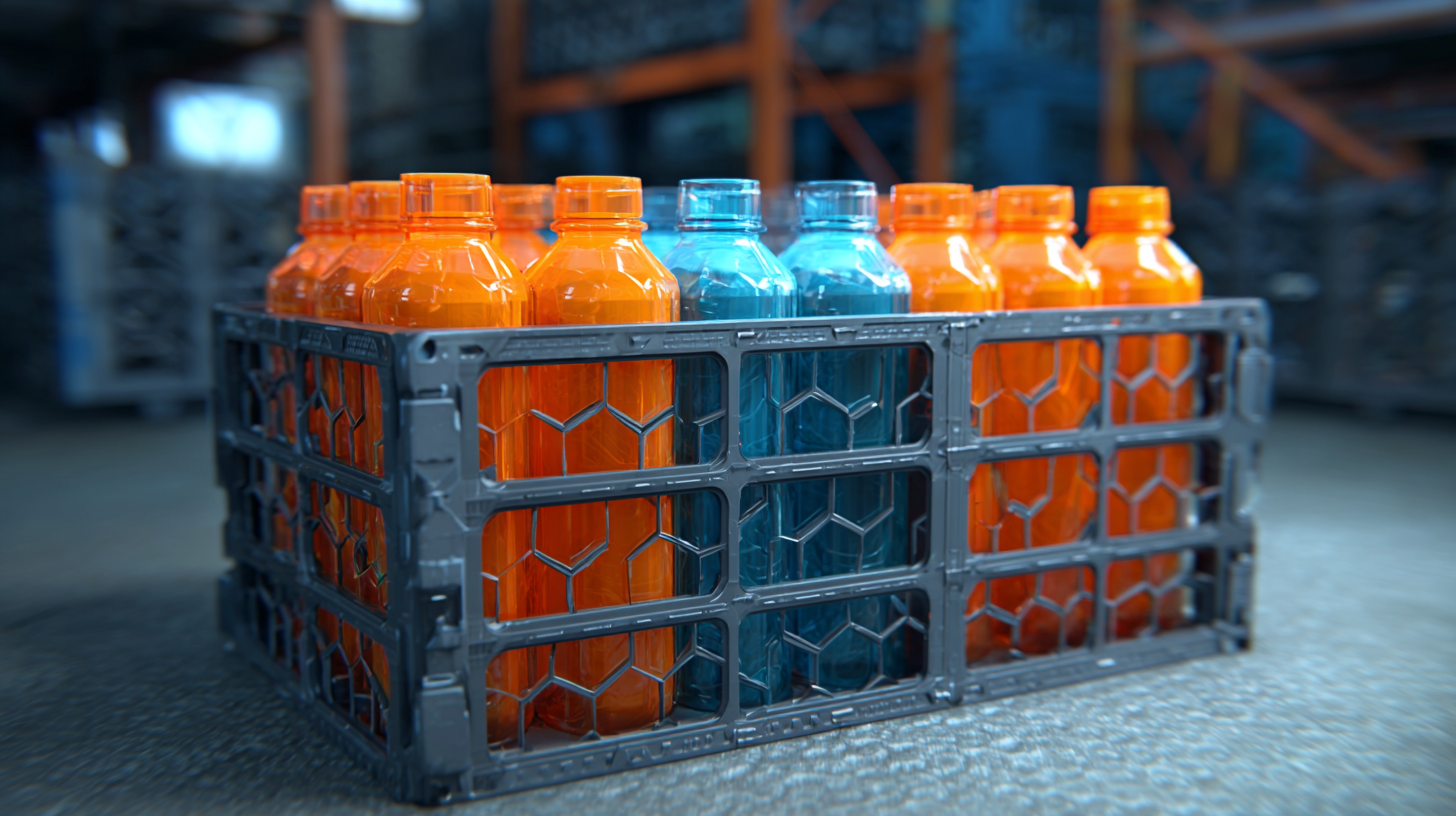
Thanks to things like 3D printing and fancy CAD software, companies can now make molds that are not only more precise but also quicker to produce. Some research from the Association for Manufacturing Technology shows that using 3D printing can cut down lead times by up to half — which is a game-changer for quick prototyping and on-the-fly production. Plus, as brands get more serious about sustainability, they’re turning to lightweight materials and energy-efficient processes. That not only helps cut energy use by around 30%, but it’s also a win for the planet and the bottom line.
: It's important to evaluate the specific requirements of your packaging application, the longevity and durability of the mold, and to ensure that the mold design aligns with your production goals.
Investing in high-quality materials can significantly reduce long-term costs by minimizing downtime and maintenance, leading to better overall efficiency.
Advanced technology, such as simulation software, can predict how the mold will perform during production, allowing for adjustments before manufacturing begins, which optimizes performance while managing costs.
Sustainability is crucial as industries aim to minimize their environmental impact, and adopting eco-friendly practices can reduce waste and promote recycling and responsible resource usage.
Manufacturers can explore biodegradable materials for mold production and innovative technologies like 3D printing, which offers greater precision and less material waste.
Customized PET molds can lead to improved product performance and brand differentiation, while standardized molds are advantageous for cost and efficiency in high-volume production runs.
Standardized processes can decrease production costs by up to 15%, allowing manufacturers to leverage economies of scale and reduce lead times.
The global PET mold market is projected to reach $10 billion by 2025, indicating a growing demand for tailored solutions that enhance packaging efficiency and consumer appeal.
The choice should reflect the manufacturer’s market strategy, production capacity, and the need for innovation versus traditional efficiency in their PET bottle offerings.
In the fast-changing world of PET bottle molds, coming up with innovative solutions is really key to improving both efficiency and sustainability. In this blog, we're taking a look at some of the latest technologies in PET bottle mold design, comparing different options and really highlighting how you'd need to find that sweet spot between keeping costs down and getting solid performance—especially across various manufacturing setups. Plus, we’re diving into material innovations, exploring options that not only last longer but also lean more towards eco-friendly choices in the realm of PET molds.
We also chat about an important decision many manufacturers face: should they go for custom designs or stick with standard molds? We aim to help guide you in picking the best approach for your unique needs. And since Foshan Baijinyi Precision Technology Co., Ltd. is already a leader in crafting top-notch PET liquid packaging molds, this blog is packed with useful insights for anyone in the industry wanting to boost their operations and embrace greener, more sustainable practices in PET molding. Let's get into it!