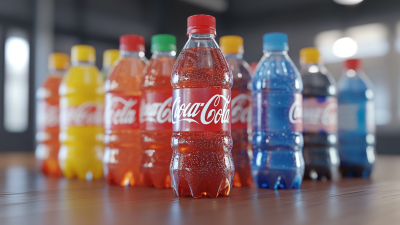
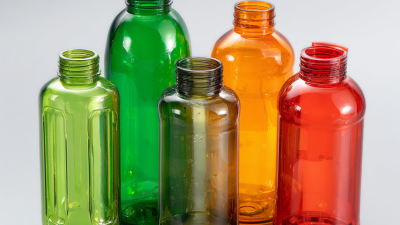
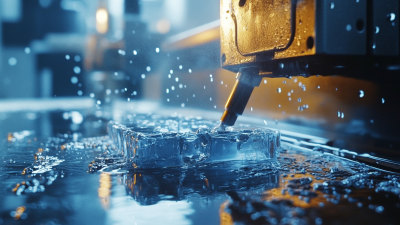
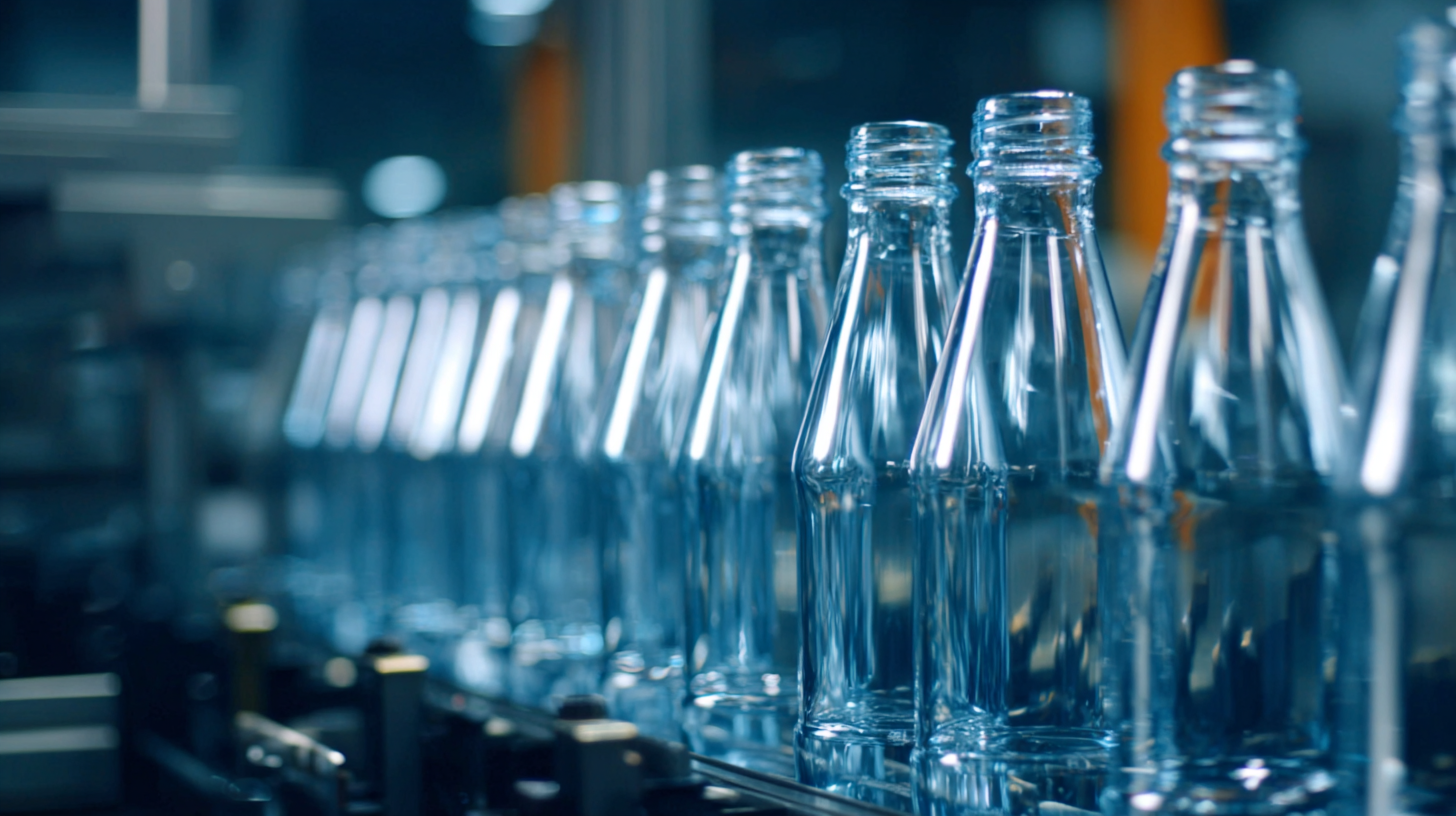
 Lately, the beverage world’s been booming. The market for carbonated soft drinks (CSDs) is expected to hit around $392.7 billion by 2027 — pretty incredible, right? A lot of that growth comes down to folks wanting more convenience and cool, innovative packaging ideas. Because of that, manufacturers need to get creative with their mold-making techniques for CSD bottles to stay efficient and cut costs. That’s where Foshan Baijinyi Precision Technology Co., Ltd. (BJY)really shines. They’re leading the charge, specializing in designing and making PET molds for liquids — especially top-notch CSD bottle molds. By combining the latest tech with smarter manufacturing methods, BJY isn’t just making molds tougher and more reliable — they’re also pushing for greener, more eco-friendly packaging. As demand keeps climbing, understanding how innovation plays a key role in mold production is crucial for companies wanting to stay ahead in this fast-changing market. It’s all aboutevolving and adapting if you really want to thrive around here.
Understanding the Key Features of CSD Bottle Molds for Different Product Types
When we talk about carbonated soft drinks — you know, those fizzy little treats — the design and crafting of bottle molds are kinda the unsung heroes behind the scenes. They’re really essential if you want your drinks to come out perfect and consistent. If you're a manufacturer trying to make all sorts of different carbonated beverages, understanding what makes a good Csd Bottle Mold is super important. The molds need to handle different shapes and sizes — like your typical PET bottles or those cool custom designs. Features like being lightweight, having precise mold cavities, and built-in cooling systems are game changers. They help speed up production without sacrificing quality, which, let’s be honest, is what we all want.
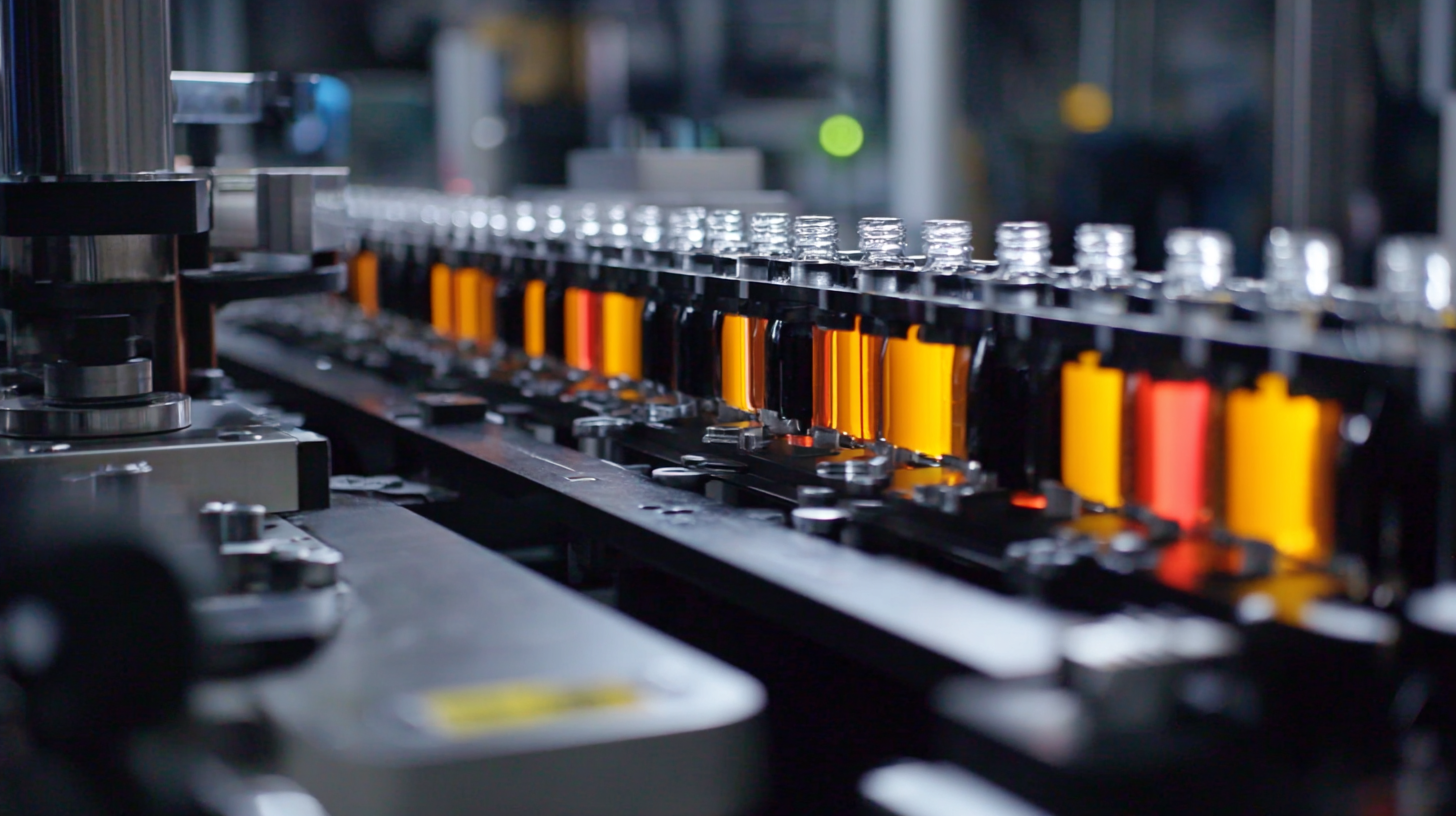
And speaking of molds, what they’re made of really matters too. High-quality steel alloys and newer plastic materials are getting more popular because they’re tough and can handle the high pressure that carbonation subjects them to. Plus, mold makers are now thinking more about how easy it is to clean and maintain these tools — because less downtime means more production and happier teams. And if the mold is tailored to the specific beverage — considering things like carbonation levels or how the liquid interacts with the bottle materials — it just helps make sure the drinks stay fresh, safe, and durable in the long run.
Evaluating Material Selection: Impact on Durability and Production Efficiency
When it comes to making CSD bottle molds, choosing the right materials really makes all the difference—both in how long the molds last and how efficiently things run. Picking the right stuff isn’t just about durability; it also helps cut down on those annoying downtime moments when repairs or replacements are needed. These days, high-performance polymers and cutting-edge alloys are becoming super popular because they handle wear and corrosion really well. That means they can stand up to the hustle of high-speed production and still keep the molds in good shape over time.
On top of that, the materials you choose actually have a big impact on how smoothly your entire production process goes. Lightweight but tough materials can cut down cycle times and save energy—pretty important if you ask me. For example, throwing in recyclable thermoplastics can make workflows more efficient and also help the environment—win-win, right? By carefully considering factors like thermal stability, tensile strength, and how easy they are to work with, manufacturers can really fine-tune their processes. In the end, this leads to innovative solutions that boost efficiency and keep things moving in the world of CSD bottle mold production.
The Role of Advanced Technology in Enhancing Mold Design Precision
You know, when it comes to manufacturing today, the accuracy of mold design really makes a huge difference in how smoothly things run—especially with CSD (carbonated soft drink) bottles. Thanks to some pretty amazing tech like CAD and CAM, engineers aren’t just sketching out molds the old-fashioned way anymore. These tools let them craft really detailed and precise mold shapes that not only fit the specific needs of the soda industry but also help save on materials and cut down waste. It’s a game-changer!
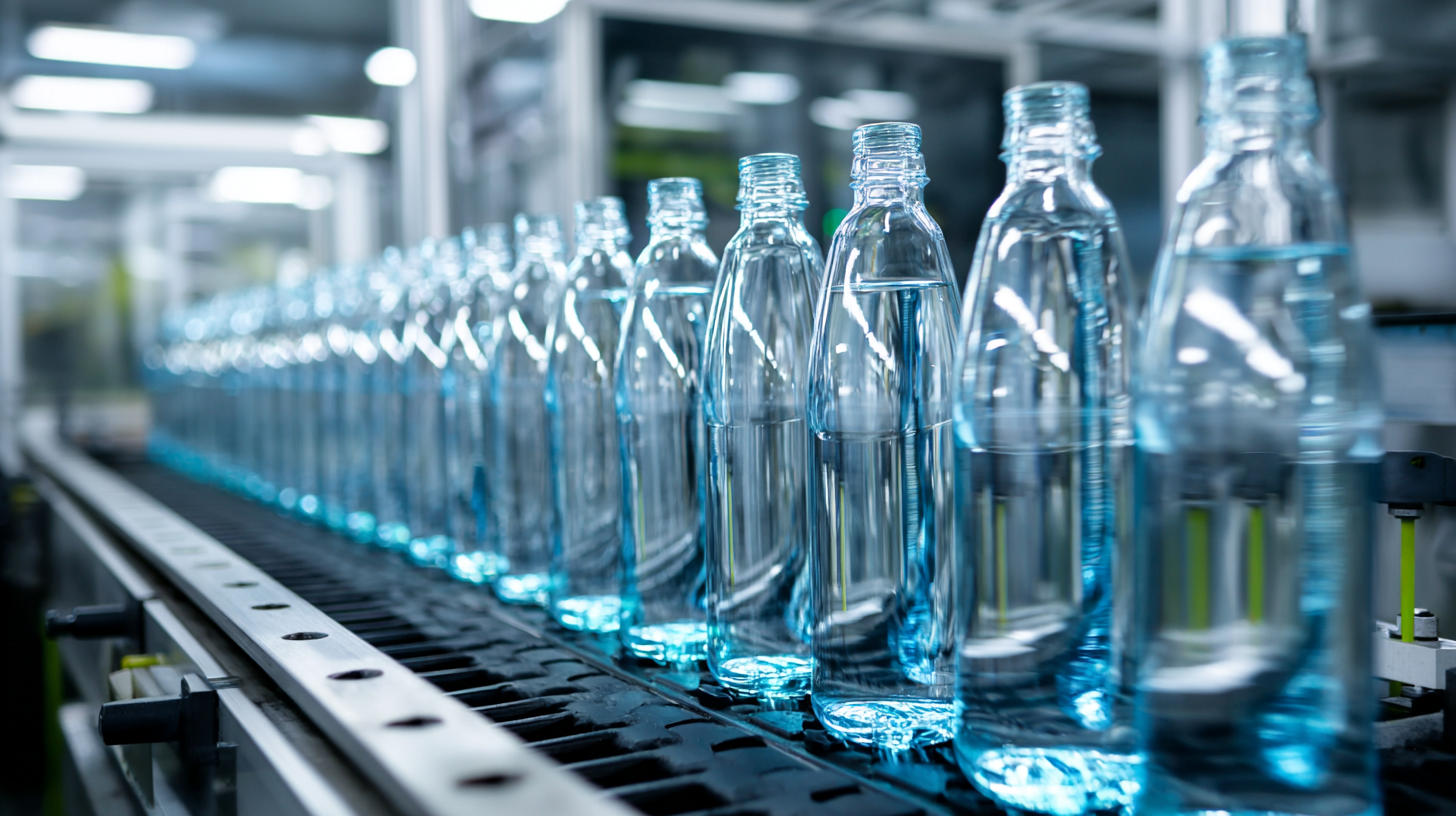
And here’s the cool part: with simulation software now part of the process, designers can test how molds will behave—like, right then and there, in real-time—under different production scenarios. That means potential problems are caught early, before the actual mold is even made. Save a lot of time, money, and headaches. Plus, with newer tech like 3D printing, rapid prototyping has become a breeze. They can make quick tweaks and get things moving faster, which means higher quality products and quicker turnaround times. All these innovations working together are pretty much essential for manufacturers who want to stay competitive and efficient in such a busy beverage market. So yeah, tech’s really changing the game for mold design these days.
Analyzing Industry Trends: Demand for Eco-Friendly CSD Bottle Solutions
Lately, there's been a big surge in demand for eco-friendly bottles for carbonated soft drinks. It’s mostly driven by consumers wanting greener choices and by new regulations pushing companies to do better. According to a recent report from The Beverage Industry, about 67% of folks are more likely to buy products if they come in sustainable packaging — no surprise there, right? This growing awareness about sustainability is part of a wider trend where brands are rethinking their packaging strategies to stay eco-friendly. Interestingly, the use of biodegradable and recyclable materials in CSD bottles is expected to jump by around 25% over the next five years.
On top of that, innovative manufacturing techniques are playing a really important role in addressing these shifts. The global market for eco-friendly CSD bottle molds is projected to hit around $2 billion by 2025, with an annual growth rate of about 15%. Industry players are really heating up investments in technologies like injection molding and 3D printing — these not only boost production efficiency but also help cut down waste. As brands shift towards more sustainable options, focusing on high-efficiency mold production seems crucial for staying competitive while also keeping the environment in mind. It’s an exciting time for beverage packaging, no doubt!
Demand for Eco-Friendly CSD Bottle Solutions
Performance Metrics: Comparing Cost-Effectiveness of Various Mold Types
In today’s super competitive beverage world, the way your production molds perform can really make or break your operational success. At Foshan Baijinyi Precision Technology Co., Ltd. (BJY), we’re all about designing and building innovative PET liquid packaging molds. Our goal? To help you boost productivity without breaking the bank. Whether you’re into blowing molds or injection molds, we’ve got a range that makes your production smoother and tailored to what you need.
When you’re comparing different types of molds, it’s key to look at stuff like how long they last, how fast they can produce, and what it costs to keep them running. For example, injection molds might cost a bit more upfront, but in the long run, they can really save you time and money — less cycle time, less waste. On the flip side, blowing molds can give you more flexibility in production speed, but if they’re not managed properly, they could end up costing more to operate. By carefully thinking through these factors, BJY is dedicated to providing high-quality, cost-effective solutions that help manufacturers run their operations more efficiently and, ultimately, grow their profits.
Innovative Solutions for High Efficiency Csd Bottle Mold Production - Performance Metrics
| Mold Type | Production Cost ($) | Cycle Time (seconds) | Output Per Hour (units) | Durability (cycles) | Maintenance Frequency (months) |
| Aluminum Mold | 2000 | 30 | 1200 | 100,000 | 6 |
| Steel Mold | 3500 | 25 | 1500 | 200,000 | 8 |
| Borosilicate Glass Mold | 5000 | 45 | 800 | 50,000 | 12 |
| Composite Material Mold | 4500 | 35 | 900 | 80,000 | 10 |
Case Studies: Successful Implementations of Innovative CSD Bottle Molds
You know, the beverage industry is really undergoing a major shake-up right now, thanks to some pretty exciting new solutions for making high-efficiency bottles for carbonated soft drinks. One company that's really leading the charge is Foshan Baijinyi Precision Technology Co., Ltd., or BJY for short. They've been rolling out some super modern PET liquid packaging molds that boost production and help cut down on waste — pretty impressive, right? Recent studies are showing that tweaking mold designs can bump up overall efficiency by about 20%, and even cut material costs by up to 15%. For manufacturers trying to stay sustainable and profitable at the same time, that’s a pretty sweet deal.
If you look at some real-world examples, it’s clear BJY’s commitment to quality really shines through. For example, a major beverage company that started using BJY’s advanced blowing molds saw their cycle times drop significantly, and the quality of their bottles became way more consistent. What’s more, with smart mold tech now in the mix, they managed to slash energy usage by around 30%, which is a huge win for the environment and their bottom line.
Tip: If you're serious about making the most of these new mold technologies, it pays to keep training your team on the latest tools and best practices. Plus, working with innovative mold providers like BJY can give you some great insights into current trends and new products out there, helping you stay ahead of the game. Don’t forget — regular mold maintenance is key to avoiding costly downtime and keeping things running smoothly.
FAQS
: The demand is surging due to consumer preference for sustainable packaging and increasing regulatory pressures, with approximately 67% of consumers more likely to purchase products in sustainable materials.
The use of biodegradable and recyclable materials is expected to grow by 25% over the next five years.
The global bottle mold market for eco-friendly CSD bottles is projected to reach $2 billion by 2025.
Innovative manufacturing techniques, such as injection molding and 3D printing, are being adopted to enhance production efficiency and minimize waste.
Manufacturers should consider durability, production speed, and maintenance costs when evaluating the performance of different mold types.
While injection molds require a higher initial investment, their long-term efficiency can lead to significant savings by reducing cycle times and minimizing waste.
A leading beverage manufacturer using BJY's advanced blowing molds experienced a dramatic decrease in cycle time and improved quality consistency, achieving a 30% decrease in energy consumption.
Manufacturers should invest in staff training on new technologies, collaborate with mold producers for insights, and regularly maintain molds to prevent downtime and enhance production efficiency.
 Chinese
 Email
Email Whatsapp
 WeChat