Choosing the right cap molds for your production needs is a big deal—it can really make or break your efficiency, product quality, and even your budget in the industry. Here at Foshan Baijinyi Precision Technology Co., Ltd. (BJY), we’re all about crafting molds perfectly suited for PET liquid packaging. We’ve got a variety of cap molds in our toolkit, from compression capping molds to others that cater to different needs. It’s super important to get a grasp on what your product specifically requires.You want to make sure the molds work well with the different Pet Bottle designs out there and that the molding process is optimized for the best output possible.Picking the right cap molds can seriously boost your entire production cycle. In this blog, we’re going to dive into some key things to think about when it comes to selecting cap molds. We’ll also share some industry case studies to highlight best practices and solutions that fit different production scenarios. So, come along with us as we chat about achieving excellence in packaging through smart mold selection!
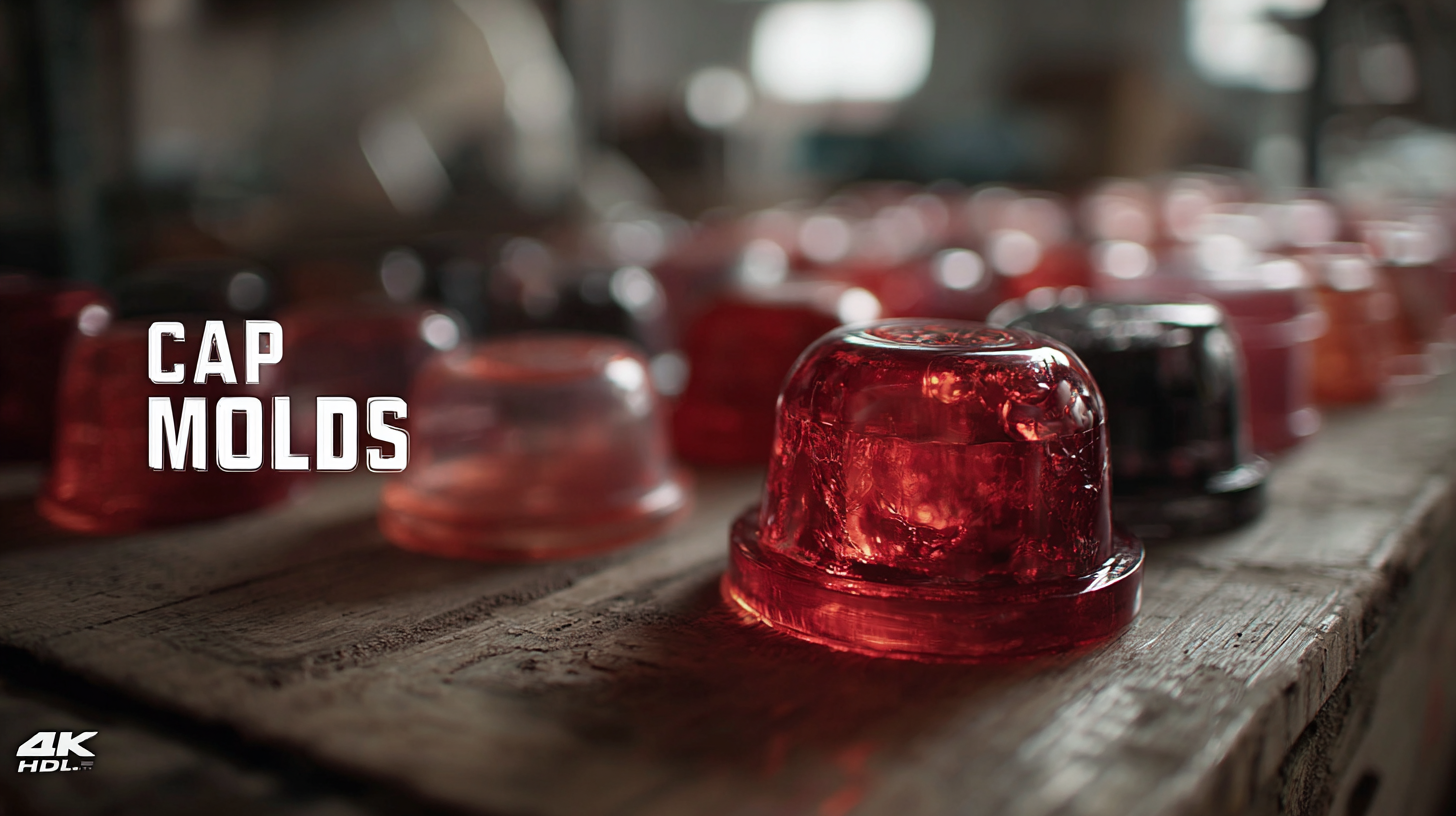
So, when you're diving into picking the right cap molds for your production needs, it’s really important to get a grip on the different types out there. You know, cap molds come in a bunch of shapes and sizes, and their designs and how they work can seriously impact how smoothly your manufacturing rolls along. For example, those single-cavity molds are perfect if you’re looking to produce small batches—like if you’re just starting out. On the flip side, if you need something that can churn out a ton of caps, multi-cavity molds are where it’s at. Usually, your choice boils down to a few things:
Then there’s the material the molds are made from, which is another biggie. Steel moldsare super durable and great when you’re in that mass production zone, whilealuminum molds can be a more wallet-friendly option if you’re only doing short runs. Don’t forget about the cooling and heating systems built into these molds either! They can really shake things up when it comes to cycle times and the final quality of the caps. By taking a closer look at these different mold types and what they bring to the table, manufacturers can really fine-tune their processes and nail down what they need for their specific production goals.
So, when you're picking out cap molds for production, there are a bunch of important things to think about if you want to keep things running smoothly and make high-quality products.
First off, the type of molding process really matters. Nowadays, injection molding is pretty much the go-to method for cranking out those complex thermoplastic parts because it can hold really tight tolerances. Plus, the latest studies show that new advancements in cap compression Molding Machines are ramping up production levels—think better material flow management and shorter cycle times—super important for those high-volume runs!
You also can’t overlook how well the molds fit with the equipment you already have. Like, companies such as Foshan Baijinyi Precision Technology Co., Ltd. are working hard to craft a variety of molds, including ones for PET injection and compression capping, all tailored to specific needs. This kind of customization is key for keeping efficiency up, since generic molds just don’t cut it when it comes to specialized processes or materials. And let’s not forget about how durable the molds are and how easy they are to maintain—these factors can really affect your long-term costs and how smoothly everything runs. By taking a good look at all these things, manufacturers can make sure they’re choosing the right cap molds to hit their production targets successfully.
When you’re on the hunt for the best cap molds for your production needs, one thing you really need to think about is the material that goes into making those molds. You know, diving deep into the materials out there shows that natural fiber composites are popping up as some super eco-friendly options compared to the usual suspects. These composites are made from good stuff like jute, flax, and hemp—renewable resources that not only help the planet but also step up the game for mold performance.
By using these natural fibers, manufacturers can cut down on their environmental impact, which is a big win. Plus, guess what? These composites often match the strength and flexibility of traditional materials, so they’re a great fit for all sorts of applications. With their lightweight properties, they can actually slash production costs and boost efficiency too. As more businesses push for sustainable practices, adding natural fiber composites to your cap mold production can really give you an edge in a market that’s leaning heavily toward eco-friendly choices. So, yeah, picking the right materials isn’t just about getting the job done; it’s also about showing your commitment to being kinder to the Earth.
| Material Type | Durability | Cost | Mold Complexity | Typical Applications |
|---|---|---|---|---|
| Steel | High | $$$ | High | Beverage Caps |
| Aluminum | Medium | $$ | Medium | Food Packaging |
| Plastics (POM) | Low | $ | Low | Cosmetic Caps |
| Silicone | Medium | $$ | Low | Medical & Pharmaceutical |
When you're looking to invest in cap molds, it’s super important to take a good look at the cost-benefit side of things. You want to make sure your choice fits in nicely with your production goals. There's this industry report from Moldmaking Technology that says high-quality molds can really boost your production efficiency—like, by as much as 30%! That’s mainly because they help cut down on cycle times and keep defect rates low. By going for durable and precise molds, you not only dodge expensive repairs, but you also keep those pesky downtimes to a minimum, which can save you a ton of cash over time.
Oh, and here’s a quick tip: really pay attention to the material quality of the molds. Sure, molds made from top-notch steel might hit your budget a little harder right away, but they tend to stick around longer, meaning lower costs in the grand scheme of things. Plus, if you’re investing in some slick design features, it can seriously step up your production game, which translates to better product quality and happier customers.
And don't forget to think about how scalable your cap molds are! A solid mold should be able to handle future production needs without forcing you into a complete redesign. As the Plastic Industry Association points out, businesses that can scale up quickly can grab more of the market by keeping up with what consumers want.
Lastly, it’s wise to partner up with mold manufacturers who really get your industry. Their experience can give you some golden insights, so you can make a smart decision that will benefit your company for years to come.
You know, when it comes to taking care of cap molds for production, it’s super important to get a grasp on how long they last and what kind of care they really need. Just like with any tools we use in manufacturing, giving those cap molds a bit of regular TLC goes a long way. It not only helps them stick around longer but also makes sure the quality of what we produce stays on point. Honestly, a well-kept mold can outlive what you’d expect, kind of like how a good washer or dryer lasts about ten years if you treat it right. So, don’t skip those regular check-ups, cleaning days, and making repairs when you need to—trust me, it saves you from a world of hurt down the line by keeping your molds running smoothly.
And hey, you really want to watch out for those signs that say, "Okay, it’s time to replace me!" If you just keep using them without giving them a second thought, you might end up with a drop in performance and, worse, some unexpected downtime that could cost a pretty penny. Don’t forget, the life of your molds can take a hit from all sorts of things like the material quality and how much you’re cranking out. Just like we aim to get the most out of our dishwashers and HVAC systems by handling them properly, we should be treating cap mold maintenance with the same level of care. Setting up a solid care routine isn’t just about stretching the life of your molds; it’s also about boosting productivity and cutting down on those annoying failures during production runs.
You know, the latest innovations in cap mold technology are really shaking things up in how we produce and package stuff. With everyone getting more conscious about their environmental footprint, a lot of companies are jumping on the bandwagon and making caps out of high-density polyethylene (HDPE) that actually include post-consumer recycled (PCR) materials. It’s a win-win situation: less waste is generated, and it really helps promote that circular economy vibe in packaging. So, it's super important for businesses to think about how their production methods affect the planet.
And let’s not forget, the world of cap mold technology is changing fast. There are always new designs and materials popping up. As demand for dispensing caps grows—especially for things like beverages and pharmaceuticals—manufacturers are really stepping it up, adopting some cutting-edge molding techniques. These innovations boost functionality while keeping product integrity in check. Looking ahead, it’s likely that advanced tech in cap mold production will ramp up efficiency and bring down costs, helping companies tackle market demands without losing the quality we all expect.
: Natural fiber composites, made from renewable resources like jute, flax, and hemp, offer significant advantages in sustainability, comparable strength and flexibility to conventional materials, and lower production costs due to their lightweight nature.
Regular maintenance, including inspections, cleaning, and timely repairs, can extend the lifespan of cap molds. Proper care can prevent early wear and ensure consistent production quality.
The lifespan of cap molds can be impacted by material quality, production volume, and maintenance practices, similar to other manufacturing tools.
Caps made from HDPE with PCR material reduce waste and promote a circular economy in packaging, highlighting the importance of environmental responsibility in production processes.
Signs of a cap mold needing replacement can include decreased performance during production and the risk of costly downtime due to early wear.
Innovations in cap mold technology are leading to advanced designs and materials, enhancing functionality while improving efficiency and reducing costs to meet market demands.
Sustainability is becoming a key consideration in cap mold production, as manufacturers integrating eco-friendly materials can improve their market positioning and reduce their ecological footprint.
The evolution of cap mold technology is expected to include cutting-edge molding techniques tailored for dispensing caps in beverage and pharmaceutical applications, enhancing both functionality and product integrity.
Just like household appliances such as washers and dryers benefit from regular care to extend their lifespan, cap molds also require consistent maintenance to improve productivity and longevity.
Selecting the appropriate materials is crucial not only for functionality but also for aligning with sustainable practices and meeting the growing market demand for environmentally friendly solutions.
Chinese