Hey there! You know, in today’s fast-paced world of plastic manufacturing, the need for top-notch Compression Cap Moulds is really picking up steam. Everyone's looking for ways to boost efficiency and keep things sustainable in production. We've got industry pioneers like Foshan Baijinyi Precision Technology Co., Ltd. (BJY) leading the charge with some seriously innovative designs and tech that turns heads. So, figuring out how to find trustworthy suppliers is super important for anyone wanting to stay ahead in this game. In this blog, we’re going to dive into the latest breakthroughs in Compression Cap Moulds and shine a light on the cool innovations that are shaping how we’ll produce things in the future. Plus, we'll share some solid strategies for finding the best suppliers out there, making sure businesses can meet the rising demand for sturdy and reliable packaging solutions. So, stick around as we unpack these important topics and discover what it takes to really thrive in the competitive world of PET liquid packaging molds!
Innovative Materials Revolutionizing Cap Mould Production
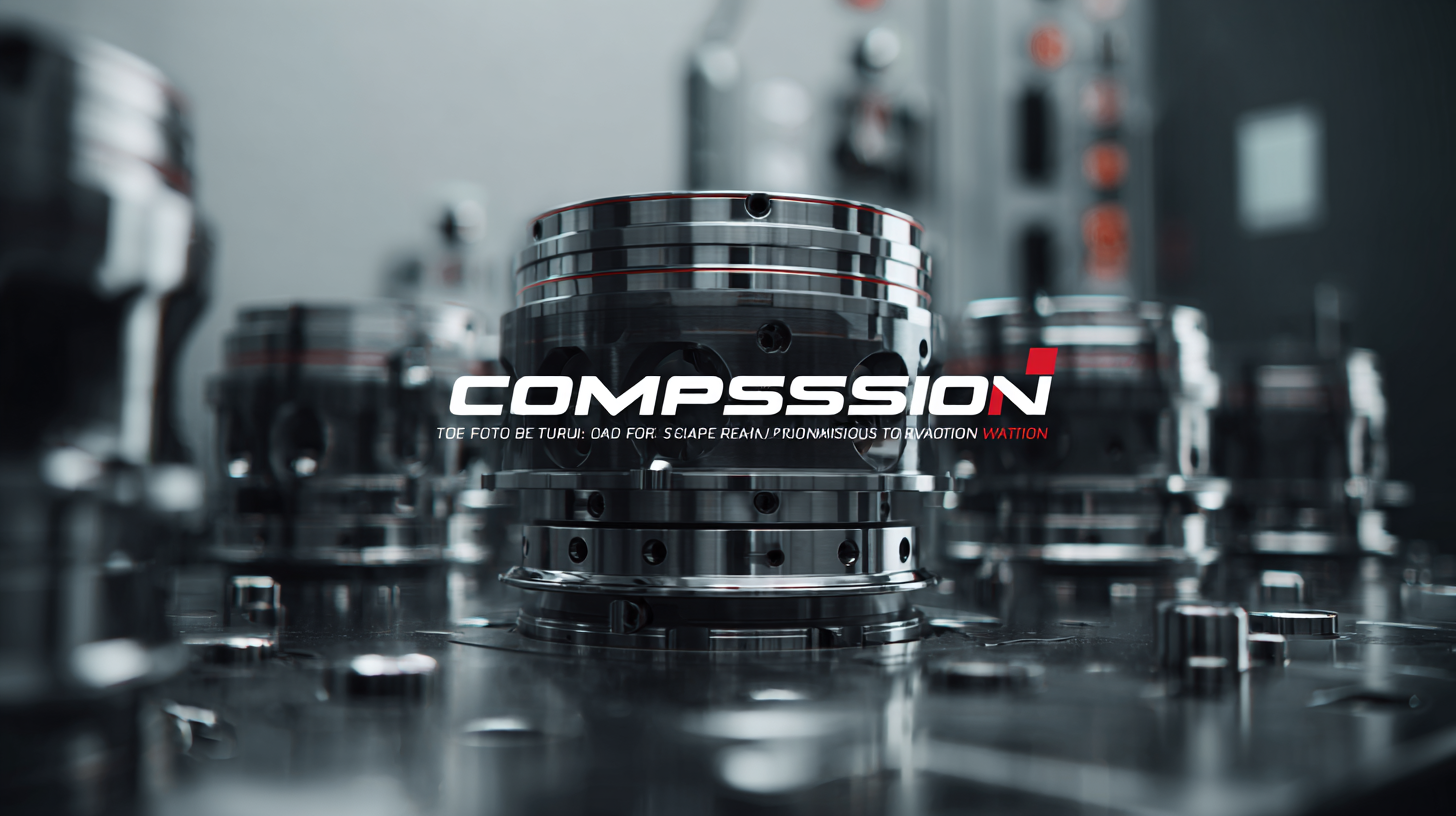
The cap mould production industry is really going through a big change right now, thanks to some cool new materials that are all about boosting efficiency and being more sustainable. Sure, traditional materials have worked fine, but they often fall short when it comes to durability and their impact on the environment. The good news? Advanced polymers and bio-based materials are stepping in to shake things up. These fresh options not only last longer but also help cut down on waste, making them a much greener choice for manufacturers.
So, when you’re picking materials for cap mould production, it’s super important to think about both how they perform and what kind of impact they have on the planet. Try to find suppliers that provide sustainable alternatives that tick the boxes for performance without compromising on quality.
And let’s not forget the game-changing tech out there. Innovations like 3D printing are letting manufacturers play around with designs that used to be pretty much impossible. This opens up a whole new level of flexibility, allowing for faster prototyping and, you guessed it, quicker production cycles with lower costs. Plus, manufacturers can really fine-tune their designs to meet specific client needs, which ultimately boosts product functionality and makes customers happier.
So, if you haven’t jumped on the tech train yet, seriously consider investing in 3D printing. It can really cut down on lead times and give you way more options for customizing your cap mould designs.
Advancements in 3D Printing for Enhanced Cap Moulding Processes
You know, the way cap moulding processes have evolved recently is pretty fascinating, all thanks to some amazing breakthroughs in 3D printing technology. As different industries keep pushing for better efficiency and a more personalized touch, advances in additive manufacturing are making it possible to create super intricate cap designs that were just unthinkable with the old-school methods. Plus, these innovations really help cut down on material waste and speed up production times, which is huge for keeping up with what the market wants.
Smart Technology Integration for Optimized Production Efficiency
You know, the way smart technologies are shaking up production efficiency these days is pretty incredible, especially in industries like manufacturing. Thanks to advancements in AI, big data, and the Internet of Things, companies are really getting their act together and optimizing their processes. These digital tools allow for real-time monitoring and predictive analytics, which in turn means big improvements in how transparent and responsive supply chains are. As more industries hop on this innovation train, they’re not just boosting efficiency; they’re also making strides towards being more sustainable and cutting down on waste.
But it doesn't stop there! The drive for smart manufacturing solutions is reaching beyond the usual spots, creating a whole new ecosystem where AI meets logistics and supply chain management. When organizations shift to digital systems, they’re opening the door to new levels of automation and precision—resulting in both cost savings and better product quality. This major shift is really paving the way for the future of manufacturing tech, helping companies sharpen their competitive edge and stay in tune with what the market demands.
Sustainable Practices in Cap Mould Manufacturing
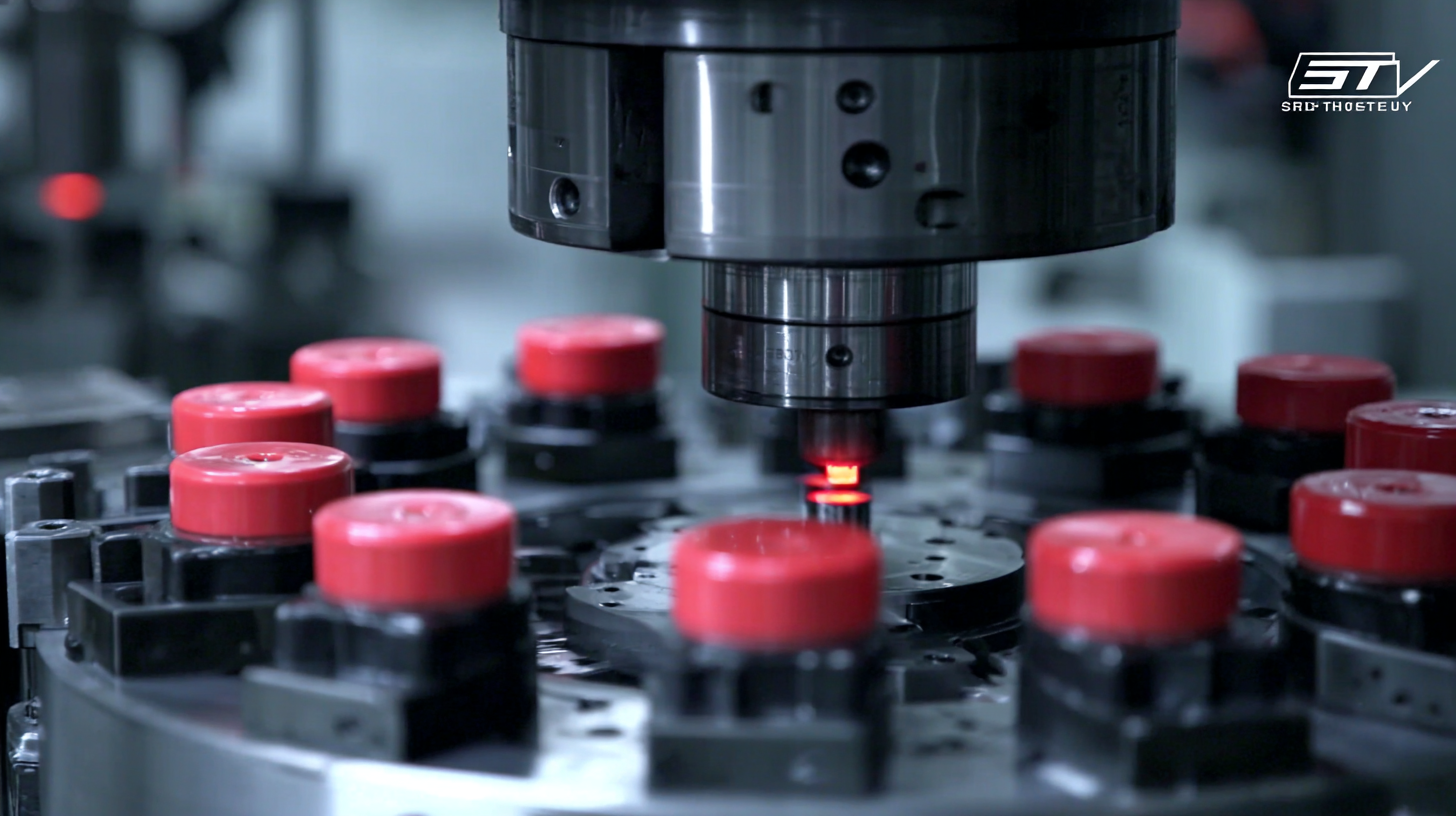
You know, nowadays, with more and more people leaning towards sustainable manufacturing, the cap mould production industry is really starting to shake things up and adopt greener practices. It’s pretty exciting to see innovations like bio-based plastics and recycled resins leading the charge. These materials do a great job of cutting down on fossil fuel reliance and slashing the carbon footprint tied to making cap moulds. Plus, thanks to advanced manufacturing techniques—think additive manufacturing and precision engineering—we're seeing less waste and a boost in efficiency. It’s all about making sure every bit of material counts, right?
On top of that, companies are really getting into closed-loop systems, which make recycling part of the production game. Not only does this help with sustainability, but it also helps save some bucks and makes production smoother overall. And let’s not forget, many manufacturers are hopping on the trend of energy-efficient machines powered by renewable energy. Seriously, it’s a win-win! By championing these innovations, the cap mould manufacturing industry isn’t just tackling environmental issues; they’re paving the way for future production standards. Pretty cool, huh?
Future Trends in Customization and Personalization of Caps
You know, the whole world of cap production is really changing fast, and a big part of that is all about customization and personalization. Nowadays, people are on the hunt for unique products that express their personal style, and brands are catching on. A recent report says the global market for custom headwear is set to grow by about 7.5% each year over the next five years. This growth is largely driven by consumers wanting personalized designs and eco-friendly materials. It's pretty cool because this shift not only boosts customer satisfaction but also helps build brand loyalty—people feel a stronger connection to companies that offer items they feel are just for them.
So, if brands want to ride this wave, they really need to think about using digital tools that allow for real-time customization. Imagine if customers could hop onto a simple design platform, pick their colors, choose their materials, and even add their own logos or text! That would totally jazz up their buying experience. Plus, using data analytics can give manufacturers a better clue about what’s trending in customization, helping them keep up with what people really want.
Oh, and here’s a tip: get active on social media by sharing posts that showcase user-generated content of those personalized caps. It not only builds a community around your brand but also serves as an awesome marketing tool, showing just how versatile and tailored your products can be. Another great idea is to launch limited edition caps that cater to specific customer groups. It gives a sense of exclusivity and really encourages folks to make a purchase right away. People love that sense of being part of something special!
Impact of AI and Automation on Cap Moulding Techniques
You know, the rise of artificial intelligence and automation is really shaking things up in the manufacturing world, and cap moulding is definitely riding that wave. Thanks to AI-driven systems, we’re seeing a level of precision in designing and producing compression cap moulds that we never thought possible. I mean, with machine learning algorithms crunching huge datasets, companies can actually predict how materials will behave, fine-tune their designs, and cut down on waste. Pretty cool, right? This not only means better quality products, but it also makes the whole manufacturing process more sustainable—everyone wins!
On top of that, automation is really streamlining how things get done. It’s speeding up production timelines while keeping mistakes on the down-low. We’ve got robotic systems with some pretty advanced sensors and AI tech that can tackle those tricky moulding tasks, making sure everything's consistent and efficient. And get this: these automated processes can even adapt in real-time to any shifts in what’s needed for production. It’s just paving the way for super customizable cap designs! As the industry digs deeper into these tech advancements, the future of cap moulding is looking really bright. We’re talking increased productivity and fresh designs that are right in line with what consumers are after.
The Future of Best Compression Cap Mould: Innovations Shaping Tomorrow's Production - Impact of AI and Automation on Cap Moulding Techniques
| Innovation Type | Description | Impact on Production | Adoption Rate (%) |
| AI-driven Design | Utilization of artificial intelligence to optimize cap design for functionality and aesthetics. | Increases efficiency in design process, reduces material waste. | 45% |
| Automation | Integration of robotic systems for assembly and quality control in mould processing. | Enhances production speed and consistency, minimizes human error. | 60% |
| 3D Printing | Use of 3D printing technology to create mould prototypes quickly. | Reduces time-to-market for new cap designs, allows for rapid iteration. | 30% |
| Smart Sensors | Deployment of sensors to monitor the production process in real-time. | Improves quality assurance and allows for proactive maintenance of machines. | 50% |
| Data Analytics | Leveraging data analytics to derive insights from production data. | Enables continuous improvement in production processes and cost reduction. | 40% |
 Chinese
 Email
Email Whatsapp
 WeChat