In today’s ever-changing world of packaging solutions, Cap Molds are pretty essential when it comes to making efficient and innovative bottles. Industry expert John Smart, who’s the CEO of Molding Innovations, points out, ‘Getting the right Cap Molds can really boost how well a product works and how users feel about it.’ As we look ahead to 2026, it’s more important than ever for businesses to stay on top of the latest trends and buy guides.
There’s definitely a growing demand for high-quality Cap Molds, especially with the shift toward eco-friendly materials. Manufacturers are putting more emphasis on durability and smart design. But, surprisingly, a lot of companies still don’t realize how critical it is to choose the right mold specs. Skipping this step can lead to inconsistent production and costs piling up. So, getting a good understanding of the different types of Cap Molds is key to maximizing efficiency.
Plus, new tech is really shaking things up in the industry. For example, advancements in robotics and automation are making the production of Cap Molds more precise than ever. Still, some companies are hesitant to jump into these innovations, mainly because they worry about the upfront costs. Finding that sweet spot between sticking with traditional methods and embracing new technology is something a lot of folks are struggling with. Looking into 2026, taking a thoughtful approach to Cap Molds—and how they impact things like Pet Bottle Molds—will really make or break market success.

Top Cap Molds: An Overview of Their Importance in Manufacturing
Cap molds play a crucial role in the manufacturing process of bottles. They shape the caps that secure and protect the contents inside. According to industry data, the cap molding sector is projected to grow at a compound annual growth rate of 4.5% from 2021 to 2026. This growth highlights the increasing demand for efficient, high-quality cap production. Manufacturers are focusing on improving their molding techniques to enhance precision and reduce waste.
The importance of cap molds extends beyond simple functionality. A well-designed mold contributes to the overall quality of the bottle, ensuring it is airtight and durable. Molds can impact the speed of production, which is vital in meeting consumer demands. Recent reports indicate that up to 15% of production time can be lost due to inefficient mold designs. Investing in advanced cap molds can mitigate these delays and improve product turnaround.
However, challenges remain. The sector faces pressure to innovate while managing costs. Balancing these aspects requires expertise and often leads to trial and error. Companies must navigate these complexities to design effective Bottle Molds. Industry experts suggest continual training and development to stay ahead in this competitive market. By focusing on the details of mold design, manufacturers can significantly enhance their production capabilities.
Understanding Different Types of Cap Molds Available in the Market
Choosing the right cap molds is vital for manufacturers. The market offers various types of cap molds, each designed for specific applications. Understanding these molds helps in making informed decisions.
There are two main categories of cap molds: single-cavity and multi-cavity. Single-cavity molds create one cap at a time, ensuring precision and detail. They are often used for custom designs or smaller production runs. However, they can be time-consuming. Multi-cavity molds, in contrast, produce several caps simultaneously. This increases efficiency and reduces production time. But they may compromise on intricate details.
Another significant aspect is the material used in molds. Steel molds offer durability and longevity. They are great for high-volume production. Conversely, aluminum molds are lighter and cost-effective. They work best for short runs. Consideration of the mold's material impacts both quality and overall cost. Making the right choice demands research and reflection. Each manufacturer must assess their unique needs and production goals.
Top Cap Molds for 2026 Buying Guide and Trends
| Type of Cap Mold | Material | Applications | Price Range (USD) | Trends |
| Injection Cap Molds | Steel, Aluminum | Beverage Bottles, Pharmaceutical | $5,000 - $15,000 | Sustainable Materials, Increased Automation |
| Compression Cap Molds | Thermoplastics | Cosmetics, Personal Care | $3,000 - $10,000 | Customization Options, Eco-Friendly Designs |
| Blow Molds | PET, HDPE | Jugs, Containers | $10,000 - $20,000 | Lightweight Designs, Increased Recyclability |
| Multi-Cavity Molds | Stainless Steel | High-Volume Production | $15,000 - $30,000 | Efficiency Improvements, Cost Reduction |
Key Features to Consider When Buying Cap Molds for 2026
When buying cap molds for 2026, several key features deserve attention. First, consider the material quality. High-grade steel or aluminum enhances durability. This allows the mold to withstand the rigors of production without warping. Durability is essential for maintaining shape consistency over time. Molds made with lower-grade materials may save costs upfront but could lead to frequent replacements.
Another vital factor is design versatility. Look for molds that can accommodate various cap styles and sizes. This adaptability can maximize production efficiency. Molds like Sipa Molds often offer customizable options. They allow for different cap shapes and decorations, aligning with market trends. This flexibility is crucial for staying competitive in a fast-paced environment.
Pay attention to the ease of maintenance as well. Molds that are difficult to clean can hinder efficiency. Over time, this may lead to increased downtime. Finally, think about the compatibility with existing machinery. Ensure that any new mold integrates seamlessly into your current setup. Such small but significant aspects can lead to big changes in productivity and cost efficiency down the line.
Emerging Trends in Cap Mold Design and Technology for 2026
In 2026, the cap mold design landscape is set to evolve significantly. The integration of advanced materials and sustainable practices is on the rise. Reports indicate a projected growth rate of 7% annually in the Blow Molds segment. Companies are prioritizing eco-friendly materials, aligning with global sustainability goals. The demand for lightweight and durable caps is increasing. This shift requires manufacturers to innovate continuously.
Empirical studies show that over 60% of customers prefer sustainable packaging solutions. Many brands are responding by investing in cutting-edge blow molds that reduce material waste. The automation of production processes is also becoming a key trend. Smart manufacturing techniques optimize production efficiency and reduce human error. However, the transition to these advanced systems can be costly for smaller manufacturers, posing challenges in adoption.
Additionally, the emphasis on customizing molds for specific applications is evident. Tailored designs meet diverse market needs but require a deep understanding of material properties and production techniques. While these innovations hold great promise, not all manufacturers are ready to adapt. Collaboration across the industry can bridge technical gaps, ensuring that all companies benefit from the latest advancements in cap mold technology.
Comparative Analysis of Popular Cap Mold Brands and Their Offerings
As the cap mold industry evolves, understanding the various brands and their unique offerings becomes crucial. Each company presents its own strengths, focusing on different materials and production techniques. This diversity allows businesses to select molds that suit their specific needs, whether it’s for increased durability or improved design aesthetics.
Some brands excel in innovation, often introducing cutting-edge technology into their molds. This can significantly impact production speed and efficiency. However, not all innovations translate into practical advantages. Some products may come with steep learning curves or require expensive materials. Businesses must carefully assess the trade-offs. Focusing solely on the latest trends can lead to overlooking established solutions that may still perform better in certain applications.
Additional aspects to consider include customer support and service. A reputable brand should offer reliable after-sales assistance. This aspect often goes unnoticed but is essential for maintaining production flow. Problems may arise unexpectedly, and having a responsive support team can save time and resources. Reflecting on these factors helps make informed decisions, ensuring investments yield the best return.
Sustainability Practices in Cap Mold Production and Usage
The production of cap molds is evolving. Sustainability is at the forefront of this transformation. Eco-friendly materials are gaining traction in mold manufacturing. Many companies now prioritize renewable resources, reducing their carbon footprint. However, challenges remain. Transitioning to these materials can be costly. The industry must adapt while ensuring quality.
When choosing cap molds, consider their lifecycle. Look for designs that minimize waste during production. Efficiency in tooling can also enhance sustainability. Understanding the impact of your product is crucial. Eco-friendly practices will likely lead to better brand loyalty.
Tips for this transition include:
- Research biodegradable materials suitable for cap molds.
- Work with suppliers committed to sustainable practices.
- Assess the energy consumption of your production processes.
Reflecting on these practices can lead to improvements. The balance between cost and sustainability is not easy. Embracing eco-friendly solutions is essential, but it can be complex. The future of cap mold production lies in
innovation and
responsibility.
Tips for Maintenance and Care of Cap Molds to Enhance Longevity
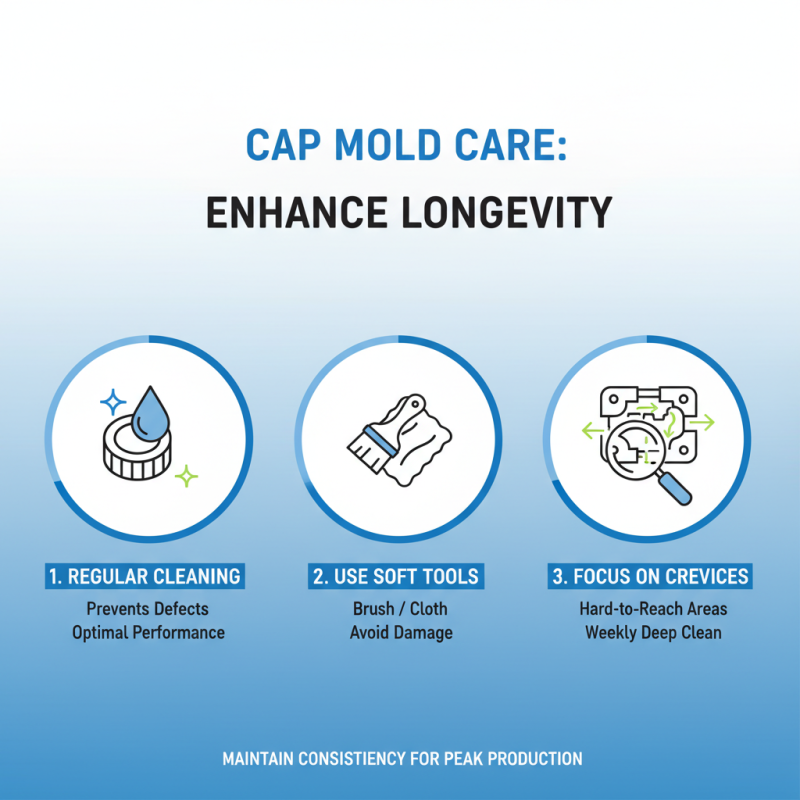
Maintaining cap molds is crucial for their longevity. Regular cleaning is essential. Dirt and residue can accumulate, leading to defects in production. Using a soft brush or cloth helps to remove particles without causing damage. Pay attention to hard-to-reach areas. A thorough clean at least once a week is recommended for optimal performance.
Temperature control is another vital aspect of maintenance. Extreme heat or cold can warp the molds. Store them in a climate-controlled environment to prevent such issues. Avoid sudden temperature changes, as they can create stress cracks. Also, inspect the molds regularly for any signs of wear or damage. Small cracks can lead to larger problems if not addressed promptly.
Lubrication of moving parts is necessary to ensure smooth operation. Using compliant oils can prevent rust and friction. Not all oils are suitable, so it’s important to check compatibility. Sometimes, less is more. Too much lubricant can attract dust and debris. Regular checks on the lubricant levels will help maintain functionality.
Essential Guide to Selecting the Right PET Bottle Screw Cap (29/25, 13.5g) for Your Packaging Needs
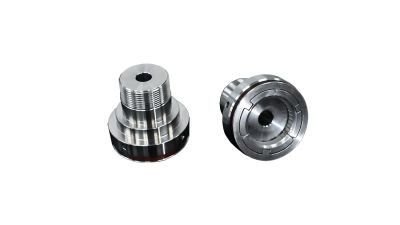
When selecting a PET bottle screw cap for your packaging needs, it's crucial to consider not only the technical specifications but also the performance and compatibility with your production system. The essential guide focuses on the 29/25 neck finish and a weight of 13.5g, tailored specifically for use with PET preforms. This design ensures a reliable sealing solution that maintains the integrity of your product, preventing leaks and ensuring consistent quality during bottling.
The screw cap's dimensions, Ø54*50.6, contribute to a secure fit that accommodates various bottling applications. One of the standout features of this cap is its smooth sliding mechanism, which is designed for seamless operation with Tech-Long capping machines. No matter how fast your production line runs, this cap locks in place securely without the risk of jamming. Such efficiency is vital for maintaining a smooth workflow, allowing your operations to scale without compromising on performance. By selecting the right PET bottle screw cap, you can enhance both the functionality and reliability of your packaging process.
FAQS
: There are single-cavity and multi-cavity molds. Single-cavity molds create one cap at a time. Multi-cavity molds produce several caps simultaneously.
They are ideal for custom designs or smaller production runs. However, production can be time-consuming.
Steel molds are durable and best for high-volume production. Aluminum molds are lighter and more cost-effective for short runs.
Molds should be cleaned at least once a week. Regular cleaning prevents defects in the production process.
Extreme temperatures can warp molds. Stress cracks may develop from sudden temperature changes.
Lubrication of moving parts prevents rust and friction. Too much lubricant can actually attract dust.
Regular inspections for wear and damage are vital. Small cracks should be addressed promptly to avoid further issues.
A soft brush or cloth is recommended for cleaning. Avoid harsh methods that may cause damage.
Yes, every manufacturer should assess their unique production needs. This decision impacts the choice of molds.
Neglecting maintenance can lead to defects and costly downtime. Reflect on the implications of poor care.
Conclusion
The article "Top Cap Molds for 2026 Buying Guide and Trends" provides a comprehensive examination of the significance of cap molds in manufacturing processes. It outlines various types of cap molds available in the market, emphasizing their crucial role in the production of high-quality caps. The guide highlights key features to consider when selecting cap molds, such as material durability and design efficiency, which are increasingly important for businesses looking to optimize their production.
Additionally, the article discusses emerging trends in cap mold design and technology that are expected to shape the industry in 2026. It includes a comparative analysis of popular cap mold brands and their offerings, while also emphasizing the importance of sustainability practices in both production and usage. Lastly, it provides valuable tips for the maintenance and care of cap molds, aimed at enhancing their longevity and ensuring effective performance in manufacturing applications.
 Chinese
 Email
Email Whatsapp
 WeChat