You know, these days, there's a real buzz around sustainable packaging, especially in the beverage world. Everyone’s talking about how important Csd Bottle Molds are for making eco-friendly bottles. I came across a report by Grand View Researchthat mentioned the global Pet Bottle market hit aroundUSD 24.4 billion back in 2020 — and it’s expected to keep growing at about 3% each year through 2028.
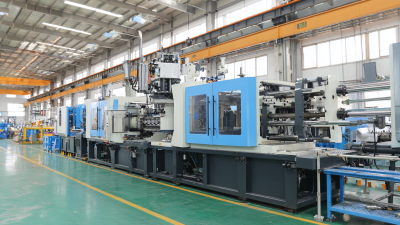
Places like Foshan Baijinyi Precision Technology, or BJY for short, are really stepping up here. They design and make top-notch PET liquid packaging molds, including those CSD Bottle Molds, that support the push for sustainability. As more folks want greener packaging options, it’s pretty clear that investing in cutting-edge mold technology isn’t just smart — it’s necessary.
What I really appreciate about BJY is their focus on precision and innovation. Not only does this improve the quality of the bottles, but it also helps cut down on packaging waste and environmental impact. All in all, they're helping the industry and consumers meet those rising expectations for a greener future.
The Role of CSD Bottle Molds in Eco-Friendly Packaging Design
Lately, there's been a ton of buzz about environmental sustainability, and it’s really pushing companies to get creative with packaging—especially in the drink world. You know those CSD (Carbonated Soft Drink) bottle molds? They’re kind of the unsung heroes in this whole eco-friendly packaging shift. Honestly, they’re not just about shaping bottles anymore; they’re a big part of designing smarter, greener packaging options. I read somewhere that by 2027, the global market for sustainable packaging could hit around half a trillion dollars—that’s a big deal! And it's growing at about 5.7% per year, so there’s definitely a hunger for cool designs that cut down their environmental impact but still do the job just fine.
These CSD molds really help out by making lighter, recyclable bottles. Did you know that shaving off just 10% of a plastic bottle’s weight can slash material use by 20%? That’s a huge difference — it means less carbon emitted during production and shipping. Plus, they’re enabling companies to experiment with bio-based and recycled materials, which is a big win for sustainability. As more brands jump on the eco-friendly bandwagon, these molds will keep leading the way in packaging innovation, helping the beverage industry meet both consumer expectations and environmental goals. It’s pretty exciting stuff, honestly.
Key Benefits of Using CSD Bottle Molds for Sustainable Production
Lately, there's been a real shift towards more sustainable packaging solutions — it’s pretty much become a necessity as industries try to keep up with environmental concerns. You know, CSD (Carbonated Soft Drink) bottle molds are actually playing a pretty big part in this whole move. They offer a bunch of benefits that help make things more eco-friendly. For example, a report from Smithers Pira mentioned that the global market for sustainable packaging might hit around $450 billion by 2027, mostly thanks to people wanting greener products.
What’s cool about CSD bottle molds is that they make it possible to produce lighter bottles. That means less material used and less energy needed during manufacturing, which is a win for the environment. Plus, if those molds are compatible with recycled plastics, you can save a lot of plastic waste. A study in the Journal of Cleaner Production even said that using recycled PET (rPET) in these molds can cut down the carbon footprint by as much as 30%. By switching up the molding techniques, manufacturers can craft bottles that look good, work well, and are easier to recycle — it’s all helping to create a more circular economy.
All in all, adopting these molds not only taps into what consumers are looking for — sustainable, eco-conscious products — but it also gives companies a bit of an edge in a market that's increasingly valuing environmental responsibility. It’s a smart move overall, really.
Understanding the Importance of CSD Bottle Molds in Sustainable Packaging Solutions - Key Benefits of Using CSD Bottle Molds for Sustainable Production
| Benefit | Description | Impact on Sustainability |
| Reduced Material Waste | CSD bottle molds allow for precise shaping, minimizing leftover plastic. | Lower environmental impact through less plastic waste. |
| Energy Efficiency | Design optimizations in molds lead to reduced energy consumption during production. | Contributes to lower carbon footprint in manufacturing. |
| Recyclability | CSD bottles can be made from 100% recyclable materials. | Supports a circular economy and reduces landfill waste. |
| Customizable Designs | Molds can be customized to fit various product needs. | Enhances product appeal while maintaining eco-friendliness. |
| Cost-Effectiveness | Initial investment in high-quality molds saves on long-term production costs. | Encourages businesses to adopt sustainable practices. |
Innovative Materials in CSD Bottle Mold Manufacturing
You know, these days, there’s a real shift happening in how they make molds for carbonated soft drink bottles. Instead of sticking with the usual plastics, companies are now exploring cool new materials that are better for the planet. I mean, biodegradable and recycled options are becoming more common, which is pretty awesome because it cuts down on environmental harm. Plus, these newer materials don’t just help the environment—they also make the molds stronger and more durable, capable of handling the high pressure from fizzy drinks. The best part? They have a smaller carbon footprint throughout their entire lifecycle.
When you're picking out these materials, it's a good idea to go for ones that are certified for both performance and sustainability. Do your research on where the materials come from and how they impact the environment—transparency from suppliers is a big plus. And, of course, think about what happens after the molds are done being used; if they can be recycled, that’s even better. It kind of keeps resources in circulation and reduces waste.
Bringing in advanced stuff like bioplastics and recycled PET really helps meet consumers’ growing demand for eco-friendly products. It’s also pushing manufacturers to keep on innovating, which is exciting to see. Overall, this shift isn’t just good for the planet — it makes a lot of sense for the industry too, aligning with global goals for sustainability and just making everything a bit greener and smarter.
Challenges and Solutions in Adopting CSD Bottle Molds
Lately, there's been a real shift in the beverage world towards more sustainable packaging, especially when it comes to those landscape CSD bottles we see everywhere. But let's be honest—jumping into new mold technology isn’t exactly a walk in the park. A recent report showed that almost 30% of beverage companies are feeling the pinch when it comes to the upfront costs and the complexity of rolling out these eco-friendly molds. Plus, figuring out how to work with all sorts of materials—like recycled plastics or bioplastics—just adds another layer of challenge to the whole process.
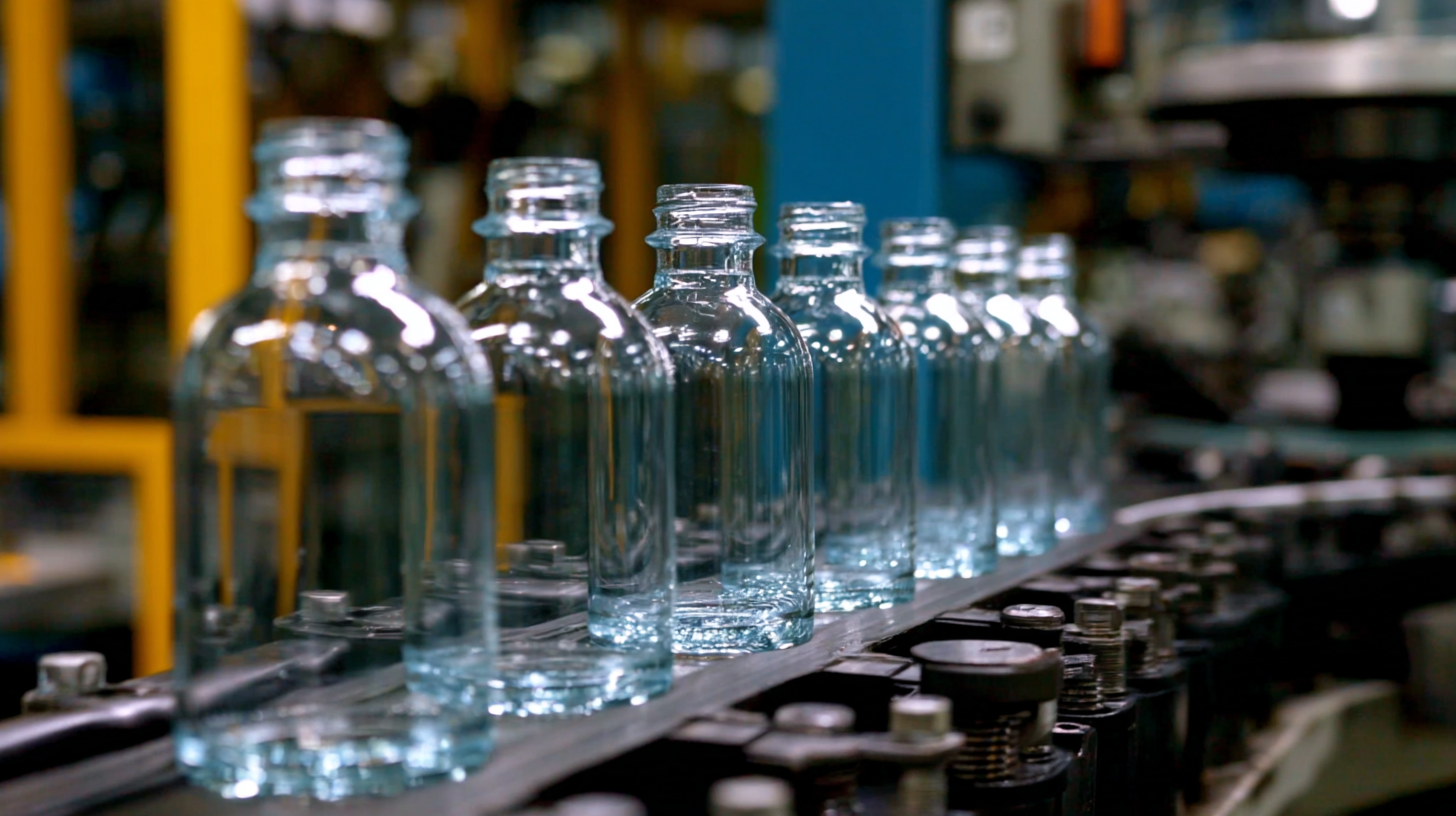
That said, there’s some exciting stuff happening on the innovation front. New breakthroughs in mold tech are making production faster and more efficient, which can actually help balance out those initial expenses. On top of that, a lot of companies are putting resources into training their staff, so everyone’s up to speed on handling these new systems—they’re not just throwing stuff at the wall and hoping it sticks!
Pro tip: It might be worth teaming up with specialized mold makers who really know their stuff—they can offer valuable advice and support as you navigate this transition. Also, considering research into the long-term perks of sustainability investments can help justify the initial costs of upgrading molds. Once you get a handle on these hurdles and actively look for solutions, your company can really lead the charge in smarter, greener packaging strategies.
Best Practices for Optimizing CSD Bottle Mold Efficiency
You know, when it comes to making carbonated soft drink bottles, the molds we use really make a big difference—not just in how much it costs to produce, but also when it comes to being kind to the environment. Smarter design and better maintenance of these molds can cut down on waste and even extend how long the packaging solutions last. I was reading this report called 'Packaging Sustainability: The Role of Design' by Smithers Pira, and it mentioned that tweaking mold design could reduce material use by up to 20%. That’s a huge help in lowering the carbon footprint of the whole manufacturing process, which is pretty much in line with global efforts to be greener.
To get it just right, manufacturers really need to stick to good practices like regular mold check-ups and thorough quality control. Keeping the molds in good shape can really pay off—some studies even say that routine maintenance can boost production efficiency by as much as 30%. Plus, using fancy CAD software to design molds can lead to tighter precision, less errors, and less wasted material.
**Pro tip:** Make sure to keep a close eye on mold wear and tear — this way, you can catch potential issues early and do preventive maintenance. Also, if possible, set up a system to recycle those batches that didn’t quite meet standards. Not only does this help with efficiency, but it also supports that whole circular economy thing we’re all trying to promote. Oh, and don’t forget to stay updated with the latest in mold-making tech — new materials and methods can really push sustainability and cost savings even further.
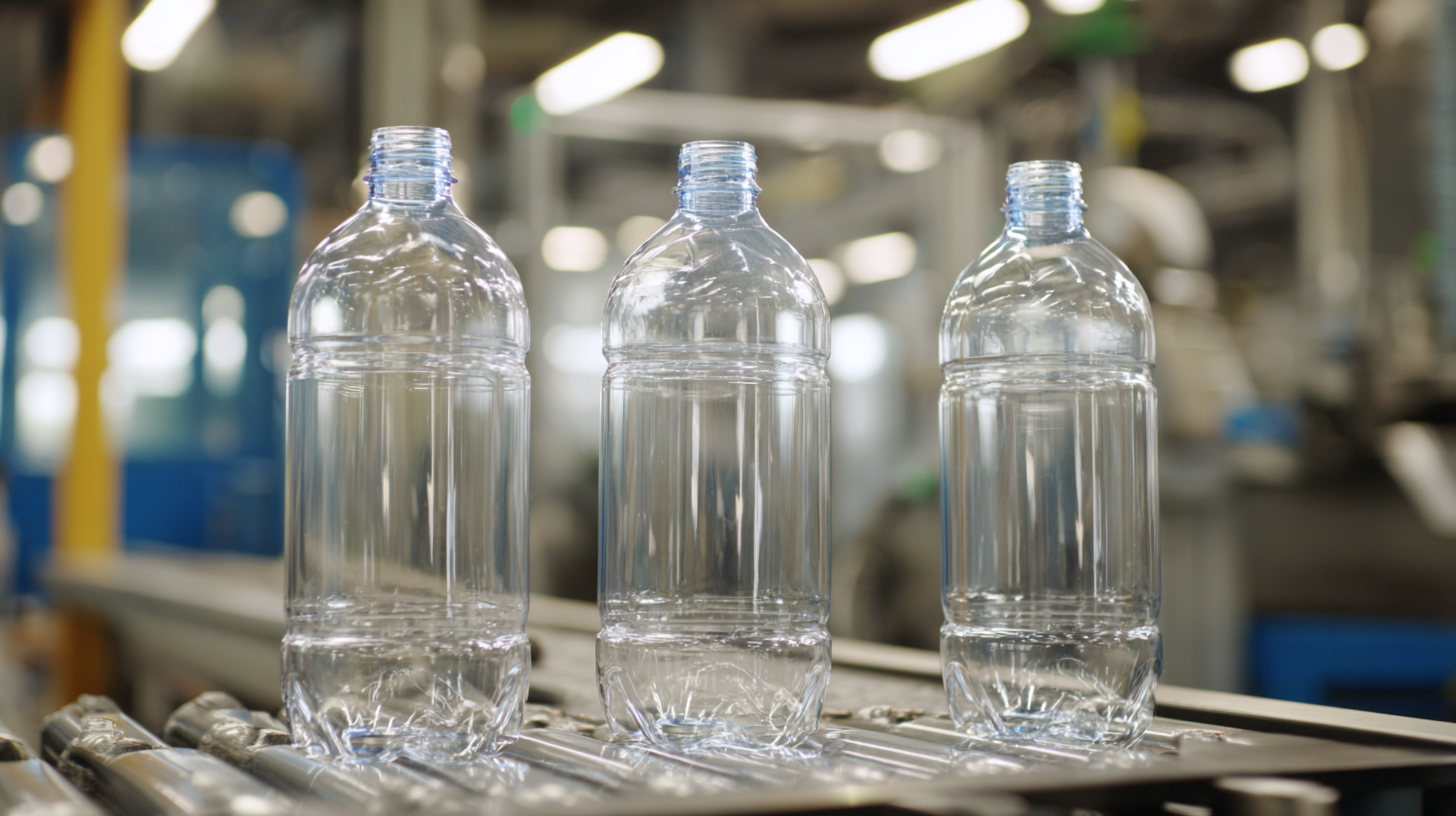
Future Trends in CSD Bottle Molds and Sustainable Packaging Practices
Looking ahead, the future of CSD (carbonated soft drink) bottle molds pretty much depends on how much we’re pushing for more sustainable packaging. I came across a report from Smithers Pira that projects the global sustainable packaging market hitting a whopping $1.2 trillion by 2027 — all thanks to consumers really starting to care about eco-friendly options. Because of that, brands are feeling the pressure to get creative, designing bottle molds that use less material and embrace recyclable or biodegradable options.
One cool trend that's popping up is super lightweight bottle designs. Thanks to these new designs, manufacturers are cutting plastic use by around 20 to 30% per bottle. Not only does this save costs, but it also means a smaller carbon footprint when you factor in transportation and production. Plus, new injection molding tech is making it possible to create more complex bottle shapes that work better and still use fewer resources. As companies shift towards more sustainable molds, integrating bio-based plastics and recycled materials from post-consumer waste is becoming a real possibility — a way to embrace the circular economy in packaging, you know? All in all, evolving CSD bottle molds are a crucial part of brands that are serious about aligning with sustainability goals while still meeting what consumers want — responsible and eco-friendly packaging that doesn’t sacrifice style or function.
Global Market Insights on 500ML Blowing Mold: Trends, Demand Forecast, and Innovations in the Packaging Industry
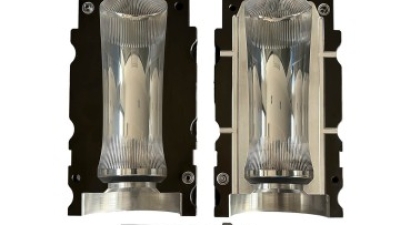
The global market for 500ml blowing molds is witnessing a shift towards enhanced efficiency and sustainability, reflecting broader trends in the packaging industry. As companies increasingly prioritize eco-friendly solutions, innovative blowing mold designs—such as those featuring a modular split structure—are becoming essential. These molds ensure compatibility with leading blow molding equipment, a crucial aspect considering that the industry anticipates a significant growth in demand for standard-capacity bottles, particularly in the food and beverage, household chemicals, and pharmaceutical sectors.
Data from industry reports indicate that the adoption of high-precision cavity designs and multi-cavity simultaneous molding technology can yield significant improvements in production processes. For instance, these technologies are instrumental in achieving uniform wall thickness and verticality, crucial factors for ensuring optimal bottle sealing performance and pressure resistance. Additionally, such advancements enable rapid heat conduction during the molding process, which not only shortens production cycles but also reduces energy consumption and materials waste. This is particularly vital as manufacturers strive to align with green, low-carbon production goals.
As the packaging industry evolves, the demand forecast for 500ml blowing molds relies heavily on these innovations. The integration of smart manufacturing practices and energy-efficient technologies will likely set the stage for future growth, enabling companies to meet consumer demands while adhering to stringent sustainability targets. Reports highlight that these developments are reshaping production capabilities, ensuring that manufacturers are well-equipped to compete in a fast-paced market.
FAQS
: Beverage companies struggle with initial costs and complexity of new mold technologies that meet sustainability standards, as well as accommodating a variety of materials like recycled plastics and bioplastics.
Advancements in mold technology can improve efficiency and production speed, which may offset the initial investment costs associated with new molds.
Investing in training and development programs for the workforce helps employees better handle the complexities of new mold systems, facilitating a smoother transition.
Best practices include regular maintenance of molds, rigorous quality control processes, and utilizing advanced CAD software for accurate mold design.
Improved mold design can reduce material usage by up to 20%, which helps minimize the overall carbon footprint of the manufacturing process.
Routine maintenance can significantly increase mold lifespan and improve production efficiency by as much as 30%.
Implementing a closed-loop system for recycling inferior product batches not only improves efficiency but also supports a circular economy approach in packaging.
Keeping abreast of advancements in mold-making materials can lead to further improvements in both sustainability and cost-efficiency in production processes.
Companies should invest in research to assess the long-term benefits of sustainability, which can help finance the initial costs associated with adopting new molds.
Partnerships with specialized mold manufacturers can provide valuable insights and support throughout the transition to new mold technologies.
Conclusion
CSD bottle molds are pretty important when it comes to creating more sustainable packaging options. They’re the key to designing and manufacturing eco-friendly beverage bottles that are better for the planet. By using some pretty advanced manufacturing techniques and innovative materials, companies can really streamline their processes—cutting down on waste and using resources more efficiently. Making the switch to CSD bottle molds isn’t just good for sustainability, though; it also means lower energy bills and products that last longer on shelves.
Now, I won’t pretend it’s all smooth sailing—adopting these molds can be tricky at first, especially with those upfront costs and the need for skilled workers. But with the right practices in place, those hurdles can definitely be overcome. As the industry keeps evolving, it looks like sustainability is going to become even more of a focus, making CSD bottle molds all the more essential for greener production methods. Here at Foshan Baijinyi Precision Technology Co., Ltd., we’re all about pushing these eco-friendly solutions forward with our state-of-the-art PET liquid packaging molds.
 Chinese
 Email
Email Whatsapp
 WeChat