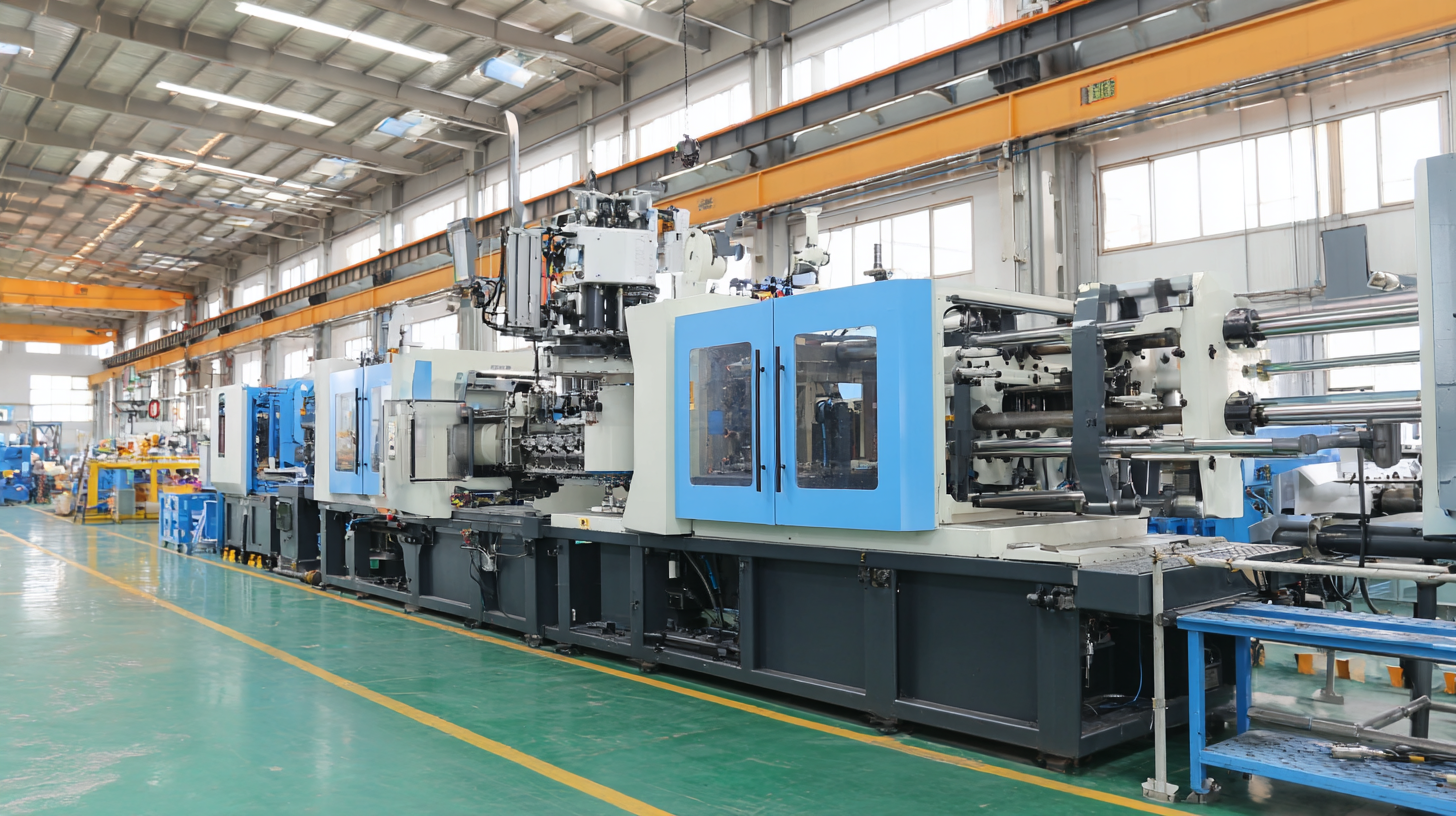
You know how fast the beverage industry moves, right? Well, it turns out that how efficiently companies produce their products can seriously affect their profits and how competitive they stay in the market. A recent report has revealed that the global market for Blow Moulders is expected to grow quite a bit, thanks to our ever-increasing demand for lighter and more sustainable packaging solutions.
Companies like Foshan Baijinyi Precision Technology Co., Ltd. (BJY) are getting in on the action, focusing on designing and manufacturing advanced PET liquid packaging molds. These include things like blow moulders, PET Injection Molds, and compression capping molds. They're pretty vital for ramping up production efficiency!
By embracing cutting-edge technologies and refining their design processes, businesses can really boost their operational capabilities and cater to what customers are looking for nowadays.
This guide is here to dig into some solid strategies for finding the right blow moulders that can help you amp up your production efficiency and keep your products ahead of the game!
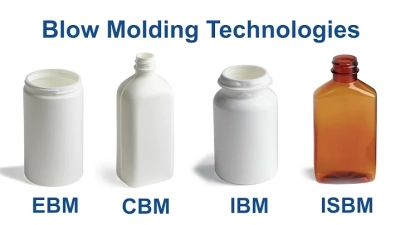
Understanding the Different Types of Blow Moulding Processes and Their Applications
You know, blow moulding is quite a nifty manufacturing technique that's mainly used for making hollow plastic parts. The two big players in the blow moulding world are extrusion blow moulding and injection blow moulding. Each one has its own purpose and shines in different areas. So, there's this report from MarketsandMarkets that predicts the global blow moulding market will hit around USD 20.16 billion by 2023. It seems like everyone's looking for lightweight packaging solutions, especially in the food and beverage, personal care, and pharmaceutical industries, which is driving that demand.
Now, when it comes to extrusion blow moulding, it's perfect for making large containers like barrels and tanks. It's pretty cost-effective and really quick for those high-volume production runs. On the flip side, injection blow moulding is where the magic happens for smaller, more precise items like bottles and jars. It gives you a fantastic surface finish and great dimensional accuracy. This method is actually picking up steam, with a projected growth rate of about 4.9% from 2018 to 2023, as manufacturers really focus on quality these days. So, getting to grips with these processes and what they each bring to the table can really help companies boost their efficiency and keep up with the changing market demands.
Key Features of Various Blow Moulders: A Comparison for Improved Efficiency
When you're scoping out blow moulders for your production line, it's super important to get a feel for the key features of different models. You know, the blow moulding market is set to grow at about 5.3% every year until 2025, according to a report from Smithers Pira. This really highlights how manufacturers need to get on board with advanced machinery to amp up their production game. So, what should you be looking at? Well, cycle time, energy consumption, and how automated the machines are really matter. Take modern servo-driven blow moulders, for example—they can shave off cycle times by as much as 20%, which means you can crank out more products without skimping on quality.
Plus, the versatility of blow moulders is a major factor in boosting production efficiency. A lot of these machines now feature multi-cavity designs, letting you produce several items in one go. There’s a study by Plastics Technology that shows manufacturers using these multi-cavity blow moulders managed to increase their production volume by 30%, all while cutting down on material waste. And let’s not forget about real-time monitoring systems—these nifty features allow you to make quick tweaks to your production process, helping to reduce downtime and keep everything running smoothly. By taking a good look at these characteristics, businesses can choose blow moulders that not only ramp up efficiency but also save a ton of money in the long run.
Selecting the Right Blow Moulder: Factors to Consider for Specific Products
Choosing the right blow moulder for your production needs can feel a bit overwhelming, but it’s super important to get it right! First off, you really need to get a grip on the specific types of products you want to make. Not all blow moulders are created equal—some are better for big containers, while others are perfect for those fancy, intricate shapes or specialized stuff. For example, if you’re mainly cranking out standard bottles in large quantities, a linear blow moulder could be just the ticket. But if your thing is to create those complex designs, you might wanna look at a rotary system instead.
And hey, don’t forget about the quality and consistency of the moulding process! Things like how long each cycle takes, how much energy it uses, and even how much maintenance it needs can really crank up or down your production efficiency and costs, you know? So, keep an eye out for models that give you precise temperature control and some snazzy automated features—they can really boost your output quality and cut down on downtime. In the end, picking a blow moulder that fits your unique product needs will not only help streamline your production but could also give you that leg up over the competition. Who doesn't want that?
Innovative Blow Moulding Alternatives: Enhancements in Material and Design
You know, blow moulding is really changing these days! There’s a lot happening with new materials and design ideas that are boosting how well things are made. Traditional techniques are still around, but they're getting some serious upgrades. These fresh methods not only make the manufacturing process smoother but also help cut down on waste, which is a win for sustainability. 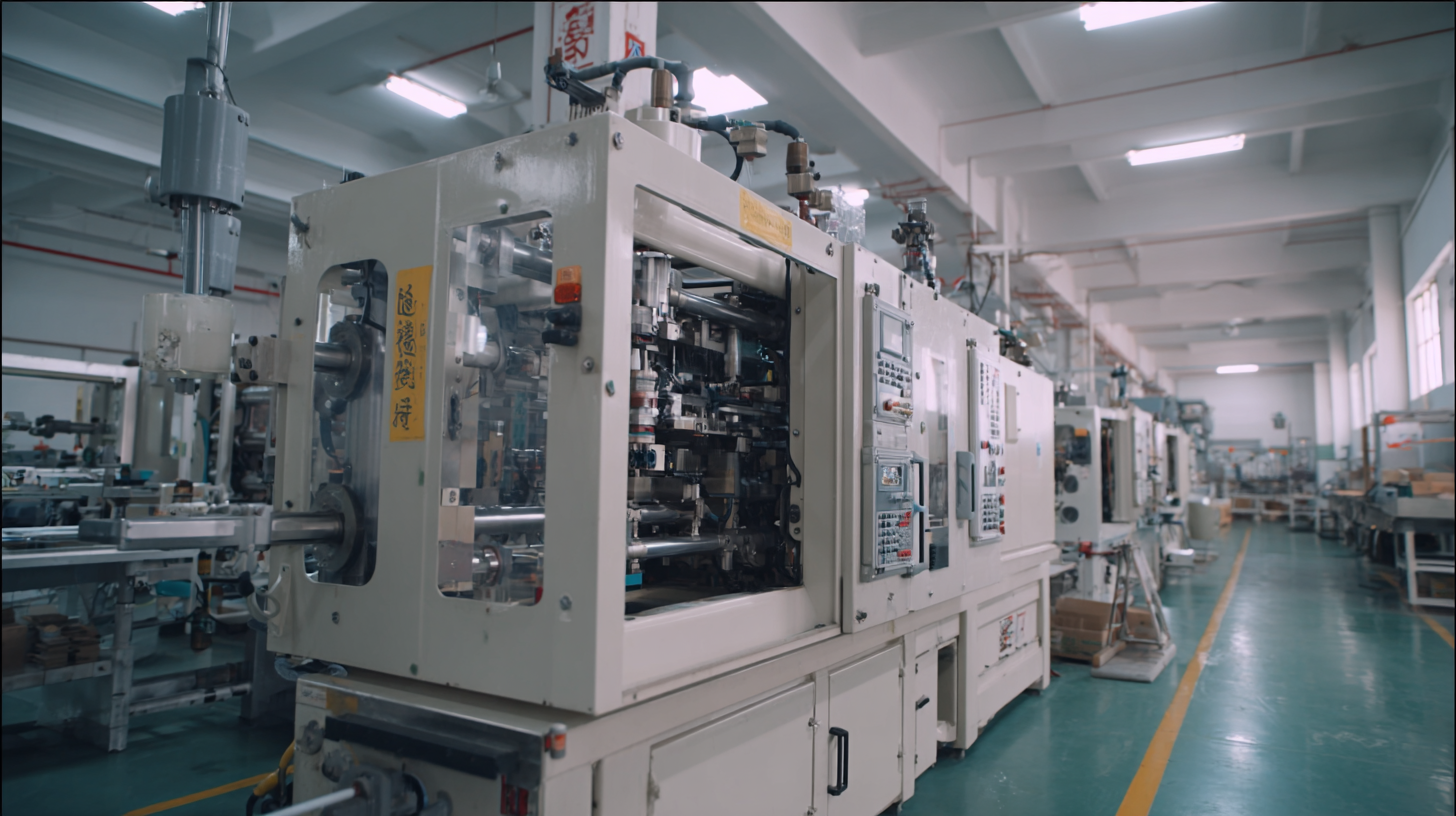 We're seeing more and more manufacturers using cool materials like biodegradable plastics and lightweight composites. It’s great because they can create eco-friendly products without skimping on strength or durability.
And get this—the way we design things is really taking a turn for the better too! Thanks to 3D printing and fancy computer-aided design (CAD) software, engineers can now whip up moulds that are way more complex and efficient. This means they can crank out products faster while also being able to create intricate shapes that were tough to pull off before. It’s pretty exciting, right? As companies jump on these innovative blow moulding methods, they’re really placing themselves at the cutting edge of their industries, all set to meet what consumers want while making their production process even better.
Evaluating Cost-effectiveness: Investing in the Best Blow Moulding Solutions
When you're choosing blow moulding solutions, you really want to keep cost in mind—especially if you’re a manufacturer aiming to boost your production efficiency. A report from MarketsandMarkets actually predicts that the blow moulding market is gonna hit about $11.69 billion by 2026. Pretty impressive, right? This growth is mainly fueled by tech advancements and a rising demand in areas like packaging and automotive. If you invest in decent blow moulders, you could save quite a bit in the long run. It’s all about cutting down on material waste and making your production lines smoother.
Plus, there’s this study from Technavio that points out how using energy-efficient blow moulding machines can slash energy usage by up to 30%! Not only does this help to cut operational costs, but it also supports those global sustainability goals we keep hearing about. That's a smart move for companies that are serious about going green. By weighing the initial costs against long-term savings, businesses can really make decisions that help both their bottom line and their production abilities.
Solutions for Sourcing the Best Blow Moulders: Elevate Your Production Efficiency
| Model | Production Capacity (units/hr) | Power Consumption (kW) | Material Compatibility | Cost (USD) | Warranty (years) |
| Model A | 1200 | 15 | HDPE, LDPE | 250,000 | 2 |
| Model B | 950 | 12 | PP, PET | 230,000 | 3 |
| Model C | 1500 | 18 | PVC, PS | 300,000 | 5 |
| Model D | 800 | 10 | HDPE | 200,000 | 2 |
Future Trends in Blow Moulding Technology: Preparing for Industry Changes
You know, the blow moulding industry is really gearing up for some big changes, thanks to new tech and shifting customer needs. Companies like Foshan Baijinyi Precision Technology Co., Ltd. (BJY) are leading the charge, focusing on the design and production of top-notch PET liquid packaging molds. With more and more folks showing a preference for sustainable and efficient packaging, it's become super important for manufacturers to jump on board with innovative blow moulding technologies that help streamline production and cut down on waste.
What’s particularly exciting is how automation and smart manufacturing are being woven into blow moulding operations. This shift is likely going to change the game, setting new industry standards. By utilizing data analytics and the Internet of Things (IoT), producers can optimize their workflows, boost product quality, and reduce downtime—pretty cool, right? BJY keeps pushing the envelope by investing in state-of-the-art mould technology, and their commitment to efficiency in production means they’re really well-equipped to tackle whatever challenges the future of blow moulding brings. By embracing these emerging trends, they’re not just improving production capabilities, but also positioning themselves to really shine in a competitive market.
 Chinese
 Email
Email Whatsapp
 WeChat