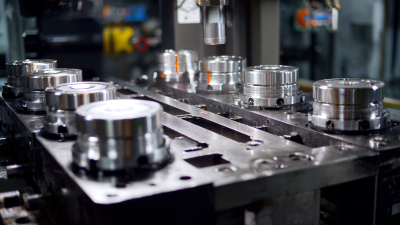
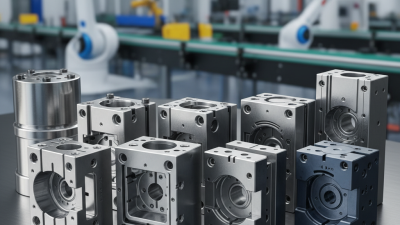
Hey, have you heard? The global plastic packaging market is projected to hit around $500 billion by 2025. A big part of that growth is thanks to the increasing demand for more sustainable and efficient options. And you know what? Cap molds are actually at the heart of this boom. Companies like Husky Injection Molding Systems have pointed out that using advanced cap molds can slash production costs by up to 30%. That’s a pretty big deal for manufacturers trying to streamline their processes and meet those sustainability targets.
In an industry where speed and efficiency are everything, cap molds need to keep up and keep evolving. Sure, improving materials and designs can make products last longer and better, but surprisingly, a lot of companies still cling to outdated methods. There’s definitely a lot of potential in switching to precision Pet Bottle Molds. They can really boost the quality of the final product, all while cutting down on waste.
Of course, with all these perks come some hurdles. Upgrading to newer, more modern mold tech can require pretty hefty initial investments, and I get it—no one wants to fork out extra cash if they’re not sure it’ll pay off. But thinking about these decisions carefully is crucial if a business wants to stay ahead in the game. Finding that sweet spot between saving money and ramping up efficiency could really set industry leaders apart from the rest.

Top Cap Molds: An Overview of Industry Standards and Technologies
In the world of plastic manufacturing, cap molds play a pivotal role in production efficiency. Advanced technologies have emerged to streamline the molding process. According to a recent industry report, companies that adopt state-of-the-art molding techniques can reduce production time by up to 30%. This reduction can significantly cut costs, leading to increased profit margins. However, the initial investment in high-quality molds can be substantial.
Understanding industry standards is essential. Many manufacturers aim for a balance between quality and cost. Mold materials greatly influence product durability. High-grade steel or aluminum molds can withstand wear better than lower-quality alternatives. As a guideline, the U.S. Plastics Industry Association recommends periodic assessments of mold condition. Regular evaluations can prevent costly breakdowns and ensure consistency.
Despite advancements, challenges remain. Not all manufacturers have access to the latest technologies. Smaller firms may struggle with high initial costs. Furthermore, knowledge gaps can hinder effective mold maintenance. Proper training in mold handling is crucial for maximizing lifespan. Overlooking these factors could lead to inefficiencies and missed opportunities in production.
Key Factors in Selecting Top Cap Molds for Enhanced Efficiency
Selecting the right top cap molds is critical for enhancing production efficiency. Efficiency impacts overall costs and output quality. A recent industry report indicates that choosing molds specifically designed for your production line can reduce cycle times by up to 30%. This can directly translate to significant cost savings, especially in high-volume environments.
Key factors to consider include mold material, design complexity, and production compatibility. Stainless steel molds may offer durability, but they are often heavier and more expensive. However, lightweight aluminum molds can accelerate production processes. It's vital to assess the lifespan of molds. Some may last longer, while others need frequent replacement. Data shows that using high-quality molds can improve product consistency, which is crucial for maintaining market standards.
Additionally, reflect on the design of Bottle Molds. Complex designs might require longer production times and increase maintenance. Balancing efficiency with design is essential. An efficient mold can enhance mold release properties, minimizing defects. To truly optimize production, companies must weigh these factors carefully. Each decision influences not just output but overall profitability.
Material Choices: Impact on Cost and Production Rates in Molds
Material selection plays a significant role in mold production. Choosing the right materials impacts both cost and efficiency. For instance, high-quality steel molds can withstand high temperatures and pressures, leading to longer tool life. According to industry reports, steel molds can yield a 40% longer lifespan than aluminum counterparts, although they come with a higher initial investment.
An important consideration is the balance between upfront costs and long-term expenses. While aluminum molds are cheaper and can be manufactured quickly, they often require more frequent replacements, driving up costs over time. It's essential to evaluate production volume and needed longevity when making a decision. For high-volume production, a robust steel mold may be more cost-effective in the long run.
Tips: When selecting materials, consider both the initial investment and operational longevity. Also, examine production rates closely; slower production may increase labor costs. Finally, always factor in the potential for unforeseen repairs or replacements. This balance of material costs and production efficiency is crucial for optimizing overall profitability in mold manufacturing.
Process Optimization: Strategies for Effective Production Cycles
Optimizing production processes is crucial for companies aiming to enhance efficiency and reduce costs. Effective production cycles require a deep understanding of the tools and techniques involved. One key aspect is the choice of cap molds. High-quality molds can significantly lower production time and waste, ultimately leading to cost savings.
Tips for selection include assessing the material compatibility of the cap molds. For example, Sipa Molds are designed with various materials in mind, which streamline the production process. Make sure to analyze the durability and technology behind the molds. Skimping on these factors can lead to longer downtimes, affecting overall efficiency.
Another area to focus on is the design and specification of the molds. Ensure that your team is well-versed in the latest technologies. This knowledge allows for fine-tuning the mold designs, which can lead to fewer errors. It’s essential to regularly review production metrics. Are there recurring issues? Identifying patterns can help refine your processes further.
Cost Analysis: Evaluating the Return on Investment for Molds
When evaluating the return on investment for cap molds, cost efficiency is crucial. A study from the Plastic Industry Association shows that optimizing mold designs can lead to production savings of 15-30%. This insight is vital for manufacturers aiming for cost-effective operations. Investing in high-quality Blow Molds may result in higher upfront costs. However, the longevity and efficiency can greatly enhance production rates, ultimately yielding savings over time.
In addition to upfront costs, maintenance must be considered. According to research by the American Society of Mechanical Engineers, proper maintenance of molds can reduce repair costs by 25%. Ensuring molds are serviced regularly prevents costly downtime. Yet, many organizations overlook this aspect, leading to unexpected expenses.
Flexibility in mold design also plays a role in cost analysis. Molds that permit adjustments can accommodate different products, improving versatility. This capability might initially seem unnecessary, but it can adapt to market changes. “The upfront expense may limit some companies,” notes the Industry Insight Report, emphasizing the importance of flexible production tools in today’s dynamic market. Investing in robust Blow Molds and considering all associated costs can lead to significant long-term advantages.
Trends in Mold Design: Innovations and Their Economic Benefits
Innovations in mold design have significantly transformed production efficiency. Recent reports indicate that companies adopting advanced mold technologies can reduce production cycles by up to 30%. These improvements are essential in the highly competitive market, where cost reductions directly impact profit margins.
One notable trend is the development of Pet Blowing molds that facilitate rapid production. New materials and designs reduce weight, leading to more efficient energy usage. Data suggests that companies utilizing lighter molds experience up to 15% lower operational costs. However, transitioning to these innovative molds often comes with initial investment concerns. Manufacturers must weigh the upfront costs against potential long-term savings.
The economic benefits of innovative molds do not come without challenges. Some manufacturers face difficulties integrating new designs with existing production lines. This can lead to temporary slowdowns and increased training costs. Nonetheless, the potential for improved efficiency and cost savings often outweighs these initial hurdles. Proper assessment and planning can enable smoother transitions, setting the stage for a more sustainable production future.
Case Studies: Successful Implementation of Top Cap Molds in Industry
In today's manufacturing landscape, top cap molds are streamlining production while reducing costs. Case studies illustrate how industries like beverage and cosmetics leverage these molds effectively. A recent report by Grand View Research indicates that mold manufacturing could grow by 5% annually through 2028, highlighting a trend towards efficiency.
One case study involved a beverage company that adopted top cap molds, enhancing their production speed by 30%. They reported significant savings in material costs too. Furthermore, a chemical analysis showed fewer defects, leading to lower waste rates. This adaptability proves that top cap molds not only boost efficiency but also improve product quality.
Tips for success include selecting the right materials for your molds. Use durable options to extend lifespan and reduce replacement costs. Additionally, invest in training your staff on the latest techniques. Continuous improvement is essential in this competitive space. Regularly assess your processes to ensure they meet evolving industry standards.
FAQS
: Cap molds significantly enhance production efficiency by streamlining the molding process and reducing production time by up to 30%.
High-grade steel and aluminum are commonly used. Steel molds have a longer lifespan but higher upfront costs.
Understanding standards helps manufacturers balance quality and cost while maintaining product durability and consistency.
Regular assessments of mold condition are essential to prevent costly breakdowns and ensure consistent production quality.
Smaller firms may struggle with high initial costs and often lack access to the latest technologies and knowledge.
Material selection impacts both initial investment and long-term costs. Steel molds may be cost-effective over time despite higher initial expenses.
Proper training in mold handling is crucial. Neglecting this can shorten lifespan and lead to inefficient production processes.
Aluminum molds are cheaper initially but often require more frequent replacements, which can raise costs in the long run.
Slower production rates may increase labor costs, making it essential to evaluate both efficiency and material choice.
Consider initial investment, operational longevity, and the potential for unforeseeable repairs or replacements when choosing materials.
Conclusion
The article "Top Cap Molds for Efficient Production and Cost Savings" delves into the critical aspects of cap molds, emphasizing industry standards and the latest technologies that enhance production efficiency. It outlines key factors to consider when selecting cap molds, including material choices that significantly impact both cost and production rates. Strategies for process optimization are also discussed, highlighting methods to streamline production cycles for better outcomes.
Furthermore, the article presents a comprehensive cost analysis to evaluate the return on investment associated with cap molds, alongside emerging trends in mold design that introduce innovative features with economic benefits. To illustrate the effectiveness of these approaches, the article shares case studies showcasing successful implementations in various industries, underscoring the potential of top cap molds to drive efficiency and savings in manufacturing processes.
 Chinese
 Email
Email Whatsapp
 WeChat