In the busy world of packaging manufacturing, finding ways to optimize the Stretch Blow Moulding process has really become a crucial factor if companies want to boost their efficiency and get more done. I recently read what Dr. James Thompson, a pretty well-known expert in this field, said—he mentioned that, "Efficient Stretch Blow Moulding doesn't just cut down on waste, but it also speeds things up considerably, which is a huge deal for companies trying to stay competitive." His words highlight how important it is to stay on top of the latest techniques and innovations that can make the whole process smoother.
You’ll find that Stretch Blow Moulding is pretty much the go-to method for making plastic containers, especially in the beverage and food industries. And with everyone talking about sustainable packaging these days, manufacturers are more eager than ever to fine-tune their methods. This isn’t just about picking the right materials or tweaking machine settings—it’s also about bringing automation and data analytics into the mix, so they can keep an eye on production and make improvements on the fly. By adopting these strategies, companies can cut costs and also meet the rising consumer demand for higher quality and eco-friendliness.
Adapting to the ever-changing market isn’t a walk in the park, but focusing on efficiency and constant innovation in production methods really helps businesses stay ahead of the game. Ultimately, it’s all about improving competitiveness and working toward a more sustainable future in packaging. It’s exciting, but yeah, it’s a lot to keep up with!
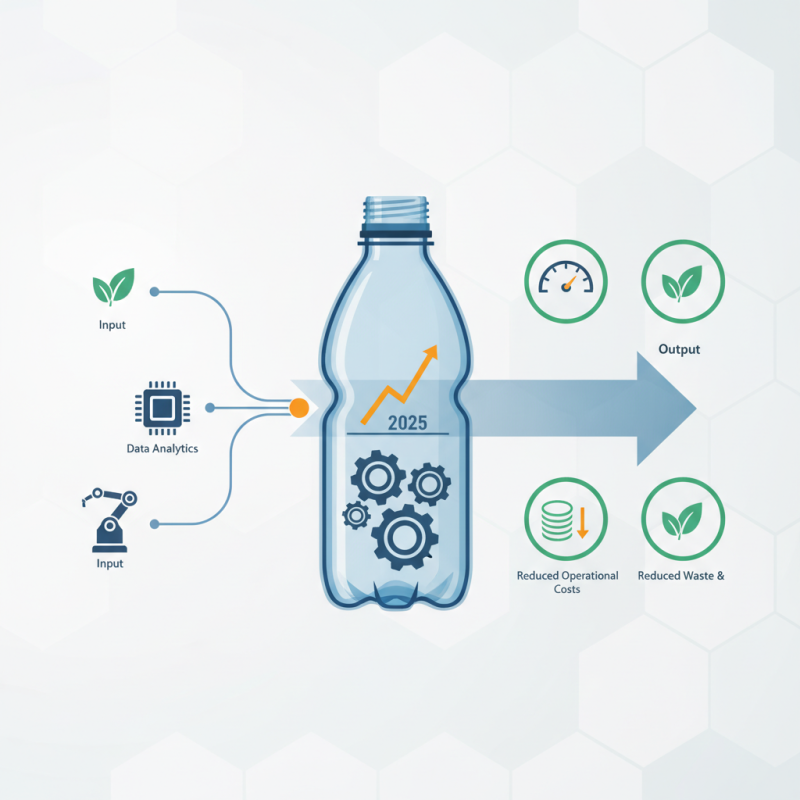
Understanding Stretch Blow Moulding: An Overview of the Process
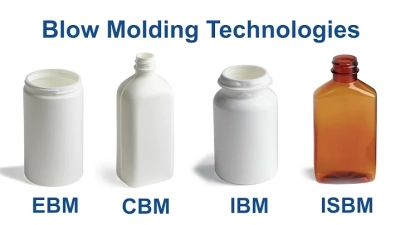
Stretch blow moulding is a widely used manufacturing process that enables the production of lightweight and durableplastic containers, primarily for the beverage industry. The process begins with the formation of a Preform that is typically molded fromPET (polyethylene terephthalate). This preform, which resembles a test tube, is then heated and placed in a stretch blow moulding machine. The machine stretches the preform both axially and radially, using a combination of air pressure and mechanical stretching to form the final shape.
During the blowing process, the preform is heated to a temperature that allows it to be pliable. Once the preform is in the mould, high-pressure air is introduced, causing it to expand and conform to the contours of the mould. This dual stretching not only enhances the material properties of the final product, making it more resilient, but also improves the clarity of the finished container.
The effectiveness of the stretch blow moulding process is influenced by several factors, including the temperature of the preform, the speed of the stretching and blowing actions, and the design of the mould itself, all of which contribute to the efficiency and quality of the production process.
Key Variables Affecting Efficiency in Blow Moulding Operations
The efficiency of stretch blow moulding operations is influenced by several key variables that can significantly impact production rates and product quality. One of the primary factors is the preform temperature, which must be meticulously controlled to ensure optimal stretching during the blow moulding process. If the preform is too cold, it can lead to inadequate stretching, resulting in weak product walls and an increased likelihood of defects. Conversely, if the preform is too hot, it may cause excessive thinning and material wastage. Achieving an ideal temperature range is crucial for optimizing the overall efficiency and quality of the final product.
Another critical variable is the air pressure used during the blowing phase. Proper manipulation of air pressure ensures that the preform expands uniformly within the mould, which enhances the final product's structural integrity. Over-pressurizing can cause blowout defects, while under-pressurizing may lead to inconsistent wall thickness. Additionally, the speed at which the blowing occurs needs to be finely tuned—too fast can lead to premature solidification, whereas too slow can slow down production rates and efficiency. Furthermore, the design of the mould itself plays a role, as intricate designs may require more energy and time to produce, thereby affecting overall operational efficiency. Exploring and adjusting these variables can lead to significant improvements in the stretch blow moulding process.
2025 How to Optimize Stretch Blow Moulding Process for Higher Efficiency
| Variable | Description | Impact on Efficiency | Optimization Strategies |
| Temperature Control | Maintaining optimal preform temperature | Higher temperature can reduce cycle time | Regular calibration & monitoring |
| Blow Pressure | Pressure applied during blowing phase | Optimizing pressure can enhance material distribution | Pressure testing and adjustments |
| Cycle Time | Total time for one complete blowing cycle | Long cycle times lead to lower output | Streamline processes & reduce idle times |
| Material Selection | Type of polymer used for preforms | Influences strength and lightweight properties | Choose materials based on end-use requirements |
| Machine Maintenance | Regular servicing and upkeep of machines | Decreases downtime and improves performance | Schedule routine maintenance checks |
Optimization Techniques for Preform Heating in Stretch Blow Moulding
The efficiency of the stretch blow moulding process heavily relies on the proper heating of preforms, as inadequate heating can lead to defects in the final product and increased energy consumption. One of the most effective optimization techniques is the use of advanced infrared heating systems. These systems can be finely tuned to heat the preforms uniformly, ensuring that the temperature gradient is minimized. By controlling the wavelength of the infrared radiation and adjusting the distance between the heating elements and the preforms, manufacturers can achieve a precise and consistent heating process, which is crucial for enhancing the material's stretchability and improving the overall quality of the blow-moulded containers.
Another vital aspect of optimizing preform heating involves the introduction of predictive analytics and real-time monitoring systems. By integrating sensors that track the heating process, companies can gather data on temperature distribution and adjust parameters on the fly to maintain optimal conditions. This data-driven approach not only helps in identifying potential issues before they manifest but also allows for adjustments in the production cycle to enhance throughput. Furthermore, utilizing energy-efficient technologies, such as heat recovery systems, can significantly reduce waste, leading to a more sustainable and cost-effective manufacturing process.
Innovative Mold Design Strategies for Enhanced Production Efficiency
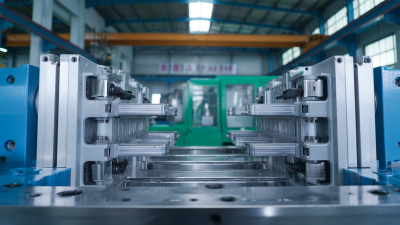
Innovative mold design strategies play a crucial role in optimizing the stretch blow molding process for enhanced production efficiency. One effective approach is the integration of advanced simulation software during the design phase. By utilizing simulations, manufacturers can predict how plastic will behave in the mold, allowing for precise adjustments to the mold geometry. This not only minimizes material waste but also ensures uniform distribution of the plastic, leading to stronger and lighter products.
Another strategy focuses on modular mold designs that allow for rapid interchangeability. By creating molds that can easily be modified or assembled, production facilities can quickly adapt to different product shapes or sizes without extensive downtime. This flexibility directly contributes to maintaining consistent production schedules, enabling manufacturers to respond swiftly to market demand changes while reducing labor costs associated with retooling. By leveraging these innovative mold designs, businesses can substantially boost their efficiency levels, ultimately resulting in a more competitive edge in the market.
Optimization of Stretch Blow Moulding Process for Higher Efficiency
This chart illustrates the impact of various innovative mold design strategies on the production efficiency of the stretch blow moulding process. The data shows the percentage increase in production efficiency over a period of time with the implementation of different strategies.
Real-Time Monitoring Systems: Improving Quality Control in Moulding
In the quest for higher efficiency in the stretch blow moulding process, the integration of real-time monitoring systems has emerged as a crucial component. These systems provide continuous oversight of critical parameters such as temperature, pressure, and material flow, allowing for immediate adjustments that enhance product quality. By adopting these technologies, manufacturers can not only expedite production cycles but also minimize the likelihood of defects that can occur during the moulding process.
The advantages of real-time monitoring systems extend beyond immediate quality control. Such systems facilitate predictive maintenance by identifying potential machine failures before they occur, reducing downtime and operational costs.
Additionally, data collected from these monitoring systems can be analyzed to uncover trends and patterns, leading to informed decision-making and further optimization of the moulding process. As businesses strive to meet increasing demands for efficiency and quality, the implementation of advanced monitoring solutions will be paramount in driving the stretch blow moulding industry forward.
Energy Consumption Analysis: Reducing Costs in Blow Moulding Processes
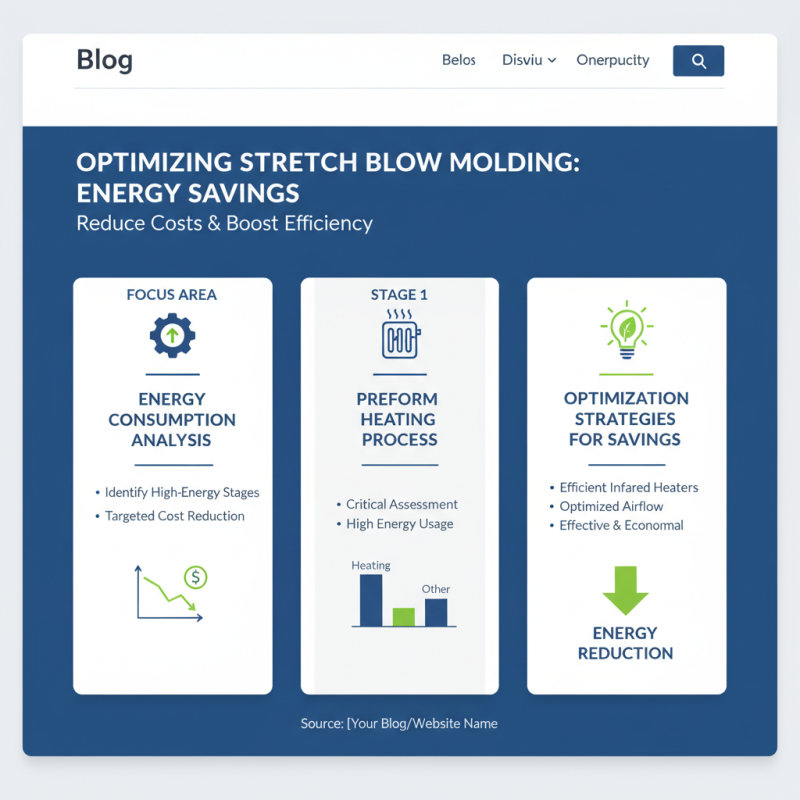
In the quest for optimizing the stretch blow moulding process, a critical area of focus is energy consumption analysis. By identifying energy-intensive stages within the blow moulding cycle, manufacturers can implement targeted strategies to reduce costs significantly. This begins with the assessment of the preform heating process. Implementing more efficient infrared heaters or optimizing the airflow can lead to substantial reductions in energy usage, ensuring that the heating process is both effective and economical.
Additionally, the compression of air used in the blowing process represents another opportunity for efficiency improvement. By employing advanced air management systems, facilities can minimize waste and enhance the precision of air delivery. Regular maintenance of air compressors, combined with the adoption of variable speed drives, can sustain optimal performance while lowering energy expenditures. Moreover, considering the integration of renewable energy sources in production facilities can contribute to a more sustainable operation and further reduce long-term costs associated with energy consumption.
Future Trends and Technologies for Sustainable Blow Moulding Solutions
As the demand for sustainable manufacturing solutions grows, the blow moulding industry is evolving to meet the challenge of reducing environmental impact while maintaining efficiency. Future trends indicate a shift towards using bio-based materials and recyclable resins, which not only help in minimizing waste but also enhance the overall lifecycle of products. Innovations such as improved energy recovery systems and the incorporation of IoT technology are paving the way for smarter operations that can monitor and optimize energy consumption in real-time.
Tips: Implementing predictive maintenance schedules can improve equipment longevity and minimize downtime, ensuring a seamless production process. Integrating automation within the stretch blow moulding operations can also significantly boost throughput and precision, reducing material waste in the long run.
Additionally, the incorporation of advanced recycling technologies, such as chemical recycling, allows manufacturers to convert used plastic back into raw materials, creating a closed-loop system. This not only mitigates the reliance on virgin resources but also supports regulatory compliance as eco-friendliness becomes a standard expectation. Embracing such advancements will be crucial for manufacturers aiming to thrive in an increasingly sustainability-focused market.
FAQS
: Real-time monitoring systems provide continuous oversight of critical parameters such as temperature, pressure, and material flow, allowing for immediate adjustments that enhance product quality and minimize defects.
These systems can identify potential machine failures before they occur, which reduces downtime and helps lower operational costs by allowing for timely maintenance.
Manufacturers can assess stages like the preform heating process and use more efficient infrared heaters, optimize airflow, and improve air management systems to minimize energy usage.
Integrating renewable energy sources can lead to more sustainable operations and help reduce long-term energy costs associated with production.
The industry is shifting towards bio-based materials and recyclable resins, improvements in energy recovery systems, and the incorporation of IoT technology for real-time energy consumption monitoring.
Implementing predictive maintenance schedules can improve equipment longevity, minimize downtime, and ensure a seamless production process, leading to increased efficiency.
Integrating automation can significantly boost throughput and precision while reducing material waste over time.
Advanced recycling technologies, such as chemical recycling, enable manufacturers to convert used plastics back into raw materials, creating a closed-loop system and reducing reliance on virgin resources.
Embracing sustainability is crucial for manufacturers to thrive in a market where eco-friendliness becomes a standard expectation and regulatory compliance is increasingly important.
Analyzing data from real-time monitoring systems can help uncover trends and patterns, enabling informed decision-making and further optimization of the moulding process.
Conclusion
The article "2025 How to Optimize Stretch Blow Moulding Process for Higher Efficiency" provides a comprehensive overview of the Stretch Blow Moulding process, highlighting the significance of understanding its mechanics for improved operational performance. Key variables affecting efficiency are explored, including temperature control and preform conditioning, which are crucial for maintaining product quality and reducing cycle times.
Furthermore, the article delves into optimization techniques such as innovative mold design and real-time monitoring systems, which collectively enhance production efficiency and ensure consistent quality control. Analyzing energy consumption is also emphasized as a vital strategy to lower operational costs. Finally, the discussion on future trends and sustainable technologies underscores the ongoing evolution within the Stretch Blow Moulding industry, aiming to achieve both environmental sustainability and productivity.
 Chinese
 Email
Email Whatsapp
 WeChat