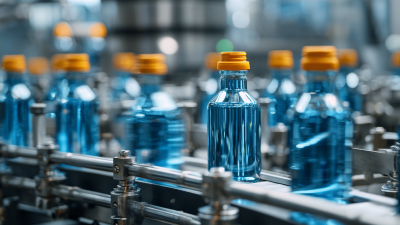
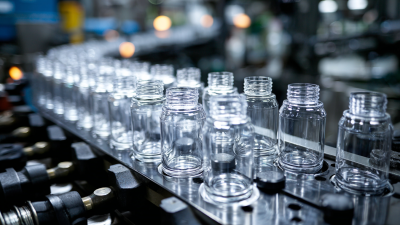
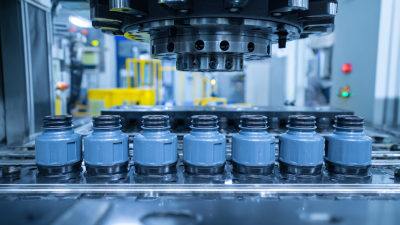
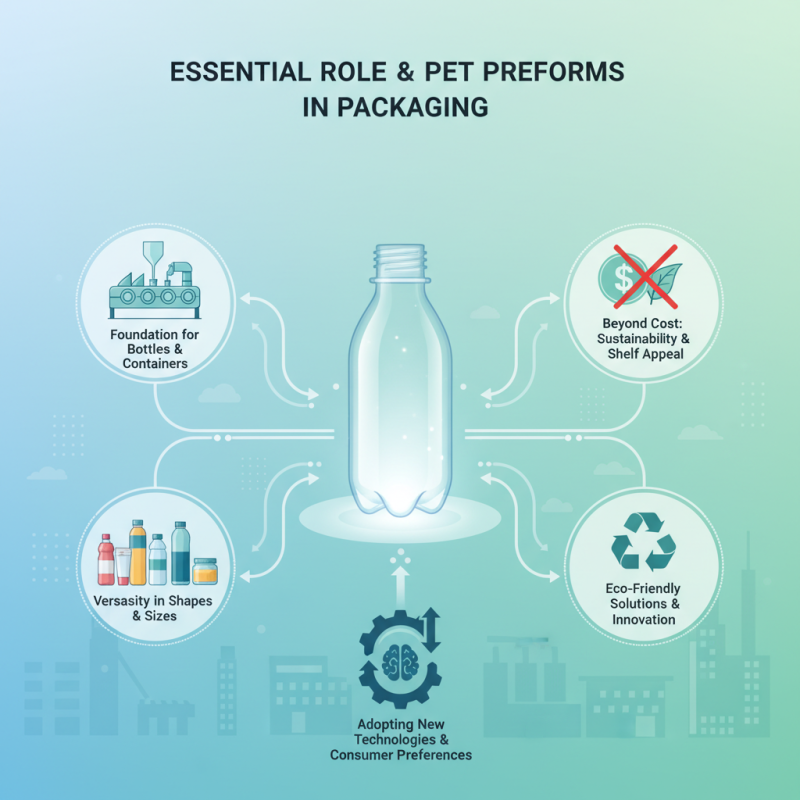
When you think about packaging these days, Pet Preforms are kinda like the unsung heroes. They might seem simple, but they're actually the foundation for making sturdy bottles and containers that stand out. Thomas Miller from PET Solutions once said, ‘Pet Preforms are pretty much the backbone of any successful packaging game,’ and honestly, he's got a point. They’re crucial not just for how stuff works but also for how it looks.
What’s really cool about Pet Preforms is how versatile they are. You can mold them into all kinds of shapes and sizes, which gives brands a real edge in a pretty crowded market. But here’s the thing — a lot of companies tend to overlook just how important it is to pick the right preform. Sometimes, it’s only about cutting costs, and they forget about things like sustainability or how good it looks on the shelf.
As more brands are trying to go green, the demand for innovative, eco-friendly preforms is definitely on the rise. Still, there’s definitely room for improvement. Some manufacturers are slow to adopt new tech, and that might hold them back from meeting what today’s consumers actually want. It’s important for the industry to think about these challenges as we move forward — that way, Pet Preforms can keep up with the ever-changing needs of modern packaging and look good doing it.
The Definition of Pet Preforms and Their Manufacturing Process
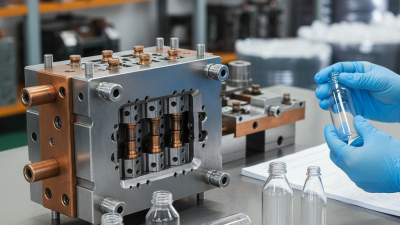
Pet preforms play a crucial role in the packaging industry. These are the initial shapes that lead to the creation of Pet Bottles. The manufacturing process involvesinjection molding, where molten PET is formed into preforms. This method ensures precision and efficiency. Reports indicate that the global PET preform market is projected to grow significantly, reaching over $14 billion by 2026.
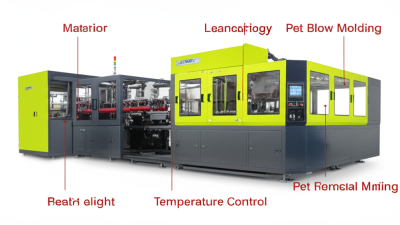
After the preforms are made, they undergo a blow molding process. This step expands them into bottles or containers. Notably, about 50% of the energy used in production arises during this phase. Here lies an opportunity for improvement. Ensuring energy-efficient methods could reduce costs and environmental impact.
Quality control is essential in this process. During production, defects may occur, leading to waste. Industry studies show that up to 5% of preforms can be rejected due to inconsistencies. This figure prompts reflection on manufacturing practices, signaling a need for enhanced technology. Addressing these issues can lead to better product quality and sustainability in the packaging sector.
The Role of Pet Preforms in the Packaging Industry
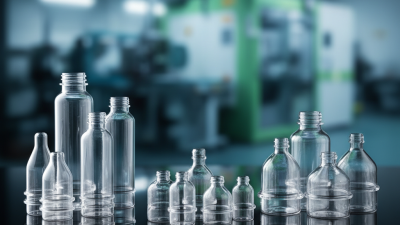
In the packaging industry, PET preforms serve a critical function. They are designed as intermediate products, later transformed into bottles and containers. The versatility of PET preforms allows them to cater to various sectors, from food and beverage to pharmaceuticals. According to market research, the global PET packaging market is expected to reach over $30 billion by 2024. This indicates a robust demand for efficient packaging solutions.
PET preforms boast numerous advantages. They are lightweight, durable, and offer excellent barrier properties. A study by a leading industry analyst highlights that about 70% of consumers prefer lightweight packaging. This preference drives manufacturers to adopt PET preforms extensively. Their ability to retain freshness makes them invaluable for food products.
Tip: When selecting PET preforms, consider the size and neck finish. These factors significantly impact the final product’s functionality.
However, there are challenges in this space. The recycling potential of PET is often underutilized. Many PET products end up in landfills rather than being recycled. This raises concerns about sustainability. Industries need to invest in better recycling technologies.
Tip: Brands should promote recycling initiatives. This can enhance the life cycle of PET preforms and contribute to a greener environment.
Key Advantages of Using Pet Preforms for Packaging
Pet preforms play a crucial role in modern packaging solutions. They are made from PET, a durable and lightweight material. This makes them ideal for various products, particularly beverages. One significant advantage of using pet preforms is their versatility. They can be molded into different shapes and sizes, accommodating diverse packaging needs. The Pet Preforms Mould allows for intricate designs, enhancing the appeal of the final product.
Another vital aspect is their recyclability. PET is one of the most recycled plastics in the world. By using pet preforms, businesses can reduce their environmental footprint. However, the recycling process isn't flawless. There can be challenges in collecting and reprocessing used materials. Some regions struggle with effective recycling systems. This inconsistency can hinder sustainability efforts.
Cost-effectiveness is also a key benefit. Pet preforms are generally less expensive than alternative packaging materials. Manufacturers can produce them in bulk, which lowers overall costs. Yet, it's essential to consider the quality of pet preforms. Sometimes, cheaper options may compromise on strength or clarity. Finding the right balance in material selection is critical for success.
Advantages of Using PET Preforms for Packaging
Applications of Pet Preforms Across Various Industries
Pet preforms are pivotal in many industries, particularly in beverage packaging. Approximately 60% of all PET produced goes into containers. These lightweight preforms provide strong barriers against oxygen and moisture, preserving product quality. The ease of production and molding plays a vital role in manufacturing efficiency.
In the food industry, pet preforms are essential for producing jars and bottles. Their ability to maintain freshness is crucial. According to a report, the food packaging sector is projected to grow at a CAGR of 3.5% until 2025. Custom Pet Preforms can be tailored to fit specific needs, enhancing functionality and aesthetics. However, inconsistency in quality can be a challenge.
Additionally, the personal care industry heavily relies on pet preforms. Items such as shampoos and lotions often use these containers. Reports suggest that demand for PET in cosmetics packaging is on the rise, driven by sustainability trends. This presents both an opportunity and a challenge for manufacturers to innovate while minimizing environmental impacts. Sustainability remains a critical focus, sparking debates on how to balance production needs and ecological responsibility.
Why Are Pet Preforms Essential for Packaging Solutions?
| Industry | Application | Benefits of PET Preforms | Market Share (%) |
| Beverage | Soft Drinks, Water | Lightweight, Durable, Recyclable | 45% |
| Food | Sauces, Condiments | Non-toxic, Preserves Freshness | 25% |
| Personal Care | Cosmetics, Perfumes | Aesthetic Appeal, Customizable | 15% |
| Pharmaceutical | Medicinal Liquids | Safety, Sterilization | 10% |
| Household | Cleaning Products | Durability, Transparent | 5% |
Sustainability Considerations in Pet Preform Packaging
Sustainability is crucial in today’s packaging landscape. Pet preforms are often chosen for their lightweight design. This helps reduce the carbon footprint during transportation. However, the production process still raises concerns. Many manufacturers rely on fossil fuels, creating significant emissions. The challenge lies in balancing performance with environmental impact.
Recycling offers a promising solution. Pet preforms can be recycled multiple times. This extends their life cycle and minimizes waste. However, not all consumers understand how to recycle properly. Education is key to improving recycling rates. Enhancing consumer awareness leads to better waste management practices.
Moreover, using recycled materials in pet preforms can lower the overall resource demand. This benefits the environment and drives sustainability efforts. Innovations in bio-based pet materials are emerging, offering exciting possibilities. Balancing innovation and sustainability is complex. We must navigate these challenges thoughtfully.
Pet Preforms Quotes highlight the importance of these developments in fostering a sustainable future.
Future Trends in Pet Preform Technology and Innovation
The future of PET preform technology is undergoing transformative shifts. Recent reports indicate that the PET preform market is expected to grow at a CAGR of over 5% by 2025. This growth is driven by increasing demand in various sectors. Industries such as beverage, food, and healthcare heavily rely on PET packaging for its advantages.
Sustainability is at the forefront of these innovations. Many companies are investing in biodegradable and recycled PET materials. The challenge remains to improve the quality while reducing environmental impact. For instance, new processes in production allow enhanced energy efficiency. However, the transition is not without obstacles, including high costs and technical limitations.
Additionally, smart packaging solutions are emerging. These preforms can incorporate sensors to monitor freshness. Reports show that consumers are more likely to prefer products with enhanced utility. Yet, integrating advanced technology poses risks of complexity in production. Ensuring the balance between innovation and practicality is key for future success in the PET preform market.
Challenges Faced by the Pet Preform Market Today
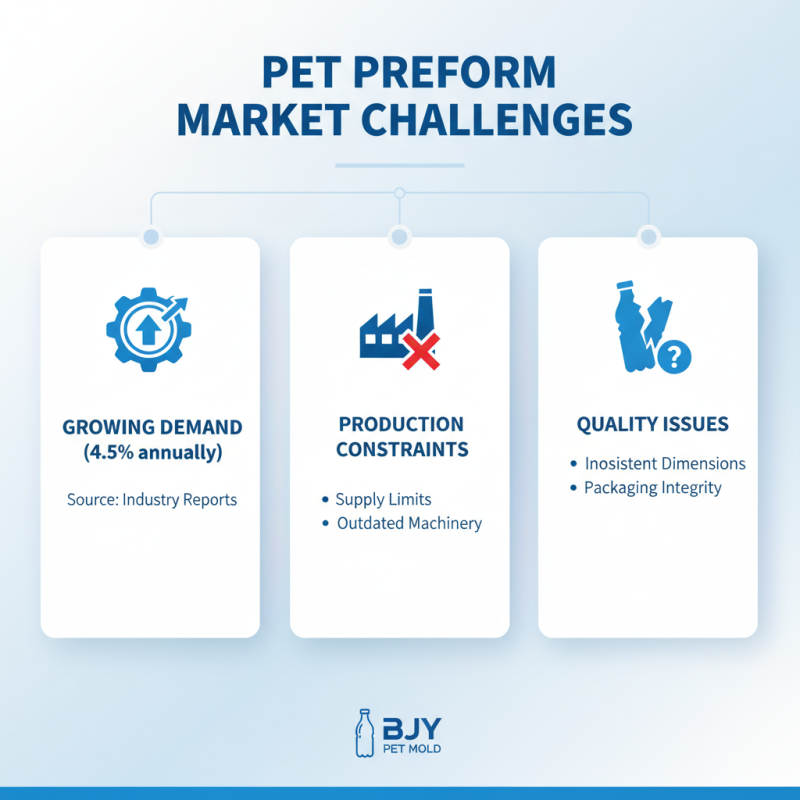
The pet preform market faces several challenges today, complicating the packaging solutions landscape. According to recent industry reports, the demand for pet preforms is growing at a rate of 4.5% annually. However, production constraints often limit supply. Many manufacturers struggle with technology upgrades, impacting efficiency and quality. Outdated machinery can lead to inconsistencies in Pet Preforms Product dimensions. This inconsistency affects the overall packaging integrity.
Sustainability is another pressing issue. The push for eco-friendly materials is strong. However, finding alternatives that meet performance standards remains difficult. Some manufacturers are experimenting with recycled PET, but success varies. Reports indicate that only 30% of pet preform products currently use recycled content. This statistic highlights the broader issue of waste in the industry. The challenge is not merely about production; it’s also about innovation. Companies need to adapt to changing consumer preferences while maintaining cost effectiveness.
The evolving regulatory landscape adds another layer of complexity. Stricter regulations on environmental impact are being implemented globally. Compliance can be difficult and costly for many in the pet preform market. Smaller companies may lack the resources to meet these new standards. This situation may further widen the gap between large and small producers. Ultimately, addressing these challenges is crucial for the market's future success.
The Essential Guide to Choosing the Right PET Bottle Screw Cap for Your Packaging Needs
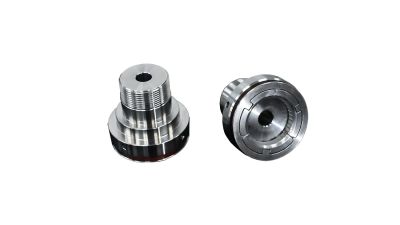
When selecting the appropriate PET bottle screw cap for your packaging needs, it's essential to consider the specific features that can enhance efficiency and functionality. For instance, the PET bottle screw cap designed for 13.5g PET preforms with a 29/25 neck finish stands out due to its careful engineering. This cap measures Ø54*50.6, providing a snug fit that minimizes the risk of leaks during the bottling process. This is particularly important for businesses that prioritize product integrity and customer satisfaction.
One of the key advantages of this particular screw cap is its compatibility with Tech-Long capping machines. The design allows for a smooth sliding action, minimizing jamming even at high operational speeds. This means companies can maintain productivity without sacrificing quality, as the cap locks securely in place during the capping process. Such features not only streamline operations but also contribute to a more reliable packaging solution that meets the demands of a fast-paced production line. By focusing on these essential characteristics, you can ensure that your choice of PET bottle screw cap effectively supports your packaging objectives.
FAQS
: New products often have innovative designs, improved functionality, and user-friendly interfaces. They may also feature eco-friendly materials.
Consumers can share their thoughts through online reviews, social media, or direct surveys. Feedback helps improve future products.
Many new products come with warranties that cover defects. However, terms can vary, so it's crucial to check before purchase.
Contact customer service immediately. Document the damage with photos. Return policies usually cover such issues.
Research specifications and read reviews. Personal experiences can differ greatly, and you might not always find what you expect.
Yes, new products might not work as advertised. Always consider potential drawbacks. A little skepticism can help.
Users often worry about compatibility, security issues, and battery life. Sometimes, learning curves can frustrate potential users.
Many retailers allow returns within a specific period. However, restocking fees may apply, and the condition matters.
Follow tech blogs, subscribe to newsletters, or join online forums. Information is plentiful, but be cautious about sources.
Conclusion
Pet preforms are crucial in the packaging industry, serving as the foundational elements for producing containers such as bottles. These preforms, manufactured through a precise injection molding process, are designed to be further expanded into finished products through blow molding techniques. Their versatility and lightweight nature make them advantageous for a wide range of applications across various sectors, including food and beverage, personal care, and pharmaceuticals.
In addition to their practical benefits, such as cost-effectiveness and durability, sustainability has become a key consideration in the use of pet preforms. As industries focus on reducing environmental impact, innovations in pet preform technology are emerging, emphasizing recyclability and sustainable materials. However, the market also faces challenges, including fluctuating raw material prices and increasing competition. Overall, pet preforms continue to be an essential component in modern packaging solutions, paving the way for future advancements in the industry.
 Chinese
 Email
Email Whatsapp
 WeChat