In the fast-paced worldof manufacturing, making sure PET Preforms are up to snuff in terms ofquality and efficiencyis super important for creating reliable Pet Packaging.Foshan Baijinyi Precision Technology Co., Ltd. (BJY) really knows their stuff when it comes to designing and building all kinds of PET liquid packaging molds — stuff like blowing molds, injection molds, and compression capping molds. Even though they use top-notch tech and have tons of expertise, manufacturers still often run into some pretty common issues with PET preforms. These problems can throw a wrench in the production process or impact the quality of the final product. In this blog, I’ll dive into some of the typical challenges faced during PET preform manufacturing, look into what’s causing them, and share some practical tips to help companies streamline their processes. The idea is that, by understanding these hurdles, manufacturers can improve their operations and deliver even better packaging solutions that meet what the market’s asking for.
Identifying Common Defects in Pet Preforms during Production
When you're manufacturing PET preforms, it’s really important to spot common defects early on to keep quality high and production running smoothly. One really common issue is called “splay”—you know, those annoying white specks or streaks that sometimes show up on the surface of the preform. This usually happens because there's moisture trapped in the resin, which doesn’t get dried out enough before it goes into processing. To prevent splay, manufacturers should take moisture control seriously—things like using dehumidifying dryers and regularly checking how much moisture is in the resin can make a big difference.
Another issue that pops up quite often is uneven wall thickness. This can mess with how the preforms cool down and might even impact their strength at the end. Sometimes, these variations happen because of inconsistent injection pressure or because the mold isn’t designed quite right. To fix this, it’s best to tune the injection molding settings carefully and keep the molding equipment up to date with regular maintenance. Also, reviewing and testing mold designs thoroughly can really help cut down on these problems, making sure the final PET preforms are top quality.
Understanding the Impact of Temperature on Pet Preform Quality
You know, when making PET preforms, temperature really is a big deal. It’s crucial to keep an eye on the melting point of the resin—if it gets too high, you risk degrading the material. That’s what can cause discoloration and make the final product weaker. On the flip side, if it’s too cold, the resin might not melt completely, leading to preforms that are uneven or incomplete. So, honestly, controlling that temperature precisely throughout the process isn’t just a good idea; it’s essential.
And don’t forget about cooling — that part’s just as important. If you cool things down too fast, internal stresses can build up, and you might end up with warped or cracked preforms later on. But if cooling is too slow or inconsistent, air bubbles can get trapped inside, which messes with clarity and strength. That’s why manufacturers really need solid systems to keep tabs on temperature and set optimal cooling rates. When you get all these details right, it’s way easier to make high-quality PET preforms that are consistent and reliable. Basically, understanding and managing temperature control is key to avoiding common issues and making great products every time.
Troubleshooting Common Issues with Pet Preforms in Manufacturing
This chart illustrates how different temperature settings can affect the quality of PET preforms during manufacturing. The data shows the relationship between temperature (in °C) and the percentage of quality defects observed in the preforms.
Analyzing the Effects of Injection Molding Parameters on Preform Performance
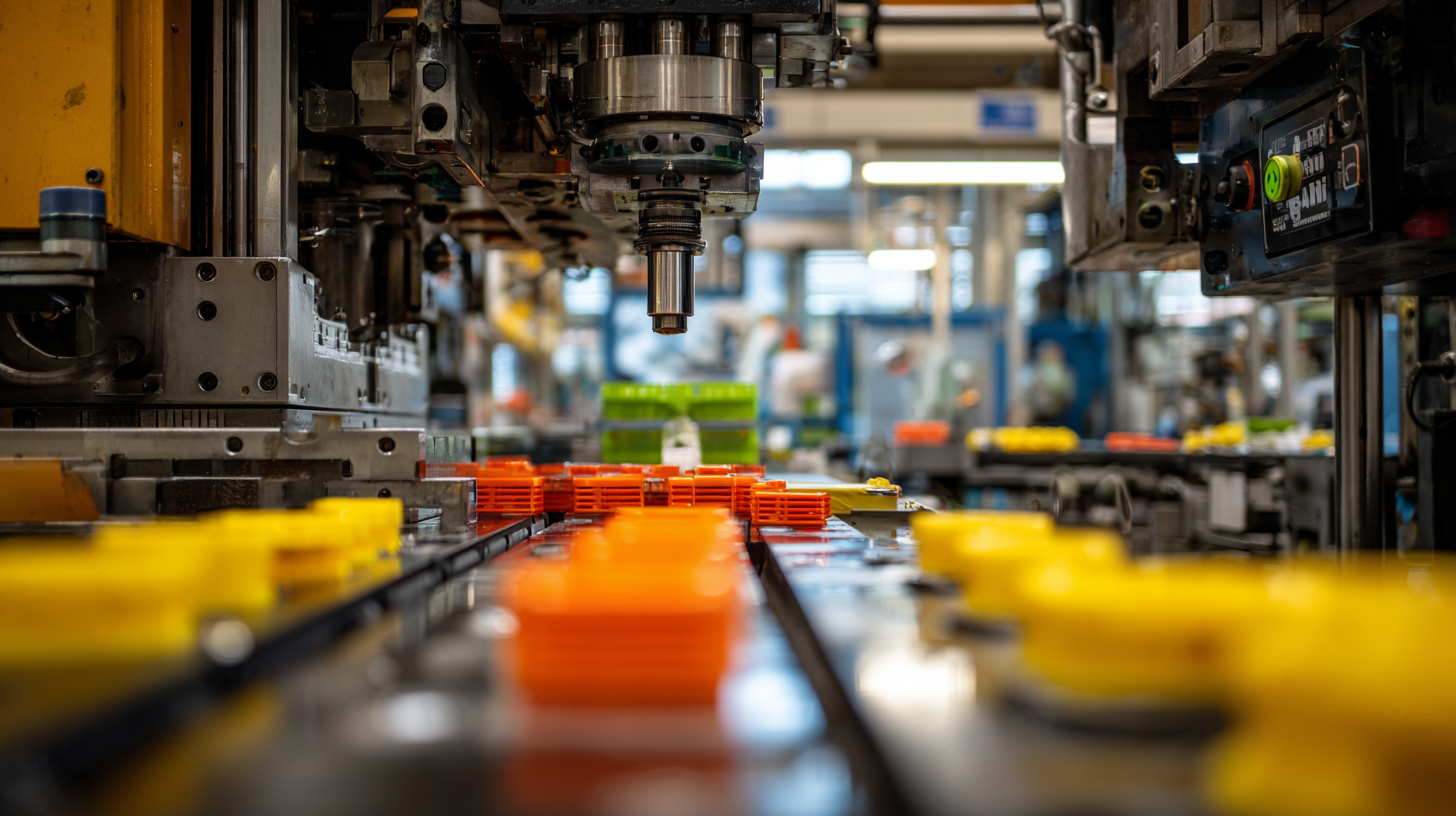 When talking about making pet preforms, I gotta say, how you set your injection molding parameters really matters. Things like temperature, pressure, and injection speed can make or break the quality of the final product. For example, if you don’t get the melting temperature right, the mold might not fill properly, and that can lead to weak preforms that just can’t handle the next steps. Getting the temperature dialed in perfectly helps the material flow better, which means the mold fills nicely and, overall, the preforms turn out stronger.
Another thing to keep in mind is finding the right balance between injection speed and pressure. If you push the material in too fast, you might cause turbulence, which can lead to issues like short shots or sink marks. But if you go too slow, the mold might not fill enough, resulting in underfilled preforms. It’s all about testing and fine-tuning these settings to find that sweet spot. When you do it right, your preforms will have the right mechanical strength and dimensions for whatever they’re meant for. In the end, paying attention to these details makes the whole manufacturing process more reliable, cuts down waste, and helps you get more done in less time.
It’s not rocket science, but a little practice and careful tweaking go a long way!
Troubleshooting Color Discrepancies in Pet Preform Manufacturing
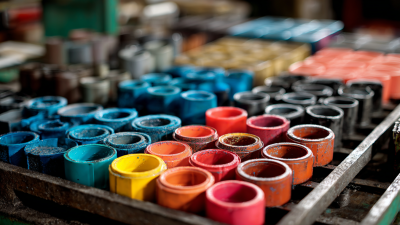
Dealing with color differences in PET preform manufacturing can be pretty tricky, especially when you’re aiming for consistency and top-notch quality. Sometimes, these color variations pop up for a bunch of reasons—could be the raw materials, how the stuff is processed, or even the equipment used. It’s really important to carefully check your raw materials and make sure they're coming from trustworthy suppliers who stick to strict quality standards. Also, when adding colorants or other additives, you want to be precise—measure everything carefully and blend properly to avoid any surprises in the final product.
On top of that, how you process the materials makes a big difference. Things like temperature, melt time, and injection speed all impact how evenly the color mixes into the PET resin. For example, if it gets too hot, the colorants can degrade, leaving the preforms looking dull or off in color. Keeping a close eye on these settings and managing them carefully is super important to prevent issues. Plus, regular maintenance of the machinery is a must—worn-out equipment can cause variations and mess with the consistency. If you stay on top of these factors and take a systematic approach, you'll find it much easier to cut down on color discrepancies and improve the overall quality of your PET preforms.
Addressing Dimensional Variations in Pet Preforms: Causes and Solutions
Dealing with dimensional variations in PET preforms is a pretty big deal for manufacturers who really want to keep up their quality and stay efficient. You see, these differences can pop up for all kinds of reasons—like temperature swings, materials that aren’t quite consistent, or glitches in the equipment. And honestly, if these issues aren’t managed well, they can cause a whole bunch of problems, like walls that aren’t thick enough, parts that don’t line up right, or even missing the mark on what the client expects. All of that can throw off production schedules and bump up costs, which nobody wants.
To get ahead of these problems, it’s smart for manufacturers to set up solid monitoring and control systems all along the line. Regularly calibrating machines, carefully inspecting materials to make sure they’re stable, and keeping temperature levels steady can really help cut down on those pesky dimensional inconsistencies. Plus, creating a culture that values continuous improvement—where everyone gets trained on quality—can make a big difference too. When companies do this, not only do they get more efficient, but they also help promote a more sustainable way of making things. It's kinda like the efforts to fight deforestation—everything’s connected, right?
All in all, paying attention to these details isn’t just about keeping machines running smoothly; it’s about doing our part to produce smarter, better, and more responsibly.
Ensuring Consistency in Pet Preform Weights: Tips and Best Practices
One of the really key parts of making PET preforms is keeping the weights pretty much the same across different production runs. If the weight varies too much, it can cause a bunch of problems down the line — stuff like issues with filling and capping when bottling. To keep everything consistent, it’s helpful to follow some best practices that actually work.
First up, having a solid quality control system is a must. Regularly calibrating your equipment and using accurate measuring tools can catch weight differences early on. Plus, using advanced software that monitors things in real-time can be a game-changer — it helps you see how weights and material flow are doing, so you can make quick adjustments if needed.
Another thing is, it’s super important to train your team well on why consistency matters. When operators understand how their actions affect the final product weight, it really boosts the overall quality mindset. Also, don’t forget about the environment — keeping the temperature and humidity within the right range in the factory can help prevent those pesky environmental factors from messing with your weights. Follow these tips, and you’ll see your PET preforms come out more uniform, which means smoother production and better quality overall.
Maximizing Efficiency with High-Precision PET Neck Ring Assemblies in Modern Manufacturing
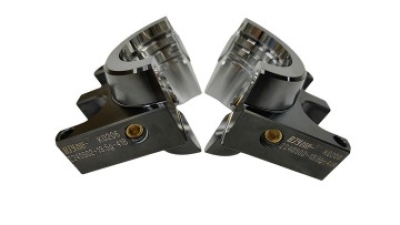
In the dynamic landscape of modern manufacturing, maximizing efficiency is critical for producers in the beverage and dairy industries. The introduction of high-precision PET neck ring assemblies, specifically designed for the 2925 Standard Encapsulation System, revolutionizes the encapsulation process. These assemblies not only ensure plug-and-play compatibility with mainstream high-speed filling equipment but also leverage advanced materials and technologies. Constructed from high-strength alloy steel and incorporating anti-wear coating technology, they provide unparalleled durability and reliability in demanding high-temperature and high-pressure operational environments.
According to industry reports, the global beverage packaging market is projected to reach $559 billion by 2025, with a significant portion driven by the demand for efficiency and sustainability in packaging solutions. In such a competitive market, manufacturers face increasing pressure to deliver airtight sealing and enhanced production efficiency without the need for retrofitting existing equipment. The high-precision PET neck ring assemblies address these demands, contributing to streamlined production processes that enhance overall factory output. By integrating these advanced components, manufacturers can expect not only to improve product quality but also to meet the critical demands imposed by modern production standards effectively.
Furthermore, an analysis of mold compatibility reveals that these neck ring assemblies have been meticulously engineered to accommodate various bottle designs, thus reducing downtime and maximizing throughput. With such innovations at their disposal, manufacturers can stay ahead of the curve in a rapidly evolving industry, ensuring they meet consumer needs while maintaining operational excellence.
FAQS
: Key parameters include temperature, pressure, and injection speed, all of which significantly influence the final quality and consistency of the preforms.
Inadequate melting temperature can result in incomplete filling of the mold, leading to weak preforms that may not withstand further processing.
The balance is crucial because a high injection speed can cause turbulence and defects, while a low speed may result in inefficient mold filling and underfilled preforms.
Key practices include implementing robust quality control systems, regularly calibrating equipment, and using precise measuring instruments.
Real-time monitoring software helps track changes in weight and material flow, allowing for prompt adjustments and reducing variability in production.
Training operators on the importance of consistency fosters a culture of quality awareness, which can significantly impact product weight and quality.
Maintaining optimal ambient conditions helps reduce weight variations caused by environmental factors, contributing to more consistent product characteristics.
Careful analysis helps achieve the right balance of parameters, leading to stronger, more reliable preforms, reducing waste, and enhancing productivity.
Variability can lead to downstream complications such as difficulties in filling and capping during bottling processes.
Optimizing material flow improves mold filling, which enhances product strength and overall quality of the preforms.
Conclusion
When it comes to making Pet Preforms, spotting and fixing common defects is super important if you want to end up with top-notch products. In this post, I’ll walk you through some of the usual challenges folks face during production—like how temperature can mess with preform quality, how the right injection molding settings can make a difference, and what to do when colors don't turn out quite right. Oh, and we’ll also look at why keeping the dimensions consistent and making sure the weights are on point really matter — plus, I’ll share some practical tips and best practices that manufacturers can use to improve things.
Foshan Baijinyi Precision Technology Co., Ltd. is all about designing and making those PET liquid packaging molds. Learning these troubleshooting tricks can really help boost your efficiency in the factory. By paying attention to these details, companies can improve the reliability and overall quality of their Pet Preforms — which means better products on the shelves and happier customers in the end.
 Chinese
 Email
Email Whatsapp
 WeChat