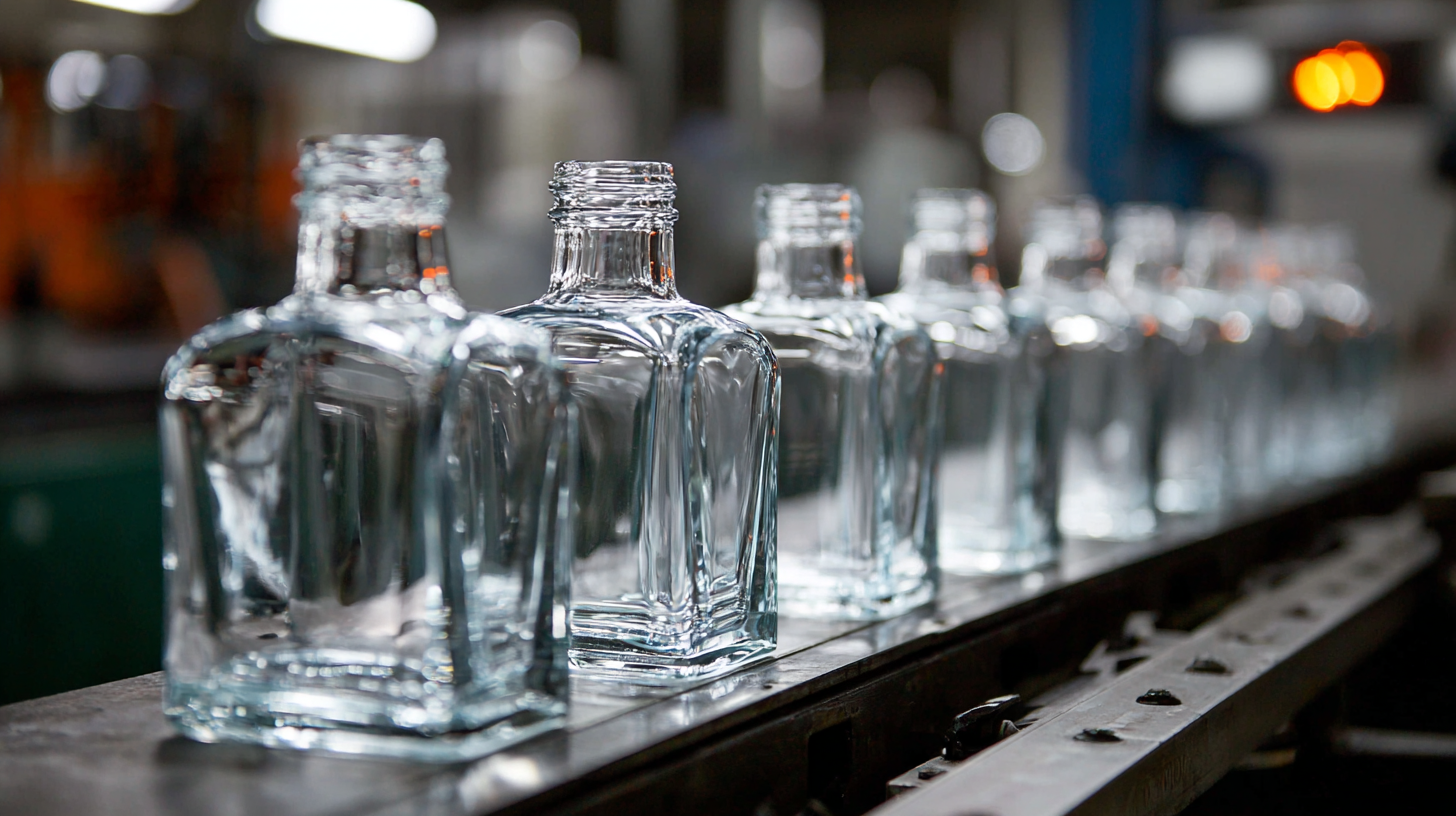
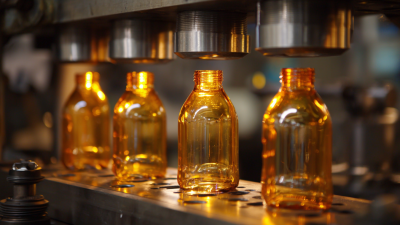
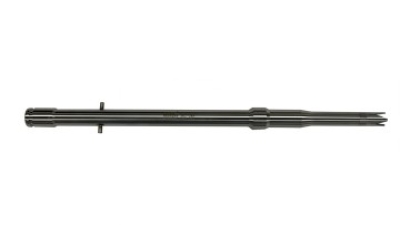
Picking the right Bottle Molds really matters if you’re a manufacturer trying to streamline your production and produce top-notch products. In the fierce world of liquid packaging, your choice of molds can make a huge difference—affecting how efficient your process is, the quality of your bottles, and even the costs involved. At Foshan Baijinyi Precision Technology Co., Ltd. (BJY), we focus on designing and manufacturing a bunch of different PET liquid packaging molds, like blowing molds, PET Injection Molds, capping molds, and all those little accessories. With our expertise and a real passion for innovation, we help manufacturers sort through the often complicated world of mold selection, tailored just to their specific needs. Knowing the ins and outs of different mold types and what they’re good for is pretty much key if you want to run a smooth operation and keep up with what the market needs.
Understanding Different Types of Bottle Molds in Manufacturing
Choosing the right bottle molds for your manufacturing setup can be a bit tricky if you're not familiar with the options out there. Basically, you'll mostly come across two types: extrusion molds and injection molds. Extrusion molds are pretty much perfect if you're making simple bottles with even thickness — they're great for big production runs because they're efficient and kind on the budget. On the flip side, injection molds are more flexible and let you create bottles with intricate shapes or details, which can be pretty handy if you’re aiming for unique branding or specialized features.
Here’s a little tip: When deciding between extrusion and injection molding, think about how complicated your design is and how much you plan to produce. If you’re looking at mass-producing simple bottles, extrusion might be the way to go. But if you want something more customized or plan to make smaller batches, injection molding could be worth the extra initial investment—even if it costs more upfront.
Oh, and don’t forget about the materials you’re planning to use, like PET or HDPE. Different molds tend to work better with certain plastics, so understanding your material’s properties can really help you pick the right mold. It’ll make your production smoother and save you some hassle down the line.
A quick piece of advice: chat with your mold manufacturer—they can provide valuable insights on the best materials for your design, plus tips on durability and cost. Trust me, a little guidance here can save you a lot of time and money in the end.
Key Factors to Consider When Choosing Bottle Molds
When you're choosing the right bottle molds for your manufacturing setup, there are a few key things you really want to keep in mind to make sure everything runs smoothly and the quality stays high. First off, it’s super important to consider the material you're working with. Different plastics, like PET or HDPE, need molds that can handle their specific temperature and pressure needs. Knowing the ins and outs of your materials can really help you pick molds that last longer and perform better over time.
Another thing to think about is the mold design itself and whether it fits nicely into your production line. Are you going for single-cavity molds or multi-cavity ones? That depends a lot on how much you're producing. Also, don’t forget about things like cooling channels, ejection systems, and the surface finish of the molds — these little details can make a huge difference in how fast and well your bottles come out. And, of course, it's worth considering how easy it is to maintain or repair the molds later on—because downtime and repair costs can really add up.
By keeping these points in mind and planning carefully, you can really optimize your manufacturing process. The goal’s always to produce high-quality bottles efficiently without adding unnecessary hassle or costs. It’s all about balancing the techy stuff with practical needs, you know?
How to Select the Right Bottle Molds for Your Manufacturing Needs
This bar chart illustrates the key factors to consider when choosing bottle molds, highlighting the importance of material, cost, production speed, and versatility.
Comparing Injection Molding vs. Blow Molding for Bottles
When you're trying to pick the right molds for making bottles, it’s pretty important to understand the differences between injection molding and blow molding. Basically, injection molding involves melting plastic and then injecting it into a mold, which gives you really precise control over the shape and size of the bottle. It’s perfect if you need detailed designs or thicker walls on your containers. Interestingly, a report from Smithers Pira predicts the global market for injection molded products will hit around $450 billion by 2025—pretty impressive, right?
Now, on the flip side, blow molding is typically used for making those hollow bottles we all see around. The process is kind of simple: you heat up a plastic tube and then blow it up inside a mold, creating lightweight but sturdy bottles. It’s especially popular for PET bottles, which account for about half of the market, mainly because it’s cost-effective and fast. The Plastics Industry Association points out that blow molding can cut production time by up to 80% compared to injection molding—so if speed and savings are your priorities, that’s a big deal.
**Tip:** Before you choose your molding method, think about how much you’re planning to produce and what kind of design you want on your bottles. If you're looking at high-volume production with simple designs, blow molding’s probably your best bet. But if detail and precision matter most, then investing in injection molding makes sense.
How to Select the Right Bottle Molds for Your Manufacturing Needs - Comparing Injection Molding vs. Blow Molding for Bottles
| Criteria | Injection Molding | Blow Molding |
| Production Speed | Moderate | Fast |
| Material Flexibility | High | Medium |
| Initial Tooling Cost | High | Low to Medium |
| Complexity of Design | High | Low |
| Recycling Potential | Medium | High |
| Suitable Materials | Thermoplastics, Thermosets | PET, HDPE |
| Cycle Time | 30-80 seconds | 10-30 seconds |
| Typical Product Examples | Jars, Caps | Bottles, Containers |
Assessing Material Compatibility for Bottle Mold Selection
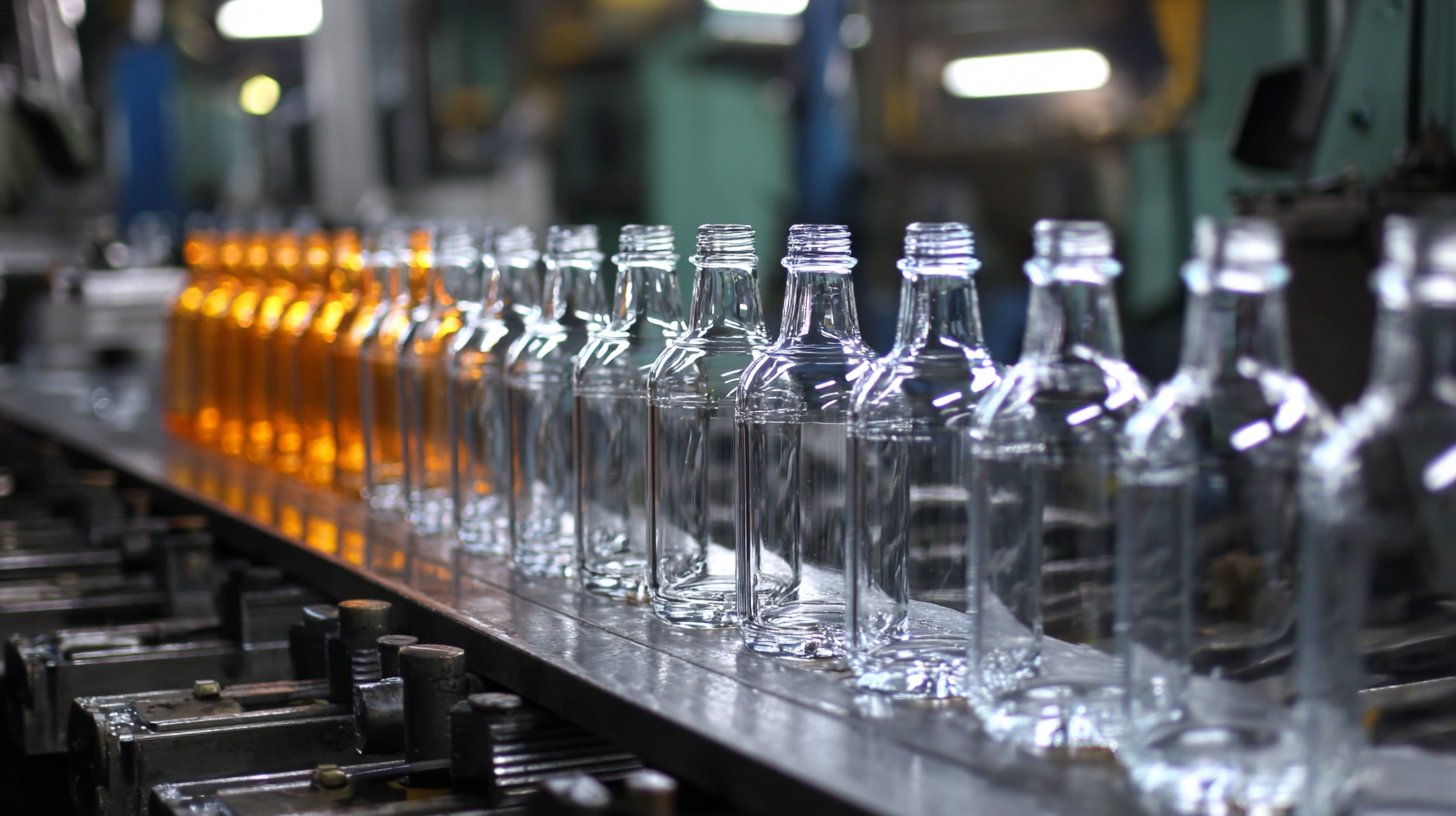
When you're choosing the right bottle molds, it’s super important to think about how compatible the materials are. This really impacts how smoothly things run and the quality of the final product. You see, different materials like PET, HDPE, or PVC each have their own thermal properties and how they behave under stress — knowing these details helps manufacturers pick molds that can handle what each material needs during molding. It’s kind of like making sure your shoes fit perfectly for the marathon.
Plus, the interaction between the mold material and the plastic resin you’re using can make a big difference in how long the mold lasts and how well it performs. Some resins, for example, might need more release agents or special finishes on the mold to prevent sticking, which, if overlooked, could cause defects in your bottles. Honestly, it’s about understanding both the physical and chemical relationship between the mold and the resin — that way, you can avoid issues like warping, cracking, or contamination. Take the time to evaluate these factors, and you’ll find you can boost productivity while still keeping the quality of your final products top-notch.
Cost Analysis: Budgeting for Bottle Molds and Manufacturing Needs
When you're budgeting for bottle molds, it's really important to do a thorough cost check—not just looking at the initial price tag, but also keeping in mind the long-term costs of running and maintaining them. Picking high-quality molds might seem pricey at first, but it can seriously impact the overall quality of your bottles and how smoothly your manufacturing process runs. Things like the type of material and how complex the design is really matter when you're trying to figure out the costs. For example, steel molds usually cost more upfront, but they’re super durable and last longer, so in the end, they actually save you money.
Of course, don’t forget about ongoing expenses like upkeep, storage, and the occasional downtime during maintenance. It’s a good idea to have a solid financial plan in place that accounts for potential changes in production volume or design updates. You also wanna pick molds that not only work for what you’re making now but can also adapt to future trends or growth. That way, your investment stays worthwhile for the long haul. By taking all these costs into account, you’ll be able to make smarter decisions that support your manufacturing goals and help you get the best bang for your buck altogether.
Customization Options for Bottle Molds to Enhance Production Efficiency
When you're choosing the right bottle molds for your manufacturing setup, one thing you really want to pay attention to is how customizable they are. Having molds that you can tweak and personalize can make a huge difference—think about it, they let you craft unique bottle designs that perfectly fit the specific needs of your market. Plus, this kind of flexibility is great for showcasing your brand’s personality and also reaching niche markets that might require special shapes or sizes.
A quick tip: when you're looking into customization options, it's worth considering your production volume. If you're producing a lot, investing in custom molds probably makes sense—it's worth the extra effort and cost. But if you're just starting out or doing smaller runs, maybe adjustable or interchangeable molds are the way to go—they give you some of that flexibility without breaking the bank. Also, don’t forget to check out the materials used in the molds; high-quality materials can really boost durability and help cut down on maintenance in the long run.
And here’s a little bonus: incorporating advanced tech into your mold design can really streamline things. Using tools like CAD (computer-aided design) allows for precise tweaks and simulations, so you’re more likely to get it right the first time. This tech stuff not only makes your molds perform better but also cuts down on the back-and-forth of trial and error, saving you both time and money.
Oh, and a tip for the best results: keep the lines of communication open with your mold supplier. Make sure to clearly talk about your needs and expectations. It really helps in getting molds that not only match your current production but can also grow and adapt with your business in the future.
Innovative Cooling Solutions: Enhancing PET Bottle Preform Mold Efficiency with High-Precision Water-Cooled Cores
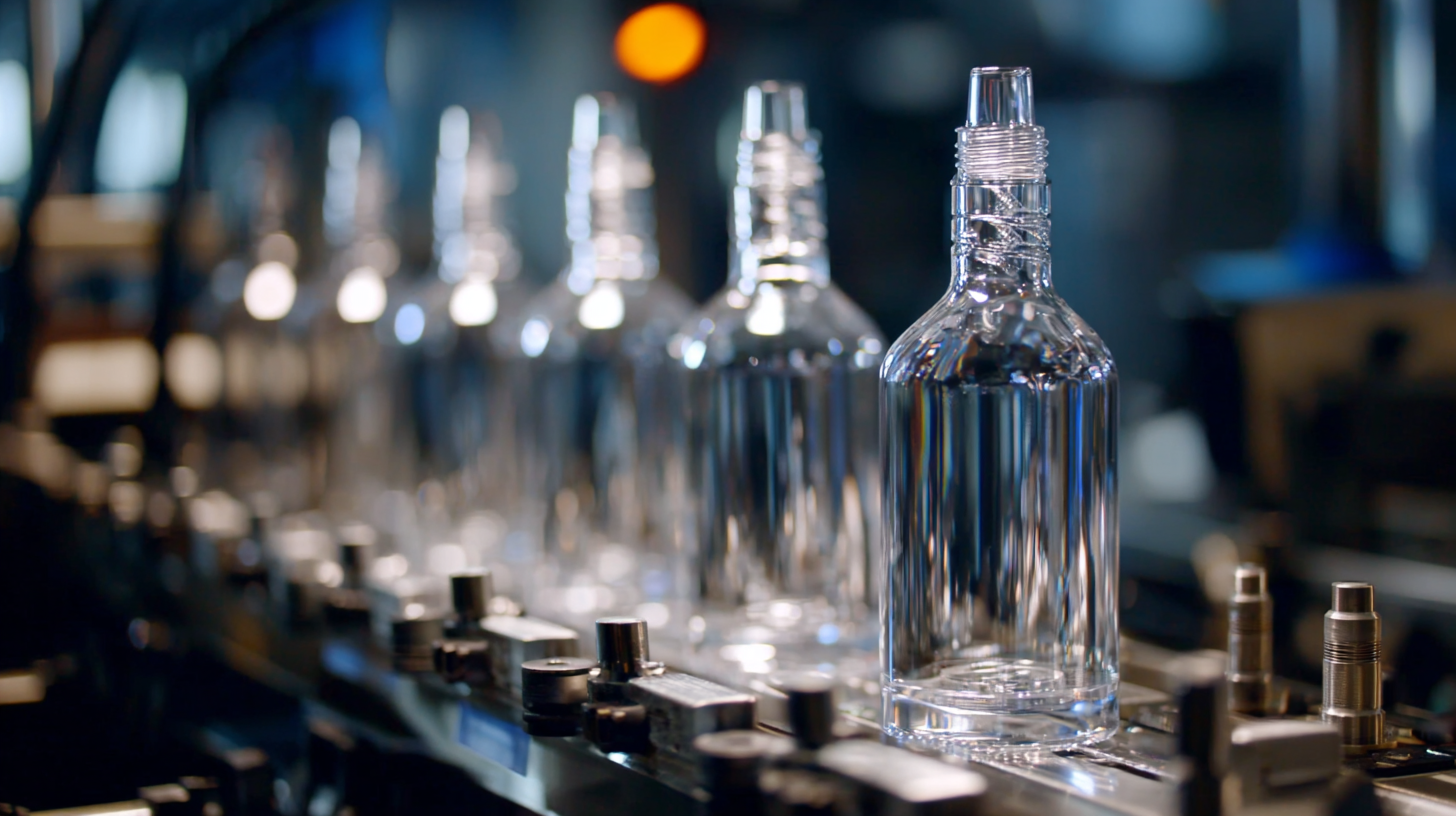
Innovative cooling solutions are transforming the efficiency of PET bottle preform mold manufacturing. The integration of high-precision water-cooled cores into the mold design significantly enhances the cooling performance, which is critical in achieving high production rates and maintaining dimensional accuracy. According to industry reports, improper cooling can lead to variations in preform dimensions, affecting the quality of the final product. Advanced molds equipped with optimized cooling channel structures facilitate rapid and uniform heat dissipation, addressing these challenges effectively.
Engineered specifically for PET bottle preform injection molding applications, these mold cores leverage precision machining technology to support long-term stable operation. The ability to maintain consistent temperatures throughout the molding process is essential in preventing defects and ensuring the reliability of production. Data from recent studies indicate that enhanced cooling efficiency can reduce cycle times by up to 25%, providing a significant competitive edge in industries such as beverages, food, and daily chemicals. The integrated design of these cooling solutions not only maximizes production efficiency but also aligns with the growing demand for sustainable manufacturing practices by lowering energy consumption and material waste.
FAQS
: Key factors to consider include material compatibility, mold design, production volume, maintenance ease, and features like cooling channels and ejection mechanisms.
Different plastics, such as PET and HDPE, have unique properties that require specific molds designed to withstand certain temperatures and pressures, impacting both mold longevity and performance.
Injection molding involves melting plastic and injecting it into a mold for detailed shapes, while blow molding inflates a heated plastic tube to create hollow bottles, ideal for lightweight production.
Blow molding is often more economical for high-volume production due to its efficiency, capable of reducing production time by up to 80% compared to injection molding.
If precision and detail are paramount, it is best to invest in injection molding, which allows for greater control over shape and dimensions.
The physical and chemical compatibility between the mold material and the plastic resin can affect longevity and performance, influencing defects like warping or cracking in the final product.
The ease of maintenance and repair directly impacts operational downtime and costs, making it essential to evaluate these aspects when choosing molds.
Features like cooling channels and surface finishes significantly affect both the speed and quality of the molding process, impacting overall production efficiency.
Carefully assess the thermal properties and stress behavior of the materials you plan to use, ensuring that the mold is compatible with the resin to mitigate potential production issues.
Certain resins may require higher levels of release agents or particular mold finishes to prevent sticking, which can help avoid defects in the final bottles.
Conclusion
When you're choosing the right bottle molds for your manufacturing setup, it’s pretty important to understand the different types out there—like blow molds and injection molds. stuff like your production volume, what materials are compatible, and the specific needs of your product all come into play. If you take a good look at injection molding versus blow molding, you'll notice they each have their own perks, depending on the kind of design and functionality you're aiming for with your bottles. And don’t forget about making sure the materials match up; that way, your molds will meet all the necessary standards for PET liquid packaging.
Another thing to keep in mind is the costs involved. Budgeting properly for molds can really make a difference when it comes to smooth production and overall efficiency. Companies like Foshan Baijinyi Precision Technology Co., Ltd. actually offer some pretty cool customization options for molds, which can help manufacturers boost their production and make sure they’re meeting unique client needs. By looking at all these factors carefully, businesses can make smarter choices that really align with their manufacturing goals.
 Chinese
 Email
Email Whatsapp
 WeChat