Chinese
-
 Email
Email -
 Whatsapp
-
 WeChat
In today’s fast-changing world of Beverage Packaging, picking the rightCsd Bottle Molds is more important than ever for manufacturers who want to stay ahead of the game—whether it's boosting efficiency or going green. Recent reports show that the global PET bottle market is expected to grow at about 4.5% annually until 2027. That’s mostly thanks to the increasing popularity of fizzy drinks and the demand for lighter, recyclable bottles.
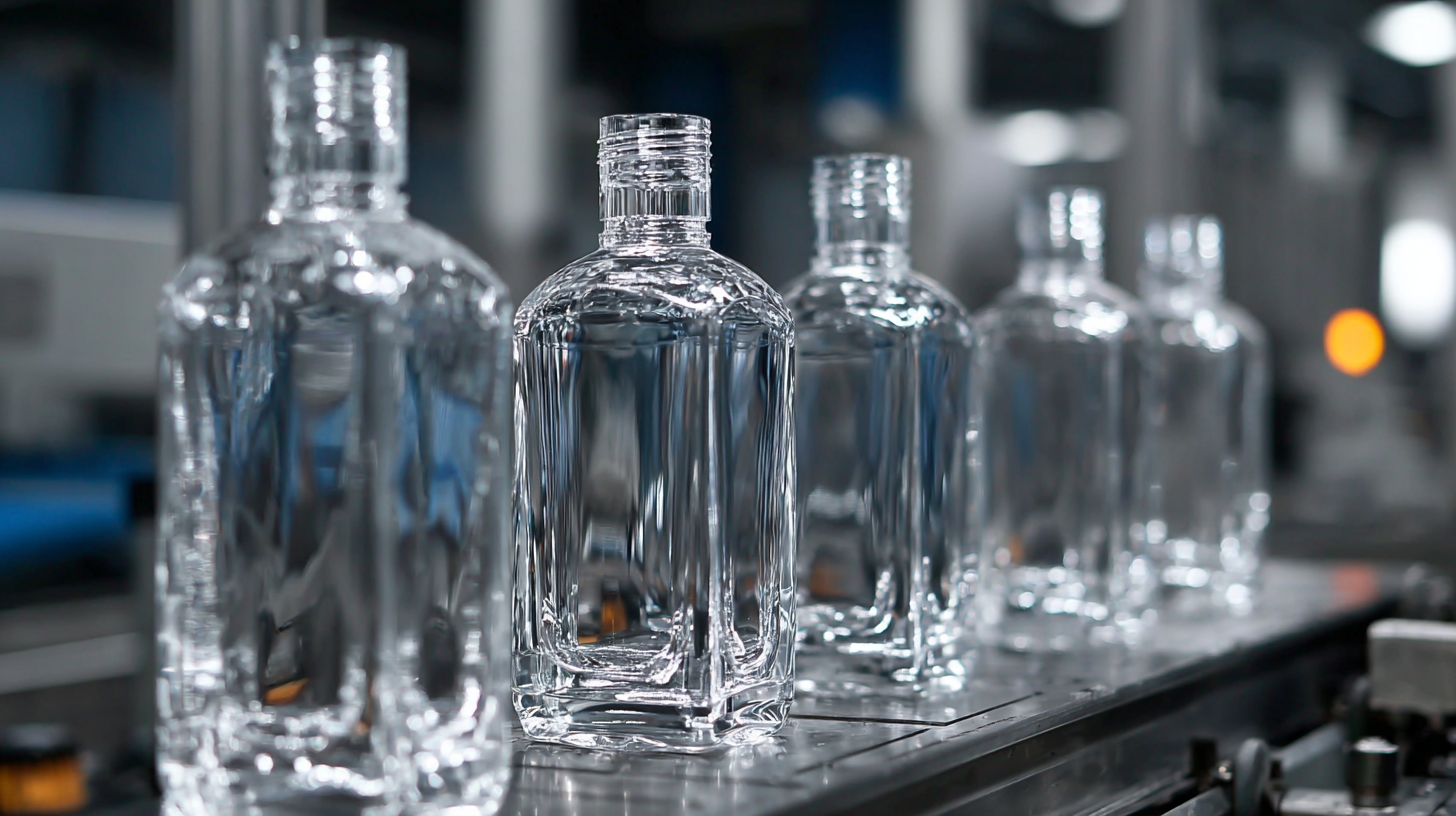
Foshan Baijinyi Precision Tech (BJY) is definitely leading the charge here, with loads of know-how in designing and making PET molds—like blow molding and injection molds—that fit right into these trends. As consumers get more eco-conscious and companies aim for sustainability, it’s super important to understand what really matters when choosing the right CSD bottle molds. Doing so helps streamline production and keeps up with what customers want. This post is here to share some handy tips, based on what the industry is buzzing about, to help you make smarter choices in this evolving landscape.
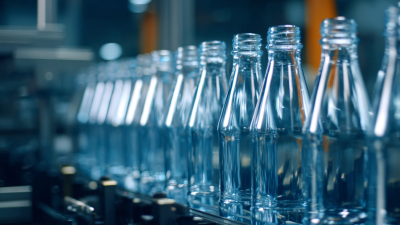
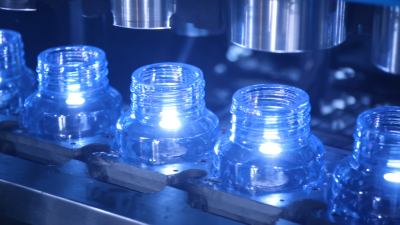
You know, in the world of beverages, carbonated soft drinks—CSDs for short—really hold a big place. And honestly, the molds they use to make their bottles are pretty much a key part of their success. These molds aren’t just about making the bottles look good; they also affect how well the bottles work and how efficiently they’re produced. Picking the right molds can impact everything—like how long the drink stays fresh or even the environmental footprint. So, it’s a big decision for manufacturers, for sure.
Lately, there’s been a real shift towards more sustainable and innovative bottle designs. A lot of beverage brands are moving toward lighter bottles that still keep their shape and strength—basically, they want to cut down on material costs and be kinder to the planet at the same time. Plus, with new mold tech, companies can create some pretty detailed, eye-catching designs that make the products stand out and boost brand recognition. Keeping an eye on these trends helps manufacturers pick molds that not only match what consumers want today but also help their products shine in a pretty crowded market. As things keep evolving, choosing the right CSD bottle molds will definitely be a major factor shaping the future of soft drink packaging—no doubt about it.
| Tip No. | Tip Description | Importance Level | Trends Impact |
|---|---|---|---|
| 1 | Assess the material strength | High | Ensures durability and longevity |
| 2 | Consider the manufacturing process | Medium | Affects production efficiency |
| 3 | Evaluate design flexibility | High | Supports innovation in product offerings |
| 4 | Check for compatibility with existing equipment | High | Minimizes additional investment costs |
| 5 | Consider eco-friendliness of materials | Medium | Aligns with sustainability trends |
| 6 | Analyze the supplier's reputation | High | Ensures reliability and quality |
| 7 | Evaluate cost-effectiveness | High | Maximizes profit margins |
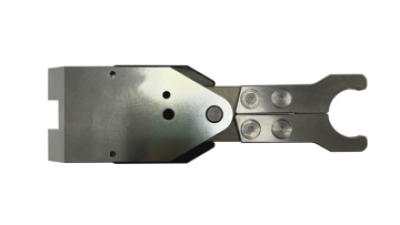
In the world of automated production, ensuring efficiency and precision is paramount. The Bottle Gripper, a cutting-edge component specifically designed for PET blow molding machines, represents a significant advancement in this area. As emphasized in recent industry reports, the integration of high-strength alloy materials in manufacturing not only enhances the durability of gripper assemblies but also contributes to stable clamping force. This is crucial in high-speed production environments, where precision is required for tasks like preform gripping and transfer.
The functionality of the Bottle Gripper extends beyond durability; its modular design allows for rapid replacement and effortless maintenance. In a study published by the Global Manufacturing Federation, it was revealed that production lines utilizing modular components see a 30% decrease in downtime compared to those that rely on traditional setups. This adaptability proves invaluable as manufacturers can quickly adjust to different bottle types and production requirements, ultimately driving up operational efficiency.
Moreover, the meticulosity in precision machining processes underlying the design of the Bottle Gripper cannot be overstated. Industry analysts indicate that accurate positioning is a critical determinant of product quality in bottling operations. By leveraging technologies that ensure this precision, manufacturers can improve their output quality while optimizing their workflows. Embracing such innovations can significantly enhance daily operations, merging functionality and comfort in one seamless solution.
: When selecting materials for CSD bottle moulds, it's essential to consider durability and recyclability. Materials derived from renewable sources, such as biomass and recycled polymers, can significantly reduce environmental impacts while maintaining performance standards.
Recyclability is crucial due to growing concerns over plastic waste. Using recycled materials in CSD bottle production can help minimize environmental effects while ensuring that the moulds perform effectively in real-world applications.
Understanding the mechanical properties, such as strength-to-weight ratios, is vital in mould selection. Optimizing these properties can enhance the lifecycle of moulds and make them easier to handle during production.
Technology significantly enhances mould manufacturing by improving precision and efficiency. Advanced engineering, automation, and software simulations allow for better predictions of performance and help minimize waste during production.
Manufacturers should choose high-quality, durable materials for mould production that are capable of withstanding the pressure from carbonation without compromising the shape or design of the bottles.
Regular maintenance is essential to prolong the life of CSD bottle moulds, enhance production efficiency, and prevent costly downtime. Establishing a routine cleaning and inspection schedule can help identify issues before they impact production.
Effective maintenance practices include routine cleaning with compatible agents, regular inspections for wear and tear, lubricating moving parts to reduce friction, and professional servicing for fatigued moulds to restore functionality.
Emerging technologies such as 3D printing and energy-efficient manufacturing processes provide greater flexibility in design and production, allowing businesses to quickly adapt to market demands while maintaining high quality.
Natural fiber composites demonstrate excellent performance metrics and are considered a promising option for future CSD bottle moulds due to their strength and sustainability.
Moulds that can easily be modified or repurposed for new designs offer significant long-term value as the industry shifts toward more sustainable practices, allowing manufacturers to respond effectively to changing market needs.
Picking the right CSD bottle molds really makes a difference if you're in the beverage game. For companies like Foshan Baijinyi Precision Technology Co., Ltd., who focus on PET liquid packaging molds, understanding how important these molds are can actually affect how smoothly your production runs and how good your final products turn out. Things to think about include using materials that boost durability and performance—nobody wants molds breaking down mid-production, right? Plus, staying on top of the latest technology in mold manufacturing can give you a real edge.
As industry trends shift, it’s smart to align your choices with these updates to keep your processes efficient and up-to-date. Also, don’t forget that proper maintenance of your CSD bottle molds can really extend their lifespan and keep things running smoothly for your line. If you focus on these key points, beverage makers will be better equipped to make smart decisions that help them grow and deliver top-quality products. It’s all about making things easier and more effective in the long run, after all!