Leave Your Message
*Name Cannot be empty!
* Enter product details such as size, color,materials etc. and other specific requirements to receive an accurate quote. Cannot be empty
0%

As the manufacturing world keeps shifting, you really can't ignore how important Injection Molds are for driving innovation. I recently came across a market report that says the global injection molding industry is expected to hit around $300 billion by 2026. That's pretty incredible, especially considering it's growing at about 5.3% every year from 2021 to 2026. Most of this boom comes from new materials and tech advancements, which are making production way more efficient and eco-friendly.
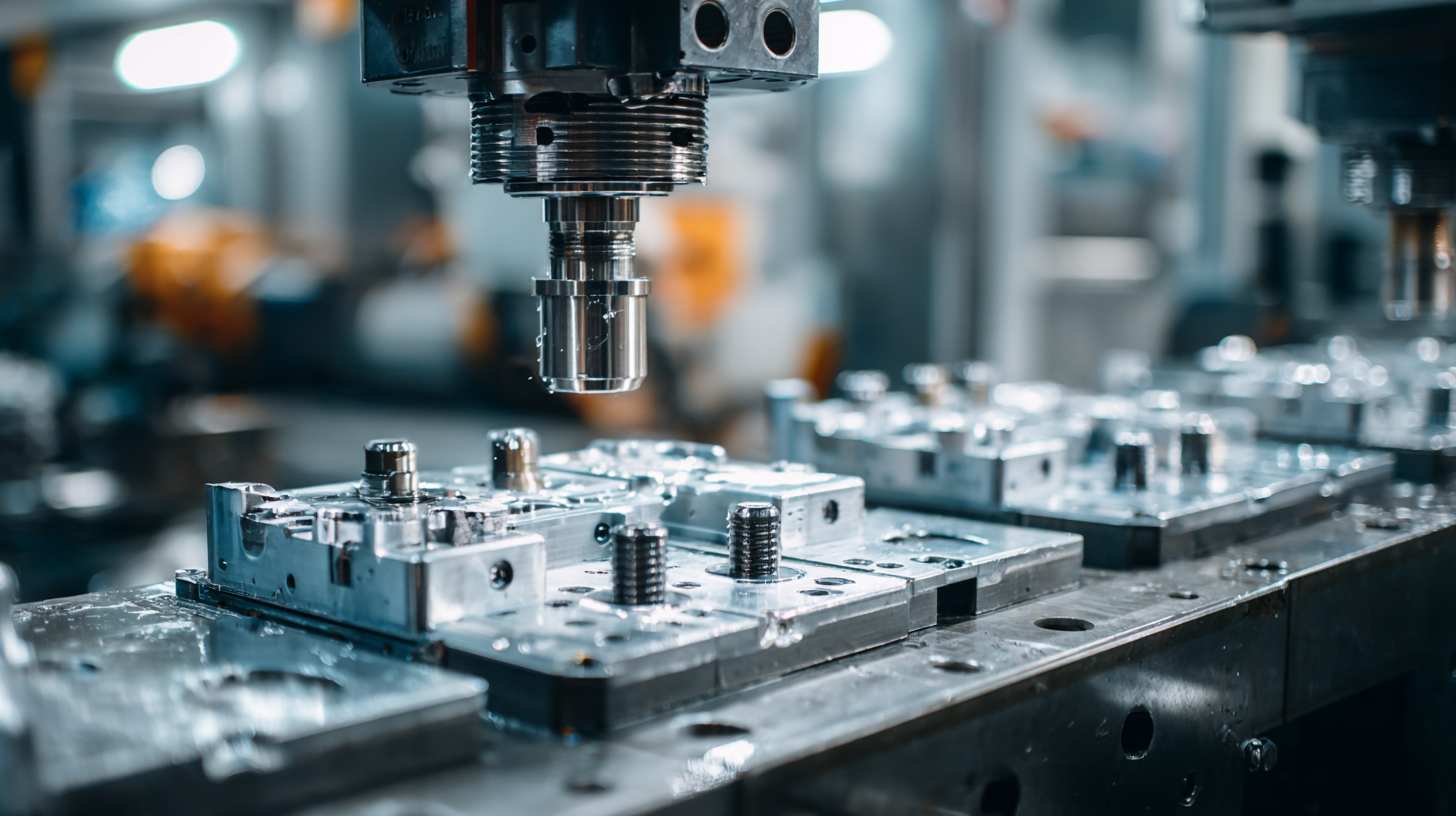
The Future of Manufacturing Understanding the Role of Injection Molds in Innovation

Companies like Foshan Baijinyi Precision Technology Co., Ltd. (BJY)are right at the heart of this change. They focus on designing and making PET liquid packaging molds—like Blowing Molds, PET injection molds, and compression capping molds—tailored to meet what different industries need today. Thanks to the power of injection molds, BJY is not only boostingproductivity and accuracy but also helping push the whole industry toward more innovative manufacturing solutions. It’s pretty exciting to see how they’re positioning themselves as a key player in this fast-paced market.

The Evolution of Injection Molding: From Traditional Techniques to Digital Innovation

The way injection molding has evolved is pretty fascinating. It’s gone from those old-school, hands-on methods to these super advanced digital tools that really transform things. Back in the day, manufacturers mainly used manual processes and pretty simple machines, which meant things weren’t always super fast or precise. Traditional injection molding involved skilled artisans crafting Metal Molds—a process that could take ages and cost a lot in labor. Sure, these methods laid the groundwork for mass production, but they didn’t offer much flexibility or quick adaptation when market needs changed.

Now, thanks to digital tech, the whole industry has stepped up big time. CAD and CAM systems have made designing and producing molds way faster and more accurate—think rapid prototyping and fewer errors. Plus, with sensors and automation in the mix, machines can now monitor themselves and make real-time tweaks. That means everything runs more smoothly, wastes less material, and overall, it's way more efficient. As manufacturers keep embracing these digital upgrades, they’re not just making production better—they’re also better equipped to keep up with what consumers want. It’s exciting to think about where this is all headed—manufacturing is definitely becoming more agile and competitive than ever before.

The Future of Manufacturing: The Role of Injection Molds in Innovation

Key Advantages of Injection Molds in Modern Manufacturing Processes

Injection molds are pretty much the backbone of modern manufacturing these days. They come with a bunch of benefits that really push things forward—making production faster, more precise, and more efficient. I read a report from Research and Markets, and it says that the global market for injection molding could hit around $345 billion by 2025, growing at about 6% annually. That’s pretty significant and just shows how much companies are relying on injection molding to create complex parts, especially in industries like auto making, aerospace, and consumer products. The cool thing is, because of their precision and ability to be repeated over and over, these molds help manufacturers produce top-notch products with hardly any waste—saving a lot on costs overall.

The Future of Manufacturing Understanding the Role of Injection Molds in Innovation

Plus, injection molds make it super easy to do rapid prototyping. Companies can go from sketching out a design to making a real part way faster than with traditional methods. Deloitte even found that about 60% of manufacturers think that embracing advanced manufacturing tech, like injection molding, really boosts their efficiency and performance. Being able to tweak designs quickly and produce customized parts helps businesses stay competitive and adapt to market changes. And, with their long-lasting nature and efficiency, these molds also cut down on waste, which is good for sustainability. Honestly, they’re a big part of developing new and innovative products that consumers today are looking for.

Integrating Smart Technologies: Automation and IoT in Injection Molding

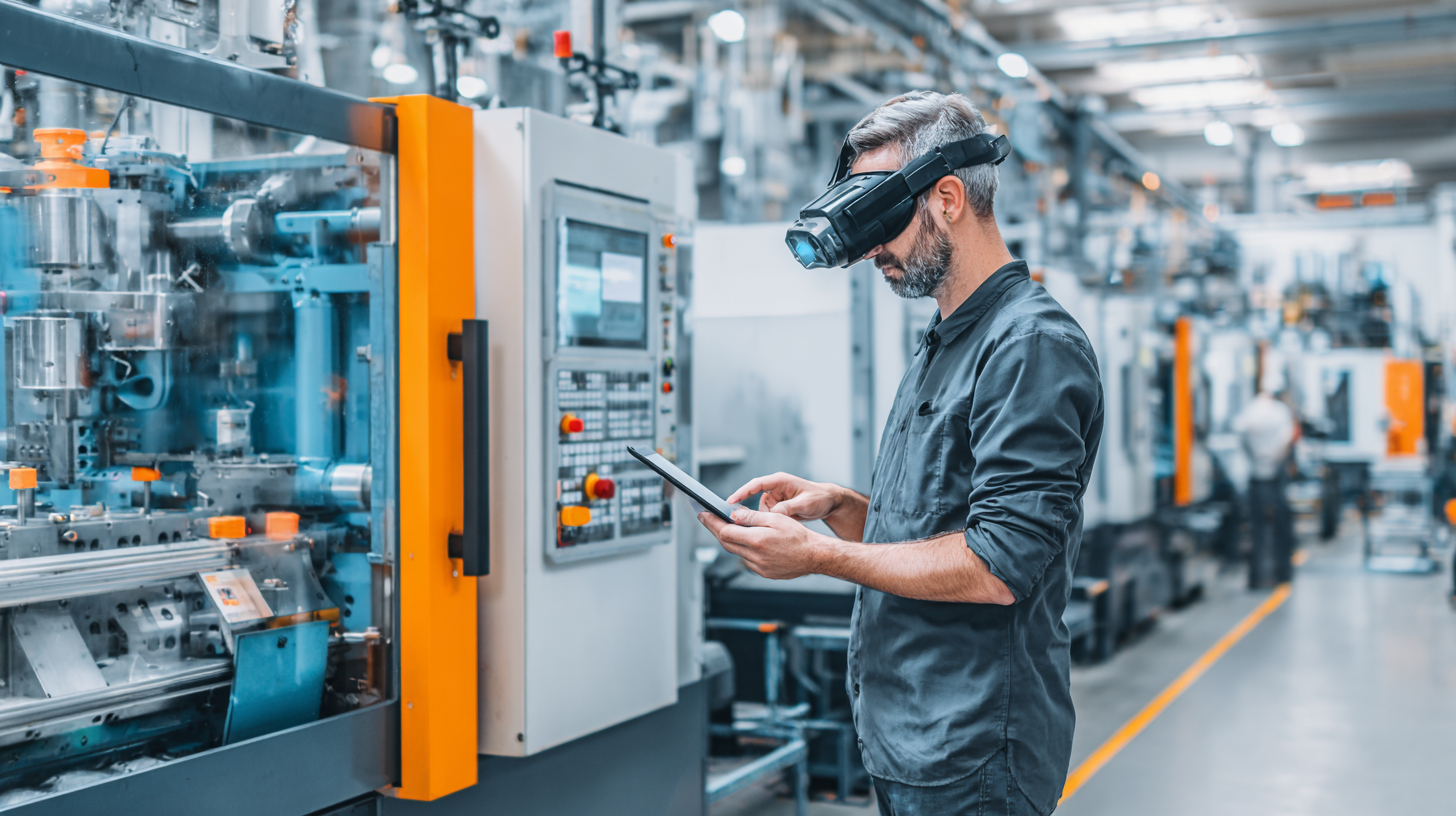
In today’s fast-changing world of manufacturing, it's pretty exciting to see how smart tech like automation and the Internet of Things (IoT) are totally changing the game when it comes to injection molding. When you bring these advanced tools into the mix, you’ll notice stuff like improved efficiency, less downtime, and better quality products. Automated systems with IoT features let you keep an eye on things in real-time and even predict problems before they turn into costly breakdowns. That proactive vibe doesn’t just save time — it also ramps up your overall productivity, making your operations smoother and smarter.

Here's a tip: When you're thinking about adding automation into your injection molding process, start with a good look at your current workflows. Figure out where automation can really make a difference, and pick technologies that can fit in without throwing everything off balance.

Plus, as more manufacturers jump on the IoT bandwagon, they get access to all kinds of useful data that can help them make smarter decisions. Smart sensors attached to your machines can tell you stuff like cycle times, how much material you're using, and how well your equipment is performing overall. Using this data to tweak things can seriously boost efficiency and cut down on waste — which is a big deal if you're serious about sustainability these days.

Here's another tip: Make sure your team is trained on these new tech tools. It's important everyone understands not just how to operate the systems but also how to interpret the data they produce. That way, you get the most out of everything and keep fostering a vibe of innovation within your company.

Sustainability in Injection Molding: Eco-Friendly Materials and Practices

Lately, there's been a real shift towards sustainability in the injection molding world, and honestly, it’s shaping the future of manufacturing pretty significantly. Designers are now leaning more towards eco-friendly materials and practices — you can see this clearly in the tech industry, where folks are making efforts to cut down on plastics in packaging and are choosing recycled materials for their products. Not only does this stuff help reduce environmental harm, but it’s also sparking fresh innovations in mold design and how things are produced.

The Future of Manufacturing Understanding the Role of Injection Molds in Innovation

Take Foshan Baijinyi Precision Technology Co., Ltd., for example. They’re really leading the charge in this sustainability wave. Their focus is on creating PET liquid packaging molds that stick to greener practices. By using recycled materials and finding ways to cut down on waste, they’re helping push the manufacturing scene toward a more eco-conscious direction. And, they’re also exploring new materials like bioresins and smarter tech to develop even better, more sustainable injection molding solutions. All of this pretty much opens the door for a more environmentally friendly future across various industries.

Future Trends: How Injection Molds Will Shape Manufacturing Innovations

Honestly, the future of manufacturing looks pretty exciting, especially with injection molds leading the charge in driving innovation. As industries start craving more customization and faster turnaround times, the technology behind injection molding is really stepping up to meet those demands. They're now using newer materials and clever techniques that let us craft lighter, stronger products—sometimes at a fraction of the usual cost and time. It’s kind of a game-changer because it opens up so many design possibilities, plus it helps cut down on waste, which is great for sustainability, right?

And if that’s not enough, smart tech is really shaking things up too. With the rise of IoT and real-time data analysis, manufacturers can now fine-tune their processes on the fly, catch problems early, and keep quality in check. It makes the whole production process more responsive, adaptable, and, honestly, a lot more fun. Products can be tweaked quickly to match what customers want—no more rigid setups. All this adds up to injection molds not just making things faster and more efficient but also pushing the industry toward constant innovation. That means businesses can stay ahead in an increasingly competitive world, which is pretty awesome, don’t you think?

The Future of Manufacturing: Understanding the Role of Injection Molds in Innovation

Dimension Current Trends Future Innovations Impact on Manufacturing
Material Selection Proven thermoplastics and composites Biodegradable and smart materials Reduced environmental footprint and enhanced performance
Design Techniques Traditional CAD modeling Generative design and simulation tools Faster prototyping and improved product functionality
Production Speed Standard cycle times Rapid injection molding techniques Increased output and responsiveness to market demands
Customization Limited customization options Mass customization through flexible molds Enhanced competitiveness and customer satisfaction
Automation Manual processes Fully automated and connected systems Higher efficiency and reduced labor costs

Maximizing Efficiency: A Comprehensive Overview of Spare Parts for Injection Molding Machines in the Global Market

Maximizing efficiency in the production process is essential for manufacturers around the globe, especially in the realm of injection molding. As industries increasingly lean on PET molding, the demand for high-quality and durable spare parts for injection molding machines has surged. Reports indicate that the global injection molding market is expected to reach USD 179.9 billion by 2027, reflecting a CAGR of 4.5%. This growth underscores the importance of reliable machinery components which directly impact production efficiency.

Our specialized spare parts cater specifically to the needs of PET molding, essential for industries ranging from packaging to automotive. Designed to be compatible with leading injection machine brands such as Husky, Netstal, Sipa, Krauss Maffei, and Huayan, our products guarantee durability and precision. Recent industry analyses suggest that utilizing high-quality, compatible spare parts can enhance operational efficiency by up to 30%, minimizing downtime and ensuring seamless production workflows.

In an era where production efficiency is paramount, investing in superior spare parts can yield substantial returns. With the support of advanced technologies and rigorous quality standards, our components not only meet but exceed industry specifications, ensuring that manufacturers can elevate their injection molding processes to new heights. By focusing on compatibility and reliability, we help businesses streamline operations and maintain a competitive edge in the global market.

FAQS

: What are the benefits of integrating smart technologies in injection molding?

: Integrating smart technologies such as automation and IoT enhances efficiency, reduces downtime, and improves product quality by allowing real-time monitoring and predictive maintenance.

How can IoT devices assist manufacturers in injection molding processes?

IoT devices provide valuable data that enables informed decision-making, offering insights on cycle times, material usage, and overall equipment effectiveness, which can lead to higher efficiency and reduced waste.

What is a recommended first step when considering automation in injection molding?

A thorough analysis of existing workflows should be conducted to identify areas where automation can have the most significant impact while ensuring that chosen technologies integrate seamlessly.

Why is training important when adopting new technologies in injection molding?

Training is essential for the workforce to understand both the operational and analytical aspects of smart systems, maximizing benefits and fostering a culture of innovation.

How is injection molding evolving to meet industry demands?

Injection molding technology is evolving through advanced materials and techniques that allow for the production of lighter, stronger products at lower costs and reduced time, meeting customization and efficiency demands.

What role do smart technologies play in the future of injection molding?

Smart technologies will revolutionize injection molding by optimizing production processes, enhancing quality control, and allowing manufacturers to quickly adapt to changing consumer preferences.

How do advancements in injection molding contribute to sustainability?

The evolution of injection molding technology leads to reduced waste and more efficient production methods, aligning with sustainability goals.

What impacts do real-time data analytics have on injection molding?

Real-time data analytics allow manufacturers to anticipate issues, optimize production processes, and enhance overall quality control.

What are the expected outcomes of a more agile and responsive manufacturing environment?

A more agile and responsive environment enables quick adaptation to consumer preferences, fostering continuous innovation and positioning businesses for competitiveness.

How do advanced techniques in injection molding reduce costs?

Advanced techniques permit the production of complex designs quickly and efficiently, which significantly lowers production costs and time compared to traditional methods.

Conclusion

So, I recently read this article titled "The Future of Manufacturing: Understanding the Role of Injection Molds in Innovation," and it really dives into how injection molding has come a long way. It’s not just about the old-school methods anymore; now we’re seeing some pretty exciting digital innovations shaking things up. The article points out how injection molds are now a big deal in modern manufacturing—stuff like their efficiency, top-notch precision, and how they can handle all sorts of production needs. With automation and IoT tech becoming part of the picture, manufacturers are able to ramp up productivity and get better quality products too.

Plus, they talk about the sustainability side of things, which is super important these days. Using eco-friendly materials and smarter practices is becoming more and more of a priority in the industry—no surprise, since everyone’s really into more responsible ways of making things. Looking ahead, it’s pretty clear that injection molds are going to keep evolving with advanced applications. Companies like Foshan Baijinyi Precision Technology Co., Ltd. are leading the charge, especially with their innovative PET liquid packaging molds, helping push manufacturing into the future.

All in all, it’s an exciting time for this industry—lots of new tech and greener practices shaping what’s next.

Liam

Liam

Liam is a dedicated marketing professional at Foshan Baijin Precision Technology Co., Ltd., where he leverages his extensive expertise to enhance the company’s online presence. With a deep understanding of the precision technology industry, he excels in crafting informative and engaging blog posts......
Previous Future Innovations in Blow Moulders and Their Advantages for Global Buyers