You know, compression molding is pretty much a go-to method in manufacturing, especially when making caps. If you're at companies like ABC Plastics, getting a grip on how the 'Compression Molding Mold for Caps' works is honestly pretty important. It’s a process that’s not only efficient but also gives you tight control over quality. When caps come out of this process, they tend to be super durable and reliable — that’s a big plus, right?
So, here’s the gist: you take your material, pop it into a mold, then apply heat and pressure to shape it. It’s often way cheaper than other options like Injection Molding Caps. But, fair warning — you’ve got to be really careful with choosing the right materials and designing your molds just right to get the best results.
Of course, it’s not all smooth sailing. Designing good molds isn’t trivial — it takes some know-how. Even tiny issues in the mold can cause defects in the final products, so companies really need to keep checking and refining their processes. Staying on top of continuous improvement helps ensure high standards and keeps customers happy. At the end of the day, finding that sweet spot between innovation and dependability is what makes the whole thing work.
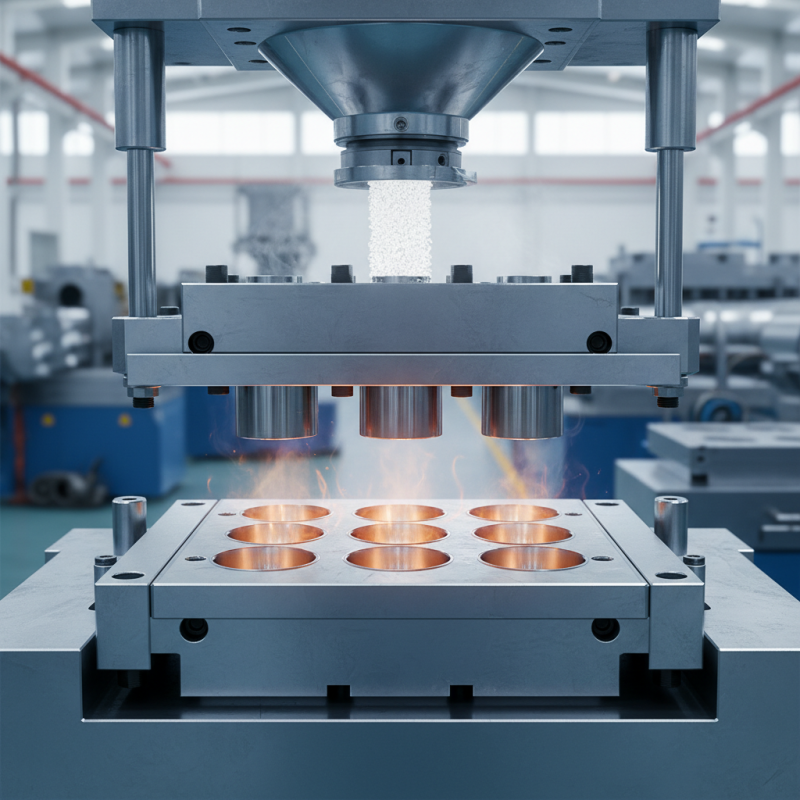
What is a Cap Compression Mold?
A cap compression mold refers to a specialized tool used in the manufacturing process of caps, particularly in the beverage and pharmaceutical industries. This method relies on the principle of compressing heated plastic material in a mold cavity. By applying pressure, the material flows to fill the mold and cools down to form a solid cap. Industry reports indicatethat the global cap compression molding market is set to experience a growth rate of around5% per year. This growth highlights the demand for efficient manufacturing methods and innovative designs in the industry.
The efficiency of cap compression molds contributes significantly to resource management. The process minimizes waste, allowing for the use of recycled materials. This practice leads to lower production costs while maintaining high-quality output. Many manufacturers implement ODM Injection Molding Caps to ensure precision and durability in their products. However, achieving optimal results requires careful monitoring of temperature and pressure during the molding process.
Tip: Regularly calibrate your equipment to maintain accuracy. Small deviations can lead to significant inconsistencies in cap production. Keep an eye on material quality as well; not all recycled plastics perform equally in molding applications. Investing time in maintaining your molds and machinery can save significant costs in the long run.
Understanding the Basics of Compression Molding
Compression molding is a popular process in manufacturing, particularly for plastic and rubber components. It involves placing material into a heated mold cavity. When the mold is closed, pressure is applied. This heats the material, allowing it to flow and fill the mold. According to a report from the Plastics Industry Association, the global plastic molding market is expected to grow by 4.5% annually. This emphasizes the increasing demand for compression molding techniques.
Cap compression molds are designed specifically for creating caps and closures. These molds ensure precise shaping and quick production cycles. They play a crucial role in industries such as beverage and pharmaceuticals. The efficiency of this process can greatly reduce material waste, as the controlled heating allows for near-complete usage of the molding material. However, manufacturers must closely monitor the heating and pressure settings. Even slight deviations can lead to defects in the final product.
The technique presents challenges too. Consistent quality can be hard to maintain. Variations in material viscosity can affect the outcome. Finding the right balance in pressure and temperature is complex. Continuous innovation in mold design is necessary to address these issues. Understanding the intricacies of cap compression molding is vital for those looking to enhance production efficiency and product quality. As the industry evolves, staying informed is essential.
Components of a Cap Compression Mold
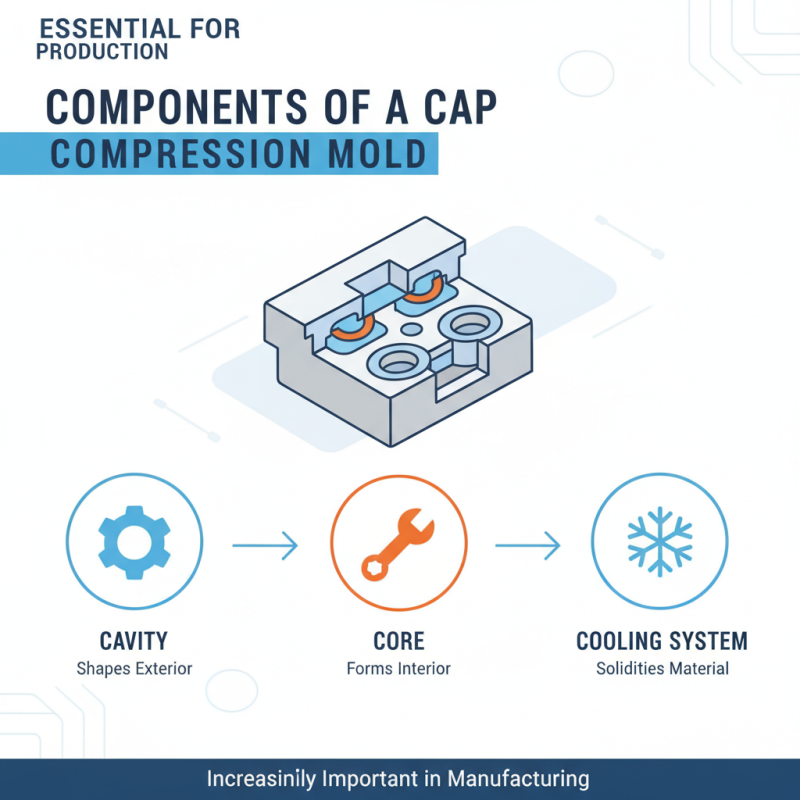
Cap compression molds are increasingly important in the manufacturing landscape. Understanding their components is essential for optimizing production. A typical cap compression mold consists of several key elements: the cavity, core, and cooling system. Each of these plays a vital role in shaping and solidifying the materials used in production.
The cavity is the female part of the mold. It defines the outer shape of the cap. The core, on the other hand, forms the inner dimensions. Proper alignment between these two components is critical. Industry reports indicate that misalignment can lead to defects and increased rejection rates. Cooling systems, often integrated within the mold, are essential for reducing cycle times. Efficient cooling can decrease production time by up to 30%. This efficiency is crucial for companies focused on OEM Injection Molding Caps, where precision and speed drive competitiveness.
However, achieving a perfect mold design is challenging. Materials can behave unpredictably under heat and pressure. Testing and adjustments are often necessary. It's not uncommon for manufacturers to face issues with material flow and cooling uniformity. Continuous improvement processes are important in addressing these concerns. Data suggests that companies that invest time in refining their mold designs see a 20% boost in production efficiency.
How Cap Compression Molds Function
Cap compression molds play a significant role in the manufacturing of various products, especially in the beverage and packaging industries. These molds operate using a straightforward yet efficient process. They start with inserting plastic material into the mold cavity. The mold closes, and pressure is applied to shape the plastic. This process ensures a precise fit for the final product, minimizing waste.
The functionality of cap compression molds is rooted in their ability to create consistent and high-quality caps. The pressure applied during molding helps to evenly distribute heat, resulting in a robust product. However, it’s important to monitor the pressure and temperature carefully. Overdoing it can lead to defects, such as warping or incomplete filling. This aspect of the process requires a lot of experience and attention. Many manufacturers face challenges regarding material flow and cooling times, especially when competing in the global market, such as China Injection Molding Caps.
Quality control is another critical part of the cap compression mold process. Regular testing and adjustments are essential to maintain product integrity. Manufacturers often have to reflect on their methods to find improvements. Data-driven decisions can enhance performance, ensuring molds consistently produce top-quality caps. Engaging with industry experts can facilitate knowledge exchange, leading to better practices and innovations in mold technology.
Materials Used in Cap Compression Molds
Cap compression molds are essential tools in the manufacturing process of various caps. The materials used in these molds play a critical role in their effectiveness and durability. Key materials include steel, aluminum, and specialized polymers. Steel is favored for its strength and longevity. It can withstand high pressure and temperature, making it ideal for compression molding. However, steel molds can be heavy and costly.
Aluminum is another popular choice. It is lighter and more cost-effective than steel, allowing for faster production. However, it may not provide the same level of durability over time. Another option is the use of high-quality polymers. These materials are often employed for their resistance to corrosion and flexibility in design. Yet, they can suffer from thermal instability in extreme conditions.
Choosing the right material is crucial. It depends on the production scale and specific needs. Steel molds might be perfect for large, high-volume runs, while aluminum works well for smaller batches. High-performance polymers can provide unique design flexibility. Each material has its strengths and weaknesses, and the decision should align with production goals. This selection process requires careful consideration and expertise to ensure optimal outcomes.
What is a cap compression mold? - Materials Used in Cap Compression Molds
| Material Type | Common Characteristics | Applications |
| Polypropylene (PP) | Lightweight, good chemical resistance, and high durability | Bottle caps, food containers, and automotive parts |
| High-Density Polyethylene (HDPE) | Strong, resistant to impact and moisture | Cap closures, chemical bottles, and pipes |
| Polyethylene Terephthalate (PET) | High clarity, good strength, and resistant to moisture | Beverage caps and packaging |
| Thermoplastic Elastomers (TPE) | Flexible, soft touch, and good elasticity | Childproof caps, grip seals, and automotive applications |
| Polyvinyl Chloride (PVC) | Versatile, durable, and resistance to environmental degradation | Pipes, bottles, and various closures |
Applications of Cap Compression Molds in Various Industries
Cap compression molds are essential in various industries. They make it possible to produce caps with precise shapes and sizes. These molds are used extensively in the packaging industry, especially for bottles and jars. The ability to create custom designs allows for better product differentiation.
In the food and beverage industry, cap compression molds play a crucial role. They ensure tight seals on containers, preserving freshness and preventing leaks. This process enhances the consumer experience. However, managing mold wear and tear can be challenging. Regular inspections and maintenance are necessary to sustain quality.
The pharmaceutical industry also benefits from these molds. They create child-resistant caps, ensuring safety. Custom Injection Molding Caps are tailored to meet specific regulatory needs. Balancing safety with usability is complex. Constant innovation is essential to improve designs while meeting industry standards.
Applications of Cap Compression Molds in Various Industries
Advantages of Using Cap Compression Molds Over Other Techniques
Cap compression molds offer several advantages that make them a preferred choice in various manufacturing processes. They ensure a more consistent product finish, which is crucial for maintaining quality standards. Unlike other molding techniques, cap compression molds can produce complex shapes with fewer defects, thanks to their efficient processing methods.
One significant advantage is the reduction of material waste. Cap compression molds utilize raw materials more effectively, minimizing excess waste. This efficiency not only benefits cost management but also supports sustainability efforts in manufacturing. Furthermore, the speed of production with these molds is noteworthy. They allow for rapid cycle times, enabling manufacturers to meet tight deadlines without compromising quality.
Despite these benefits, the learning curve can be steep. Not all engineers are familiar with the intricacies of cap compression molds. It may require additional training and adjustment in production techniques. Manufacturers should assess their current capabilities and consider any needed investments in technology or training. This reflection on potential challenges is essential for a smooth transition to using cap compression molds effectively.
Conclusion
A cap compression mold is a specialized tool used in the manufacturing process of caps, where materials are shaped and solidified through compression molding. This technique involves placing raw material into a heated mold cavity, which is then compressed to form the desired cap shape. Key components of a cap compression mold include the Mold Base, cavity, and press mechanism, all working together to ensure precise shapes and sizes.
The functionality of cap compression molds relies on the properties of selected materials that provide durability and resistance. Commonly used materials include various thermoplastics and elastomers, chosen for their ability to withstand the stresses of compression. This molding technique finds applications across numerous industries, including beverage, pharmaceuticals, and cosmetics, due to its efficiency and cost-effectiveness. One of the primary advantages of using a Compression Molding Mold for Caps is its ability to produce high-quality, uniform caps in large quantities, offering a clear edge over other manufacturing techniques.
 Chinese
 Email
Email Whatsapp
 WeChat