Chinese
-
 Email
Email -
 Whatsapp
-
 WeChat
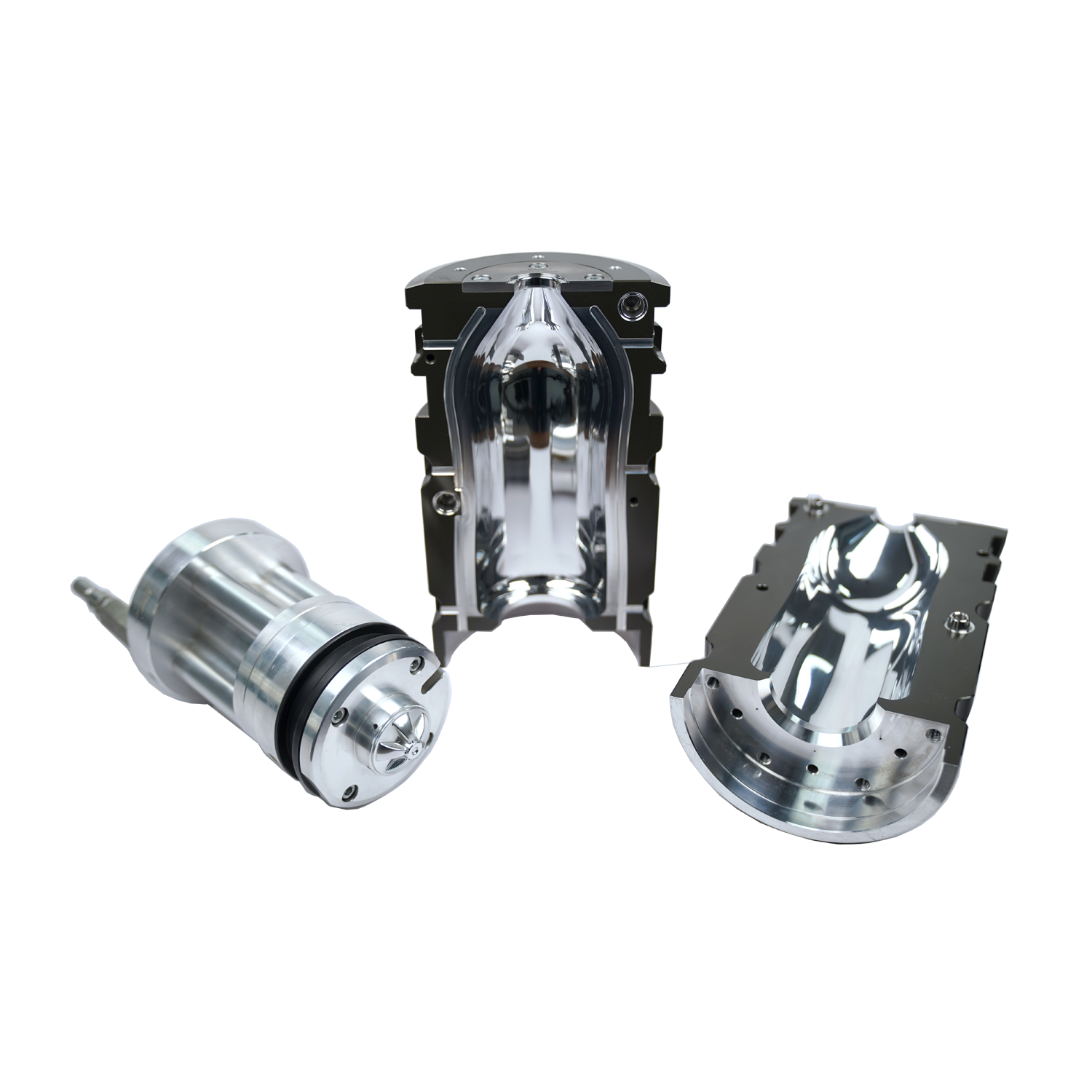
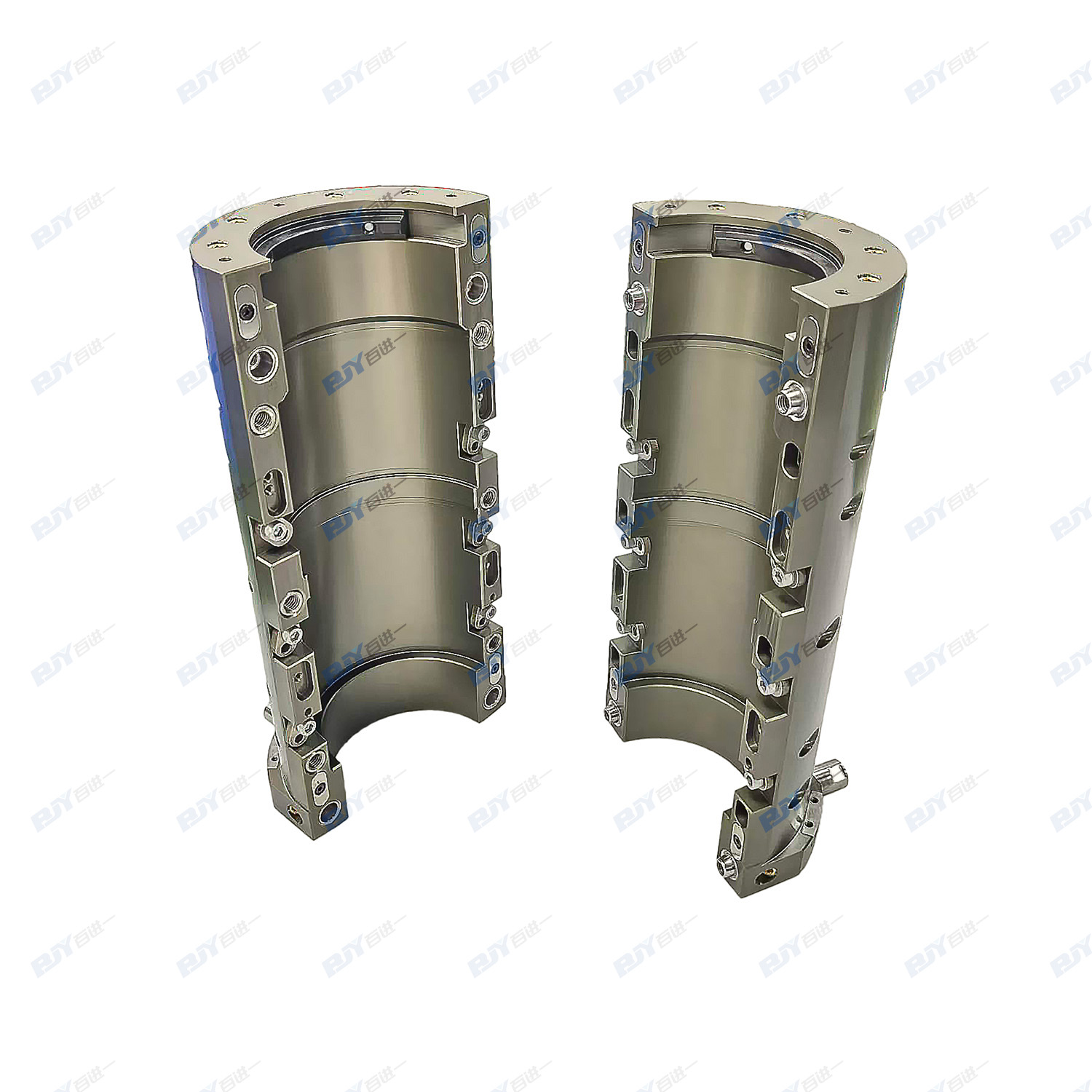
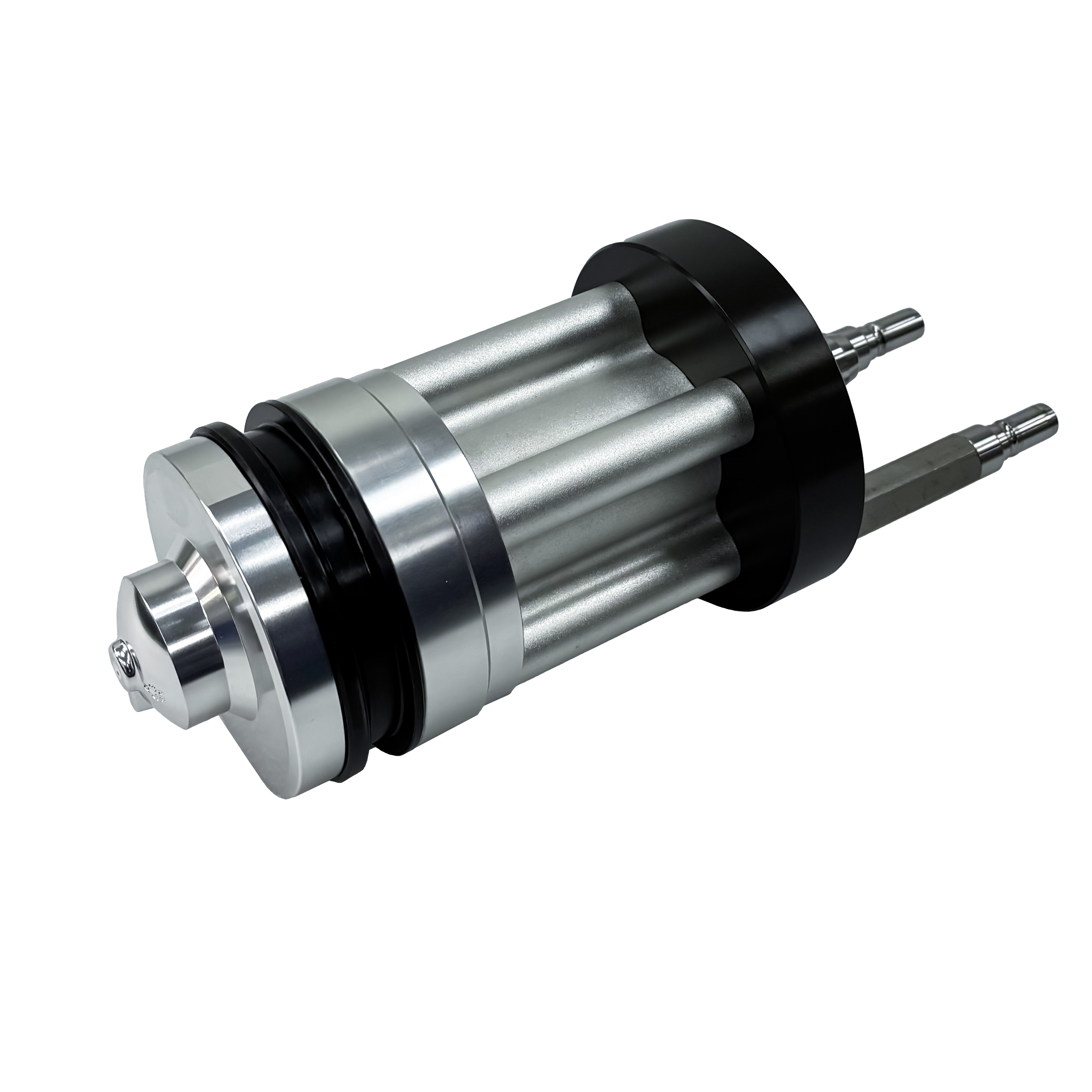
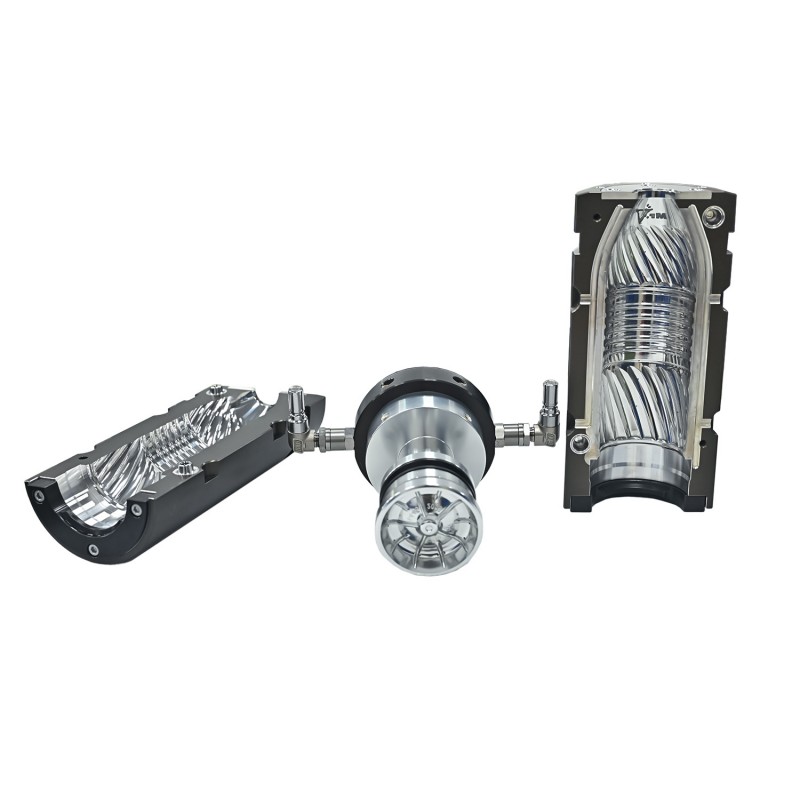
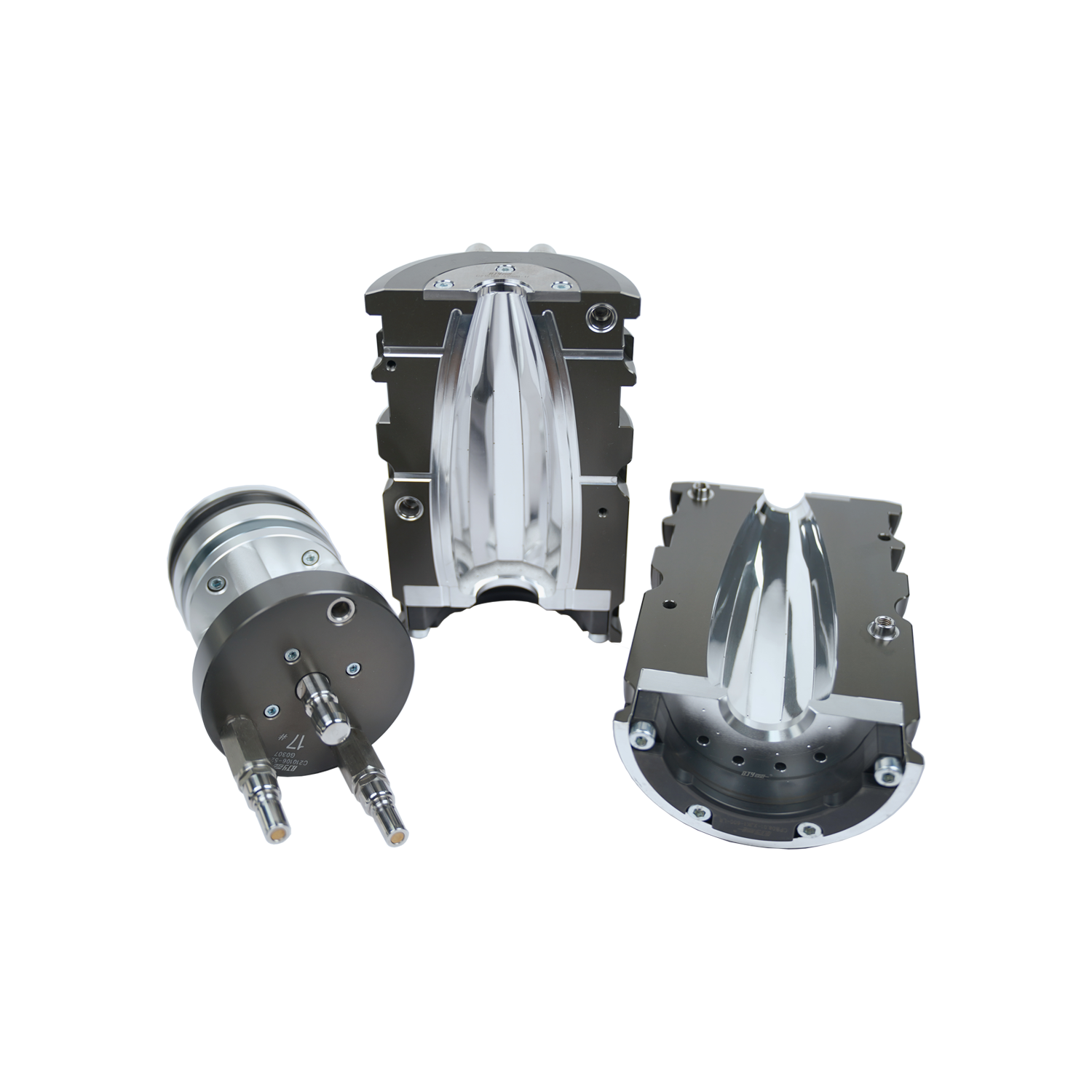
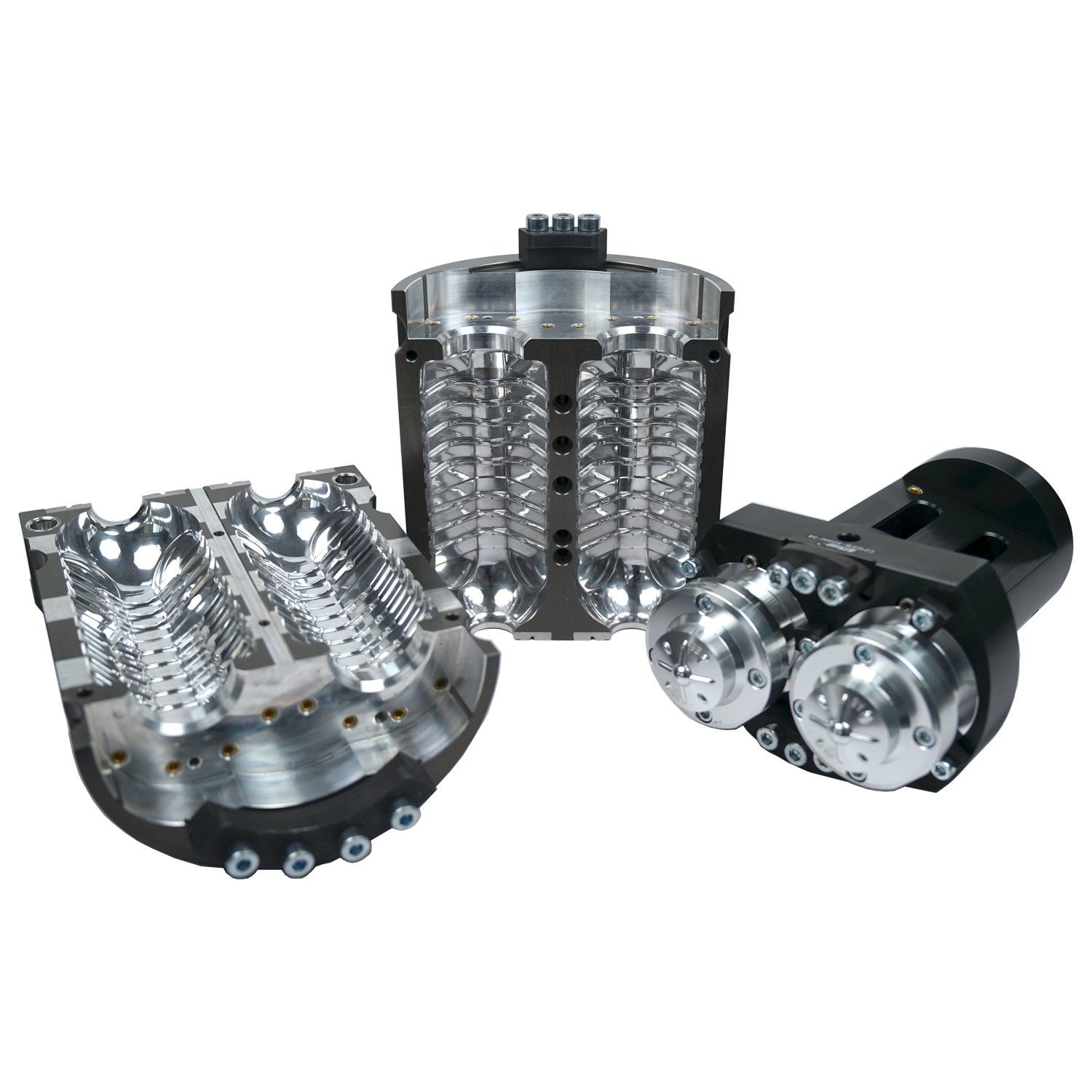
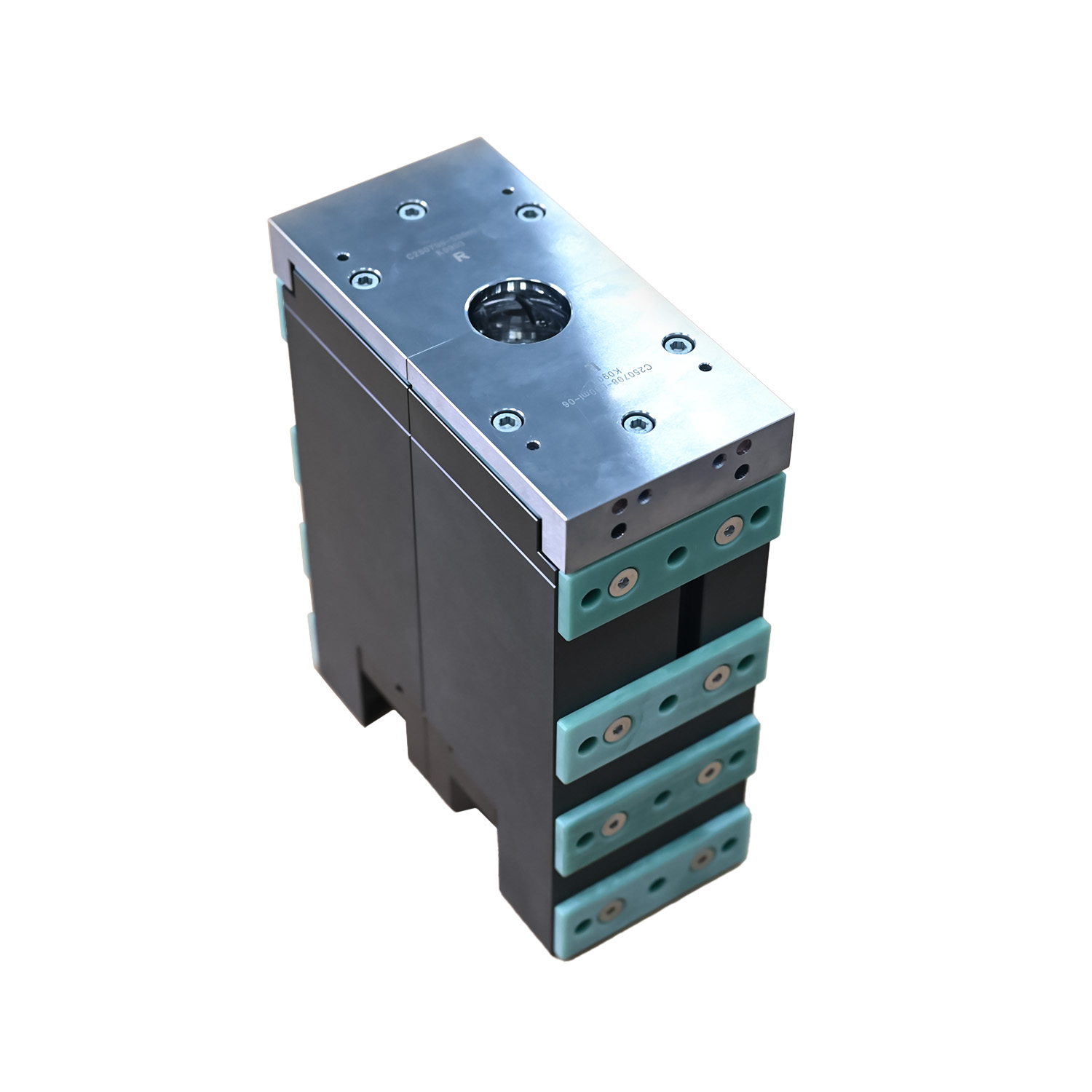
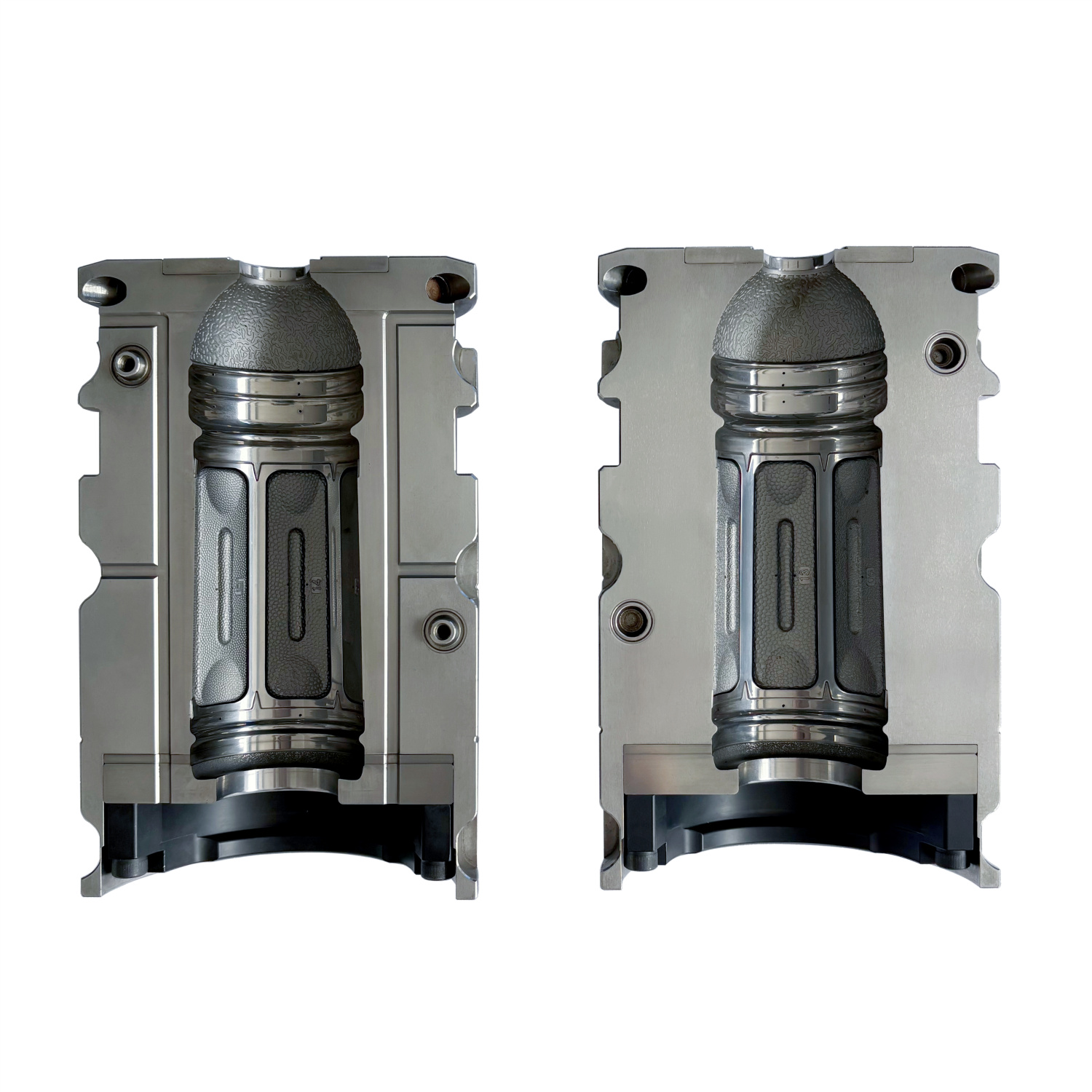
High-precision tooling engineered for seamless integration with leading blow molding machinery platforms.
Understanding the industrial landscape, commercial significance, and evolving demands of blow mold tooling.
Blow moulders — the precision-crafted tooling at the heart of every PET bottle and hollow plastic container production line — have become one of the most strategically important components in modern packaging manufacturing. As global demand for lightweight, recyclable, and aesthetically complex plastic packaging continues to surge, the quality, durability, and maintainability of blow molds directly determine the profitability and competitiveness of production operations worldwide.
In the context of injection and blow molding machinery maintenance, blow moulders occupy a uniquely critical position. Unlike consumable machine parts, a well-engineered blow mold represents a significant capital investment that must perform reliably over millions of cycles — often across multiple product changeovers, cavity configurations, and bottle format adjustments. Maintenance professionals, production engineers, and procurement teams across the beverage, pharmaceutical, personal care, and food industries increasingly recognize that mold quality is not a secondary consideration: it is a primary driver of total cost of ownership.
Industry analysts project the global blow molding equipment and tooling market to exceed USD 6.8 billion by 2030, driven by rising PET bottle consumption in Asia-Pacific, increased hot-fill beverage production, and accelerating demand for lightweight, multi-cavity mold configurations compatible with high-speed rotary platforms.
The blow mold tooling sector has undergone a significant transformation over the past decade. What was once a fragmented, regionally concentrated industry dominated by European and North American toolmakers has evolved into a globally competitive market, with precision manufacturers in China, India, and Southeast Asia now supplying world-class molds to beverage giants, pharmaceutical companies, and contract packagers on every continent.
Several macro-trends are reshaping the commercial landscape:
The next generation of blow moulders for injection and blow molding machinery maintenance is being defined by several converging technological trends:
High-strength aluminum alloys — particularly those in the 7000-series — are increasingly displacing traditional steel in blow mold construction for standard PET applications. These materials offer exceptional thermal conductivity (critical for cycle time reduction), significantly lower weight for faster mold changeovers, and superior machinability for complex cavity geometries. For maintenance teams, aluminum molds also offer the advantage of easier repair and cavity modification without the need for specialized welding equipment.
While aluminum dominates standard cold-fill PET applications, steel blow molds remain the preferred solution for hot-fill beverages, carbonated soft drinks requiring high internal pressure resistance, and pharmaceutical containers demanding absolute dimensional stability. The development of specialized steel alloys with improved corrosion resistance and surface hardness is extending the service life of these molds well beyond traditional benchmarks.
The relentless drive for output efficiency has pushed rotary blow molding machines to configurations of 20, 28, and even 40 cavities operating at speeds exceeding 80,000 bottles per hour. Blow moulders designed for these platforms must achieve cavity-to-cavity consistency within micron-level tolerances, with mold shells engineered to withstand the centrifugal forces and thermal cycling inherent in continuous high-speed operation.
Industry 4.0 principles are beginning to penetrate blow mold maintenance workflows. RFID tags embedded in mold bodies now enable automatic identification and maintenance history tracking. Sensor-equipped mold shells can monitor cavity temperature distribution, clamping pressure uniformity, and wear indicators in real time — feeding data directly to machine control systems for predictive maintenance scheduling.
3D printing technologies — particularly metal powder bed fusion — are being explored for the production of conformal cooling channels within blow mold cavities, enabling more uniform temperature distribution and faster cycle times. While full additive manufacturing of production-grade blow molds remains an emerging capability, hybrid approaches combining printed inserts with machined mold bodies are already delivering measurable performance improvements in pilot applications.
Understanding where and how blow moulders are deployed in real-world injection and blow molding machinery maintenance contexts reveals the full complexity of this discipline:
The beverage sector accounts for the largest share of global blow mold consumption. A single high-speed rotary line producing 1.5L water bottles may cycle through a set of 20-cavity molds more than 300 million times annually. Maintenance protocols for these molds must address cavity surface wear, vent channel blockage, bottom mold insert alignment, and neck finish dimensional drift — all while minimizing planned and unplanned downtime. Aluminum molds in this environment typically require cavity re-polishing every 3–6 months and full dimensional inspection every 12 months.
Pharmaceutical blow molding — particularly for HDPE bottles, IV bags, and medical device packaging — demands a fundamentally different maintenance philosophy. Regulatory compliance requires documented traceability of every mold modification, material certification for all mold components in contact with product, and validation of dimensional stability across production batches. Steel molds with hard chrome or electroless nickel plating are standard in this sector, with maintenance intervals driven by regulatory audit schedules rather than purely mechanical wear indicators.
Shampoo bottles, lotion dispensers, and cosmetic containers represent some of the most geometrically complex blow mold designs in production. Multi-panel designs, textured surfaces, and asymmetric profiles require molds with exceptionally fine surface finishes and precise parting line control. Maintenance of these molds focuses heavily on surface quality preservation — preventing micro-scratches, oxidation, and parting line flash that would compromise the premium aesthetic expectations of brand owners.
Hot-fill blow molding — used for juices, sauces, and condiments filled at temperatures up to 95°C — subjects mold cavities to extreme thermal cycling. Steel molds with vacuum panels and specialized panel geometry are engineered to accommodate the thermal contraction of the bottle after filling. Maintenance of hot-fill molds requires particular attention to panel flatness, hinge area fatigue, and the integrity of cooling channel connections, which are subjected to repeated thermal expansion and contraction stresses.
Large-format blow molds for industrial containers — jerry cans, chemical drums, and agricultural tanks — prioritize structural durability over production speed. These molds, often manufactured from high-grade steel with reinforced parting surfaces, may operate for a decade or more with appropriate maintenance. Key maintenance activities include parting surface re-grinding, flash trimmer replacement, and periodic non-destructive testing of mold body integrity.
How innovation is redefining performance standards for injection and blow molding tooling.
Machine learning algorithms analyze vibration, temperature, and pressure data from instrumented mold assemblies to predict cavity wear and schedule maintenance interventions before quality defects occur — reducing unplanned downtime by up to 40%.
As brands commit to 50%+ recycled content targets, mold manufacturers are developing surface treatments and cavity geometries optimized for the variable viscosity and color inconsistency of rPET feedstocks — maintaining output quality without compromising sustainability goals.
Advanced CNC machining and additive manufacturing enable cooling channels that precisely follow cavity contours, delivering up to 30% faster cycle times and dramatically improved temperature uniformity across the mold cavity surface.
Modular blow mold systems — featuring interchangeable body, bottom, and neck finish inserts — allow manufacturers to reconfigure tooling for new bottle formats without full mold replacement, dramatically reducing changeover costs and tooling inventory.
Virtual mold models synchronized with real-time production data enable engineers to simulate maintenance scenarios, optimize cooling parameters, and validate design modifications digitally before implementing physical changes — compressing development cycles significantly.
PVD coatings, diamond-like carbon (DLC) films, and electroless nickel plating are extending mold cavity service life by 2–3x compared to untreated surfaces, while also improving release properties and reducing cleaning frequency in production environments.
Keep improving, for better products!
We strive for excellence and create more value and services for our customers — building partnerships that endure beyond individual projects.
We are rigorous and meticulous, devoted and selfless, full of vitality, and brave in innovation — bringing precision engineering to every mold we produce.
We aspire to be a trusted strategic partner — understanding your production challenges and delivering tooling solutions that maximize your operational performance.
We have advanced production equipment and comprehensive testing facilities, with mature production and testing processes to provide consistently high-quality blow mold products.
Innovative Spirit: We dare to experiment and are committed to innovation — continuously advancing our blow mold design, material selection, and manufacturing processes to stay ahead of industry demands.
Integrity First: Integrity is the cornerstone of our values. Every specification we commit to, every delivery timeline we promise, and every quality standard we set is backed by our unwavering commitment to honest business practice.
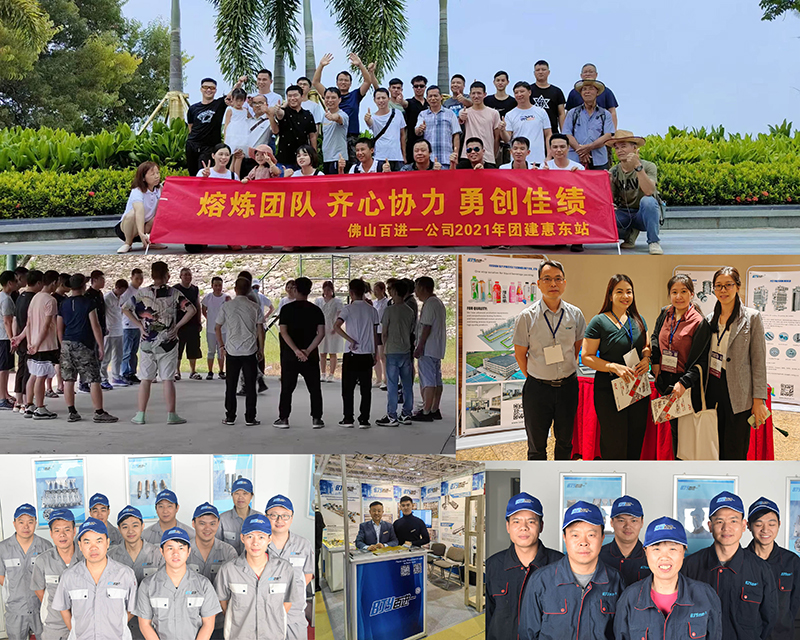
Employee Care: We prioritize employee growth, investing resources annually in training and skill enhancement. We care about employees' lives, providing accommodation and meals, giving employees far from home a sense of belonging — because we know that exceptional molds are built by exceptional people.
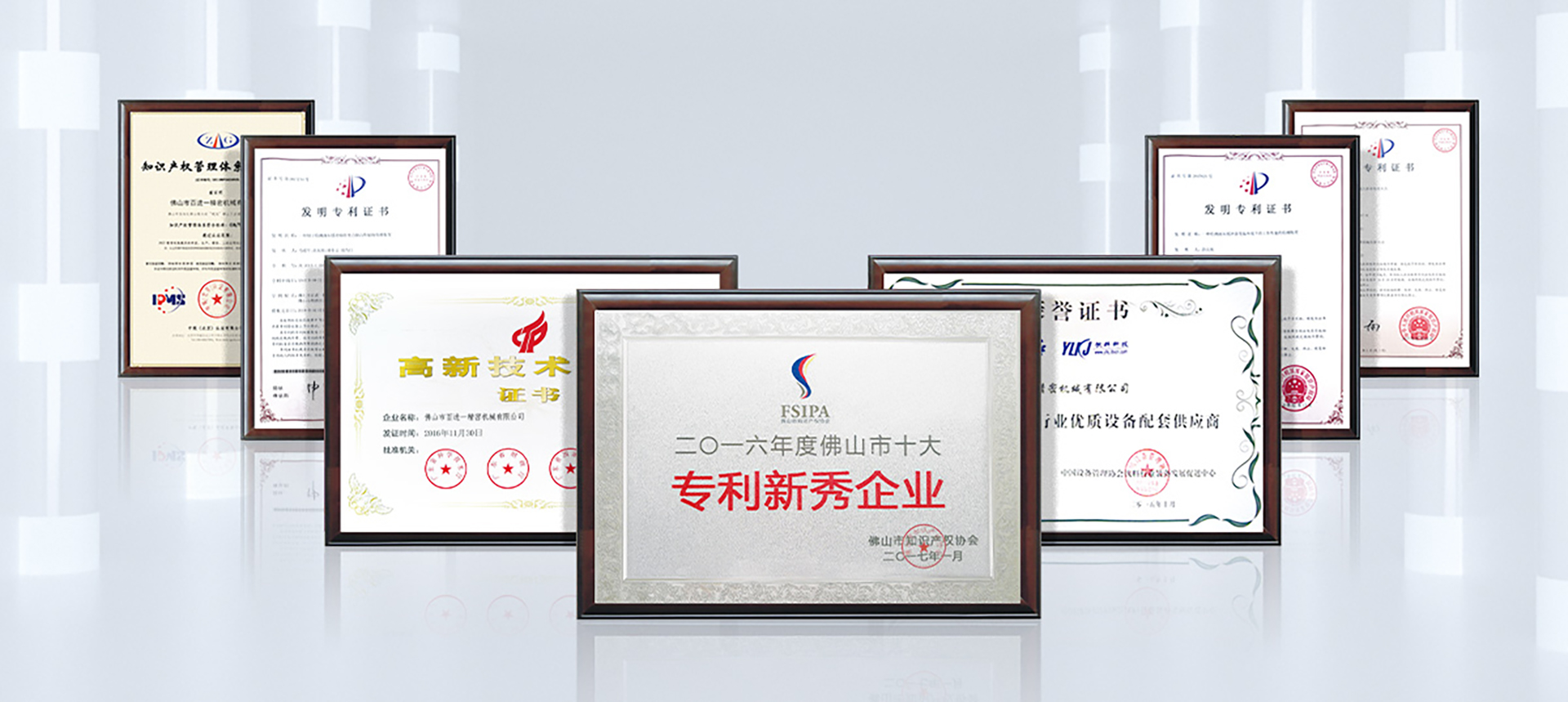
Our quality management systems and manufacturing capabilities are independently certified — providing you with documented assurance of our commitment to precision and compliance.
Our three core advantages — delivering measurable value at every stage of your mold lifecycle.
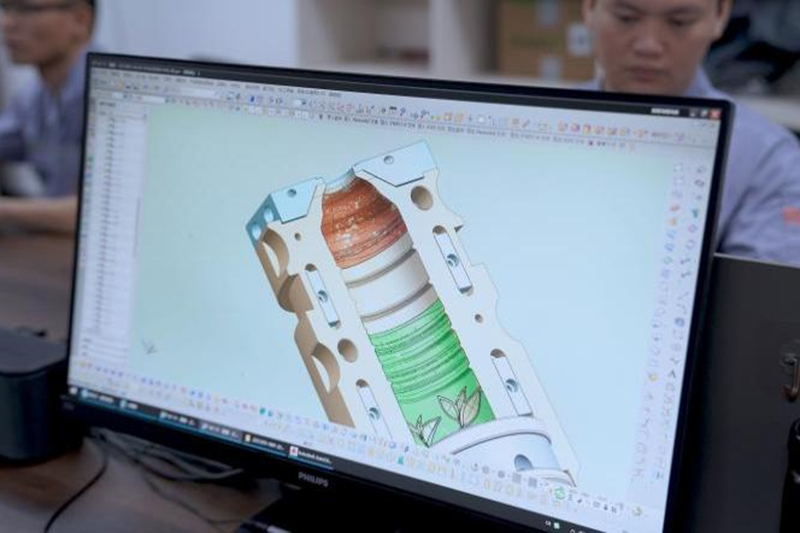
The R&D team includes electronic engineers, structural engineers, and appearance designers. We have a professional technical team with over 20 years of industry experience, capable of providing you with one-stop blow mold design, manufacturing, and maintenance support services.
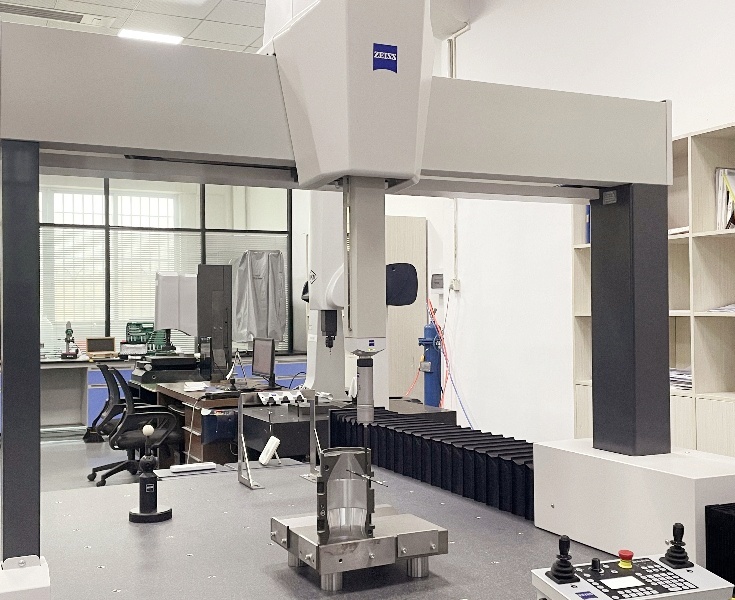
Rich experience in OEM and ODM services, including mold manufacturing and injection molding. We have complete production and testing equipment to provide you with the highest quality blow molds — compatible with Sidel, Krones, SIPA, Nissei ASB, SACMI, and other leading machinery platforms.
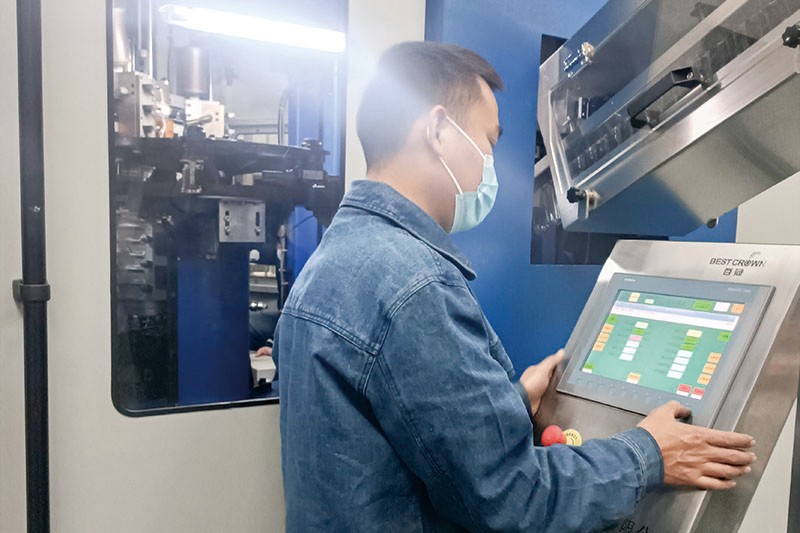
We provide technical information and technical training support on a regular basis. Our after-sales team offers remote diagnostics, on-site maintenance guidance, and preventive maintenance scheduling — ensuring your blow molds deliver maximum service life and consistent production quality.
Explore our full portfolio of precision blow molds — engineered for compatibility, longevity, and peak production performance.