 Chinese
-
 Email
Email -
 Whatsapp
-
 WeChat
Precision-engineered bottle molds and handling components purpose-built for carbonated soft drink manufacturing environments, compatible with industry-leading blow molding systems.
The global carbonated soft drink (CSD) industry processes hundreds of billions of bottles annually, with mega-factories operating rotary blow molding lines capable of producing up to 100,000+ bottles per hour. At this industrial scale, every component of the mold system must perform to near-zero tolerance.
Bottle molds for CSD applications are subjected to extreme cyclical pressure — CO₂-pressurized bottles require consistent wall thickness distribution, robust neck finish integrity, and flawless base geometry to withstand carbonation stress and automated line handling at speed.
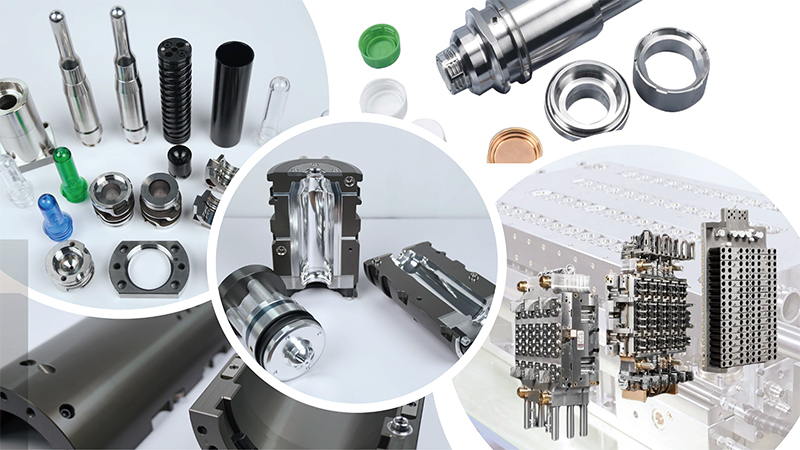
Carbonated beverage production imposes unique mechanical, thermal, and dimensional requirements on every blow mold component. Here's what sets industrial-grade CSD molds apart.
CSD bottles must withstand internal pressures of 4–6 bar from carbonation. Mold cavity geometry must deliver uniform wall distribution within ±0.05mm to prevent creep deformation and base failure during shelf life.
Modern CSD blow molding machines run at 1,500–2,200 BPH per cavity. Molds must exhibit exceptional thermal conductivity and rapid cooling channel efficiency to sustain sub-2-second blow cycles without dimensional drift.
Extended production runs exceeding 3 million cycles demand mold surfaces hardened to 60+ HRC equivalent via hard anodizing or specialized coatings — preventing corrosion, abrasion, and preform sticking under sustained heat.
CSD bottles increasingly adopt the 1881 lightweight neck standard. Mold neck inserts and bottle grippers must maintain strict dimensional tolerances to ensure cap torque integrity and leak-free carbonation retention at fill.
Conformal cooling circuits, optimized water channel placement, and high-conductivity aluminum alloys (typically 7075 or 2024 series) are critical to preventing hotspots that cause pearlescence or crystallization defects in CSD preforms.
CSD mega-factories operate Sidel, Krones, KHS, SMI, and Husky platforms simultaneously. Molds and accessories must be engineered for precise cross-platform interoperability with validated dimensional interfaces for each OEM specification.
The CSD packaging mold industry is undergoing rapid transformation driven by sustainability mandates, lightweighting imperatives, and smart manufacturing integration. Understanding these shifts is critical for factory planners and procurement engineers.
Leading CSD brands have reduced average bottle weight by 30–40% over the past decade. This demands mold cavities engineered for thinner wall profiles (as low as 0.22mm in some zones) while maintaining structural integrity under carbonation pressure — a precision mold engineering challenge at the cutting edge of the field.
Global CSD brands are mandating 25–50% recycled PET (rPET) content in bottle production. rPET introduces variable IV values and higher acetaldehyde risk, requiring mold surface finishes and thermal profiles to be recalibrated for consistent output quality across varying feedstock batches.
Next-generation CSD factories embed sensor arrays within mold assemblies to track cavity temperature, pressure differential, and cycle count in real-time. This data feeds MES platforms for predictive maintenance scheduling, reducing unplanned downtime by up to 60% on high-speed CSD lines.
The emergence of aseptic CSD products — carbonated functional beverages without preservatives — requires specialized mold geometries combining standard CSD pressure resistance with the heat-resistance demands of hot-fill processing, pushing the boundaries of alloy selection and surface engineering.
As CSD SKU proliferation accelerates — with brands offering 150ml, 250ml, 330ml, 500ml, and 1.5L variants — mega-factories demand modular mold systems with sub-30-minute changeover capability. Quick-release mold shells and standardized base modules are becoming industry best practice.
3D printing technologies now enable rapid validation of new CSD bottle geometries before committing to full aluminum mold production. BJY leverages advanced prototyping workflows to compress new bottle development timelines from months to weeks for global CSD brand customers.
From flagship global CSD brands to regional beverage co-packers, bottle molds serve distinct roles across different factory archetypes. Understanding these application environments guides optimal mold specification.
| Factory Type | Typical Output | Mold Requirements | Key CSD Mold Spec |
|---|---|---|---|
| Global Brand Mega-Factory | 80,000–120,000 BPH | Max cycle speed, 24/7 durability, multi-cavity uniformity | 5M+ cycle lifespan, hard anodized, conformal cooling |
| Regional CSD Producer | 20,000–50,000 BPH | Format flexibility, cost-efficiency, rapid changeover | Modular shell design, 3M+ cycle rating |
| Aseptic CSD Facility | 15,000–40,000 BPH | Sterile surface finish, combined pressure/heat resistance | Electropolished cavity, specialized alloy substrate |
| Co-Packing / Contract Bottler | 10,000–30,000 BPH | Multi-brand compatibility, low changeover cost | Universal neck inserts, adaptable base geometry |
| rPET Sustainability Hub | 25,000–60,000 BPH | Variable feedstock tolerance, AA control | Enhanced thermal profiling, cavity surface hardening |
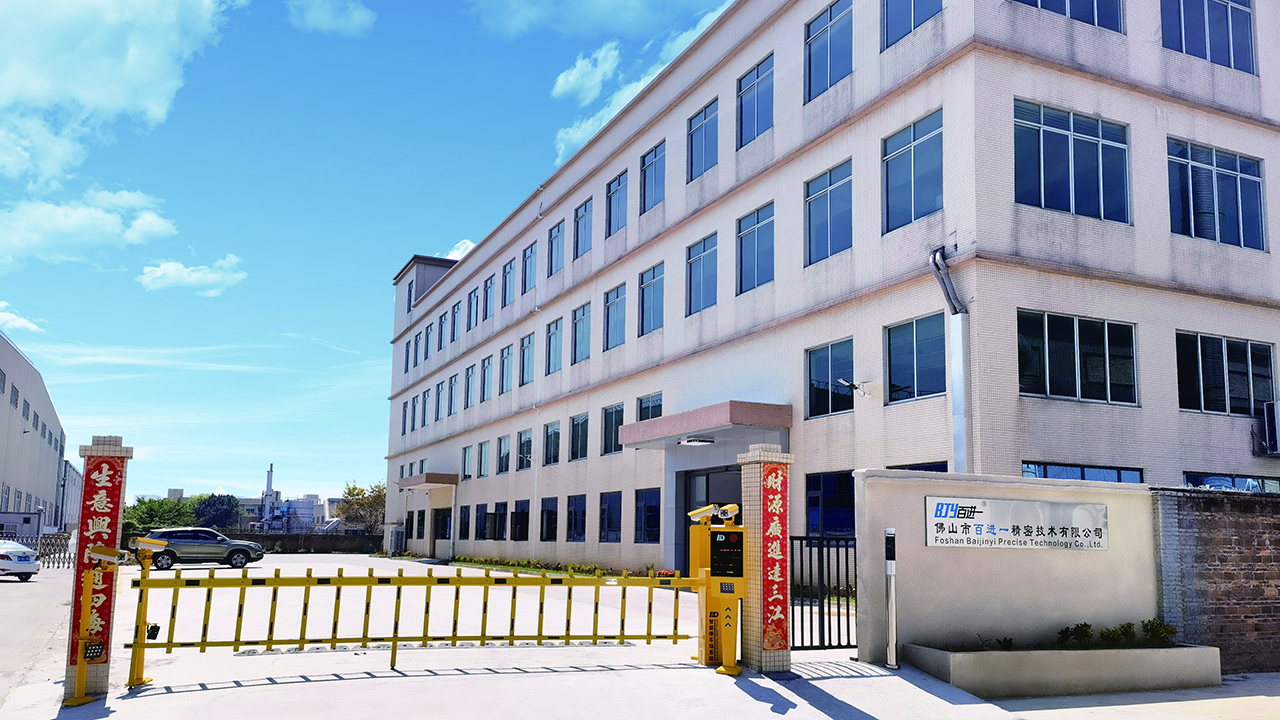
Foshan Baijinyi Precision Technology Co., Ltd. (BJY) stands as an epitome of innovation and excellence within the heart of Sanshui District, Foshan City. Established in 2011, our company symbolizes the fusion of tradition and modernity, strategically positioned to thrive within the vibrant economic landscape of Southern China.
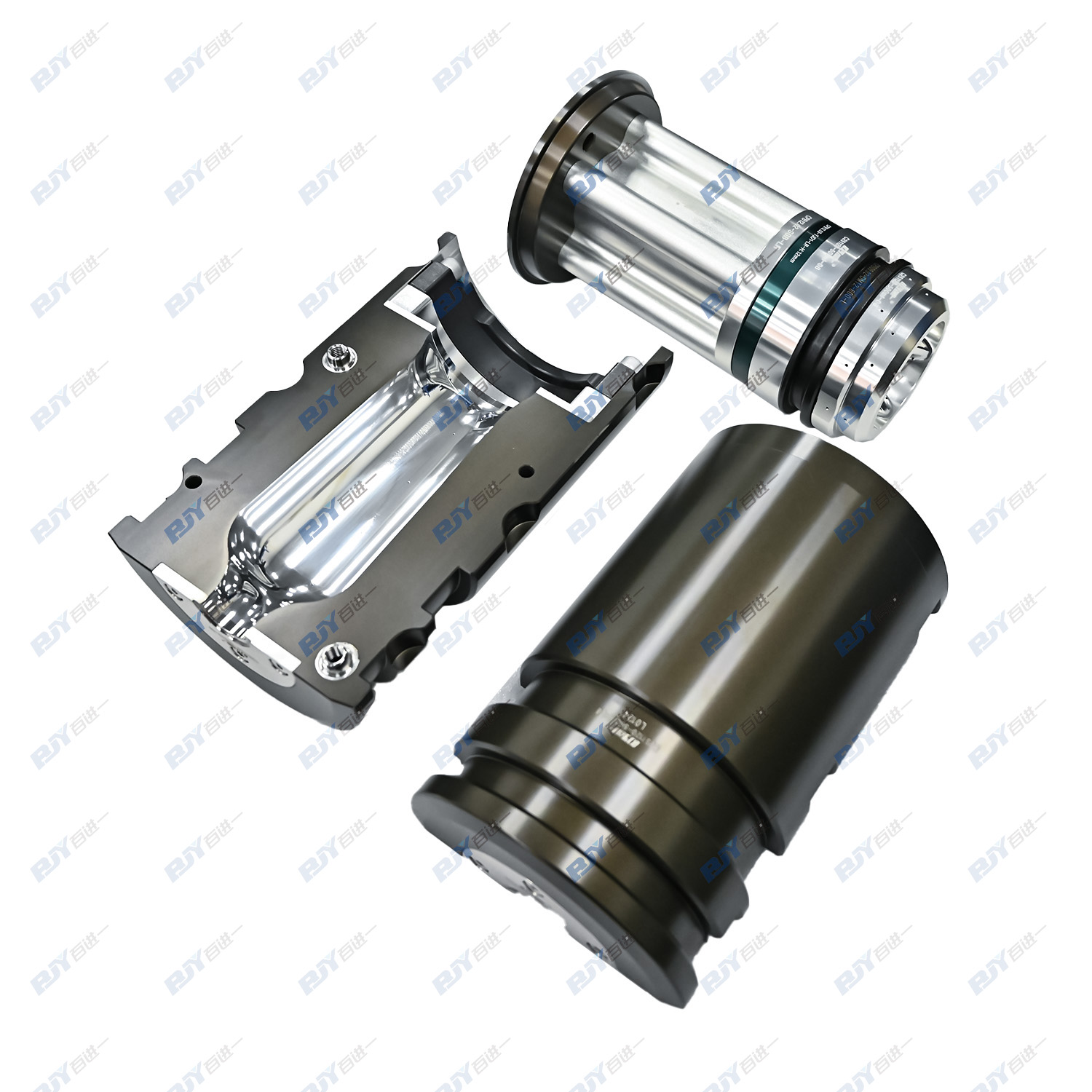
The 500ml format remains the world's highest-volume CSD bottle, consumed in billions of units daily by brands including Coca-Cola, PepsiCo, and their regional licensees. BJY's 500ml CSD-PET Bottle Blowing Mold represents the pinnacle of our engineering capability for high-speed carbonated beverage production.
Our hard anodized mold surface treatment delivers surface hardness equivalent to 60 HRC, providing exceptional resistance to the thermal cycling stress of 24/7 production while eliminating corrosion risk from condensation in high-humidity CSD filling environments.
Each mold is precision machined on our 50+ CNC centers to tolerances within ±0.02mm, with individually validated cooling channels tested at 8 bar water pressure before release — ensuring consistent performance across all cavities for the life of the tool.
View 500ml CSD Mold →Every new CSD bottle format begins as a concept — balancing brand aesthetics, structural integrity under carbonation pressure, lightweighting objectives, and compatibility with existing filling, capping, and labeling line equipment. BJY's design development service bridges the gap between creative brief and production-ready mold.
Our team provides FEA (Finite Element Analysis) of proposed bottle geometries under simulated carbonation and top-load conditions, identifying failure risks before a single gram of aluminum is cut. This upstream design validation dramatically reduces time-to-market for new CSD formats while eliminating costly mold rework cycles.
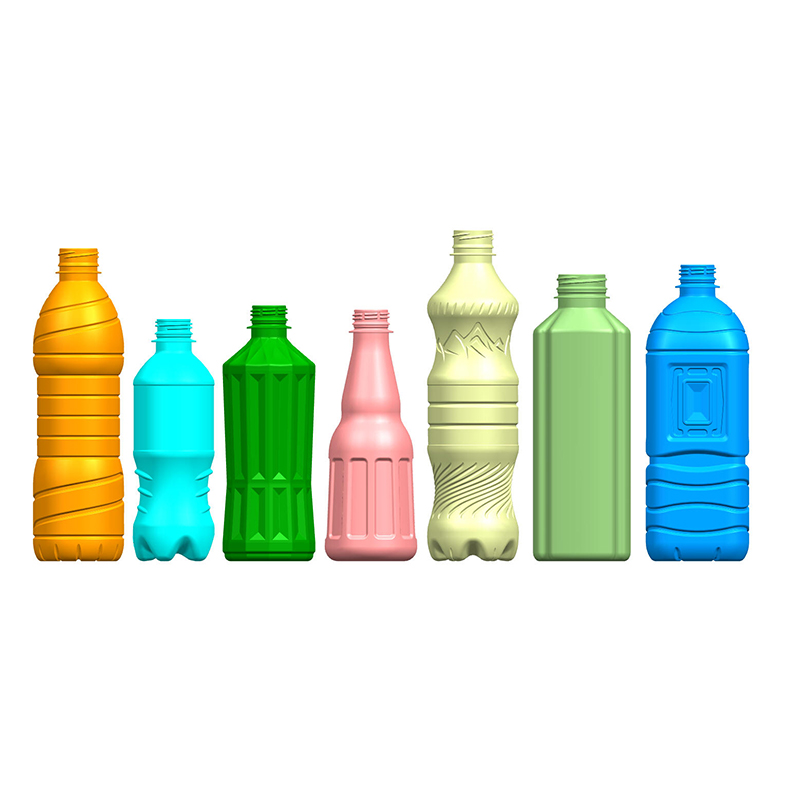
Explore our complete portfolio of precision bottle molds, handling components, and accessories — engineered for carbonated soft drink mega-factory environments worldwide.
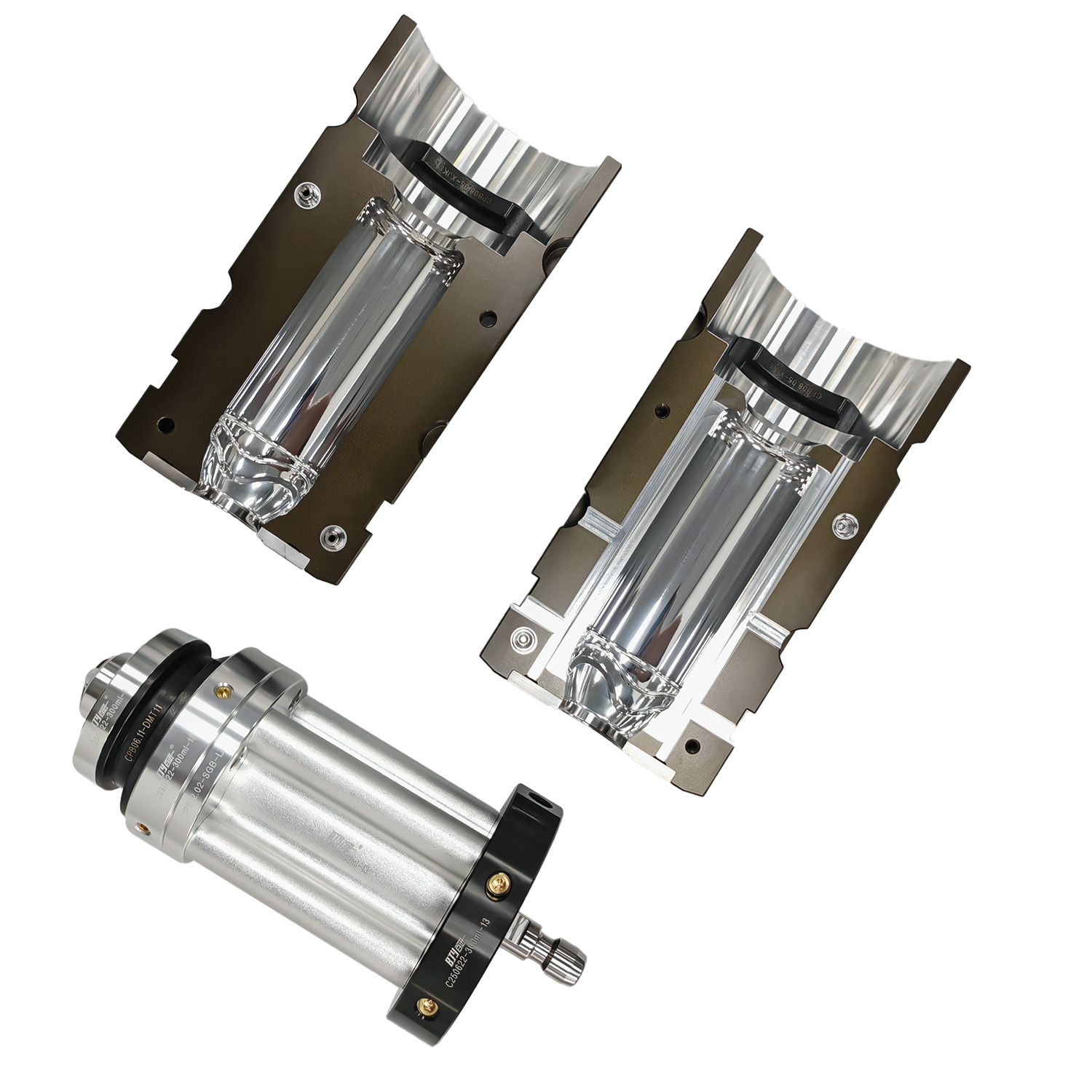
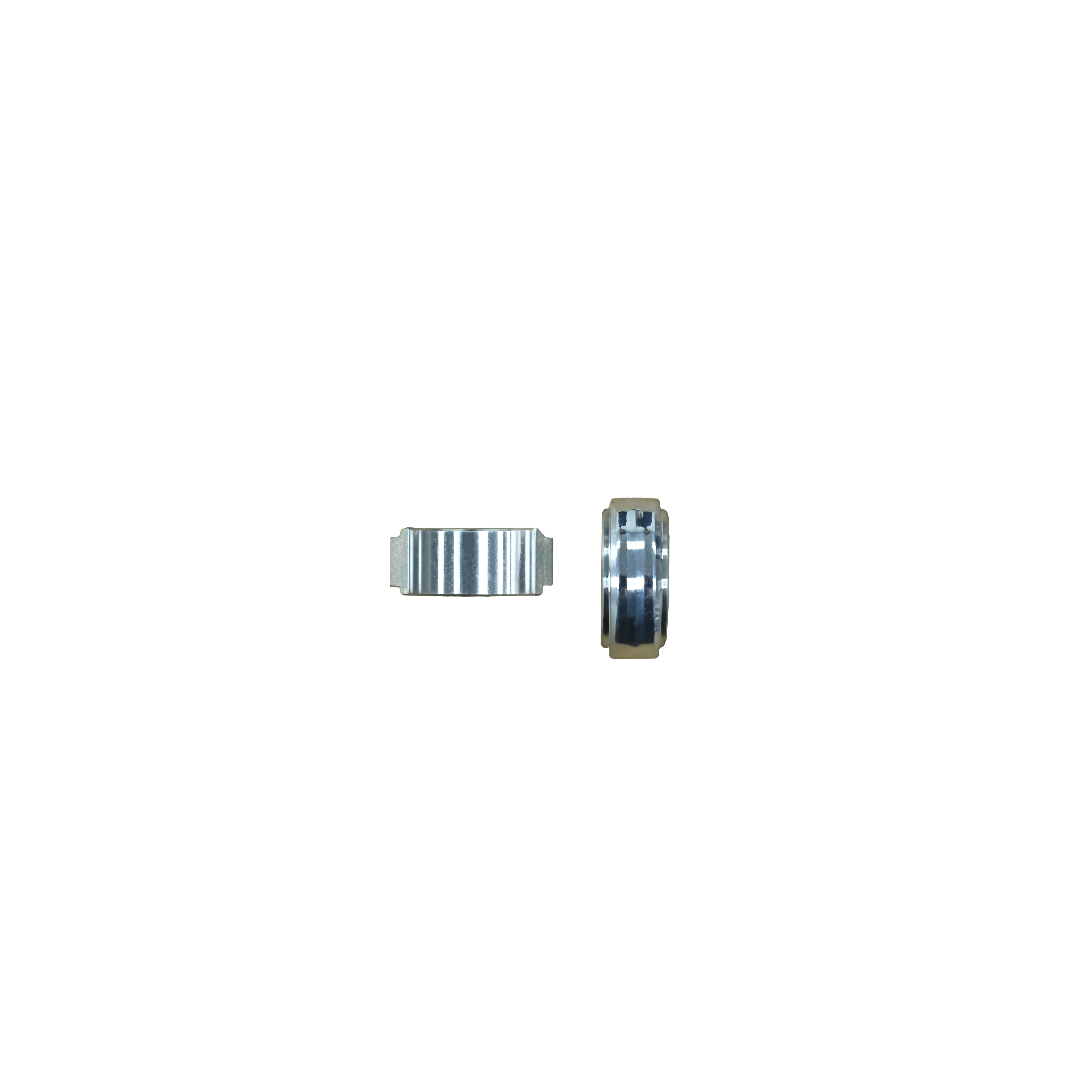
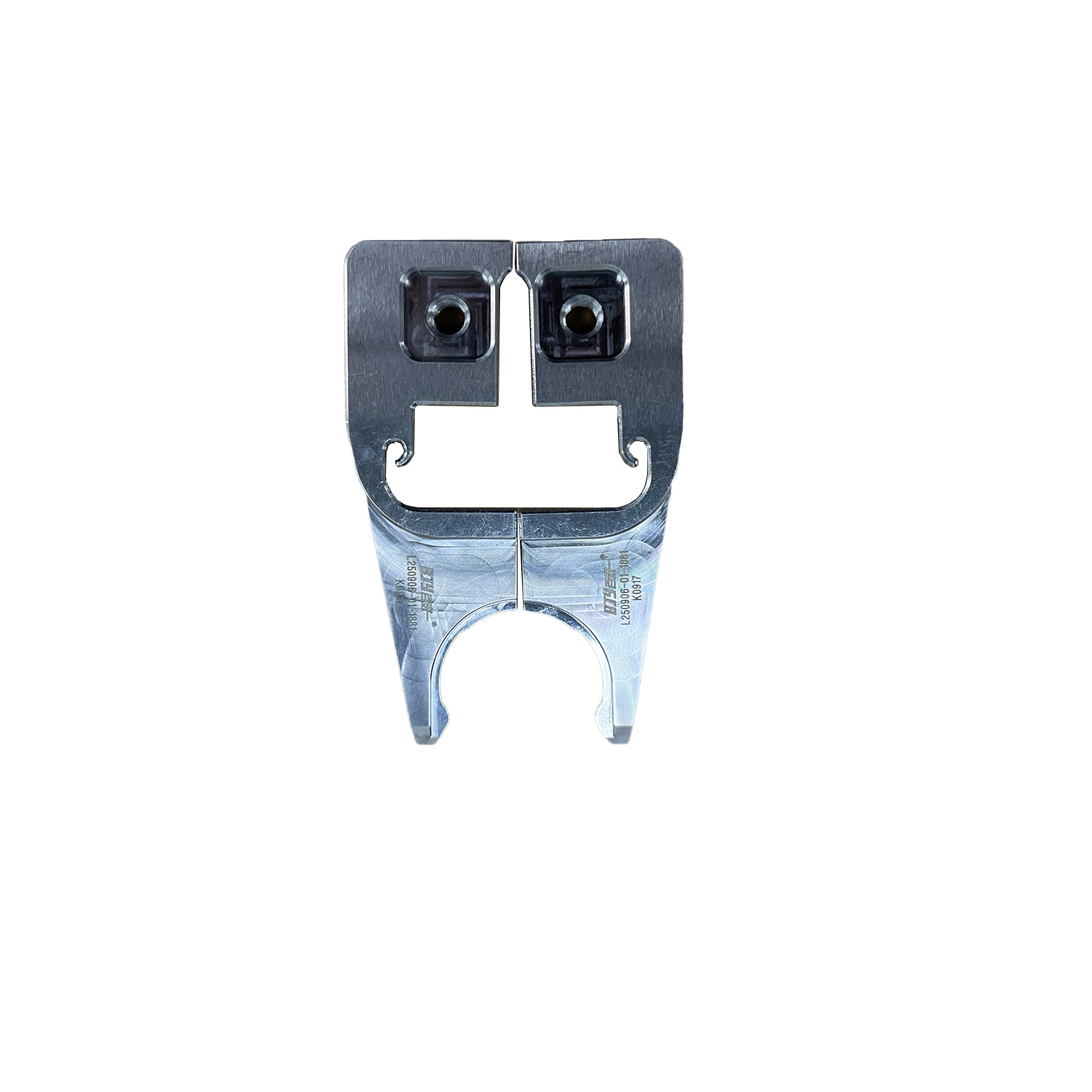
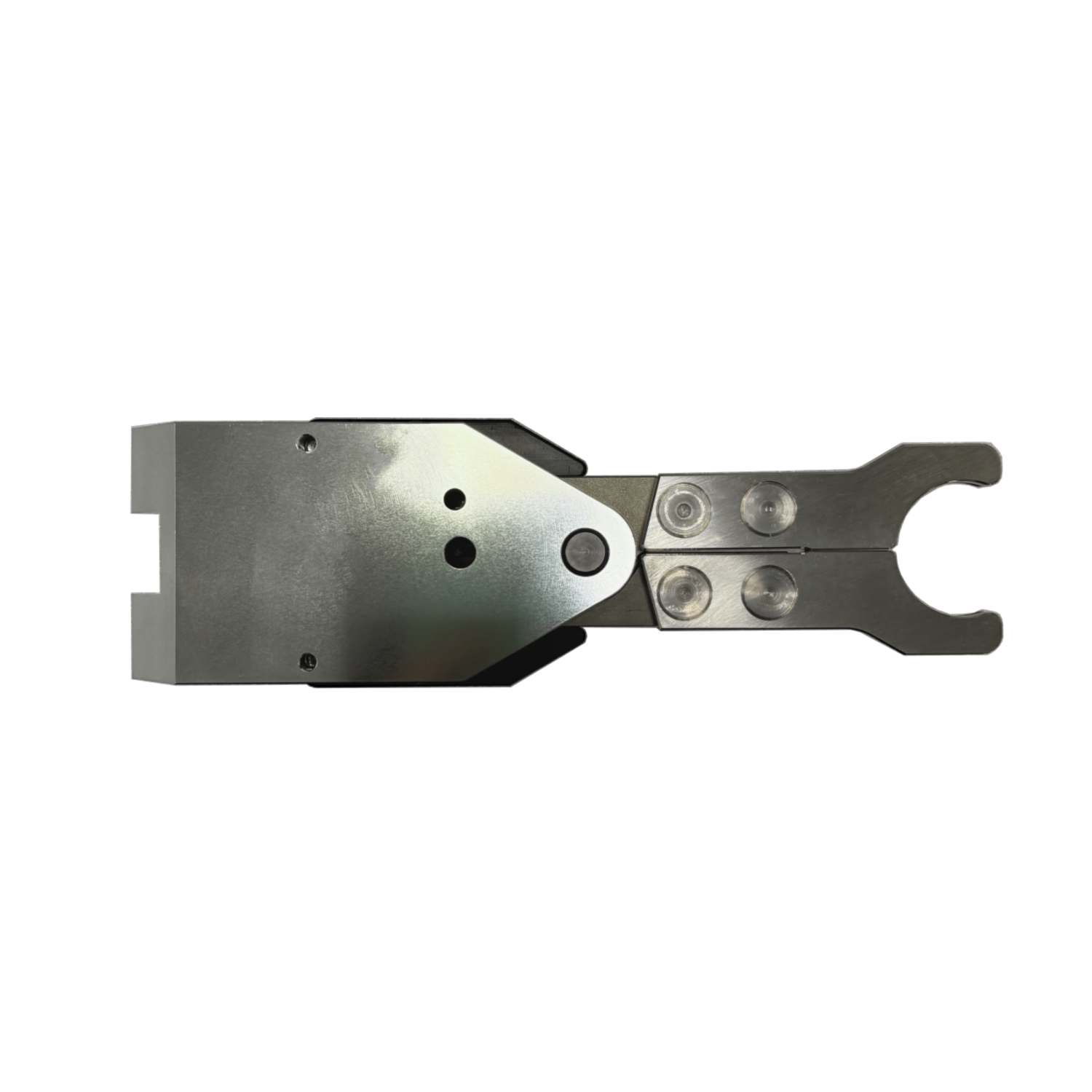
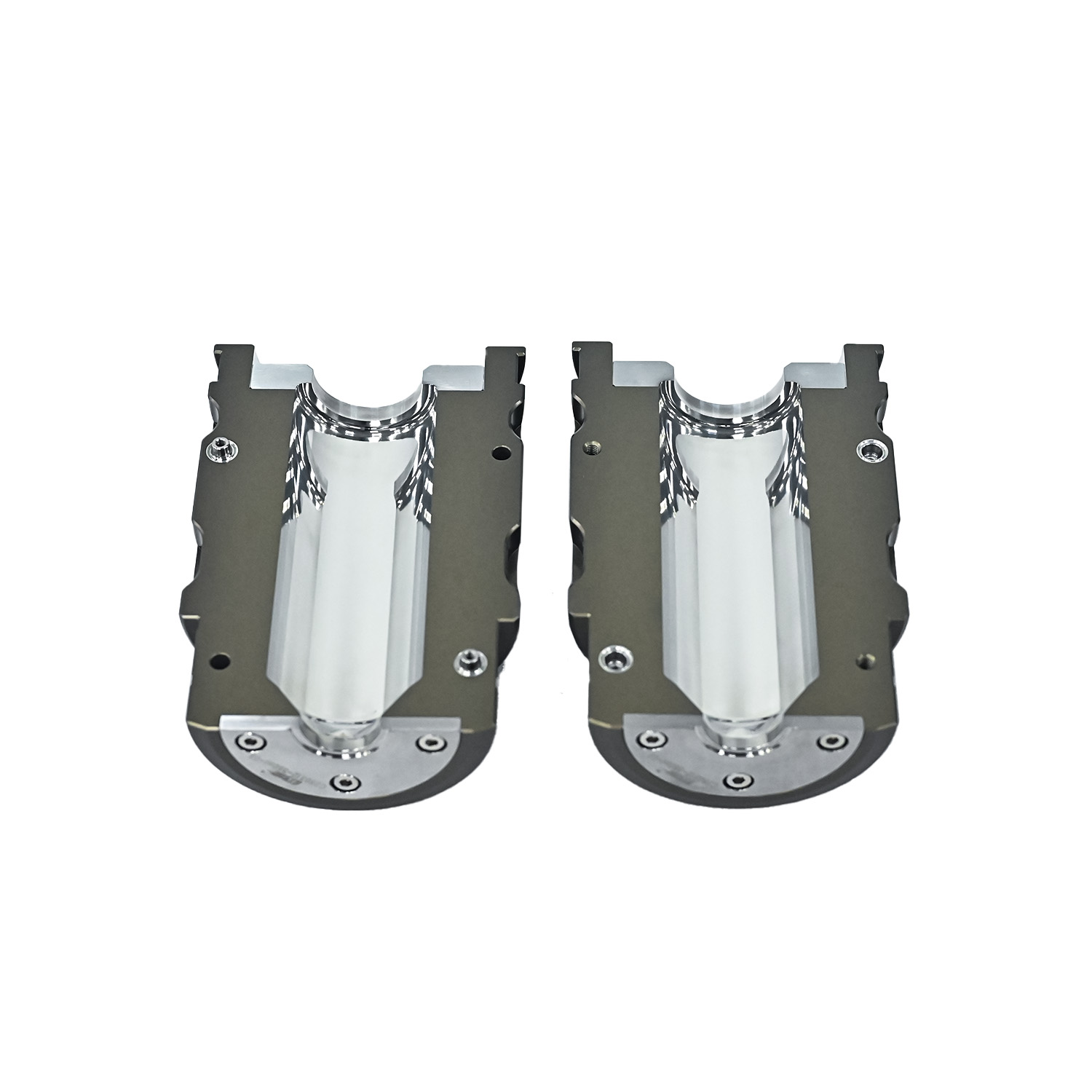
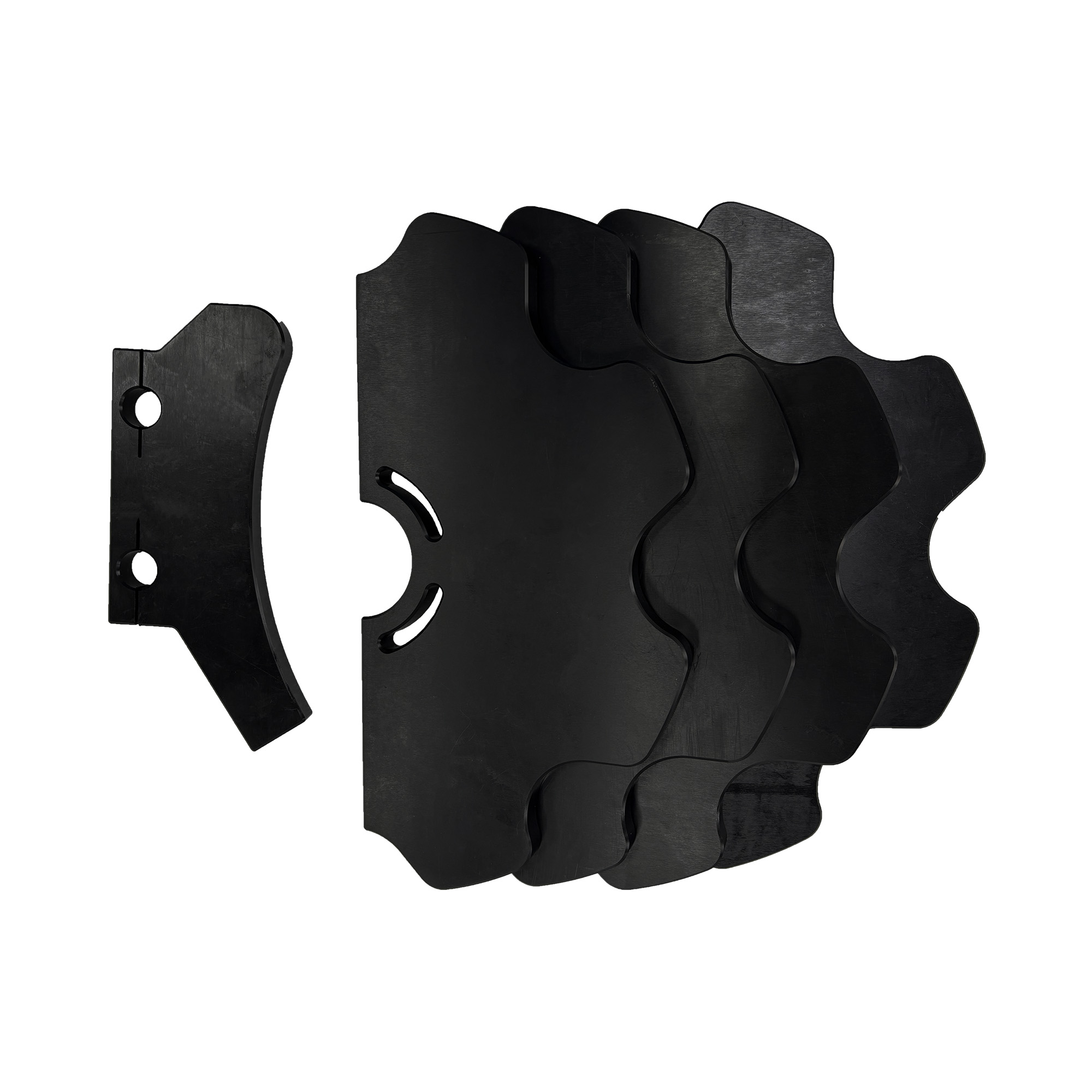
Partner with BJY's precision mold engineering team to design, validate, and deliver bottle molds purpose-built for your carbonated soft drink mega-factory requirements — faster cycles, longer life, guaranteed compatibility.
Request CSD Mold Consultation →