 Chinese





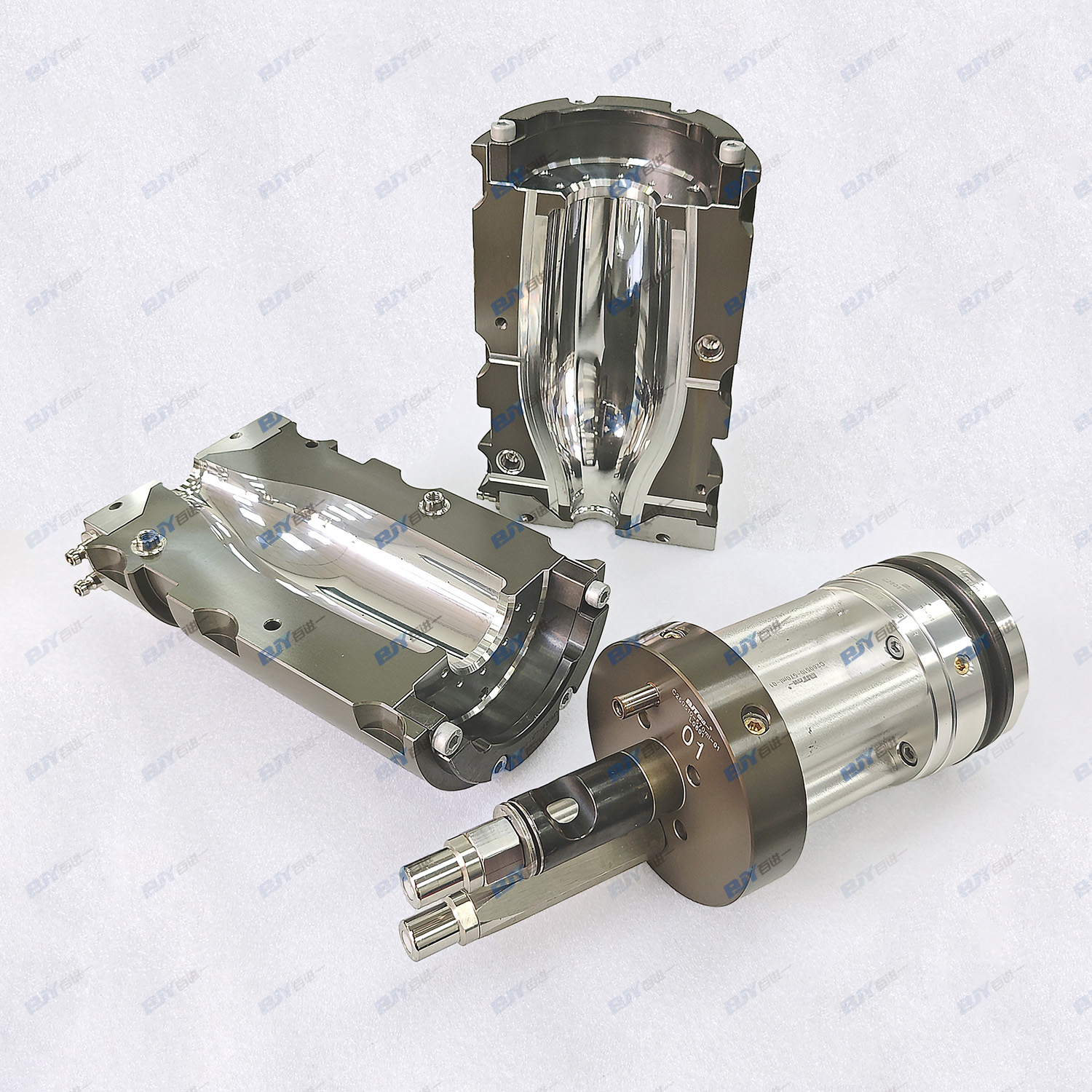
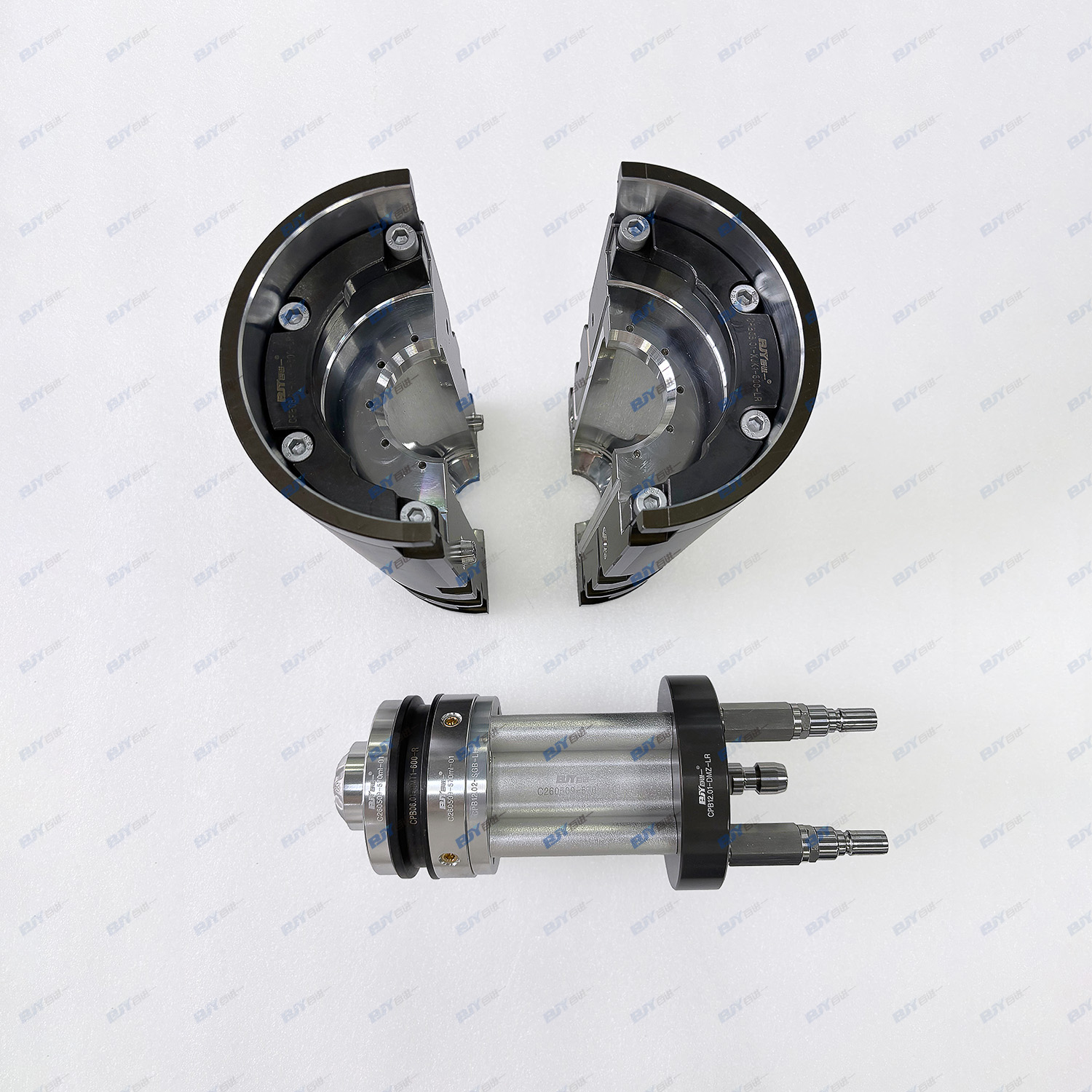
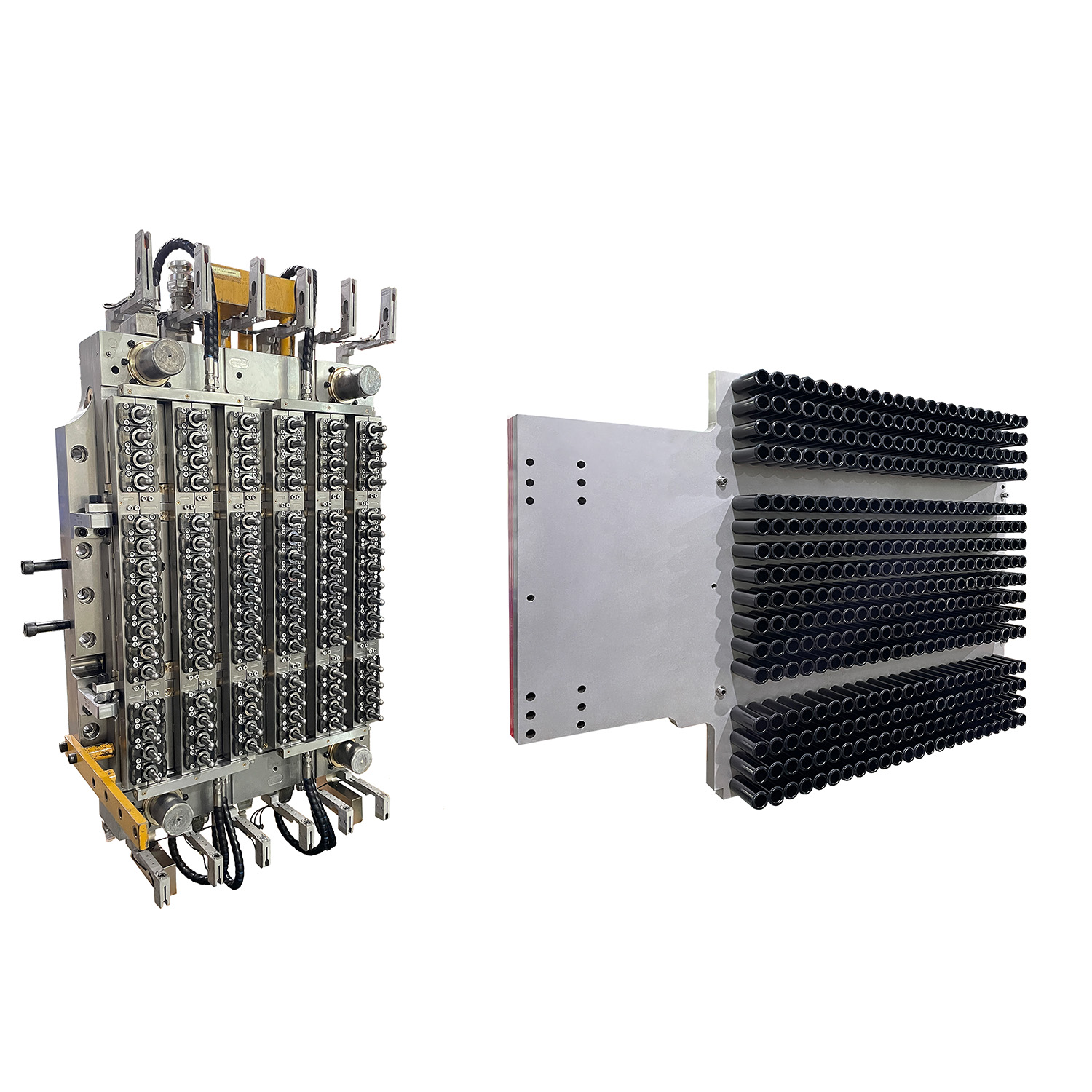
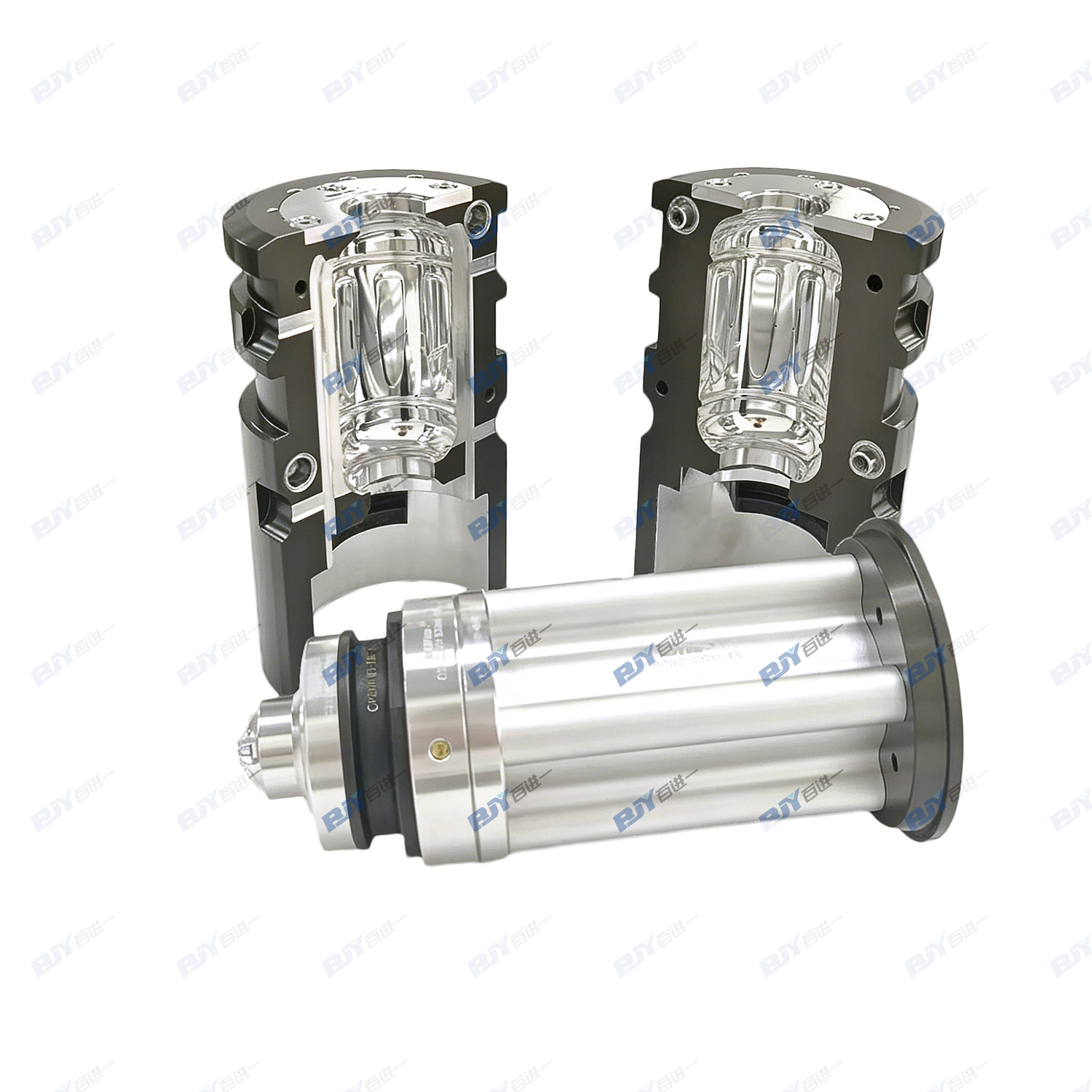
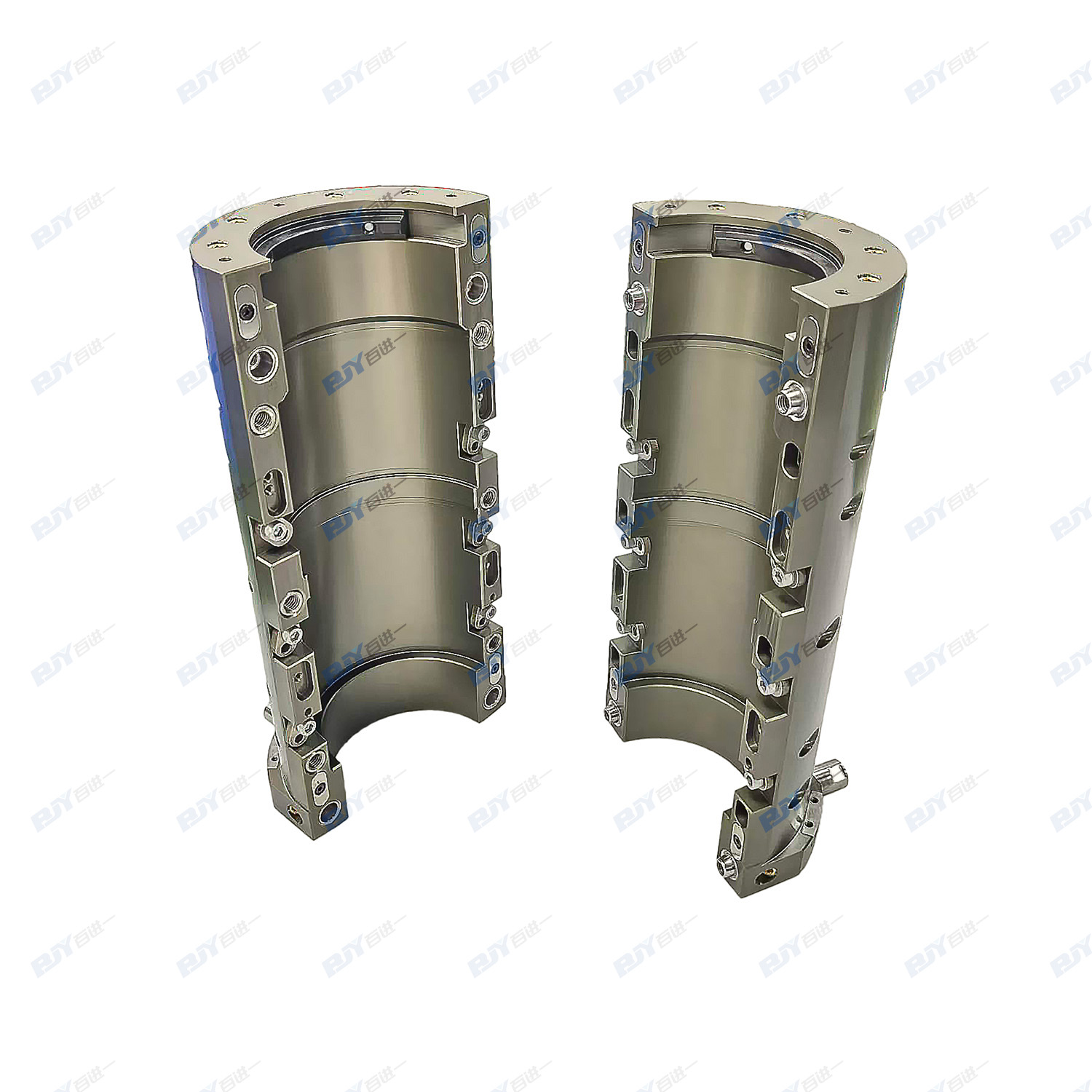
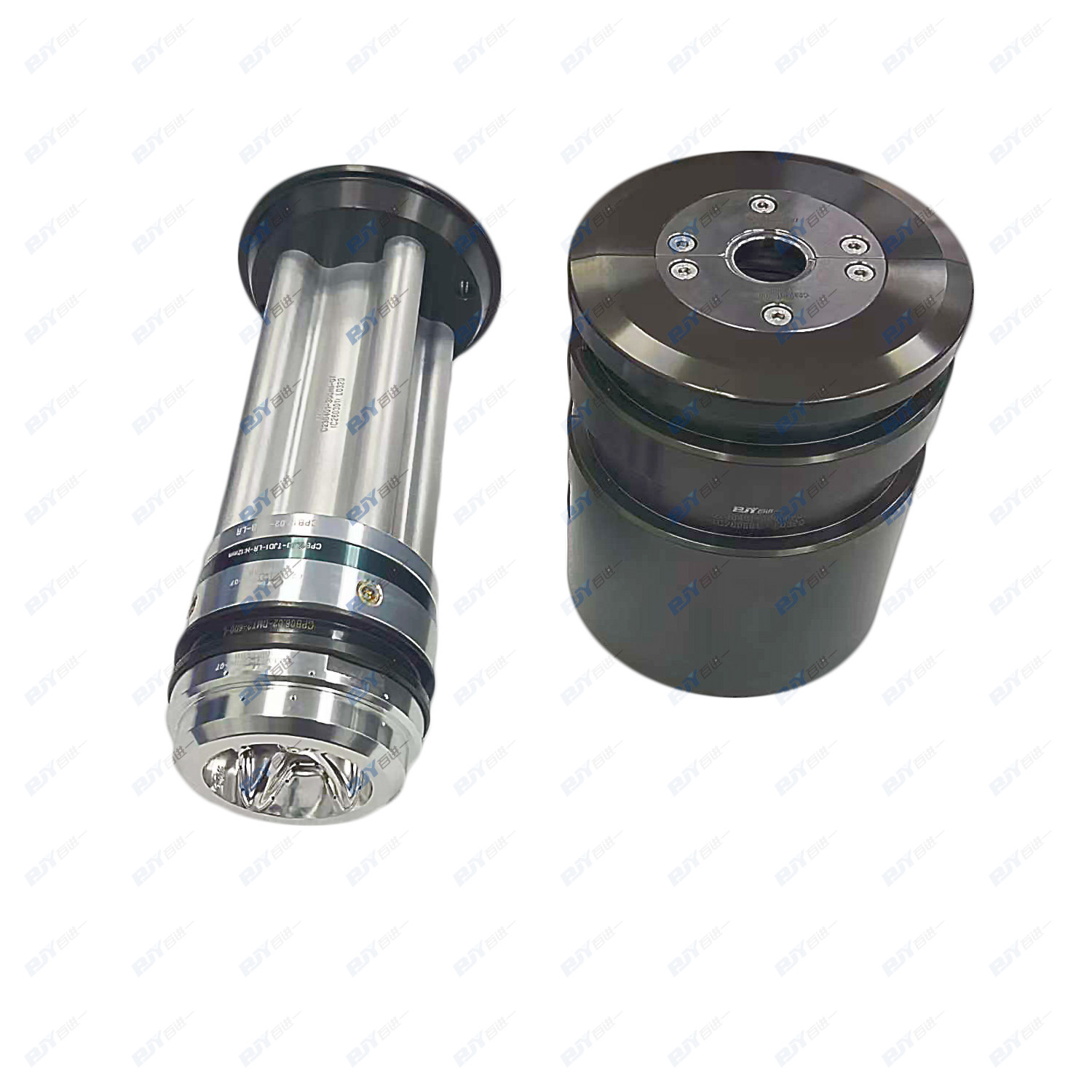
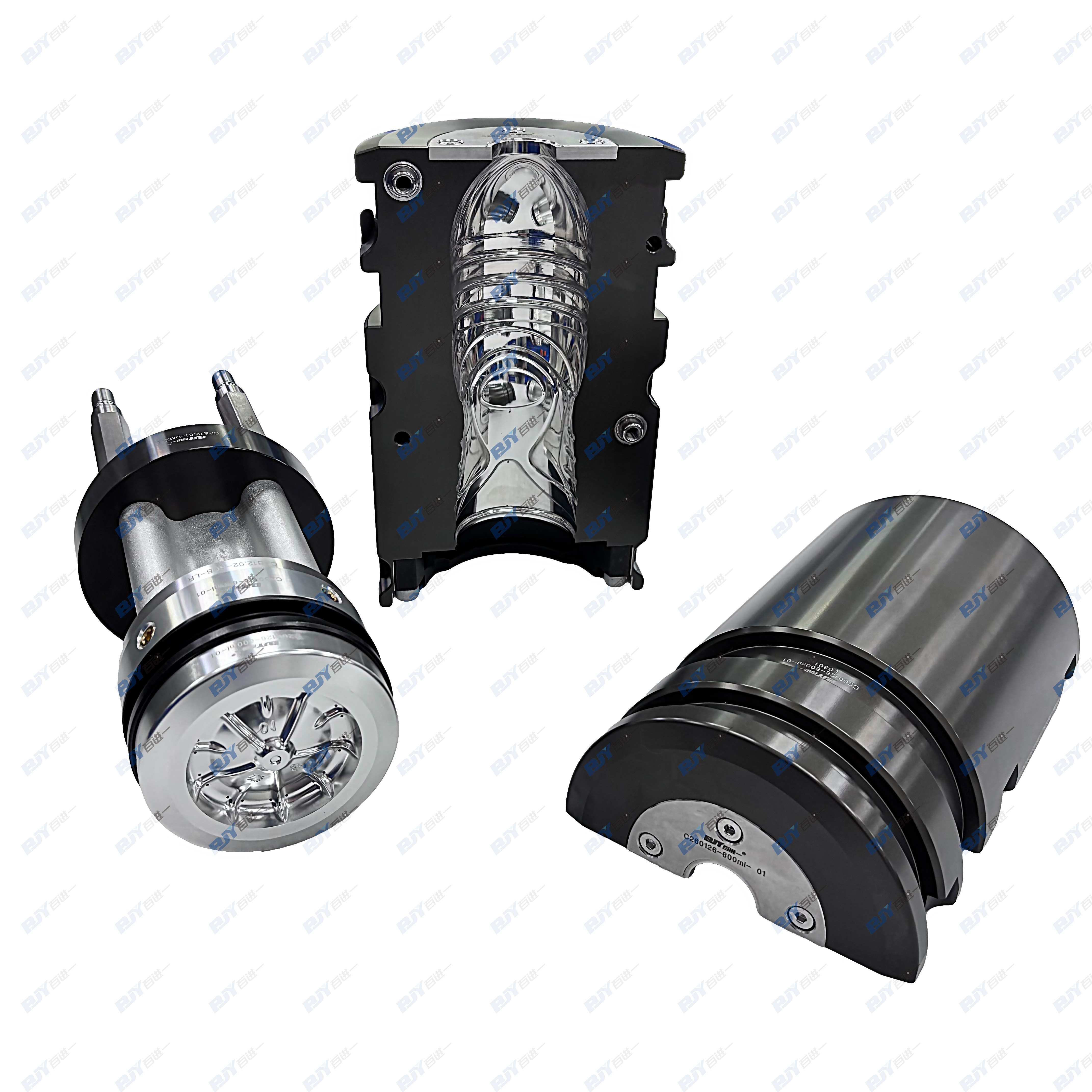
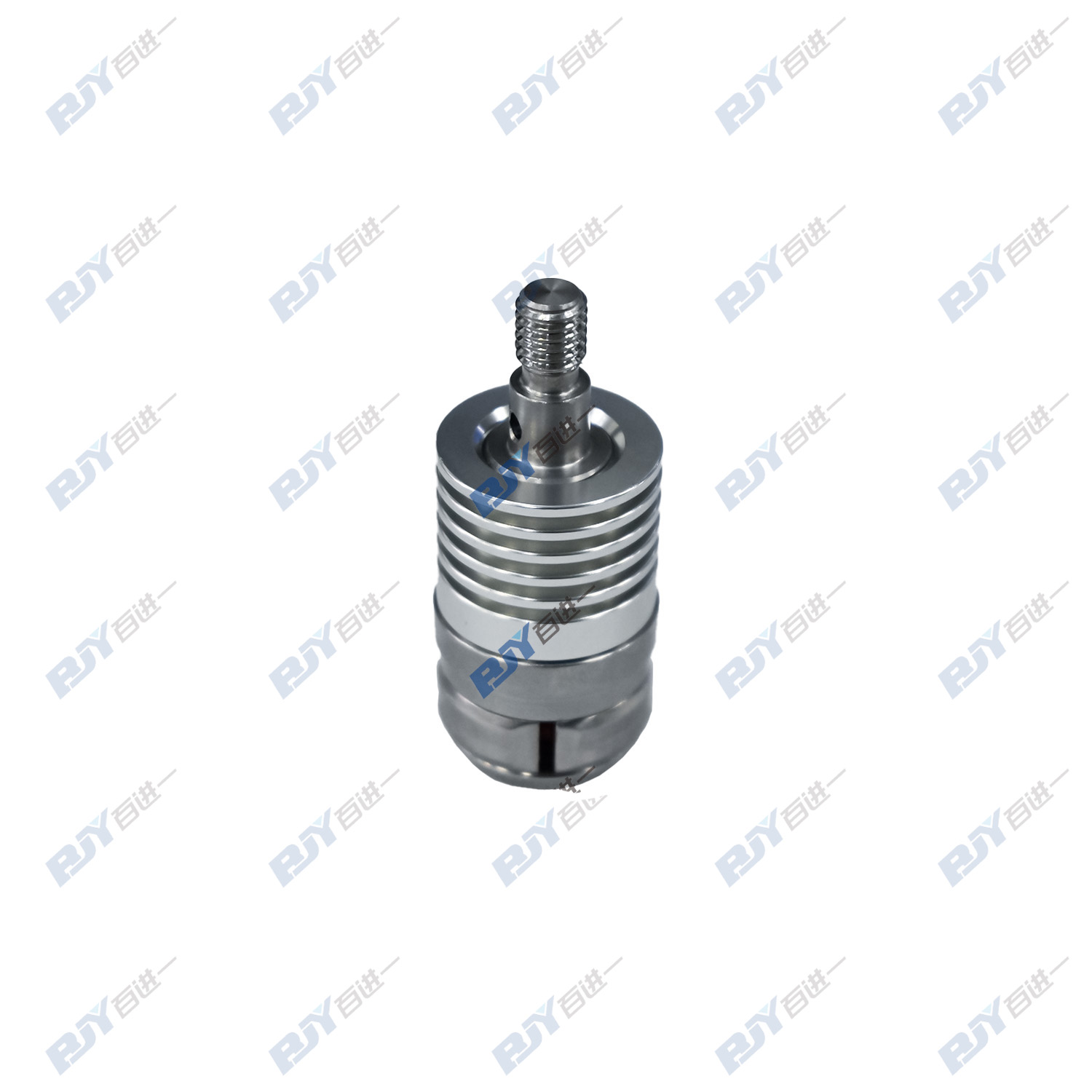
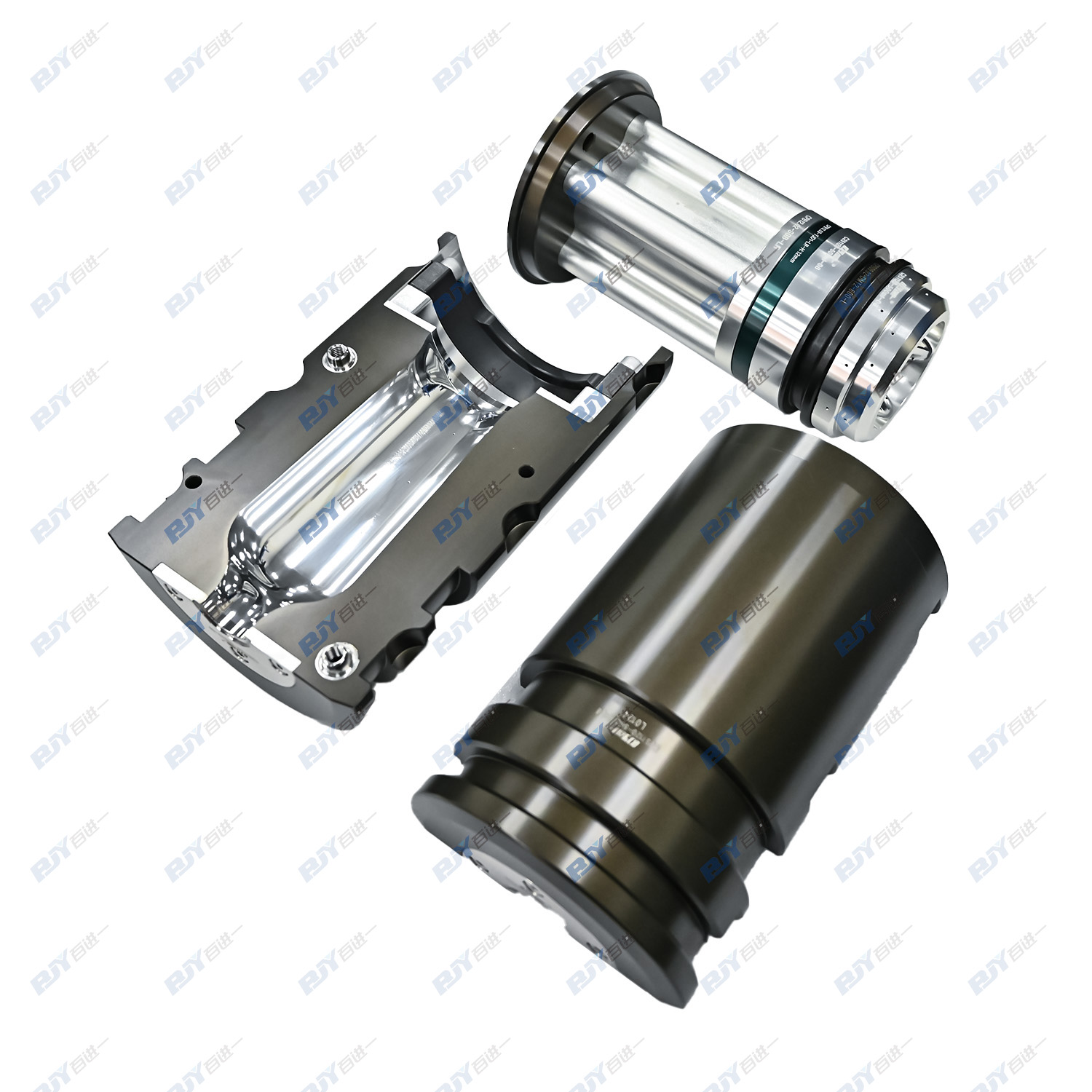
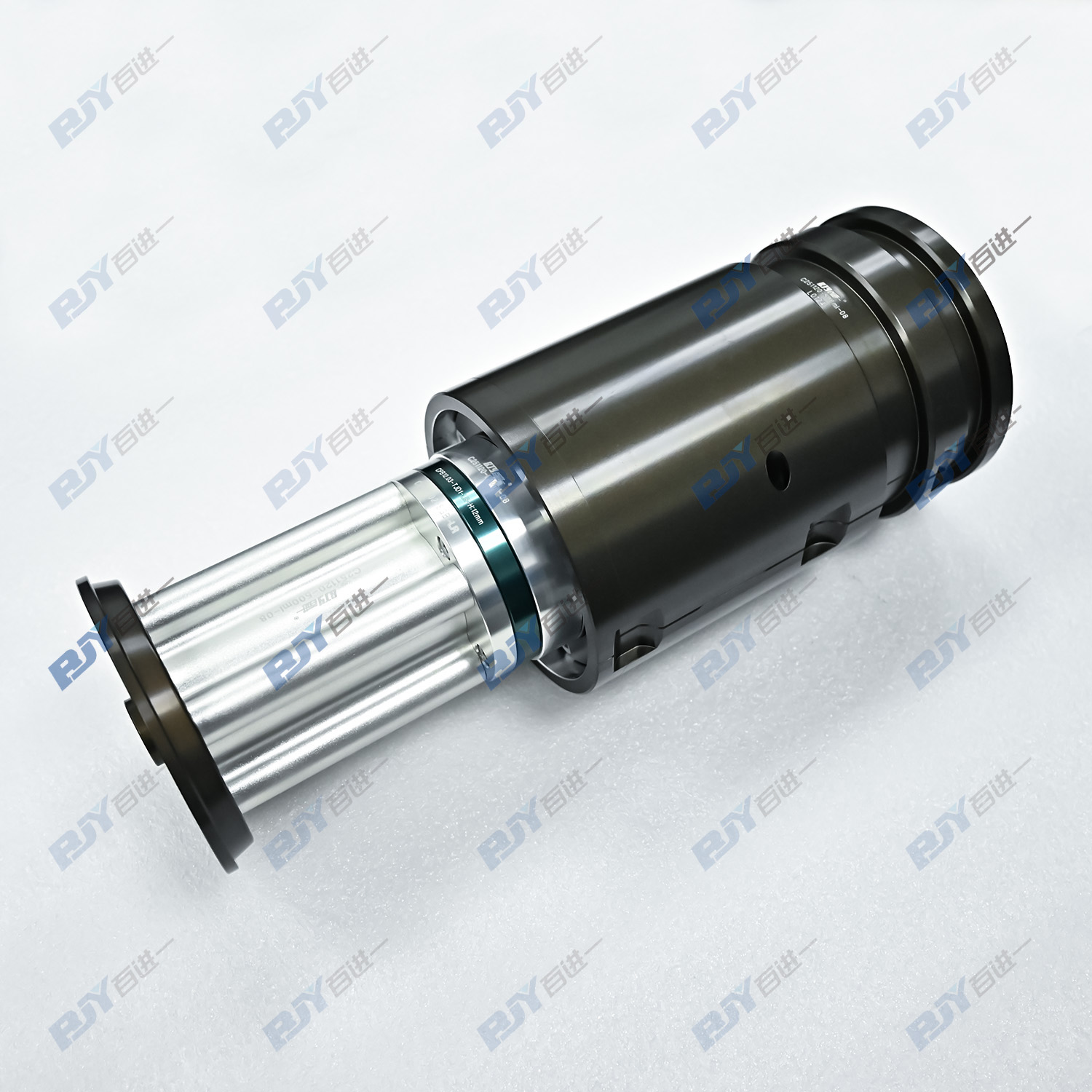
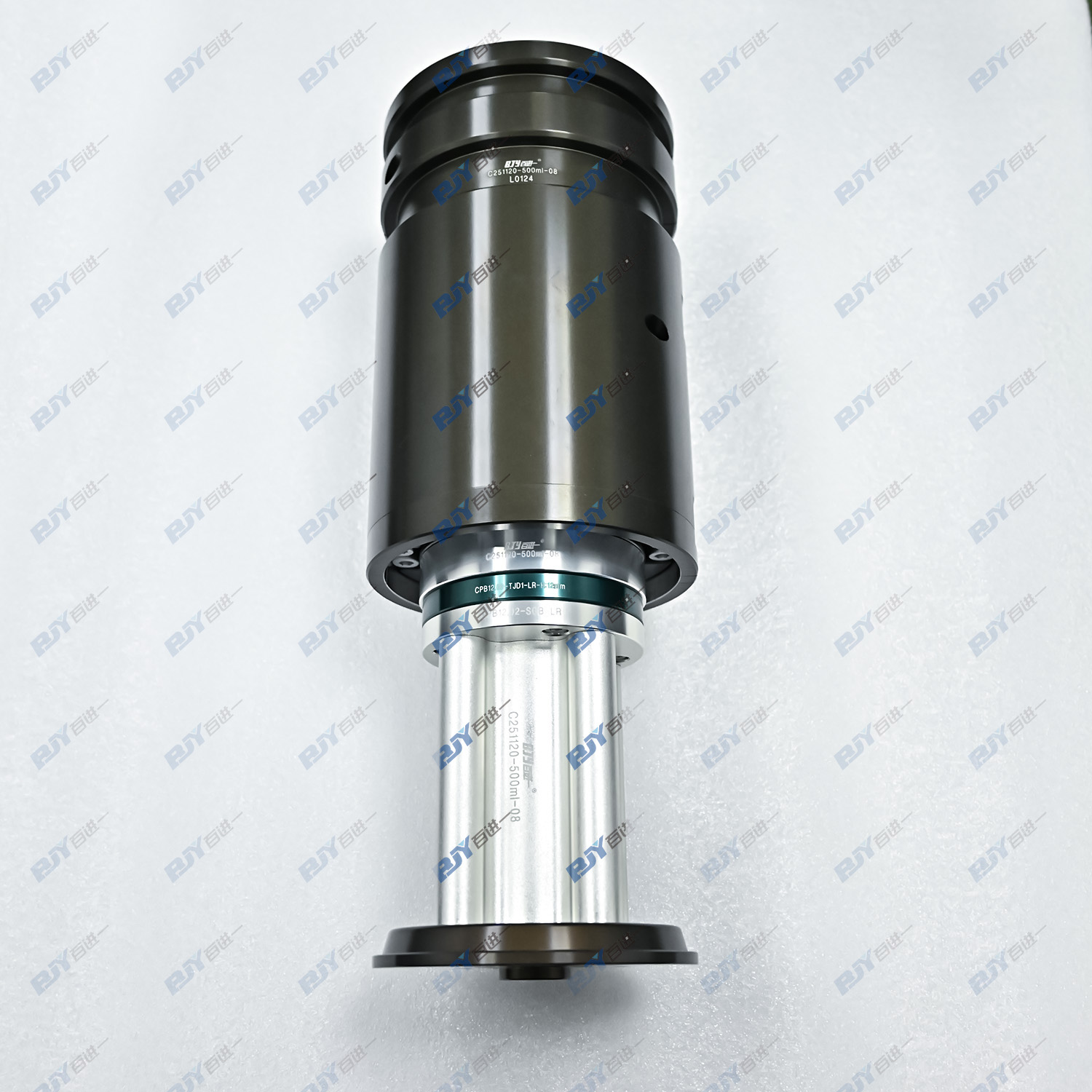
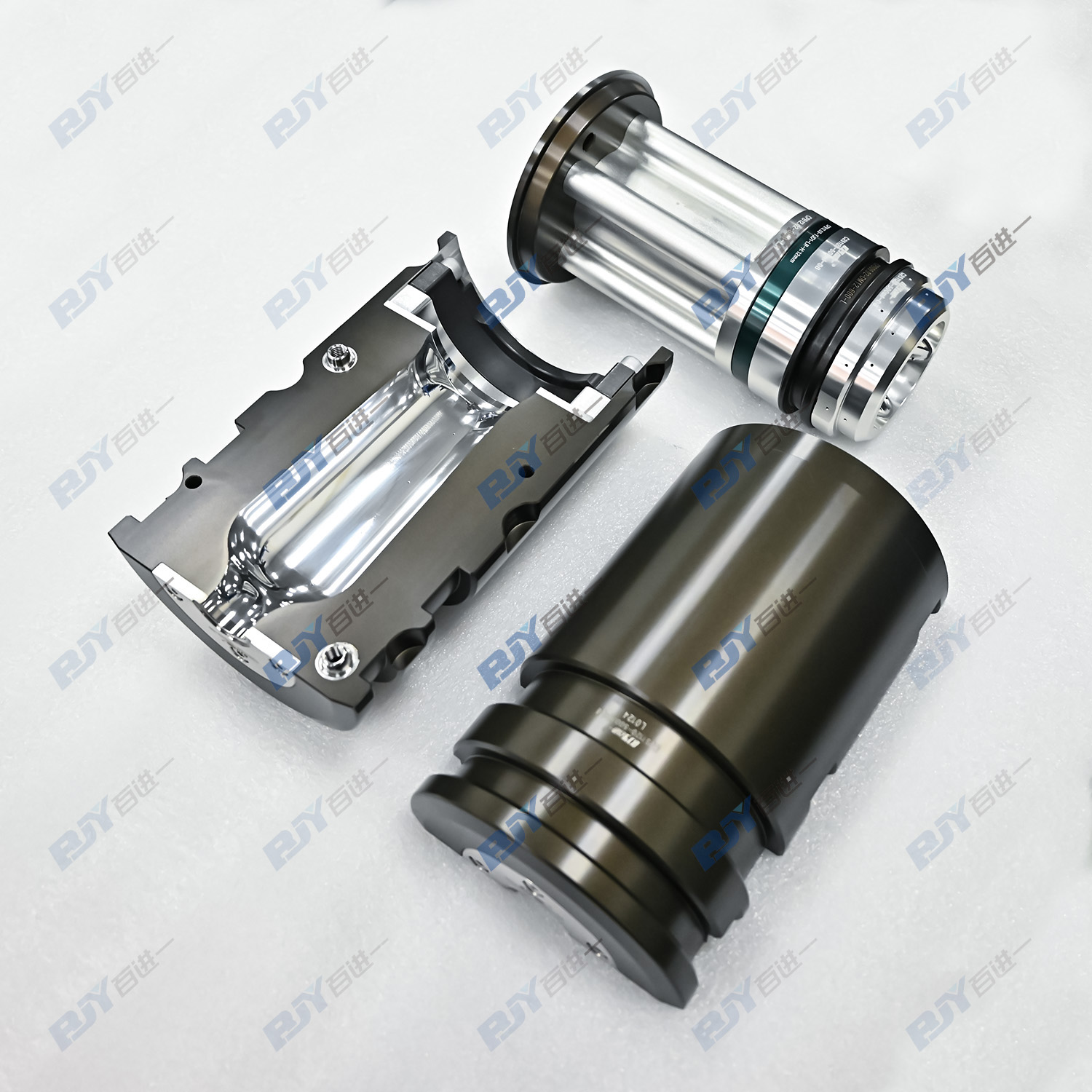
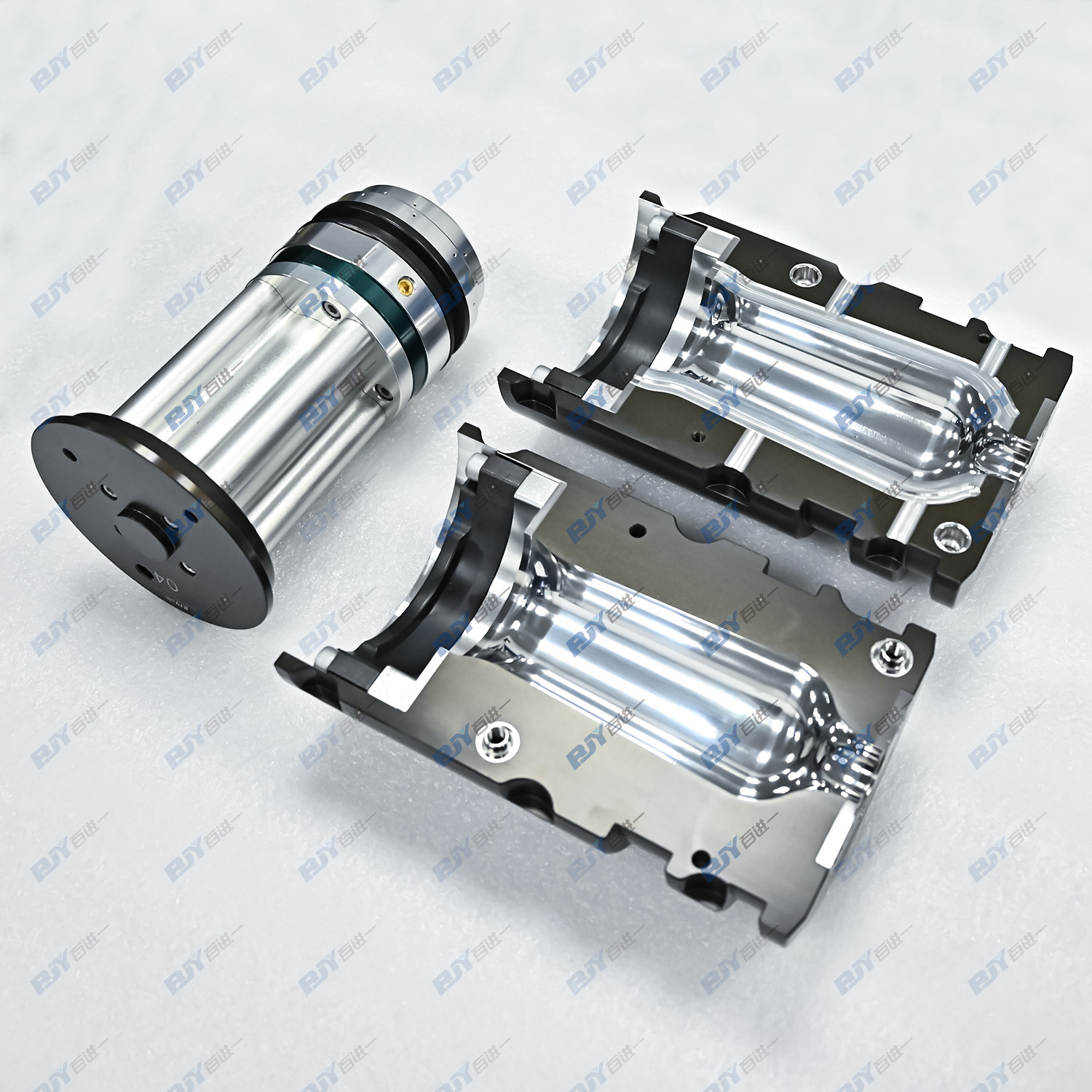
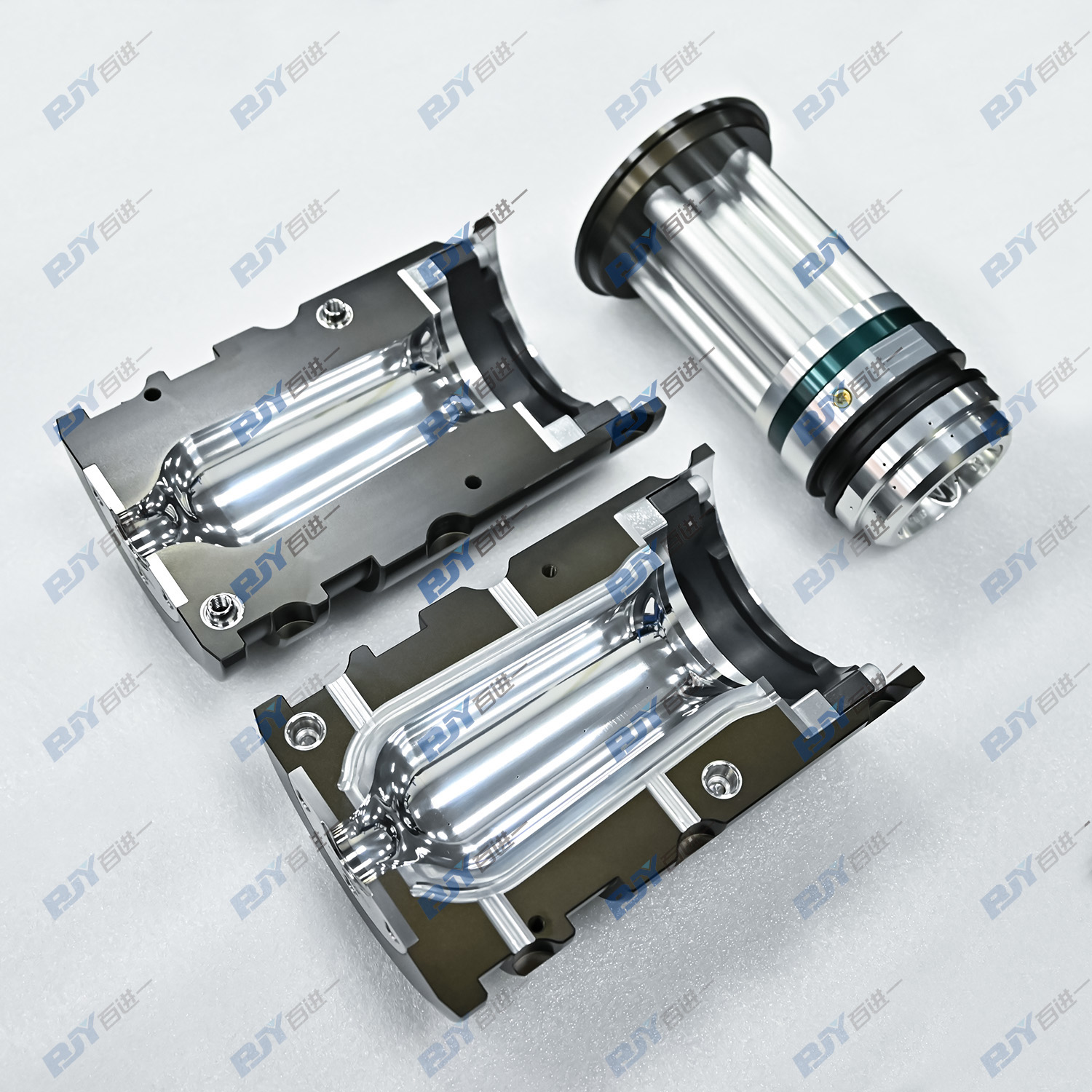
500ml CSD-PET Bottle Blowing Mold
Technical Details
Bottle capacity: 500 ml
Neck finish: 1881
Preform weight: 22.28 g
Material: A6061 aluminum alloy
Bottle application: CSD
Machine type: rotary stretch blow molding machine
Machine configuration: 20-station rotary system
Surface treatment: hard anodizing and polishing
Typical production lead time is around three weeks. For larger orders, the manufacturing time may extend to four or five weeks depending on the production schedule.
Material and Surface Treatment
A6061 aluminum alloy is commonly used for PET blowing molds in beverage packaging production. Compared with steel molds, aluminum conducts heat faster, which allows bottles to cool more quickly inside the cavity. This can help reduce the cycle time during production.
The cavity surface is polished so bottles can be released smoothly after forming. Hard anodizing is also applied to increase surface hardness and improve resistance to wear during continuous operation.
These treatments help the mold remain reliable during long production runs.
Mold Structure
A typical PET blowing mold consists of two mold halves. When the machine closes, the two sections form a complete cavity that defines the bottle profile.
During operation, the heated PET preform is placed inside the cavity. High-pressure air expands the material until it reaches the mold wall. Cooling channels inside the mold remove heat from the bottle at the same time. Once the plastic solidifies, the mold opens and the bottle is removed by the machine gripper.
Venting areas are included in the mold structure to allow trapped air to escape during the blowing process.
Main Advantages
Suitable for high-speed rotary blowing lines
Stable cavity precision helps maintain uniform bottle dimensions
Efficient cooling layout supports consistent production cycles
Hard anodized surface improves durability
Design can be adjusted according to bottle drawings or samples
Bottle shape, neck finish and machine compatibility can all be customized according to production requirements.
Typical Applications
This mold can be used for producing PET bottles such as:
CSD
Apsetic filled
sparkling water bottles
other PET bottles using the 1881 neck standard
The current design matches a BestCrown rotary blow molding machine with 20 stations, but the mold can also be adapted for other brands of equipment if required.
description2