Chinese
-
 Email
Email -
 Whatsapp
-
 WeChat
In the modern landscape of beverage packaging, the line between Carbonated Soft Drinks (CSD) and Liquid Dairy products is increasingly blurring. Traditionally, CSD bottles were designed for high internal pressure, while dairy relied on HDPE or simple PET structures. However, the rise of carbonated yogurts, probiotic sparkling milks, and high-pressure pasteurization (HPP) has brought CSD bottle moulds into the heart of yogurt processing factories.
The industrial status today reflects a massive shift toward PET (Polyethylene Terephthalate) for dairy. PET offers superior clarity, recyclability, and gas barrier properties. For factories processing liquid dairy, the adoption of CSD-grade blowing moulds ensures that the bottles can withstand the internal pressures generated during fermentation or the addition of CO2 in "sparkling" dairy innovations. This crossover technology allows manufacturers to achieve sleek, glass-like aesthetics with the durability of engineering-grade plastics.
Designed to handle internal pressures up to 10 Bar, essential for fermented dairy products that continue to produce gases post-packaging.
Moulds are engineered with surgical-grade finishes to prevent bacterial hang-up, crucial for extended shelf-life (ESL) dairy lines.
Optimized for rPET (recycled PET) usage, helping dairy factories meet global carbon reduction targets without compromising bottle strength.
When we talk about CSD bottle moulds for liquid dairy, we are discussing a complex interaction of thermodynamics and fluid dynamics. In a yogurt processing factory, the bottle is not just a container; it is a pressurized vessel.
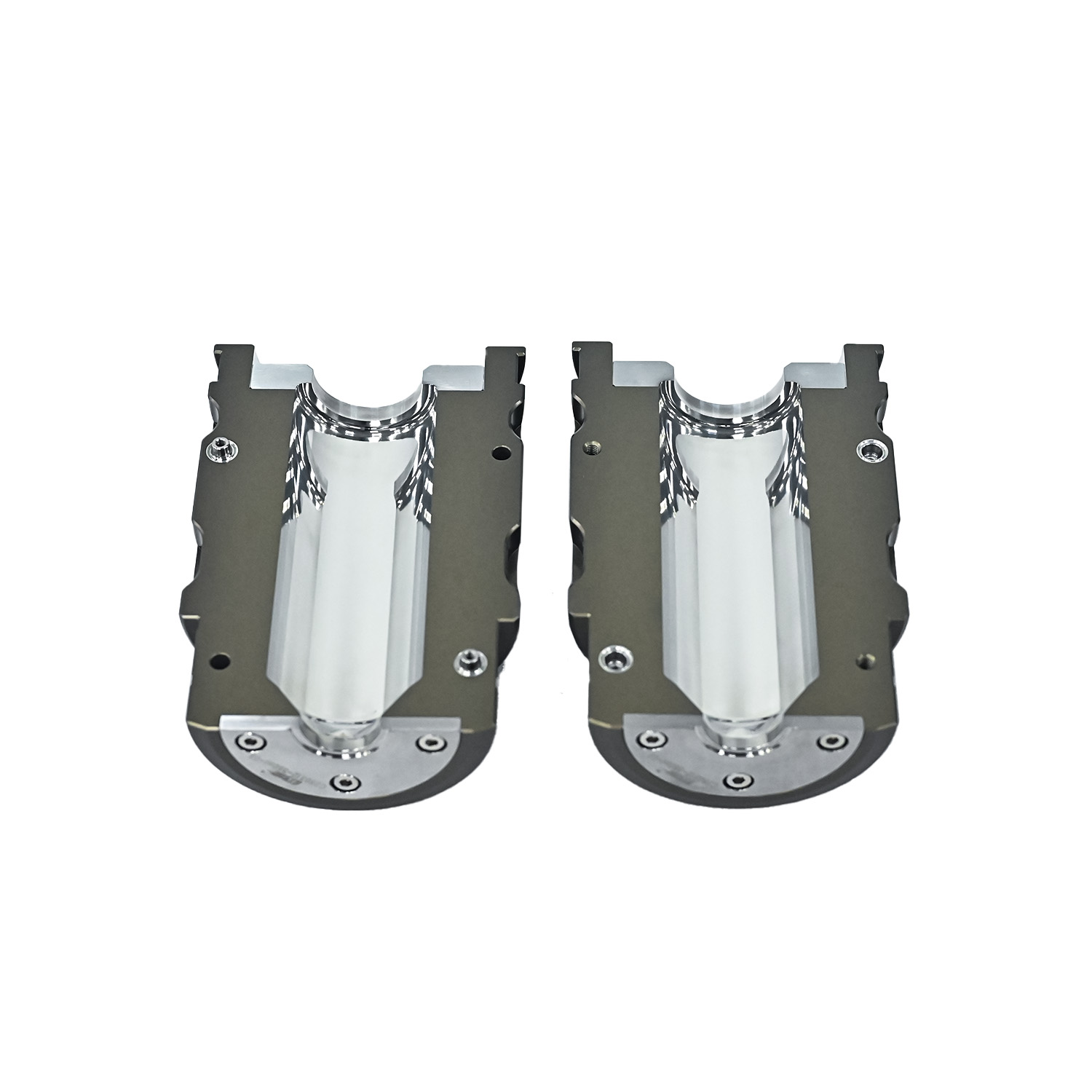
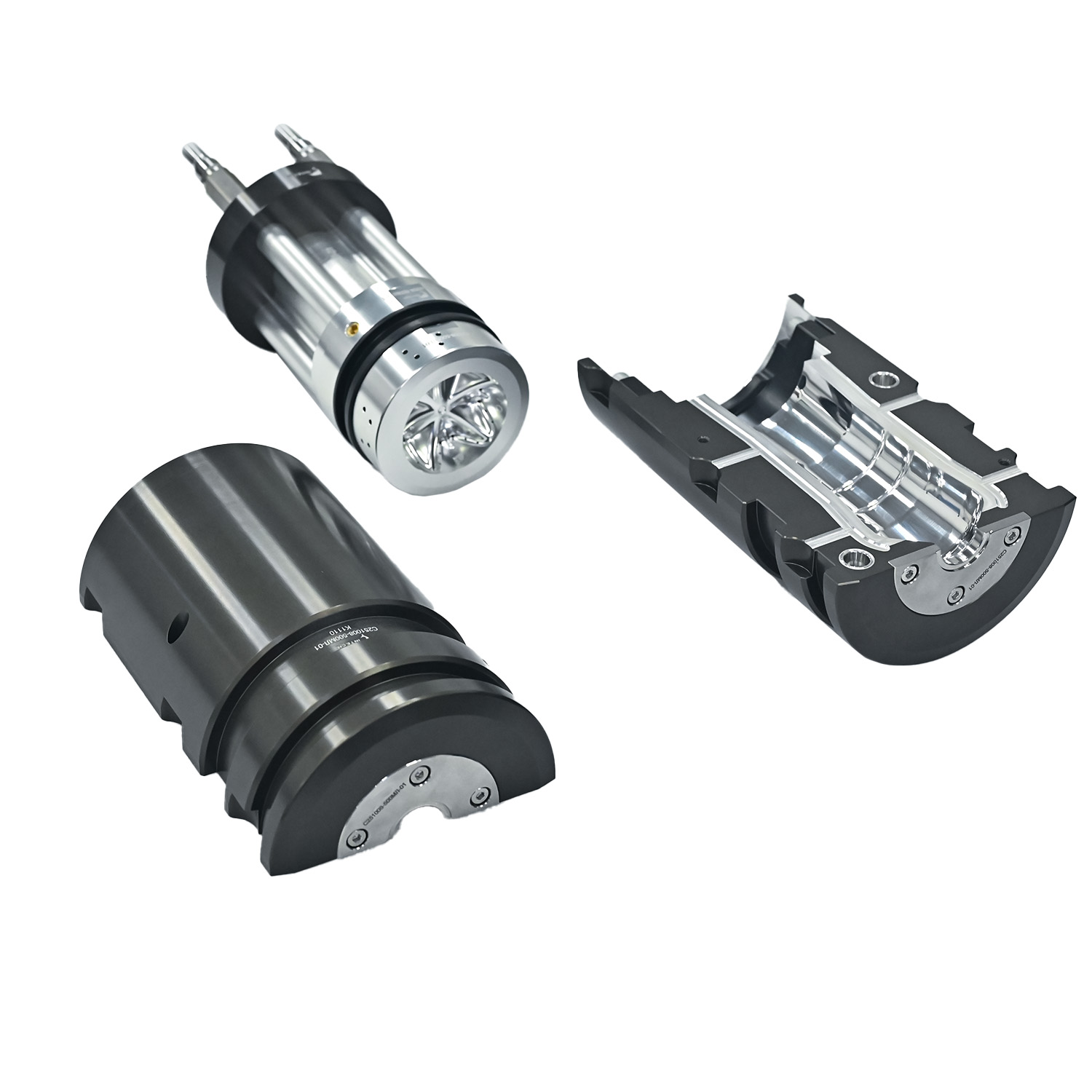
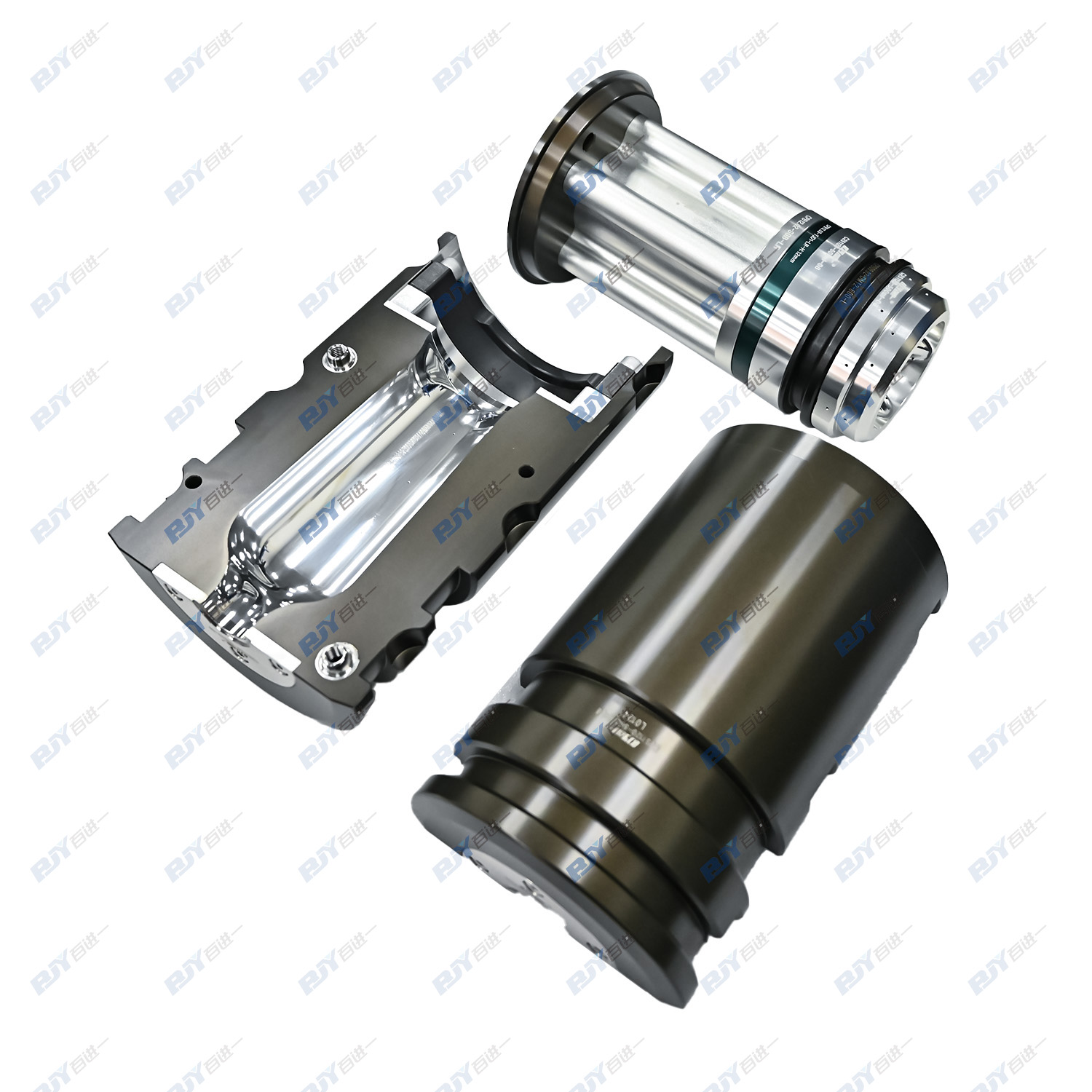
Active probiotic drinks often undergo secondary fermentation in the bottle. Standard moulds might result in "bottom-bulge." CSD-grade moulds utilize a "petaloid" base design or a reinforced heavy-duty base, ensuring the bottle remains stable on retail shelves even under internal pressure. Our 500ml CSD-PET moulds are specifically engineered to distribute stress evenly across the bottle walls.
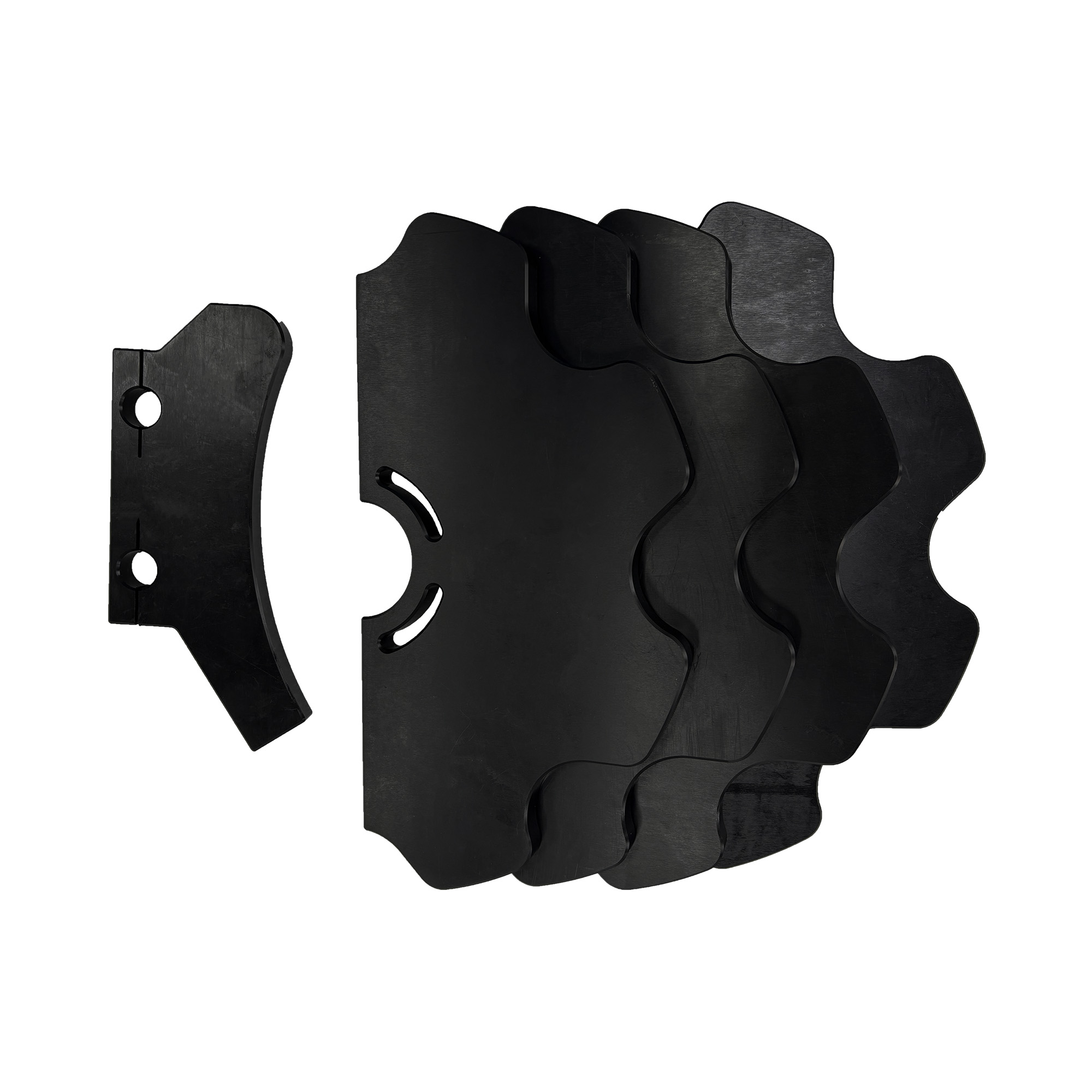
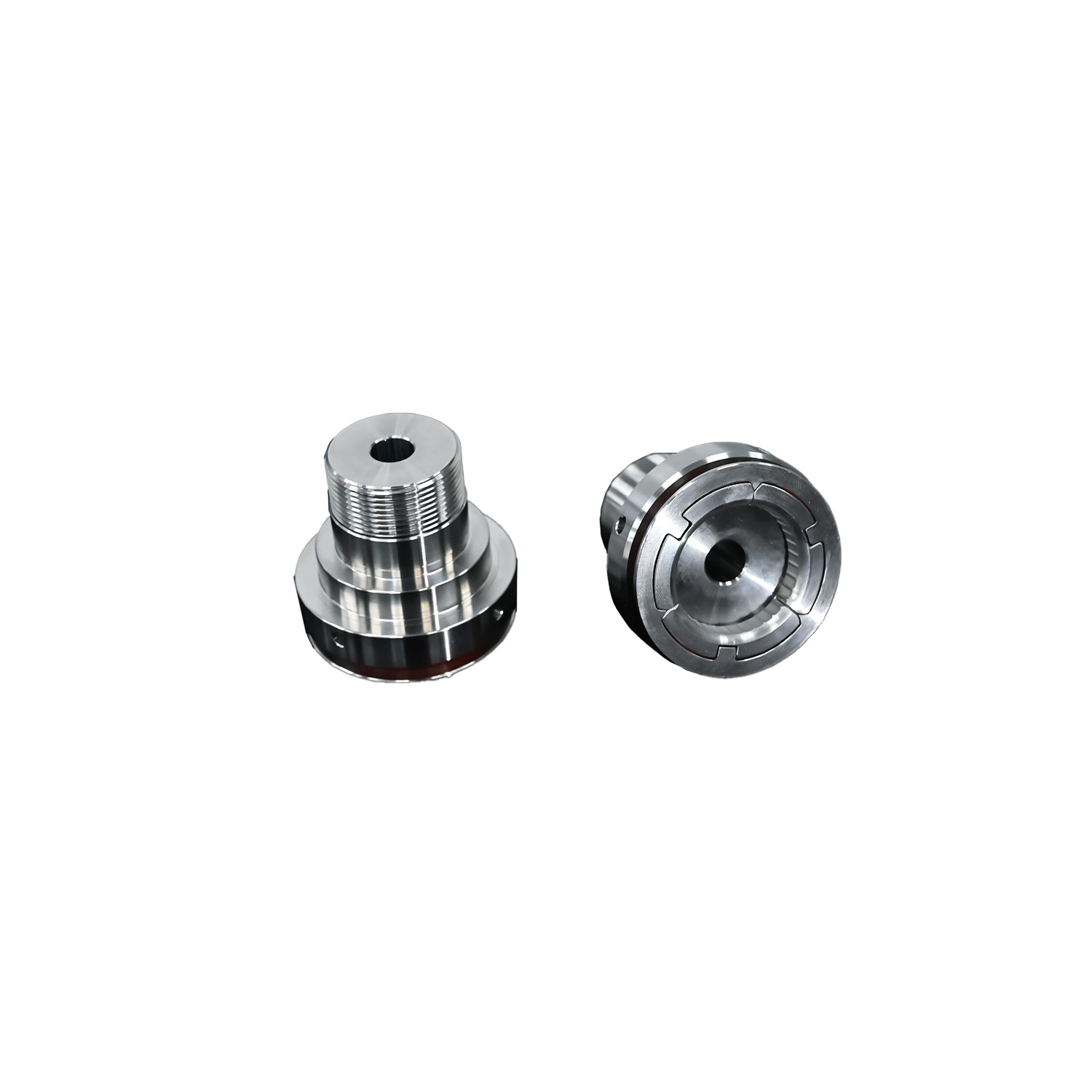
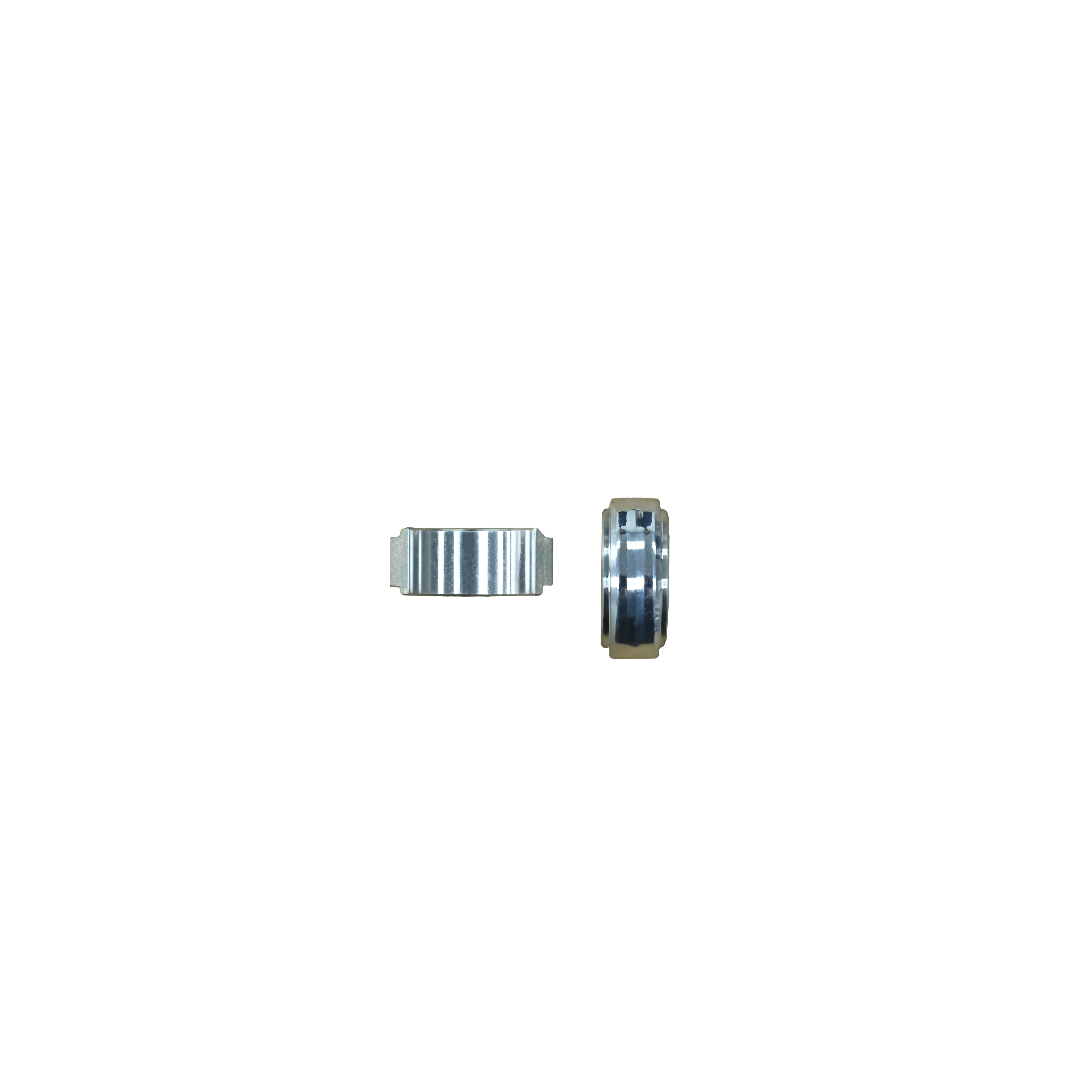
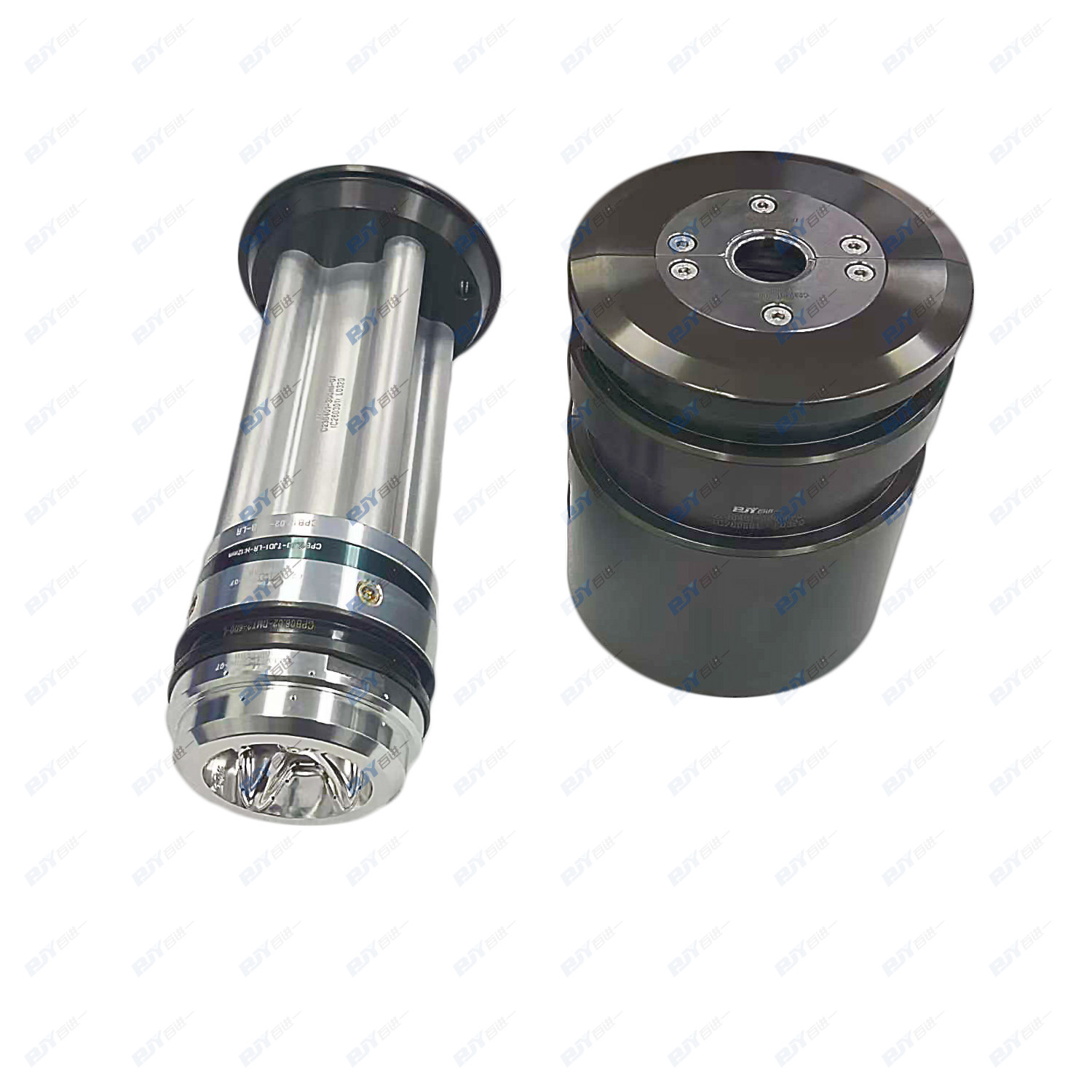
Liquid dairy factories operate at high volumes. Our Bottle Discharge Star Wheels and Tightening Rings are precision-machined to ensure that the transition from the blow moulder to the filling line is seamless. Any vibration or misalignment can lead to micro-cracks in the PET, which are catastrophic for dairy safety. Precision-cooled cores ensure that the bottle neck remains perfectly crystalline, preventing leaks at the screw cap interface.
While CSD is usually cold-filled, some dairy processes require warm-filling or ambient filling with aseptic sterilization. The mould design must account for "shrinkage" rates. By using high-precision water-cooled cores, we ensure that the preform is blown into a mould that manages heat dissipation perfectly, resulting in a bottle with consistent wall thickness.
Innovative Spirit: We dare to experiment and are committed to innovation in PET packaging technology.
Integrity First: Integrity is the cornerstone of our values, ensuring every mould meets global safety standards.
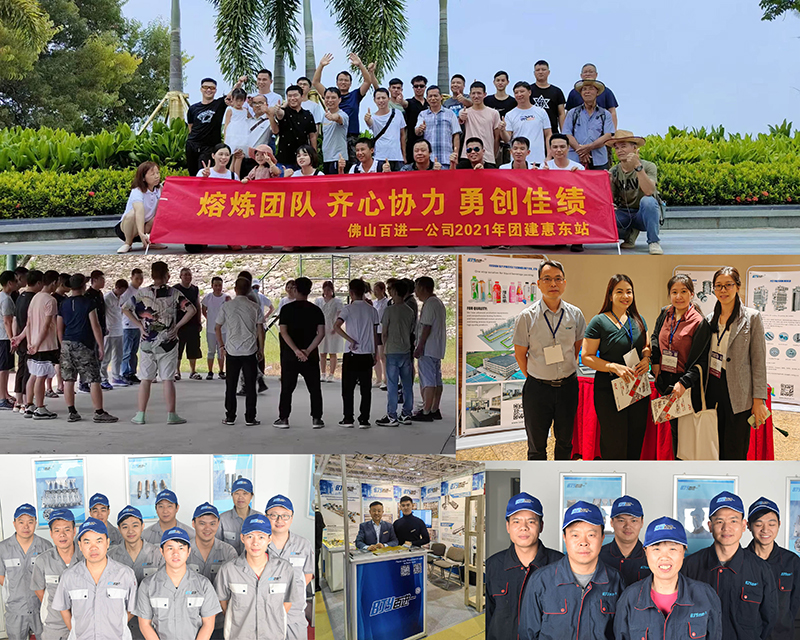
Employee Care: We prioritize employee growth, investing resources annually in training and skill enhancement. We care about employees' lives, providing accommodation and meals, giving employees far from home a sense of belonging.
The future of CSD bottle moulds for liquid dairy and yogurt factories is being driven by AI and Digital Twin technology. Imagine a mould that can predict its own wear and tear. At BJY, we are moving towards "Smart Moulding" where sensor data from the blow moulding machine informs the R&D team on how to optimize cooling channels for even faster cycle times.
Lightweighting: There is a massive push to reduce the amount of PET plastic used. By using CSD-style structural ribs, we can create a dairy bottle that is 20% lighter but maintains the same top-load strength. This not only reduces material costs but also slashes transportation emissions.
Anti-Microbial Surfaces: We are exploring nanocoatings for the internal surfaces of the moulds. This ensures that the blown bottle has an ultra-smooth interior, leaving no place for yogurt proteins to stick, thereby reducing food waste and making the bottle easier to rinse for recycling.
Keep improving, for better products!
We strive for excellence and create more value and services for our customers in the dairy industry.
We are rigorous and meticulous, devoted and selfless, full of vitality, and brave in innovation.
Advanced production equipment and comprehensive testing facilities ensure high-quality CSD and dairy moulds.
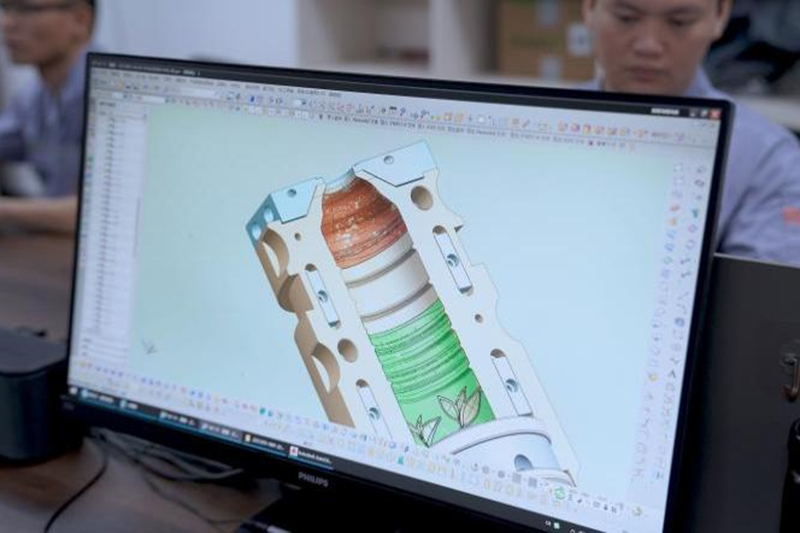
R&D Department: Includes electronic engineers, structural engineers, and appearance designers with 20+ years of experience.
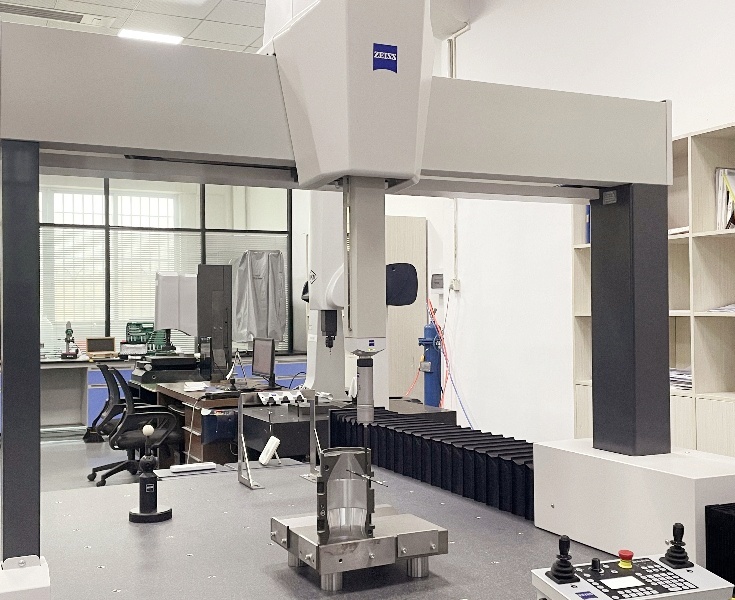
Rich Experience: Specialized in OEM/ODM services for mold manufacturing and high-precision injection molding.
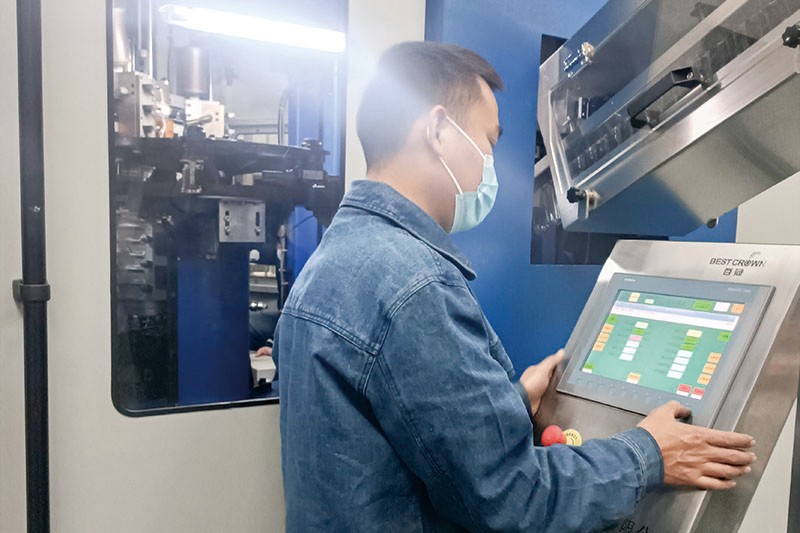
Global Support: Providing technical training and information regularly to ensure your production line never stops.
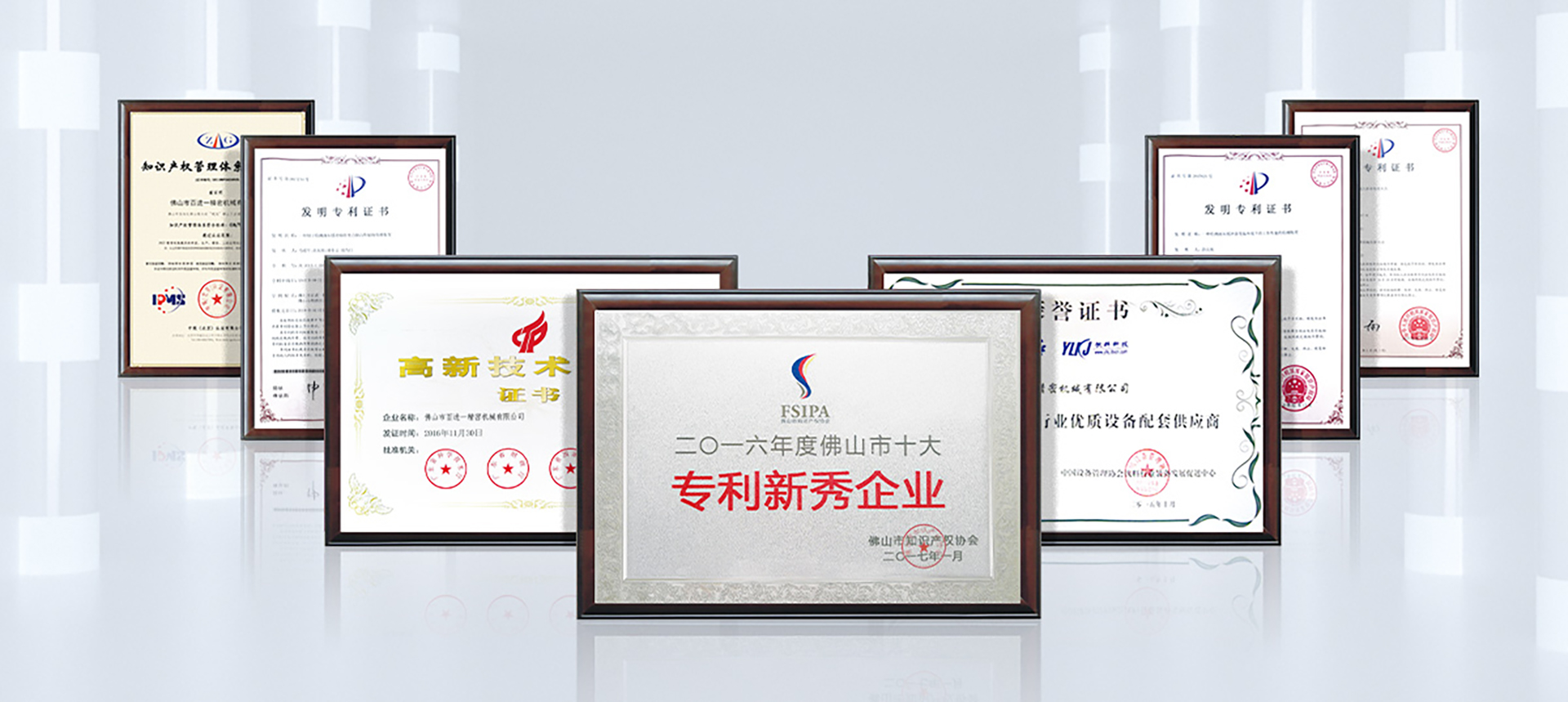
Detailed Technical Analysis for Industrial Procurement: When selecting CSD bottle moulds for liquid dairy and yogurt processing factories, engineering teams must prioritize the alloy composition of the mould. High-grade 7075 aluminum or stainless steel P20/S136 is often required for durability against the humid environments of dairy plants. The cooling channel design is the most critical factor in reducing cycle times. A well-designed 300ml CSD blowing mould with optimized water channels can reduce production time by 15%, leading to millions of additional bottles per year. Furthermore, the compatibility with PET bottle screw caps (such as the 29/25 13.5g standard) ensures that the neck finish is robust enough to handle the torque of high-speed capping machines without deformation. For factories transitioning from HDPE to PET, the integration of star wheels and mandrels is a necessary upgrade to handle the different physical properties of the materials. BJY provides the technical information and training support to make this transition seamless, ensuring that your yogurt or liquid dairy product maintains its brand integrity through high-quality, pressure-resistant packaging.