Chinese
-
 Email
Email -
 Whatsapp
-
 WeChat
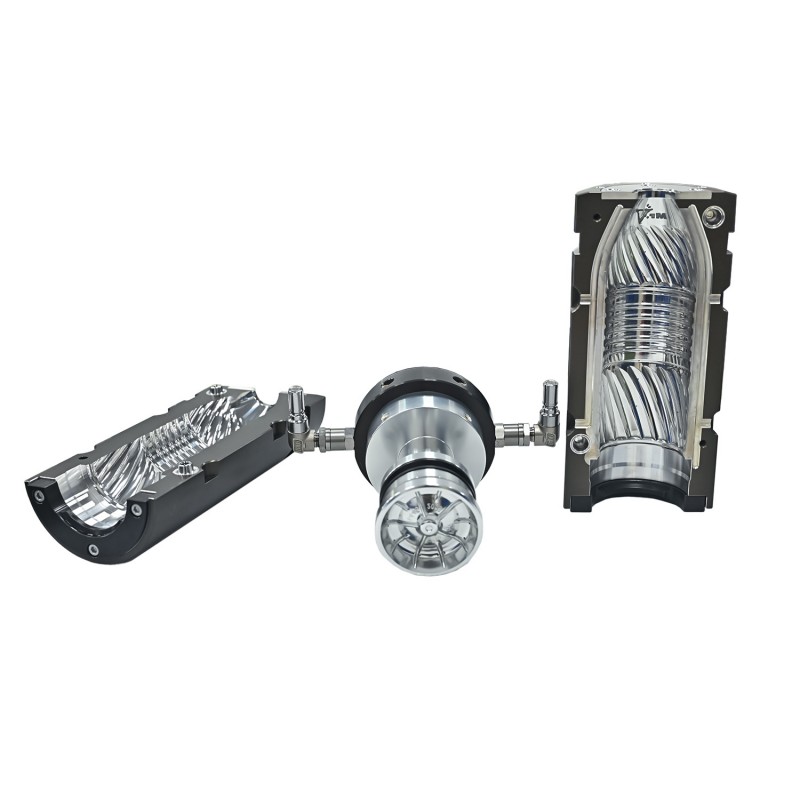
In the modern global beverage sector, multi-national mineral water bottling plants operate under intense pressure to optimize yield, minimize material usage, and maintain absolute brand consistency across diverse geographical markets. High-speed rotary PET blow molding systems represent the absolute backbone of these operations. With consumer demand shifting toward healthy hydration, global beverage conglomerates require manufacturing solutions that can reliably output tens of thousands of bottles per hour (BPH) without compromising wall thickness uniformity, structural integrity, or aesthetic appeal.
Operating a multi-national bottling line involves managing complex supply chains and maintaining strict adherence to international quality standards. A single minute of unplanned downtime on a high-cavity rotary blower can result in thousands of dollars of lost revenue. Consequently, the precision of PET blow molds, mold shells, and components like tightening rings has transitioned from a basic procurement metric to a strategic operational imperative. High-performance molds must withstand extreme mechanical stresses, rapid thermal cycling, and continuous operation under high pressures, often exceeding 40 bar during the final bottle blow process.
For multi-national mineral water brands, the cost structure of a bottled product is heavily weighted toward raw materials—specifically PET resin. Consequently, lightweighting initiatives are a primary driver of research and development. By reducing a bottle's weight by even a fraction of a gram, a multi-national plant processing billions of units annually can save millions of dollars in material costs. However, lightweighting reduces the margin of error during the stretch blow molding process. Molds must feature highly precise cooling channels and optimized venting systems to ensure that the thin-walled PET material distributes perfectly into the corners and base of the bottle without creating weak points.
Furthermore, sustainability mandates are pushing plants to adopt higher ratios of recycled PET (rPET). Processing rPET introduces significant variability in material behavior, as recycled resins often exhibit different thermal characteristics and melt strengths compared to virgin PET. To compensate for these variations, modern PET blow molds must incorporate advanced thermal management and highly engineered venting geometries. Proper venting prevents trapped air from causing defects such as under-blown bases or cloudy finishes, ensuring that recycled bottles meet the same high-clarity and structural standards as virgin plastic packaging.
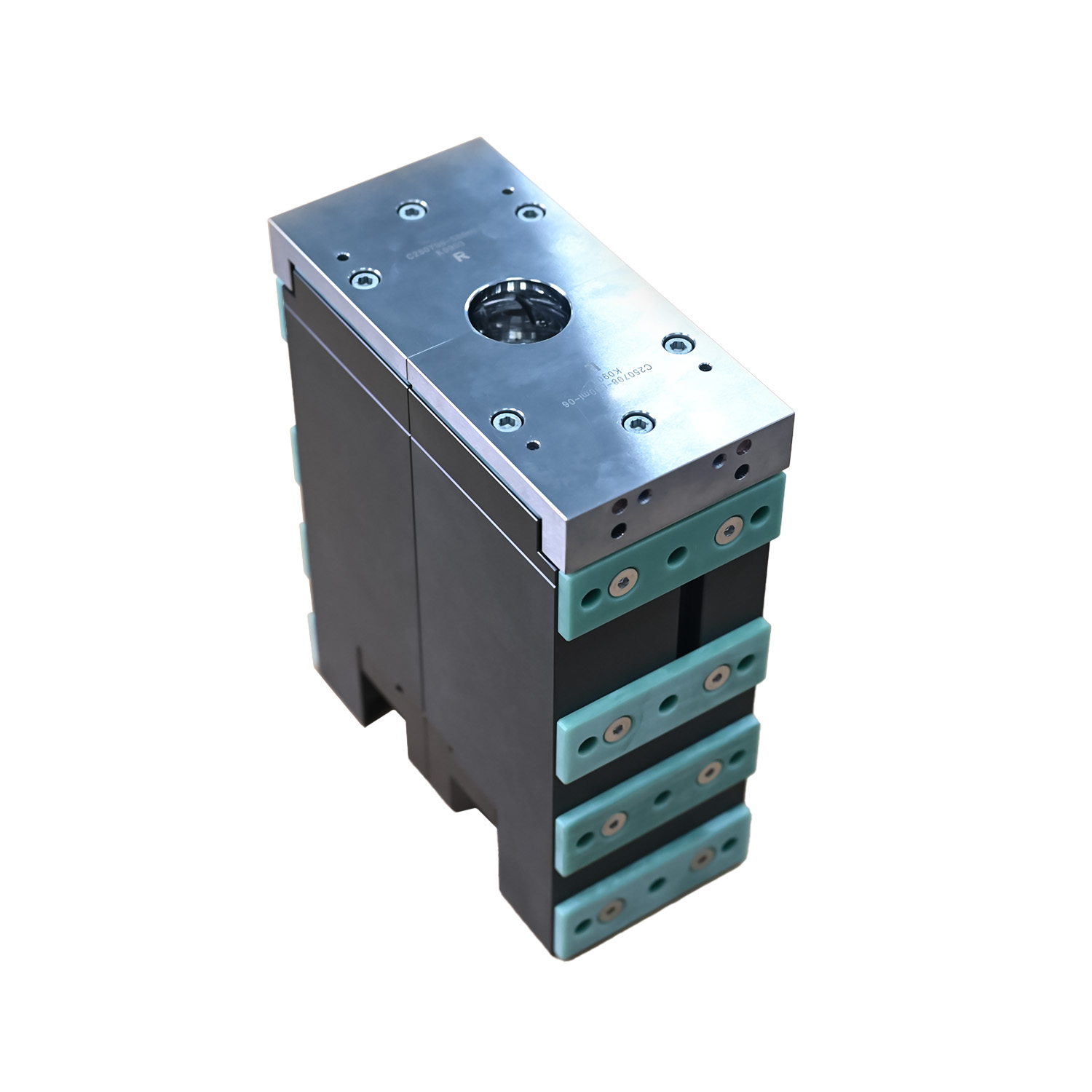
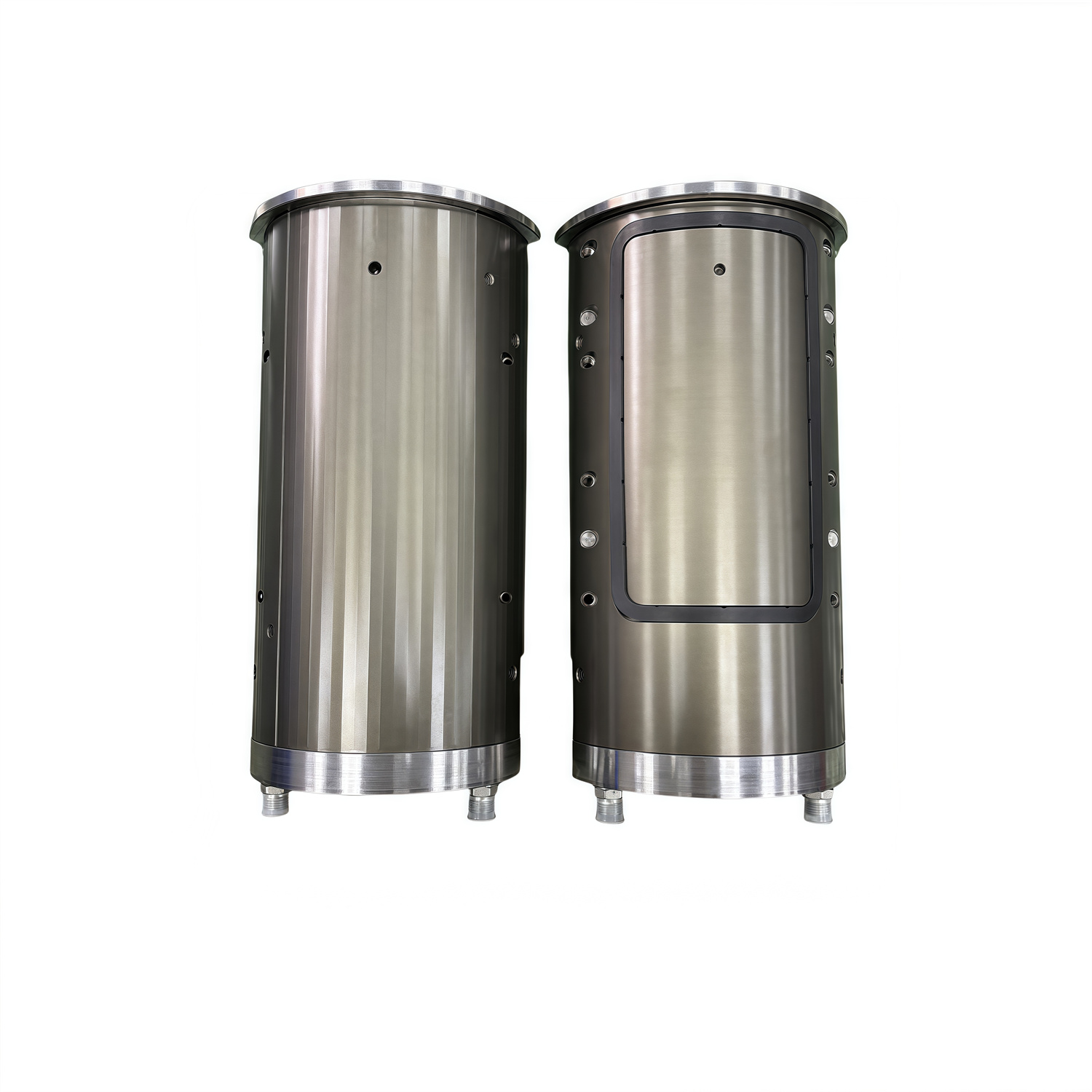
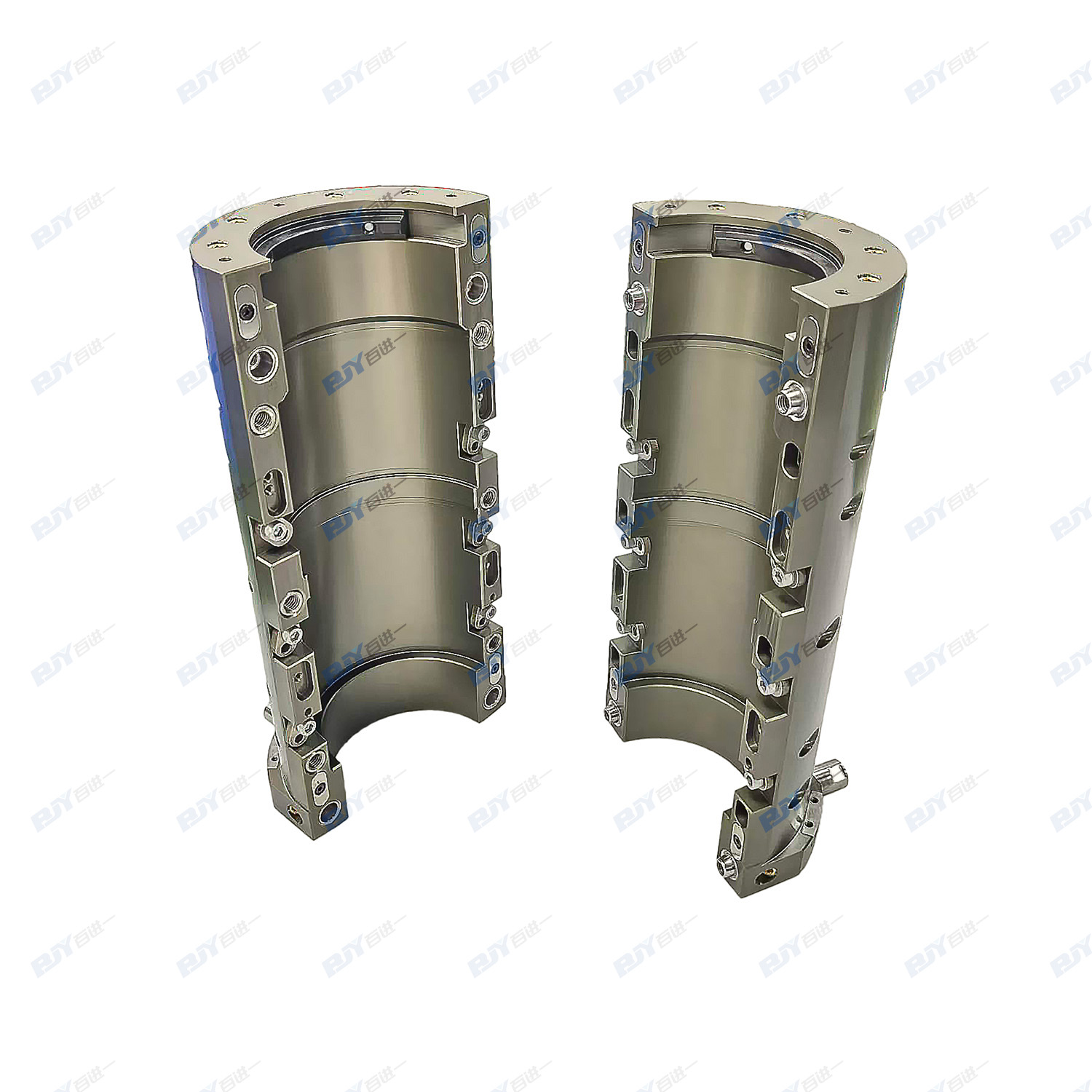
Multi-national bottling plants typically utilize rotary blow molding machines for high-capacity lines, whereas linear blow molding machines are favored for medium-scale operations or highly customized bottle shapes. Rotary blowers place unique demands on the mold assemblies. The molds must be designed to withstand high centrifugal forces and rapid opening and closing mechanisms. This requires the use of lightweight yet highly durable materials, such as aircraft-grade aluminum alloys coated with specialized wear-resistant layers, or high-tensile stainless steel for specific high-stress components.
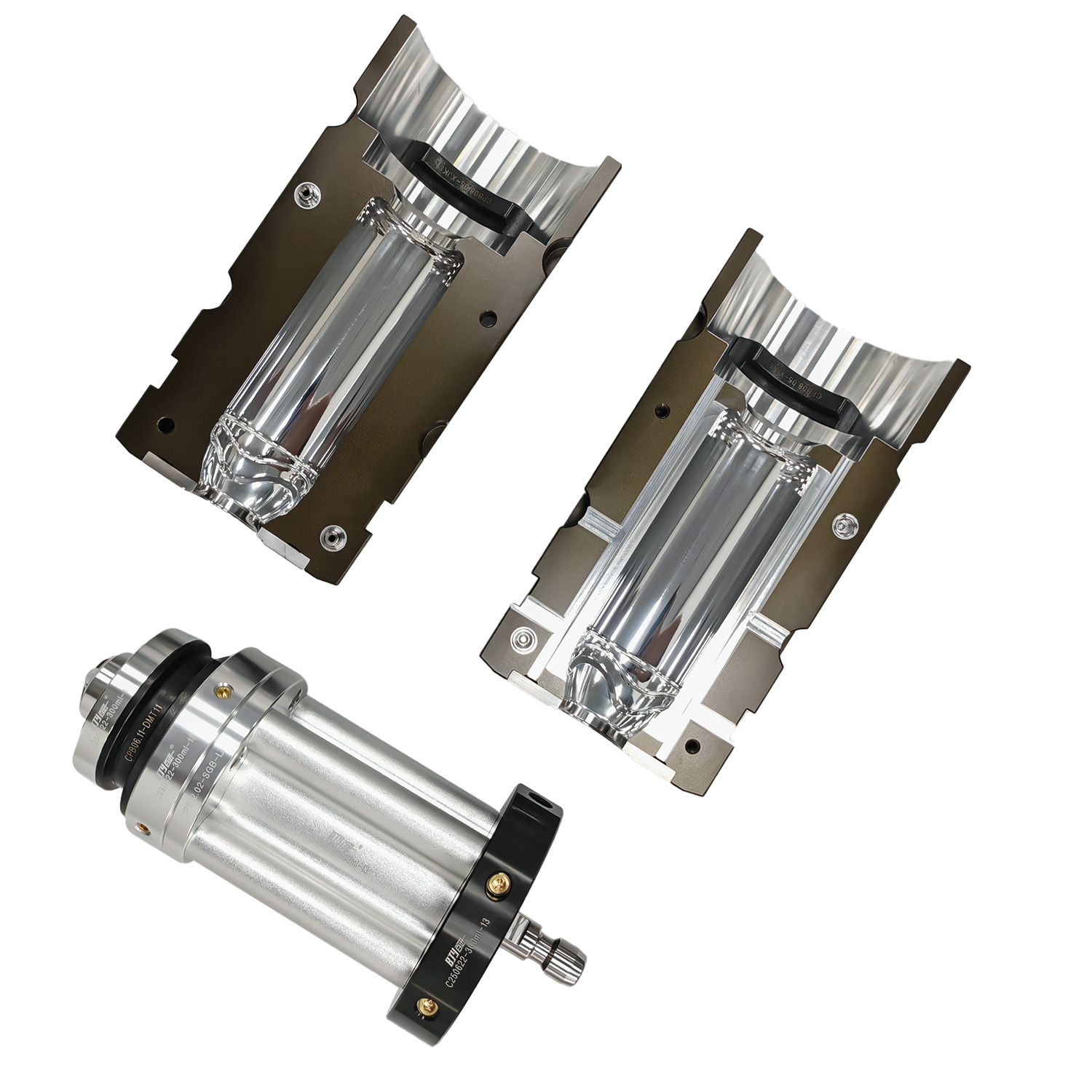
In rotary systems, mold compatibility and quick-change capabilities are vital. The integration of standardized mold shells allows operators to switch bottle designs rapidly, minimizing changeover times from hours to minutes. Precision engineering of the mold shell interface ensures perfect alignment with the machine's blowing nozzle and stretch rods, eliminating the risk of preform misalignment or mechanical wear on the machine's rotary carrier. For linear systems, such as 10-cavity configurations, the challenge lies in ensuring uniform pressure and temperature distribution across all cavities simultaneously, requiring sophisticated manifold and cooling line designs.
Foshan Baijinyi Precision Technology Co., Ltd. (BJY) stands as an epitome of innovation and excellence within the heart of Sanshui District, Foshan City. Established in 2011, our company symbolizes the fusion of tradition and modernity, strategically positioned to thrive within the vibrant economic landscape of Southern China.
At BJY, we pride ourselves on our relentless pursuit of excellence. With a relentless focus on innovation and quality, we have earned a reputation as a leader in precision technology and manufacturing. Step into the world of BJY, where tradition meets innovation, and every step forward propels us towards greater heights of success and distinction.
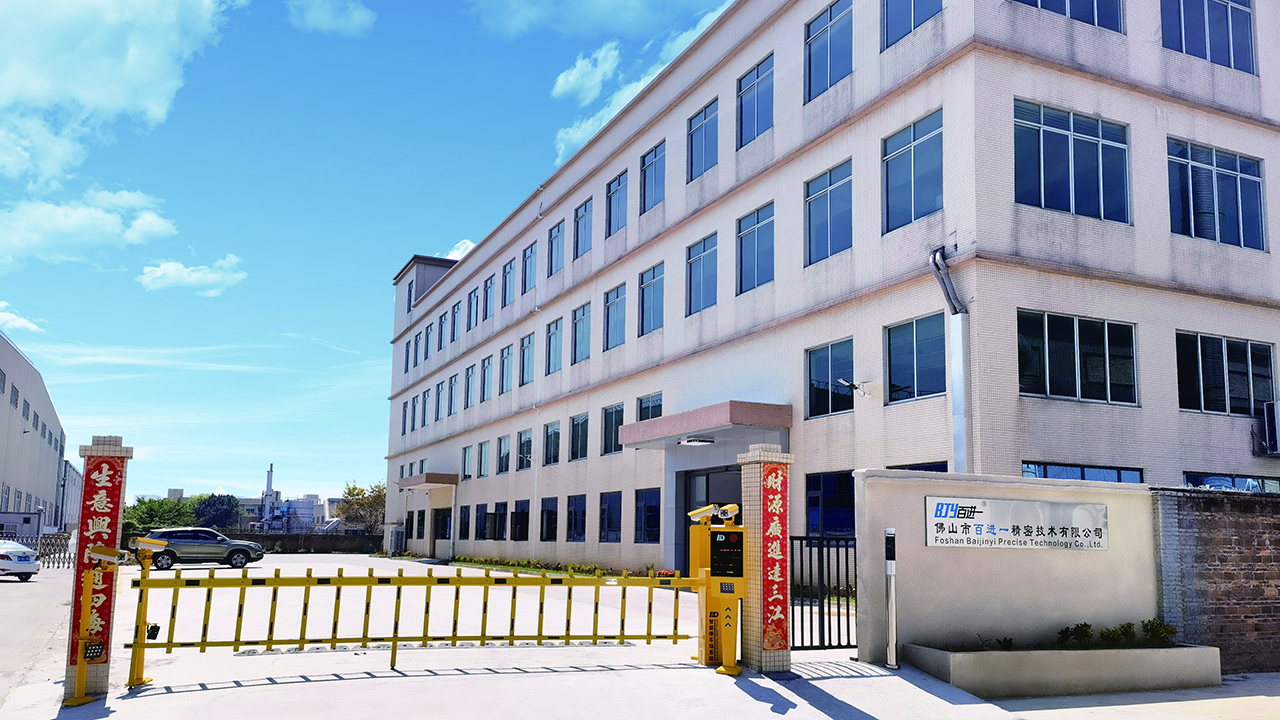
Inspired by the timeless wisdom of the Chinese proverb, "A hundred feet pole, advance one step further," BJY embodies a spirit of perpetual advancement and innovation. Our name reflects our unwavering commitment to pushing boundaries and driving progress in every endeavor we undertake.
Through years of engineering refinement, we have cultivated a team of expert designers and machinists who understand the micro-tolerances required for high-speed packaging lines. Our dedication to continuous improvement ensures that every mold shell, mandrel component, and blowing cavity we produce meets the rigorous demands of global bottling standards.
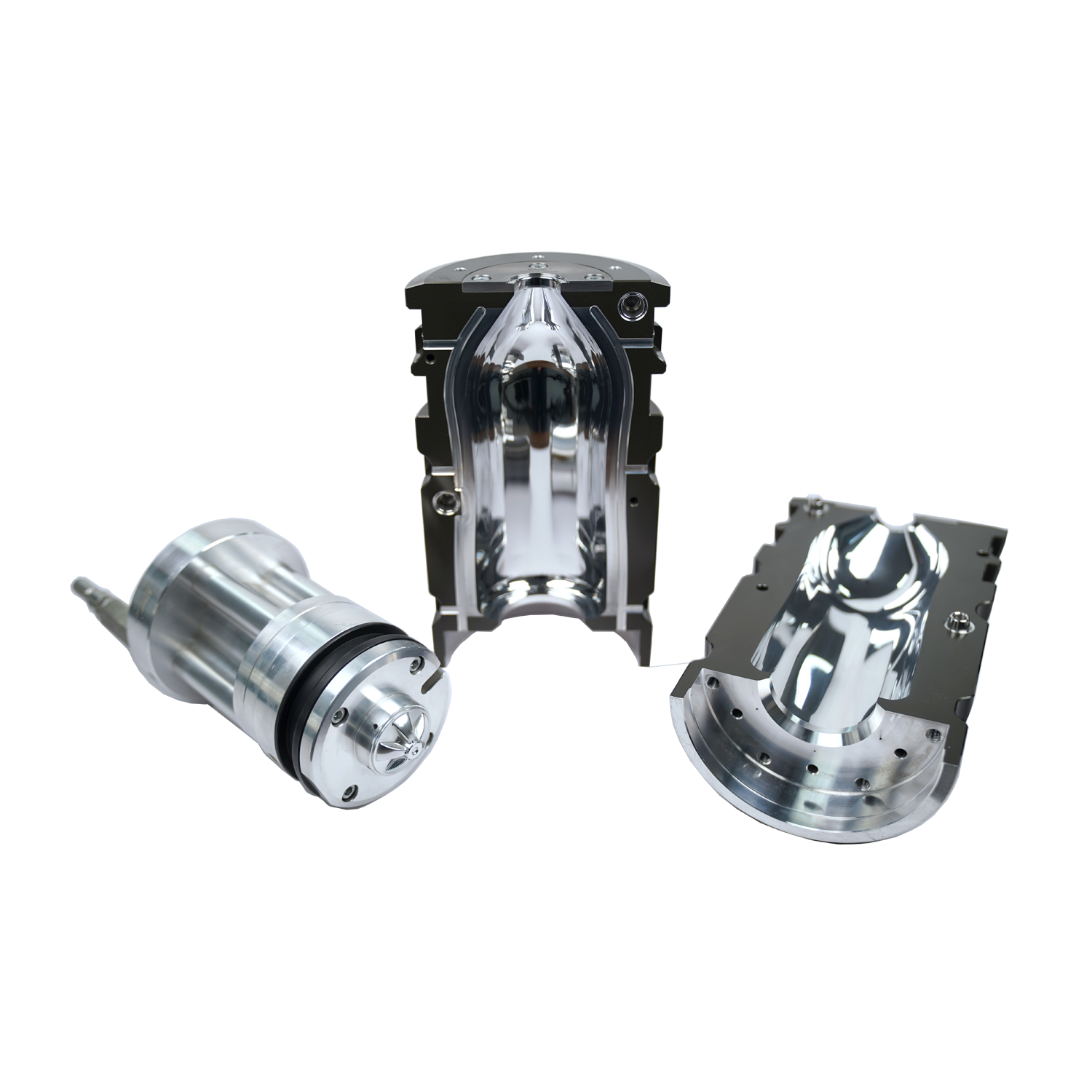
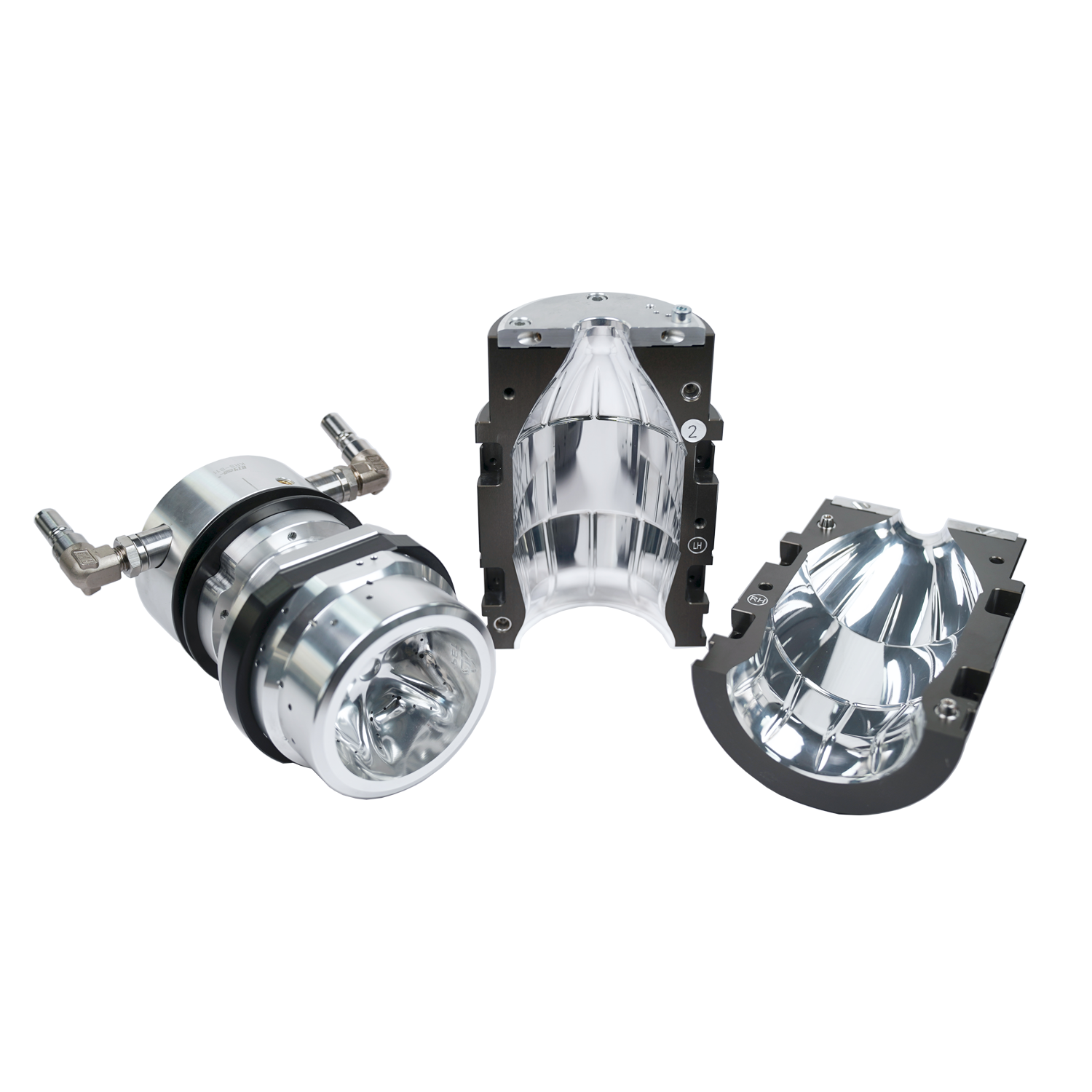
We are committed to designing and manufacturing PET liquid packaging molds, including blowing molds, PET injection molds, compression capping molds, and related accessories.
Our products are suitable for famous brands of blow molding machines, injection molding machines, capping machines, and related equipment from France, Germany, Italy, Canada, and other countries.
Widely used in the packaging field of beverages, edible oils, pharmaceuticals, and daily chemical products. Not only we can produce high-quality molds, but also provide one-stop professional services, such as bottle shape and preform design, equipment renovation projects, etc. Our BJY teams are ready to provide you with more and better technology and services to create a win-win situation.
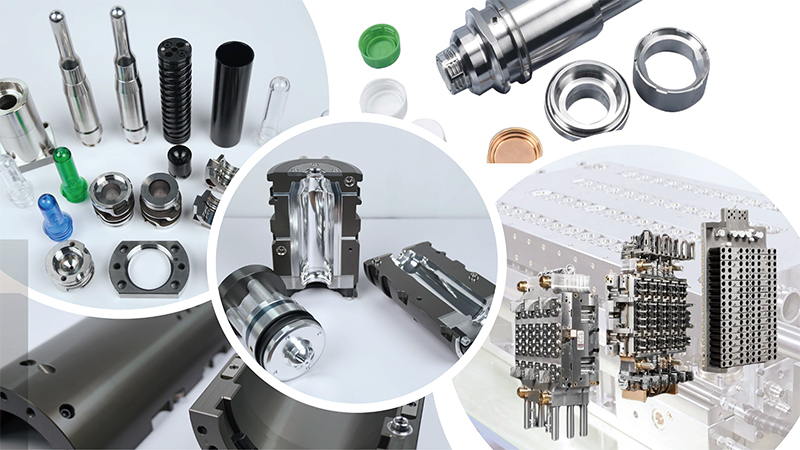
Let us analyze the operational environment of a multi-national mineral water bottling facility operating a 24-station rotary blow molding machine. The machine runs at a speed of 2,400 bottles per cavity per hour, yielding a total output of 57,600 bottles per hour. In this high-intensity environment, the molds are subjected to constant stress. The stretch rods slide in and out of the preforms at millisecond intervals, while high-pressure air is injected to expand the PET material against the cold mold walls. The heat from the preforms must be rapidly dissipated to solidify the plastic, allowing the bottle to be ejected without deformation.
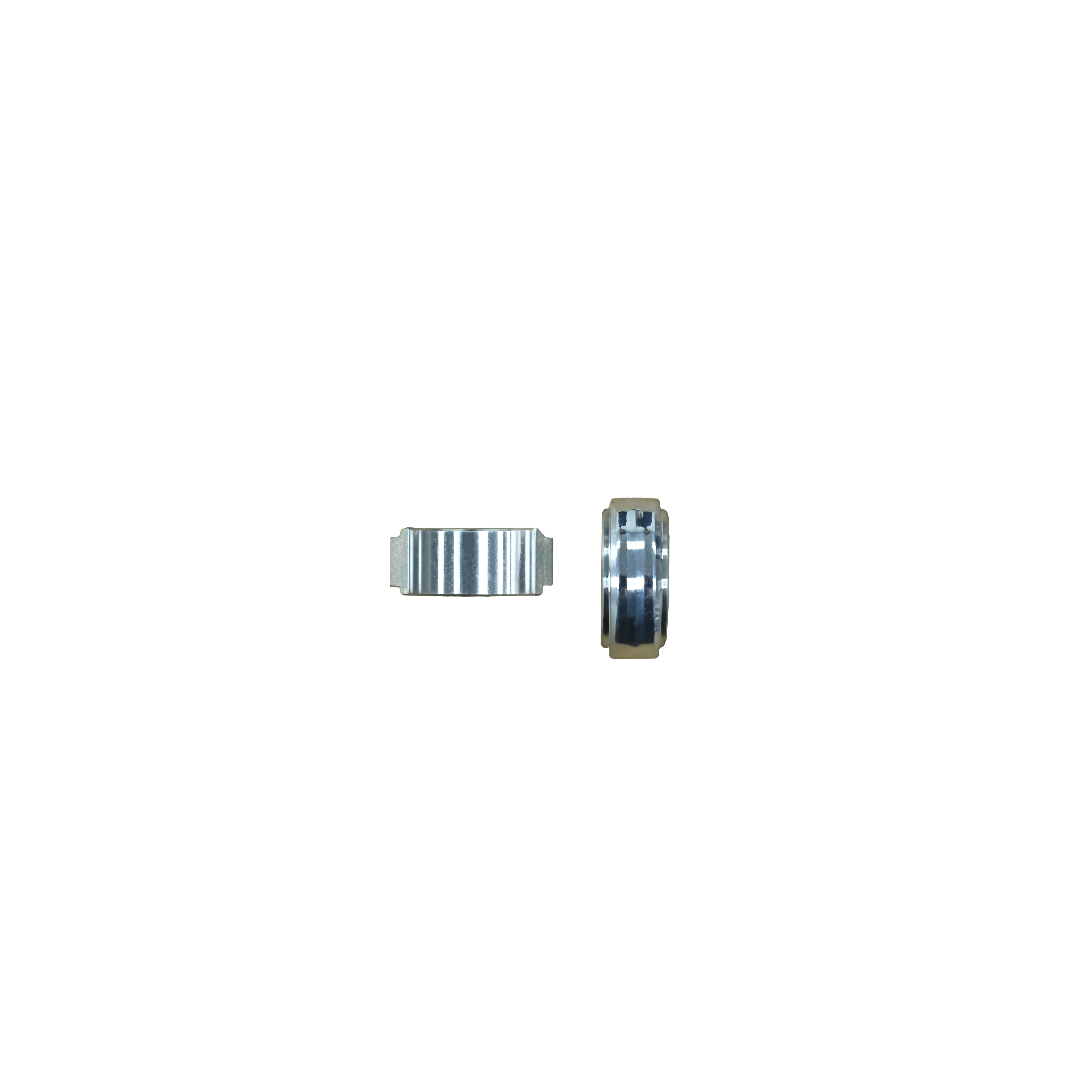
To maintain structural integrity under these conditions, BJY designs molds with optimized internal water cooling circuits. Using state-of-the-art CNC machining, we carve precise, conformal cooling channels that follow the exact contour of the bottle shape. This ensures uniform cooling across the bottle body, preventing local hot spots that could lead to shrinkage, warping, or stress concentration. Additionally, our high-precision tightening rings and mandrel accessories guarantee that the preform remains perfectly centered during the stretching phase, preventing uneven wall thickness and ensuring that the bottle base stands flat on retail shelves and conveyor belts.
Another critical scenario is aseptic mineral water packaging. Aseptic lines demand absolute hygiene, meaning the molds must be designed to withstand rigorous chemical sterilization protocols (such as vaporized hydrogen peroxide or hot ozone treatments) without corroding. Our aseptic-grade molds feature specialized surface coatings that prevent bacterial adhesion and resist chemical degradation, ensuring long-term compliance with FDA and European food safety regulations.