Chinese
-
 Email
Email -
 Whatsapp
-
 WeChat
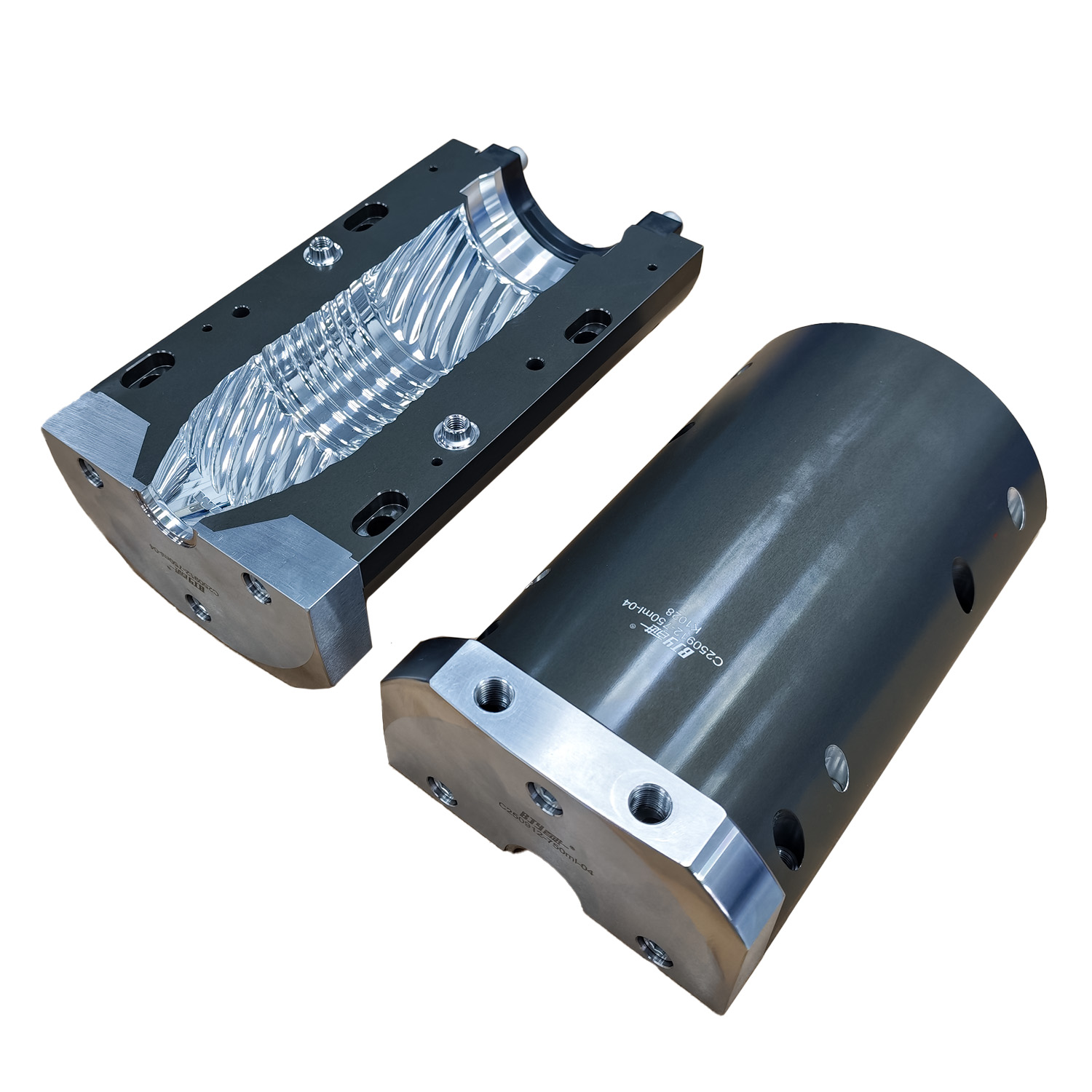
The global packaging industry has witnessed an unprecedented paradigm shift over the past decade, heavily driven by the demand for Polyethylene Terephthalate (PET) bottles. As consumer preferences pivot towards lightweight, shatterproof, and highly recyclable packaging solutions, the pressure on manufacturers to deliver flawless products at breakneck speeds has never been higher. At the absolute core of this manufacturing ecosystem lies the intricate technology of Pet Bottle Molds for Injection and Blow Molding Machinery. These molds are not merely pieces of shaped metal; they are highly engineered, thermodynamically balanced instruments that dictate the efficiency, aesthetics, and structural integrity of billions of containers produced annually worldwide.
In the current industrial landscape, the margin for error is virtually nonexistent. Modern injection and blow molding machines operate at staggering speeds, often producing tens of thousands of bottles per hour. In such high-velocity environments, the quality of the mold directly correlates to the profitability of the production line. A substandard mold, or one that has been poorly maintained, leads to devastating commercial consequences: increased cycle times, higher scrap rates, inconsistent wall thickness, and ultimately, catastrophic machine downtime. Consequently, the industry is seeing a massive influx of capital directed toward precision engineering, utilizing aerospace-grade aluminum and hardened stainless steel to create molds that can withstand the relentless mechanical and thermal stresses of continuous production.
Furthermore, the commercial viability of a packaging facility is increasingly judged by its carbon footprint and energy consumption. Advanced PET bottle molds are now designed with complex conformal cooling channels. By optimizing the thermodynamic exchange within the mold, manufacturers can drastically reduce the cooling time—which historically accounts for the largest portion of the injection molding cycle. This not only skyrockets production output but also significantly slashes the electrical energy required per unit produced, aligning perfectly with global sustainability mandates and corporate ESG (Environmental, Social, and Governance) goals.
Understanding the intricacies of Pet Bottle Molds For Injection And Blow Molding Machinery Maintenance is the dividing line between an average manufacturing plant and a world-class facility. Molds are subjected to extreme conditions: immense clamping forces, high-pressure plastic injection, rapid temperature fluctuations, and continuous mechanical friction. Without a stringent, technologically backed maintenance regimen, even the most expensive molds will rapidly degrade.
In injection molding, the preform mold is subjected to high injection pressures (often exceeding 10,000 psi). Over millions of cycles, this pressure can cause micro-abrasions on the core pins and cavity surfaces. Additionally, the continuous sliding of ejector pins, neck rings, and slider mechanisms creates mechanical friction. If lubrication is inadequate or if plastic residues are allowed to carbonize on these moving parts, galling (adhesive wear) occurs. This not only damages the mold but also leads to preform defects such as flash (excess plastic leaking through parting lines) or dimensional inaccuracies that will cause the bottle to fail during the subsequent blow molding phase.
Perhaps the most neglected, yet most critical, aspect of mold maintenance is the cooling system. Both injection preform molds and blow molds rely on a labyrinth of internal water channels to extract heat from the molten PET. Over time, industrial cooling water can deposit scale (calcium and magnesium carbonates), rust, and biological sludge within these channels. A scale buildup of just 0.1mm can reduce heat transfer efficiency by up to 30%. This forces the machinery to run slower to achieve the necessary cooling, directly impacting the bottom line. Routine maintenance must include chemical descaling, ultrasonic cleaning of water channels, and flow-rate testing to ensure the thermodynamic balance of the mold remains optimal.
In the blow molding phase, the preform is stretched and blown against the cold walls of the mold cavity to form the final bottle shape. The air inside the cavity must escape rapidly through microscopic vents (often as small as 0.02mm to 0.05mm). If these vents become clogged with PET oligomers, dust, or mold release agents, the trapped air will cause surface defects, poor detail replication (especially on embossed logos), and weak base corners. Routine ultrasonic cleaning and dry ice blasting are now industry standards for maintaining the pristine surface finish and unobstructed venting required for flawless bottle production.
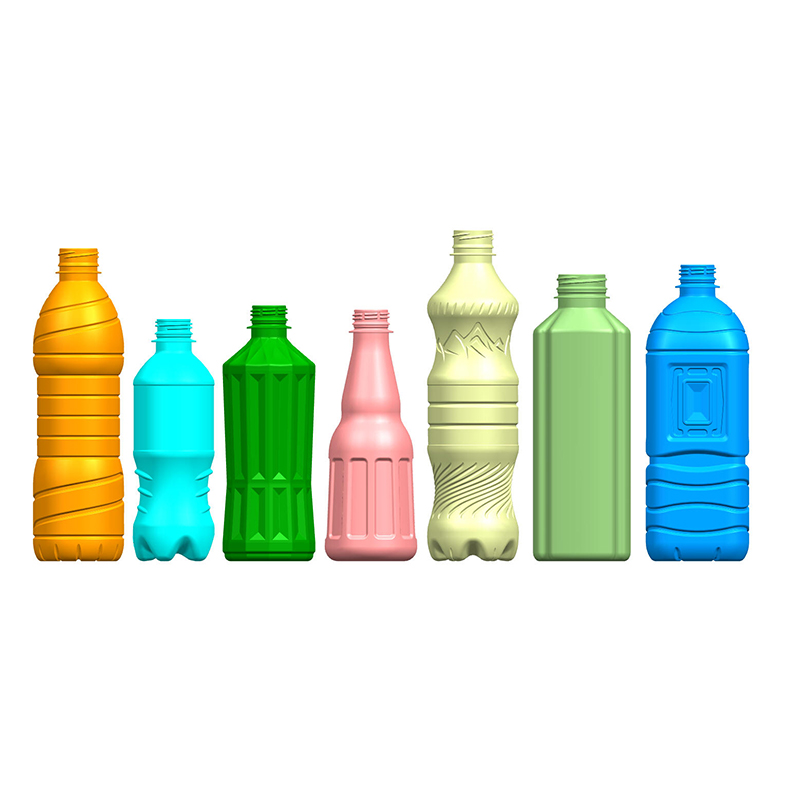
The versatility of PET has led to its adoption across vastly different sectors, each demanding unique engineering solutions from their respective molds. The maintenance and design criteria shift dramatically depending on the liquid the bottle is destined to hold.
CSD bottles are essentially pressure vessels. They must withstand internal pressures generated by carbonation, especially during transportation and storage in warm climates. The blow molds for CSD bottles feature complex, petaloid base designs engineered to distribute stress evenly and prevent environmental stress cracking (ESC). Maintaining the sharp radii and precise geometry of these base molds is paramount. Even slight wear on the mold's base insert can lead to a weakened bottle structure, resulting in explosive failures or "rocker" bottoms that cause the bottle to fall over on the filling line.
For juices, teas, and dairy products, aseptic or hot-fill processes are utilized to ensure sterilization without preservatives. Hot-fill molds are particularly fascinating; they require the mold to be heated (often via hot oil) to induce rapid crystallization of the PET, giving the bottle the thermal stability to withstand filling temperatures up to 90°C (194°F) without shrinking. The maintenance of these molds involves managing high-temperature seals, inspecting for thermal fatigue, and ensuring the vacuum panels (designed to absorb the volumetric shrinkage as the liquid cools) are perfectly formed every cycle.
In the high-end cosmetics and pharma sectors, optical clarity and aesthetic perfection are non-negotiable. These molds often require mirror-polished cavity surfaces. Maintenance here is highly delicate; traditional mechanical cleaning can scratch the polished surface, ruining the mold. Instead, non-abrasive techniques like laser cleaning or specialized chemical baths are employed. Furthermore, pharmaceutical molds must adhere to strict cleanroom standards, requiring specialized, food-grade, high-temperature lubricants that will not outgas and contaminate the sterile environment.
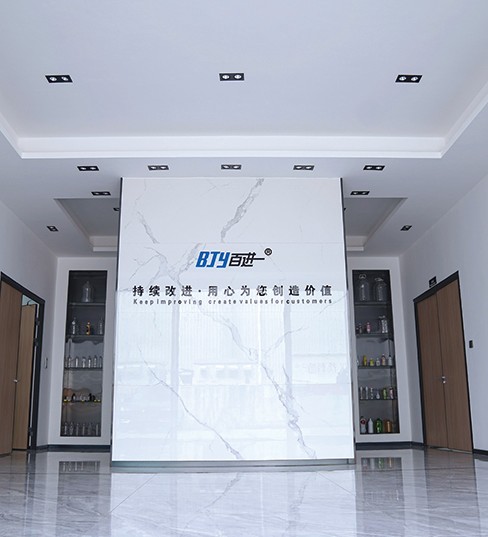
Established in 2011, Foshan Baijinyi Precision Technology Co., Ltd. (BJY) stands as an epitome of innovation and excellence within the heart of Sanshui District, Foshan City. Our company symbolizes the fusion of tradition and modernity, strategically positioned to thrive within the vibrant economic landscape of Southern China.
Inspired by the timeless wisdom of the Chinese proverb, "A hundred feet pole, advance one step further," BJY embodies a spirit of perpetual advancement and innovation. Our name reflects our unwavering commitment to pushing boundaries and driving progress in every endeavor we undertake. At BJY, we pride ourselves on our relentless pursuit of excellence. With a relentless focus on innovation and quality, we have earned a reputation as a leader in precision technology and manufacturing.

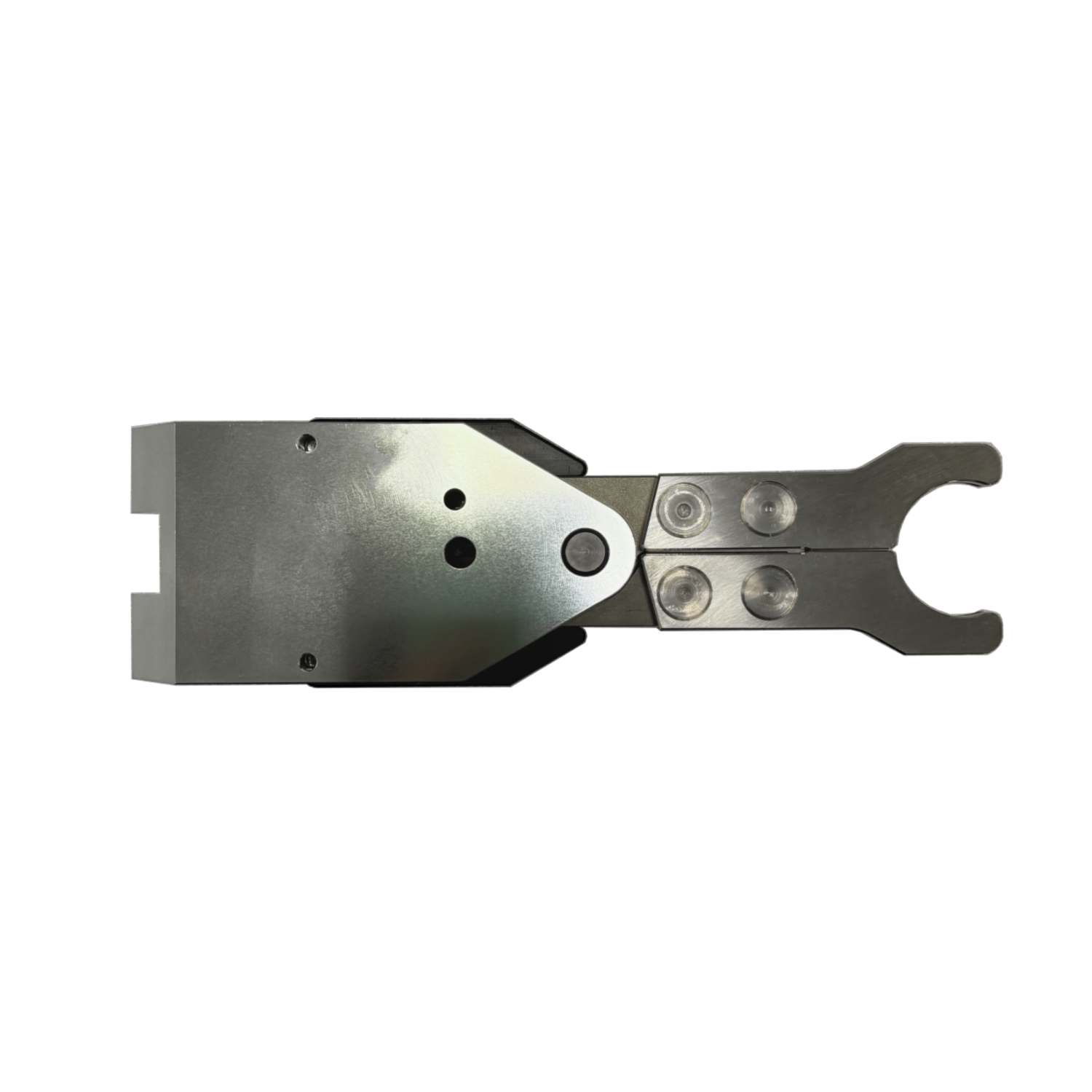
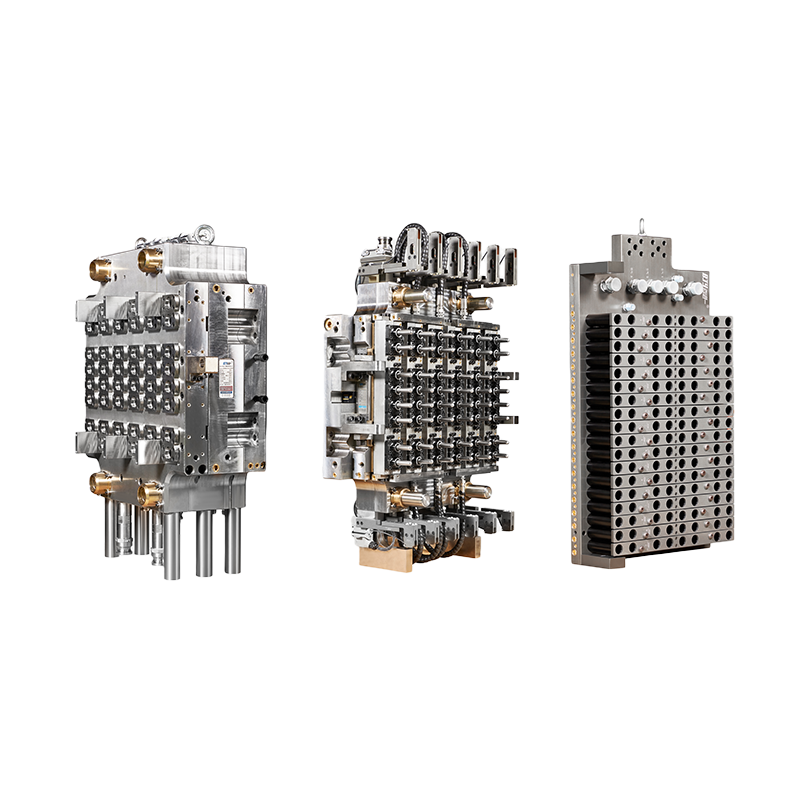
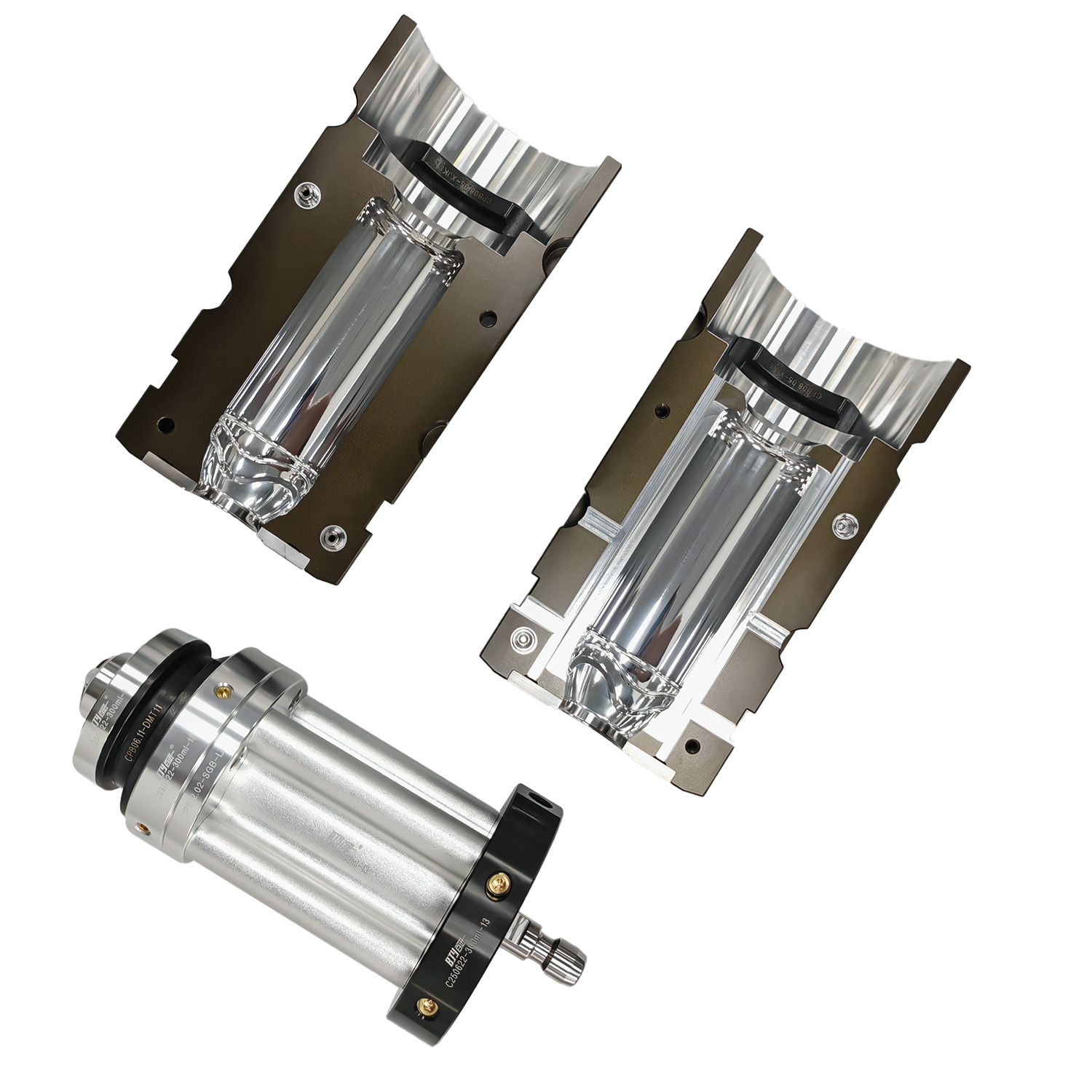
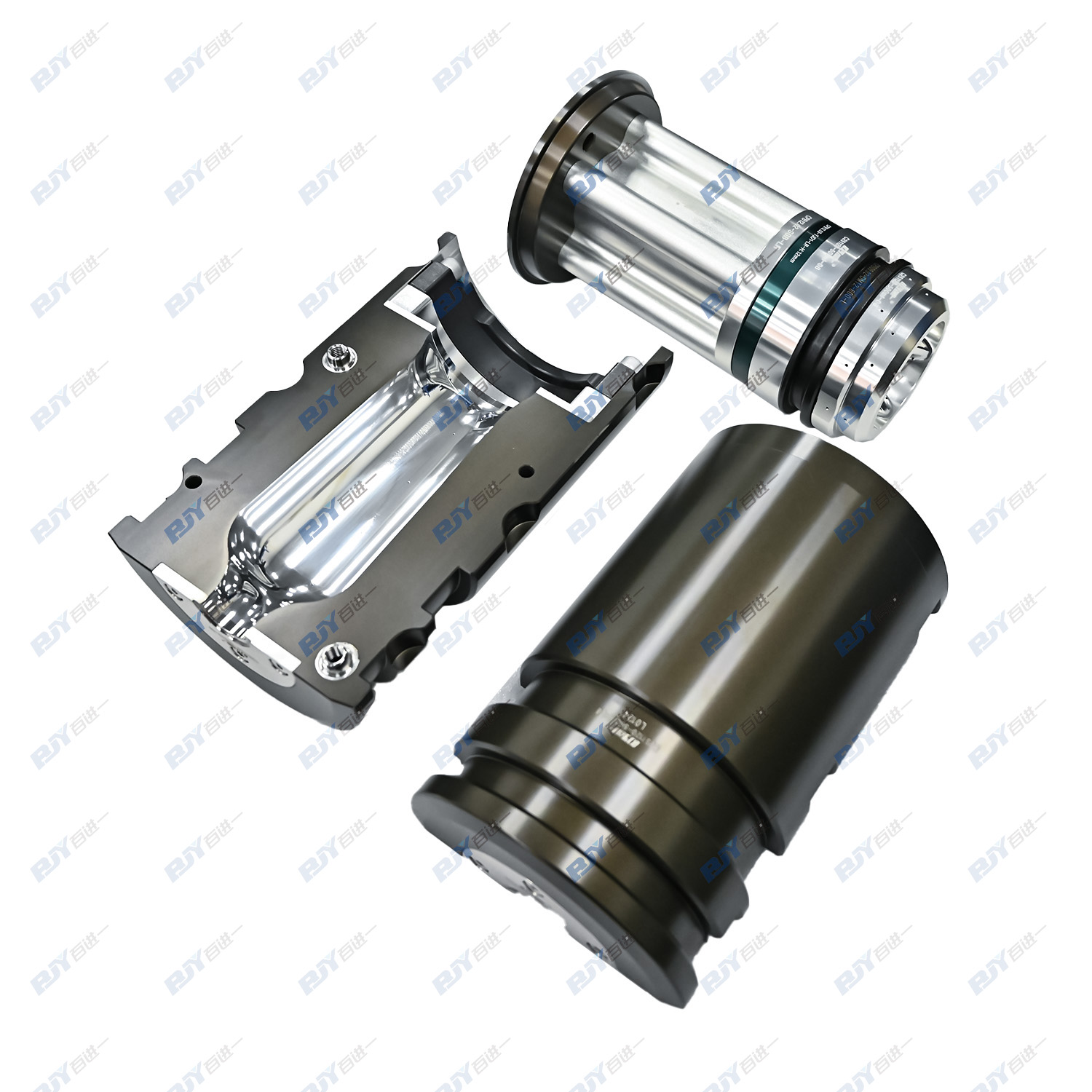
We are committed to designing and manufacturing PET liquid packaging molds, including blowing molds, PET injection molds, compression capping molds, and related accessories. Our products are seamlessly compatible with famous brands of blow molding machines, injection molding machines, capping machines, and related equipment from France, Germany, Italy, Canada, and other countries.
Widely used in the packaging field of beverages, edible oils, pharmaceuticals, and daily chemical products, we don't just produce high-quality molds; we provide one-stop professional services. From initial bottle shape and preform design to comprehensive equipment renovation projects, our BJY teams are ready to provide you with superior technology and services to create a win-win situation.
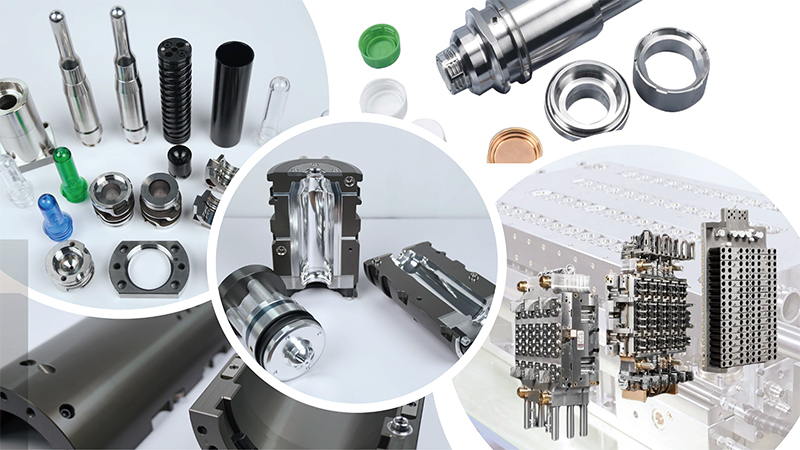
As we move deeper into the era of Industry 4.0, the traditional "run-to-failure" or even strict calendar-based preventive maintenance models are rapidly becoming obsolete. The future of Pet Bottle Molds For Injection And Blow Molding Machinery Maintenance lies in predictive analytics, Artificial Intelligence (AI), and the Internet of Things (IoT). The integration of smart technology into precision tooling is revolutionizing how factories operate.
Modern molds are increasingly being equipped with embedded micro-sensors. These sensors continuously monitor critical data points in real-time, including cavity pressure, localized temperature variations, cooling water flow rates, and acoustic emissions (vibrations) during the clamping and ejection phases. This continuous stream of data is fed into centralized AI algorithms that construct a "Digital Twin" of the mold. By utilizing machine learning, the system can identify microscopic anomalies that a human operator would never notice. For instance, a slight increase in acoustic friction during the ejection phase might indicate that a specific ejector pin is beginning to gall, prompting the system to alert technicians to apply lubrication or schedule a replacement long before the pin seizes and halts production.
Furthermore, as sustainability demands push the boundaries of lightweighting (reducing the amount of plastic per bottle to the absolute minimum), the tolerances within the mold become exponentially tighter. A wall thickness variation of just a few microns can compromise a lightweight bottle's structural integrity. AI-assisted vision systems are now used to inspect molds during maintenance cycles, comparing the physical wear against the original 3D CAD models to ensure that these hyper-strict tolerances are maintained throughout the mold's lifecycle. At BJY, we are at the forefront of this technological convergence, ensuring our precision CNC machined molds are ready for the smart factories of tomorrow.