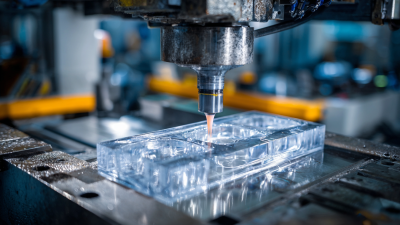
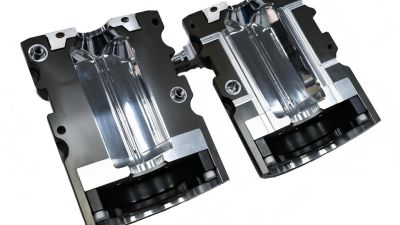
In the world of manufacturing, let’s be honest — efficiency really is everything. Picking the right Cap Mould can make a huge difference when it comes to how fast and how good your production turns out. A lot of companies find themselves on the hunt for the best cap mould types to give their operations a boost. And honestly, that often means trying out different mould designs to see what works best.
One popular choice you’ll hear about is the Compression Cap Mould. This kind is especially valued for its precision and durability. It’s built for high-volume runs, so you get consistent results—no surprises there. But here’s the thing — not everyone fully taps into its potential. Stuff like what material you use and whether your machine is compatible can really affect how well it performs. So, taking the time to evaluate these factors is super important.
Figuring out which Cap Mould to go with isn’t exactly a walk in the park, either. Companies sometimes overlook key details that could make or break their choice. It’s really crucial to understand the specific needs of your production process — otherwise, you risk ending up with inefficiencies or problems down the line. Thinking through these points carefully can help businesses make smarter decisions and get better results overall.
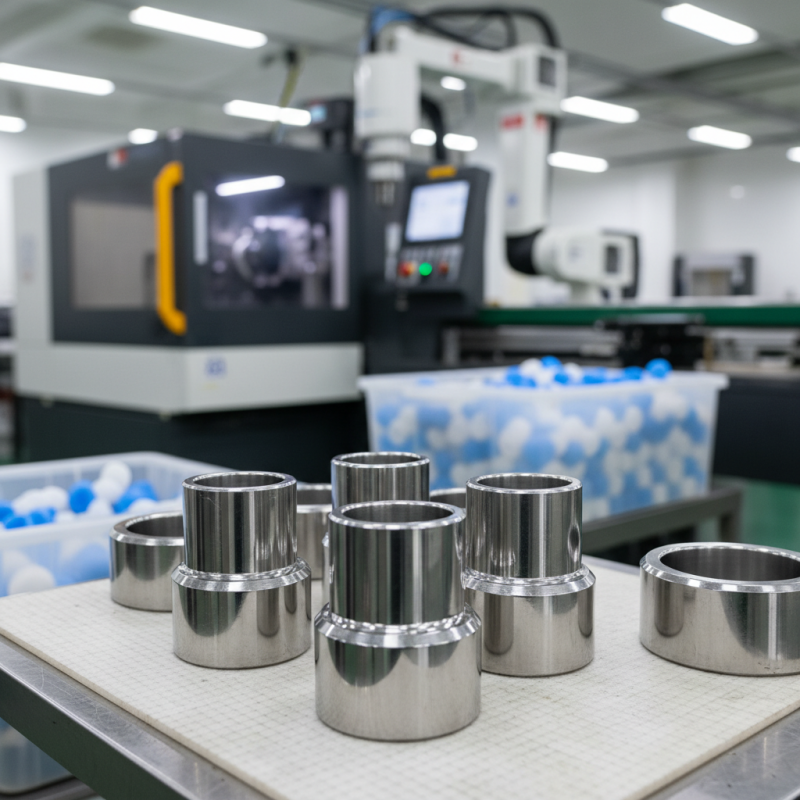
Types of Cap Moulds Commonly Used in Manufacturing
Cap Moulds are essential in the manufacturing process of various caps. They come in several types, each designed for specific applications. Injection moulds are among the most common. These moulds allow for precise shapes and quick production. They are ideal for creating large quantities of caps efficiently. However, they can have a high initial cost. Manufacturers must weigh this investment against production volume.
Another popular type is Blow moulds. These are particularly useful for producing hollow caps. They work by forcing air into the heated plastic, expanding it to fit the mould. While these moulds can be effective, they may require more maintenance. Some producers find that the wear and tear can affect overall efficiency.
Thermoforming moulds also feature prominently in production. This type uses heat to form plastic sheets into desired shapes. The process can be slower but allows for creativity. Many manufacturers have mixed feelings about this method. While it offers flexibility, the output might not match the high-speed demands of more traditional cap mould types. Choices in cap moulds are influenced by production needs and design aspirations. Each option has its pros and cons that require careful consideration.
Factors Influencing the Choice of Cap Mould Types
When selecting a cap mould type, several factors play a crucial role. Material choice is fundamental. Different plastics react uniquely during the moulding process. Some may warp under pressure, while others maintain their shape. Understanding these properties can prevent costly production errors.
The design of the Mould Bottled Cap also matters. A complex design may decrease production speed. Simpler designs, however, might limit aesthetic appeal. Production efficiency is a balancing act. Evaluating these factors often requires trial and error. Adjusting designs based on initial runs can lead to improved outcomes.
Finally, machinery compatibility can dictate mould choice. Not every cap mould fits every machine. Mismatches can slow down production or lead to defects. Careful assessment of equipment capabilities is necessary. This is often overlooked but is essential for smooth operations.
Considering these factors can enhance production methods and outcomes significantly.
Comparison of Injection Moulding vs. Blow Moulding for Caps
Injection moulding and Blow Moulding are two prevalent methods for producing caps. Each process has its set of advantages and limitations. Injection moulding allows for excellent precision. It can produce intricate designs with tight tolerances. According to a recent industry report, about 30% of cap manufacturers now prefer this method for its speed and efficiency.
On the other hand, blow moulding offers versatility. It is ideal for hollow and complex shapes. Reports indicate that blow moulding can reduce production costs by up to 20% for certain designs. However, the quality of the caps can sometimes be inconsistent, leading to potential waste. Flexibility in size and shape are trade-offs to assess, making the decision less straightforward.
Manufacturers may switch between methods based on their specific needs. While injection moulding ensures superior quality, the set-up costs can deter smaller operations. In contrast, blow moulding’s lower costs can invite reflection on quality assurance measures. Balancing cost and precision remains a critical consideration for producers in this competitive market.
Comparison of Injection Moulding vs. Blow Moulding for Caps
Advantages of Multi-Cavity Cap Moulds for High Production
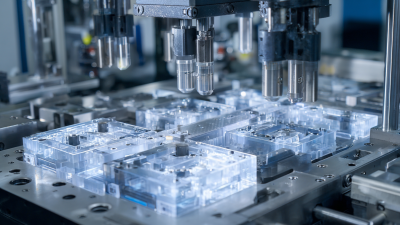
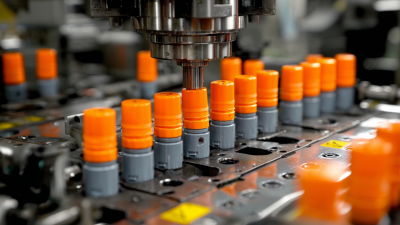
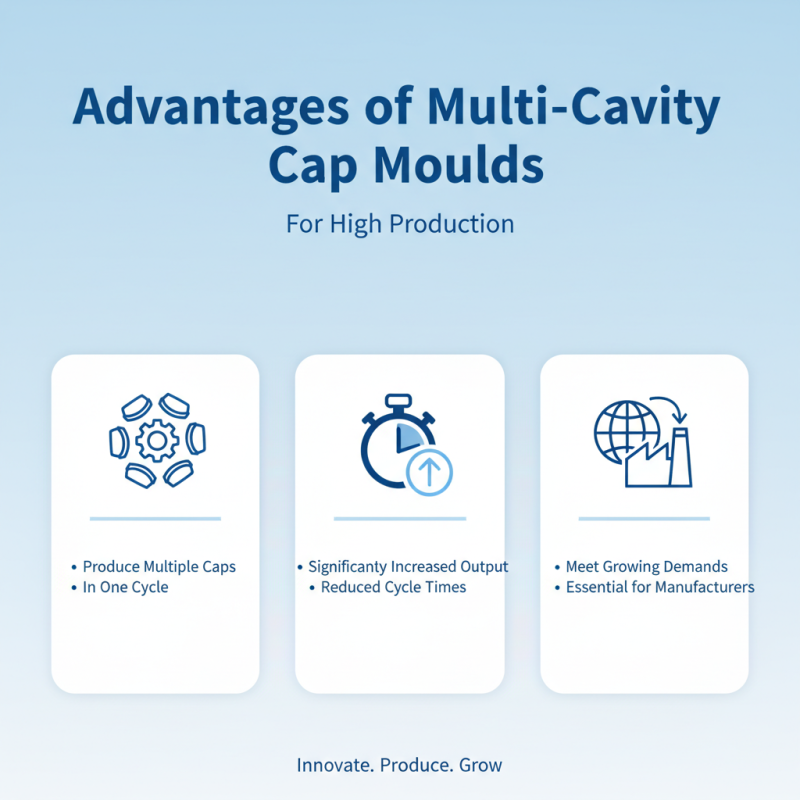
Multi-cavity cap moulds have become essential for high production rates. These moulds can produce multiple caps in one cycle, significantly increasing output. By reducing cycle times, manufacturers can meet growing market demands.
A major advantage of multi-cavity moulds is efficiency. They minimize material waste and energy consumption. However, achieving balance in temperature control becomes crucial. Uneven heating can lead to quality issues in the final products. It's important to monitor this closely.
Tips for using multi-cavity moulds include regular maintenance checks. Inspecting for wear and tear prevents production delays. Also, consider investing in advanced cooling systems. This can enhance cycle speed and improve cap quality. Remember, every mould needs adjustments based on material characteristics.
Considerations for Material Selection in Cap Mould Design
Material selection plays a crucial role in cap mould design. The right materials can significantly enhance production efficiency and cap performance. According to a report from the Plastic Industry Association, choosing materials with suitable thermal stability can reduce cycle times by up to 20%. Polymers like polypropylene are often favored due to their low density and excellent resilience. They can withstand high temperatures, making them ideal for the Cap Mould Compression Mold process.
However, not all materials are perfect. There can be challenges, such as shrinkage and warpage in certain polymers. These issues can lead to costly production errors. Some manufacturers face difficulties in sourcing materials that meet both regulatory standards and performance requirements. A survey indicated that 35% of companies report inconsistencies in material availability. This fact highlights the importance of building reliable supply chains that prioritize quality.
Additionally, environmental factors should not be overlooked. The demand for sustainable materials is rising. Research shows that about 50% of consumers prefer eco-friendly packaging. This trend places pressure on manufacturers to consider biodegradable options in their cap mould design. While these materials may offer clear environmental benefits, production techniques may need adjustment. Careful consideration is essential to maintain efficiency while adapting to new requirements.
Innovations in Cap Mould Technology for Efficiency
Innovations in cap mould technology are revolutionizing production methods. Modern techniques focus on reducing cycle times. Using advanced materials can improve the durability of molds. New designs allow for better thermodynamics, enhancing the cooling process. This leads to a faster production line. However, these innovations often come with high initial costs. Manufacturers must weigh the benefits against the expense.
3D printing is one game-changing aspect. It allows for rapid prototyping of cap moulds. Designers can test multiple variations quickly. This flexibility enhances creativity but may lead to oversight in quality checks. It’s crucial to maintain standards despite the speed. Automated processes are another trend worth noting. They reduce human error and speed up production. Yet, there can be a steep learning curve for operators. Consistent training remains vital as technology evolves. Embracing these advancements can streamline operations, but challenges must be faced.
Best Cap Mould Types for Efficient Production Methods
| Cap Mould Type | Material | Production Speed (caps/min) | Durability (Cycles) | Cost (USD) |
| Two-Shot Mould | Steel | 120 | 500,000 | 15,000 |
| Single-Cavity Mould | Aluminum | 100 | 300,000 | 8,000 |
| Multi-Cavity Mould | Steel | 300 | 1,000,000 | 25,000 |
| Hot Runner Mould | Heat-Resistant Steel | 150 | 750,000 | 20,000 |
| Cold Runner Mould | Aluminum | 90 | 250,000 | 6,500 |
Maintenance Practices for Prolonging Cap Mould Life
Maintaining cap moulds is essential for efficient production. Regular inspection keeps the mould in top condition. Look for wear and tear on the Cavity Cap Mould 16. Small cracks can lead to larger issues. Noticing these problems early can save time and costs.
Cleaning is another crucial practice. A simple wipe can remove debris. Use appropriate cleaning agents to avoid damage. Neglecting this can reduce the mould’s lifespan. Even a small residue can affect the next production cycle. As moulds age, they may require more attention and adjustment.
Lubrication is vital for smooth operation. Apply the right lubricant on moving parts. This action reduces friction and prolongs life. However, over-lubrication can attract dust and dirt. Finding the right balance can be tricky. It is important to adjust practices as the mould ages. Regular training for staff can ensure these methods are followed.
Innovative Blow Moulding Solutions for Aseptic Beverage Bottles: Ensuring Quality and Sustainability
The demand for aseptic beverage bottles has surged, driven by consumer preferences for safety and convenience. Innovative blow moulding solutions are at the forefront of meeting these needs, ensuring not only the quality of beverages but also promoting sustainability in packaging. Aseptic packaging technology enables products to remain stable without refrigeration, which is essential in extending shelf life and maintaining flavor integrity. According to market research, the global aseptic packaging market is projected to reach USD 75 billion by 2024, growing at a CAGR of 11.2% from 2019 to 2024.
Blow moulding processes have evolved to incorporate eco-friendly materials and practices that reduce carbon footprints. Manufacturers are increasingly adopting bioplastics derived from renewable resources, which play a significant role in minimizing reliance on fossil fuels. A report from the Ellen MacArthur Foundation highlights that using recycled polymers can lower emissions by up to 70% compared to traditional production methods. Therefore, companies focusing on innovative blow moulding techniques not only enhance the performance of their products but also contribute to a circular economy.
Furthermore, advancements in technology have allowed for greater precision in moulding processes, resulting in lighter and more versatile bottle designs. Lightweight packaging not only decreases transportation costs but also lessens the environmental impact. Data from the Beverage Marketing Corporation indicates that transitioning to lighter packaging can reduce packaging waste by approximately 30%, supporting global sustainability efforts. As the beverage industry continues to evolve, it is clear that sustainable and high-quality packaging solutions will play a critical role in shaping the future of beverage delivery and consumer satisfaction.
FAQS
: Multi-cavity cap moulds increase production rates by creating multiple caps in one cycle. They boost output efficiency.
They reduce material waste and energy use. However, temperature control is crucial to avoid quality issues.
Uneven heating can cause defects in products. Monitoring temperature closely can prevent these issues.
Regular inspections for wear and tear are necessary. Small cracks can lead to larger, costly issues.
Proper cleaning prevents residue build-up. Even small debris can impact the following production cycle.
Lubrication reduces friction and extends mould life. However, over-lubrication can attract dust and cause problems.
Regular checks are vital to identify issues early. This practice can save time and production costs.
Aging moulds may require more frequent maintenance. Adjusting practices based on condition is important.
Neglecting small issues or over-lubrication are frequent mistakes. Finding the right balance can be challenging.
Regular training ensures that staff follow maintenance practices. Consistent training is key to effective operations.
Conclusion
The article "Best Cap Mould Types for Efficient Production Methods" explores various types of cap moulds commonly employed in manufacturing, highlighting their key features and uses. It delves into crucial factors influencing the choice of cap mould types, comparing the effectiveness of injection moulding versus blow moulding for producing caps. Additionally, the discussion emphasizes the advantages of multi-cavity cap moulds, which significantly enhance production capacity and efficiency.
Moreover, the article addresses material selection considerations vital to optimal cap mould design, alongside innovative advancements in cap mould technology that drive efficiency improvements. Lastly, effective maintenance practices are outlined to help prolong the lifespan of cap moulds, ensuring sustained production quality and reduced downtime. Overall, understanding these aspects is critical for manufacturers aiming to optimize their cap production processes.
 Chinese
 Email
Email Whatsapp
 WeChat