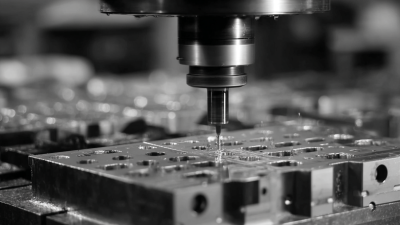
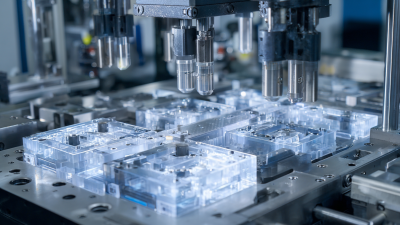
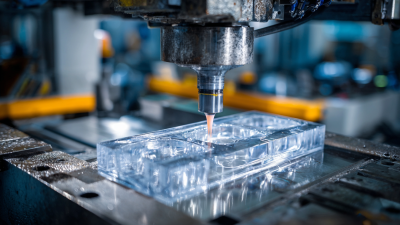
In today's super competitive world of manufacturing, picking the right plastic molds is a big deal if you want to keep your production running smoothly and ensure your products are top-notch. I came across a recent report from Allied Market Research that said the global plastic molding market might hit about $451 billion by 2026. That’s a pretty impressive growth of around 4.16% each year from 2019 to 2026. This trend really shows just how much demand there is for newer, smarter molding solutions—think of companies like Foshan Baijinyi Precision Technology Co., Ltd. (BJY). They’re experts in making PET liquid packaging molds, including blowing molds, PET Injection Molds, and compression capping molds. As manufacturers try to keep up with changing market needs, it’s more important than ever to really understand the ins and outs of different plastic molds. That way, you can make sure your production is not onlyefficient but also cost-effective and reliable in the long run.
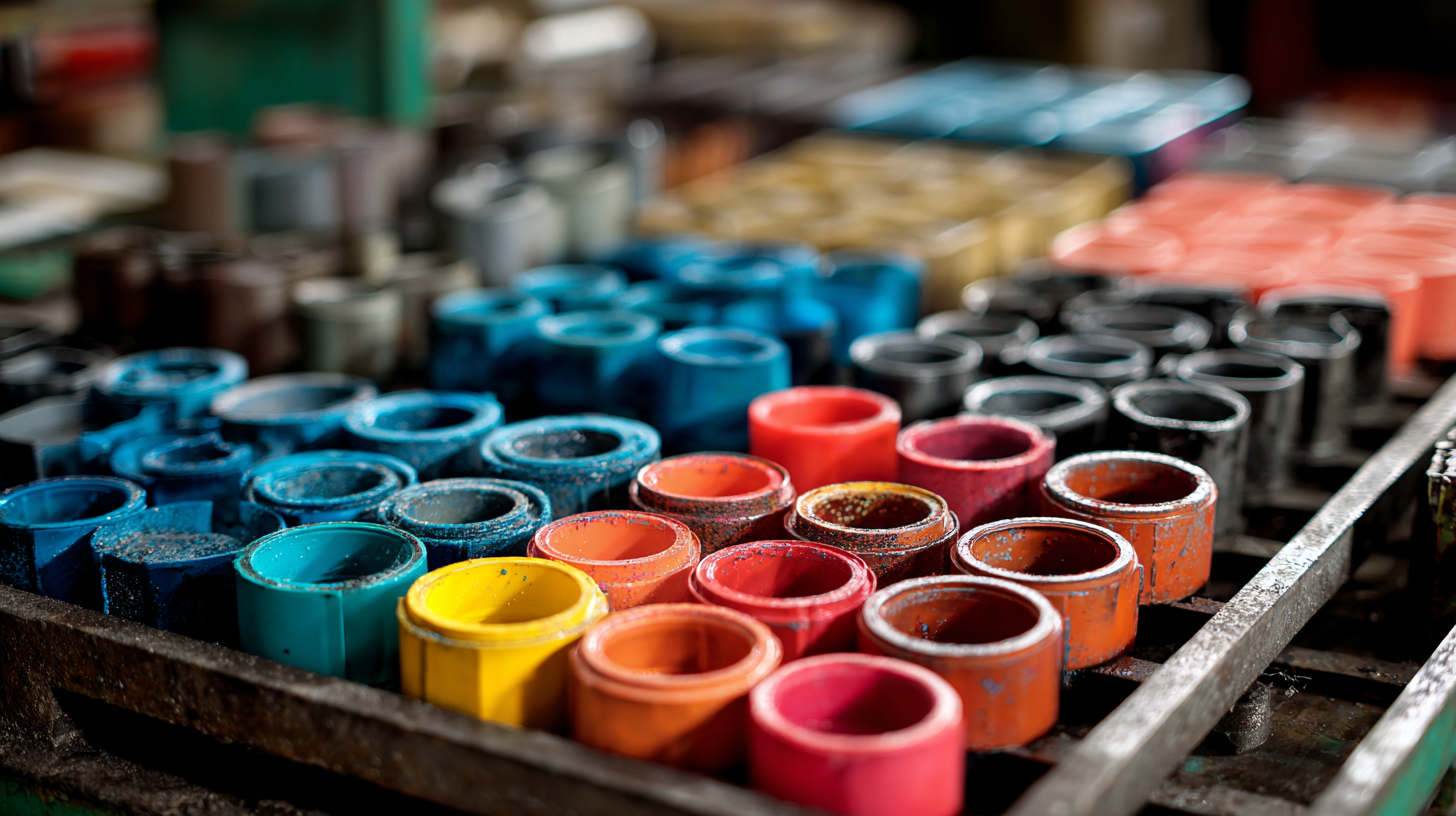
Factors to Consider When Selecting Plastic Molds for Production Efficiency
When you're choosing the right plastic molds for production—especially for more complex stuff like injection molding car door inner panels—there are a few key things you really want to keep in mind. First off, the mold’s design needs to match the exact shape and features of the panel. It’s a good idea to run some simulations beforehand to see how the molten plastic will flow inside the mold. This way, you can make sure it fills evenly and avoid defects. Honestly, doing these tests early on helps you catch potential problems before you even start production, which can save you a ton of time and money.
On top of that, fine-tuning process parameters like temperature, pressure, and cooling rates is super important. Each of these settings can make a big difference in the quality of the final product and how long the whole process takes. By adjusting these factors based on what the simulations tell you and the material’s properties, you can boost efficiency and cut down on waste. The key is taking a comprehensive approach—combining smart design, simulation insights, and process tweaks. That way, you end up with better molds and higher quality parts, making the whole manufacturing process run much smoother and more cost-effective.
Evaluating Different Types of Plastic Molds: Pros and Cons for Your Project
When you're picking out the right plastic molds for your production, it’s pretty important to look at all the different types out there. Each one has its own perks and downsides. Take injection molds, for example—they're really popular for big runs because they’re fast and can produce super precise details. They let you craft complex designs and end up with a smooth, professional finish on your products. But, here’s the thing—getting those molds set up isn’t cheap, so they might not be the best choice if you're only making a small batch.
Then there are rotational molds, which are great for making large parts or hollow items. They tend to be more budget-friendly if you're doing low to medium volume runs, plus they’re pretty flexible if you want to make design tweaks later on. The catch? They might not capture every tiny detail like injection molds do, and the whole process can take a bit longer. And don’t forget Blow Molds—these are often used for bottles and packaging. They’re quick for mass production, but they’re limited mostly to hollow shapes and aren’t as versatile as other options.
So, by really weighing the pros and cons of each, manufacturers can make smarter choices that fit their specific projects and budgets. It’s all about finding that good balance between cost, speed, and detail.
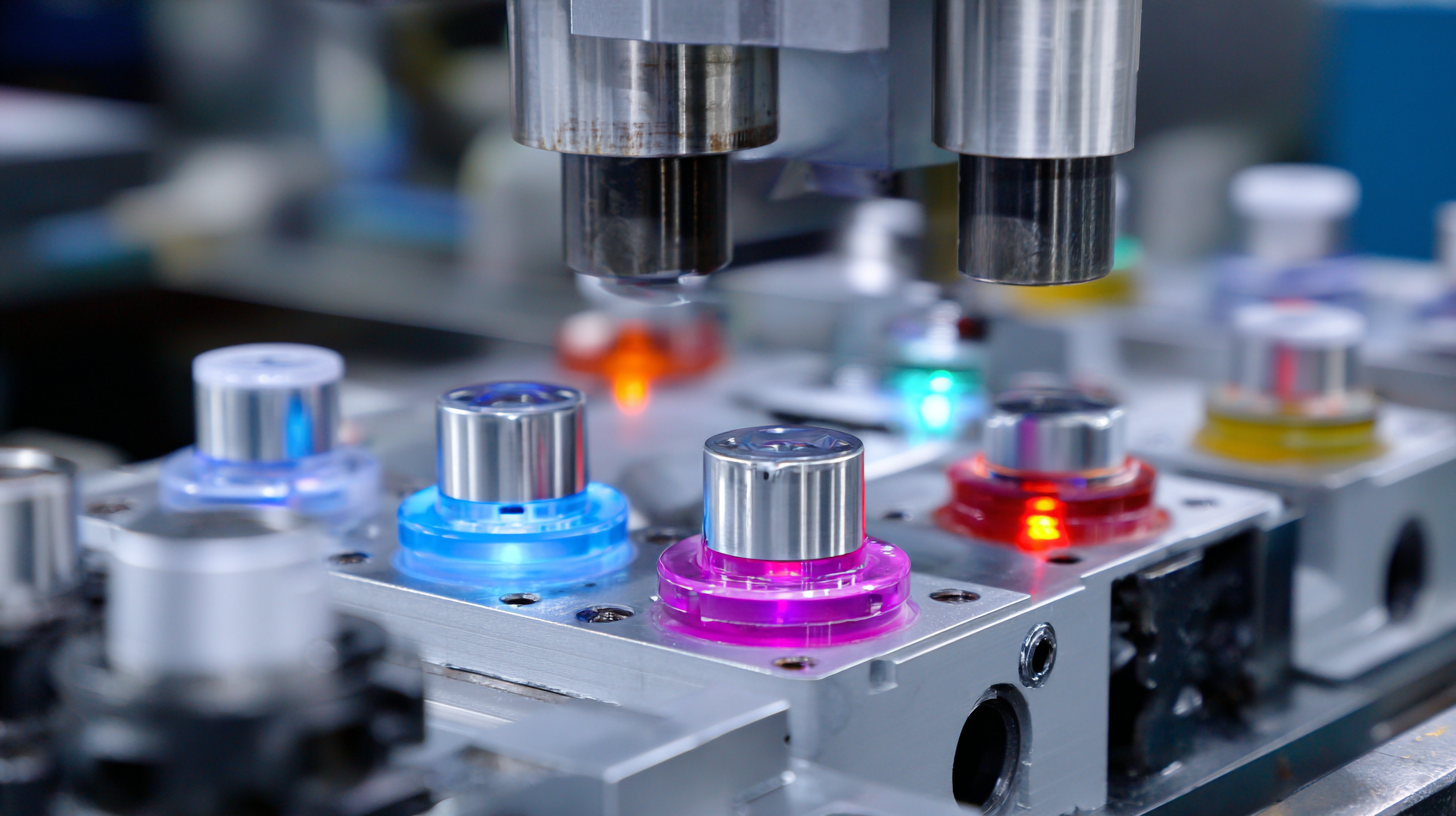
Cost Analysis: Comparing Single vs. Multi-Cavity Molds in Production
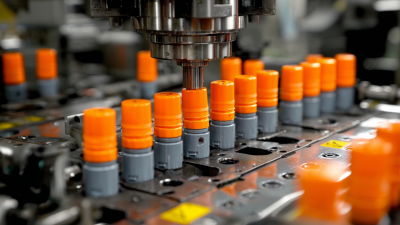
When you're trying to pick the right plastic molds for your production, one of the big things to think about is the cost difference between single-cavity and multi-cavity molds. Single-cavity molds are usually simpler and cheaper upfront, so they’re pretty handy if you're just doing smaller runs. But, as you might guess, they hit their limit when scaling up to high-volume production—then, multi-cavity molds really shine. These allow you to produce several parts at once, which boosts efficiency and can seriously cut down your per-unit costs. Even tiny savings like that can add up a lot when you're manufacturing in bulk, especially in competitive markets where every penny counts.
Plus, there are some clever tech tricks that can make these molds work even better—like adding conformal cooling channels, or CCCs. These channels help cool the mold more evenly, which shortens cycle times and cuts down on defects. That’s a game-changer in fields that need precision, like biomedical applications. At Foshan Baijinyi Precision Technology Co., Ltd., we focus on making advanced PET liquid packaging molds. Choosing between single and multi-cavity options can really impact our production approach and the quality of what we make. By embracing innovative design and analysis methods, we aim to offer solutions that are perfectly suited to different manufacturing needs.
Cost Analysis: Comparing Single vs. Multi-Cavity Molds in Production
Material Compatibility: Choosing the Right Mold Material for Specific Plastics
When you're choosing the right plastic molds for your production stuff, making sure the material works well with the plastic you're using is super important. Every type of plastic has its own quirks—like, polyethylene and polypropylene, for example, they need different mold materials because they behave differently when it comes to temperature and cooling times. Picking a mold material that's compatible with your plastic helps everything run smoothly, and it also cuts down on defects in the final product. Trust me, it’s worth the extra attention!
Here are some tips I’ve picked up along the way:
First off, get to know your plastics—know their thermal and chemical quirks. This bit of homework pays off because it’ll guide you toward mold materials that can handle the heat and chemical stuff. It’s like understanding your tools before you start working.
Second, think about how much you’re planning to produce. If you're making a lot of units, investing in sturdy mold materials like steel alloys is a smart move—they last longer and can handle repeated runs without wearing out. But if it’s just a small batch, aluminum molds could be the budget-friendly choice.
And lastly, keep in mind the molding process you're using. Techniques like injection molding or blow molding might need specific types of molds, so make sure your mold material matches your method. That way, you’ll get better quality, and everything flows smoother.
All in all, it’s about matching your materials wisely—it’s the secret sauce to making your production as efficient and defect-free as possible.
Lead Time Considerations: Speed vs. Quality in Mold Selection
When you're choosing plastic molds for your production, one thing you'll want to keep in mind is balancing how quickly you need the molds versus the quality of the final product. From what I’ve seen in industry reports, rushing the mold-making process can sometimes mean you end up sacrificing precision and durability. For instance, some studies suggest that molds made in under four weeks tend to have a higher chance of failing, especially when used in tough conditions like temperatures above 80 °C. Getting the temperature just right during production is pretty critical—too much heat can cause warping or other structural issues that mess with the final product.
Now, a good tip here is to really understand what your production demands are. If speed is absolutely crucial, you might want to look into rapid prototyping methods—they can really cut down on lead times without totally sacrificing quality. Also, make sure the material you pick for your molds can handle the heat; high-performance plastics are usually a solid choice because they resist high temperatures pretty well.
But here’s the thing—never compromise on quality just to save a little time. According to those industry reports, molds that go through thorough testing and quality checks tend to run smoother, with less downtime and fewer rejected parts. It’s worth investing some extra time in selecting and testing your molds – in the long run, it pays off. You want a good balance: top-notch quality plus a quick turnaround so you can keep up with today’s fast-paced production demands.
Industry Trends: Advancements in Plastic Mold Technology and Their Impact on Production
Hey, did you know that the injection molding world is actually looking at pretty exciting growth? Numbers suggest it’s going to go from around 365 billion bucks in 2024 to over $382 billion in 2025. And if you think that’s impressive, by 2033, we’re talking about a whopping $580 billion — all with a steady compound annual growth rate of about 4.74%. This huge boost in the industry really shows how important it’s become for manufacturers to keep up with the latest in plastic mold tech. It’s not just about staying current — it’s about making production more efficient and improving the quality of the final products.
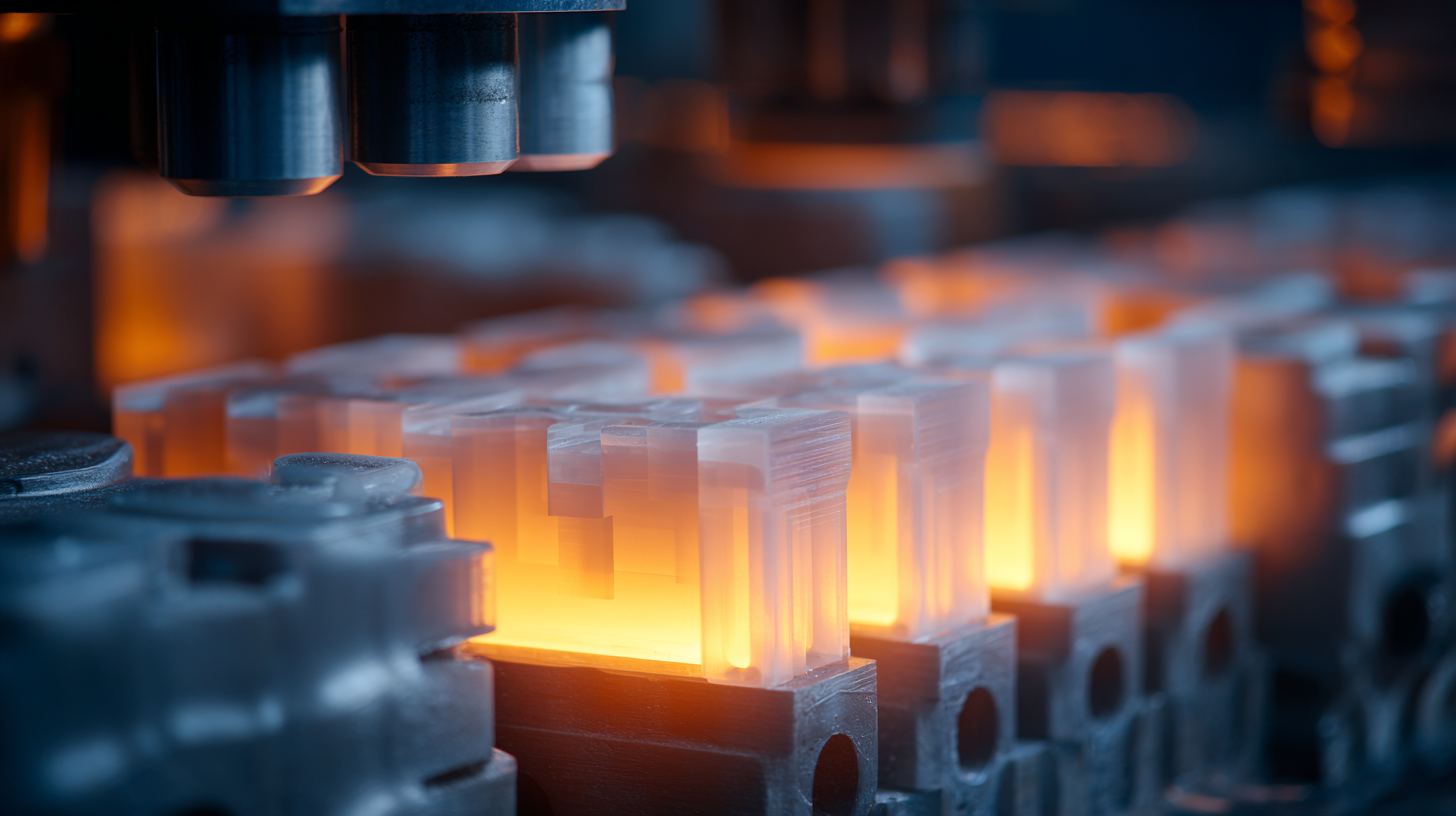
Lately, there have been some pretty cool breakthroughs. Like, 3D printing is really shaking things up and changing the game for traditional manufacturing. Advanced manufacturing techniques now let us create complex mold shapes that were either super expensive or just plain impossible to make before. This isn’t just about fancy tech; it actually helps companies get products out faster and save money in the process. With all these new tools and methods, businesses can better meet market demands and stay ahead of the competition. Honestly, if companies want to keep their edge, jumping on these trending techs in plastic molding is kinda essential, don’t you think?
FAQS
: The primary consideration is the balance between lead time and quality, as faster mold production can compromise precision and durability.
Molds produced in less than four weeks may have a higher failure rate, especially under demanding conditions, such as high temperatures.
Excessive heat can lead to warping and structural defects in the molds.
Rapid prototyping technologies can shorten lead times while sustaining acceptable quality levels.
High-performance plastics are often recommended for their heat resistance.
Molds that undergo rigorous testing can significantly reduce downtime and reject rates in production lines.
The market is projected to grow from USD 365.22 billion in 2024 to USD 580.44 billion by 2033.
3D printing allows for the creation of complex mold geometries that enhance production capabilities and reduce lead times and costs.
Staying informed is crucial for optimizing production needs and maintaining a competitive edge in the evolving landscape of plastic manufacturing.
The CAGR is projected to be 4.74%.
Conclusion
Picking the right plastic molds is pretty important if you want smooth, efficient production in your manufacturing process. There’s quite a bit to consider—like the different types of molds out there, whether single-cavity or multi-cavity, each having its own set of ups and downs. You really want to do a thorough cost check too, so you end up with a choice that doesn’t break the bank. And don’t forget about material compatibility—making sure your mold works well with the plastics you’re using is a must.
On top of that, lead time is a big factor. You want to get your molds built quickly, but not at the expense of quality. With technology always moving forward and new trends popping up in the industry, understanding how these changes impact your production is super important if you want to stay competitive.
At Foshan Baijinyi Precision Technology Co., Ltd., we’re all about designing and producing top-notch PET liquid packaging molds—whether it’s blowing molds or injection molds—customized to fit whatever you need for your project.
 Chinese
 Email
Email Whatsapp
 WeChat