Chinese
-
 Email
Email -
 Whatsapp
-
 WeChat
You know, in the fast-changing world of manufacturing, especially when it comes to industries relying on plastic molds, being efficient is more important than ever. I came across a report from Grand View Research that says the global market for plastic injection molding is expected to hit a staggering $446.5 billion by 2025. That really highlights how crucial it’s become to have sophisticated mold designs to boost both production speed and quality. 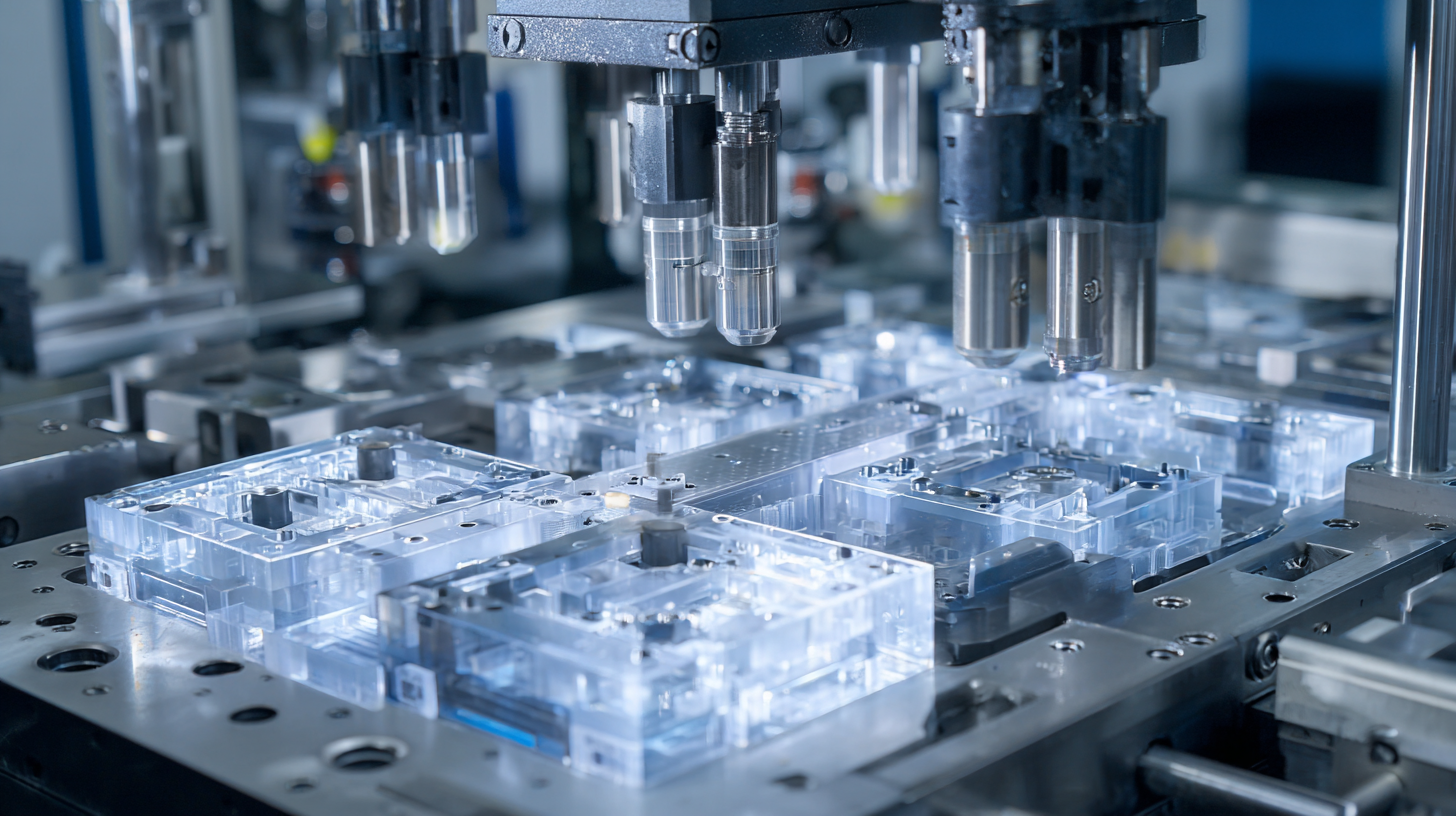 Companies like Foshan Baijinyi Precision Technology Co., Ltd. (BJY) are leading the charge here—they specialize in designing and making PET liquid packaging molds, like blowing molds, PET Injection Molds, and compression capping molds. As more industries look tooptimize their operations, it’s pretty clear that understanding the differences in the efficiency of various plastic molds is key for decision-makers trying to figure out which tech to go for. Picking the right molds can make a big difference in keeping things running smoothly and cost-effectively, don’t you think?
Over the years, the way plastic molding has evolved has really changed the game across so many industries. More and more companies are jumping on board with new, innovative techniques to boost efficiency and cut costs — it’s pretty exciting to see! When you look into it, you'll notice that different types of resins like polypropylene (PP), ABS, high-density polyethylene (HDPE), and polystyrene (PS) are now everywhere. Each one brings its own unique set of properties, which makes them perfect for specific uses—whether it’s packaging, automotive parts, or everyday consumer goods. Because of that, production methods are constantly being tweaked and improved to match the particular material, which is pretty fascinating.
At the same time, companies that make plastic machinery — especially those focusing on screw manufacturing — have really stepped into the spotlight. For example, there's a major player based in Chinathat’s taken a big chunk of the market by consistently churning out top-notch components for plastic injection Molding Machines. They’re always investing in new tech and innovations to stay ahead of the curve, which means they’re always ready to meet the new demands of diverse applications. As these technologies keep advancing, the future of plastic molding looks pretty bright — especially with a growing emphasis onsustainability and making operations run smoother than ever. It’s an exciting time to be in this field, no doubt.
: Key factors include process parameters like injection temperature, speed, and holding time, as well as mold design factors such as material selection and mold geometry.
Changes in injection parameters can lead to differences in product weight and mechanical properties, making quality control essential to achieve desired dimensions and minimize defects.
The evolution of adaptive adjustment systems allows for dynamic calibration of settings during production, which improves overall productivity and ensures consistent quality.
Automakers are shifting towards lightweight materials to enhance vehicle performance and fuel efficiency, driven by growing consumer demand for environmentally friendly options.
The global cross-linked polyethylene foam market is projected to rise from USD 1,747.6 million in 2025 to USD 2,936 million by 2033, indicating a CAGR of 6.7%.
Rapid injection molding allows for quick prototype turnaround, enabling companies to gather consumer feedback and adjust designs swiftly, which leads to cost savings and improved market responsiveness.
Custom plastic molds facilitate the production of intricate components that reduce part weight and improve fuel efficiency, demonstrating their impact on sustainability.
Surface imperfections can arise from issues related to mold design and the interface adhesion characteristics between different materials used in the molding process.
Effective quality control is essential to manage variations in injection parameters, ensuring product specifications are met and defects are minimized.
The automotive sector's commitment to sustainability through innovative materials and technologies suggests that companies prioritizing efficiency and environmental responsibility will find significant opportunities moving forward.
Hey, have you checked out the blog titled "The Ultimate Comparison of Plastic Molds Efficiency in Various Industries"? It really dives into how plastic molding tech has come a long way across different sectors, completely changing the way things are built. The article points out some pretty important stuff—like how the choice of materials, design details, and production methods all play a role in how efficient those molds are. Plus, it compares how different industries—think packaging, automotive, and others—use unique molding techniques to get the job done just right.
What’s also pretty cool is that they look ahead to what’s coming next. They talk about new innovations and greener practices that are shaping the future of plastic molding. There are some real-world examples and case studies that show just how versatile and effective these molds can be in all sorts of fields. Here at Foshan Baijinyi, we’re super proud to be part of this exciting industry. We focus on designing and producing PET liquid packaging molds that follow these new trends and standards—it’s an ongoing journey, but definitely an interesting one!