Picking the right PET Preform Injection Mold is honestly a big deal if you're in the packaging game. I mean, as Dr. John Henderson from Plastics Innovations puts it, “The quality of your mold really affects how smooth and efficient your whole production runs.” That just shows how crucial it is to make smart choices here.
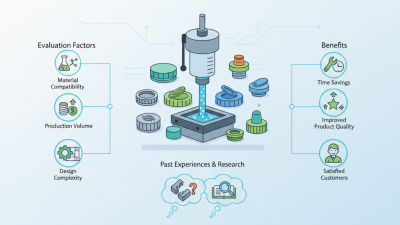
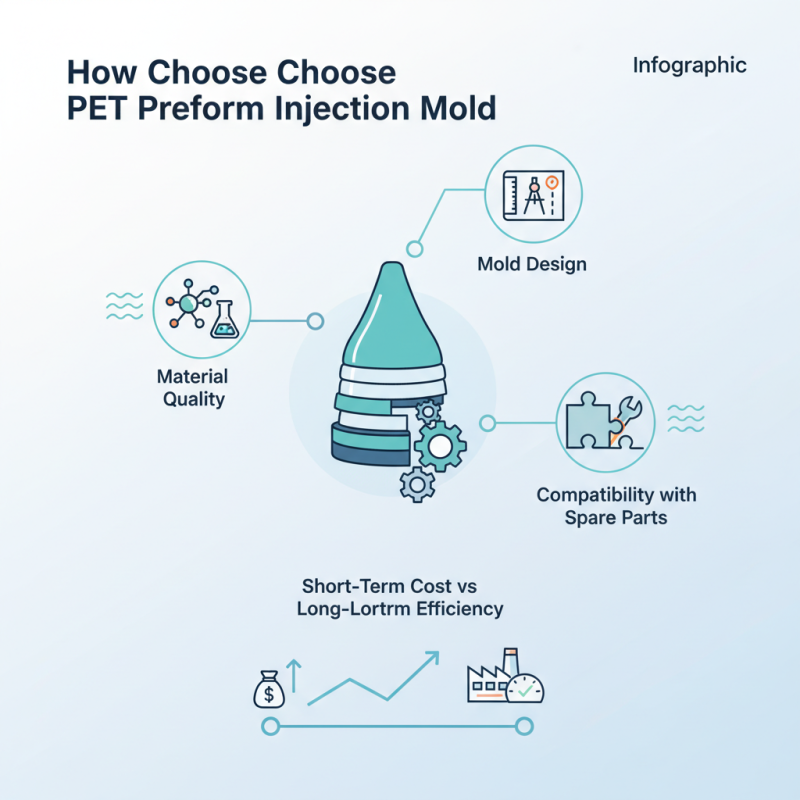
When you’re on the hunt for a Pet Preform injection mold, there are quite a few things to keep in mind—like the quality of the materials, the mold’s design, and whether it’s compatible withPET preform injection mold spare parts. Overlooking these details can lead to delays, wasted money, and headaches down the line. A lot of businesses get caught up with molds that just don’t quite fit their needs, ending up with setbacks they really didn't see coming.
So, when you're weighing your options, think about both the shorter-term fix and what’s best for the long haul. Sure, investing in a high-quality mold might cost a bit more upfront, but it usually saves you time, effort, and money in the long run—less downtime, more efficiency. Take a moment to look back at what’s worked for you before, and pick a mold that lines up with your production goals and quality standards. Trust me, it’s worth the careful consideration.
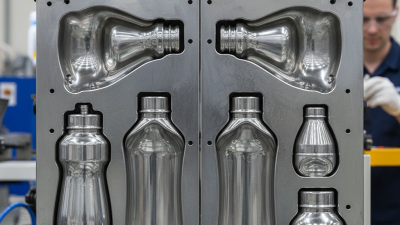
PET preform injection molding is a crucial process in plastic manufacturing. It involves shaping molten PET into Preforms, which can later be expanded into bottles. Understanding this process is essential for producing high-quality products.
The quality of the injection mold significantly affects the final product. An effective mold should provide precision and consistency. Designers must consider the temperature and pressure conditions during injection. Any variation can lead to defects, impacting production efficiency. Balancing these variables is often challenging and requires experience.
Moreover, it’s important to evaluate the mold’s design and material. Poor design can cause uneven material distribution or weak spots. These flaws might not be apparent initially but can lead to future issues. Regular assessments and adjustments are necessary to enhance performance. Engaging with experienced professionals can bring valuable insights into these complex decisions in PET preform injection molding.
When selecting PET preform injection molds, several key considerations come into play. One critical factor is the mold material. High-quality steel is often recommended for durability and longevity. Research indicates that steel molds can increase production cycles by 20-30%. This results in fewer maintenance downtimes, which is essential for large production runs.
Another important aspect is the design of the mold itself. Precision is vital in achieving consistent wall thickness and ensuring proper parting lines. The design affects the cooling rate, which influences production efficiency. According to industry reports, optimal cooling can reduce cycle times by up to 40%. Additionally, a sound design minimizes the risk of defects. This highlights why experienced professionals should evaluate mold designs before implementation.
Finally, consider the compatibility with a Pet Preform Injection Moulding Machine. This equipment's specifications must align with the mold. Mismatches can lead to inefficiencies and increased wear. Using advanced simulation software helps to predict performance and reveals hidden flaws before production begins. However, relying solely on simulations can be misleading if actual conditions differ. Thus, real-world testing remains essential for validation.
When selecting a PET preform injection mold, various types are available, each serving distinct applications. A common choice is the standard mold. It produces basic preforms with low production rates. This mold works well for introductory projects but may not meet high-demand needs.
Advanced molds, like multi-cavity designs, allow for higher output. These molds can produce several preforms simultaneously, increasing efficiency. However, they may incur higher costs and require more intricate designs. Consideration of these factors is essential when deciding on a mold type.
The Bjy Preform Injection Mold stands out for its versatility. It suits a wide range of bottle sizes and shapes. Nonetheless, flexibility comes with a learning curve. Mastering the specific settings can be challenging. This complexity might lead to some initial waste in production. It’s vital to evaluate these trade-offs when choosing your mold.
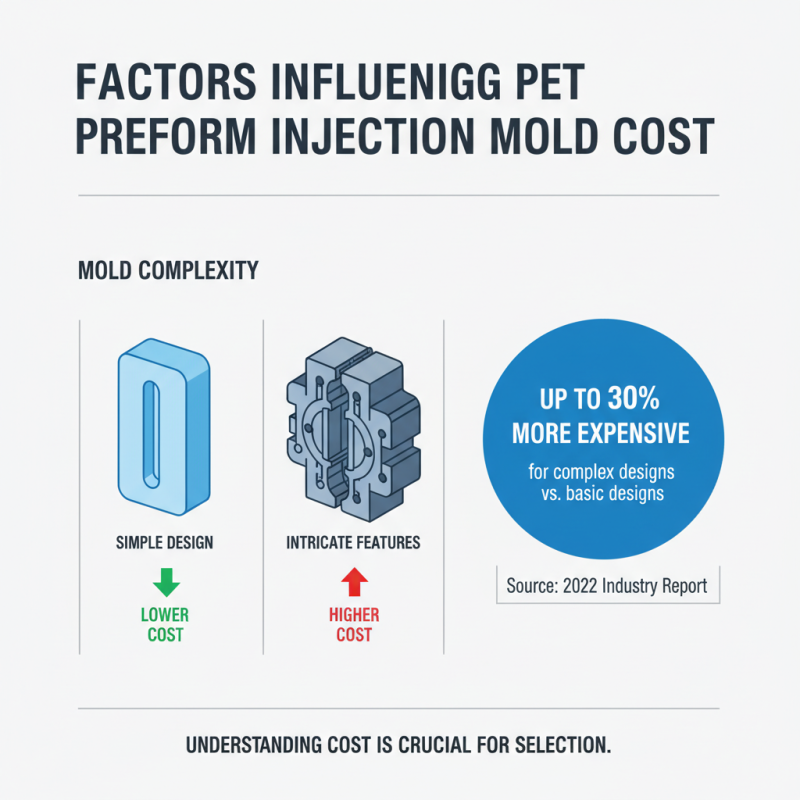
When selecting a PET preform injection mold, understanding cost factors is crucial. The mold's complexity directly affects the price. A simple design is cheaper, while intricate features increase manufacturing costs. According to a 2022 industry report, complex molds can cost up to 30% more than basic designs.
Material choice also plays a significant role. High-quality steel or aluminum molds may lead to higher initial costs but offer better longevity and performance. A study showed that using premium materials could reduce production downtime by 15%, improving overall efficiency. However, balancing cost and durability can be challenging; cheaper materials may lead to frequent replacements.
Labor costs vary depending on the region where production occurs. In regions with high living costs, labor expenses can increase overall mold pricing. Outsourcing to areas with lower labor costs might be beneficial but comes with risks like quality control challenges. Striking a balance between these factors requires careful consideration, as a poor decision could lead to subpar product quality or excessive costs.
When evaluating mold quality for PET preform injection molds, several factors must be considered. The mold's design plays a crucial role in the final product's performance. A well-designed mold ensures uniform flow of molten material, influencing the consistency of the preforms. Look for molds with optimized cooling channels. This helps in reducing cycle times and achieving better dimensional stability.
Tips: Examine the mold material closely. High-quality steel is essential for durability and precision. The wear resistance of the mold will determine its longevity. Also consider the surface finish of the mold. A smoother finish minimizes defects in the preform, thus enhancing the quality of the final product.
Another aspect is the tolerances of the mold. Precision in dimensions is vital for fitting caps seamlessly. You should also think about the mold's maintenance requirements. Molds that are easy to maintain can lead to less downtime. Remember, some mold options might look attractive but may not suit specific production needs. It’s essential to weigh these aspects carefully.
Choosing the right PET preform injection mold involves various design features that can significantly impact production. One crucial element is the mold's cooling system. Efficient cooling ensures quick cycle times, leading to higher productivity. Inadequate cooling may result in uneven temperature distribution, causing defects in the final product.
Another essential feature to consider is the mold material. Steel and aluminum are common choices, but their longevity and ability to withstand pressure should dictate your decision. Steel molds are durable and suitable for high-volume production. On the other hand, aluminum molds may be more cost-effective for prototype runs.
Tips: Focus on the mold's cavity design. It should facilitate easy ejection of the preform without damaging it. Additionally, consider the gate location, as it affects fill speed and quality. Lastly, consult experts who understand the nuances of OEM Bjy Preform Injection Mold to ensure a wise choice.
Experimenting with different design configurations may lead to better results. Remember, not every approach will yield success. Re-evaluating your design strategies can help you find solutions that work effectively for your production needs.
Maintaining PET preform injection molds is vital for optimal production. Regular care ensures longevity and efficient operation. According to industry reports, over 65% of mold failures are due to inadequate maintenance. This staggering statistic emphasizes the importance of a proactive approach to care practices.
One significant aspect of maintenance is proper cleaning. Residues can build up in molds, leading to defects in the final product. Cleaning should occur after every cycle or at least daily. Use solutions specifically designed for PET molds. These solutions remove contaminants without causing damage.
Tip: Always inspect molds for signs of wear. Small cracks or surface imperfections can lead to larger issues down the road.
Lubrication is another essential practice. Proper lubrication reduces friction and wear on moving parts. However, over-lubricating can trap dust and debris, causing problems. A balanced approach is necessary to maintain mold integrity.
Tip: Create a maintenance schedule that includes checks on lubrication levels and wear patterns. This habit can help identify potential issues early.
Regular inspection and adherence to a structured maintenance plan cultivate reliability. Failure to invest time in proper care could result in unscheduled downtime. This not only affects productivity but also increases costs.
: The basic types include standard molds and advanced multi-cavity designs. Standard molds produce low rates and basic preforms.
Multi-cavity molds increase output by producing several preforms at once, enhancing efficiency for high-demand projects.
Yes, they can be up to 30% more costly due to their intricate designs and higher production capabilities.
Molds can be made from high-quality steel or aluminum. Each option has distinct cost and longevity benefits.
Premium materials may have higher initial costs but offer durability, leading to less downtime and better performance.
Labor costs vary by region. High living costs increase expenses, while outsourcing can bring quality control risks.
Yes, it's essential to balance cost, complexity, and potential production waste when choosing the right mold.
Versatile molds require mastery of specific settings, which can lead to some initial production waste or errors.
Evaluating cost factors is crucial. A poor decision could lead to high expenses or affect product quality negatively.
Simple molds are not always suitable for high-demand projects, as they may limit production rates and efficiency.
When choosing a PET Preform Injection Mold, it is essential to understand the intricacies of the injection molding process. This involves comprehending the different types of molds available and their specific applications, as well as recognizing key considerations, such as production volume, material compatibility, and the intricacies of the molding design. The cost of PET Preform Injection Molds can vary significantly based on these factors, which influences not only the initial investment but also long-term operational costs.
Evaluating the quality of a PET Preform Injection Mold is critical, as it directly correlates to the productivity and efficiency of the manufacturing process. Important design features must be considered, including cooling systems and mold durability, to ensure a consistent and reliable output. Proper maintenance and care are also crucial to prolong the lifespan and functionality of the molds, ultimately enhancing the overall production process. By carefully addressing these considerations, manufacturers can optimize their operations and achieve better results with their PET Preform Injection Molds.
Chinese