In the fast-paced world of packaging, getting things done efficiently is absolutely crucial. Companies are always on the lookout for the best solutions out there. Among all the different technologies, Blow Moulders really stand out as a key player. These machines can produce things quickly and can be used to make a wide variety of packaging shapes — pretty versatile, right?
Big names like Aoki, SIDEL, and Krones are leading the charge with some pretty impressive innovations. They offer Blow Moulders that really help speed things up and cut down on waste. The fact that you can mold complex shapes from plastic is honestly pretty amazing. That said, not all machines are created equal—some might struggle a bit with quality control or have more downtime than you'd like.
Picking the right Blow Moulder isn’t just about what's fancy or expensive—it’s about how well it boosts efficiency and keeps your product quality high. You’ve got to think carefully about what matters most: costs, capabilities, reliability, and so on. At the end of the day, making the right choice can really help take your packaging game to the next level.

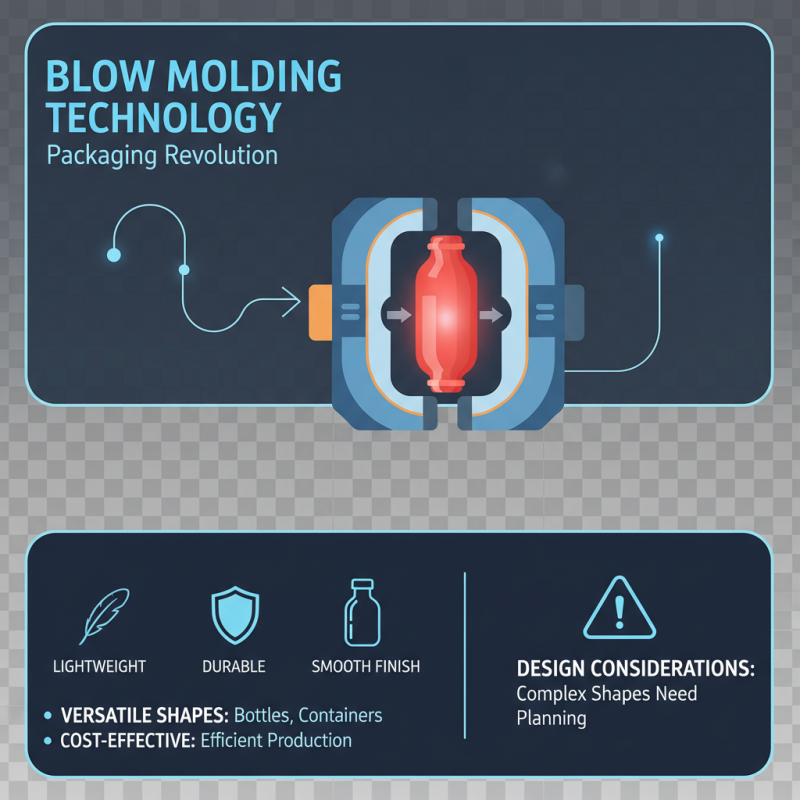
Blow moulding technology has revolutionized packaging across various industries. It creates lightweight, durable containers with smooth finishes. The process involves inflating a heated thermoplastic material inside a mould, forming the desired shape. This method caters to a range of products, from bottles to large containers. The efficiency of blow moulding often leads to significant cost savings. Yet, not every design fits this process seamlessly. Sometimes, intricate shapes require careful consideration.
In recent years, China Blow Moulders have gained traction due to their advancements in machinery. They offer competitive pricing and fast production times. Yet, sourcing equipment from abroad can pose challenges. It requires a commitment to understanding local compliance and quality standards. Engaging with suppliers can help mitigate risks, but the learning curve remains steep. Some manufacturers struggle with adapting new technology into existing workflows, affecting overall performance. It's essential to balance innovation with operational effectiveness to maximize potential.
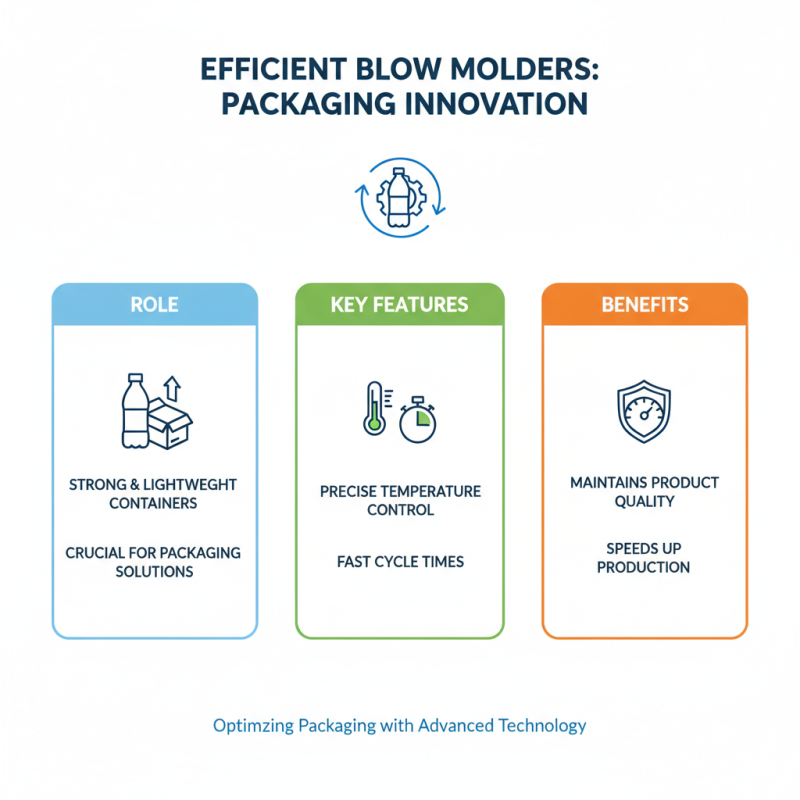
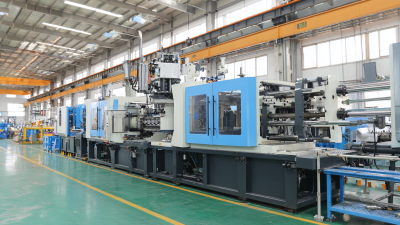
Efficient blow moulders play a crucial role in packaging solutions. They are designed to produce strong and lightweight containers. Key features include precise temperature control and fast cycle times. These elements help to maintain product quality while speeding up production.
Moreover, advanced blow moulders integrate automation. This allows for seamless operation and reduces labor costs. Safety features also matter. They ensure that operators work in a secure environment, minimizing accidents. However, some machines may require frequent maintenance. This can disrupt workflow and impact efficiency.
Energy efficiency is another important factor. Modern machines utilize less energy during production. This not only cuts costs but also reduces environmental impact. Despite advancements, some models may lack adaptability for different products. This can limit their versatility in diverse industries, requiring further improvement and reflection.
The blow moulding industry plays a crucial role in packaging solutions today. Recent studies indicate that the global blow moulding machine market is projected to reach USD 6 billion by 2025. This growth highlights the importance of manufacturers in providing innovative solutions and efficient processes. The demand for light-weight packaging continues to rise. Companies are focusing on sustainability. This leads to more investment in advanced blow moulders that utilize less energy.
Many manufacturers are competing in this dynamic sector. They offer a range of products, from standalone machines to fully automated systems. Efficiency is paramount. The ability to produce high-quality containers quickly can enhance productivity drastically. Recent reports show that machines with shorter cycle times significantly reduce operational costs. Enhanced technology is becoming necessary for staying competitive. Blow Moulders Quotes often highlight that the right machinery can improve production rates and reduce waste.
Despite advancements, challenges remain. Issues like maintaining consistent quality and managing costs persist. Companies must address these hurdles to maximize their success. As the market evolves, manufacturers need to adapt quickly. The focus on automation and smart technology will be key. Investing in better blow moulding machines could redefine packaging efficiency. Collaboration among manufacturers and innovation can drive the industry forward.
| Manufacturer | Production Capacity (units/hour) | Machine Type | Energy Consumption (kW) | Average Price (USD) |
|---|---|---|---|---|
| Manufacturer A | 1200 | Single Station | 15 | 250,000 |
| Manufacturer B | 1500 | Multi Station | 20 | 300,000 |
| Manufacturer C | 1000 | Single Station | 10 | 200,000 |
| Manufacturer D | 1300 | Multi Station | 18 | 280,000 |
| Manufacturer E | 1600 | Advanced Hybrid | 25 | 350,000 |
| Manufacturer F | 1100 | Single Station | 12 | 210,000 |
| Manufacturer G | 1450 | Multi Station | 22 | 330,000 |
| Manufacturer H | 900 | Single Station | 9 | 170,000 |
| Manufacturer I | 1350 | Multi Station | 21 | 290,000 |
| Manufacturer J | 1150 | Single Station | 14 | 230,000 |
Blow moulders play a vital role in diverse industries. From packaging consumer goods to shaping containers, their applications are extensive. In the food and beverage sector, these machines create lightweight and durable bottles. They can be customized for specific shapes or sizes. This flexibility is crucial in meeting the unique demands of each product.
In the cosmetic industry, Custom Blow Moulders help produce visually appealing containers. The design requirements here are often intricate and precise. Balancing efficiency and quality can be challenging. Small imperfections in the moulding process can lead to defects, impacting the product’s presentation. However, advancements in technology continue to improve reliability.
Pharmaceutical companies also benefit from blow moulding. They need sterile and secure packaging for sensitive products. The right moulding techniques ensure safety and compliance. Yet, there remain hurdles in achieving uniformity across batches. Ongoing refinement of processes is essential. Quality control must be a constant focus. Overall, while blow moulders enhance packaging efficiency, they also require careful oversight in various industries.
This chart illustrates the applications of blow moulders across various industries, highlighting their significance in efficient packaging solutions.
Sustainability is pivotal in blow moulding processes today. The industry faces scrutiny over plastic waste and environmental impact. Reports show that around 300 million tons of plastic are produced annually. A significant portion ends up in oceans, harming wildlife. This raises concerns about the future of blow moulding.
Innovative solutions are emerging. Redirecting focus toward recycling is essential. A study revealed that using recycled materials can reduce energy consumption by up to 30%. Blow Moulders Company often emphasizes adopting biodegradable materials in production. However, the transition is not seamless. The cost of biodegradable resins remains high, posing challenges for manufacturers.
Another crucial factor is energy efficiency. The blow moulding sector is responsible for considerable energy use. Implementing advanced technologies can cut down on this significantly. Research indicates that up to 20% of energy can be saved with enhanced machinery. Despite these opportunities, many companies hesitate. Change requires investment, and not everyone is ready. The industry must reflect on these obstacles and strive for a more sustainable future.
The blow moulding industry is evolving rapidly. Innovations are shaping the future of packaging. A recent report by Smithers Pira projects the global blow moulding market will reach $50 billion by 2027. This growth is largely driven by the demand for lightweight and sustainable materials.
One significant trend is the rise of bio-based plastics. Eco-friendly materials are gaining traction. As companies aim for sustainability, they are moving away from conventional plastics. This shift indicates a broader commitment to reducing carbon footprints. Additionally, the demand for custom designs is on the rise. Consumers expect personalized packaging that stands out.
Automation is another key focus. Automated blow moulding machines improve efficiency. They also reduce labor costs. However, the initial investment can be high, posing a challenge for smaller firms. This may force some businesses to reconsider their production strategies. Embracing these changes can be daunting, yet it’s crucial for staying competitive.
When considering blow moulding machines, performance remains a critical factor. Different machines offer distinct capabilities in production speed, energy consumption, and material versatility. Some machinery excels in producing thin-walled containers, while others are better suited for larger, sturdier products. This variation leads to a trade-off between speed and quality, which requires careful consideration.
Efficiency isn't just about speed. It involves minimizing waste and maximizing output. Some blow moulders may promise high output but result in higher energy costs. It’s essential to evaluate energy efficiency alongside production rates. This can be tricky. Often, machines that seem economical may fall short in long-term operational costs. Real-life feedback from users often highlights these concerns. Over time, some machines may not deliver on their promises, leading to breakdowns or increased maintenance.
Moreover, it's vital to consider the ease of operation. User-friendly machines can reduce training time for operators. However, complex systems can lead to more errors. Companies often underestimate how crucial this can be. A balance between automation and manual operations is necessary for optimal performance. Keeping these factors in mind can help manufacturers choose the right blow moulding machine for their needs.
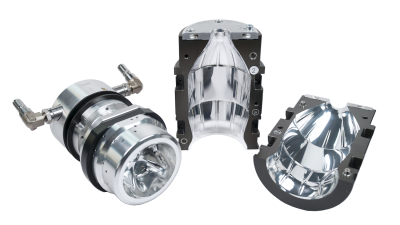
The performance of industrial applications, especially in the production of PET bottles, significantly hinges on the efficiency of molding technologies. Recent reports indicate a rising trend in the utilization of 1L aluminum blow molds due to their ability to enhance production rates while maintaining high-quality standards. These molds offer a unique combination of lightweight construction and durability, ensuring that manufacturers can achieve higher throughput without compromising on the integrity of the bottles produced.
Incorporating advanced blow molding techniques into high-speed rotary machines has proven to be a game-changer for many manufacturers. Data from industry studies reveal that facilities adopting precision 1L blow molding mold shells have reported up to a 25% increase in output capacity. The superior cooling capabilities of these mold shells facilitate quicker cycle times, which is critical in meeting the growing demand for PET bottles in various sectors, including beverages and consumer goods.
Moreover, the ease of setup associated with these molds reduces downtime, allowing for a more streamlined production process. Industry analysts suggest that optimizing these factors not only boosts efficiency but also lowers operational costs over time. As manufacturers continue to seek innovative solutions to enhance productivity, the utilization of advanced aluminum blow molds stands out as a strategic move in maximizing efficiency within industrial operations.
: Blow moulding technology creates lightweight, durable containers from thermoplastic materials by inflating them inside a mould.
It leads to cost savings, efficiency, and smooth finishes, making it suitable for a wide range of products.
Manufacturers may struggle with intricate designs and adapting new technologies, affecting their operational performance.
The demand has increased due to a focus on lightweight and sustainable packaging, projecting market growth of USD 6 billion by 2025.
Blow moulders are used in food and beverage, cosmetics, and pharmaceuticals for producing specialized packaging.
Yes, maintaining consistent quality is crucial. Small imperfections can impact product appearance and safety in varying industries.
Customization is vital for meeting unique product demands, especially in sectors like cosmetics where design intricacies matter.
Advanced technology enhances production rates and reduces waste, making it necessary for staying competitive in the market.
Continuous improvement is necessary to achieve uniformity and compliance in production, especially in sensitive applications like pharmaceuticals.
Yes, challenges include understanding local compliance and quality standards, which can complicate the sourcing process.
The article "Top 10 Blow Moulders for Efficient Packaging Solutions" provides a comprehensive overview of blow moulding technology, highlighting its significance in modern packaging. It elucidates the key features that make blow moulders efficient, emphasizing their role in producing a variety of plastic containers and products across multiple industries. The article categorizes the top ten manufacturers renowned for their advanced blow moulding machines and discusses the various applications of blow moulders, from food packaging to cosmetic containers.
Furthermore, the piece delves into sustainability considerations in blow moulding processes, addressing the industry's shift towards eco-friendly materials and practices. It also examines future trends in blow moulding technology, predicting advancements that could enhance efficiency and reduce environmental impact. A comparative analysis of machine performance rounds out the discussion, aiding manufacturers in selecting the most suitable blow moulders for their packaging needs.
Chinese