Chinese













Flash, Bubbles, and the Real Cost of Guessing Which Part of the Mold Failed
A preform with flash on the neck or a bubble under the crystallized Neck Ring is usually treated as a scrap-rate problem to be managed, not a mold condition to be fixed. That framing gets expensive fast, and it gets worse when a plant starts replacing parts on guesswork instead of diagnosis. Foshan Baijinyi Precision Technology Co., Ltd. (BJY), a Foshan-based manufacturer of PET preform molds and precision spare parts since 2011, has seen this pattern repeatedly. Our refurbishment work is built around a simple argument: a preform mold has three systems that can each cause this kind of defect, the hot runner, the cavity-side precision components, and the take-out robot, and finding out which one actually failed costs far less than replacing all three.
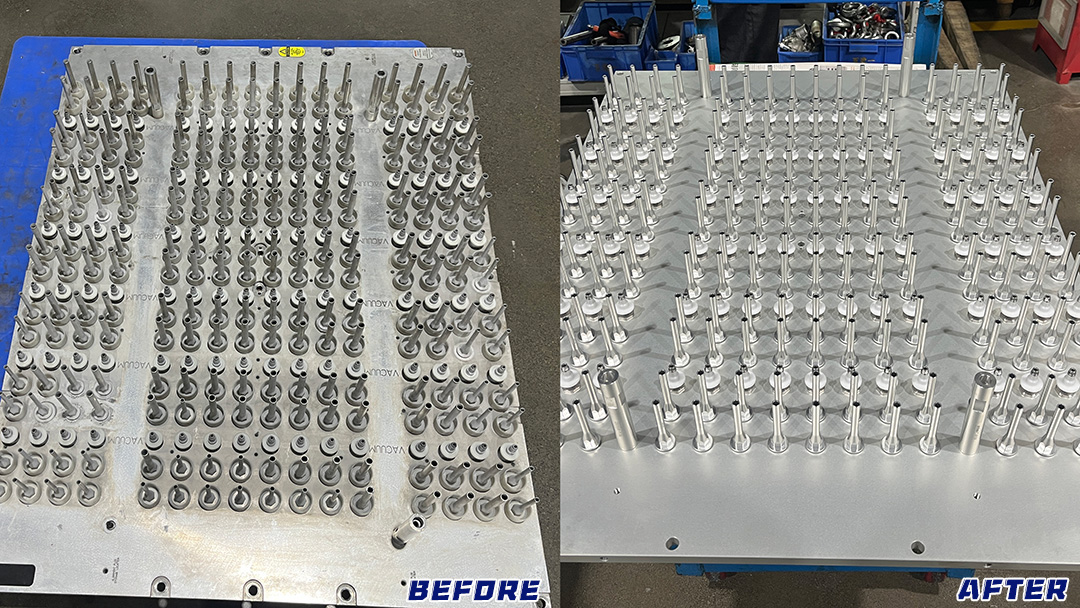
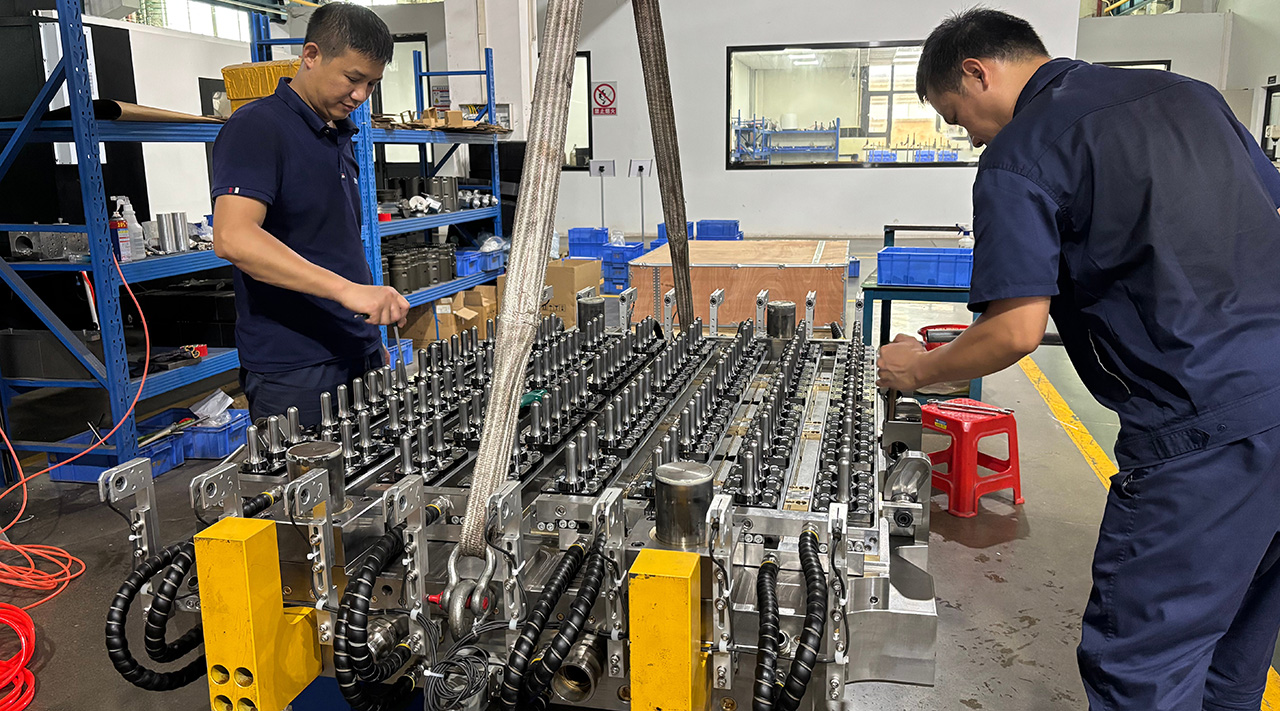
A recent project illustrates the point. A customer running a 96-cavity preform mold on a Husky HyPET series machine, producing a 21.2g preform, was dealing with two persistent issues: flash on the parting line of the neck ring, and bubbles forming after the preform neck crystallized. BJY's team started with the hot runner, verifying melt flow balance and nozzle condition across all cavities. Once that system checked out within tolerance, attention moved to the cavity-side fit between neck ring, Lock Ring, cavity, cavity flange, and gate insert, which is where the wear was ultimately confirmed. No amount of process tuning on the injection molding machine was going to fix a mold-level clearance problem once it had degraded past tolerance.
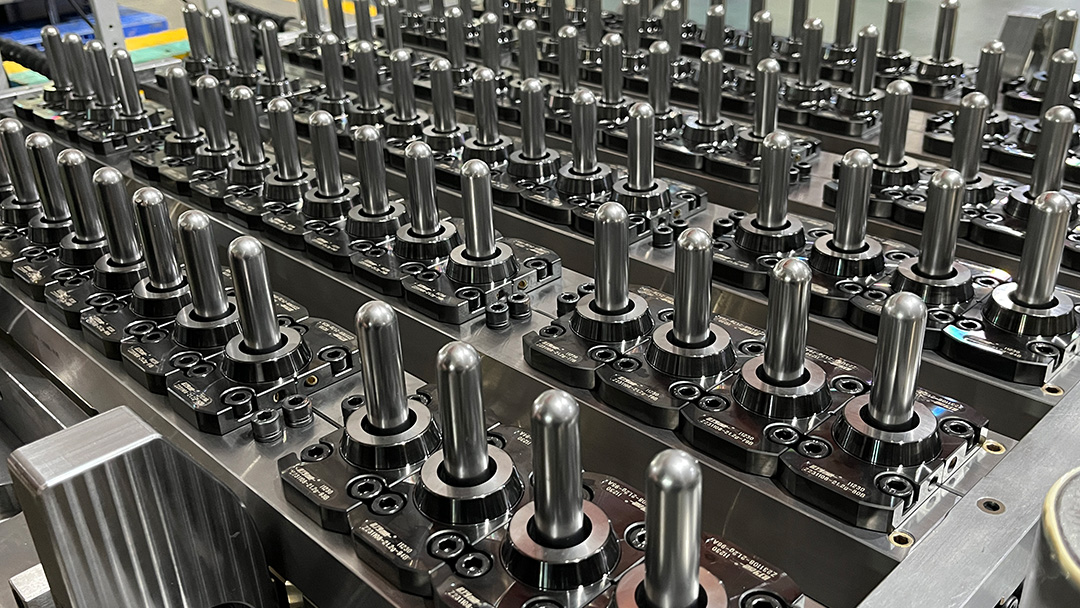
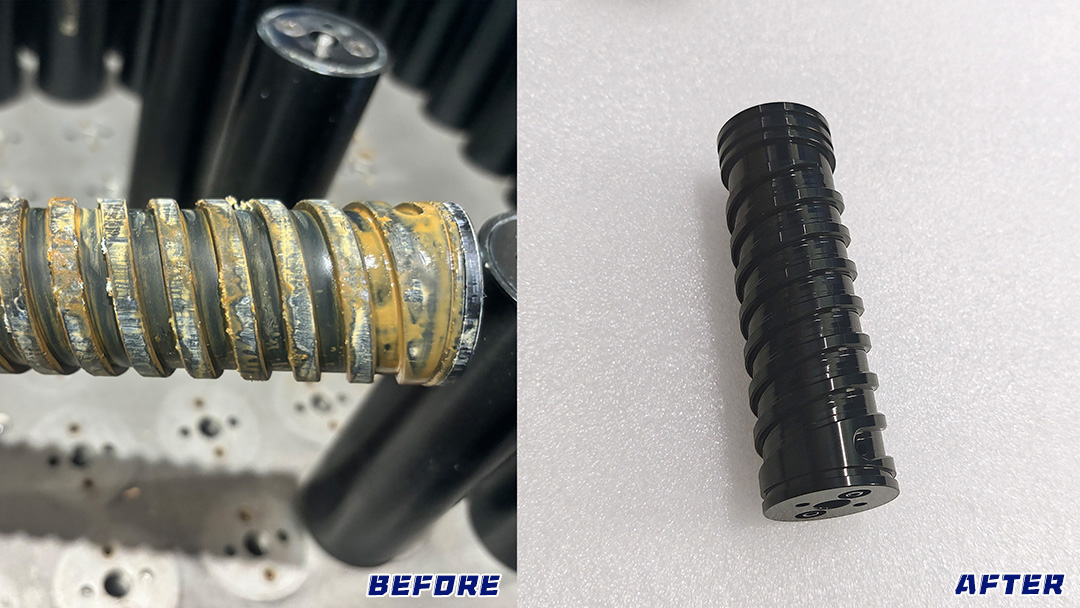
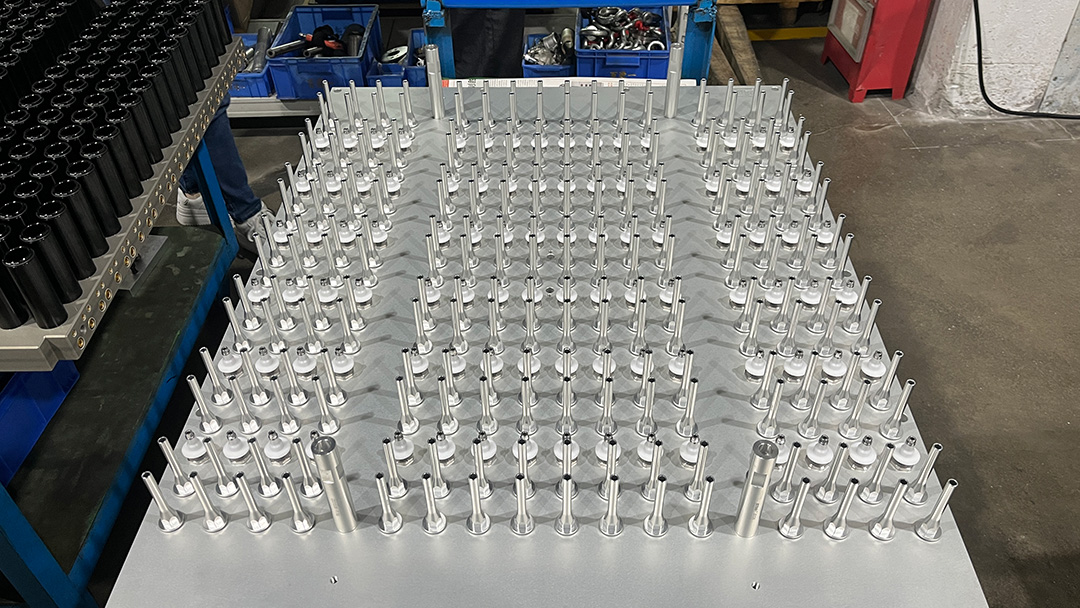
BJY's technical team worked through the tooling systematically rather than replacing everything indiscriminately. Where wear had genuinely compromised the fit, all 96 sets of neck rings, lock rings, cavities, cavity flanges, and gate inserts were replaced with new components; mold cores were replaced only where inspection confirmed the need. The take-out robot's EOAT preform absorbers, all 96 of them, were also replaced as a full set, since a degraded absorber grip contributes to the same category of preform-handling defects. Quick-wear parts, including wear-resistant copper plates, guide sleeves, slide guide rails, slide bearings, screws, and seal rings, were swapped out, and the water and pneumatic channels were deep-cleaned and de-rusted as part of the same project.
The economics here are straightforward. Diagnosing the hot runner, cavity tooling, and take-out system as three separate candidates, then replacing only the components actually responsible for the defect, costs a fraction of commissioning a new 96-cavity mold, and it resolves the defect at its source rather than working around it downstream. For converters seeing flash, bubbles, or parting-line inconsistencies that a new resin batch or process adjustment hasn't fixed, that's usually a sign the mold itself needs a closer look before a new tooling order gets written up.