In the fast-changing world of manufacturing, picking the right plastic molds is honestly a huge deal for keeping things efficient and ensuring quality. I read a report from Allied Market Research that says the global plastic mold market could hit around $41.5 billion by 2027—kind of amazing, right? Industry veteran John Smith over at MoldTech Engineering really hits the nail on the head when he says, “The right mold design can totally make or break a production line.”
Choosing the perfect mold isn’t always straightforward, either. For example, molds for plastic bottles—[check them out here](https://www.bjypetmold.com/molds-cover-plastic-bottles)—can be pretty different depending on what you need. Getting it wrong can cause delays, or worse, drive up costs. So, businesses really need to take the time to analyze what they actually need and keep an eye on market trends. It’s a risky game— even seasoned manufacturers can stumble here.
At the end of the day, understanding the ins and outs of plastic molds isn’t just a good idea; it’s pretty much essential. Investing some time in research and even talking with experts can really pay off. After all, choosing the right mold can boost the quality of your products and make your entire production process smoother.
Understanding Different Types of Plastic Molds Available in the Market
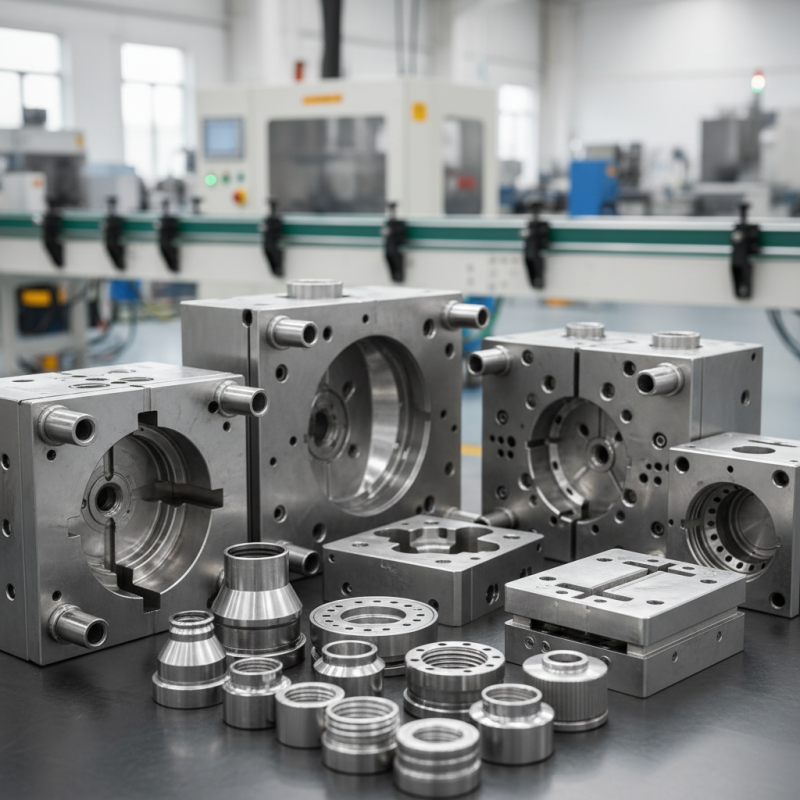
When selecting the right plastic molds, understanding the available types is crucial. There are several common categories in the market: Injection Molds, Blow Molds, and rotating molds. Injection molds are favored for high precision and complexity. Reports indicate that 35% of manufacturers prefer injection molds for production runs over 10,000 units. This method delivers consistent quality and efficient mass production, especially useful in the creation of products like Plastic Bottle Molds.
Blow molds serve a different purpose. They are ideal for hollow products such as bottles and containers. Recent industry data shows that the demand for blow molds has risen by 25% in the past year. This increase reflects the growing beverage industry and consumer reliance on plastic packaging. The production process varies, involving air pressure to shape molten plastic. While effective, challenges can arise, such as difficulty achieving uniform wall thickness, which demands skilled oversight.
Rotational molds are less common but have unique advantages. This type is often used for large, hollow items. They provide flexibility but may lack the efficiency of injection molds in high-volume scenarios. Many manufacturers struggle to justify the initial investment for rotational molds given their longer cycle times. Thus, weighing material needs against production capabilities is essential. Understanding these nuances aids in making informed decisions about which type of mold to utilize in your production process.
Factors to Consider When Assessing Your Production Requirements
When evaluating your production requirements, several critical factors come into play. For instance, understanding the specific characteristics of your product is essential. Are you manufacturing simple components or complex designs? A report by the Plastics Industry Association states that complex molds can increase production costs by up to 30%. This increase often stems from the need for advanced technologies and materials, influencing your final choice.
The expected production volume is another key consideration. High-volume needs may justify investing in multi-cavity molds. According to the American Mold Builders Association, companies can achieve significant savings by utilizing molds that produce multiple parts simultaneously. However, scalability is not always linear. A rapid increase in volume can strain mold durability and lead to quality issues, necessitating ongoing evaluation.
Material selection also plays a pivotal role in mold choice. Different plastics have unique thermal properties and reactivity with materials. A poor match can result in defects like warping or irregular surface finishes. Attention to these details can be the difference between meeting production targets and facing costly reworks. Balancing these factors requires both knowledge and experience to navigate the complexities of plastic molds effectively.
Evaluating the Material Compatibility for Your Mold Design
When selecting the right plastic molds, material compatibility is crucial. The choice impacts production efficiency and product quality. According to recent industry reports, mold material significantly affects durability and performance. In a study, over 70% of manufacturing errors related to inadequate material selection led to increased costs and wasted time.
Different polymers have specific properties. High-density polyethylene (HDPE) works well for many applications, but it may not suit all molds. The flexibility and strength needed for OEM Plastic Bottle Molds must be balanced with cost-effectiveness. Materials like aluminum or steel are often preferred for their robustness, yet they can increase initial investment. A thorough analysis of potential materials is essential.
Moreover, environmental factors cannot be overlooked. Some molds are more susceptible to temperature variations or chemical exposure. According to a survey by the Plastics Industry Association, 55% of manufacturers reported issues stemming from improper mold material. This indicates the importance of aligning your mold design with the intended application to enhance overall production reliability.
Cost Analysis: Budgeting for Plastic Molds in Production
When budgeting for plastic molds, it’s essential to consider several key factors. The cost can vary widely depending on the complexity of the design and production volume. Simpler molds usually cost less, but they may not meet all productivity needs. High-quality molds may require a larger initial investment, but they can lead to cost savings in the long run through durability and efficiency.
Additionally, maintenance costs play a crucial role in the total budget. Over time, molds may need repairs or updates, which can affect the overall financial plan. It's often overlooked, but these hidden costs can add up quickly. Companies must factor in potential delays due to mold failure, which can influence production timelines and ultimately, profitability.
Collaboration with experienced mold designers is vital. Their expertise can lead to significant insights on cost-effective designs. Engaging in discussions about different materials and technologies can also help refine budgets. It's crucial to analyze these factors closely. Balance between cost and quality is essential for achieving optimal production outcomes.
The Importance of Mold Quality and Longevity in Production
Mold quality plays a critical role in production efficiency. High-quality molds can drastically reduce defects and scrap rates. Poor molds often lead to frequent breakdowns. This not only affects productivity but can also drive up costs. Investing in quality molds can enhance the overall lifecycle of your production equipment.
Longevity is equally important. Molds that wear out quickly create a consistent need for replacements. This interrupts workflow and can lead to delays. Choosing the right materials and designs is essential to achieve durability. For instance, ODM Plastic Bottle Molds are engineered for extended use. Their robust construction minimizes maintenance and replacement frequency.
It's important to assess your specific production needs. Some molds may excel in certain conditions but fail in others. This highlights the need for careful evaluation. Look for molds that align with your production volume and material type. Taking the time to choose wisely can yield significant long-term benefits.
How to Choose the Right Plastic Molds for Your Production Needs?
| Aspect | Details | Importance |
| Material Selection | Common materials include aluminum, steel, or alloys | Affects mold durability and production costs |
| Mold Design | Considerations for complexity, parting line, and features | Influences production efficiency and quality |
| Mold Lifespan | Expected number of cycles and maintenance needs | Key for long-term production budgeting |
| Cooling System | Design and efficiency affect cycle time | Direct impact on production output |
| Mold Maintenance | Routine inspections and repairs can extend life | Reduces downtime and increases profitability |
Choosing Between Custom and Standard Plastic Molds
When deciding between custom and standard plastic molds, understanding your production needs is key. Standard molds often provide a more cost-effective solution. They are readily available and can shorten lead times. However, they may not always meet specific design requirements. If your product requires unique features, standard molds can be limiting. They often result in compromises regarding shape or functionality.
On the other hand, custom molds offer tailored solutions. They allow for precise designs that meet exact specifications. Yet, the investment is higher, and lead times may increase. Businesses must evaluate their production volume and complexity of designs. Customized molds can bring long-term value, but upfront costs and risks need consideration. It’s essential to weigh these factors carefully before making a decision. Each choice has its pros and cons that could impact overall production efficiency.
Choosing Between Custom and Standard Plastic Molds
This chart compares the various factors when choosing between custom and standard plastic molds, evaluating aspects such as cost, lead time, flexibility, quality, and volume. The bars represent how each option scores on these criteria, helping in the decision-making process for production needs.
Maintenance and Care Tips for Prolonging Mold Lifespan
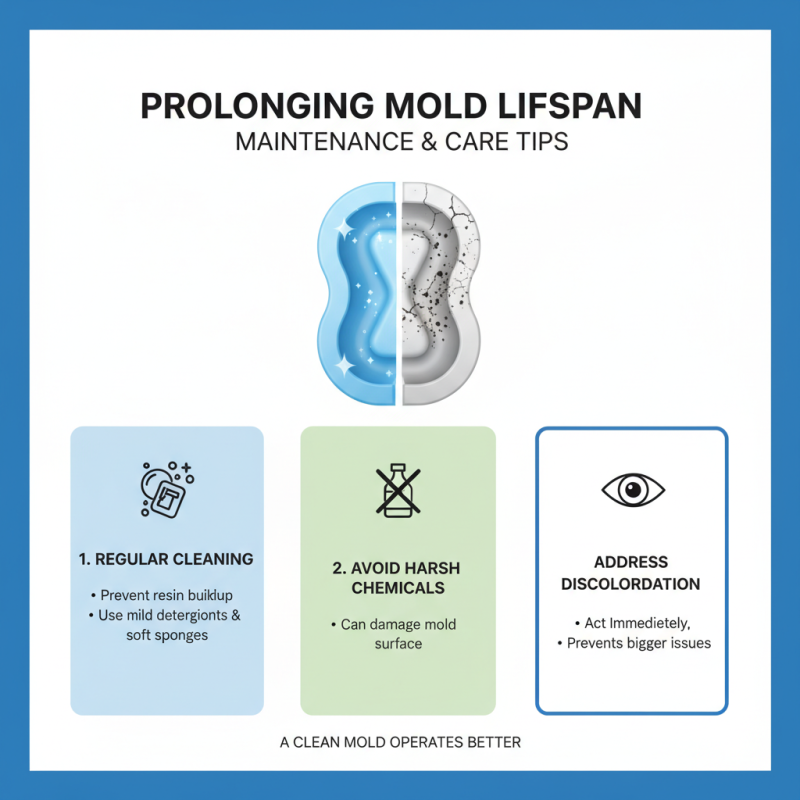
To ensure your molds last, maintenance is critical. Regular cleaning can prevent resin buildup. Use mild detergents and soft sponges. Avoid harsh chemicals; they can damage the surface. A clean mold operates better. For instance, if you notice discoloration, address it immediately. Ignoring such signs can lead to bigger issues.
Proper storage is equally important. Store molds in a cool, dry place. Protect them from dust and moisture. If you live in a humid area, consider using desiccants. This helps prevent rust and corrosion. Misjudging storage conditions may lead to irreversible damage. Using China Plastic Bottle Molds? Ensure they're placed in a climate-controlled environment.
Inspect molds regularly. Look for signs of wear or cracks. Small imperfections can escalate rapidly. A simple scratch can affect the shape of your product. After extensive use, consider professional evaluations. They can provide insights into repair options. Balancing usage and care can extend the life of your molds.
Conclusion
Choosing the right plastic molds is crucial for optimizing production efficiency and product quality. Understanding the different types of plastic molds available in the market is the first step in this process. Factors such as production requirements, material compatibility, and cost need to be meticulously evaluated to ensure the selected molds meet specific needs. A thorough cost analysis will aid in budgeting for plastic molds, while considering the balance between custom and standard options can further refine your selection.
In addition to financial considerations, the quality and longevity of molds play a significant role in production success. Investing in high-quality molds can reduce maintenance needs and enhance overall productivity. Proper maintenance and care are essential for prolonging the lifespan of plastic molds, ensuring consistent performance and output over time. By carefully assessing these aspects, manufacturers can make informed decisions that align with their production goals.
 Chinese
 Email
Email Whatsapp
 WeChat