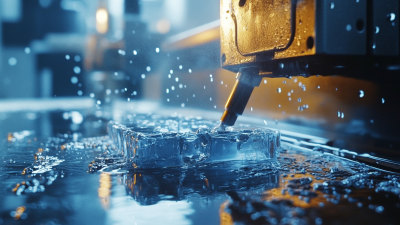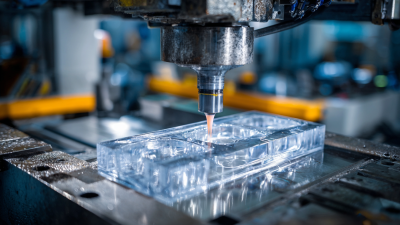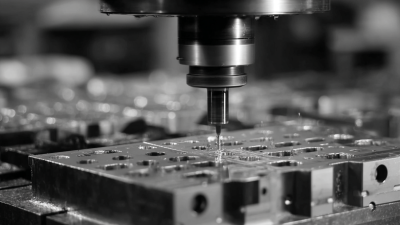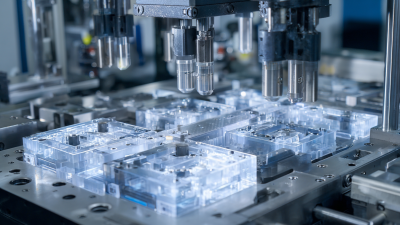
You know, plastic molds are pretty much the backbone of today’s manufacturing scene. They’re super important when it comes to making everything—from simple household stuff to really complex car parts. Companies like ABC Manufacturing are really good at crafting top-notch plastic molds; they’ve got the latest tech to keep things precise and efficient. It all kicks off with a design process—choosing the right materials and figuring out the perfect size for the mold. Plastic molds are insanely versatile, too. They can even be used to make molds for plastic bottles, for example. But, here’s the thing—this versatility isn’t without its hurdles. A mistake during the design phase can turn into a costly problem when you're actually making the parts. Designing good molds takes some real experience, and companies are always pushing to improve their skills. It's kind of like walking a tightrope between being creative and staying practical. Sometimes, the final product might not turn out exactly as expected, but honestly, those hiccups often lead to new ideas and better designs. If you're into manufacturing, understanding this whole process is pretty key—that's what keeps the industry moving forward!
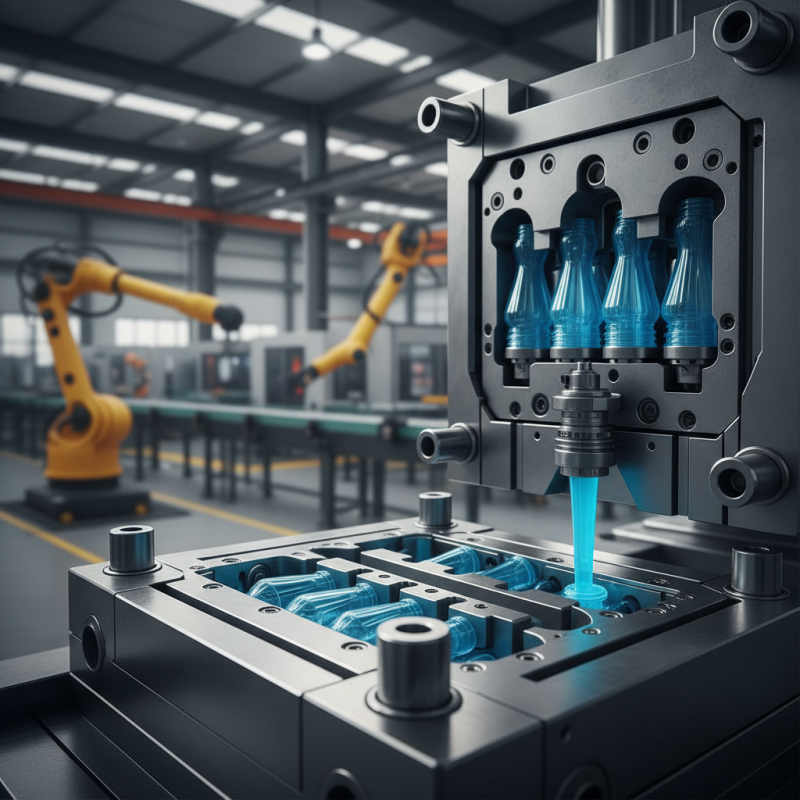
Plastic molds play a crucial role in manufacturing. They are used to create a wide range of plastic products. The mold itself consists of several components. At its core, there are two main parts: the cavity and the core. These parts come together to form the shape of the final product.
According to industry reports, the global plastic molding market was valued at approximately $290 billion in 2021. It is expected to grow steadily in the coming years. This growth is influenced by the rising demand for lightweight materials in various sectors. The manufacturing process is intricate. High precision is required to ensure the molds fit perfectly, reducing waste and improving efficiency. However, not every mold is created equal. Some molds can be costly to produce.
A well-designed mold can lead to significant savings over time. Yet, poor design can result in defects. These defects might include warping or incomplete filling. Such issues lead to delays and additional costs. The challenge remains in balancing quality design and production efficiency.
| Component | Description | Material | Common Uses |
|---|---|---|---|
| Mold Base | The foundation of the mold where other components are mounted. | Steel or Aluminum | Used in injection molding for various plastic parts. |
| Cavity | The hollow part of the mold that forms the shape of the plastic part. | Steel | Used for creating the main shape of the product. |
| Core | The part of the mold that creates internal features of the plastic part. | Steel | Used for creating holes and cavities in parts. |
| Ejector System | Mechanism to eject the molded part from the mold. | Steel | Essential for the production of high volumes of parts. |
| Cooling System | System of channels that cools the mold to solidify the plastic. | Copper or Steel | Improves production speed and part quality. |
Plastic molds are essential in the manufacturing of everyday items. One common type is the plastic bottle mold. These molds shape liquid containers used across various industries. The design of Plastic Bottle Molds needs to be precise. Even small imperfections can lead to products that don’t meet quality standards.
Another type is the injection mold. This process involves injecting molten plastic into a pre-formed cavity. It’s widely used for creating complex shapes. However, it can be challenging to control the temperature. Inconsistent heating can result in defects in the final product.
Blow Molding is also popular. This technique forms hollow items like containers and toys. While effective, it requires careful consideration of air pressure.Too much can cause burst seams. Each method has its advantages and drawbacks. Manufacturers must continuously adapt to shifts in material technology and consumer demands. Feedback loops and iterative improvements are vital in this ever-evolving landscape.
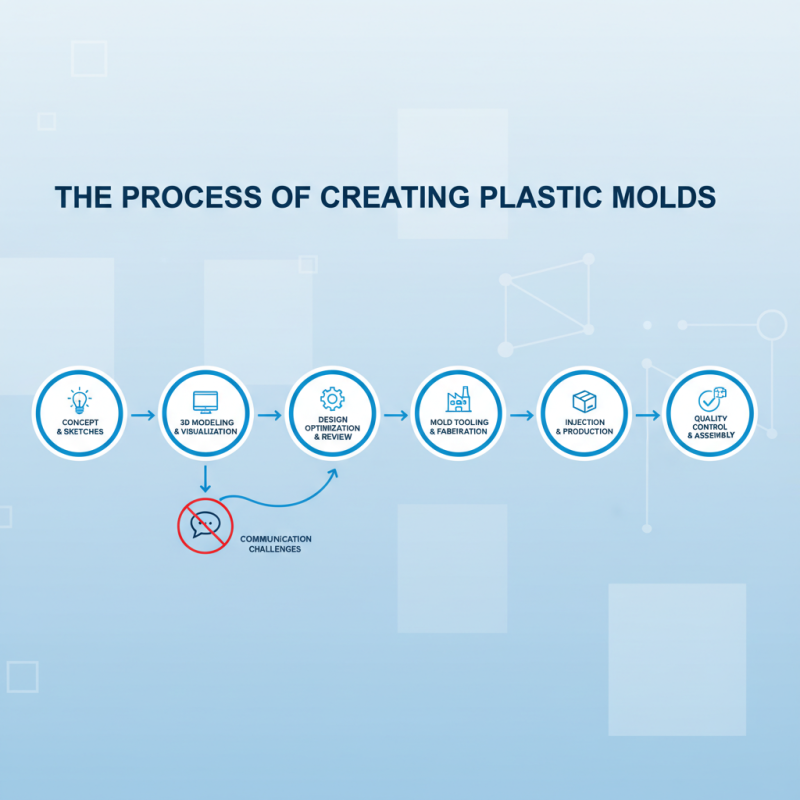
Creating plastic molds involves several key steps, from design to production. It starts with a concept. Designers provide sketches and specifications. Next, 3D modeling software helps visualize the final product. This phase is crucial. It requires attention to detail and collaboration among teams. Communication can sometimes falter, leading to delays or errors. Designers often need to rethink their initial ideas.
Once the design is approved, the mold fabrication begins. Materials like steel or aluminum are often used. These materials need precise machining. Mistakes at this stage can result in defects. Sometimes, the first production run reveals issues that require modifications. Testing the mold's functionality is also essential. Ensuring it produces high-quality items is not always straightforward.
The assembly of components for molds comes next. Each piece must fit perfectly. A slight misalignment can cause problems in production. Of course, many companies rely on OEM Plastic Bottle Molds for efficient mass production. The efficiency gained is valuable. However, the process is not without its challenges. Continuous reflection on methods and outcomes drives improvements over time.
Plastic molds are versatile tools used in manufacturing. They shape materials, especially plastics, into specific forms. This process plays a crucial role in many industries.
In the automotive industry, plastic molds create components like dashboards and interior trims. These parts must meet strict durability and aesthetic standards. Improper molding can lead to defects, which are costly. Ensuring precision in mold design is critical.
In packaging, ODM Plastic Bottle Molds are widely used. They produce bottles with various shapes and sizes. The design can influence consumer choice. However, poor design can affect functionality. Staying updated on design trends is essential for manufacturers.
Tips: Always assess the quality of materials used for molding. Cheap materials may lead to product failure. Regular maintenance of molds can prevent inefficiencies. Small details in the mold's design can lead to significant improvements.
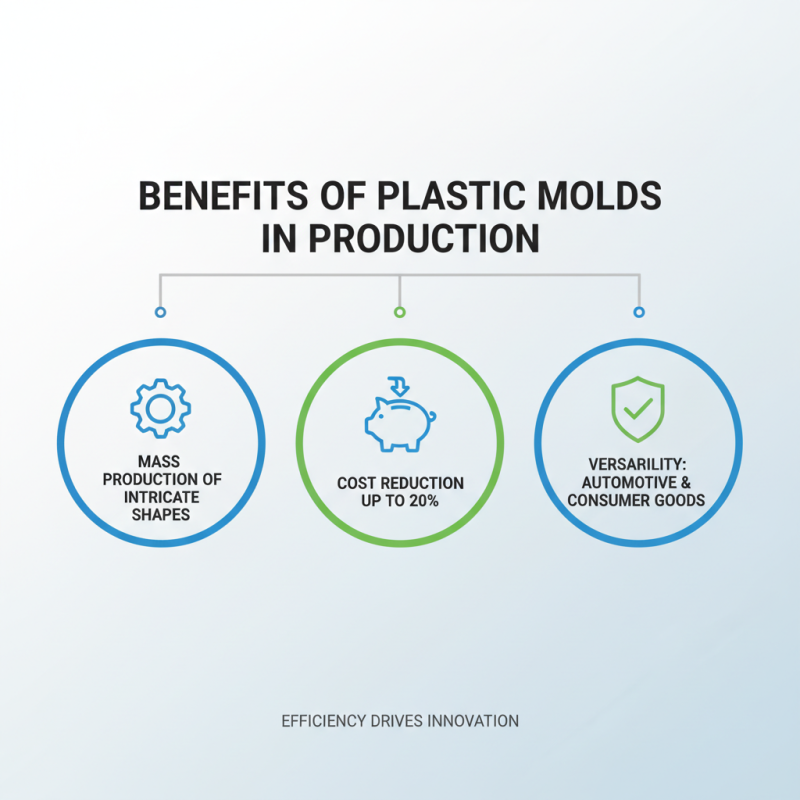
Plastic molds play a crucial role in manufacturing. They enable the mass production of intricate shapes and designs. According to industry research, using plastic molds can reduce production costs by up to 20%. This efficiency attracts many sectors, from automotive to consumer goods.
One significant advantage of plastic molds is their versatility. They can create a wide range of products, such as containers, parts, and toys. Reports show that plastic injection molding accounts for approximately 40% of global plastic production. This high percentage highlights its importance in meeting market demands.
However, relying on plastic molds can lead to issues. The initial investment is often high, sometimes exceeding $100,000 for complex designs. Additionally, molds can wear down over time, affecting product consistency. Industries must continually assess mold quality and production efficiency to ensure optimal output.
Plastic molding techniques have transformed industries significantly. However, they come with inherent challenges and limitations. For instance, dimensional accuracy can be a significant issue. Reportedly, over 25% of molded parts do not meet the required specifications. This discrepancy can lead to costly reworks and delays in production. It highlights the need for precise mold design and careful material selection.
Another concern is the environmental impact. A report from the International Plastics Data Center indicates that around 300 million tons of plastic are produced annually, with a significant portion used in molds. Many plastic molds are not biodegradable, leading to long-term waste issues. Additionally, recycling rates for molded products remain low, often below 10%. This raises questions about sustainability within the industry.
Then there are limitations regarding material choices. Certain molds can only work with specific types of plastic. For instance, common materials like polyethylene and polypropylene have their limitations in durability and temperature resistance. In contrast, China Plastic Bottle Molds can be effective, but they may not withstand extreme conditions. The industry must continually innovate to address these challenges while improving efficiency and sustainability in plastic molding operations.
The future of plastic mold technology is poised for significant innovation. Recent data from the "Global Plastic Injection Molding Market" report predicts a compound annual growth rate (CAGR) of 5.4% through 2028. This upward trend highlights an increasing demand for advanced manufacturing solutions. Companies are exploring bioplastics and recycled materials, aiming for sustainability while reducing costs.
Automation is transforming the landscape of plastic molding. With the implementation of Industry 4.0 principles, mold systems are becoming smarter. Sensors and IoT integration allow for real-time monitoring and adjustments, enhancing efficiency. However, the challenge lies in the steep learning curve and initial investment required for these technologies.
Moreover, the rise of 3D printing methods is shaping the future. Traditional molds can be costly and time-consuming. In contrast, additive manufacturing allows rapid prototyping. A report by the International Association of Plastics suggests that up to 30% of mold designs could shift towards 3D printing by 2025. Yet, this shift raises questions about quality control and compatibility with existing processes.
: Plastic molds consist of two core parts: the cavity and the core. These parts shape the final product.
Precision is critical to ensure molds fit perfectly. This reduces waste and improves overall production efficiency.
Poor mold design can cause defects such as warping or incomplete filling. These issues can lead to delays and extra costs.
Automotive molds create components like dashboards and interior trims, which require high durability and aesthetic standards.
Manufacturers must stay updated on design trends. Design affects functionality and can influence consumer choice significantly.
Assessing material quality is crucial. Cheap materials might lead to product failure and increased costs over time.
Regular mold maintenance can prevent inefficiencies and prolong mold life. Small design details can yield significant improvements.
The plastic molding market is growing steadily due to rising demand for lightweight materials in various sectors.
A well-designed mold can save costs over time, while poor designs often result in additional expenses.
Balancing quality design and production efficiency remains a critical challenge for many manufacturers.
Plastic molds are essential tools in manufacturing that shape molten plastic into various products. These molds consist of several components designed to withstand high temperatures and pressures. There are various types of plastic molds, including injection, blow, and compression molds, each suited for different applications in industries ranging from automotive to consumer goods.
The process of creating plastic molds involves intricate design and engineering, transitioning from conception to production through sophisticated techniques. While the benefits of using plastic molds include cost-effectiveness and efficiency, challenges such as material limitations and design complexity exist. Looking ahead, advancements in technology promise to enhance the capabilities and applications of plastic molds, paving the way for innovative solutions in manufacturing.

Chinese