Leave Your Message
*Name Cannot be empty!
* Enter product details such as size, color,materials etc. and other specific requirements to receive an accurate quote. Cannot be empty
0%

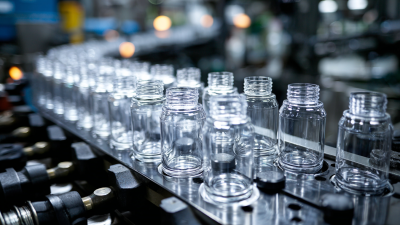
In the fast-moving world of plastic manufacturing, Pet Preform Injection Mouldingtruly stands out as a top-notch process when it comes to producing high-quality Preforms for bottles and containers. Experts like John Smith over at Plastics Innovations Ltd. often point out that, "Getting a handle on the tricky bits of Pet Preform Injection Moulding is pretty much essential if you want consistent quality." His insights really echo what many industry folks tend to agree on.

Of course, navigating this process isn’t just about knowing the technical stuff—practice matters too. I’ve seen quite a few newcomers overlook how crucial things like temperature control and mold design are, and that can lead to all sorts of hiccups. Paying attention to those small details can really make a difference in how smoothly production runs. When those elements aren't optimized? Well, that can mean wasted materials and costs climbing up more than you'd like.

Even the most experienced operators hit snags from time to time, so it’s all about staying open to learning and tweaking your approach. The chase for the perfect preform is definitely a continuous journey. By keeping these tips in mind, you'll not only boost productivity but might just spark some new ideas and innovations along the way.
10 Essential Tips for Successful Pet Preform Injection Moulding?

Understanding PET Properties for Injection Moulding Success

10 Essential Tips for Successful Pet Preform Injection Moulding?

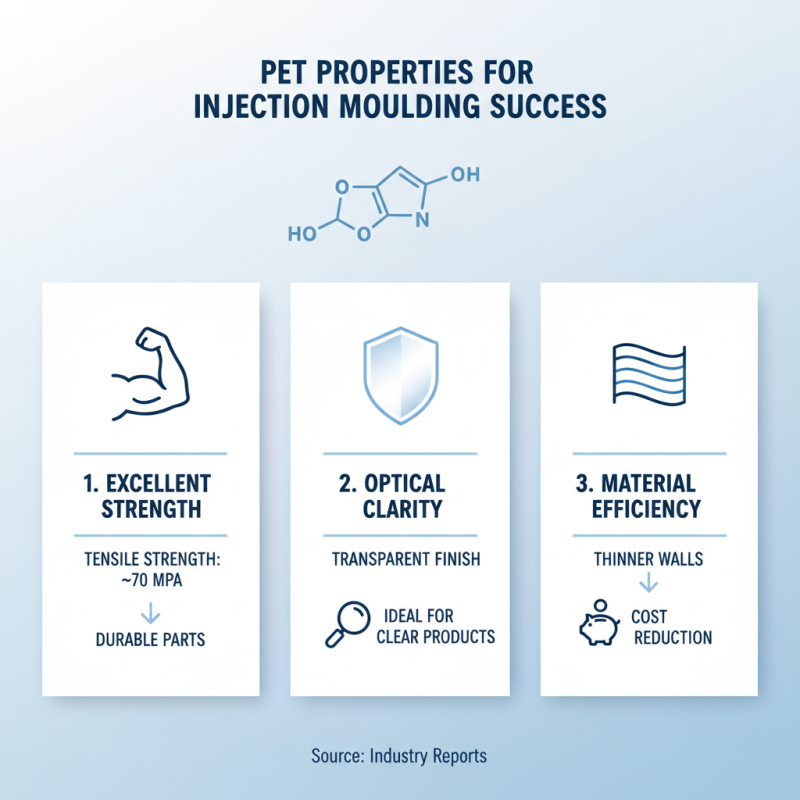
When it comes to injection moulding with PET, understanding its properties is crucial. PET, or polyethylene terephthalate, is known for its excellent strength and clarity. According to industry reports, PET has a tensile strength of about 70 MPa, making it ideal for durable applications. This intrinsic strength allows for thinner walls in moulded parts, which can save material and reduce costs.

However, PET also presents challenges during injection moulding. Its sensitivity to moisture can lead to hydrolysis, impacting the final product's performance. Managing humidity levels in production environments is vital. A study highlighted that maintaining moisture below 0.02% significantly enhances the quality of the moulded parts. Operators need to monitor and control both temperature and drying times closely to avoid defects such as splay or bubbles.

Moreover, cooling times can vary dramatically, influencing cycle times and efficiency. This material requires a careful balance of heat and cooling. Overheating can degrade the polymer, while insufficient cooling can lead to warping. Data suggests that optimal cooling conditions reduce cycle time by 20% while maintaining part integrity. Addressing these factors ensures a smoother production process. Each decision can significantly affect the final product, showcasing the complexities involved in successful PET injection moulding.

Material Selection: Choosing the Right Grade of PET for Moulding

Selecting the right grade of PET is crucial for successful pet preform injection moulding. Different applications require different properties. For instance, high clarity and gloss are important for cosmetic containers, while impact resistance is key for products exposed to rough handling. Evaluating the intended use helps in choosing the appropriate PET grade.

When assessing grades, consider processing temperatures and cooling rates. Selecting a grade that matches your Pet Preform Injection Moulding Machine’s capabilities is vital. Not all PET resins work equally well in all machines. Materials that are too thick may clog the system, while overly thin grades might warp or fail during injection. Testing with small batches helps identify potential issues.

Reflecting on past projects can provide insights. Sometimes, unexpected results arise from an inappropriate PET choice. Collecting data from each production run improves future decisions. Materials should meet both technical specifications and production scalability needs. Ultimately, thorough research and testing are fundamental to achieving optimal results in pet preform injection moulding.

Optimizing Processing Conditions for Consistent PET Quality

When it comes to optimizing processing conditions for PET injection moulding, understanding the nuances of temperature control is crucial. Maintaining the right melt temperature ensures good flow and reduces the risk of defects. Monitor temperatures closely during processing to avoid overheating, which can degrade PET quality. It’s insightful to keep a detailed log of temperature adjustments to evaluate their impact on the final product.


Consistency in processing conditions is vital. One tip is to regularly calibrate and maintain your machinery. This action can help alleviate variability in production. Also, pay attention to cooling times. Insufficient cooling can lead to warping, while excessive cooling might cause internal stresses. Adjust these parameters based on your specific product requirements.


Evaluating the humidity levels in your working environment is essential as well. PET is hygroscopic; excessive moisture can lead to hydrolysis, affecting mechanical properties. Keeping PET materials stored in a controlled environment can significantly aid in retaining quality. Consider investing in humidity control solutions to sustain optimal conditions throughout the moulding process.

Mould Design Considerations for Effective Injection Moulding

When considering mould design for effective injection moulding, several key factors come into play. The choice of materials is crucial. According to industry reports, over 70% of production issues arise from improper material selection. It's essential to choose materials that can withstand injection pressures and maintain dimensional stability. Additionally, fluidity is a critical characteristic that affects the fill of the mould cavity and influences the overall quality of the final product.

Ventilation must not be overlooked in mould design. Insufficient venting can lead to defects like gas traps and voids in the finished part. A well-designed mould allows for the smooth escape of trapped air. Research indicates that effective venting can reduce cycle time by up to 20%. In the context of injection blow moulding, employing proper vent layouts is even more vital. This ensures a seamless transition from blow moulding to post-processing stages.

Finally, cooling channels in the mould design play a significant role in cycle efficiency and product quality. Incorrectly designed cooling can lead to warping and other defects. Data from various studies suggest that optimally designed cooling channels can decrease cycle times by approximately 15% while enhancing product consistency. Elevating these design considerations in your Injection Blow Moulding Machine can significantly impact your production output and quality.

Preventing Defects: Common Issues in PET Injection Moulding

10 Essential Tips for Successful Pet Preform Injection Moulding?

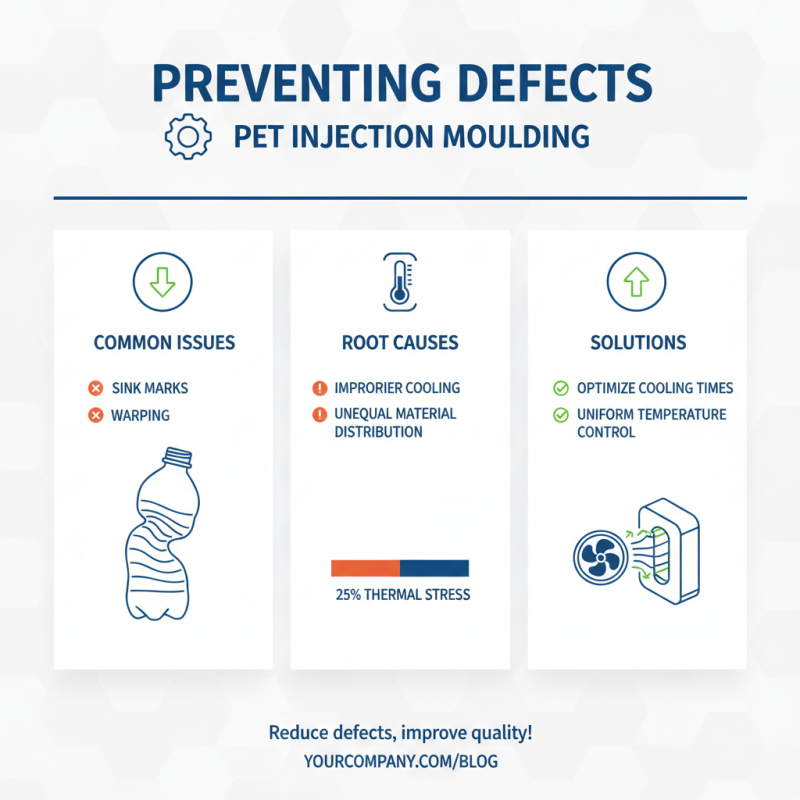
Common issues in PET injection moulding can severely affect product quality. Defects such as sink marks and warping often arise from improper cooling or uneven material distribution. According to industry reports, up to 25% of moulding defects are linked to thermal stresses during the injection process. Optimizing cooling times can significantly mitigate these problems.

Another frequent issue involves the design and functionality of the mould itself. An inefficient mould design contributes to air traps, resulting in surface blemishes. Research indicates that mold designs incorporating Sleeve Ejector Injection Moulding techniques can reduce air entrapment by up to 40%. This specialty approach allows for better part ejection while minimizing defects. Regular inspections and adjustments to the mould are crucial as even slight misalignments can lead to substantial quality issues.

Raw material quality also plays a pivotal role in the outcome of injection moulding. Poor-grade PET can lead to inconsistencies in flow and density. It's essential to source high-quality material to ensure dimensional integrity. Implementing rigorous quality checks can help catch issues early. Collectively, these strategies serve as critical measures to prevent defects in PET injection moulding.

Measuring and Controlling Cooling Times in PET Moulding

Cooling times play a crucial role in PET molding processes. Proper measurement and control of these times ensure quality and efficiency in production. Inconsistent cooling can lead to defects, such as warping or uneven thickness. To achieve optimal results, operators should regularly monitor temperatures throughout the process. Utilizing thermocouples can provide real-time data. This data is essential for making timely adjustments.

Another factor to consider is the design of the molds themselves. Well-designed molds promote uniform cooling. They can significantly reduce cycle times, making production more efficient. It's also valuable to conduct cooling simulations during the design phase. This proactive approach can highlight potential issues before they arise. Operators must also evaluate their PET preform injection mold spare parts. Worn components can affect cooling efficiency. Regular maintenance and replacement of these parts can prevent costly downtimes.

Operators may occasionally overlook the importance of pre-cooling parts before molding. Pre-cooling can mitigate the risk of deformation. Additionally, keeping environmental factors in check, such as humidity and airflow, can impact cooling times. Continuous learning and adaptation in these areas lead to improved outcomes. Focusing on these elements helps create a more reliable molding process.

Sustainability in PET Moulding: Recycling and Environmental Impact

Sustainability plays a crucial role in PET preform injection moulding. The recycling of PET helps reduce waste. It minimizes the environmental impact associated with production. This process transforms used PET into new products, promoting a circular economy.

One essential tip to embrace sustainability is to source PET resin from recycled materials. This not only reduces reliance on virgin resources but also lowers carbon emissions. Additionally, incorporating energy-efficient machinery can significantly cut down energy consumption during the production process. Every small step counts in making a big difference.

Maintaining a clean production environment is vital. A cluttered space can lead to contamination, resulting in wasted materials. Regular equipment checks ensure consistent quality, which reduces scrap rates. Implementing a waste management system can help track and minimize production waste. Remember that each decision impacts the environment. The journey towards sustainability requires constant reflection and adaptation.

Innovative 750ml PET Blow Molding Solutions for Efficient Bottle Production and Sustainability

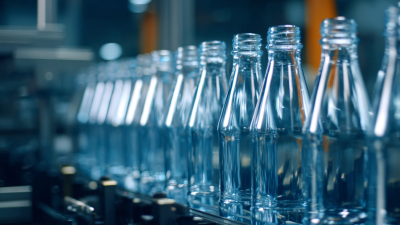
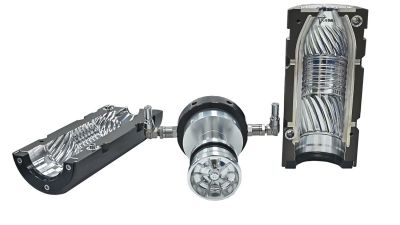
The innovative approach to producing 750ml PET bottles through advanced blow molding solutions significantly enhances efficiency and sustainability in manufacturing. Utilizing a single-cavity blow mold constructed from imported aluminum, the process leverages the metal's exceptional resistance to corrosion, ensuring longevity and reliable performance even after extensive production runs. This durability translates not only to cost effectiveness but also reduced waste, aligning with sustainability goals in the packaging industry.

During the blow molding cycle, optimum temperature stability is maintained by circulating cooling water within the mold at 10–12°C. This careful temperature control is crucial for achieving consistent results. As PET preforms are positioned within the molding cavity, they expand with the aid of compressed air, shaping the preforms into perfectly formed bottles. The meticulous design ensures that every finished product features uniform thickness and a pristine outer surface, emphasizing a high-quality standard essential for today’s consumer market while promoting eco-friendly practices in packaging solutions.

FAQS

: Why is temperature control important in PET injection moulding?

: Temperature control ensures good flow and reduces defect risks. Close monitoring helps maintain PET quality during processing.

How does humidity affect PET processing?

PET is hygroscopic, meaning moisture can cause hydrolysis. Store materials in a controlled environment to retain quality.

What should I do to maintain my injection moulding machinery?

Regular calibration and maintenance alleviate production variability. This step helps ensure consistent processing conditions.

How can I prevent warping in my products?

Adjust cooling times carefully. Insufficient cooling leads to warping, while excessive cooling can create internal stresses.

What role do cooling channels play in mould design?

Well-designed cooling channels enhance cycle efficiency and product quality. Poor cooling design can result in defects like warping.

What common defects occur in PET injection moulding?

Typical defects include sink marks and warping, often due to improper cooling and uneven material distribution.

How can mould design affect production quality?

Inefficient mould designs lead to defects like air traps. Regular inspections can help identify misalignments that affect quality.

Why is material selection critical in mould design?

Over 70% of production issues stem from poor materials. Choose materials that withstand pressures and maintain stability.

What is the impact of air traps in moulding?

Air traps cause surface blemishes, decreasing product quality. Effective designs can minimize air entrapment significantly.

How can quality checks help in the injection moulding process?

Rigorous quality checks identify material issues early. Early detection ensures better consistency in final product outcomes.

Conclusion

The article "10 Essential Tips for Successful Pet Preform Injection Moulding" provides crucial insights into the process of injection moulding with PET. It emphasizes the importance of understanding the unique properties of PET, which are vital for achieving optimal results. Selecting the right grade of PET is a pivotal step, ensuring compatibility with the desired application. Furthermore, the article highlights the significance of optimizing processing conditions and mould design to mitigate potential defects and ensure uniform quality.

Additionally, it addresses preventive measures for common issues encountered in PET preform injection moulding, focusing on the management of cooling times to enhance productivity. The guide also touches on the sustainability of PET moulding, advocating for recycling practices to minimize environmental impact. Overall, these essential tips aim to equip manufacturers with the knowledge needed to excel in pet preform injection moulding.
Liam

Liam

Liam is a dedicated marketing professional at Foshan Baijin Precision Technology Co., Ltd., where he leverages his extensive expertise to enhance the company’s online presence. With a deep understanding of the precision technology industry, he excels in crafting informative and engaging blog posts......
Previous The Significance of Blow Mold Design