You know, the manufacturing world has really been buzzing with some pretty incredible innovations lately. One that definitely catches the eye is Pet Blow Mold. It’s this cool process used to make hollow plastic parts—think bottles and containers, the stuff we all use every day. But honestly, its impact goes way beyond just making things; it’s got a lot to do with sustainability too.
Dr. Emily Carter, who's been around the plastic manufacturing scene for ages, once mentioned, “The efficiency of Pet Blow Mold is revolutionary.” And I gotta say, that really sticks — it shows just how effective this process can be. Still, even with all its perks, there are hurdles to overcome. For example, the design stage isn’t always smooth sailing; it needs constant innovation to keep up with what the market wants.
And let’s not forget the whole environmental angle. The use of PET materials—it's a hot topic these days. Are we doing enough when it comes to recycling? As the industry keeps changing, many experts are calling for serious reflection on our practices. Because at the end of the day, Pet Blow Mold isn’t just about making products; it’s also about responsibility. Mastering this technique is an ongoing journey—one that requires teamwork, creativity, and thinking ahead.
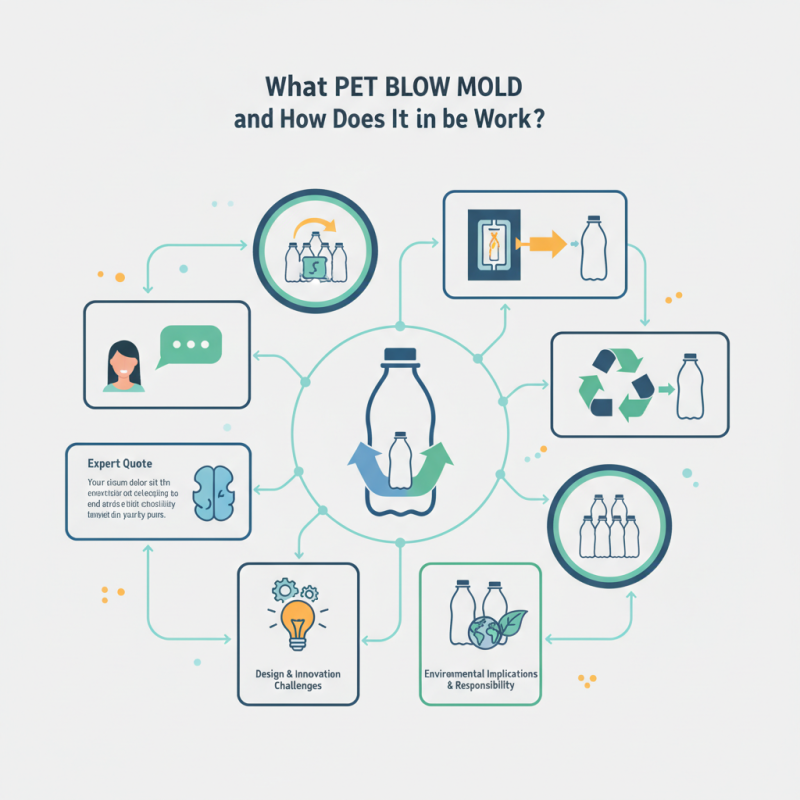
PET blow molding is a versatile manufacturing process widely used for creating plastic containers. It involves heating a preform, then forming it into the desired shape using air pressure. The process is efficient and allows for mass production of lightweight and durable products. Typically, this method is employed for producing bottles, containers, and other products made from polyethylene terephthalate (PET).
Understanding the technical steps can help optimize the process. The preform is heated, making it pliable. Then, it is placed in a mold. Air is injected, expanding the preform to fit the mold's shape. Precise temperature control is crucial. If overheated, it may result in weak spots.
Tips: Always check the quality of your preforms. A small flaw can lead to bigger defects in the final product. Regular maintenance of molds ensures better output and longevity. Testing various temperatures can improve efficiency.
Innovation in this field is important, yet sometimes the process might not yield perfect results. Experimenting with different materials or designs might lead to unexpected challenges. Always be ready to adapt, as flaws can reveal areas needing improvement. Embracing these imperfections can refine your skills in using Blow Pet Bottled Mold technology effectively.
| Dimension | Description |
|---|---|
| Material | PET (Polyethylene Terephthalate) |
| Process Type | Blow Molding |
| Key Steps | Preform Creation, Stretching, Blowing, Cooling |
| Applications | Bottles, Containers, Packaging |
| Advantages | Lightweight, High Strength, Recyclable |
| Disadvantages | Limited to Suitable Designs, Initial Cost |
| Production Speed | High throughputs for mass production |
| Environmental Impact | Recyclability of PET helps reduce waste |
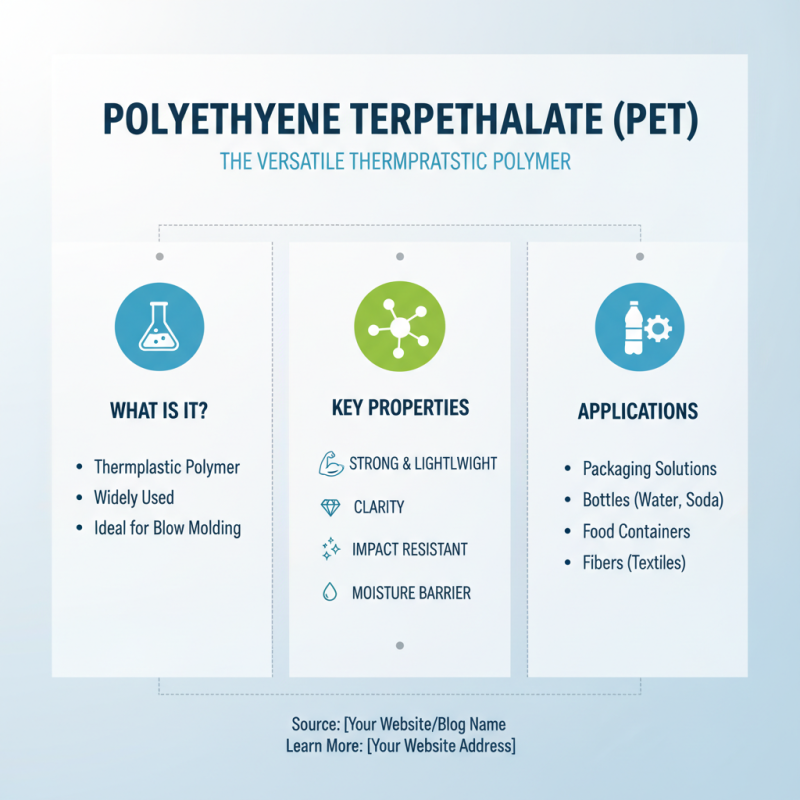
PET, or polyethylene terephthalate, is a widely used thermoplastic polymer. Its unique properties make it ideal for various applications, including blow molding. PET is strong yet lightweight, which is particularly advantageous in packaging solutions. Its clarity allows for an appealing visual presentation, and it is resistant to impact and moisture.
Understanding PET's raw materials is crucial. The polymer is derived from a chemical reaction between ethylene glycol and terephthalic acid. This process creates a material that is recyclable and can be reused in different forms. However, recycling PET can sometimes be complex. Not all PET products are recycled effectively, leading to environmental concerns. The challenge lies in ensuring that the materials are clean and free from contaminants.
As a versatile material, PET has its imperfections. While it holds great potential, some types of PET can degrade under certain conditions. This raises questions about durability in specific applications. Additionally, the production process can leave a carbon footprint that necessitates further examination. Balancing its benefits with these challenges is an ongoing conversation in the industry.
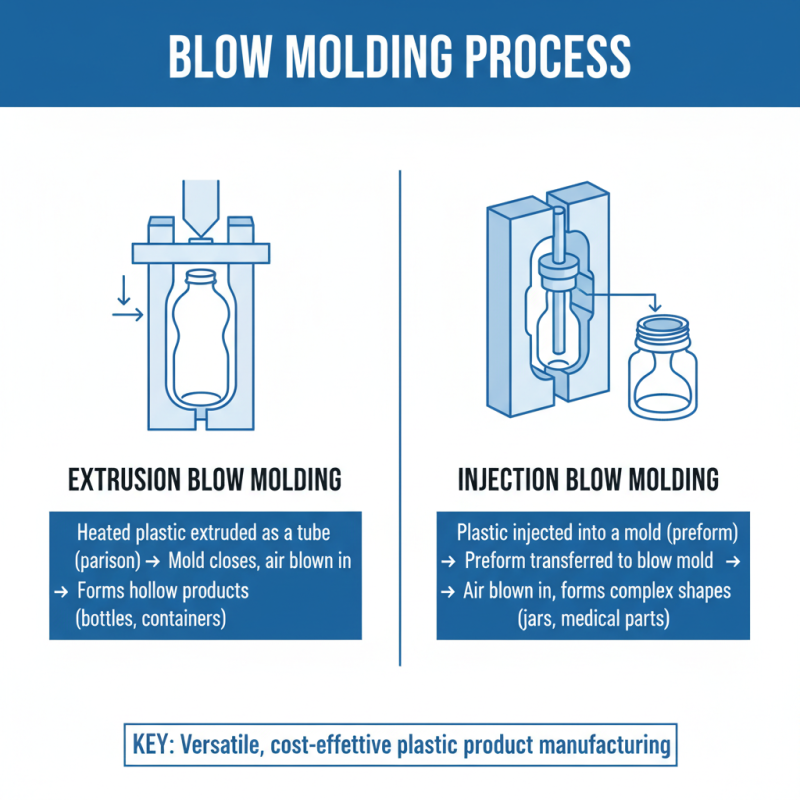
The blow molding process is crucial in producing various plastic products. This method involves heating plastic until it is pliable, then forming it into a mold. Several techniques exist, including extrusion and injection blow molding. Each has its own strengths and limitations. For instance, extrusion blow molding is typically used for creating hollow items, while injection blow molding is ideal for more complex shapes.
Equipment plays a vital role in the blow molding process. Blow molding machines usually consist of an extruder, mold, and a cooling system. The right machinery can significantly impact production efficiency. According to a report by the Plastics Industry Association, the U.S. plastic industry produced about 66 million tons of plastic products in 2020. A significant portion involved blow molding techniques, showcasing their relevance in manufacturing.
Despite its advantages, the process isn't without its challenges. Equipment maintenance is essential to avoid breakdowns, which can lead to downtime. Also, achieving consistent thickness in the mold can be tricky. Moreover, the environmental implications of plastic waste from blow-molded products cannot be ignored. Manufacturers must focus on sustainability in their practices, particularly when it comes to Pet Used Blow Mold. Balancing production efficiency with environmental responsibility is an ongoing struggle for the industry.
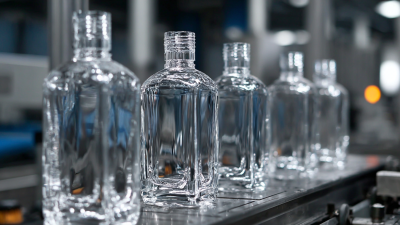
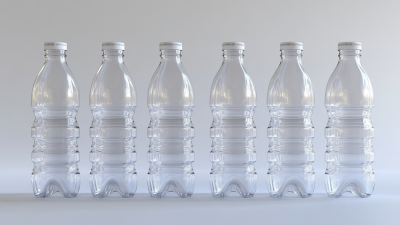
PET blow molding is a popular method in the packaging industry. It produces containers like bottles and jars. This process uses polyethylene terephthalate (PET), which is lightweight and durable. It is ideal for liquid packaging. Many beverages and food products use PET containers due to their strength and clarity.
Key applications of PET blow molding include beverage bottles, cosmetic containers, and food jars. Beverage bottles stand out. They are often used for carbonated drinks. The strength of PET handles pressure well. Cosmetic containers are also significant. They offer a sleek look and retain product integrity. Food jars provide excellent sealing, ensuring freshness.
**Tips:** Always consider recycling when choosing PET. It is crucial for environmental sustainability. Start small by checking local recycling programs. Additionally, understand the storage requirements for different products. Temperature stability can affect the container's performance. Remember, inadequate knowledge can lead to waste.
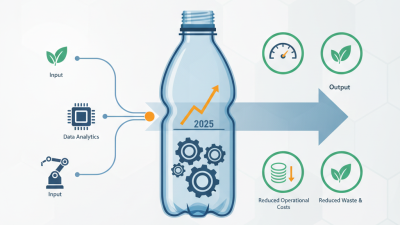
The market for PET blow molded products is experiencing significant growth. According to a recent industry report, the global PET blow molding market is projected to reach $12 billion by 2025. This growth is fueled by increasing demand for lightweight packaging solutions. Many companies are seeking sustainable alternatives, which PET offers due to its recyclability.
There is a notable rise in the consumption of PET bottles and containers. The beverage industry is a primary driver of this demand, accounting for over 50% of market share. In addition to beverages, sectors like personal care and household products are driving this trend. However, environmental concerns linger. Despite PET's recyclability, many products still end up in landfills.
Market trends also suggest an increasing interest in innovative designs and functionalities. Brands are increasingly looking for ways to enhance user experience through ergonomic shapes and easy-to-handle closures. However, achieving this objective often clashes with cost efficiency. Manufacturers must balance design innovations and production costs to stay competitive. The dilemma remains: how can they innovate while maintaining sustainability?
The environmental impact of PET products is significant. PET, or polyethylene terephthalate, is widely used in packaging, especially for bottled beverages. According to a report by the International Bottled Water Association, around 50 million tons of PET are produced globally each year. Unfortunately, not all of this is recycled. Studies show that only 29% of PET bottles are recycled.
Recycling potential is a pressing issue. Many communities lack efficient recycling systems. As a result, vast amounts of PET end up in landfills. Each PET bottle can take up to 450 years to decompose. The irony is that with proper recycling, PET can be reused almost indefinitely. This would reduce waste and conserve resources. The PET industry has made strides but still has room for improvement.
Innovative technologies like Pet Bottled Mold Blow are emerging. These techniques allow for more efficient recycling processes. Yet, the challenge remains. Raising awareness about recycling is crucial. Consumers often view PET as single-use. This perception needs to change. Continuing to develop and promote recycling initiatives can lead to a sustainable future. We must reflect on our habits and make more responsible choices.
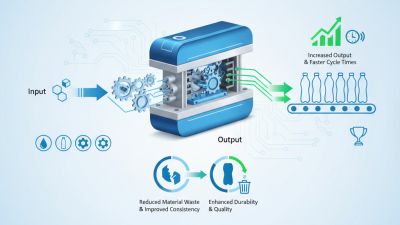
Innovations in PET blow molding technology are evolving rapidly. The future holds promises of sustainability and efficiency. Manufacturers are focusing more on recycled materials for creating PET bottles. This shift could reduce plastic waste and enhance the circular economy. For instance, using recycled PET can lower production energy costs.
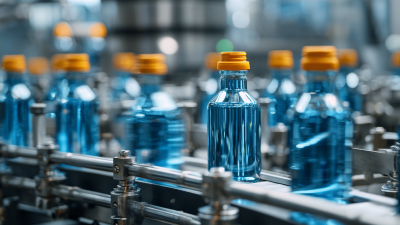
Another exciting innovation involves automation. Advanced robotics help in streamlining the blow molding process. Faster production rates with higher precision could become standard. However, challenges remain. Integrating new technologies and maintaining quality control is complex. Companies often find it hard to balance cost and innovation.
Emerging tech like AI can predict mold performance and enhance designs. Imagine a world where Bottled Mold Blow Pet processes minimize defects. This could lead to better products and less scrap. On the other hand, reliance on technology raises questions about workforce changes. Will skilled labor become obsolete? This ambiguity invites further examination and discussion.
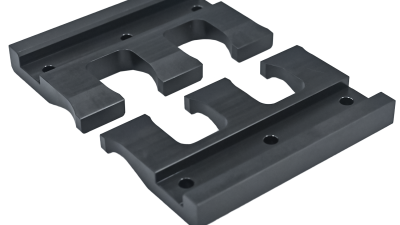
In modern manufacturing, the efficiency and precision of production processes are paramount. One of the key innovations enhancing these aspects is the use of high-precision locking mold plates. These components, engineered from high-chromium stainless steel, ensure compatibility with popular mold frames, particularly in PET blow-molding operations. Their design focuses on delivering stable mold alignment, which significantly reduces vibrations during production, contributing to the overall quality of the manufactured products.
The customization capability of locking mold plates allows manufacturers to cater to specific production needs. By utilizing customer drawings or samples, custom sizes can be created to fit diverse applications, thereby optimizing the production workflow. With a focus on durability and long-term performance, these mold plates stand out as essential tools in achieving consistent manufacturing results. As industries strive for innovation, the incorporation of such advanced solutions underscores the commitment to efficiency and reliability in modern production environments.
: The articles discuss various aspects of personal finance and money management.
Start tracking your expenses each month. Use simple apps or pen and paper to note everything.
Set small saving goals. It helps to have a clear target. Make changes to spending habits slowly.
An emergency fund can cover unexpected expenses. This offers peace of mind and security in tough times.
Pay bills on time. Keep credit card balances low. Review your credit report for errors regularly.
Think about how it fits your budget. Ask if you really need it or if it's a want.
Focus on high-interest debts first. Consider consolidating debts for lower interest rates.
Yes, starting early can yield higher returns over time. It can be intimidating but worth considering.
PET blow mold is a widely used manufacturing process that transforms polyethylene terephthalate (PET) into various packaging products. This technique involves heating PET pre-forms and expanding them with air until they take the shape of a mold. The process is efficient and is characterized by its ability to produce lightweight and durable containers, which play a crucial role in the packaging industry. Understanding the properties of PET, including its recyclability and strength, allows manufacturers to deliver sustainable products that meet market demands.
As the market for PET blow molded products continues to grow, innovations in technology are being explored to enhance efficiency and reduce environmental impact. The potential for recycling PET materials further emphasizes the importance of this process in promoting sustainable practices. Overall, PET blow mold serves as an integral part of modern packaging solutions, driving advances in manufacturing while addressing ecological concerns.
Chinese