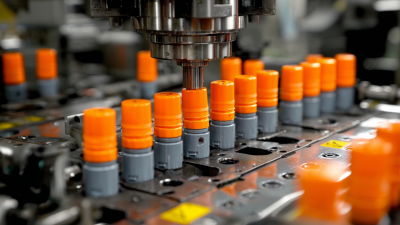
In today’s fast-changing world of manufacturing, fine-tuning plastic molds isn’t just a good idea—it’s pretty much essential if you want to boost production and stay ahead of the competition. Foshan Baijinyi Precision Technology Co., Ltd. (BJY) really gets this. They're a well-known player when it comes to designing and making PET liquid packaging molds—stuff like blowing molds, PET Injection Molds, compression capping molds, and all the related accessories. They understand that using data and smart strategies to improve mold design can make a big difference.
In this article, I’ll share some practical tips and methods to help streamline the production of plastic molds, so you can get more output while using fewer resources. By tapping into advanced technology and analytics, companies can seriously ramp up their efficiency and boost the quality of their products, which ultimately means better results in the market. It’s all about working smarter, not just harder, you know?
Understanding the Importance of Mold Optimization in Production Efficiency
Optimizing molds is a pretty big deal when it comes to boosting production efficiency in the plastic manufacturing world. I mean, according to a report by the Society of Plastics Engineers, tweaking those molds can slash cycle times by somewhere between 20 to 30 percent. That’s a pretty substantial jump! Most of this gain comes from smarter design tweaks—like better cooling channels and more precise flow management—that keep the materials moving smoothly. When molds run efficiently, the whole production line picks up speed, which means companies can handle more orders without sacrificing quality.
And it gets even more interesting—there’s this study in the Journal of Plastics Technology that says almost 40% of production delays are due to mold problems. So, investing in really good molds and doing regular check-ups can actually save a lot of headaches later on. Plus, using data-driven tools like simulation software for mold design and tests is a game-changer. These simulations can flag issues before they even happen, helping prevent costly mistakes and keeping everything on track.
Identifying Key Factors that Affect Plastic Mold Performance
When it comes to boosting production efficiency, especially in the world of PET liquid packaging, optimizing plastic molds is absolutely vital — and companies like Foshan Baijinyi Precision Technology Co., Ltd. know this all too well. The performance of these molds really hinges on a few key things: how they’re designed, what materials you choose, and the processing conditions during manufacturing. Interestingly, a 2022 study by SMR Group showed that a well-designed mold can actually bump up productivity by up to 25%. That’s a pretty big deal because it means faster cycles and better product quality all around. So, investing in cutting-edge mold design isn’t just a good idea — it’s pretty much essential if you want to stay competitive.
Another thing not to overlook is selecting the right materials for building these molds. The ideal choice can really help with heat transfer and make sure the molds stand up to wear and tear, especially when things are running full tilt. According to the Plastic Industry Association, using high-grade steels or aluminum alloys can actually extend the lifespan of molds by up to 40%. That’s less downtime, fewer repairs, and more consistent production. So, for companies like BJY, it’s all about balancing innovative design with top-quality materials — that combo is what really helps maximize both mold longevity and overall efficiency.
Data-Driven Strategies for Analyzing Mold Efficiency Metrics
When we're talking about boosting mold efficiency in plastic production, using data-driven tactics really makes a difference. I mean, according to a report from the Plastic Industry Association, tweaking processing conditions can actually bump up production rates by around 20%. How? Mostly by keeping a close eye on important metrics like cycle time, defect rates, and downtime. When manufacturers analyze these numbers, they can spot where things bottleneck and then make targeted tweaks—like adjusting cooling times or injection speeds—and suddenly operations become way smoother.
Plus, using some pretty advanced analytics tools gives you even deeper insights into how your molds are performing. A study from PwC points out that companies that lean on data analytics in their manufacturing processes can cut their costs by as much as 15%. With real-time monitoring, it's possible to track everything from mold temperatures to pressures, so you can make proactive adjustments before problems even pop up. And when you incorporate predictive maintenance, based on historical data, not only does it help molds last longer, but it also makes the whole production run more efficient. At the end of the day, this kind of stuff helps boost profits and keeps things running smoothly.
Implementing Advanced Technologies for Mold Design Improvements
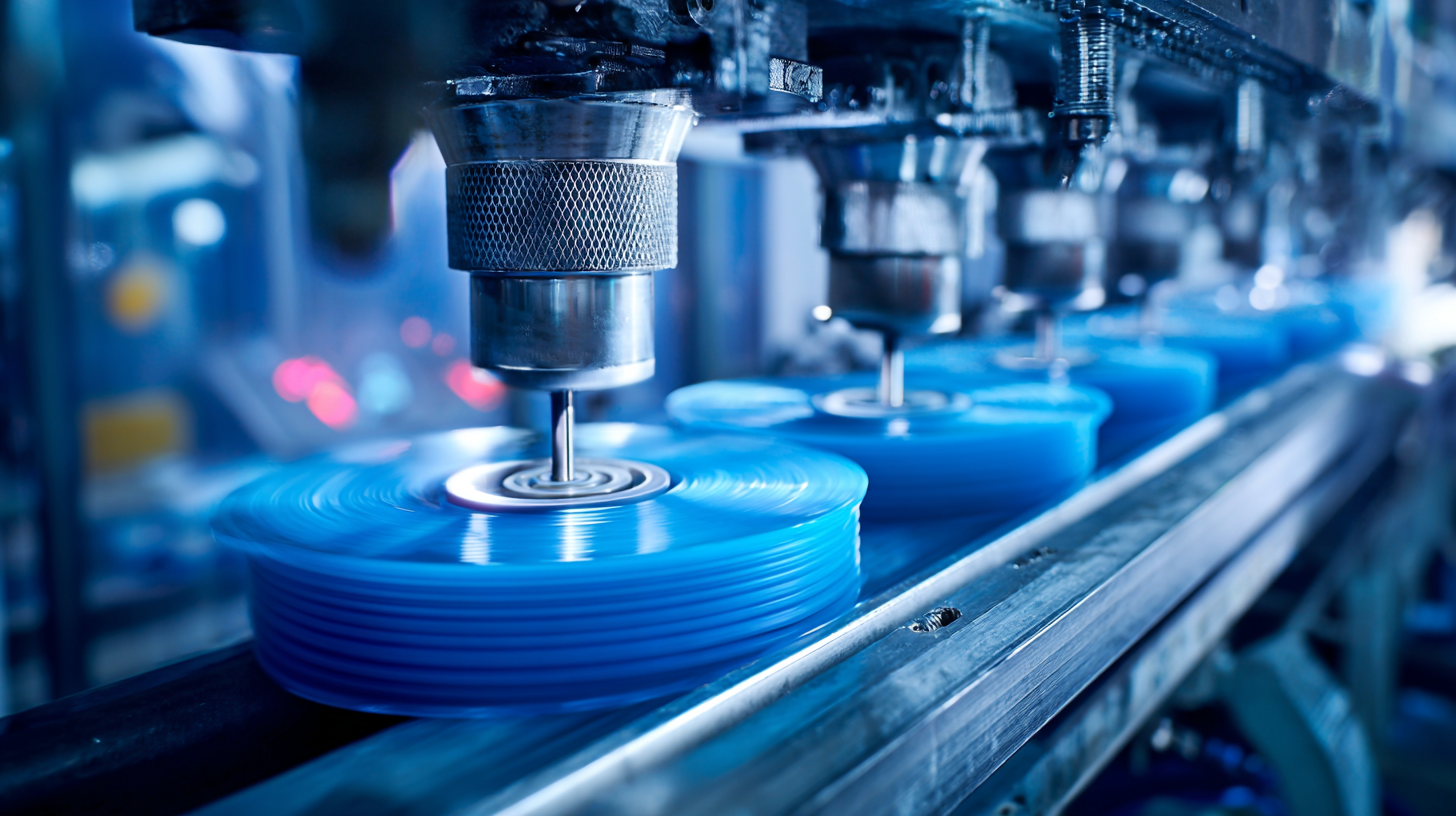
Getting into advanced tech for mold design really makes a difference, especially when it comes to speeding up production and making sure the final products are top-notch in plastic manufacturing. Using CAD software, for example, lets engineers sketch out really detailed and optimized mold shapes, which helps cut down on wasted material and trim down manufacturing time. And don’t forget, simulation tools are pretty awesome—they can spot issues like uneven heat or pressure problems before you even start pouring the plastic, which means you can tweak things early on. That kind of data-driven approach not only makes molds more reliable but also means less unexpected downtime during production.
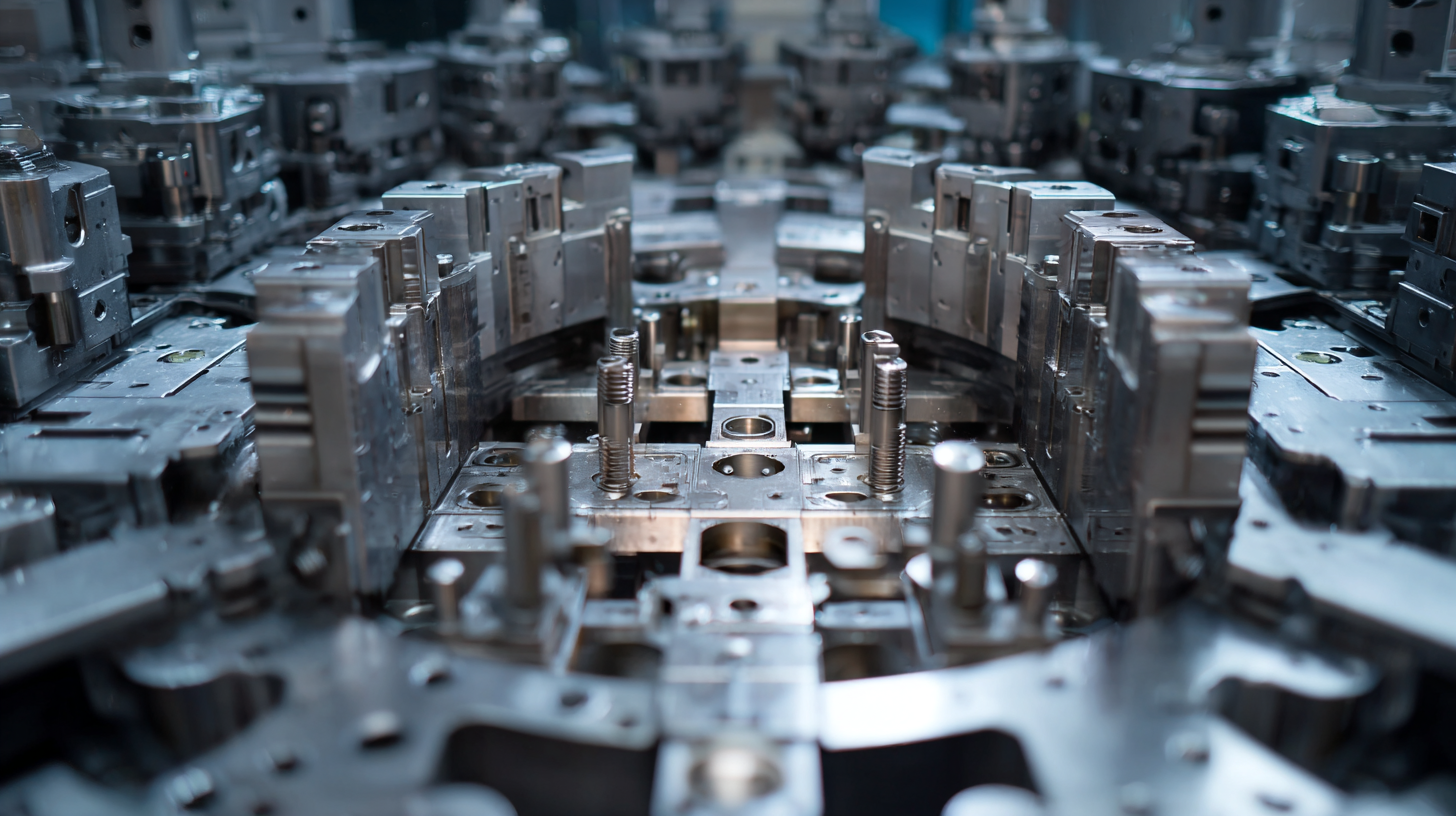
Plus, additive manufacturing—or 3D printing—is totally changing the game for mold design. It’s amazing how quickly manufacturers can whip up complex prototypes or even final molds with this tech, cutting down lead times a bunch. This flexibility means you can test and refine designs much faster, which is super helpful for keeping projects agile. Also, by embedding IoT sensors into the molds, you can gather all sorts of performance data—helping predict maintenance needs before something breaks and ensuring everything runs at peak efficiency throughout its lifespan. It’s all about making things smarter and smoother, one innovation at a time.
Best Practices for Maintenance and Upkeep of Plastic Molds
Taking good care of your plastic molds is super important if you want things to run smoothly and last longer. I read somewhere, probably from the Plastics Industry Association, that with regular maintenance, you can actually extend your molds' lifespan by up to 30%. That’s a pretty big deal! Doing routine upkeep isn’t just about avoiding surprises—though those are a pain—it's also a smart way to cut down on repair costs overall. Things like giving your molds a good cleaning, checking for any signs of wear and tear, and making sure the moving parts are well-lubricated so everything stays running smoothly—those are key steps.
Here's a handy tip: schedule regular checks every 500 to 1,000 production cycles. That way, you catch potential issues before they turn into big headaches. And if you’re into tech, predictive maintenance methods like keeping an eye on temperature and pressure changes can give you early warning signs of trouble before things actually break down. Oh, and using high-quality materials to make your molds can really reduce how often you need to do maintenance—it's an investment worth considering.
Another tip: keep detailed records of all maintenance activities. This helps you see patterns and plan better for future upkeep. According to the Society of Plastics Engineers, companies that stick to systematic maintenance plans actually cut down production delays by about 22%. It just goes to show—being proactive with your maintenance really pays off when it comes to keeping your plastic molds in top shape.
Optimizing Plastic Molds for Production Efficiency
This chart displays the production efficiency percentages of various plastic molds used in manufacturing processes. Optimizing mold performance can lead to significant improvements in production outcomes.
Continuous Improvement: Adapting to Trends in Mold Production Techniques
In the fast-changing world of plastics manufacturing, staying up-to-date with new trends in mold production is more important than ever if you want to keep getting better. For instance, there's been a big shift toward using real-time data analytics for predictive maintenance. This basically means companies can catch issues early, reducing machine downtime and keeping their equipment running smoothly. Not only does this make operations more efficient, but it also helps extend the life of plastic molds — so, yeah, being flexible and adapting quickly really pays off.
Plus, adopting Single Minute Exchange of Die (SMED) techniques has become pretty much a must for cutting down changeover times. That way, manufacturers can switch gears faster when production needs change. This is especially crucial in industries like medical plastics, where demand can be all over the place. The ability to quickly retool and get back on track isn’t just a bonus; it’s essential for staying competitive. Embracing these upgrades isn’t just about keeping up with current trends—it's about gearing up for what’s next, so businesses can remain relevant and resilient in this ever-shifting market landscape.
How to Optimize Your Plastic Molds for Production Efficiency: Insights and Data-Driven Strategies
| Mold Material | Production Cycle Time (min) | Scrap Rate (%) | Mold Changeover Time (hrs) | Cost per Part ($) |
| Steel | 15 | 2 | 1 | 1.50 |
| Aluminum | 12 | 1.5 | 0.5 | 1.20 |
| Beryllium Copper | 10 | 1 | 0.75 | 1.80 |
| Tool Steel | 20 | 3 | 1.5 | 2.00 |
FAQS
: Key factors include mold design, material selection, and processing conditions. A well-designed mold can increase production efficiency by up to 25%.
A well-designed mold can significantly reduce cycle times and enhance product quality, leading to improved overall production efficiency.
High-grade steel or aluminum alloys are recommended as they can extend the lifespan of molds by as much as 40%, improving heat transfer and wear resistance.
The selection of superior materials for mold construction can reduce downtime and maintenance costs, ultimately maximizing mold longevity and production efficiency.
Predictive maintenance, enabled by real-time data analytics, minimizes machine downtime and enhances machinery performance, contributing to the longevity of plastic molds.
SMED is a program aimed at reducing changeover times, allowing for quicker adaptation to new production requirements, which is essential in a fluctuating demand environment.
Adapting to trends like predictive maintenance and SMED is vital for achieving continuous improvement and maintaining competitiveness in a dynamic market.
By embracing innovations and continuously improving production techniques, manufacturers can ensure they remain competitive and agile in response to changing market demands.
Conclusion
When it comes to making plastic molds better, there's no denying that optimizing them is key to speeding up and smoothing out production. Understanding what really impacts how well a mold performs—things like precise design, choosing the right materials, and keeping the temperature just right—can make all the difference. Companies that get comfy with using data to analyze mold efficiency can spot where improvements are needed and tweak their processes accordingly. It’s kind of like giving your production line a tune-up based on real numbers.
Plus, bringing in some of the latest tech for mold design, along with good maintenance habits, helps ensure that molds last longer and keep performing consistently. As the industry pushes forward, staying on top of new trends and continuously refining how we produce molds is super important—especially for companies like Foshan Baijinyi Precision Technology Co., Ltd., who focus on designing and making PET liquid packaging molds. Taking a proactive approach like this doesn't just boost productivity; it also improves the quality of the products and can cut down on manufacturing costs. Basically, staying ahead of the game pays off in the long run.
 Chinese
 Email
Email Whatsapp
 WeChat