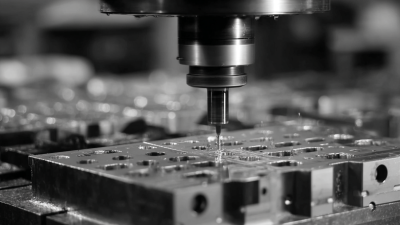
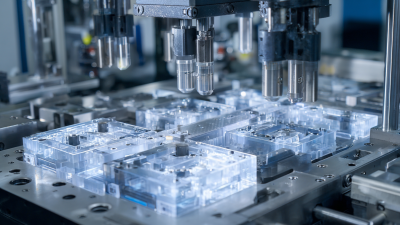
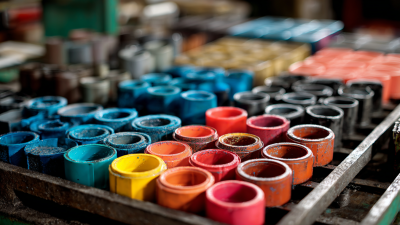
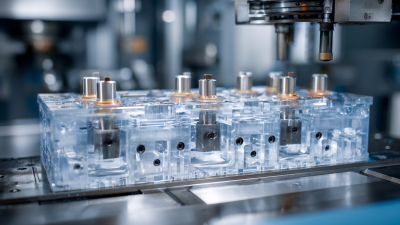
Picking the right plastic molds for your business can feel pretty overwhelming, right? The market’s full of options, each designed for different needs, so it’s important to understand what your specific goals are before diving in. Take a moment to think about the kind of products you want to produce—like molds for covering plastic bottles, for example—and how these will fit into your manufacturing process.
Experience and know-how really matter when it comes to making the right choice here. Chatting with manufacturers who have a solid track record can really shed some light—you know, they often have a good pulse on industry trends and can offer tips on materials, design details, and costs. Just keep in mind, not all molds are created equal. Some might not quite meet your production standards or stand the test of time.
And before you get too deep into designs, think about your long-term goals. Will this mold be flexible enough to handle future tweaks or expansions to your product lineup? It’s honestly a balancing act—costs are important, but so are durability and adaptability. Overlooking those could come back to bite you later. Considering all these factors now means you’ll be making better, more informed decisions for your business’s plastic mold needs.

Factors to Consider When Selecting Plastic Molds for Manufacturing
Choosing the right plastic molds is crucial for manufacturing. Several factors influence this decision. One primary consideration is mold material. Steel molds last longer than aluminum, but they are costlier. Assess your production volume before deciding. For small batches, aluminum may suffice. For high-volume needs, steel is often the go-to choice.
Another critical aspect is the complexity of the design. Complicated designs can increase costs. Simple molds can reduce expenses and lead times. It’s essential to balance design requirements with budget constraints. Additionally, think about the mold's cooling system. Efficient cooling ensures faster production cycles.
Tips for selecting molds include evaluating your production goals. Know the specific capabilities you require. This helps avoid unnecessary expenses. Collaborate with experienced mold makers. Their insights can guide you towards the best choices. Don’t rush the selection process; it can lead to costly mistakes. Seek feedback from others in the industry. Learning from their experiences can be enlightening. Remember, the right Plastic Bottle Molds can impact your overall production efficiency.
Understanding Different Types of Plastic Molds and Their Applications
Choosing the right plastic molds is crucial for any business in manufacturing. Different types of plastic molds serve various purposes. For example, Injection Molds are commonly used for high-volume production. Blow Molds, on the other hand, are ideal for creating hollow plastic parts. Understanding these differences can significantly impact the efficiency and cost-effectiveness of production.
When selecting a mold, consider the material. Some molds accept multiple polymer types, while others do not. Using the wrong material can lead to defects. Also, think about the complexity of your designs. More intricate designs might require more advanced molds, increasing both cost and processing time.
Tips: Always evaluate your production volume. If you plan to produce high quantities, invest in durable molds. They provide a better return on investment. Test your prototypes before full-scale production. This can save time and resources when issues arise. Lastly, ensure your mold suppliers have a solid reputation. A reliable supplier will support your business effectively, ensuring consistent quality.
Evaluating Material Selection for Optimal Plastic Mold Durability
When evaluating materials for plastic molds, durability is a critical factor. High-quality molds significantly influence production efficiency and product longevity. According to a report from the American Society of Plastic Engineers, the choice of molding materials can affect a mold's lifespan by up to 30%. Material selection impacts not just durability but also cost-effectiveness over time.
Common materials include steel and aluminum. Steel molds offer strength and longevity but can be expensive. Aluminum molds provide ease of production at a lower cost. However, they wear out more quickly. Assessing the specific needs of your business is vital. If high-volume production is crucial, investing in steel could be beneficial. Yet, for prototyping, aluminum may suffice.
Tips: Always test your molds under real conditions. Consider both production volume and desired lifespan. Additionally, reflect on the balance between initial investment and long-term savings. Sometimes, cheaper options lead to more frequent replacements, negating savings. Remember, understanding your specific requirements remains essential in making informed decisions for mold selection.
How to Choose the Best Plastic Molds for Your Business? - Evaluating Material Selection for Optimal Plastic Mold Durability
| Material Type | Durability Rating (1-10) | Cost per Unit ($) | Temperature Resistance (°C) | Application Suitability |
| ABS | 8 | 3.00 | 80 | Consumer Products |
| Polycarbonate | 9 | 5.50 | 120 | Medical Devices |
| Nylon | 7 | 4.00 | 100 | Automotive Parts |
| Polypropylene | 6 | 2.50 | 90 | Packaging |
| Polystyrene | 5 | 2.00 | 70 | Consumer Goods |
Cost Analysis: Investment vs. Long-term Savings in Plastic Molds
When considering the investment in plastic molds, it’s essential to perform an extensive cost analysis. The upfront cost of OEM Plastic Bottle Molds can be daunting. Reports indicate that high-quality molds can range from $5,000 to over $100,000, depending on complexity. This initial expenditure often causes businesses to hesitate. However, cheap molds may lead to higher maintenance costs and reduced output quality over time. This, in turn, impacts overall profitability.
Long-term savings become apparent when evaluating production efficiencies. A well-designed mold can reduce cycle times by up to 25% and minimize material waste. According to industry studies, companies investing in premium molds frequently report a 15-20% increase in production efficiency. Moreover, durable molds tend to last longer, providing a better return on investment. Businesses must also consider the cost of potential downtimes. Using inferior molds may result in unexpected halts in production. In contrast, high-quality molds ensure smoother operations and consistent product quality.
It's important to reflect on the relationship between quality and cost. An expensive mold may seem prohibitive initially, but its impact can save significant costs over its lifespan. Companies should weigh immediate costs against future savings. Balancing short-term expenditures with long-term benefits is crucial in making informed decisions about plastic molds.
The Role of Mold Design Complexity in Production Efficiency
Design complexity in mold making significantly impacts production efficiency. A study by the Society of Plastics Engineers indicates that intricate mold designs can enhance the precision of the final products. However, this complexity comes with challenges. More complex molds, such as ODM Plastic Bottle Molds, can lead to longer production times and increased costs.
In fact, research indicates that companies reporting high mold complexity experience a 25% increase in cycle times. This can strain production schedules and affect overall productivity. It's crucial to balance design intricacy with practical production capabilities. Simpler molds may require less maintenance and faster turnaround but could limit design flexibility.
Moreover, achieving optimal complexity often necessitates advanced simulation technology. These technologies can forecast how the molds will perform under various conditions. By trusting these tools, businesses reduce the risk of costly errors. This cautious approach to design allows companies to experiment without compromising efficiency.
Industry Trends in Plastic Mold Technology and Innovation
The evolution of plastic mold technology is crucial for businesses aiming to enhance their production efficiency. Recent reports indicate that the plastic molding market is projected to grow at a CAGR of 5.4% from 2023 to 2029. This growth is driven by innovations in materials and automation technologies. For instance, advancements in 3D printing have revolutionized mold design processes, enabling rapid prototyping and reduced lead times.
One significant trend is the increasing use of sustainable materials in plastic molds. According to industry studies, over 30% of manufacturers are now incorporating bioplastics, responding to the rising demand for eco-friendly products. Additionally, the integration of Industry 4.0 technologies in mold-making processes allows for real-time data monitoring. This improves mold precision and reduces waste, though not all companies have fully adopted this technology. Some still face challenges in integrating new systems with existing workflows.
Moreover, experts highlight that knowledge of advanced cooling techniques can enhance mold performance. While many businesses implement these practices, they often overlook the maintenance of cooling channels, which can lead to prolonged cycle times. Reflecting on these aspects is crucial for companies to stay competitive. Adopting innovative practices without neglecting foundational maintenance can significantly impact production outcomes.
Best Practices for Maintenance and Longevity of Plastic Molds
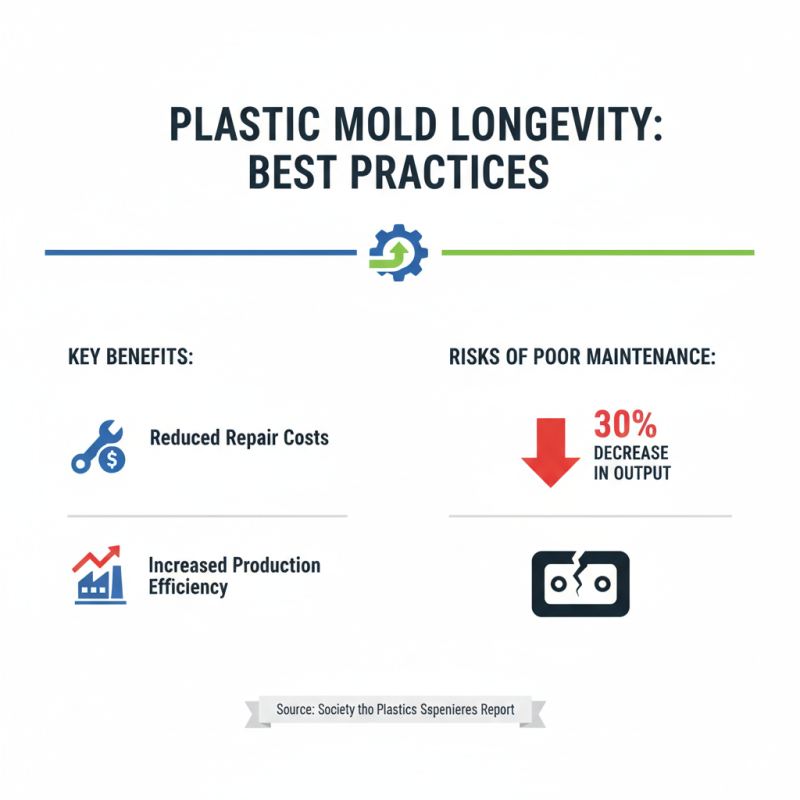
Maintaining plastic molds is crucial for ensuring their longevity. Regular maintenance not only reduces the costs associated with repairs but also boosts production efficiency. According to a report from the Society of Plastics Engineers, improperly maintained molds can lead to a 30% decrease in production output.
One effective practice is to establish a cleaning routine. Dirt and residue can damage molds over time. Regularly checking for wear and tear helps identify issues early. Consider using a soft brush and specialized cleaning agents. This simple task can significantly extend mold life.
Tips for long-lasting molds:
- Inspect molds weekly for cracks or discoloration.
- Store molds in a controlled environment to prevent condensation.
Another key aspect is lubrication. Proper lubrication prevents friction and reduces wear. Use high-quality lubricants suitable for your mold material. A study noted that adequate lubrication can enhance mold performance by up to 25%. Failing to lubricate can lead to premature failure, causing delays and additional costs.
To sustain optimal performance, consider creating a detailed maintenance log. Documenting every maintenance activity can help track patterns and predict future needs. Keeping your "China Plastic Bottle Molds" in top condition pays off in the long run. Neglecting these practices can result in costly downtimes and operational inefficiencies.
FAQS
: Complex mold designs can improve product precision but may increase production time and costs.
High complexity can lead to longer cycle times, impacting production schedules and overall productivity.
Regular maintenance enhances mold longevity and reduces repair costs, leading to improved production efficiency.
Establishing a cleaning routine and weekly inspections for wear can significantly prolong mold life.
Proper lubrication reduces friction and wear, potentially enhancing mold performance by up to 25%.
Neglecting maintenance can result in a 30% decrease in production output and costly delays.
It helps predict mold performance and minimizes the risk of errors during production processes.
Documenting every maintenance activity helps track patterns and anticipate future maintenance needs.
Molds should be kept in a controlled environment to protect them from condensation and deterioration.
Simpler molds may need less maintenance but can limit design flexibility and creativity in production.
Conclusion
Choosing the best plastic molds for your business involves careful consideration of several key factors. It is essential to understand the different types of plastic molds available and their specific applications to ensure optimal production. Evaluating the materials used in mold construction is crucial for maximizing durability, while a thorough cost analysis can reveal the long-term savings achieved through a well-made mold investment.
Moreover, the complexity of mold design directly impacts production efficiency, emphasizing the need for thoughtful planning. Keeping an eye on industry trends and innovations in plastic mold technology can provide insights into enhancing operational performance. Lastly, adhering to best practices for maintenance will enhance the longevity of plastic molds, ensuring a reliable and cost-effective manufacturing process.
 Chinese
 Email
Email Whatsapp
 WeChat