 Chinese





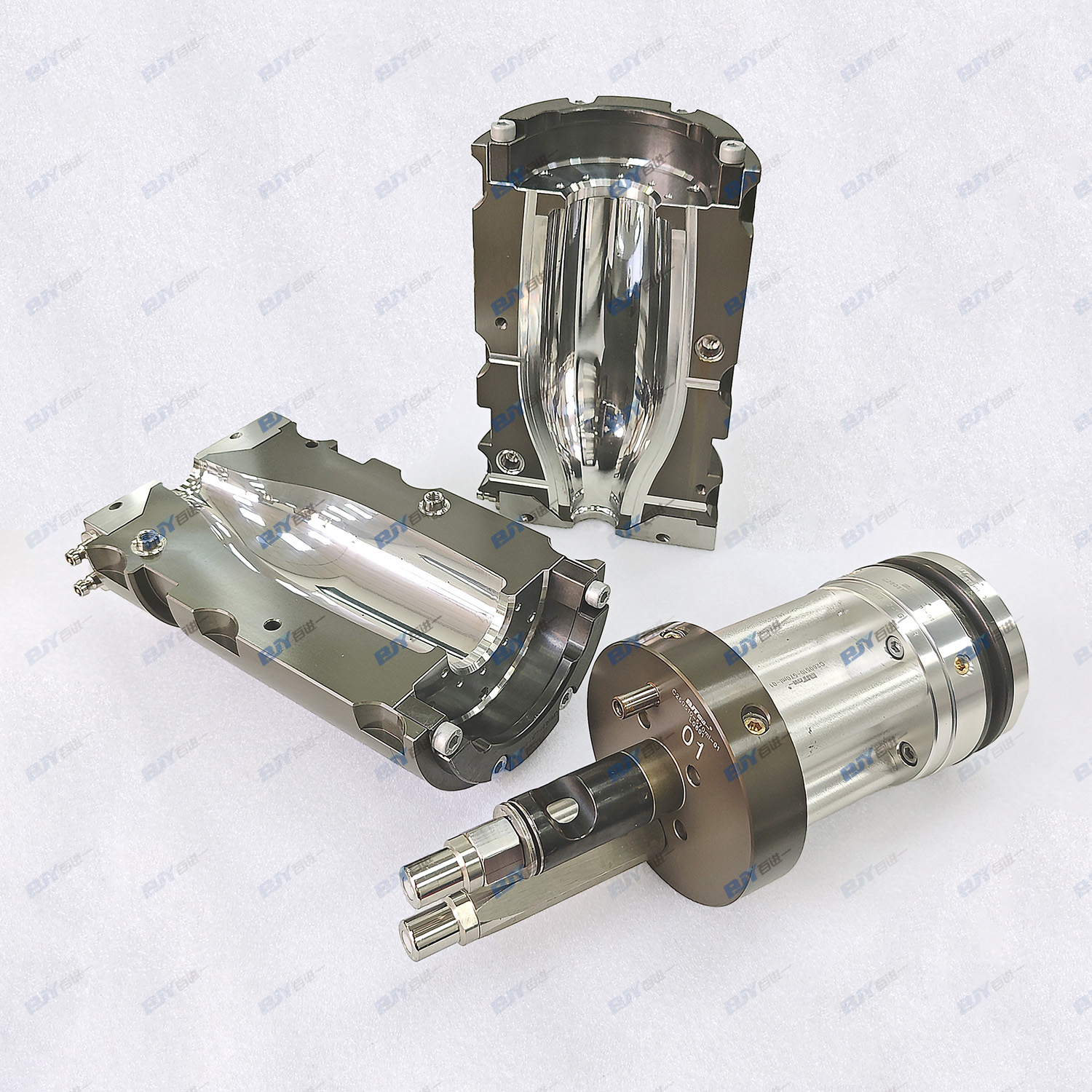
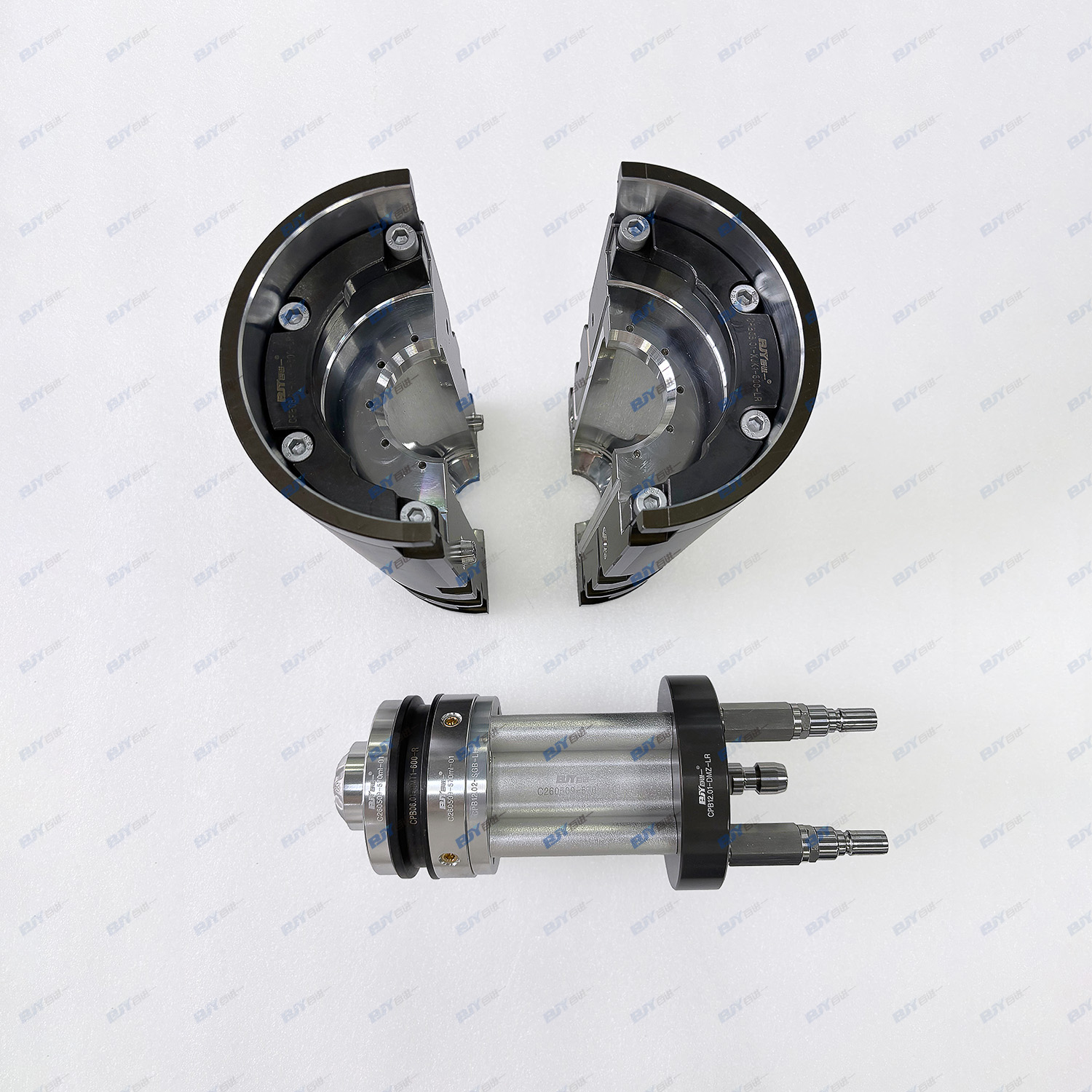
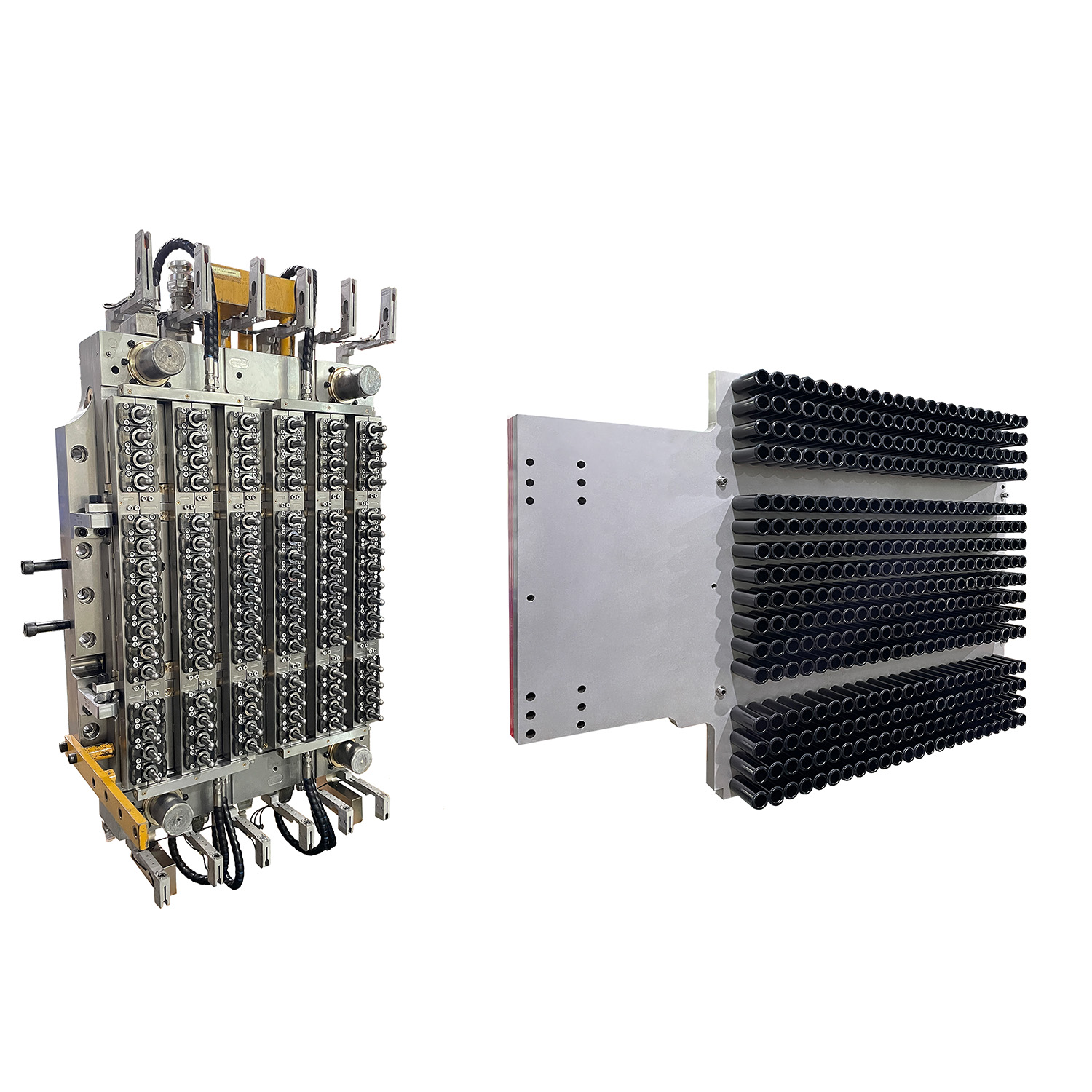
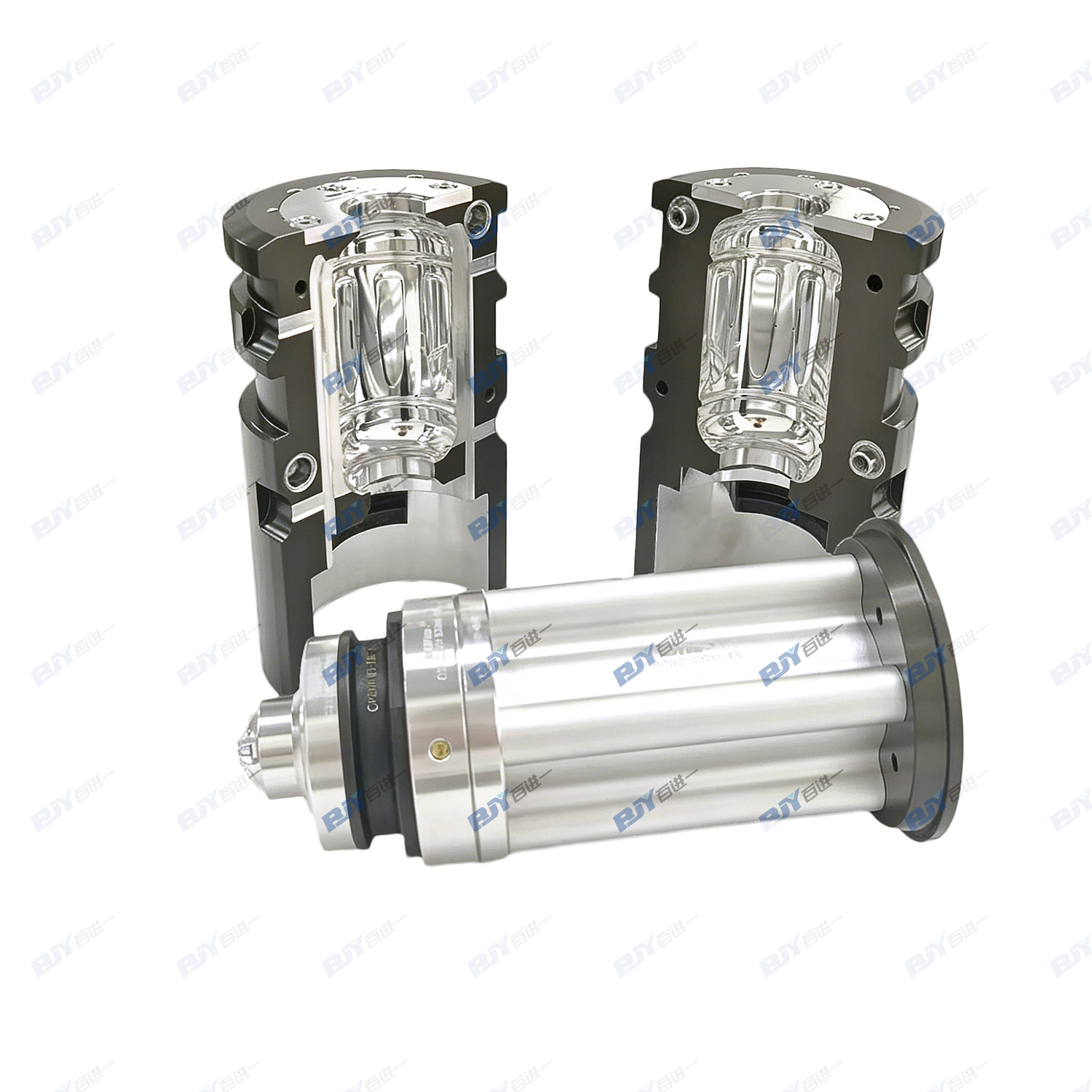
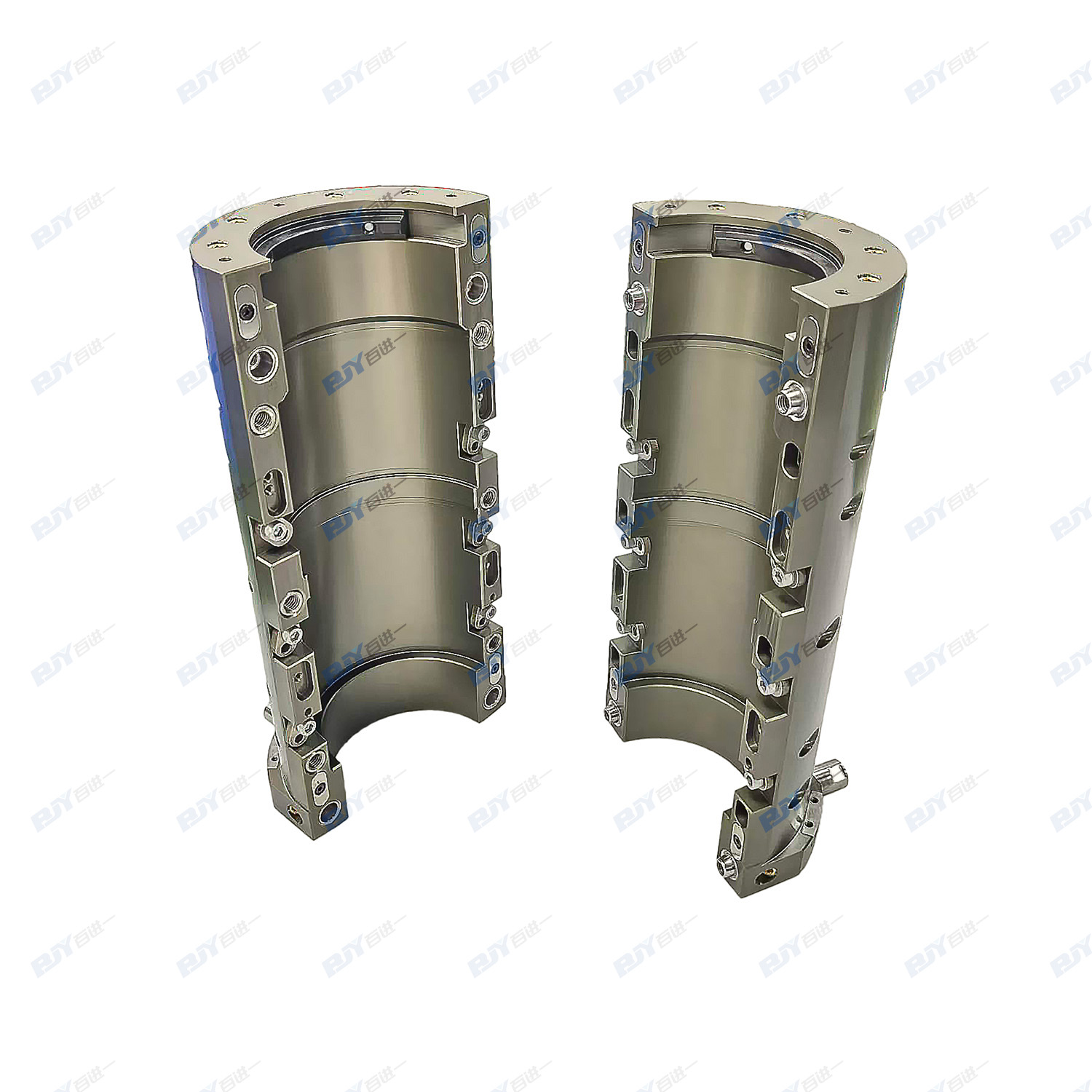
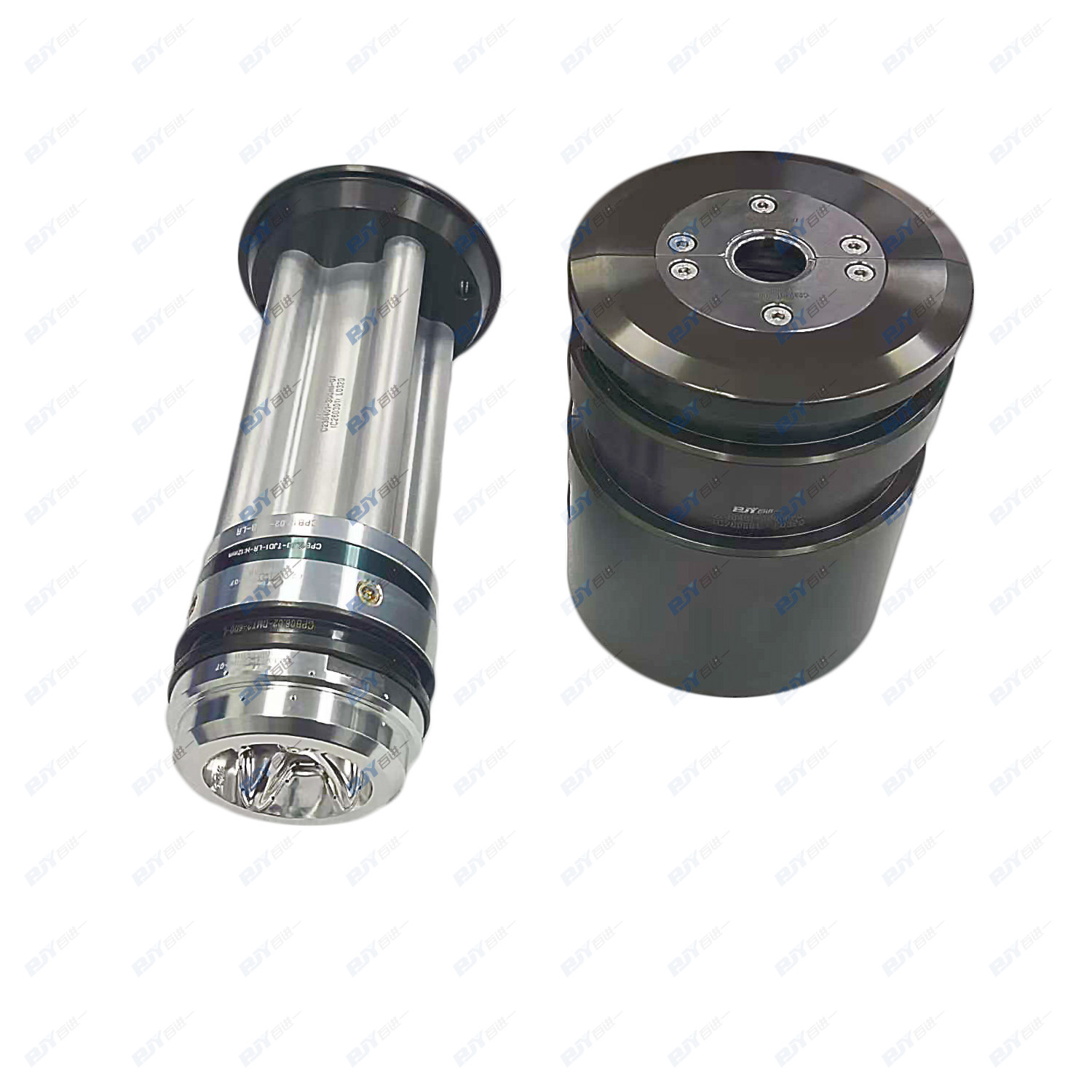
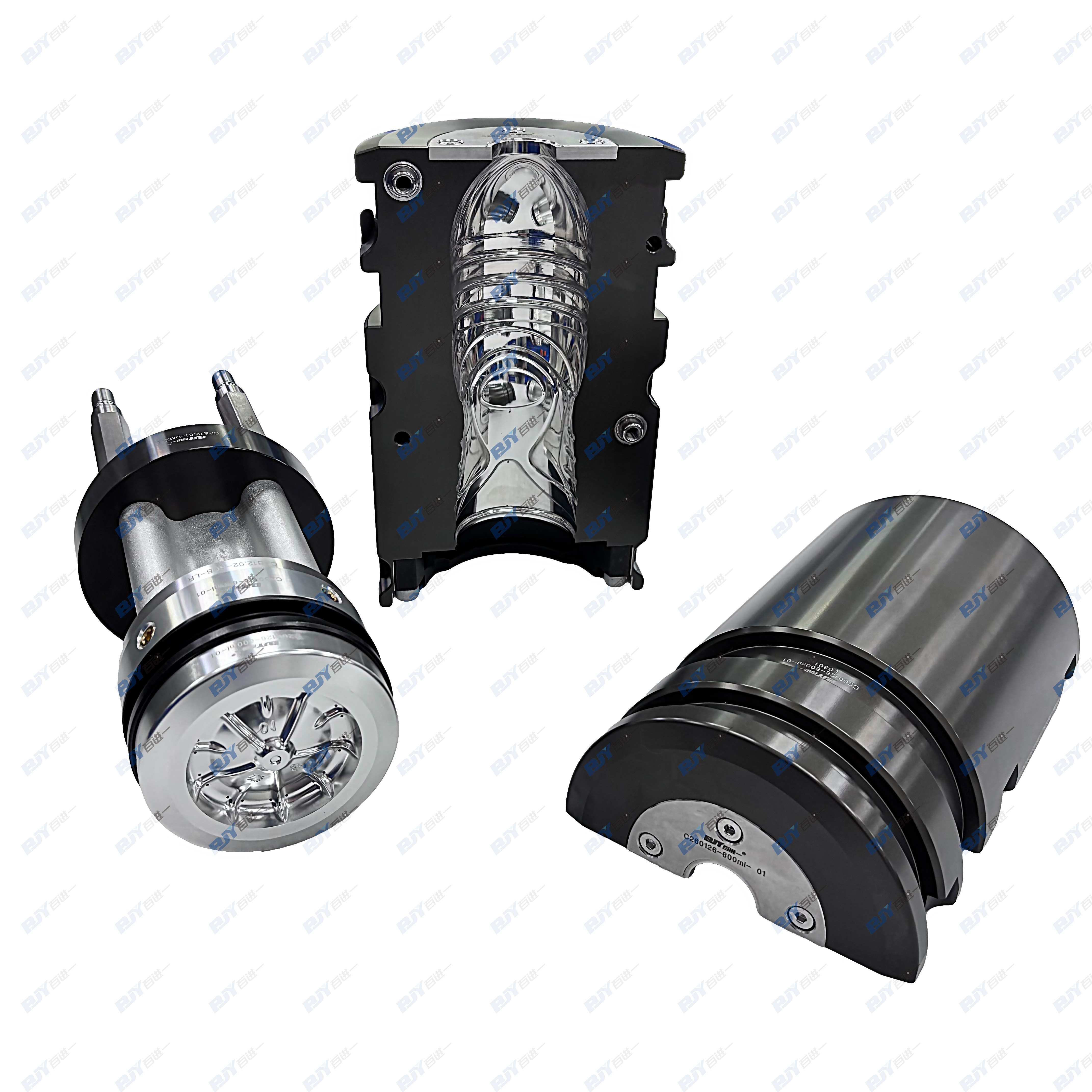
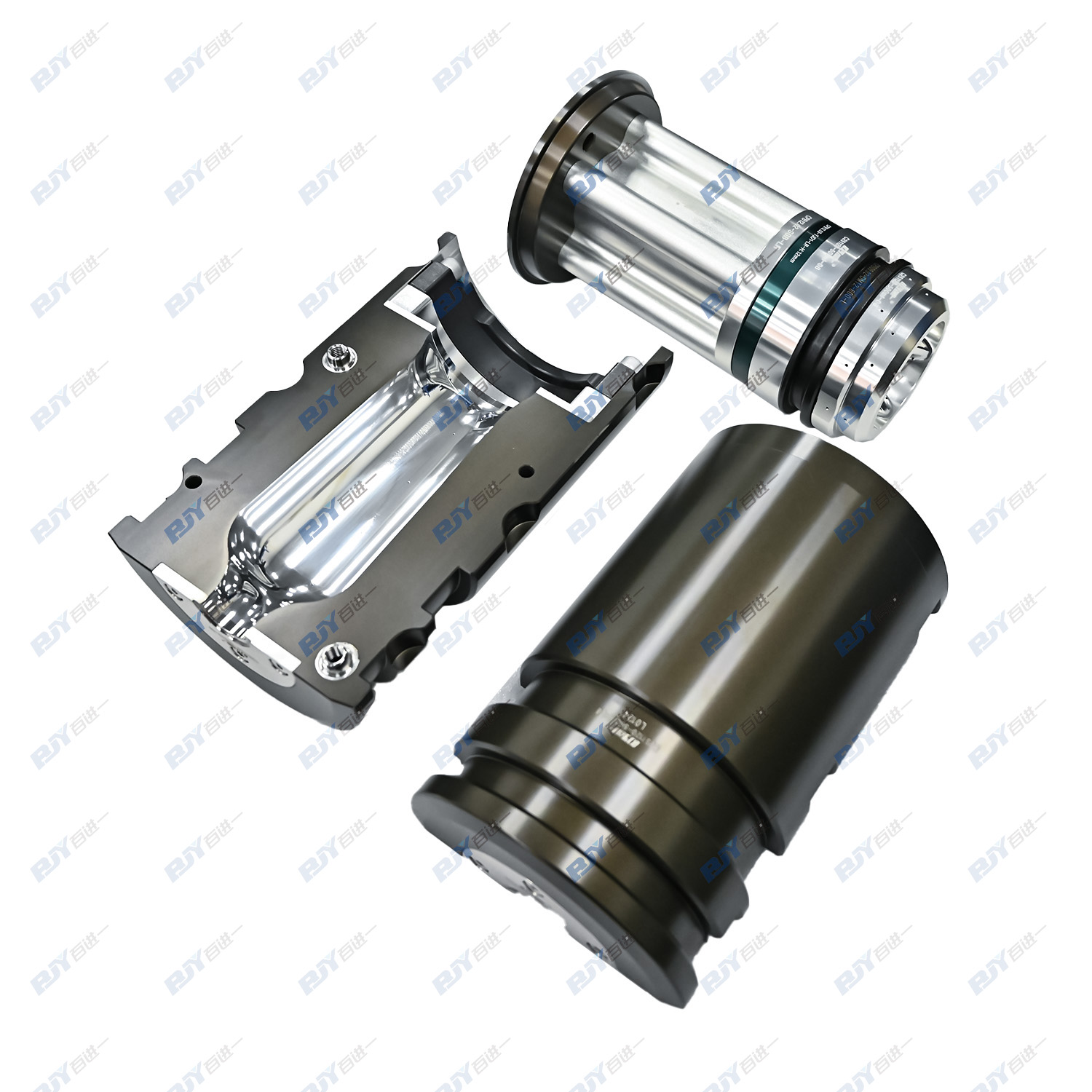
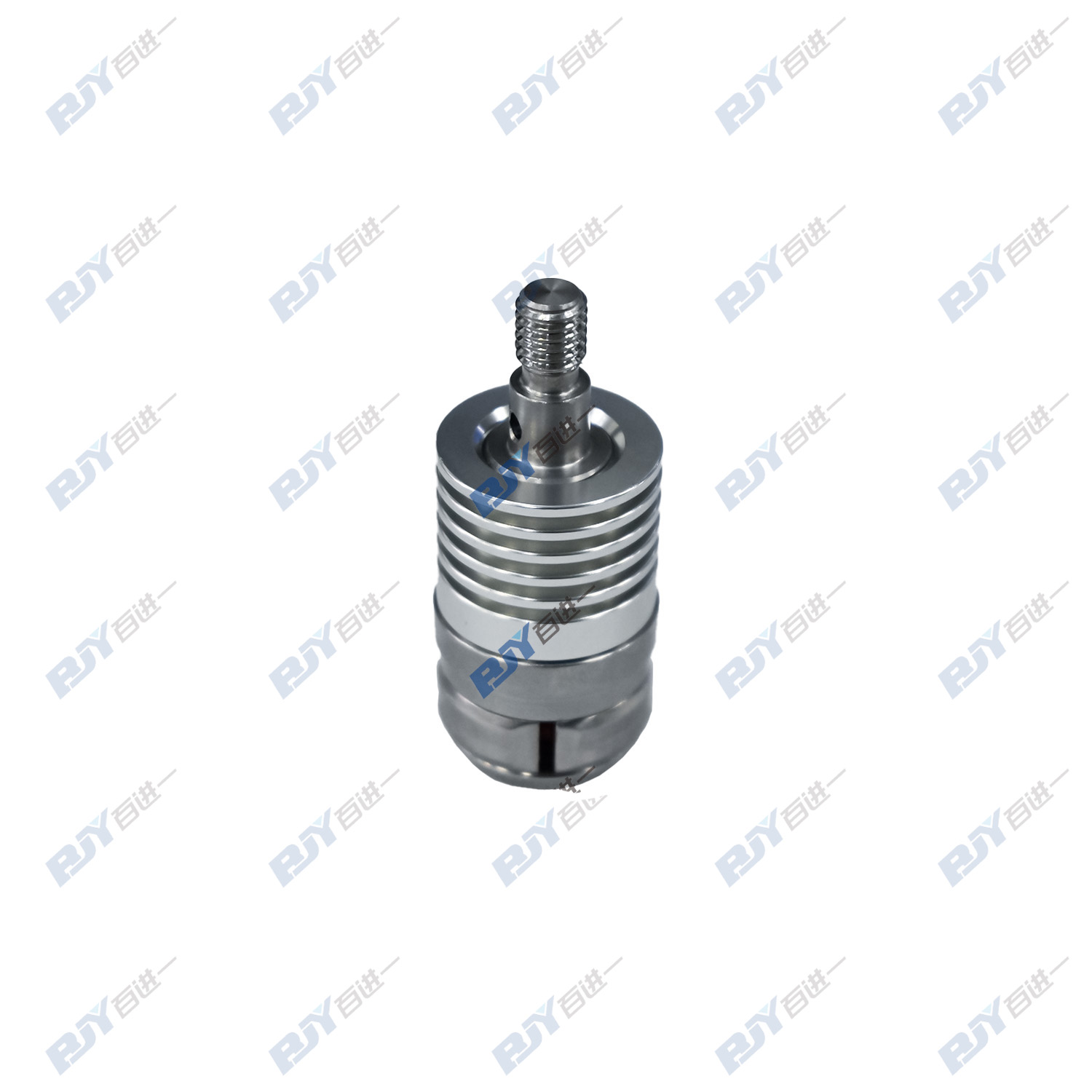
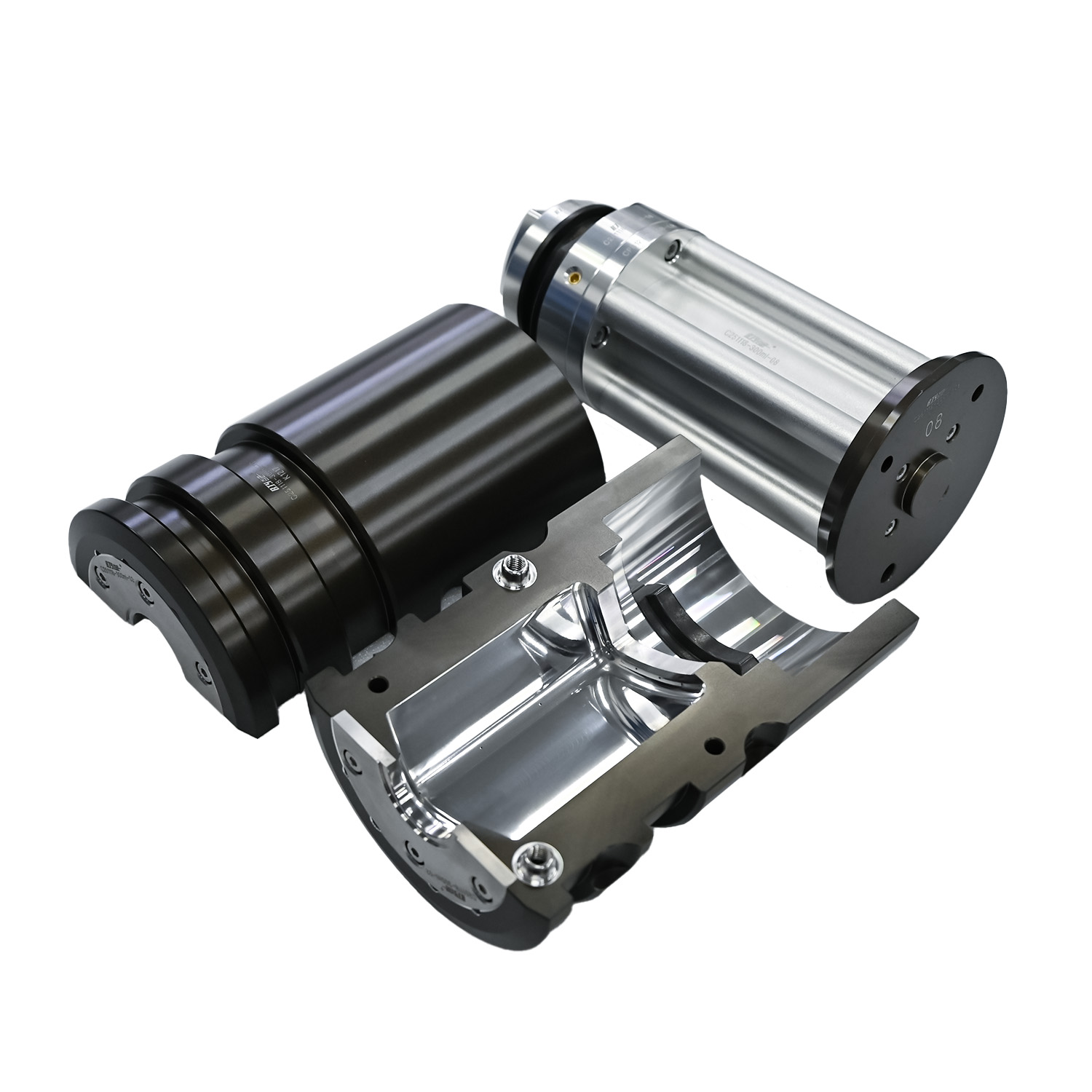
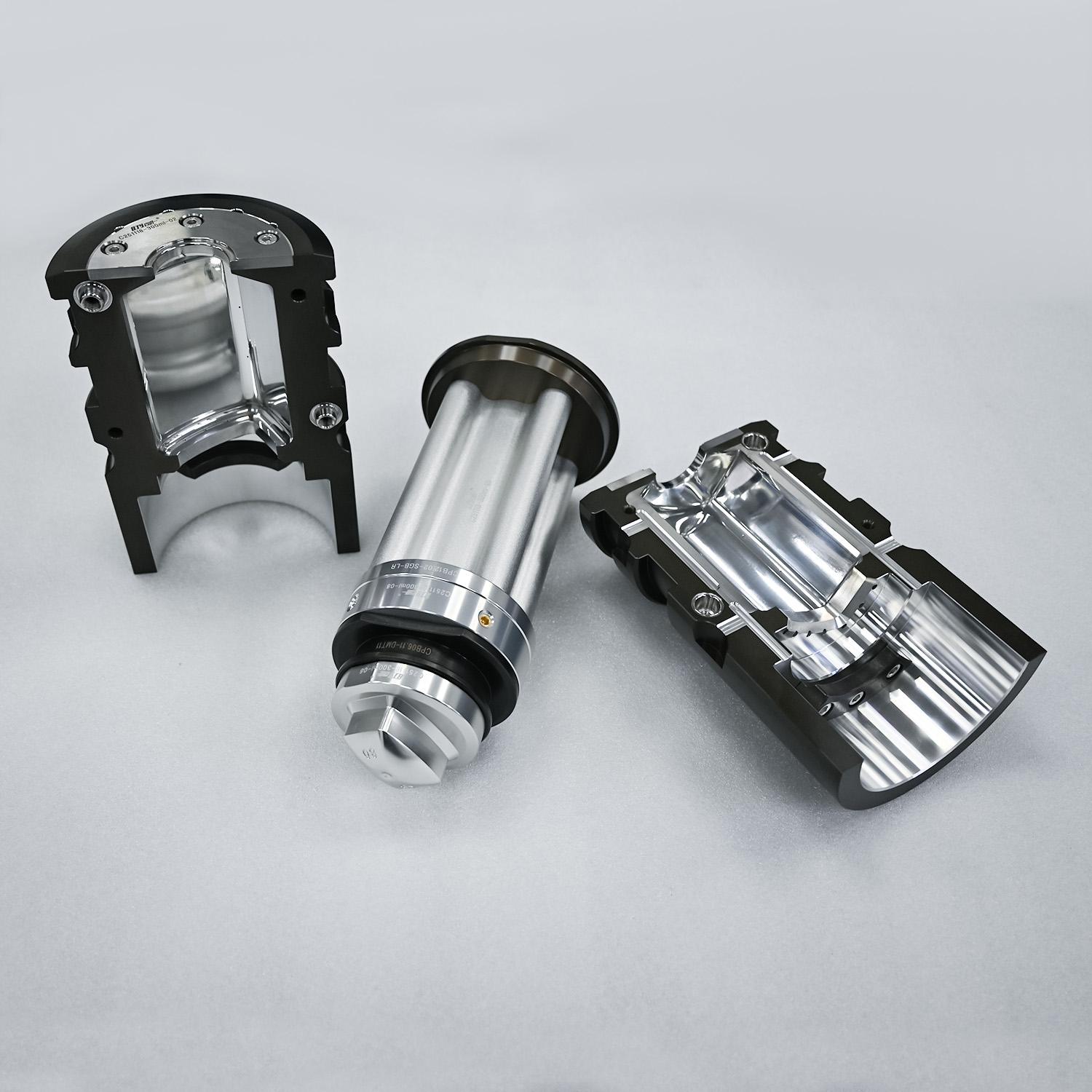
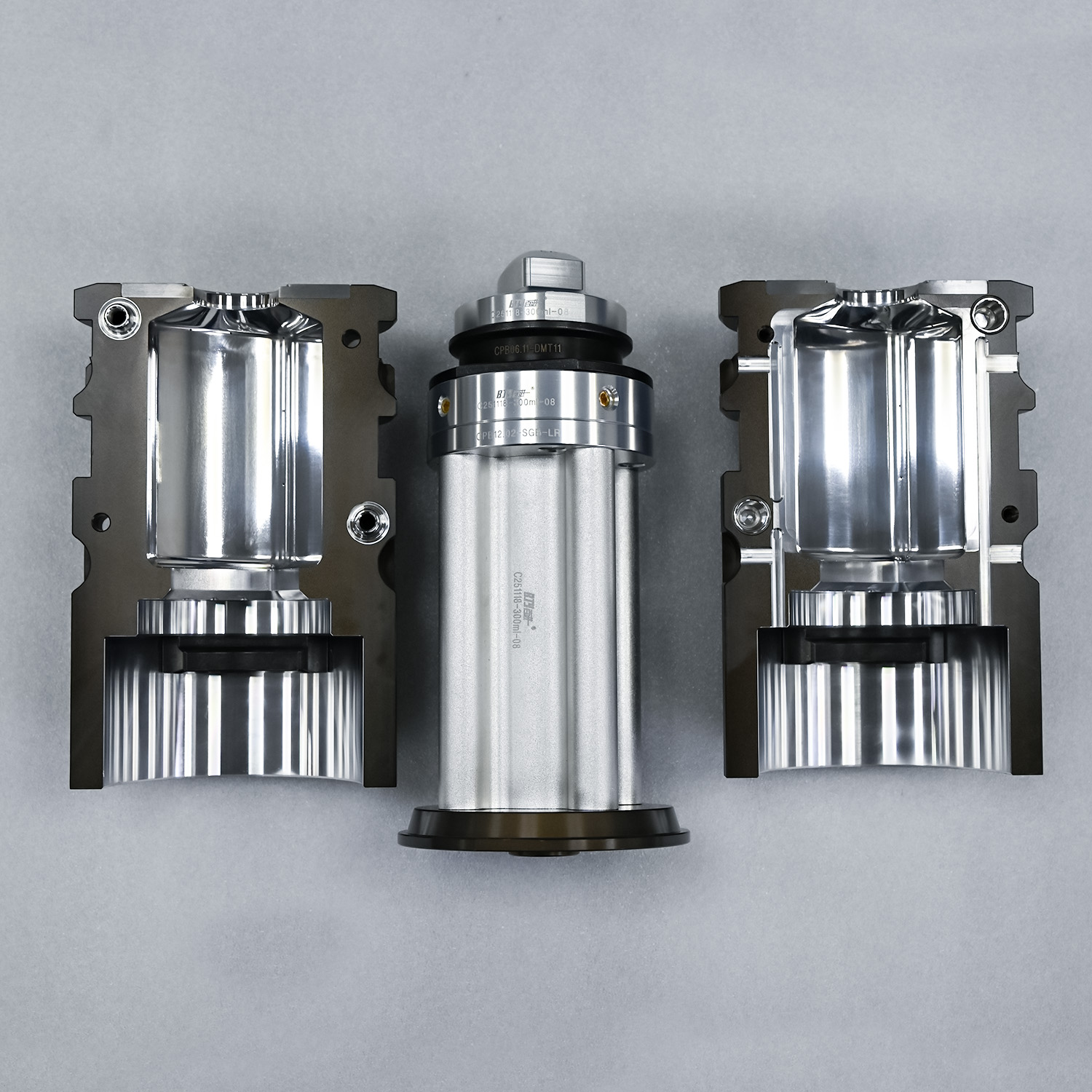
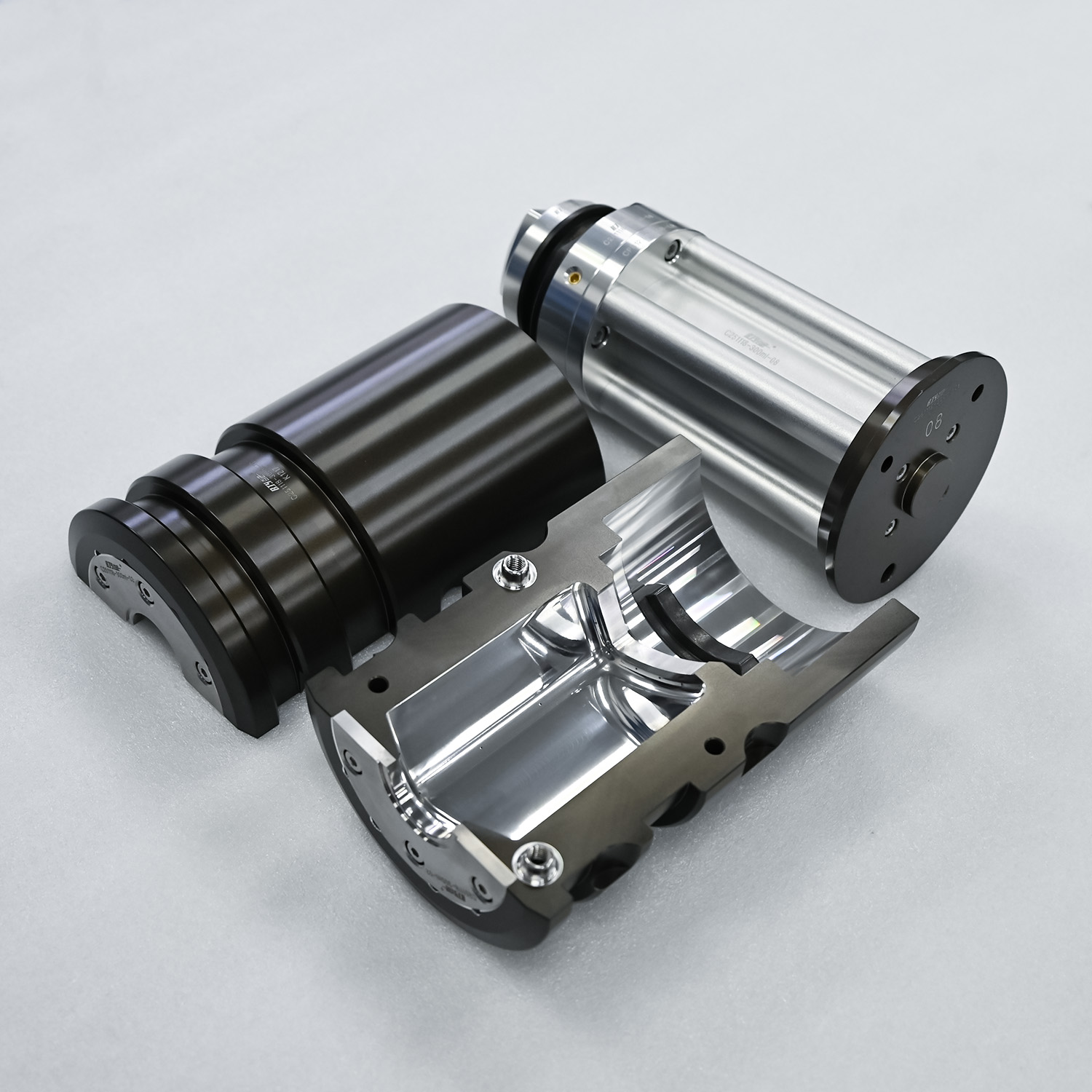
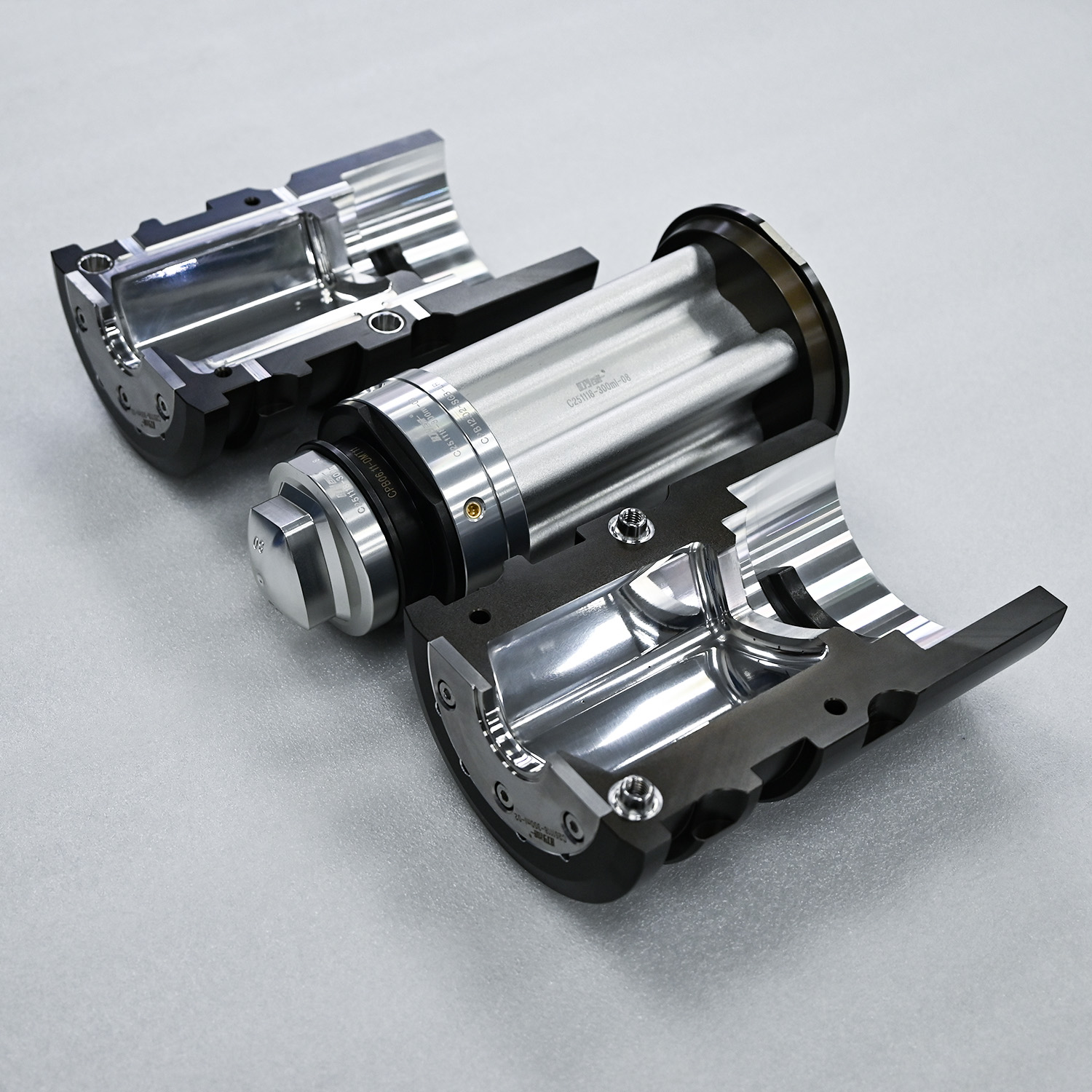
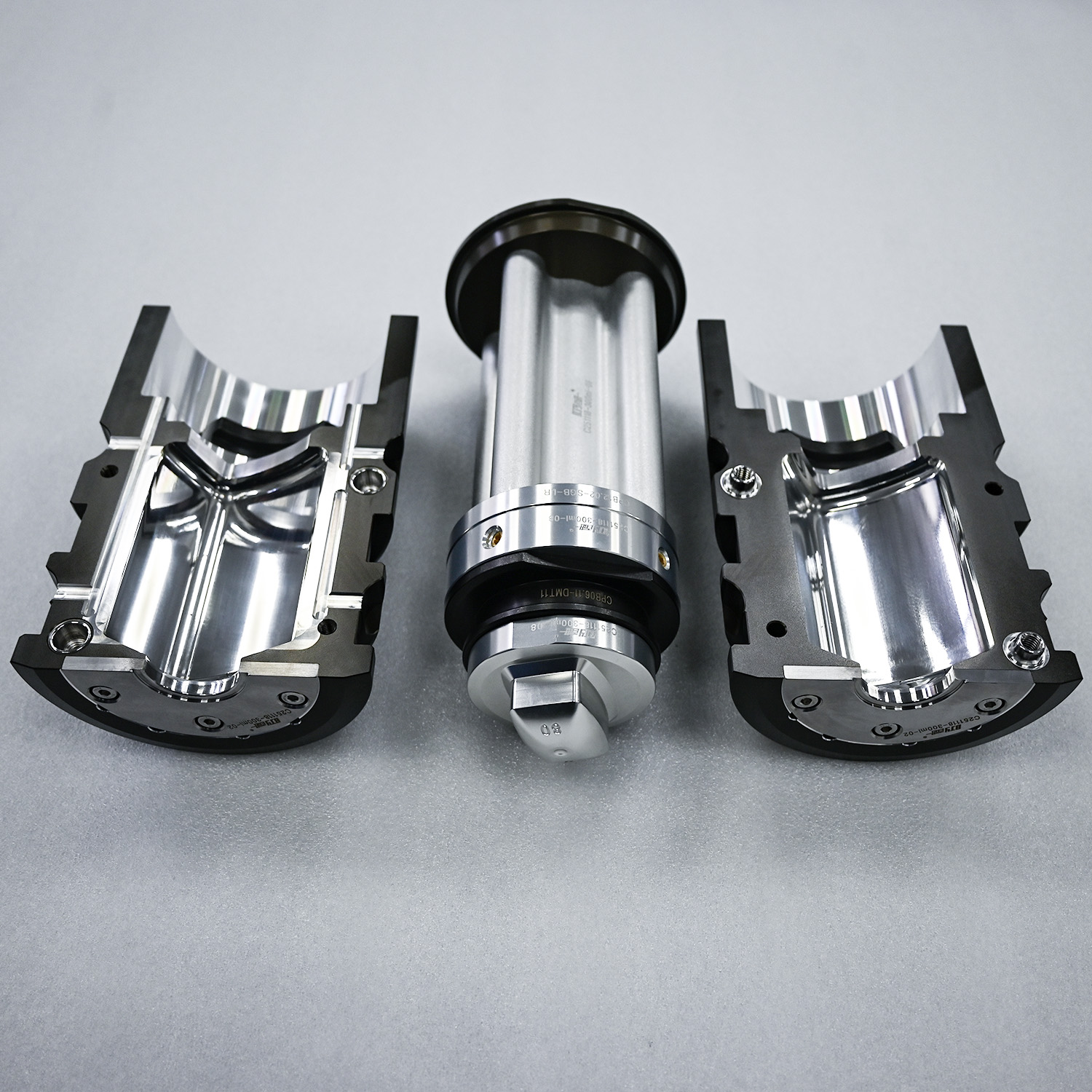
300ml Blow Mould for Aseptic
Material & Processing
The mould is made from selected imported aluminum, commonly used in PET blow mould manufacturing due to its stable structure and good cooling efficiency.
All cavities are machined by CNC equipment to maintain accurate dimensions and consistent wall thickness. The forming surface is finished carefully to support smooth demoulding and clear bottle appearance during production.
Basic Specifications
Bottle volume: 300ml
Mould size: Ø135 × 363 mm
Machine type: High-speed rotary blow moulding machine
Production line: Aseptic line
Compatible brand: Baiguan
Material: Imported aluminum alloy
Product Characteristics
Fast and even cooling during high-speed operation
Stable performance for continuous production
Smooth cavity surface, helping reduce bottle defects
Consistent bottle shape and size
Suitable for aseptic filling environments
Easy to maintain in daily operation
How the Blow Mould Works
In production, PET preforms are heated and transferred into the mould cavity. High-pressure air expands the preform until it matches the internal shape of the mould.
The aluminum structure allows heat to be released quickly through the cooling system. After the bottle cools down and becomes stable, it is released from the mould and transferred to the next process, such as filling or inspection.
Typical Applications
Bottled drinking water
Beverage aseptic filling lines
Dairy and liquid food packaging
PET bottle production plants
Blow Mould Maintenance Guidelines
Proper maintenance helps keep the mould working smoothly and extends its service life.
Cleaning
Forming areas, parting lines, and base mould surfaces should be cleaned periodically using medical degreasing cotton with dedicated cleaning agents.
New moulds do not require frequent cleaning, as they are cleaned before delivery. Excessive cleaning may reduce surface brightness.
When needed, deep cleaning can be performed, including polishing the cavity surface to restore a mirror finish.
Rust Protection
Anti-rust spray or oil should be applied to the mould surface to prevent corrosion.
Moulds should be stored in a dry and ventilated environment, avoiding direct sunlight and high temperatures.
Lubrication
Guide pillars, bushes, and sliding components should be lubricated regularly using suitable lubricant or food-grade grease.
Over-lubrication should be avoided to prevent oil entering the cavity.
Inspection & Repair
Key components such as guide pillars, sliders, and vent holes should be checked regularly for wear or blockage.
Minor scratches can be polished; serious damage should be repaired or parts replaced.
Cooling Channel Care
Softened water or dedicated cooling liquid is recommended to reduce scale buildup.
Cooling channels should be inspected and cleaned monthly to ensure stable cooling performance.
Storage
After use, the mould should be cleaned and internal liquids drained.
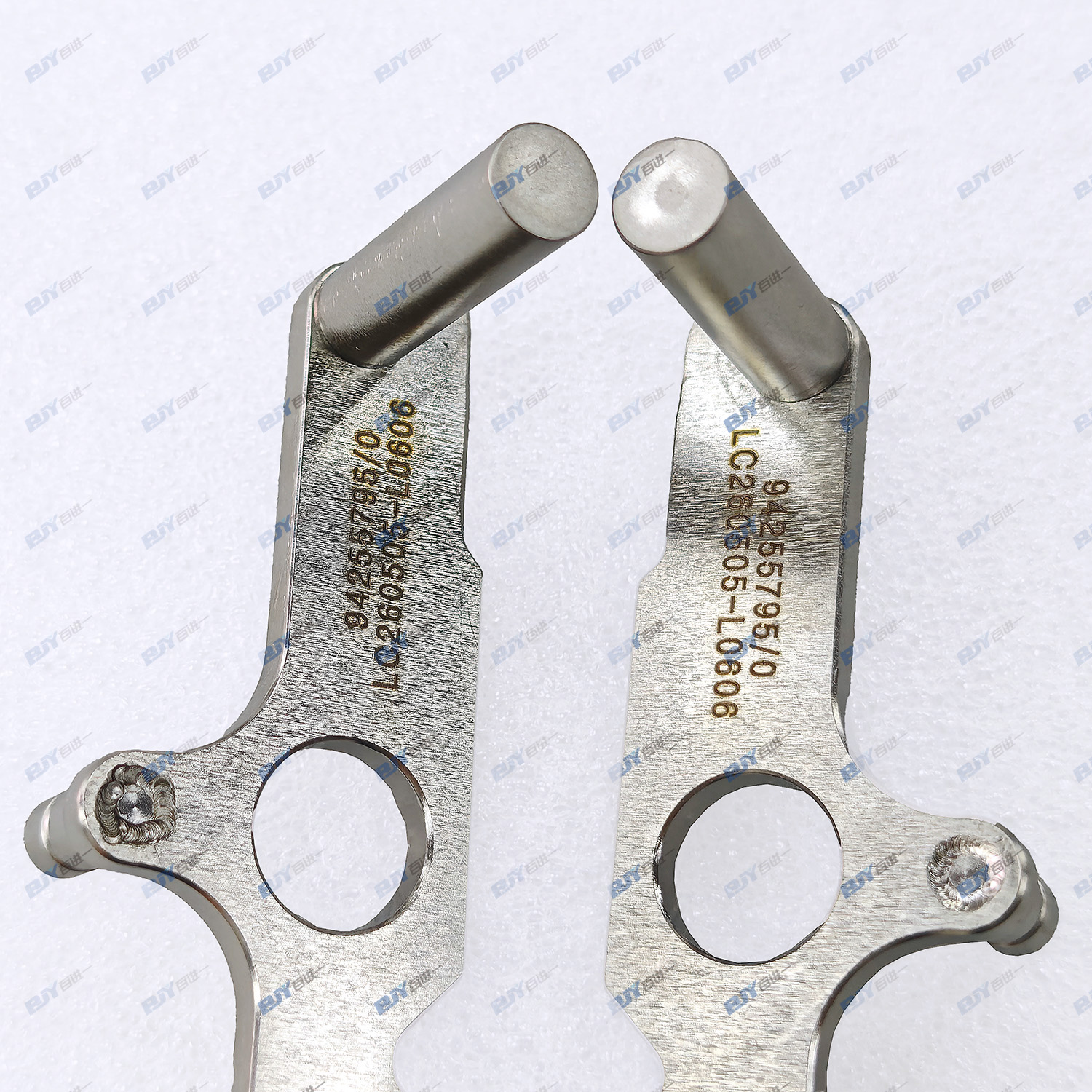
Mould halves should be fixed and stored on proper racks. Stretch rods should be stored vertically to prevent deformation.
About BJY
Foshan Baijinyi Precise Technology Co., Ltd. (BJY) was established in 2011 and focuses on PET mould manufacturing.
We supply blow moulds and related tooling to customers in different markets, aiming to provide practical solutions with stable quality and reasonable cost. Each mould is produced with attention to material selection, machining accuracy, and long-term usability.
More company information is available at:
www.bjypetmold.com
description2