 Chinese





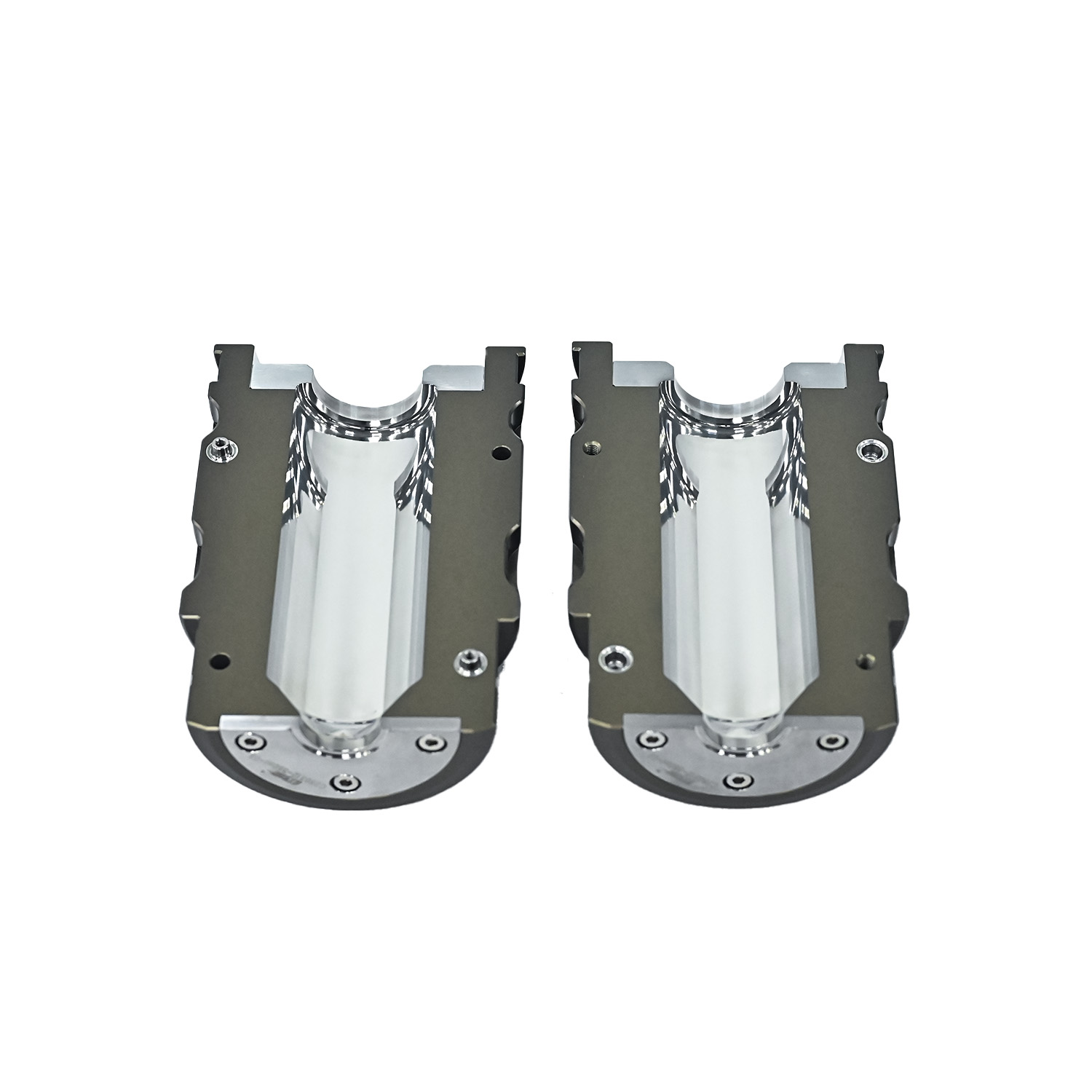
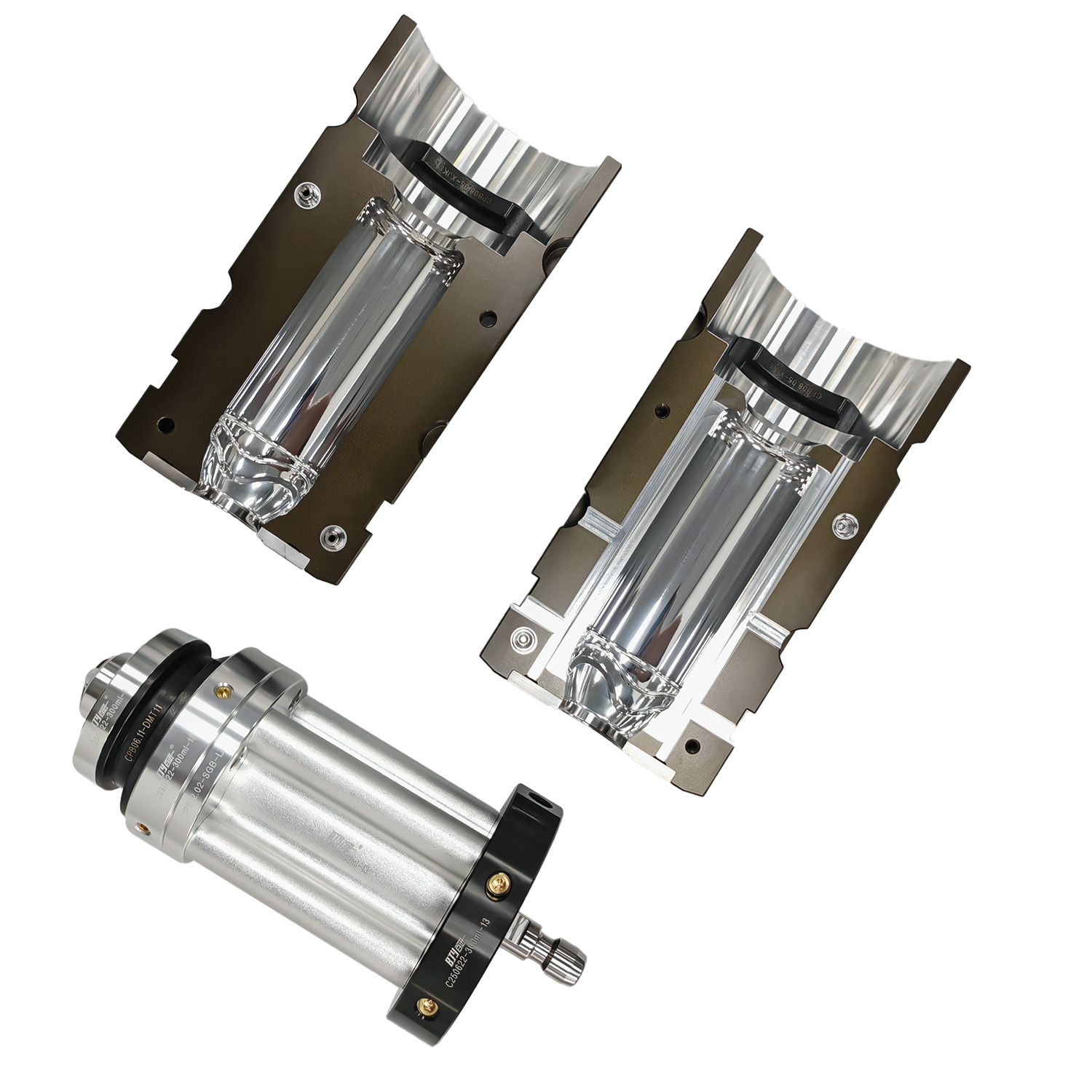
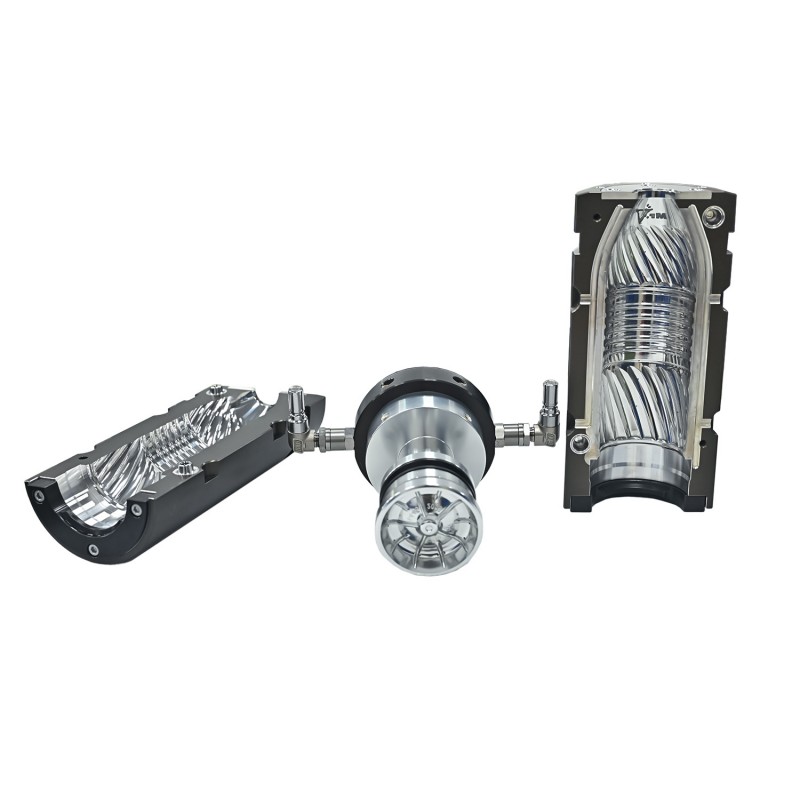
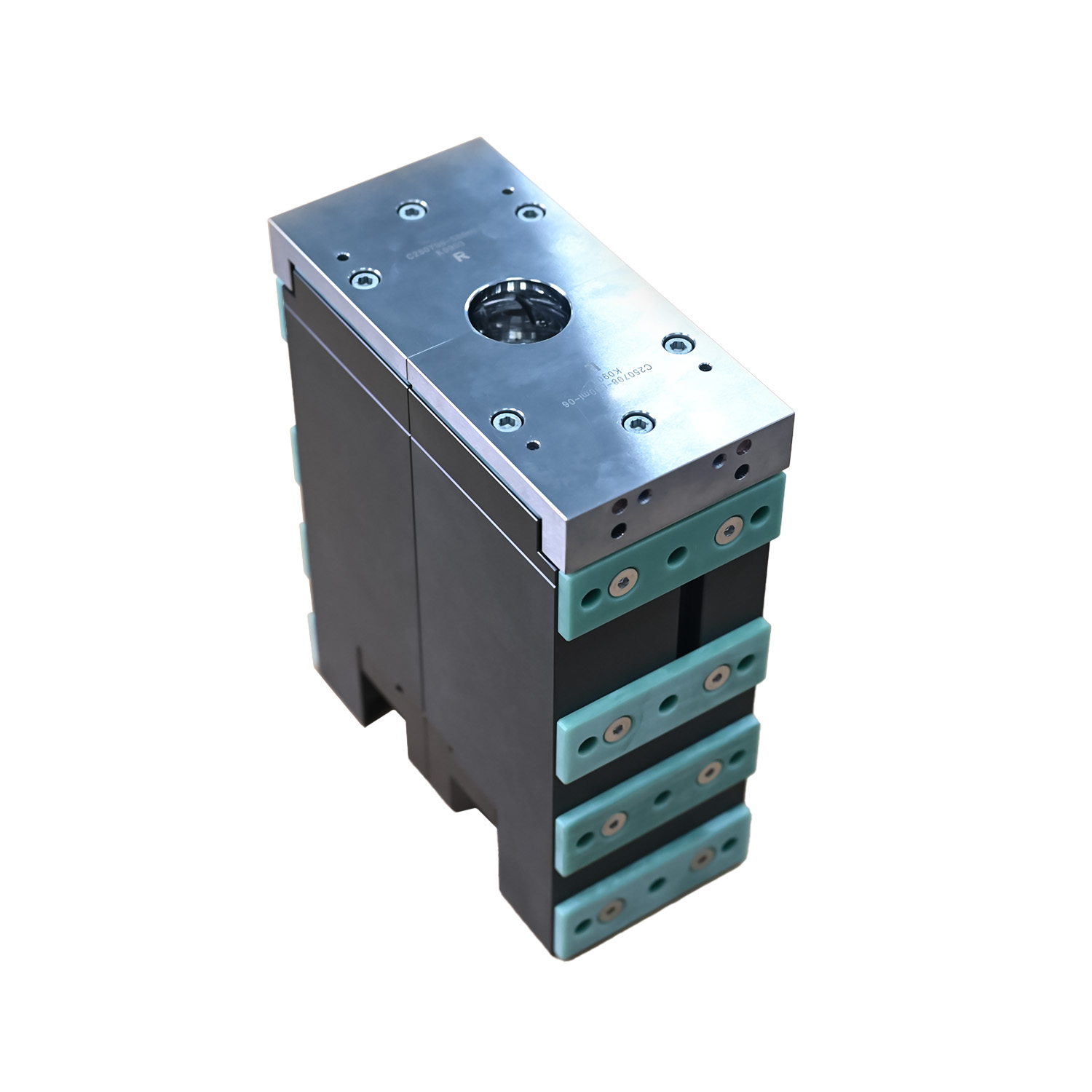
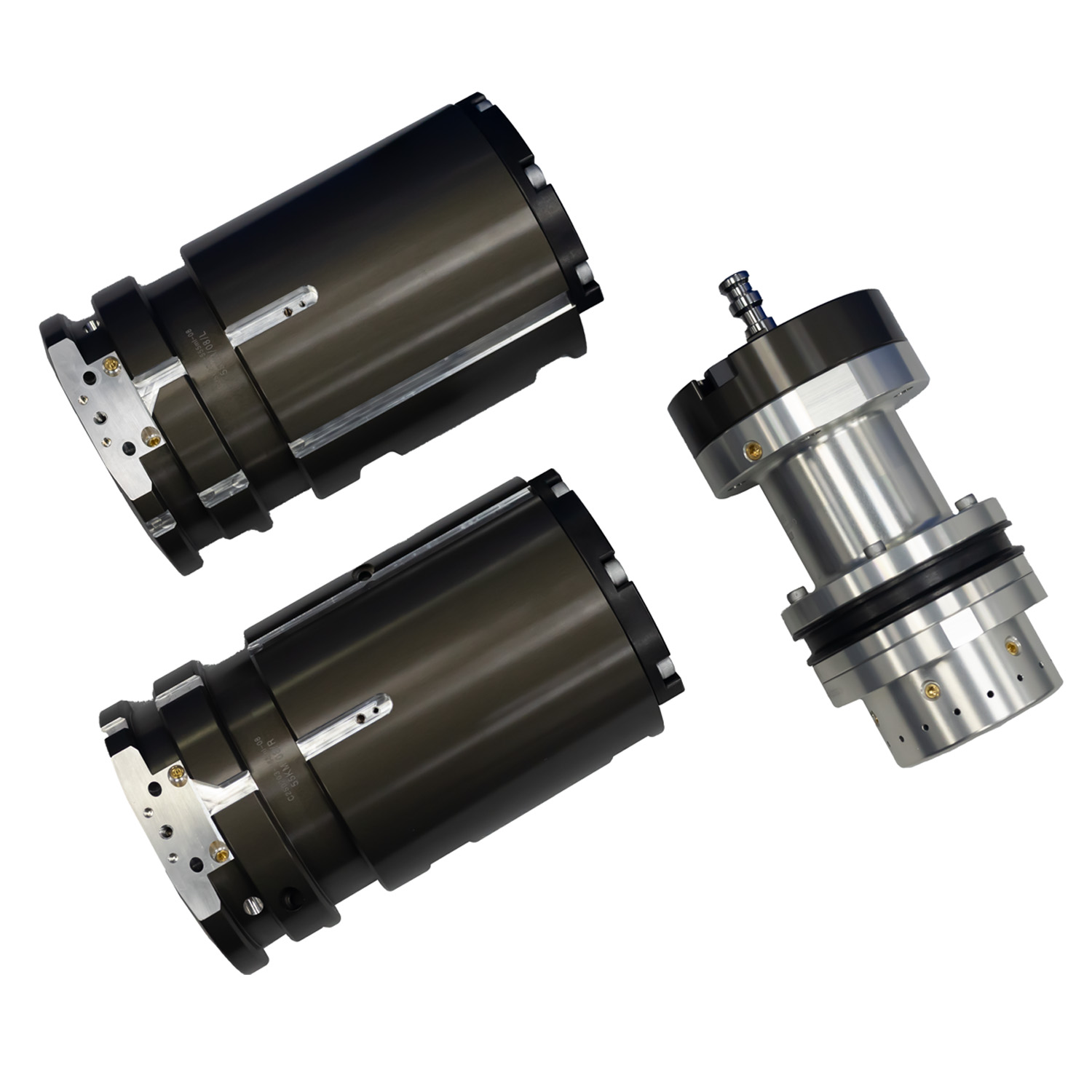
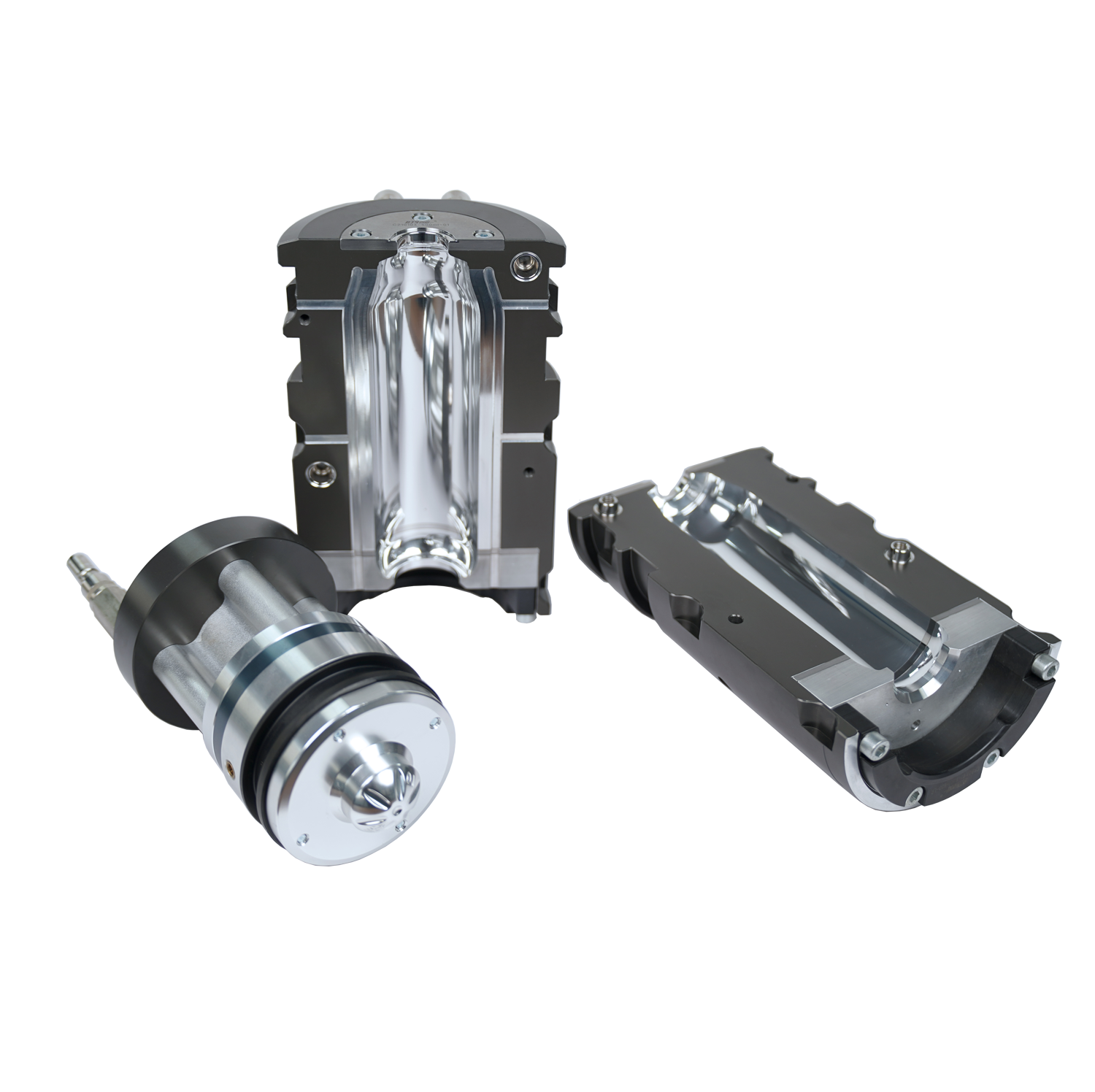
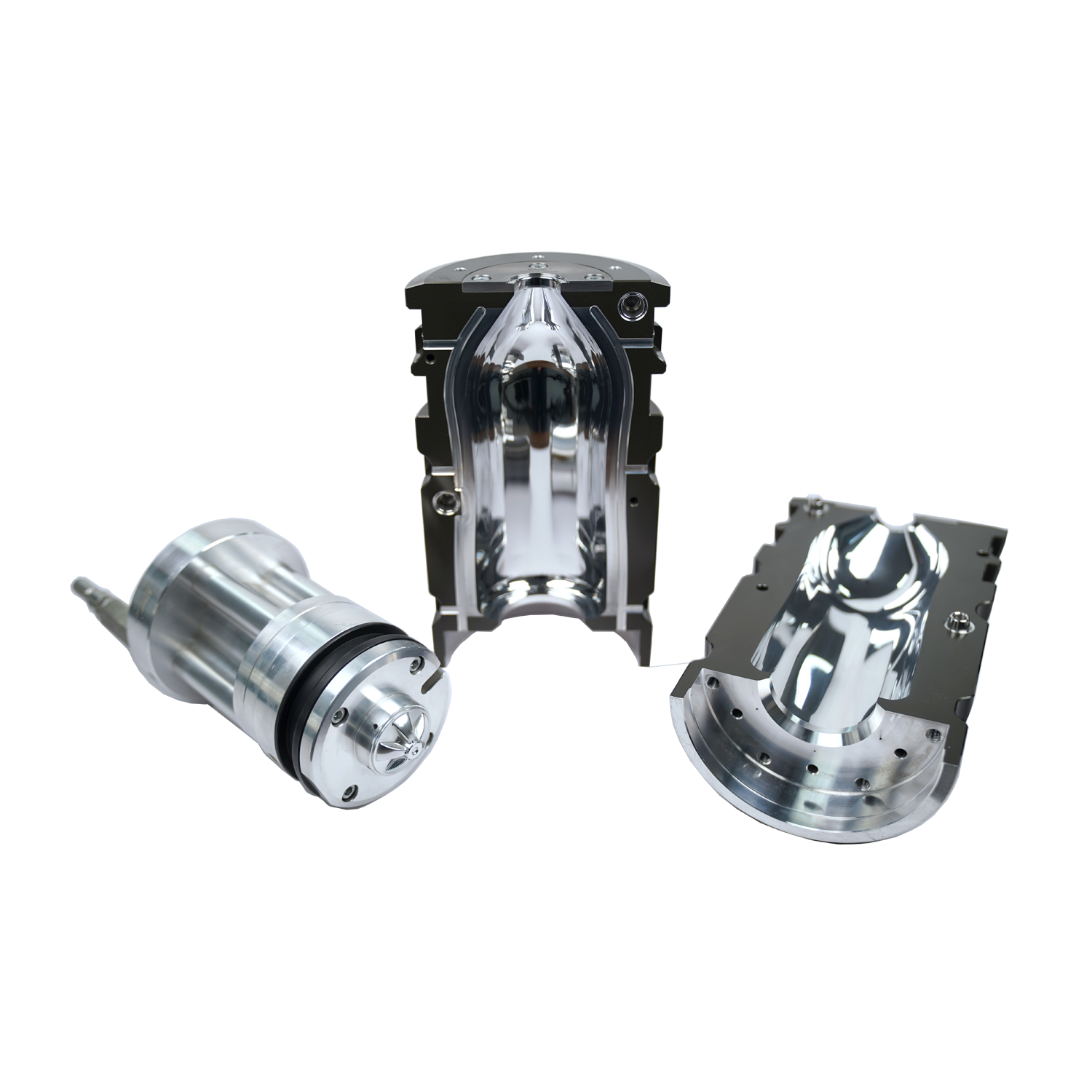
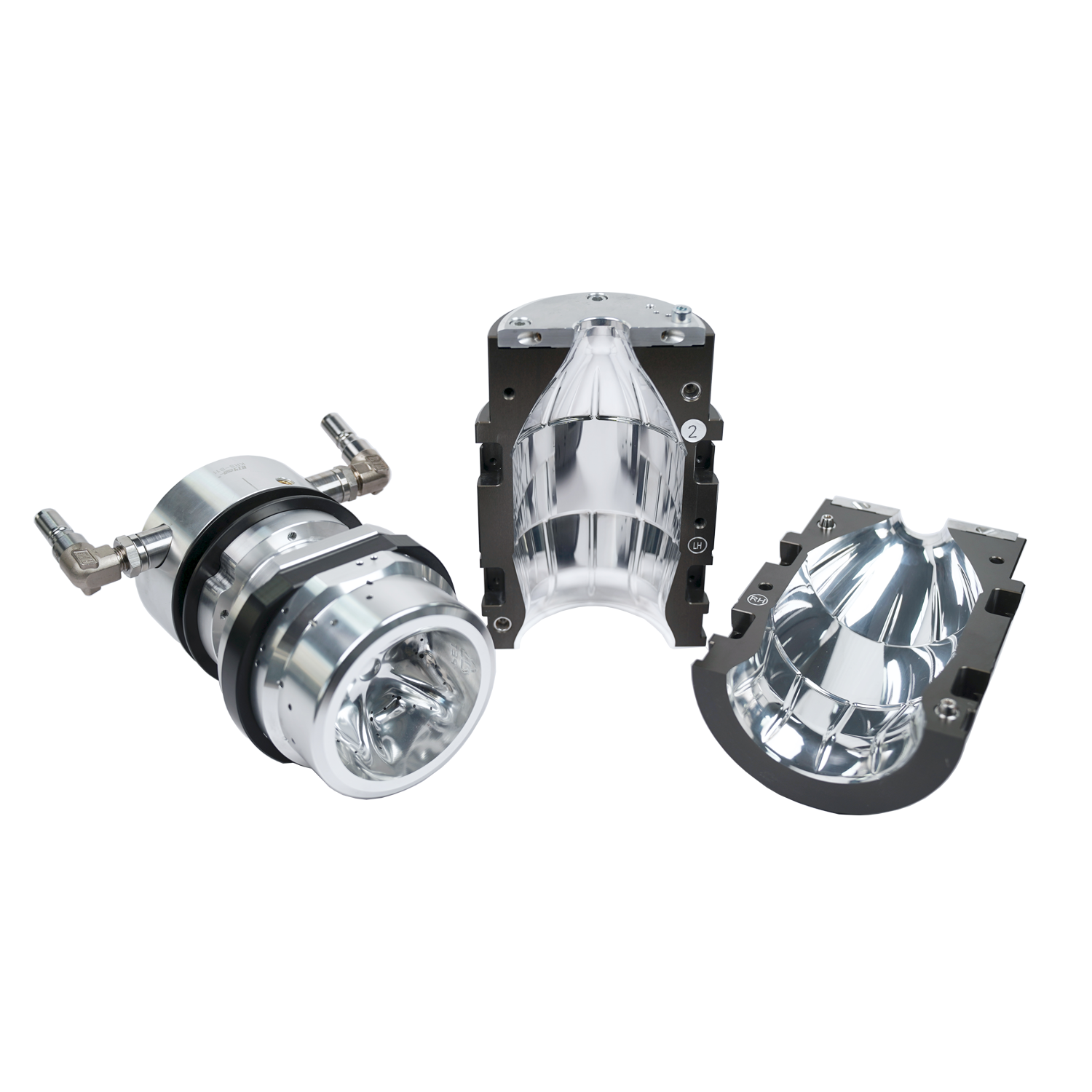
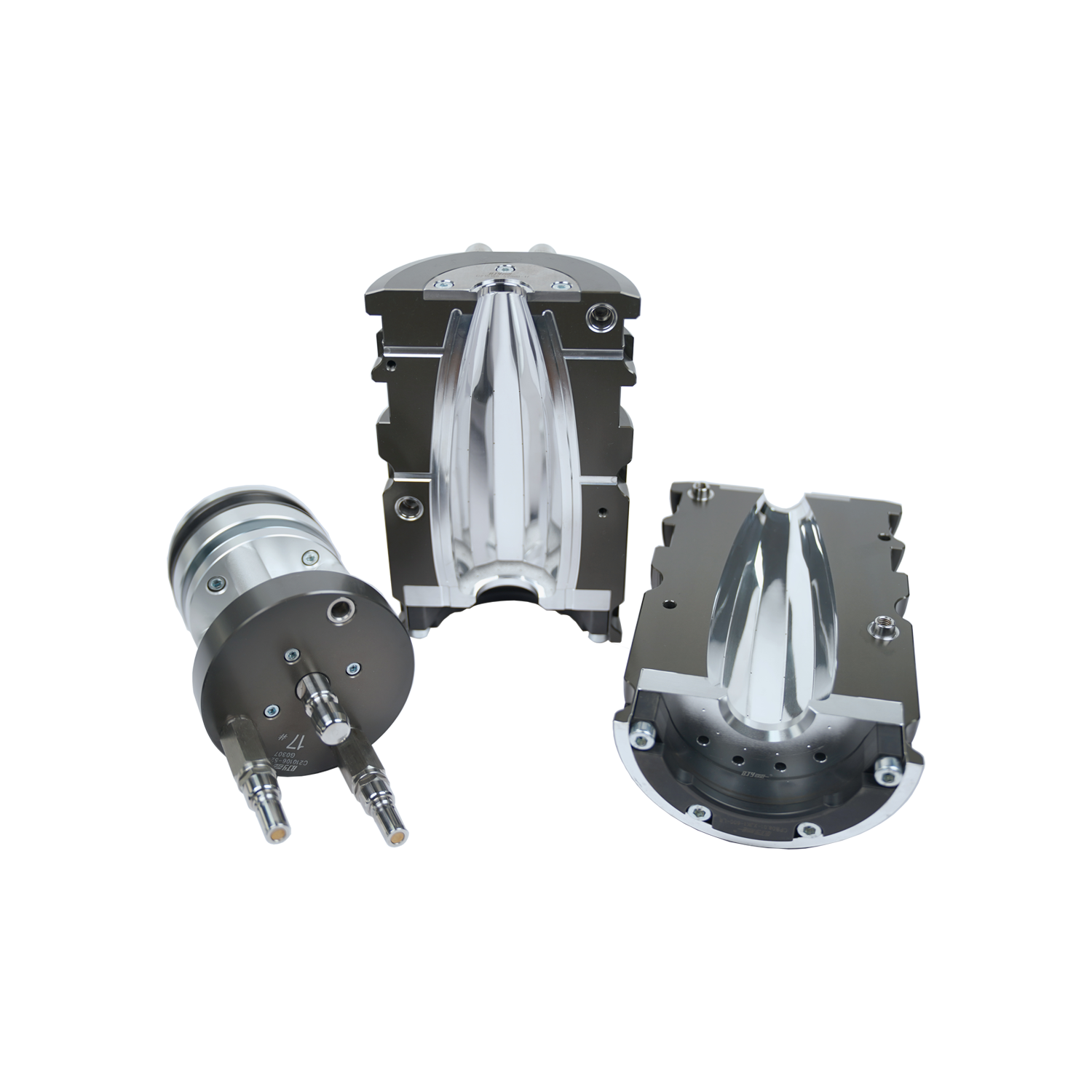
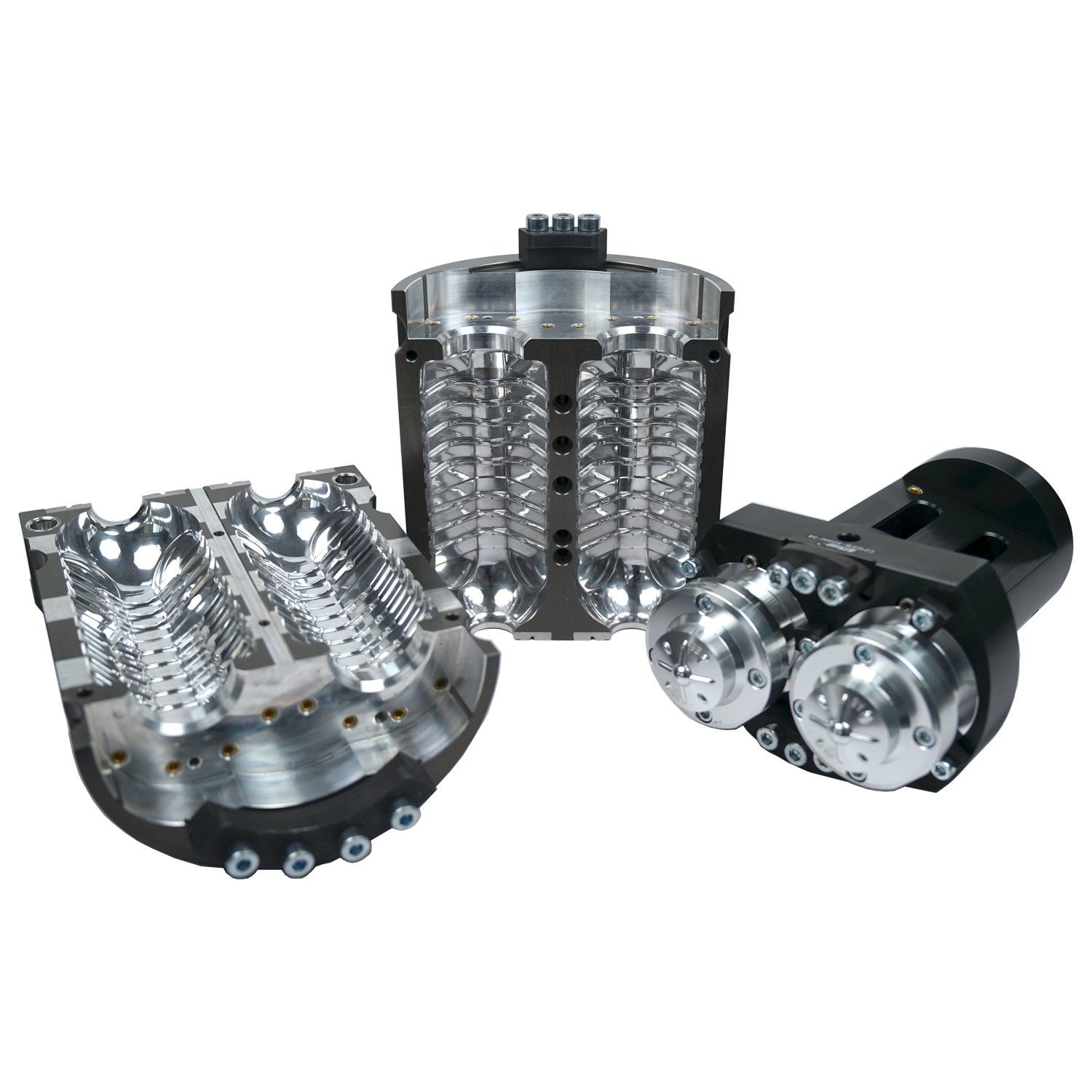
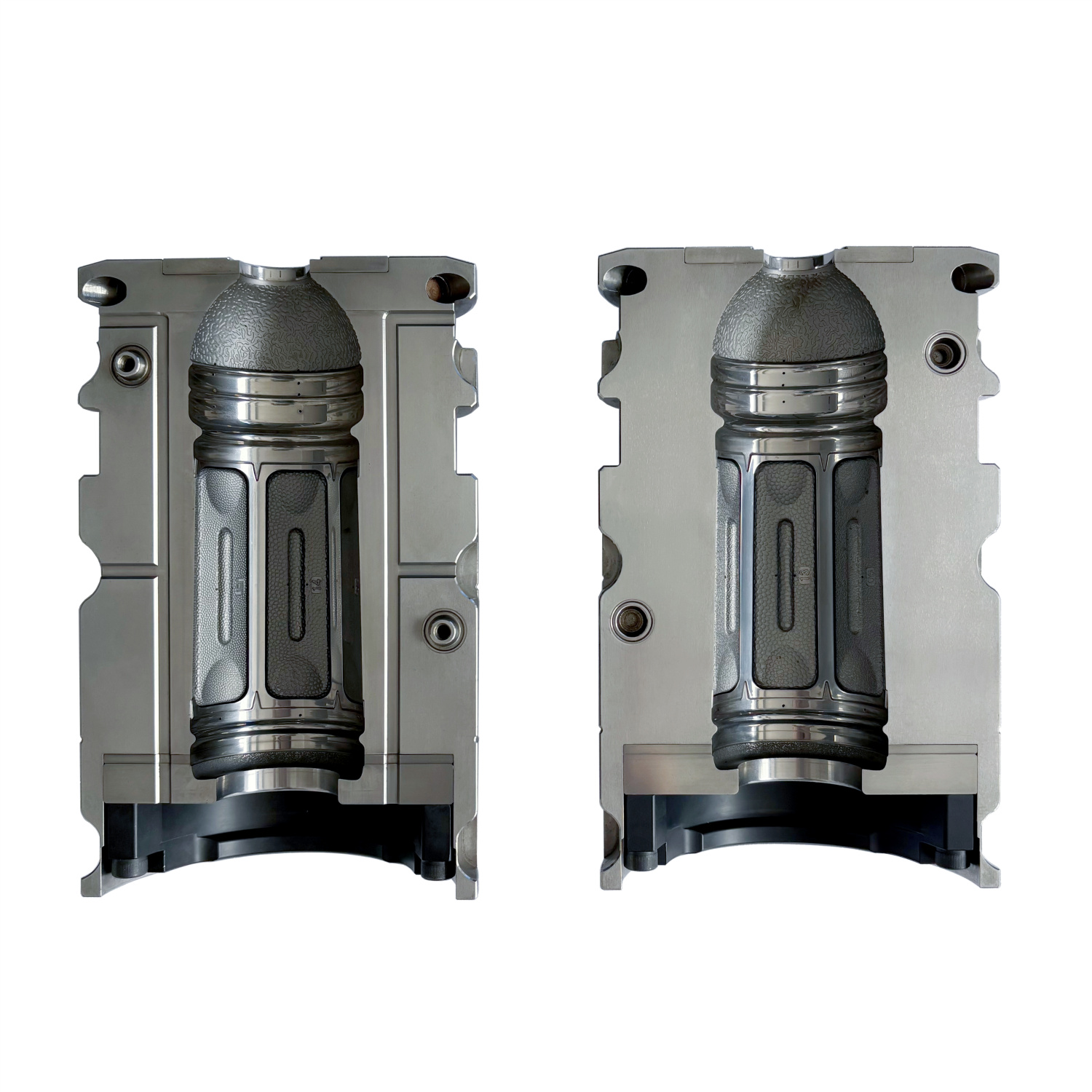
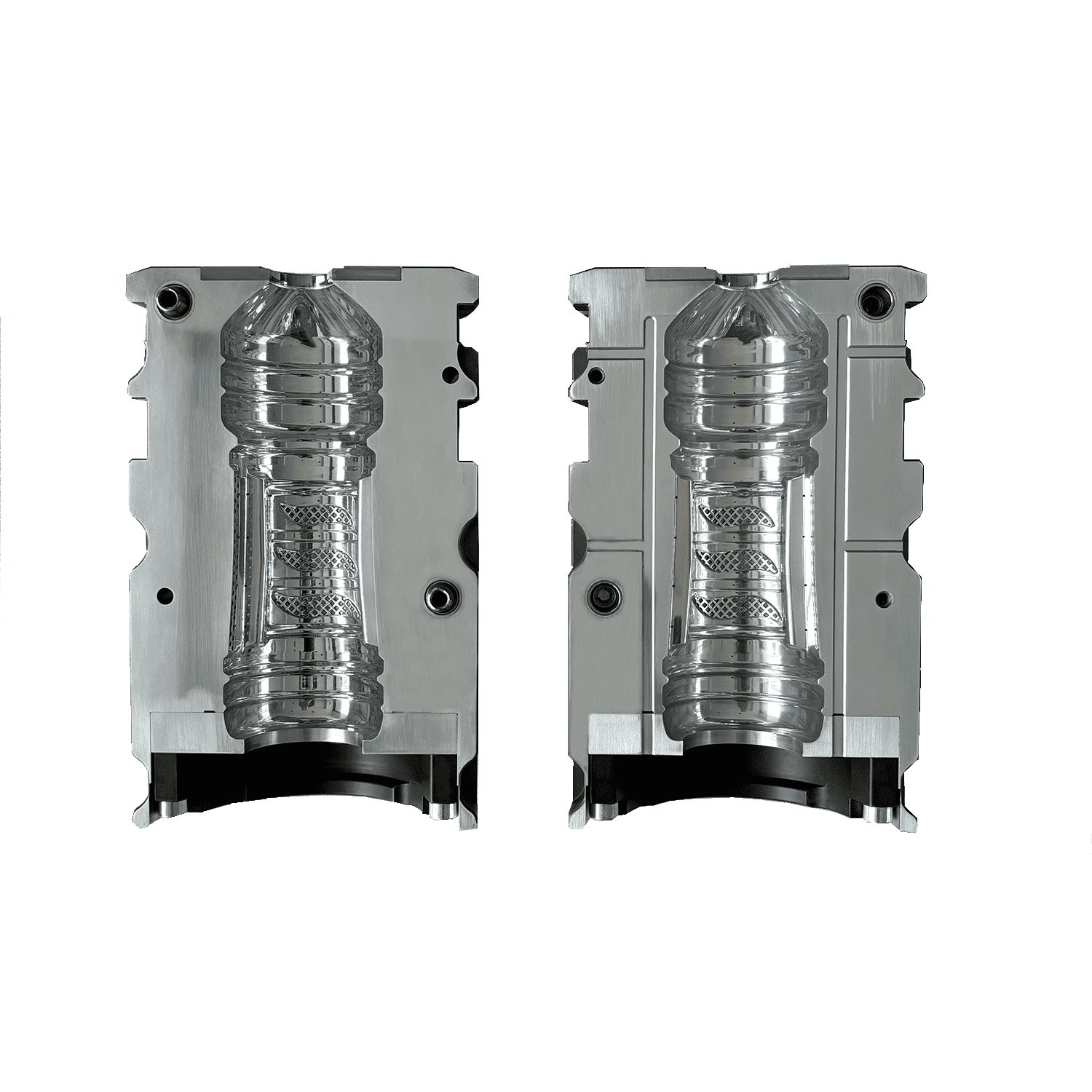
PET Blowing Mold
PET Blowing Mold
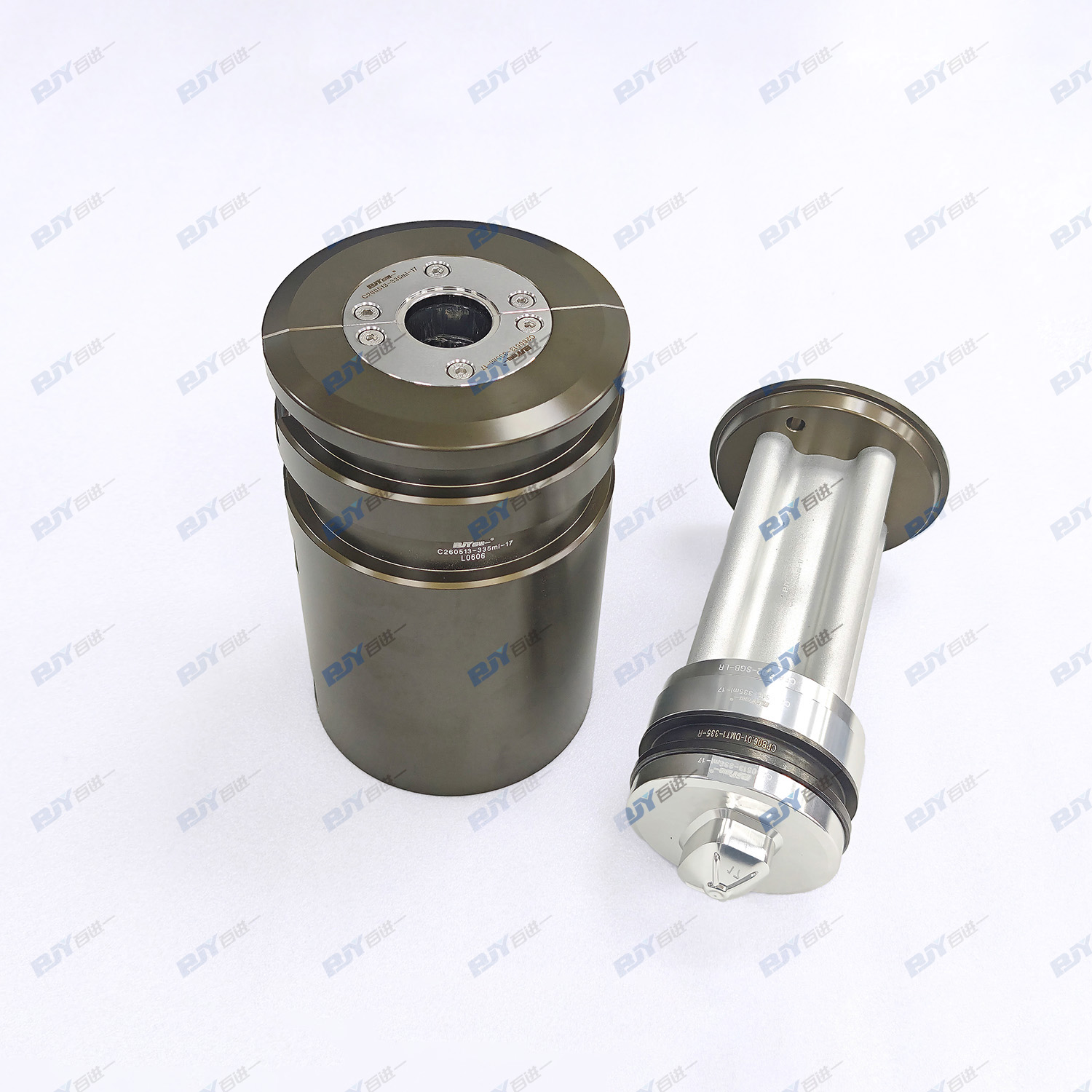
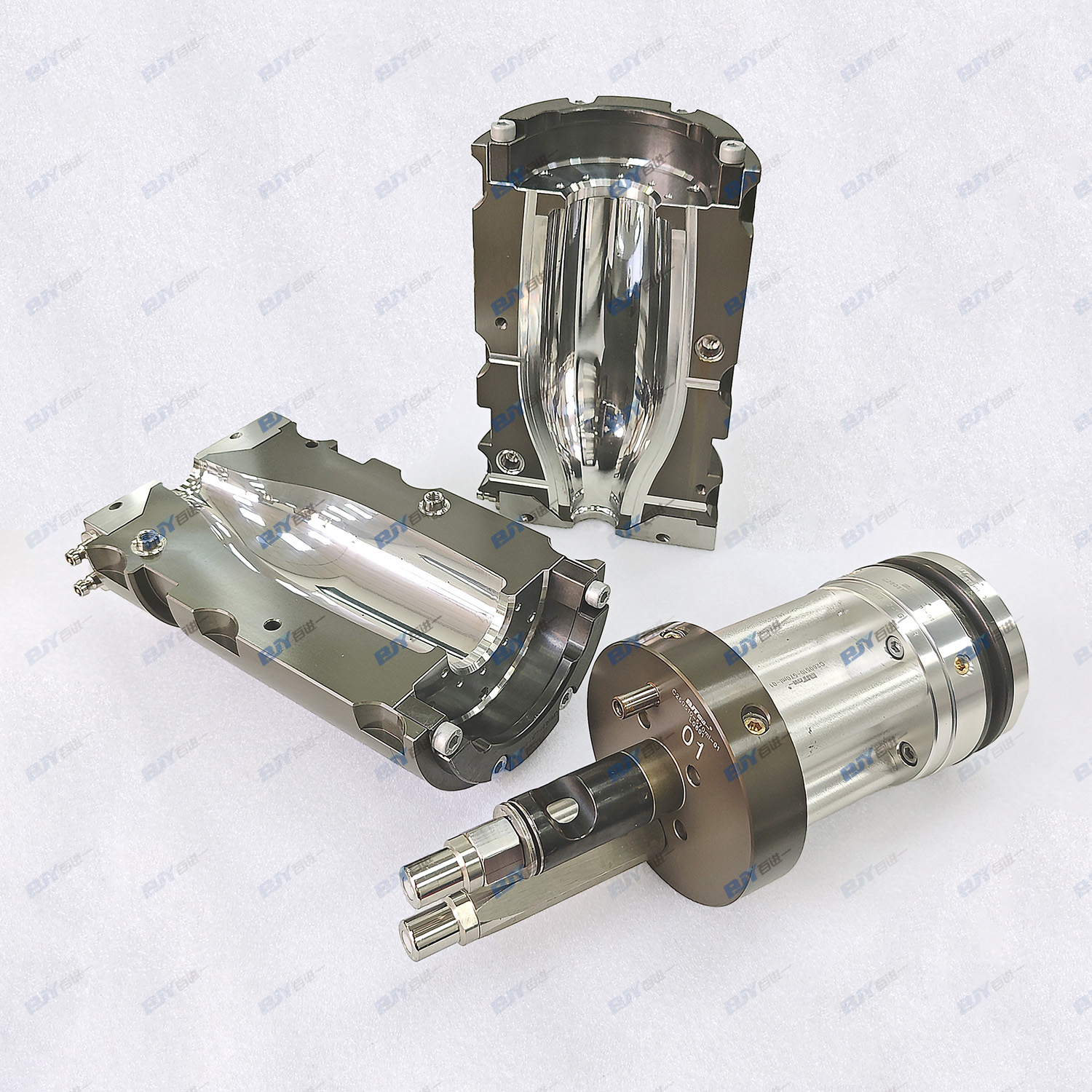
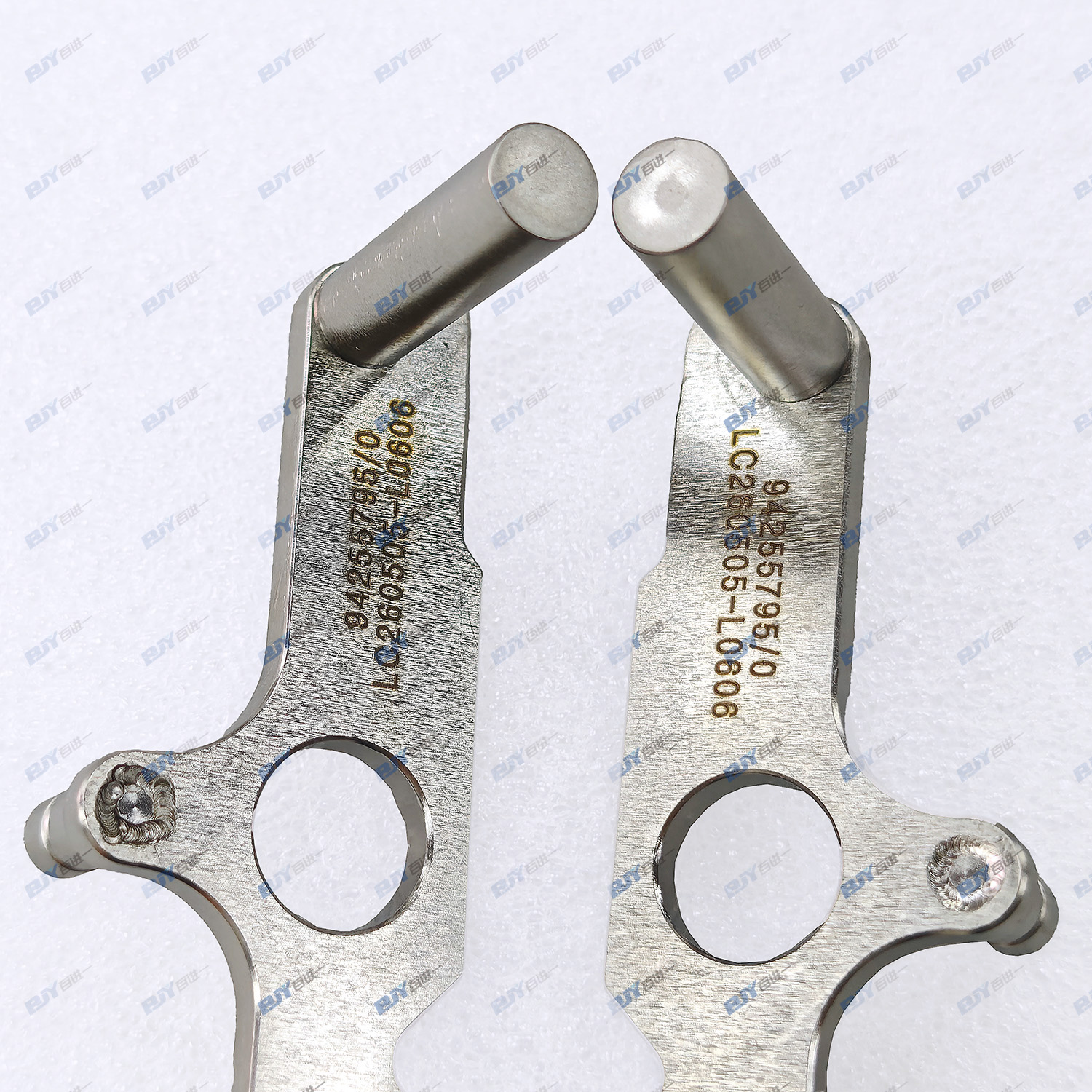
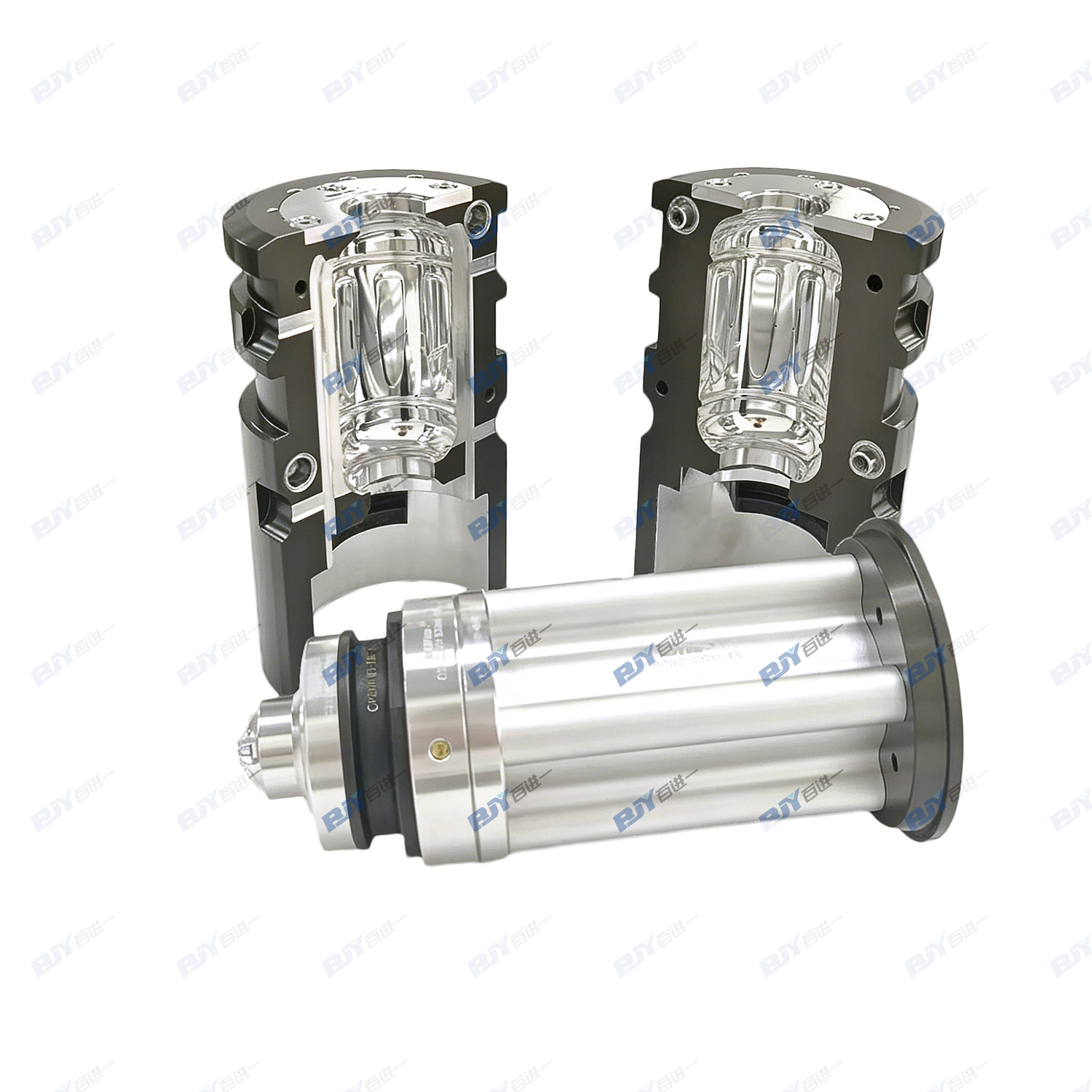
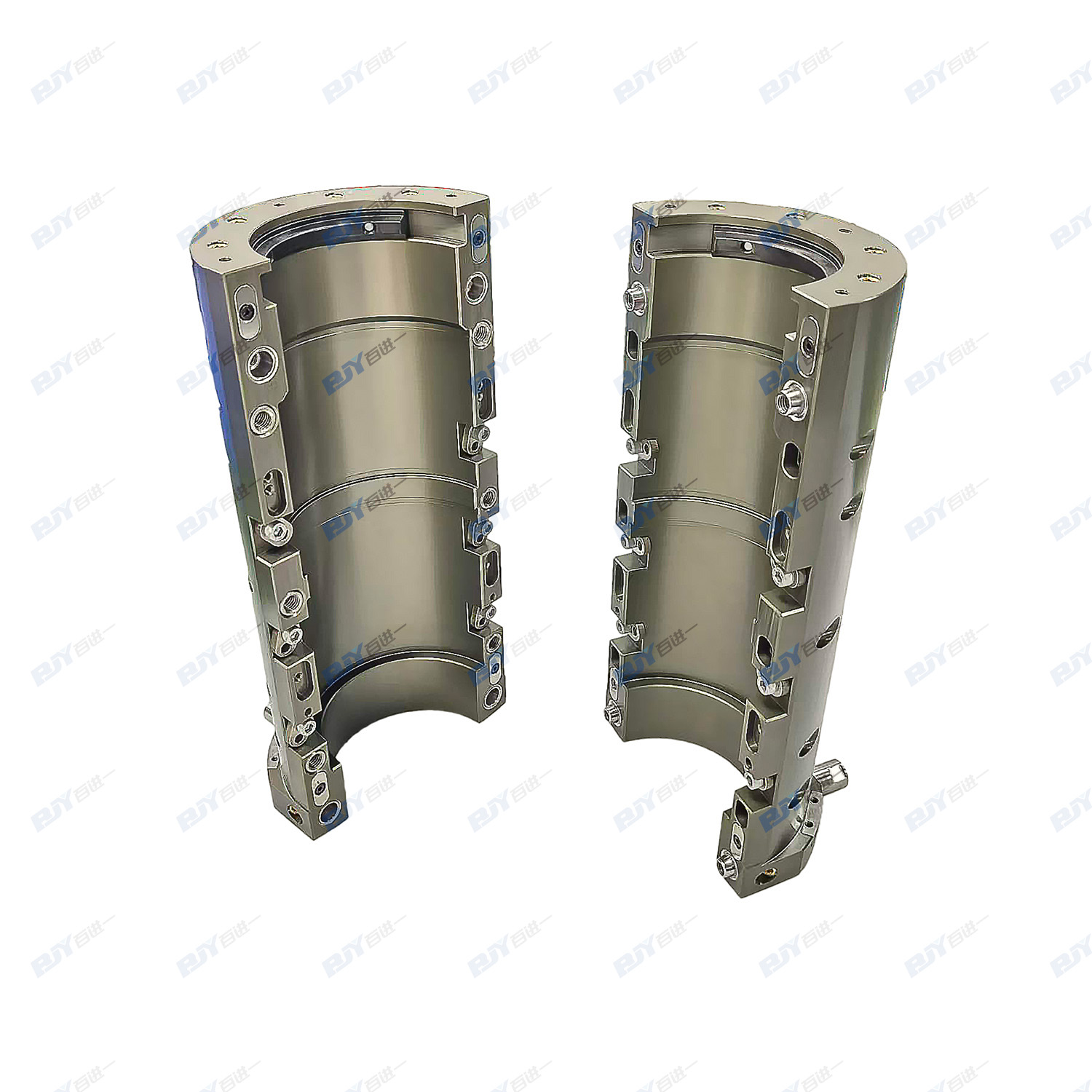
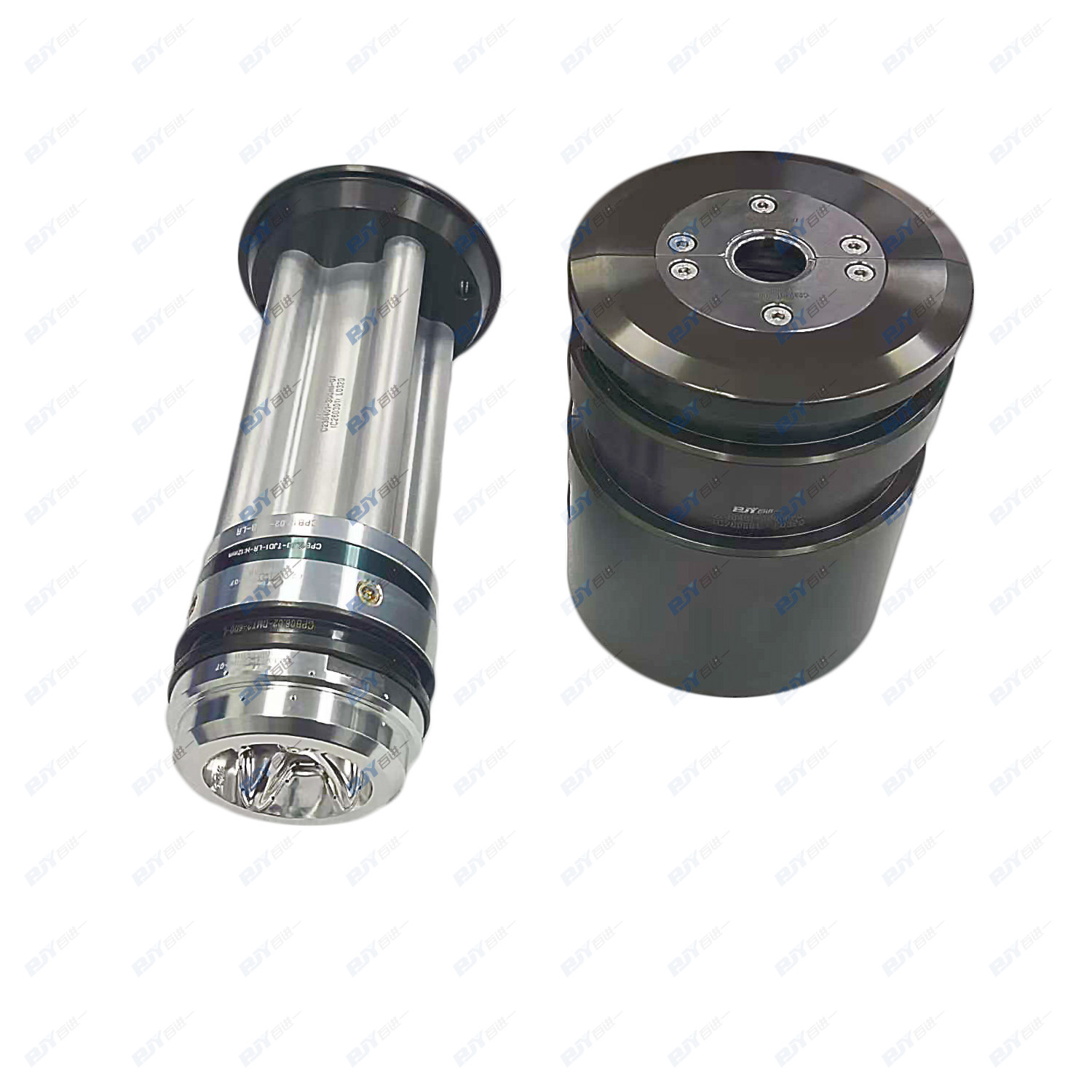
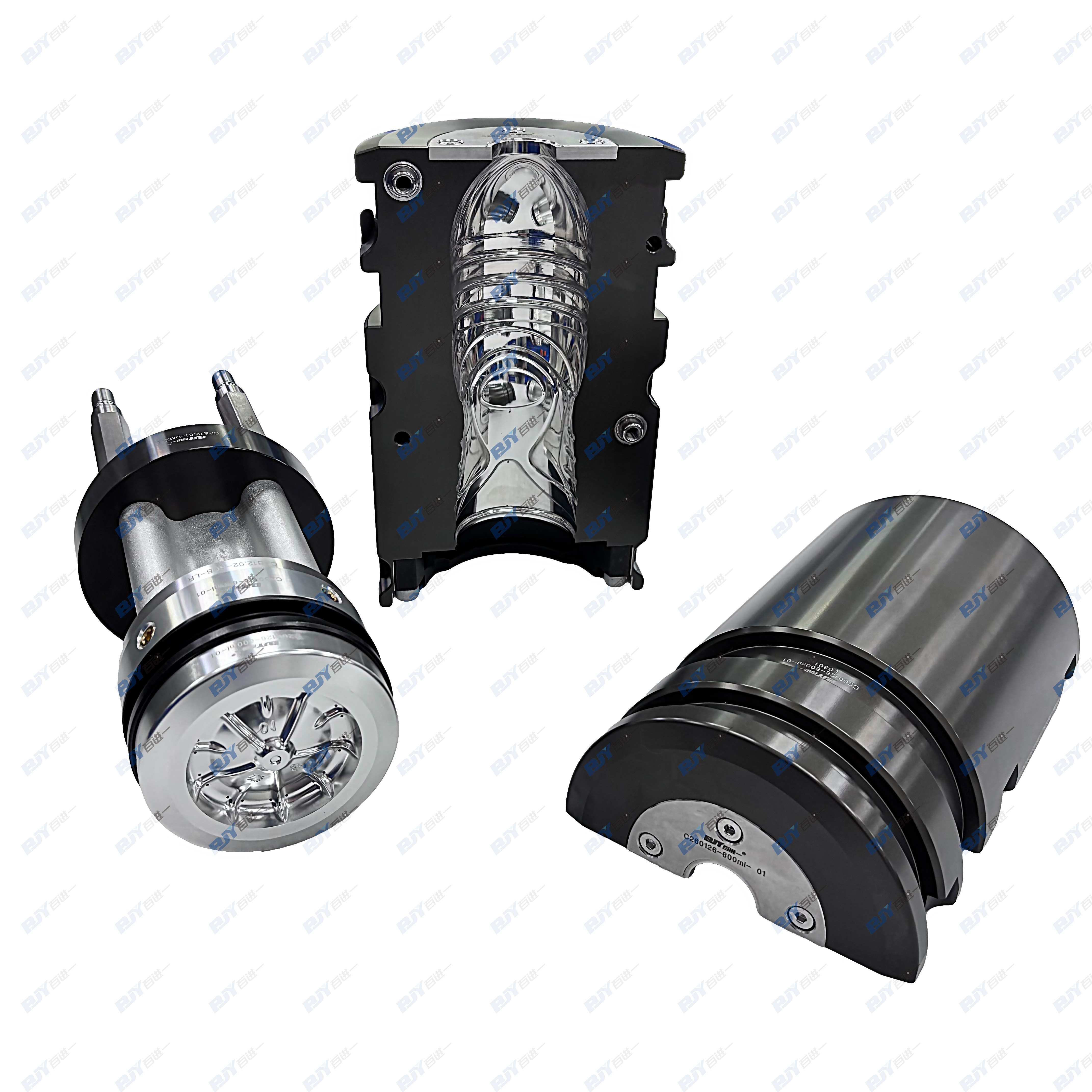
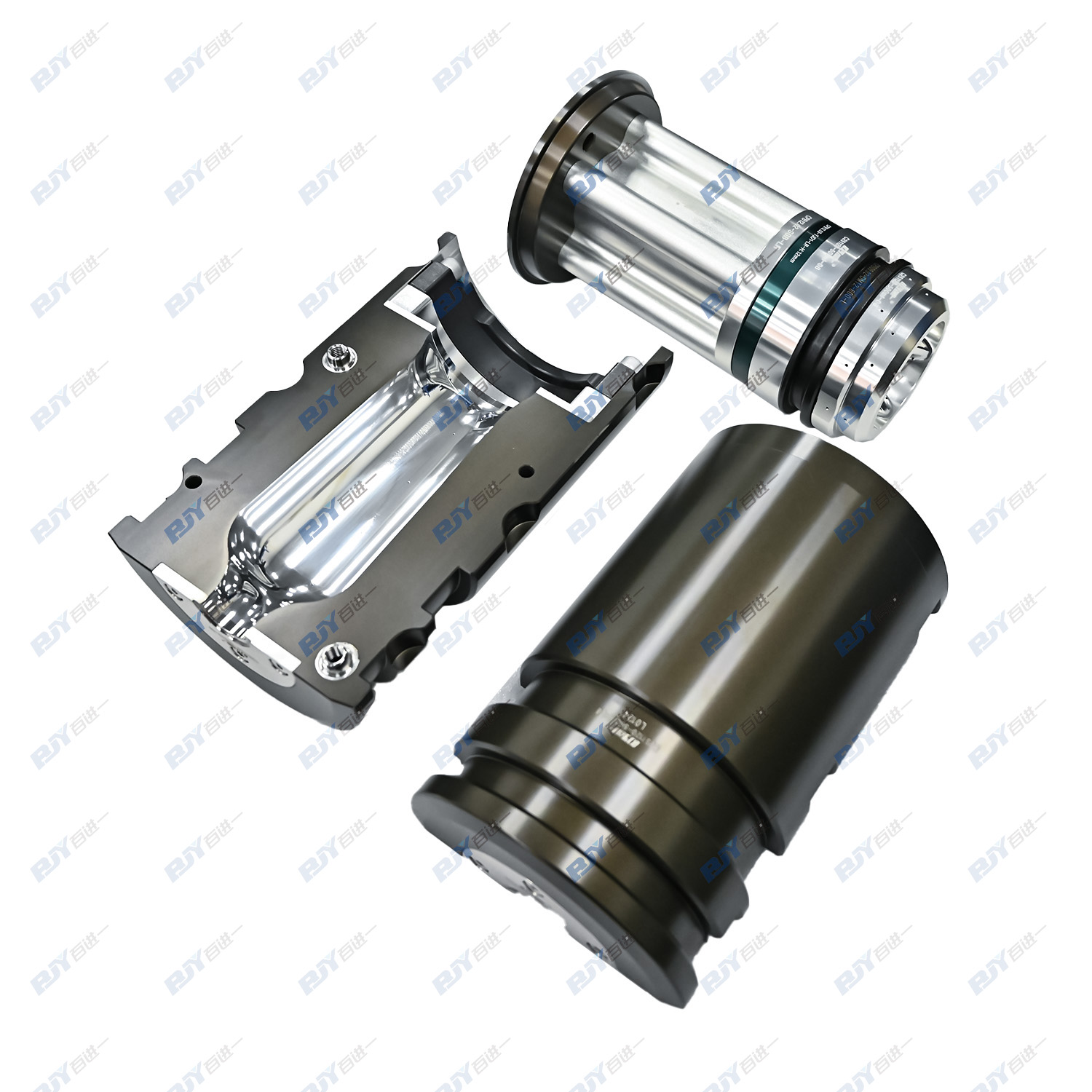
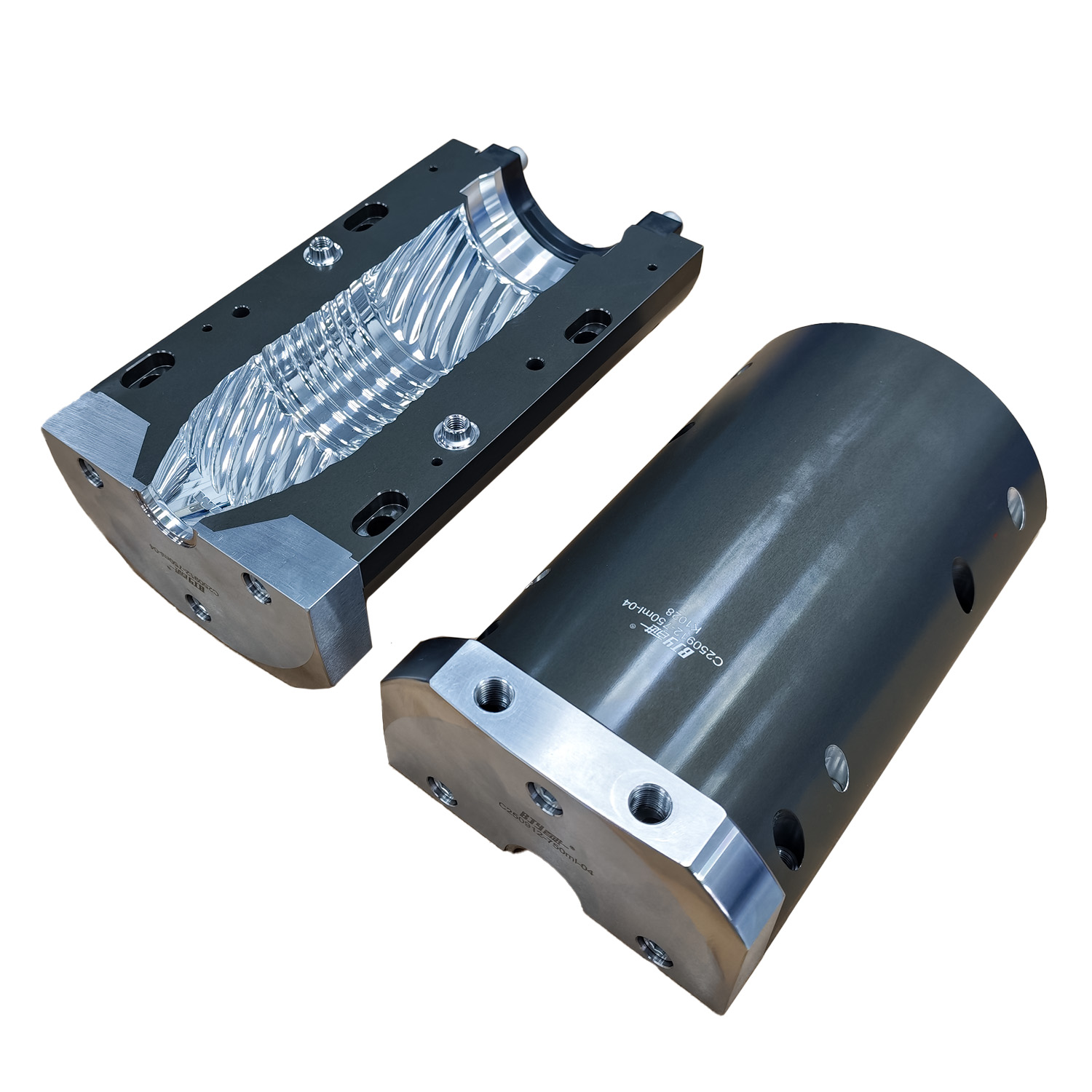
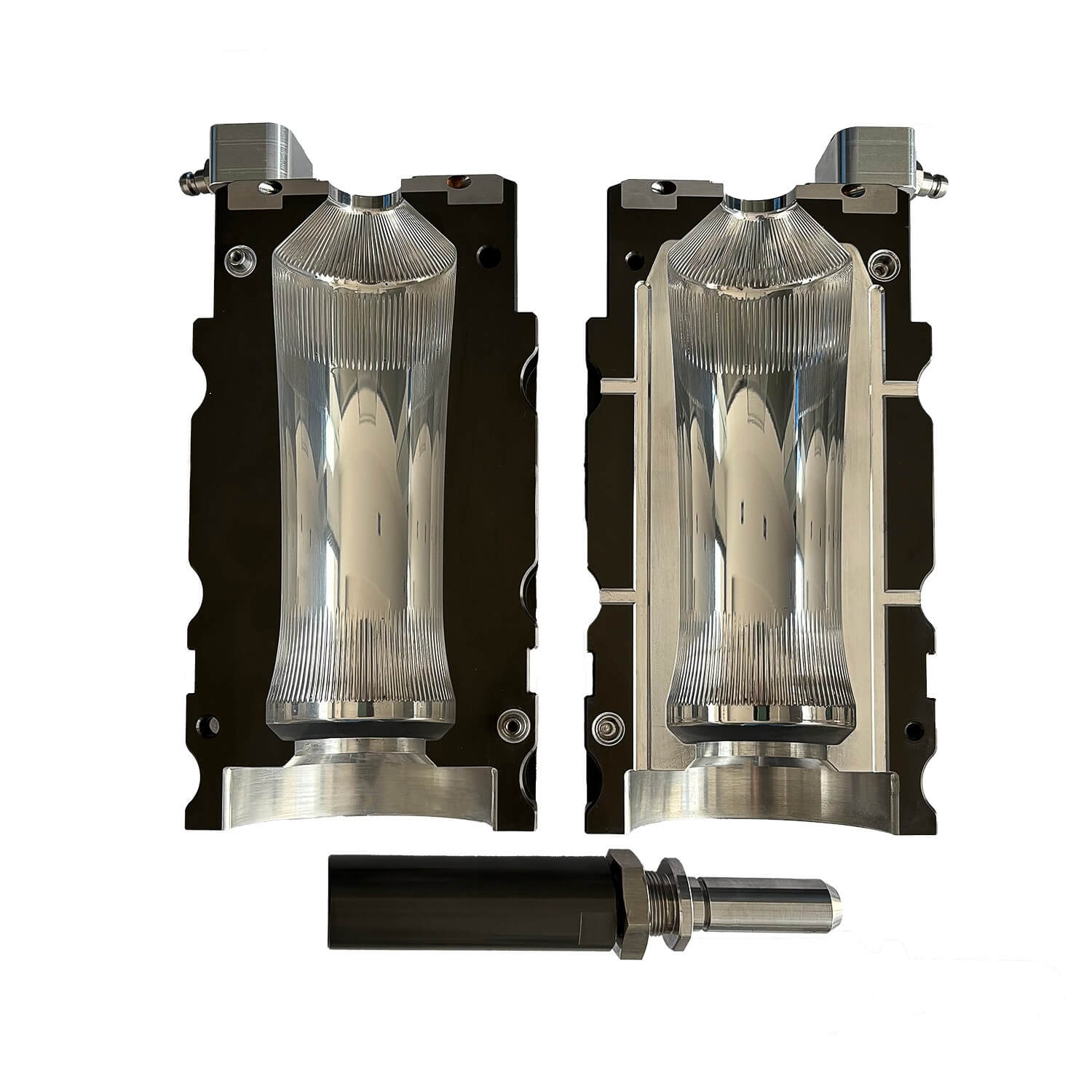
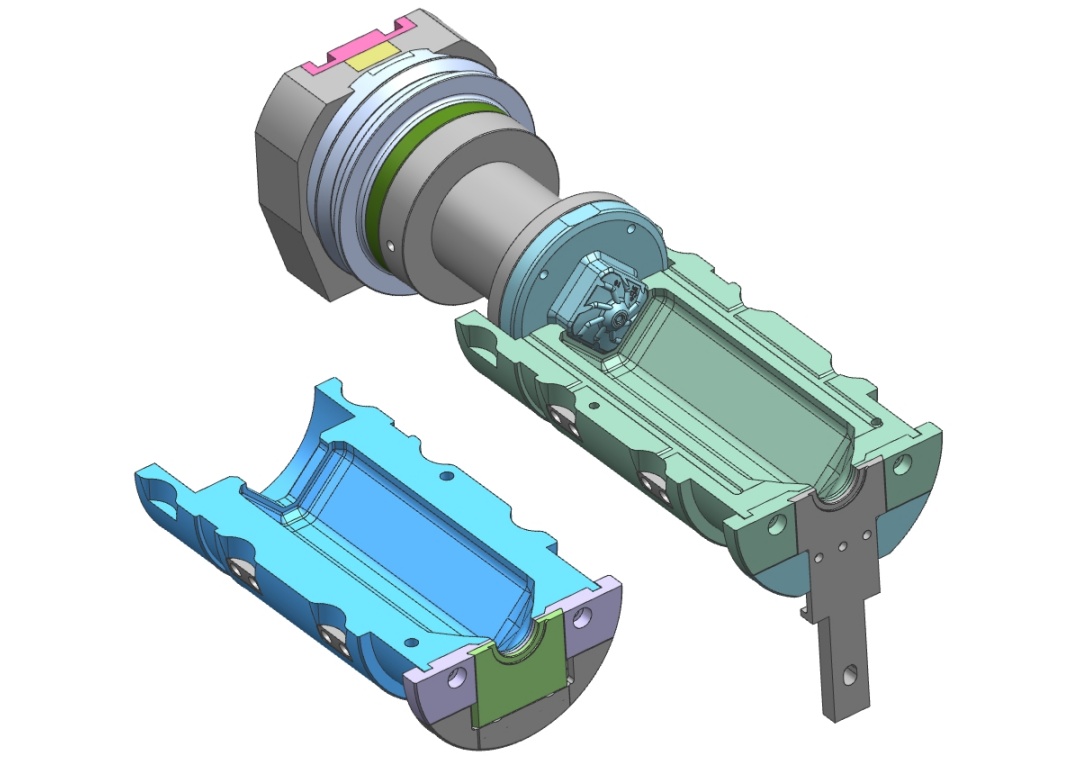
Imported aluminum material, full-bar cutting, and special coating treatment extend the service life of the blow mold.
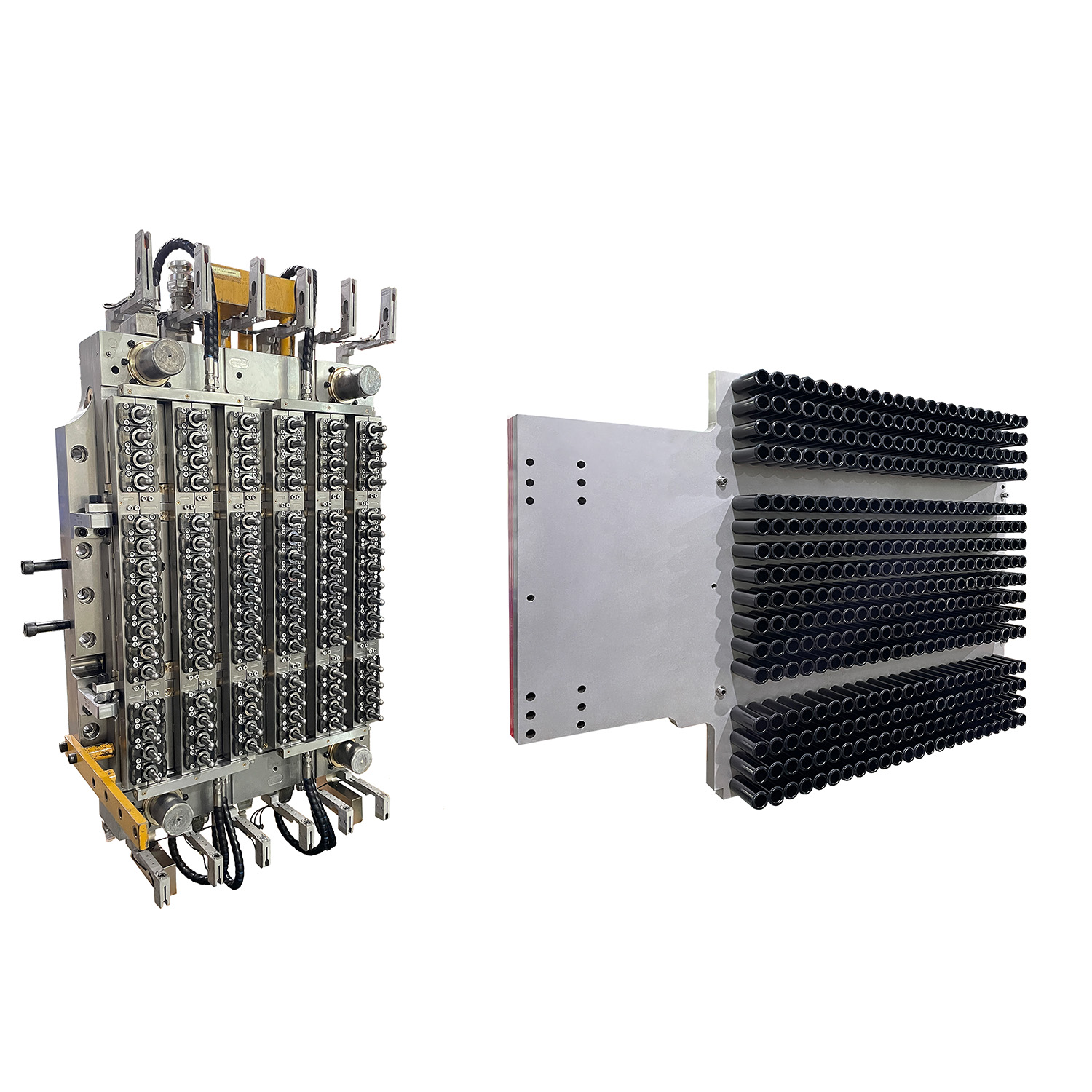
Optimized venting and cooling-water layout improve production efficiency.
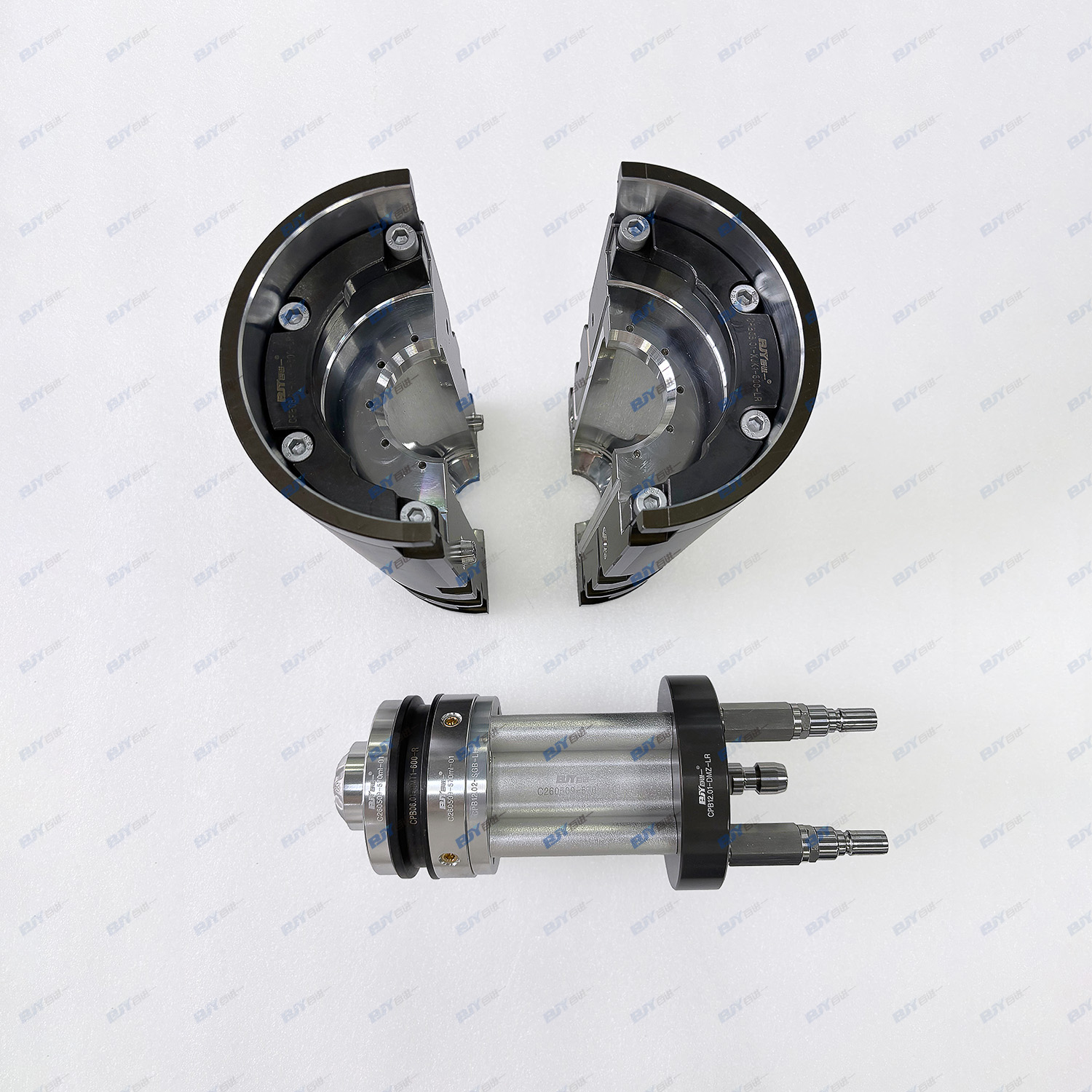
Flexible component configuration saves both time and cost.

PET Blow Molding Process & Supplier Selection
1. Blow Molding Process
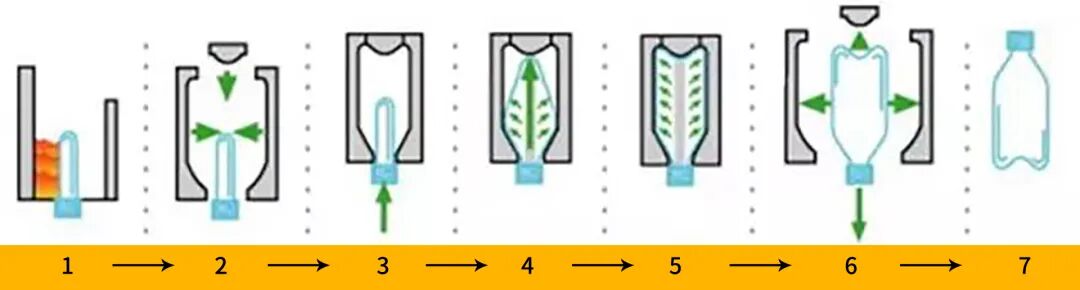
PET bottles are typically produced using a two-step blow molding process. From preform to finished bottle, the process generally includes heating, mold closing, stretch blow molding, shaping, and demolding. While it may seem straightforward, it requires precise control of temperature, air pressure, and timing.
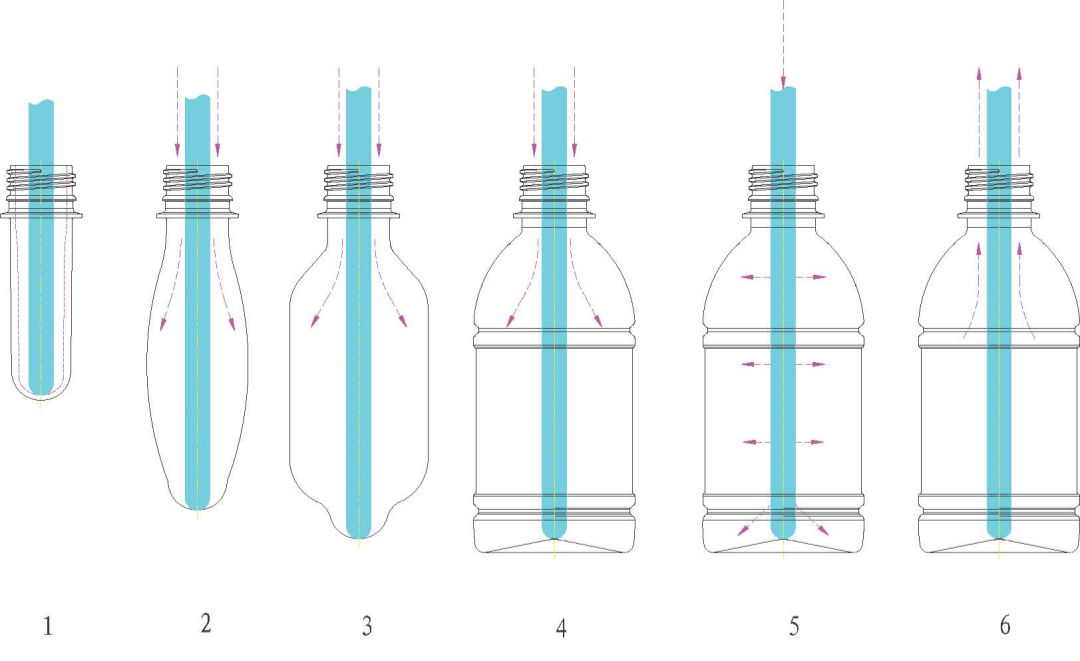
Among these steps, the pre-blowing stage is a critical point in the process. Pre-blowing starts as the stretch rod moves downward, allowing the preform to take an initial shape and preparing it for the subsequent high-pressure blowing. Ideally, the bottle after pre-blowing should have a spindle-like shape, which helps ensure more uniform material distribution.
If a dumbbell shape or irregular form appears, it usually indicates uneven heating or improper pre-blowing parameters. In such cases, temperature zones or air pressure settings need to be adjusted promptly. Different bottle sizes also have different pre-blowing requirements. For example, large-capacity bottles generally require lower pre-blowing pressure, while high-speed production systems demand greater pressure stability.
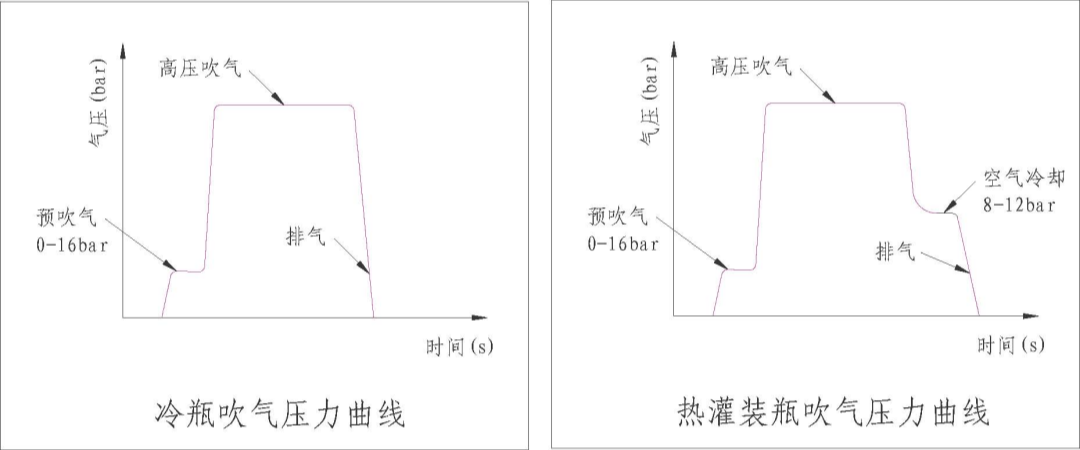
Overall, stable control of the pre-blowing stage is key to ensuring product consistency and a high yield rate.
2. Role of the Blow Mold
During the blow molding process, the mold not only determines the external shape of the bottle but also directly affects production efficiency and product stability. A high-quality blow mold provides precise dimensional control and, through an optimized cooling design, shortens the molding cycle, allowing equipment to run more efficiently and consistently. If the mold lacks precision or has an improper structural design, it may lead to deformation, uneven wall thickness, or unstable production. Therefore, the mold is not just a forming tool, but a critical component of the entire production system.
3. How to Choose a Blow Mold Supplier
Choosing the right supplier is not just about price—it requires a comprehensive evaluation of capabilities. First, consider experience and technical expertise. Manufacturers who have long focused on PET blow molds usually have a deeper understanding of material properties and process details, enabling them to avoid many issues at the design stage.
Second, evaluate materials and manufacturing capability. High-quality molds are typically made from premium aluminum alloys or high-strength steel, combined with precision machining. This directly affects mold lifespan and production stability.
In addition, customization capability is essential. For special bottle designs or functional requirements, whether the supplier can provide optimization suggestions will significantly impact the final product performance. Finally, after-sales support should not be overlooked. Molds inevitably require maintenance and adjustments over time, and the supplier’s response speed and technical support often determine whether production can run smoothly.
4. Conclusion
Stable PET bottle production relies on two key factors: process control and mold quality. The process sets the foundation, while the mold defines the upper limit. Only when both work together effectively can manufacturers achieve efficient, stable, and sustainable production.